
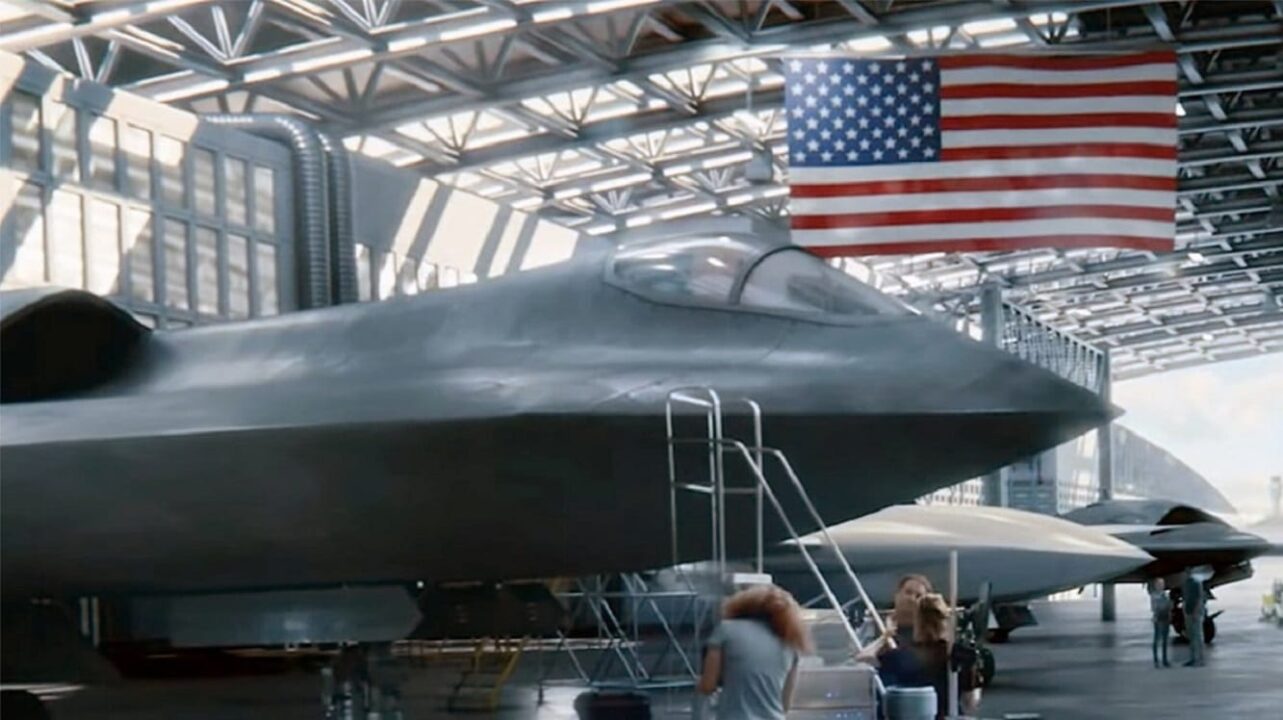
Summary and Key Points: Gen. Dale White said on July 29 that the F-47 entered development with unprecedented maturity and would fly before January 2029, with Defense News reporting test aircraft in production for a planned 2028 first flight. Boeing received the Engineering and Manufacturing Development contract in March 2025. The Air Force has publicly positioned the fighter above Mach 2, with a combat radius greater than 1,000 nautical miles, and has signaled a force of at least 185 aircraft operating alongside more than 150 Collaborative Combat Aircraft.
The F-47 NGAD Could Be Special
China’s J-20 has become the clearest symbol of Beijing’s airpower rise, while the newer J-35A points toward a second Chinese stealth-fighter family. Both deserve attention. Beijing is also testing 6th-gen platforms. The F-47 is being built for a different generation of warfare, not simply as a faster F-22 or a direct answer to one Chinese jet.
Boeing received the Engineering and Manufacturing Development contract in March 2025. The Air Force said the fighter would combine next-generation stealth, sensor fusion, and long-range strike with a modular design built for rapid upgrades. Experimental aircraft supporting the program had already flown hundreds of hours.
On July 29, Gen. Dale White said the F-47 entered development with “unprecedented maturity” and would fly before January 2029. Defense News reported the next day that test aircraft were in production for a planned 2028 first flight.
Its exact shape, engine, radar, payload, and weapons remain classified. Public renderings are not engineering drawings. The disclosed features still show why the F-47 could change the balance against China.
Range Is the F-47 Feature China Should Fear Most
The Air Force has publicly stated that the F-47 exceeds Mach 2 and has a combat radius greater than 1,000 nautical miles. That would nearly double the publicly cited radius of the F-22 and give commanders more freedom to operate from distant bases, according to the service’s released performance floor.
China’s missile force threatens airfields, tankers, and command aircraft across the western Pacific. An F-47 able to fly farther with less tanker support could launch from more locations and spend less time tied to vulnerable refueling tracks. Its 1,000-mile combat radius matters more than another air-show maneuver. The public numbers describe a fighter designed around Pacific distance.
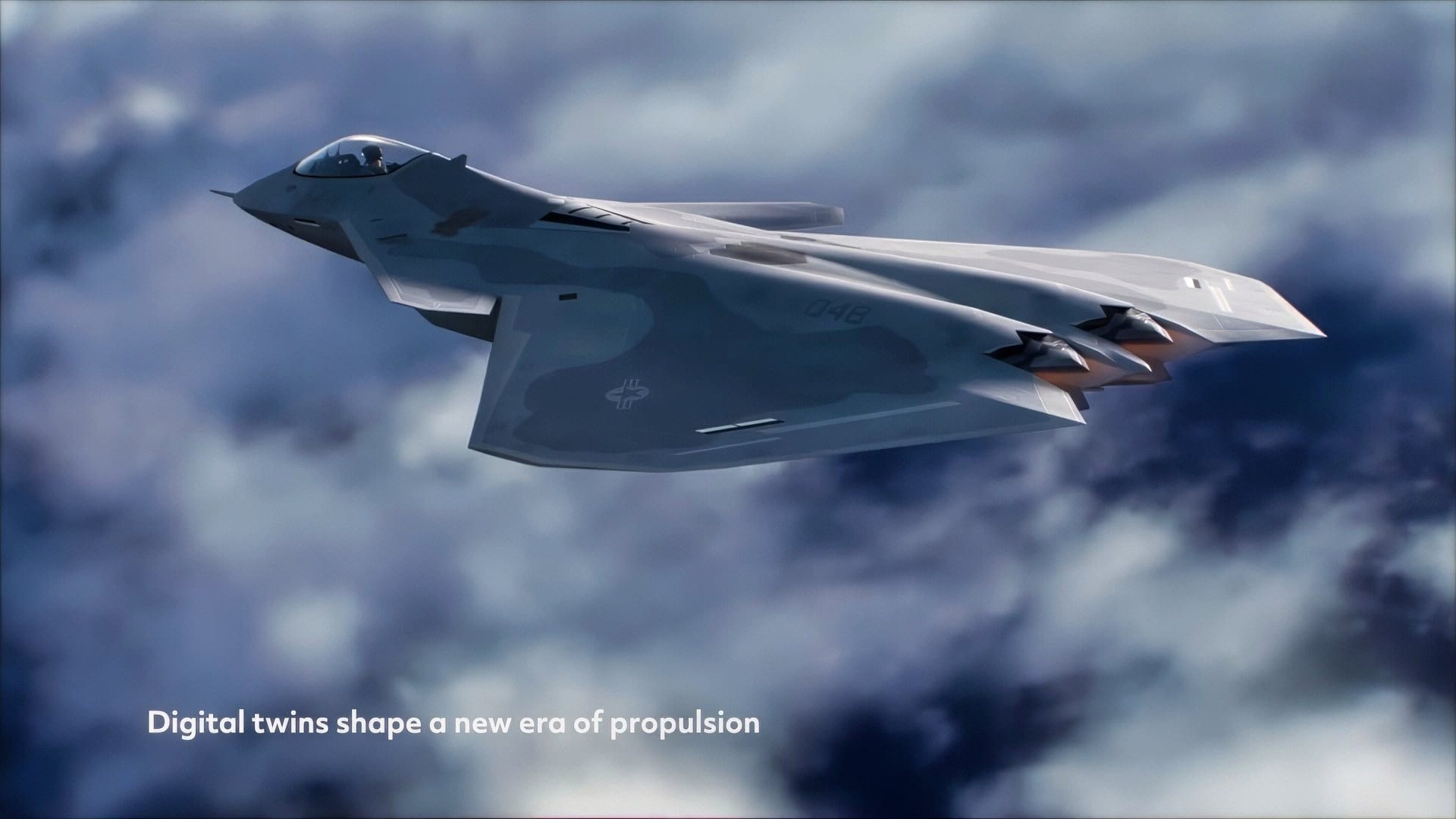
F-47 NGAD Fighter Possible Image. Image Credit: Screenshot.
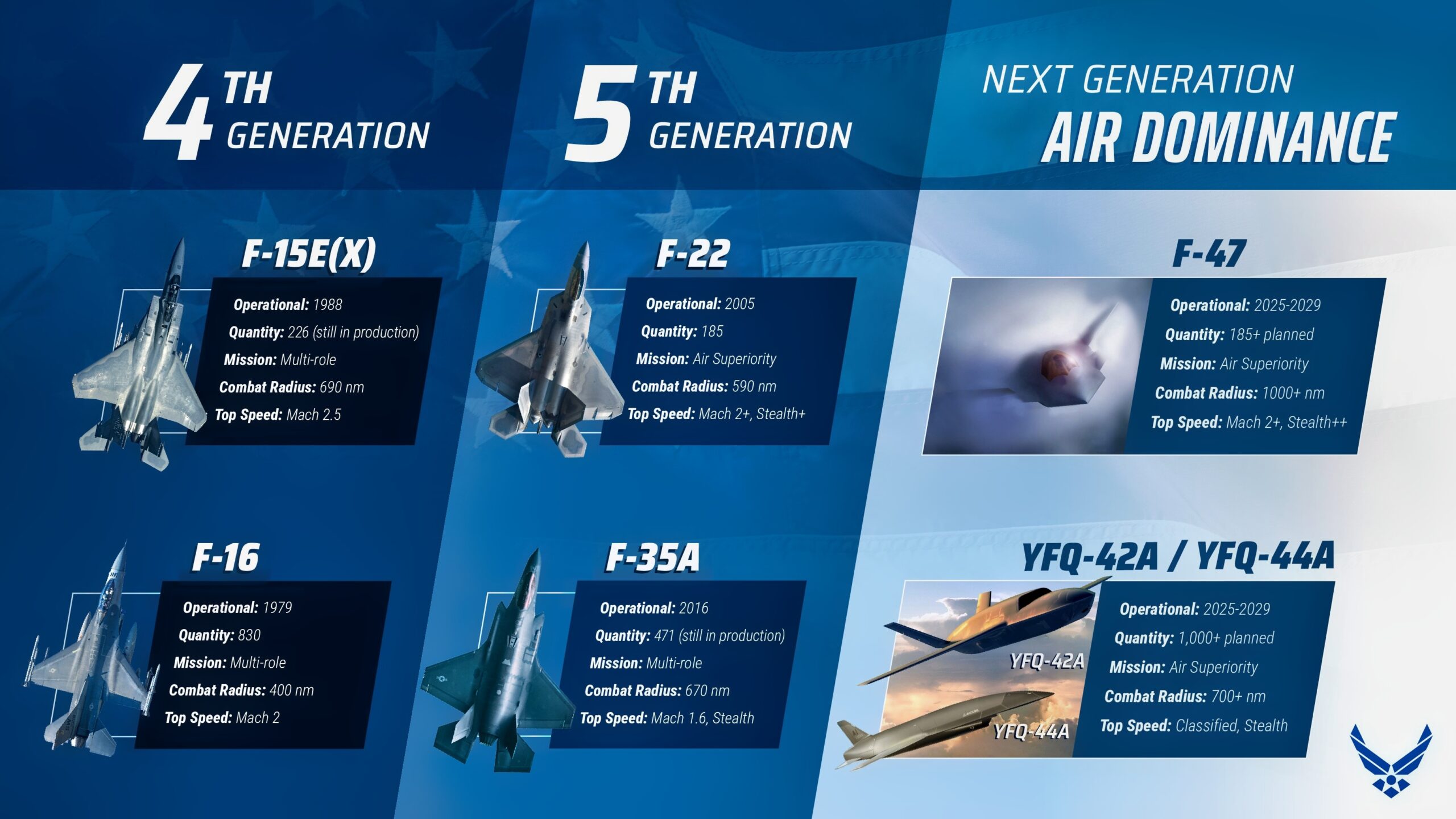
F-47 Infographic. Image Credit: U.S. Air Force
The F-47 Will Fight With Drone Wingmen
The F-47 is the crewed center of the Next Generation Air Dominance system. It is expected to operate with Collaborative Combat Aircraft carrying sensors, electronic-warfare equipment, and weapons. The Air Force has awarded development and production contracts for the FQ-42 and FQ-44 and wants more than 150 combat-capable CCAs by the end of the decade.
The service has signaled a force of at least 185 F-47s. Pairing those aircraft with autonomous teammates could create a formation far larger than the crewed fleet. Mission autonomy would enable the drones to follow the commander’s intent and share information, while a human retains weapons-release authority.
One F-47 could arrive with additional sensors, jammers, and missile carriers spread across the battlespace.
Stealth and Sensor Fusion Could Break China’s Kill Chain
The J-20 operates inside a Chinese network of ground radars, satellites, data links, airborne early-warning aircraft, and long-range missiles. The F-47 must penetrate that network and attack the nodes, turning detection into a weapon-quality track. A direct J-20-versus-F-47 comparison therefore captures only part of the contest.
The Air Force says the F-47 will be stealthier than the F-22. Public artwork hints at a tailless aircraft designed to reduce radar returns from several directions, but the final configuration remains hidden. Arguments based on canards shown in the artwork are weak, as American demonstrators tested related ideas decades ago.
Sensor fusion will combine information from the fighter, CCAs, satellites, other aircraft, and maritime forces.
The side that identifies and attacks the opposing formation first may win before a close-range dogfight begins. The F-47’s classified signature could make it the hardest crewed aircraft in the world to track.
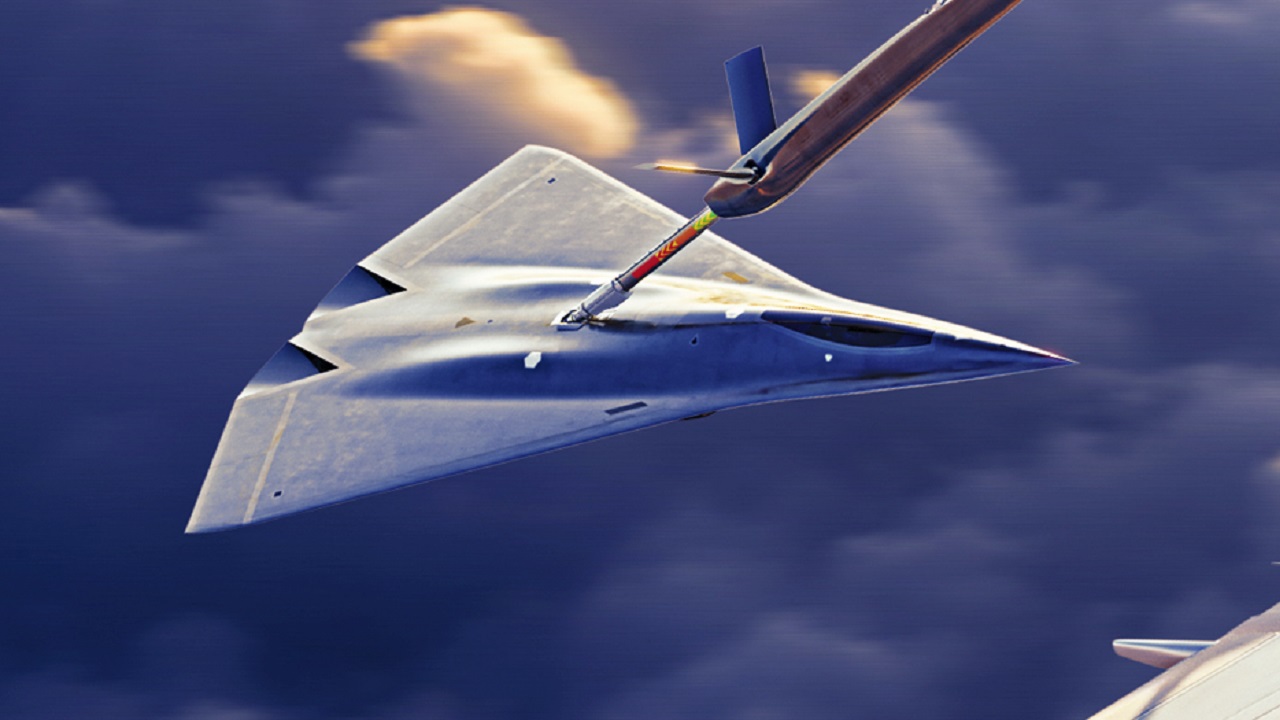
Lockheed Martin NGAD Fighter. Image Credit: Lockheed Martin.
Open Architecture Could Change Fighter Development
The F-47 is intended to avoid the locked hardware and software structure that made earlier upgrades slow and expensive. The Air Force says it will control the architecture and use digital engineering to speed up changes. The same model already separates CCA autonomy software from the air vehicle.
The service also promises greater availability, easier support, and a smaller deployment footprint than its current fifth-generation fighters. Those features matter in the Pacific, where bases may have to operate under missile attack with fewer maintainers, less equipment, and disrupted supply lines.
The approach reflects lessons from the industrial structure surrounding the F-35. Radar modes, electronic-warfare tools, weapons interfaces, and autonomous behaviors should evolve without waiting for a new airframe. The secret demonstrator history suggests this development model was tested years before Boeing won the contract.
China Still Has Advantages the F-47 Cannot Erase
The J-20 is operational now (and Chinese 6th-generation fighters like the F-47 are being teased). China is building more of them, and the J-35A signals the emergence of another stealth line. Beijing also fights near its own bases and can combine aircraft with missiles, dense sensors, and enormous industrial capacity. Claims that the F-47 will outclass the J-20 depend on the United States turning classified promises into deployable numbers.
The F-47 will dominate only if Washington buys enough aircraft, produces long-range weapons, protects Pacific bases, and delivers the CCA force on schedule. A small fleet with insufficient missiles and fragile tankers would repeat the mistake made when F-22 production fell far short of the original plan.
The Air Force’s fiscal 2027 request adds $3 billion for the F-47 and $2.7 billion for CCAs. When the first development aircraft leaves the runway, the real question will not be whether it can outturn a J-20 or whatever comes after. It will be whether one American pilot can bring an entire formation of sensors, jammers, and weapons into the Pacific fight.
Interesting Fact: The F-47 is currently being built right outside of Saint Louis, Missouri.
About the Author: Harry J. Kazianis
Harry J. Kazianis (@Grecianformula) was the former Senior Director of National Security Affairs at the Center for the National Interest, a foreign policy think tank founded by Richard Nixon in Washington, D.C. Harry has more than a decade of experience in think tanks and national security publishing. His ideas have been published in The New York Times, The Washington Post, The Wall Street Journal, CNN and many other outlets worldwide. He has held positions at CSIS, the Heritage Foundation, the University of Nottingham and several other institutions related to national security research and studies. He is the former Executive Editor of The National Interest and The Diplomat. He holds a master’s degree focusing on international affairs from Harvard University.

