
Key Points and Summary – China’s J-20 stealth fighter is receiving significant upgrades, including indigenous WS-15 engines, AI assistance, and a new two-seat command variant (J-20S) designed for manned-unmanned teaming.
-While these enhancements make the J-20 a credible threat to U.S. fifth-generation assets like the F-35 by targeting support aircraft such as tankers and AWACS, Dr. Andrew Latham argues it remains an evolutionary platform.
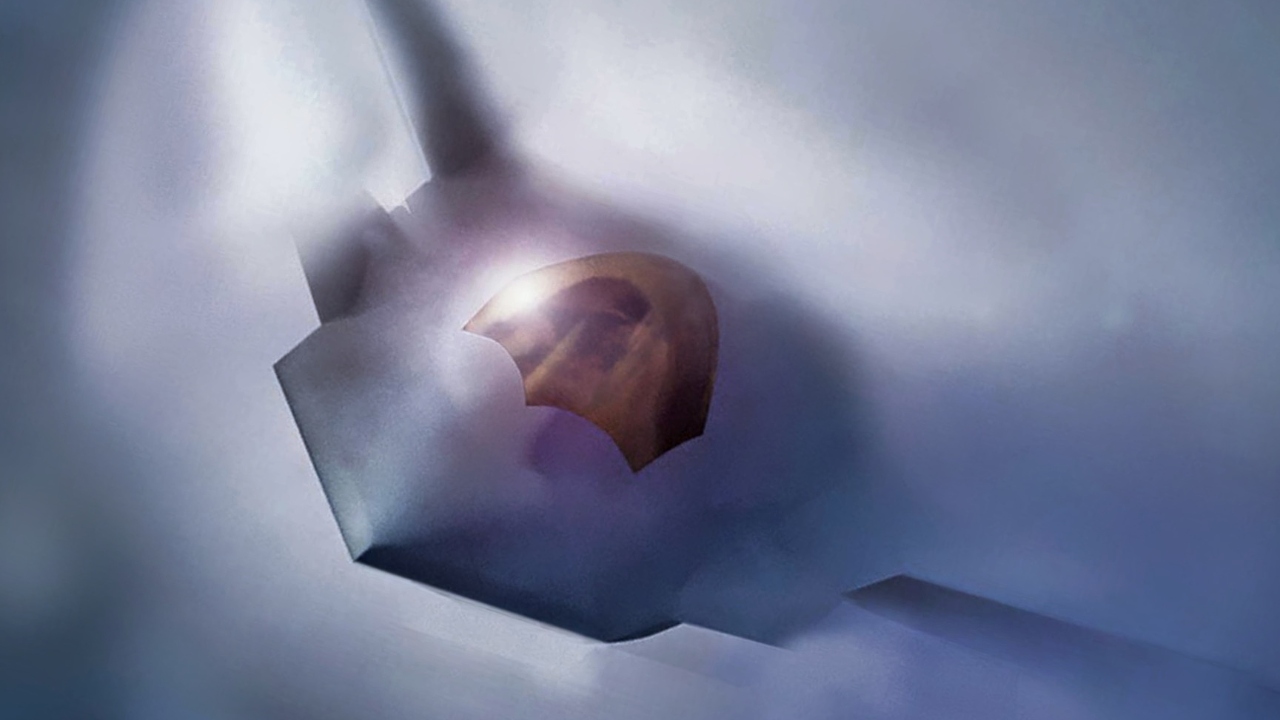
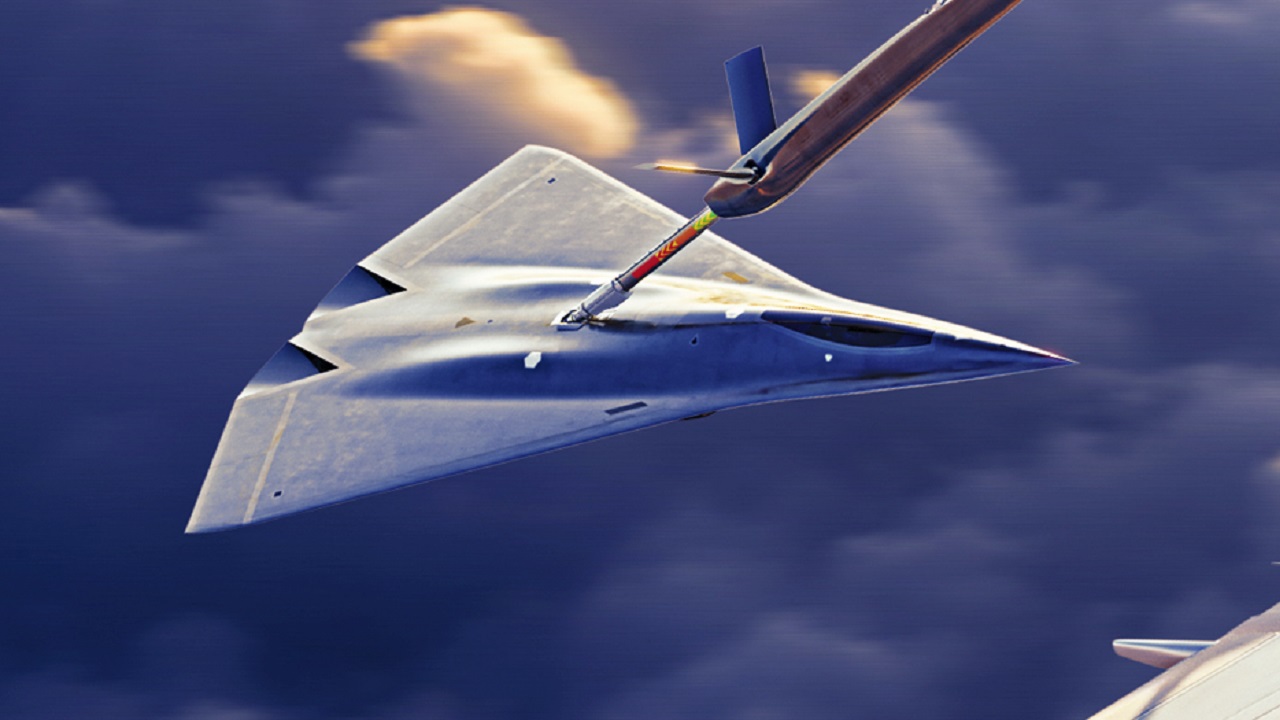
Shown is a graphical artist rendering of the Next Generation Air Dominance (NGAD) Platform. The rendering highlights the Air Force’s sixth generation fighter, the F-47. The NGAD Platform will bring lethal, next-generation technologies to ensure air superiority for the Joint Force in any conflict. (U.S. Air Force graphic)
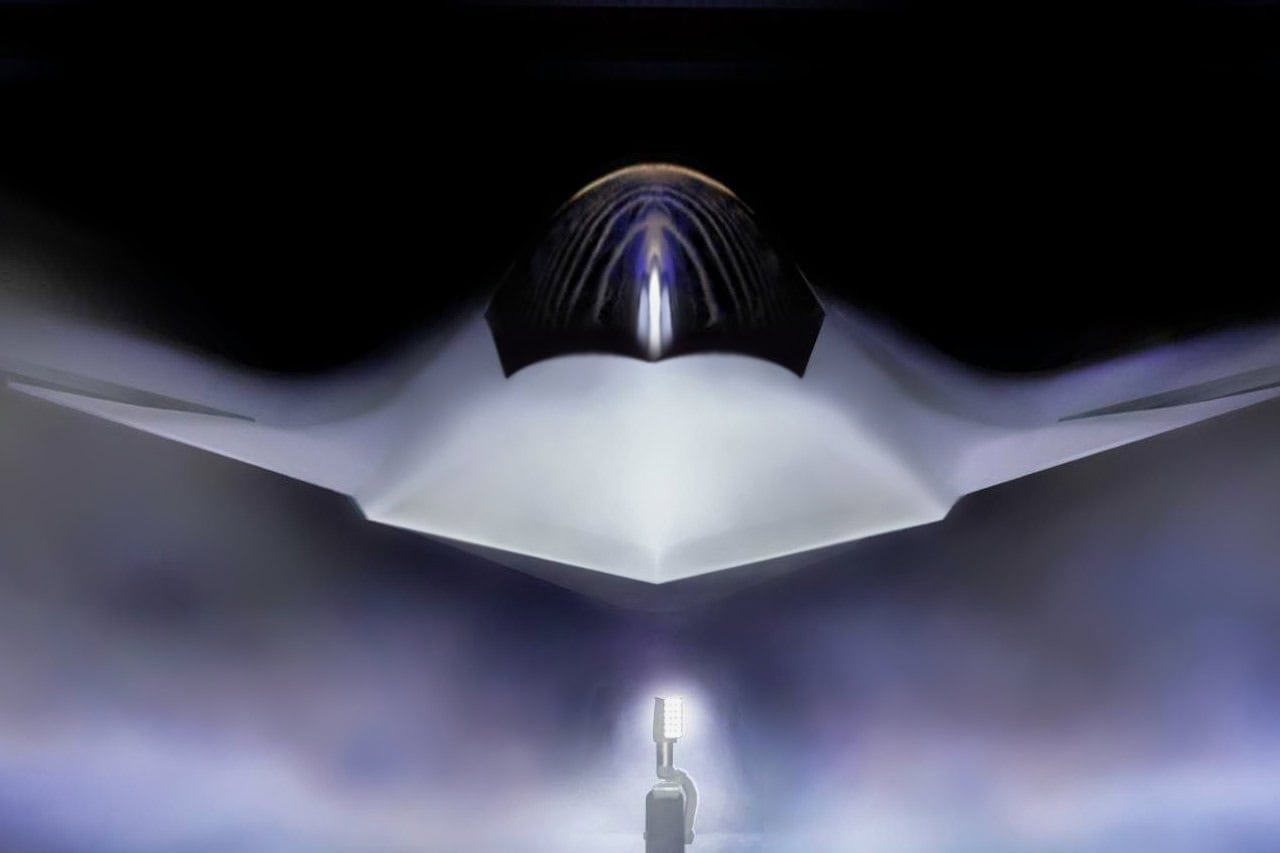
Shown is a graphical artist rendering of the Next Generation Air Dominance (NGAD) Platform. The rendering highlights the Air Force’s sixth generation fighter, the F-47. The NGAD Platform will bring lethal, next-generation technologies to ensure air superiority for the Joint Force in any conflict. (U.S. Air Force graphic)
-He contends that the J-20 is ill-equipped to defeat the upcoming U.S. sixth-generation “distributed architecture”—led by the F-47 and F/A-XX—which shifts the advantage from individual dogfighting performance to battlespace control and network integration.
Why China’s Upgraded J-20 Is Dangerous But Not a Game-Changer for US Air Power
China’s J-20 was already a potent combat aircraft. And, as recent reporting and official commentary have shown, it is continuing to improve: the next upgrade is expected to feature advanced radar and infrared sensors, long-range air-to-air missiles, tighter integration with electronic warfare systems, artificial intelligence to assist pilots, and a further shift to indigenously made WS-15 engines.
Beijing is also reportedly working on manned-unmanned teaming and a twin-seat J-20 command-variant. Neither of these should be dismissed, nor are they a basis for alarmism. These enhancements will strengthen China’s position in fifth-generation air combat; they do not fundamentally alter the structural asymmetries that will decide the character of the coming air war.
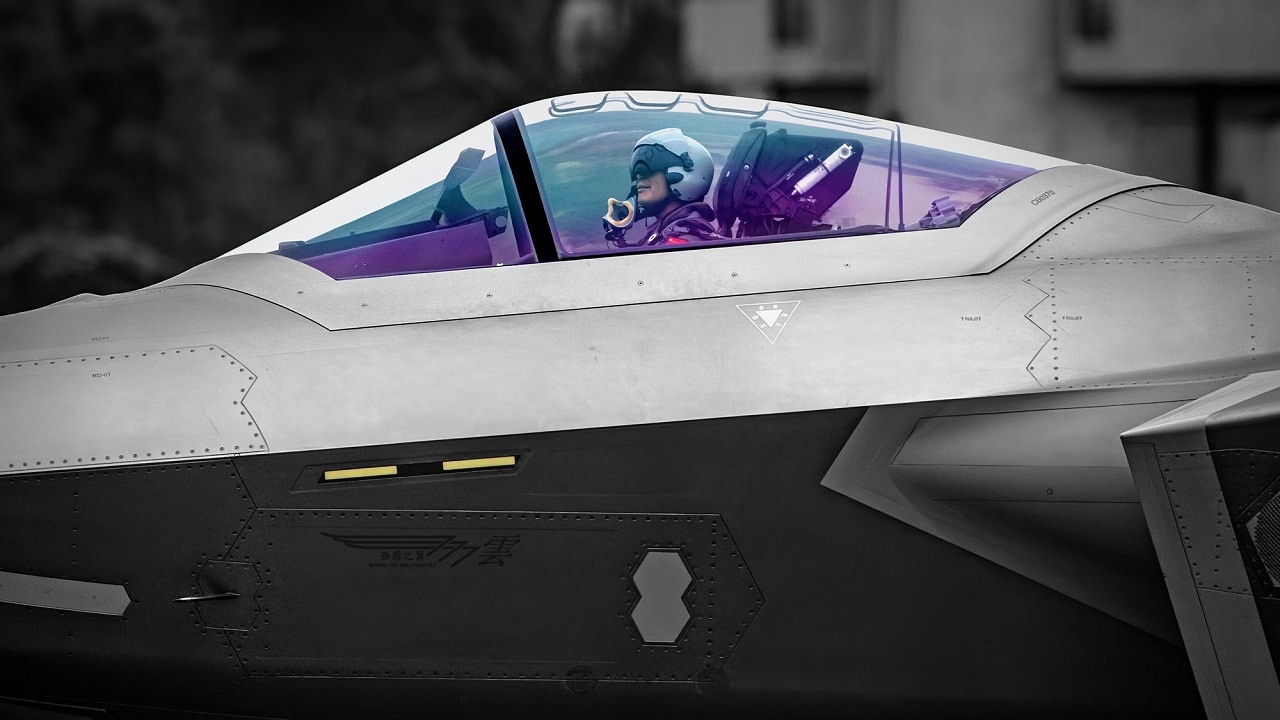
J-20 Fighter. Image Credit: Creative Commons.
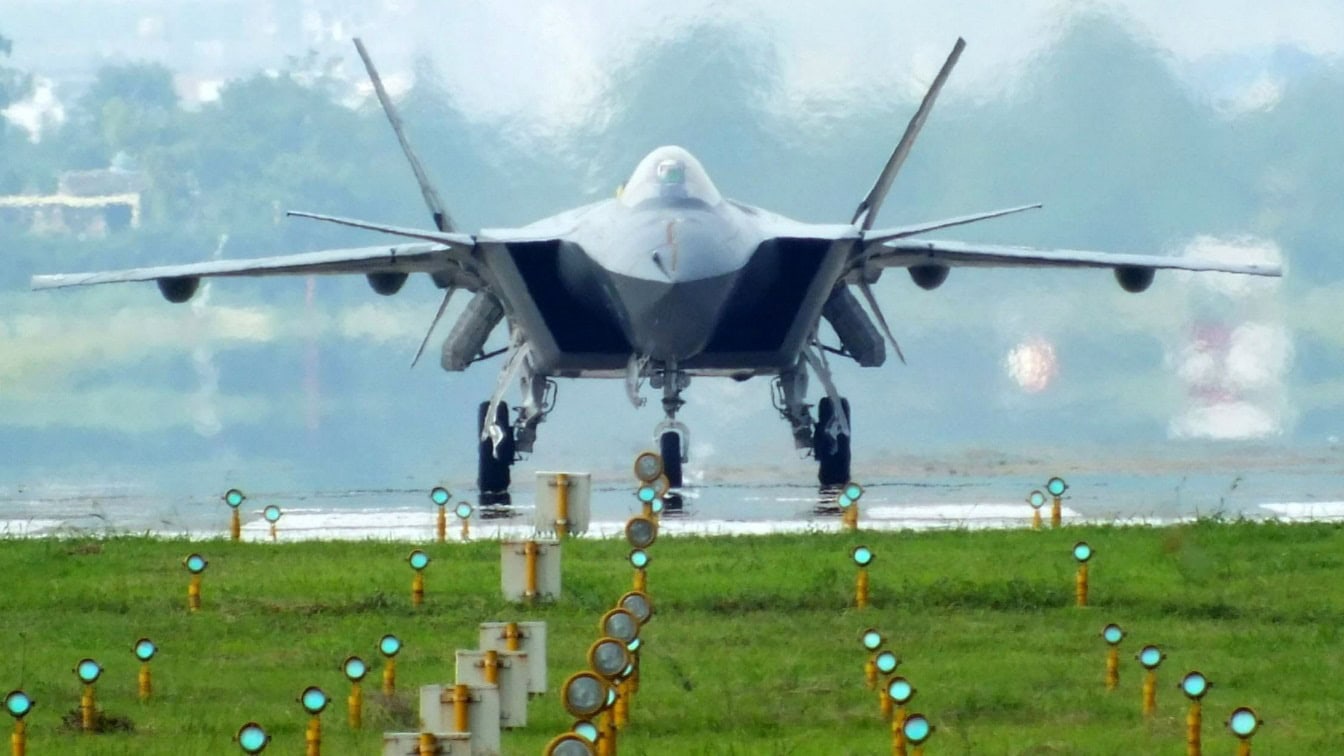
J-20 stealth fighter. Image Credit: Creative Commons.
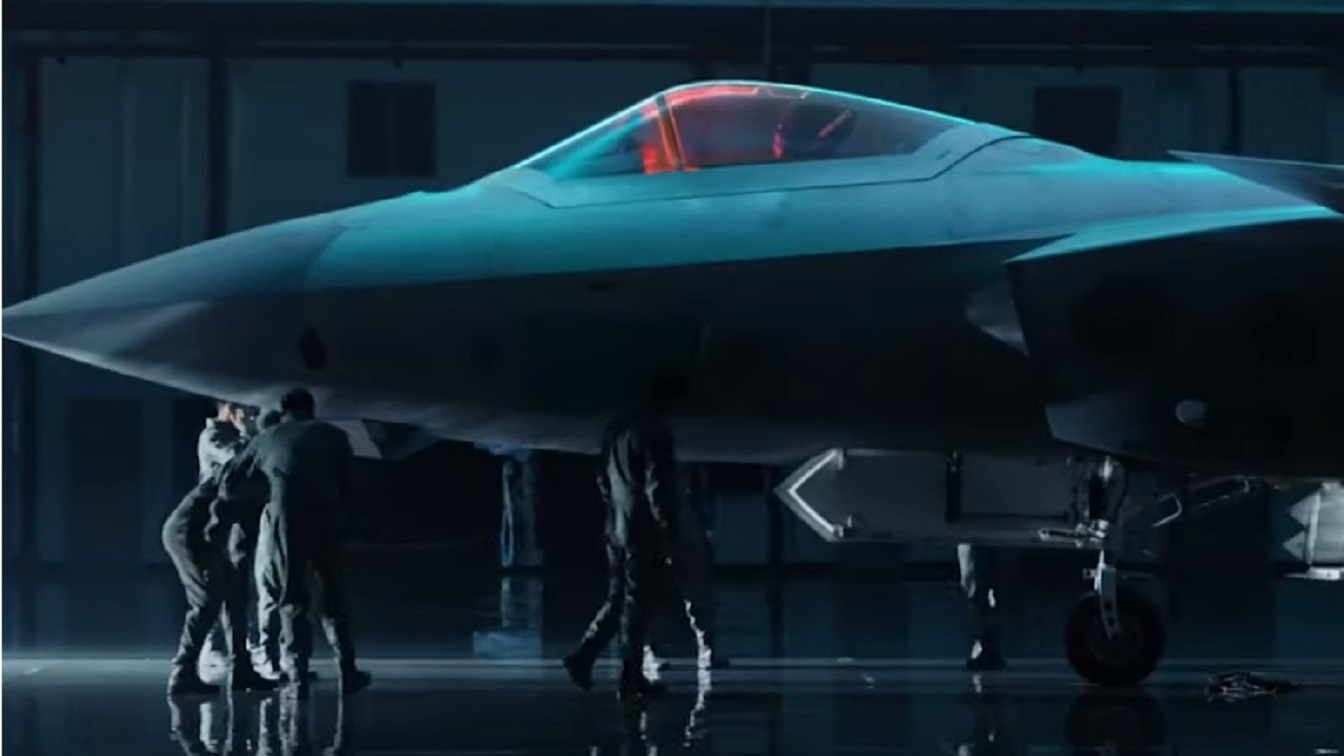
J-20 Stealth Fighter. YouTube Screenshot.
Talking about the J-20 is strangely binary. On the one side are those who still dismiss it as an overhyped copy, whose flaws outweigh its strengths. On the other side are those who treat every announced improvement as evidence that American air superiority is already in decline.
Both arguments are too simple. The upgraded J-20 will be neither a paper tiger nor a war-winner. It will be what its predecessor is: a capable, increasingly sophisticated platform designed for a specific fight. And, as with the current version of the J-20, its limitations will become clearer as air combat moves away from the assumptions that shaped it.
A Fighter Built for a Specific Fight
The J-20 was never meant to mirror American air dominance doctrine. It was built to disrupt it under Western Pacific conditions, where geography stretches supply lines, compresses reaction time, and magnifies the importance of early detection and long-range engagement.
Its large airframe supports a substantial internal weapons load. It’s shaping prioritizes frontal stealth. Its range allows sustained operations over the first island chain, where U.S. forces rely heavily on tankers and airborne enablers.
The most recent upgrades are a direct extension of this reasoning. Better radar and infrared search-and-track systems have been incorporated to increase detection and tracking ranges, while long-range missiles have been developed to capitalize on those improvements. Artificial intelligence is being integrated to assist in processing sensor information and to offload pilot workload, rather than supplanting human decision-making.
The WS-15 engine is intended to address a historical shortfall in both thrust and reliability.
The J-20 is also envisioned to operate as a networked system. It does so in combination with ground-based sensors, airborne early warning platforms, electronic warfare systems, and, to an increasing degree, uncrewed systems.
The research and experimentation in manned-unmanned teaming and the twin-seat J-20S are attempts to leverage and extend the type’s role in networked warfare. In that sense, the J-20 is less of a “dogfight-optimized” fighter and more of a weapon system designed to create friction and slow the pace of U.S. and allied air operations.
The Fifth-Generation Problem Set
Against the F-35, the maturing J-20 now poses a more credible threat. From its inception, the Lightning II was intended to serve as a mobile command-and-control node in denied airspace, leveraging its stealth, sensor fusion, and data links to find, process, and share information, as well as cueing other manned and unmanned assets.
The value of the F-35A to a Western Pacific fight lies less in its individual air-to-air capabilities than in its ability to orchestrate the battle by connecting and coordinating the larger force.
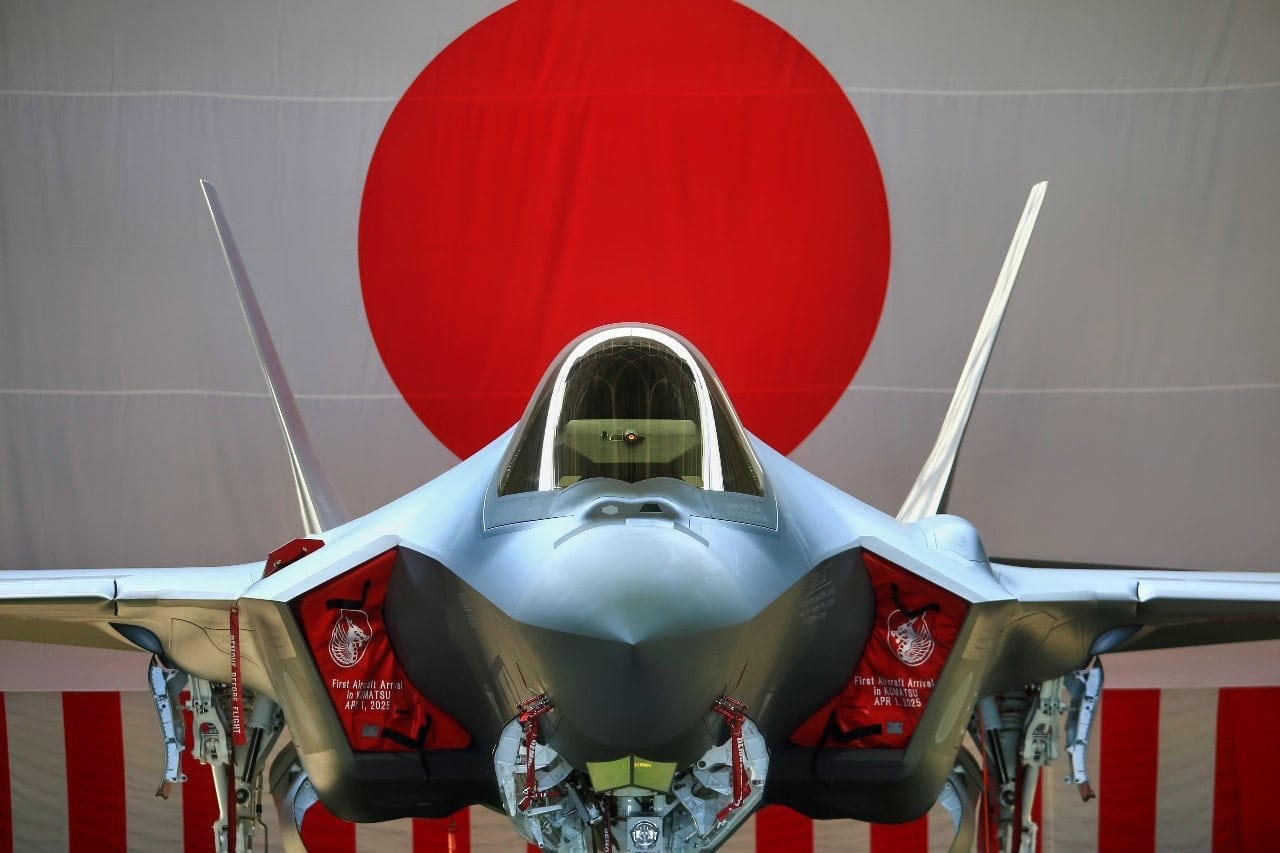
The Japan Air Self-Defense Force (JASDF) held an F-35 aircraft delivery ceremony at Komatsu Air Base, Japan, April 26, 2025. Japan received its first three F-35 aircraft in country, marking a historic milestone for the nation. Image provided to the F-35 Joint Program office by the JASDF.
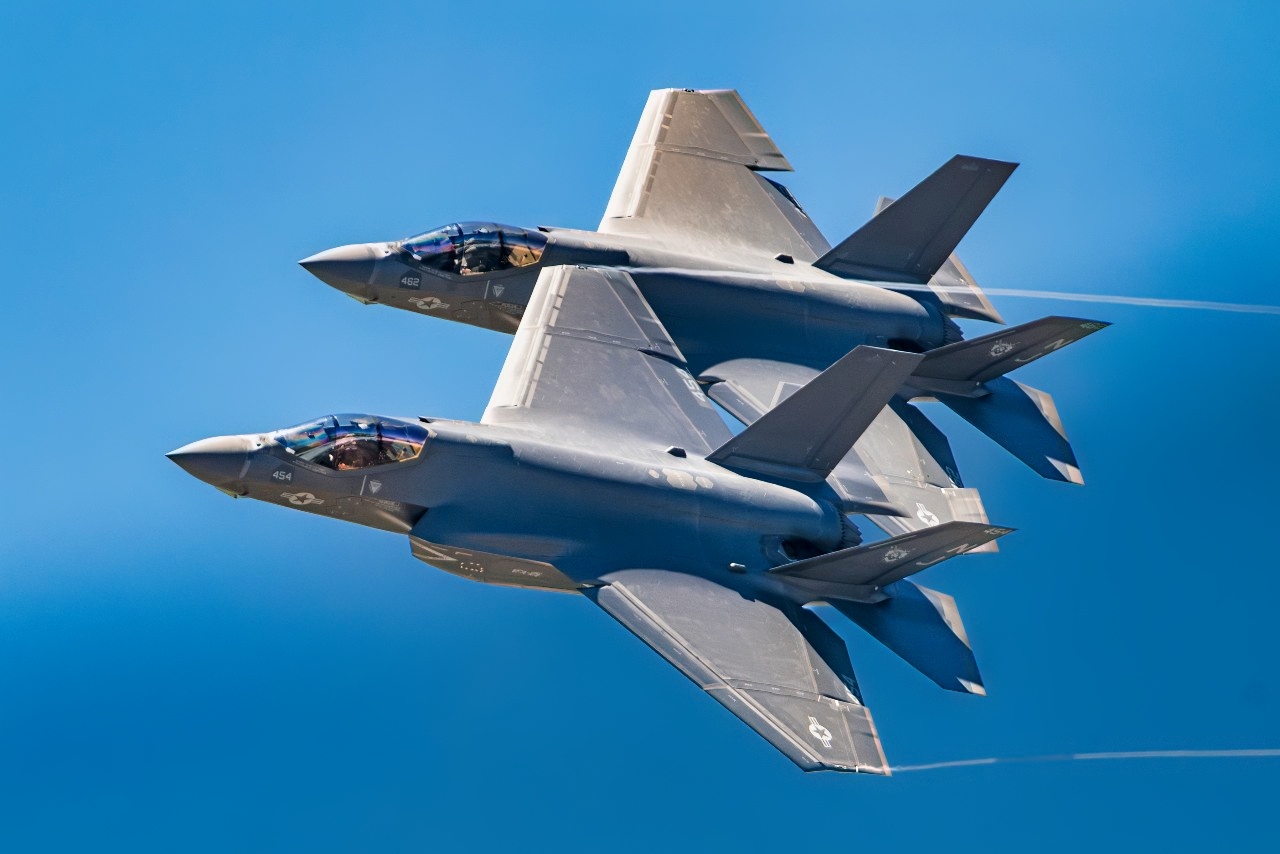
The U.S. Navy F-35C Lighting II Demo Team performs a flight demonstration at the Wings Over South Texas Air Show. This year’s air show marks Wings Over South Texas’s first return to Naval Air Station Corpus Christi since 2019.
The challenge is that an enhanced J-20 could complicate that role. Better sensors and longer-range weapons place greater stress on the enablers and data links the F-35 relies on, reducing the room for maneuver in which it can operate freely. Even without achieving the kinds of air-to-air kill ratios often quoted, the J-20 can clog the information pipeline, compress margins of safety, and ultimately pressure U.S. and allied forces into a more inhibited, less persistent approach.
This is where much of the debate gets stuck. Enhanced fifth-gen performance is assumed to translate neatly into strategic benefit. It does not.
Where the Design Still Binds
The J-20’s upgrades remain evolutionary rather than transformative. Its stealth is strongest when viewed head-on, but less consistent from the sides or rear, which matters once engagements become dynamic. The aircraft also continues to rely heavily on external cueing and offboard sensing, creating dependencies that can be contested or disrupted. AI-assisted systems may help manage information and ease pilot workload, but they do not turn the J-20 into a true command platform.
Engine progress follows the same pattern. The WS-15 improves performance, but it does not match the propulsion advances underpinning U.S. sixth-generation concepts. None of this renders the J-20 ineffective. It confines its advantages to a narrower set of conditions as engagements become less scripted and more adaptive.
More fundamentally, the J-20 reflects a moment in airpower development when platforms mattered more than architectures. That moment is ending.
The F-22 and the Limits of Legacy Dominance
Comparisons with the F-22 are, of course, inevitable. The Raptor is still a uniquely capable air combat platform, with its stealth, kinematics, and man/machine integration second to few, if any. And, an upgraded J-20 can’t change those facts.
But it does highlight the limitations of relying on legacy dominance paradigms in a battlespace increasingly defined by sensor saturation and attrition stress. By threatening tankers, ISR platforms, and command nodes, the J-20 can degrade operations without actually having to defeat the F-22. The Raptor was designed to gain the local initiative, not necessarily to shape extended friction in a distributed campaign.
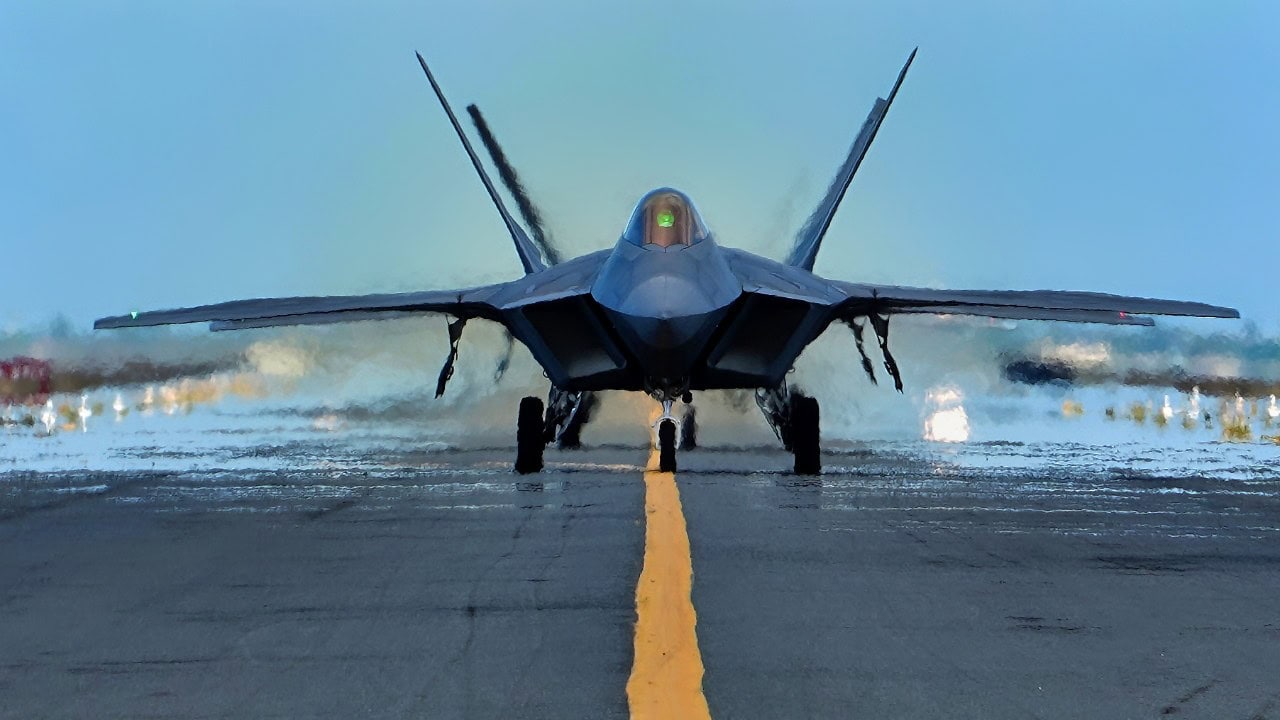
A U.S. Air Force F-22 Raptor taxis on the runway during a routine training schedule April 21, 2020, at Honolulu International Airport, Hawaii. Given the low traffic at the airport due to COVID-19 mitigation efforts, the active-duty 15th Wing and the Hawaii Air National Guard’s 154th Wing seized an opportunity to document the operation which showcases readiness and their unique Total Force Integration construct. The units of Team Hickam work together seamlessly to deliver combat airpower, tanker fuel, and humanitarian support and disaster relief across the Indo-Pacific. (U.S. Air Force photo by Airman 1st Class Erin Baxter)
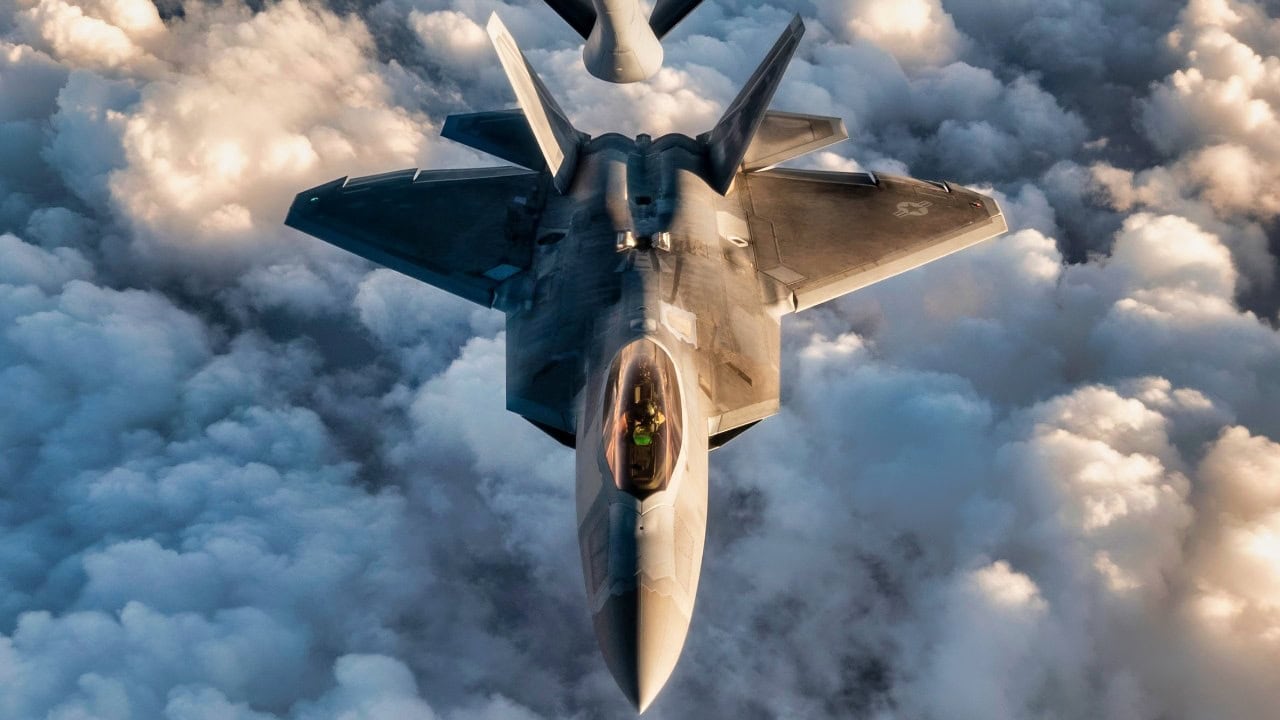
A U.S. Air Force F-22 Raptor departs after being refueled by a KC-135 Stratotanker over the U.S. Central Command area of responsibility November 5, 2024. Raptors provide air dominance and conduct missions delivering airpower within the region. (U.S. Air Force photo)
F-47 NGAD Sixth-Generation Systems and a Different Logic
The balance shifts decisively when the discussion turns to the next generation of U.S. air combat systems, including the Air Force’s F-47 and the Navy’s F/A-XX. These are not simply better fighters. They are designed as command nodes within a distributed architecture that integrates crewed aircraft, uncrewed wingmen, offboard sensors, and long-range effects.
Here, the emphasis is on command and control rather than individual platform performance. Risk is pushed outward to less exquisite systems. Persistence comes from uncrewed assets. Advantage flows from integrating information faster than an opponent can disrupt it.
In that environment, many of the J-20’s improvements lose their edge. Better frontal stealth matters less when detection is persistent and multi-static. Longer-range missiles matter less when targeting depends on contested networks. AI assistance helps manage complexity, but cannot compensate for an aircraft never designed to orchestrate a distributed force.
The J-20 was built to survive inside a system. Sixth-generation U.S. aircraft are being built to run one.
Threat, Not Verdict
So how much of a threat is the J-20 today? The answer depends on context and conditions. Against fifth-generation platforms, an upgraded J-20 is a serious challenge that should shape posture and planning rather than provoke panic. In the wrong circumstances, it can impose real operational costs.
Against the emerging air combat model for sixth-generation U.S. systems, the calculus changes. As air warfare shifts from platform performance to battlespace control, the design assumptions behind the J-20 begin to bind.
Air dominance is no longer decided by who fields the most impressive fifth-generation fighter. As air combat moves toward sixth-generation systems, it turns on who can shape the battlespace in advance, through sensing, coordination, and control, before the first shot is fired.
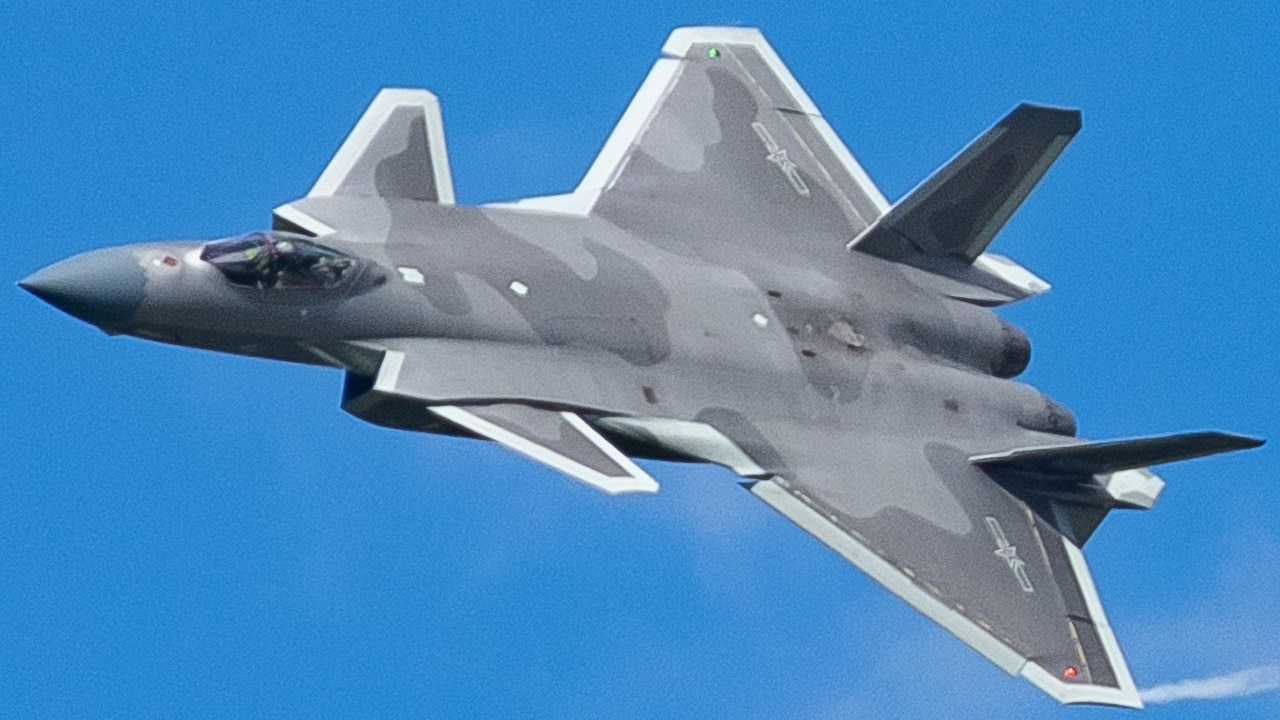
J-20 Fighter. Image Credit: Creative Commons.
A modernized J-20 has a place in that competition and cannot be ignored. But even in upgraded form, it remains an evolutionary platform confronting a transformational shift. So even if it has earned a place in the competition, it can never hope to win the gold medal.
About the Author: Dr. Andrew Latham
Andrew Latham is a non-resident fellow at Defense Priorities and a professor of international relations and political theory at Macalester College in Saint Paul, MN. You can follow him on X: @aakatham.