
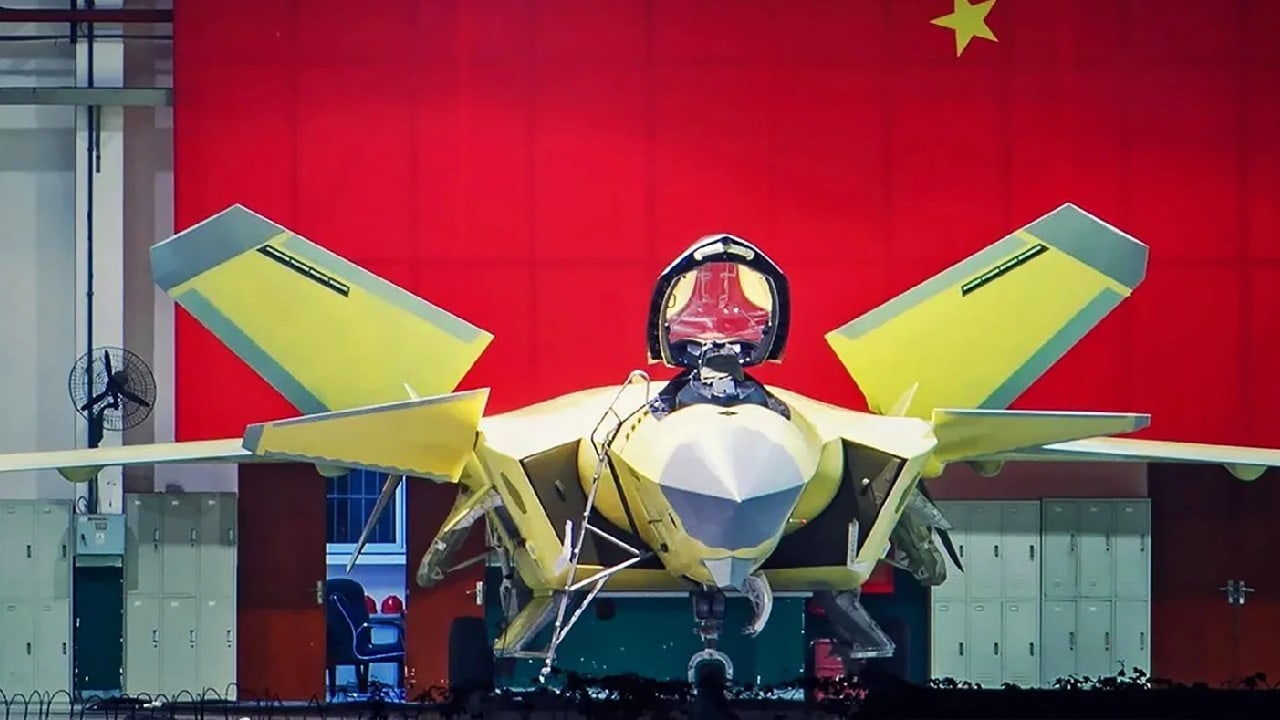
Key Points and Summary – A new Pentagon report (Dec. 2025) warns that China’s J-20 fighter is building a critical advantage over U.S. F-22s and F-35s: range.
-In the vast Indo-Pacific, the J-20’s estimated combat radius (potentially double the F-22’s range) allows Beijing to contest airspace deep into the Philippine Sea and threaten high-value U.S. assets without relying as heavily on vulnerable tankers.
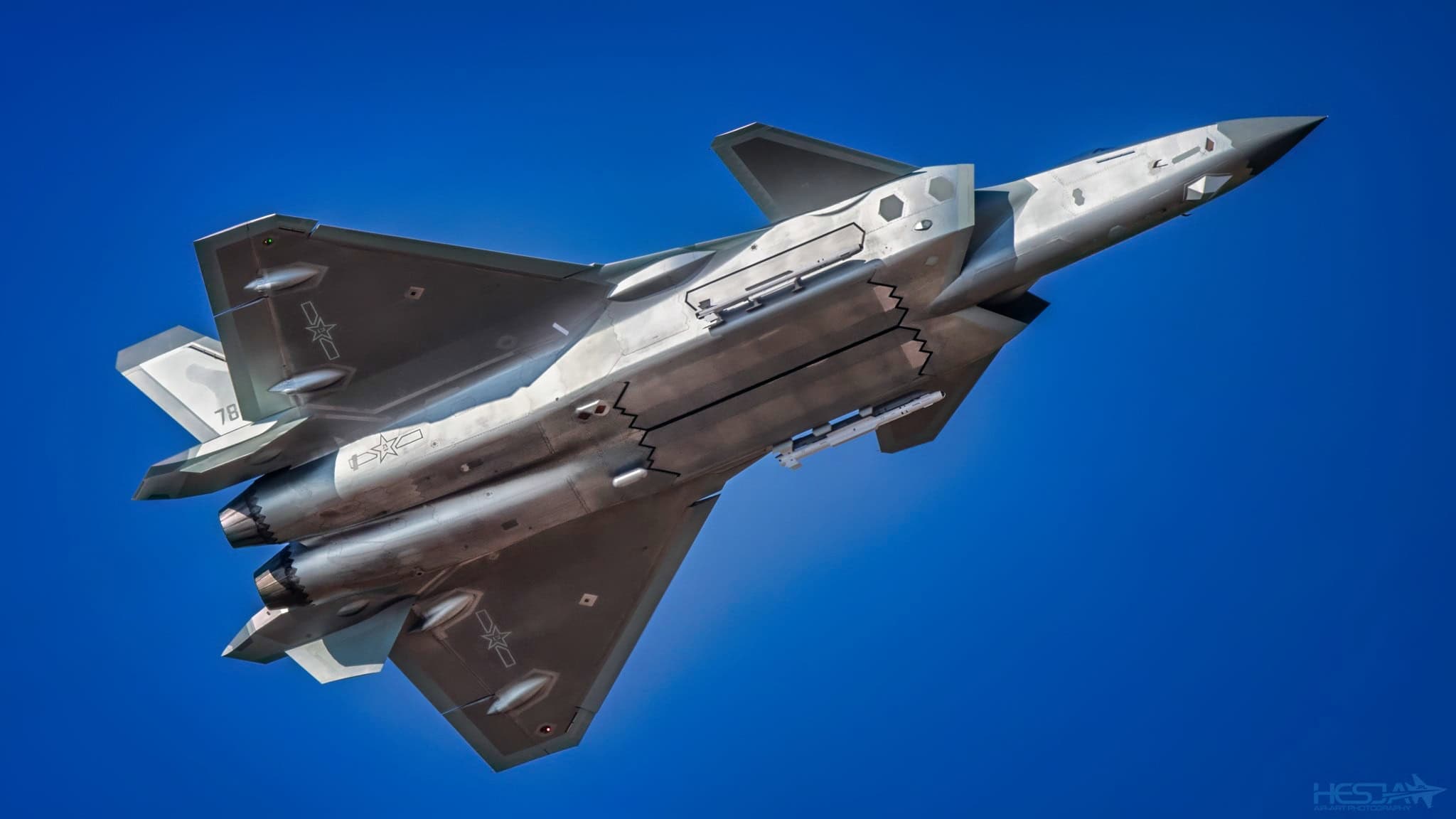
J-20 Fighter from China. Image Credit: Creative Commons.

J-20 Fighter. Image Credit: Chinese CCTV.
-This “range gap” reshapes the strategic balance, forcing U.S. aircraft to burn fuel just reaching the fight while China expands its reach with the new Y-20U tanker fleet.
China’s J-20 Is Building An Advantage Over U.S. Fighters
When analysts compare America’s F-22 and F-35 to China’s J-20, the debate usually centers around stealth shaping, sensors, pilot training, and missiles.
But in the Indo-Pacific – where distance really comes into play – range is what really matters.
A range advantage here means a lot: it can mean more flexible basing, more options to threaten high-value aircraft and fixed bases, and a reduced dependence on vulnerable assets like tankers. But China may be building an advantage on this front.
The Pentagon’s most recent annual report on China’s military power, published on December 23, 2025, has warned that China is fielding increasingly capable aircraft, including the J-20 fighter, designed to challenge U.S. and allied forces in the event of a conflict over Taiwan.
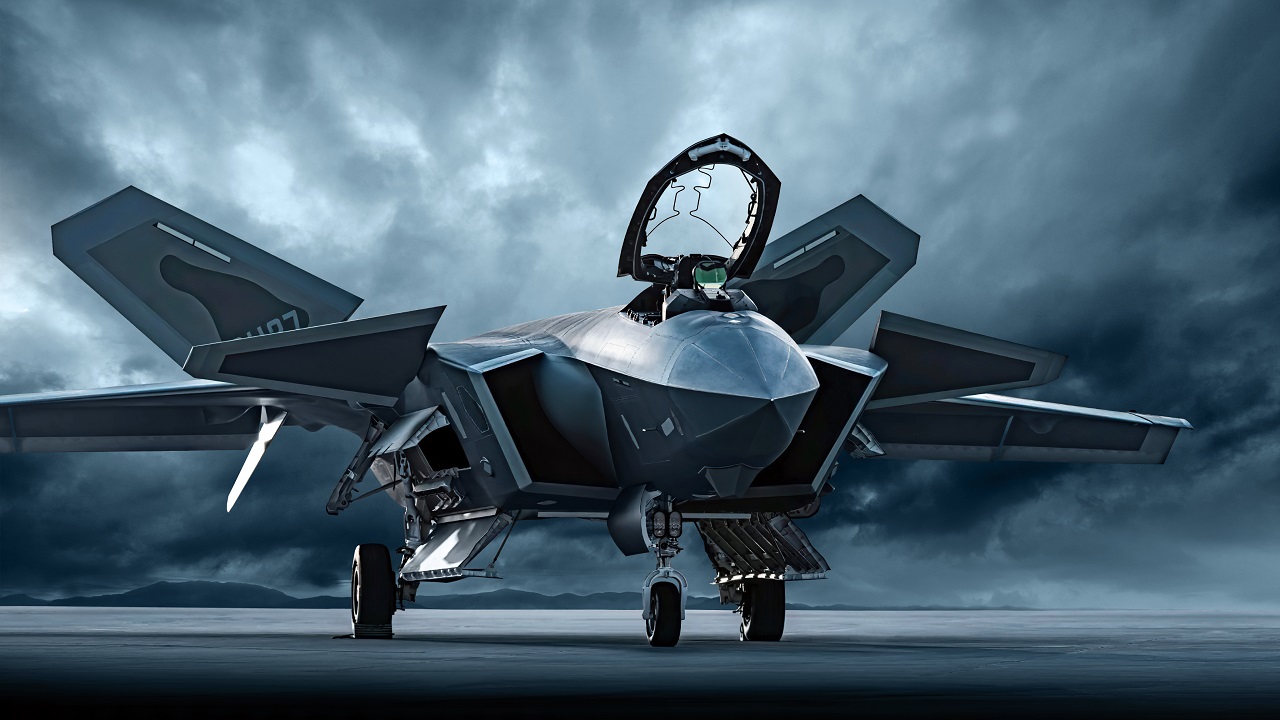
J-20 Stealth Fighter. Image Credit: Artist Rendering/Creative Commons.
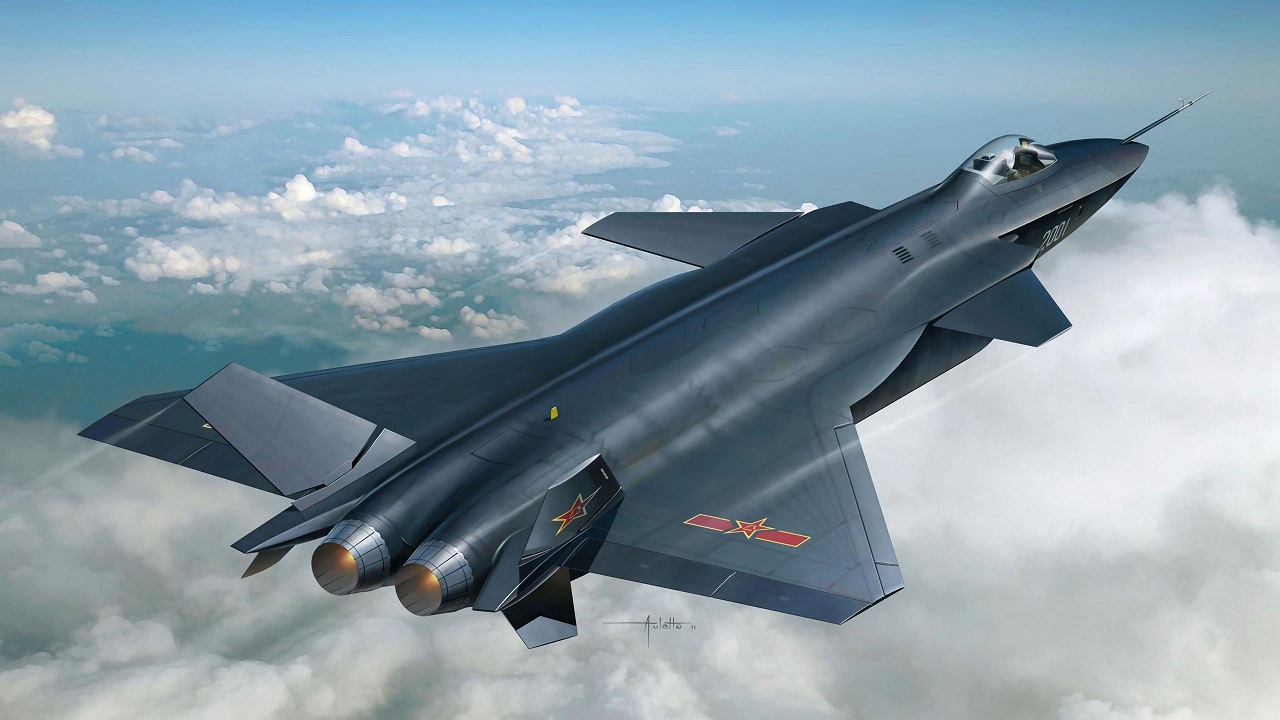
J-20 Fighter via computer generated artist rendering. Image Credit: Creative Commons.
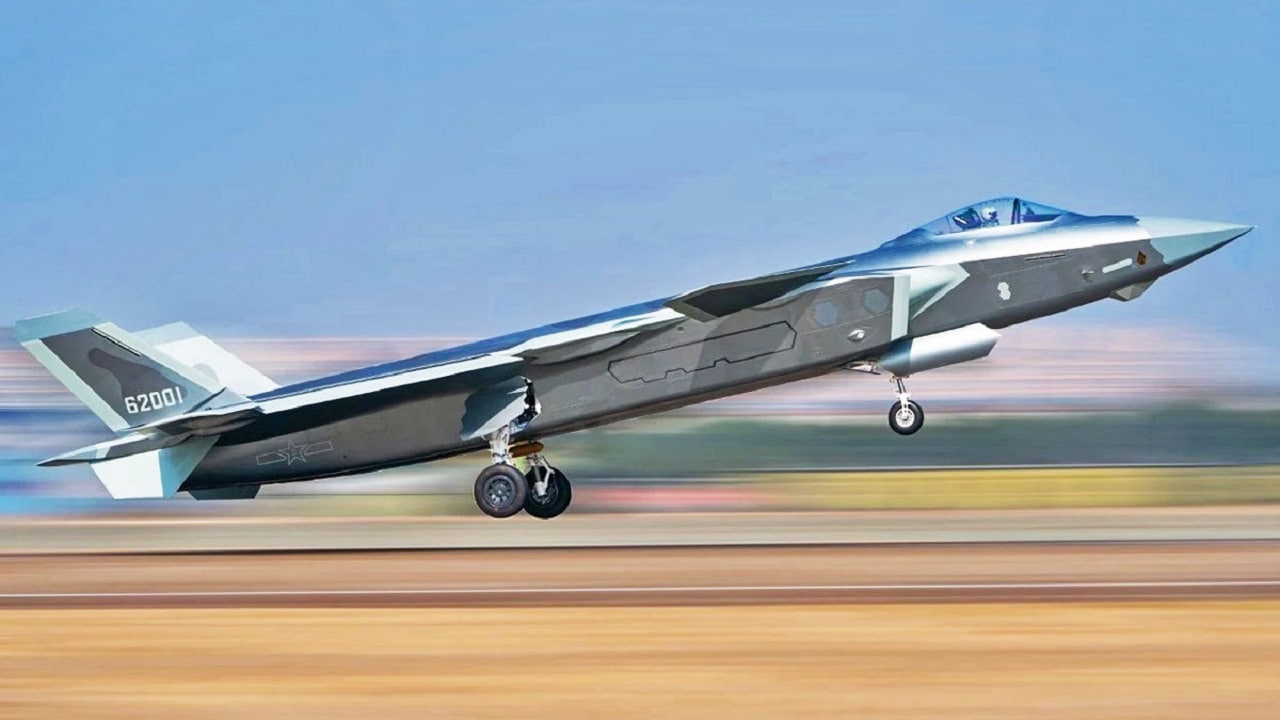
China’s J-20 stealth fighter. Image Credit: Creative Commons.
The report makes it abundantly clear that Beijing is building a force designed to operate farther from the mainland than ever before – and for longer periods, too.
Range might sound like a technical detail that matters less than firepower, but it’s a dynamic that is reshaping naval warfare dynamics – not just in terms of fighters, but missiles, too.
China is building assets that reach farther, threaten high-value surface vessels and bases, and push U.S. forces further back.
Fighters that can stay in the air longer are more important than ever: they can patrol wider areas, escort bombers farther, and respond more flexibly when things go wrong.
J-20 Fighter Challenge: Why Range Matters More Than Dogfighting
To understand the significance of range, it helps to clarify what it really means.
Publicly advertised ferry range – which is the maximum distance an aircraft can fly under ideal conditions – does not necessarily reflect how far an aircraft can operate in combat.
Combat radius, which factors in fuel reserves, maneuvering, and time on station, is the more relevant measure here.
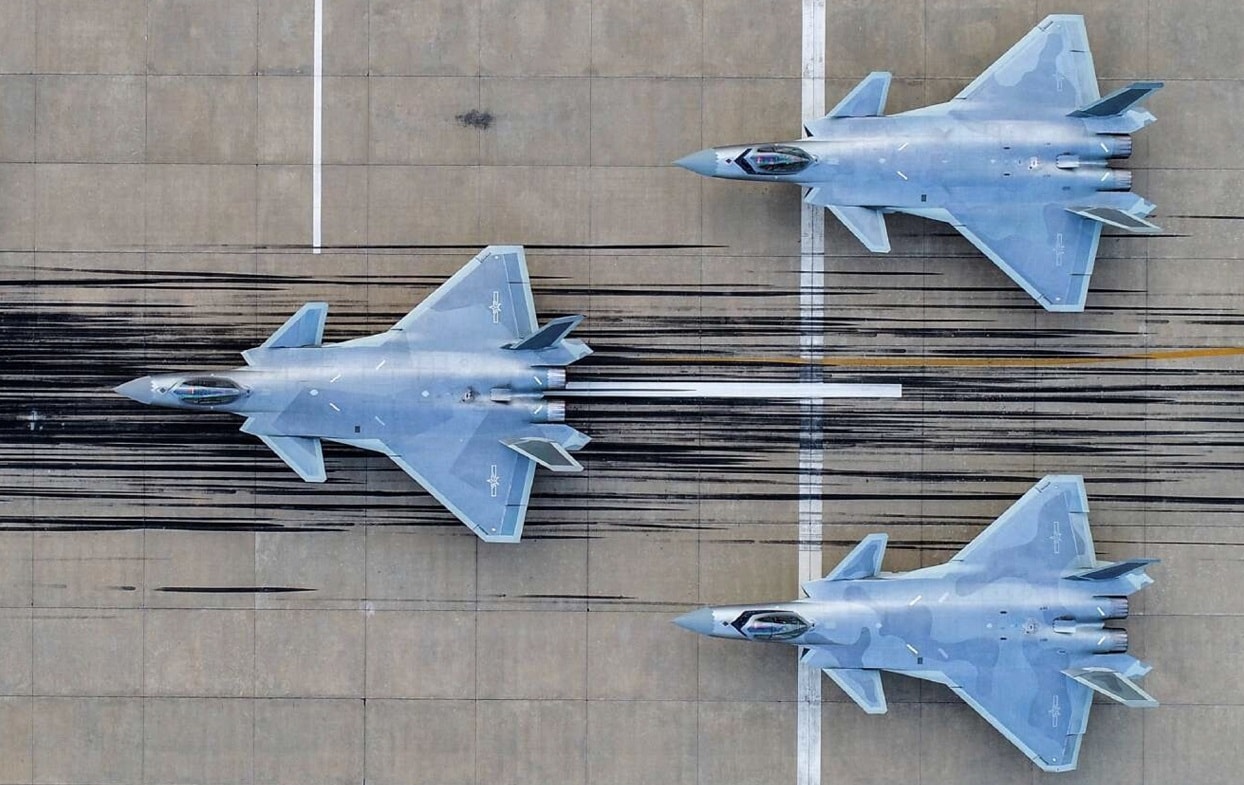
J-20. Image: Creative Commons.
The U.S. Air Force’s F-22 Raptor was designed primarily for air dominance, not long-distance patrols across oceans.
Open-source estimates place its combat radius at roughly 460 nautical miles. While it’s nothing to be scoffed at, those are the kind of figures one would expect from an aircraft built during the Cold War era and for defending forward bases rather than projecting power deep into the Pacific.
The F-35 improves on that – but only to an extent. Lockheed Martin lists a combat radius of just over 590 nautical miles for the F-35A using internal fuel.
That’s a sufficient range for many missions, but it still places limits on how far the aircraft can operate without aerial refueling – especially in high-threat environments where tankers must stay well back from enemy defenses.
China’s J-20 stealth fighter, by contrast, has been designed with distance in mind from the beginning.
While its range has obviously not been officially confirmed, estimates from the likes of the Center for Strategic and International Studies and others suggest that it’s somewhere in the range of 1,200 and 2,700 kilometers – potentially giving it a far greater combat radius than its U.S. counterparts.
Even conservative estimates suggest that it can operate hundreds of miles farther from its bases than the F-22.
And it’s not a sixth-generation platform, either.
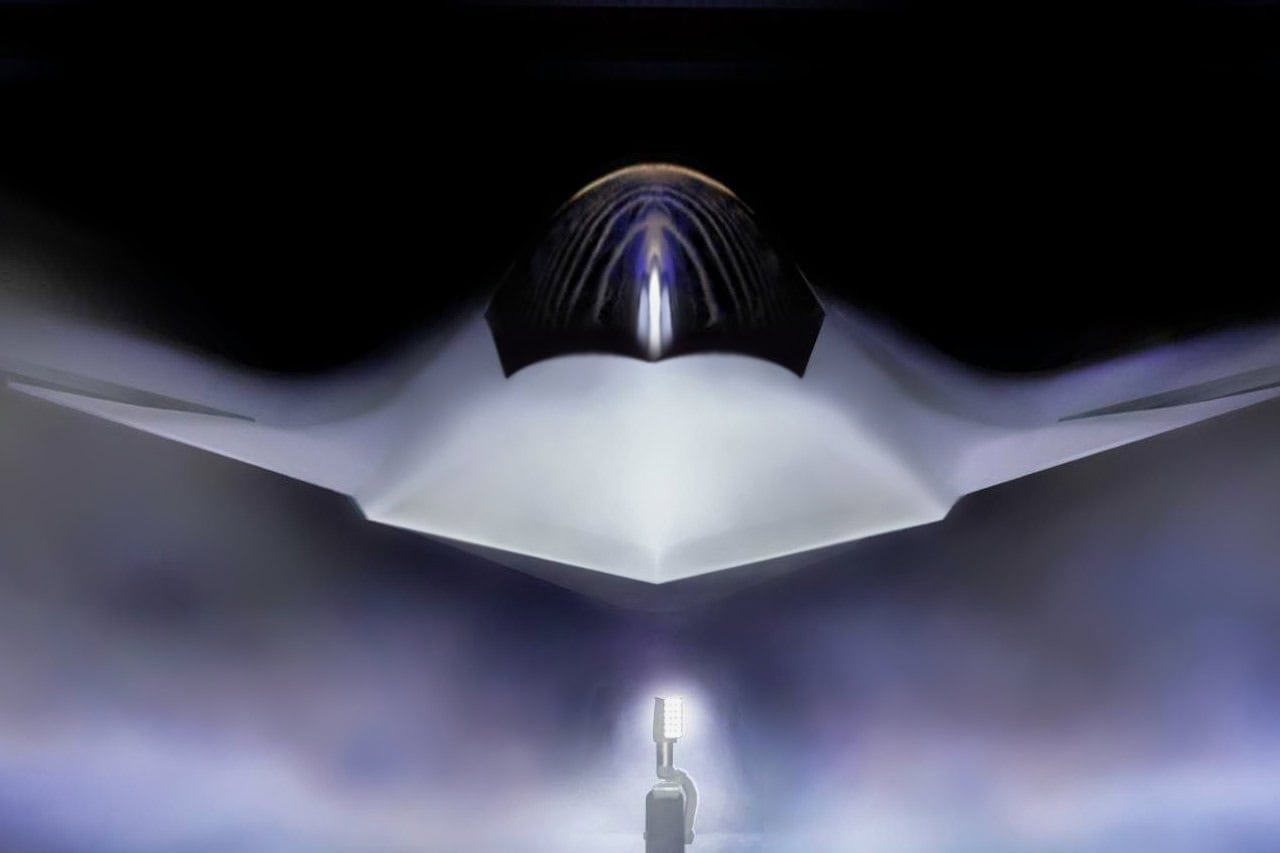
Shown is a graphical artist rendering of the Next Generation Air Dominance (NGAD) Platform. The rendering highlights the Air Force’s sixth generation fighter, the F-47. The NGAD Platform will bring lethal, next-generation technologies to ensure air superiority for the Joint Force in any conflict. (U.S. Air Force graphic)
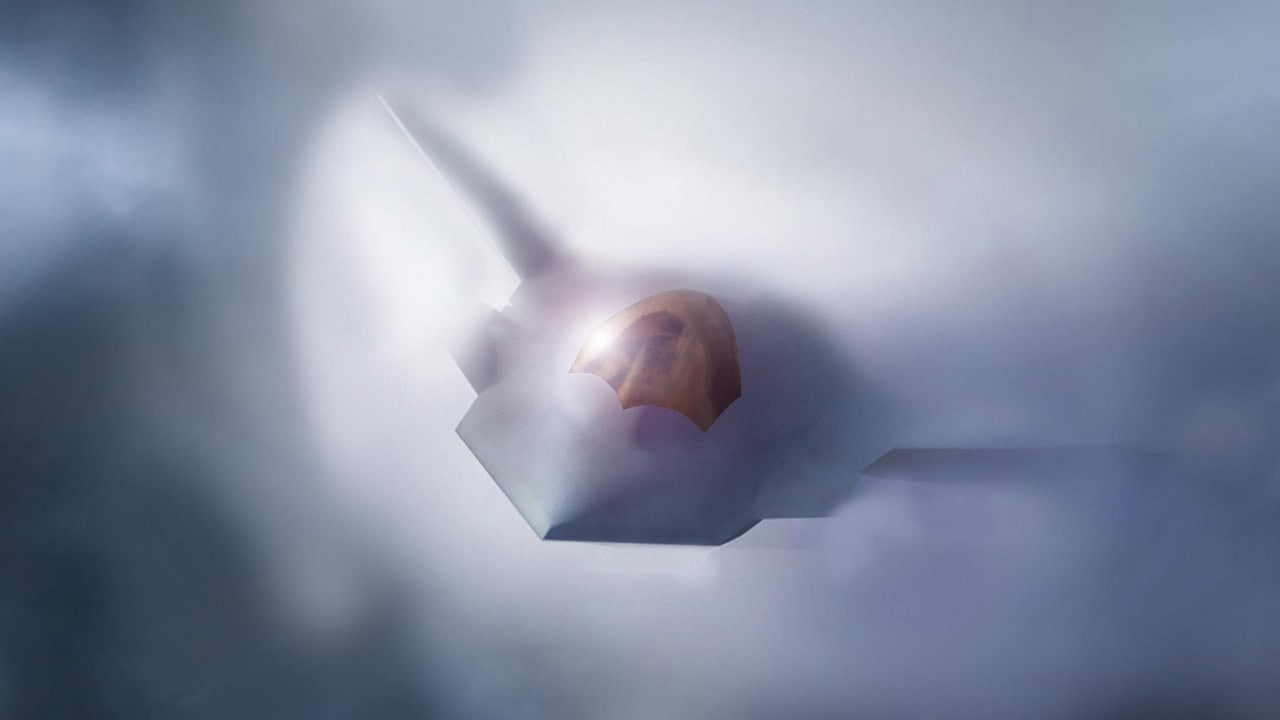
F-47 Fighter. Image Credit: U.S. Air Force.
The difference here matters.
It means China can credibly contest airspace at greater distances, and a fighter that can fly farther without refueling can cover more of the Taiwan Strait, push patrols deeper into the Philippine Sea, or loiter for longer around key maritime routes.
All while reducing dependence on tankers.
Reshaping the Balance in the Pacific
Geography also amplifies the effect of the J-20’s expanded range. The Western Pacific surrounds the first and second island chains – a series of land masses that stretch from Japan through Taiwan and the Philippines and outward toward Guam. Those chains define where forces can be based and how far they must travel to reach contested areas.
And that matters because U.S. airpower in the region relies heavily on forward bases and aerial refueling to extend fighter reach. But that poses a problem: tankers are large, non-stealthy aircraft that must operate far from enemy air defenses, forcing fighters to burn more fuel just to get to the fight. So the longer the transit time, the less time aircraft can spend on their missions.
This is a problem that China is now exploiting. The Y-20U tanker, a refueling variant of China’s new transport aircraft, is changing the dynamics again.
As this fleet of tankers grows, the People’s Liberation Army Air Force has even more options; it supports long-range fighter operations, giving them an even greater advantage and allowing them to extend well beyond the Chinese mainland.
The U.S. will catch up, but it will take time – and the rollout of a whole new generation of aircraft and assets.
But in the meantime, China is building an advantage – and the naval warfare dynamics, especially in this region, will never be the same.
About the Author:
Jack Buckby is a British researcher and analyst specialising in defence and national security, based in New York. His work focuses on military capability, procurement, and strategic competition, producing and editing analysis for policy and defence audiences. He brings extensive editorial experience, with a career output spanning several thousand published pieces at National Security Journal and 19FortyFive, and has previously authored books and papers on extremism and deradicalisation.