
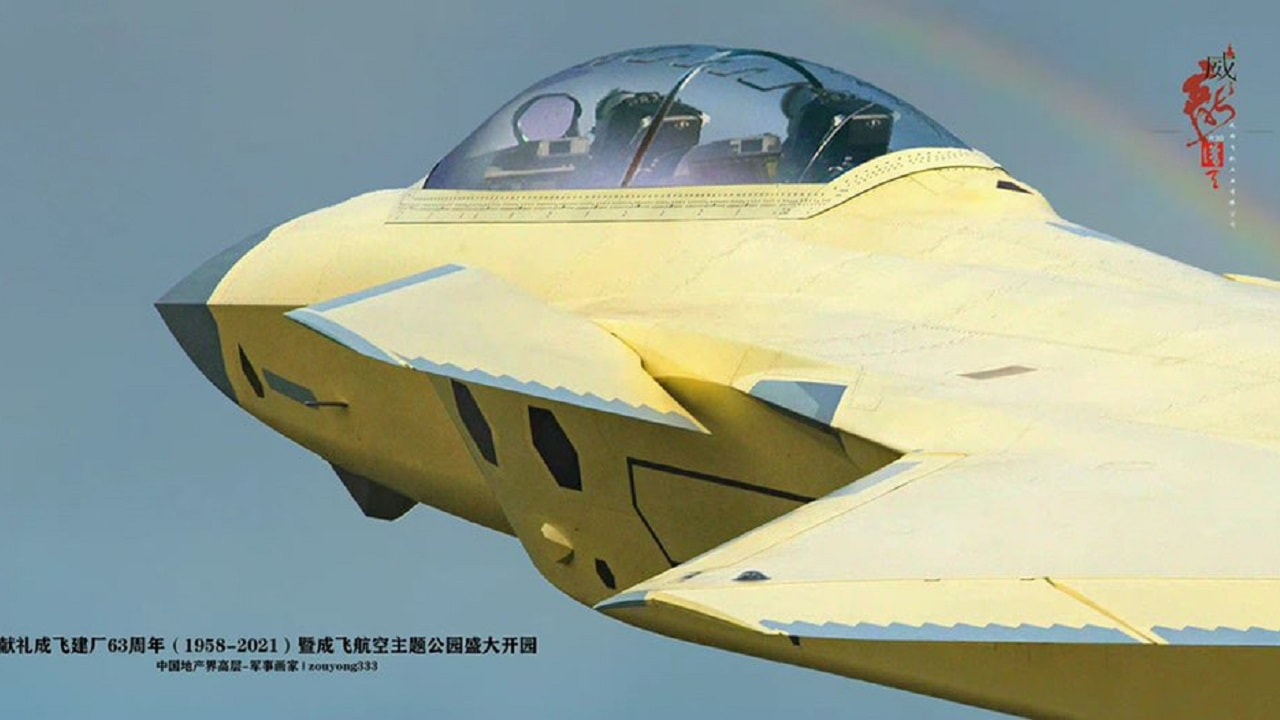
Key Points and Summary – China’s late-2025 drills around Taiwan revived a question Taipei and Washington can’t ignore: how well can Taiwan detect and respond to stealth aircraft like the J-20?
-Reports tied to “Justice Mission 2025” suggest the J-20 may have pushed deep into Taiwan’s ADIZ—possibly near the Pingtung area—while electronic warfare, cyber, or other shaping operations may have dulled detection.
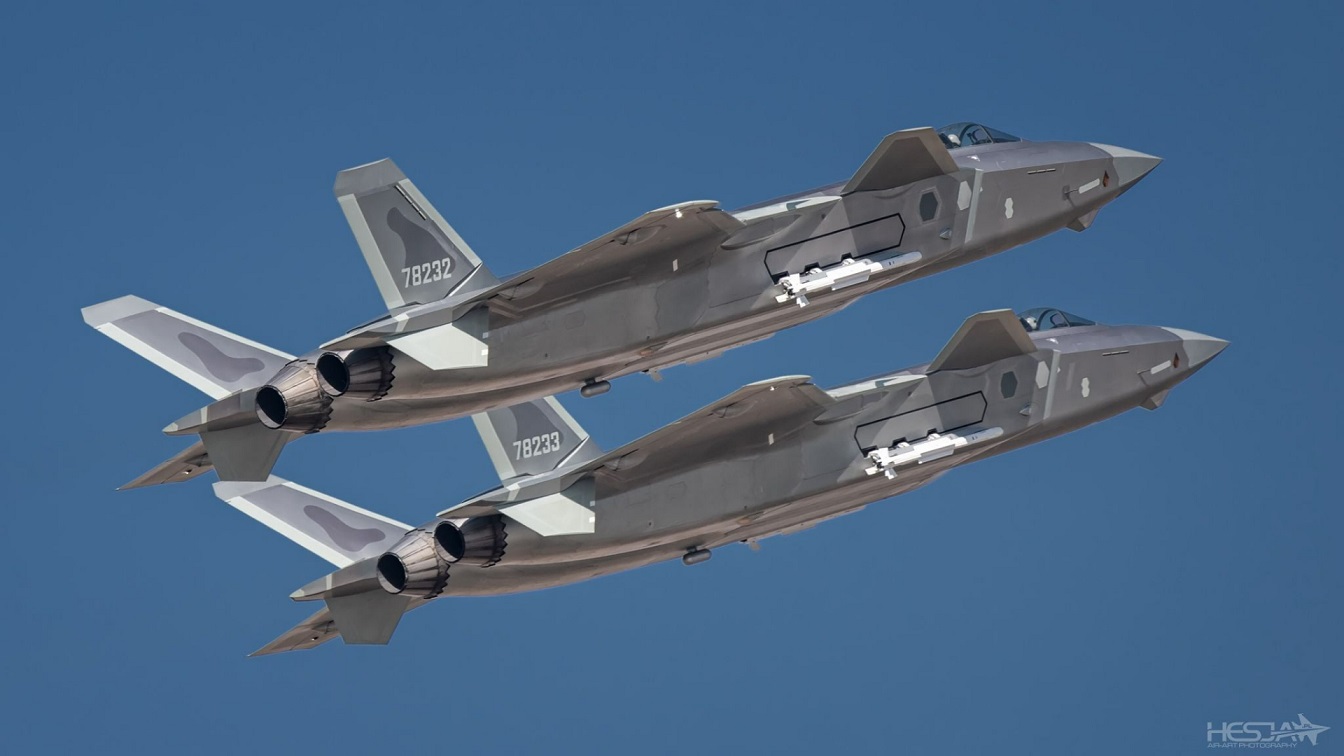
J-20 Stealth Fighter. Image Credit: Creative Commons.
-Even if details are disputed, the strategic point remains: stealth activity near a key airbase compresses reaction time in a real crisis. With J-35s and improved carrier aviation looming, Taiwan’s air defense resilience becomes a priority for 2026.
Has Taiwan Met Its Match? China’s J-20 Is Extra Sneaky
The world was on watch at the end of 2025 as China completed wargames around Taiwan.
The exercises followed a significant arms deal between Taipei and Washington that will bring some of the best military hardware in the U.S. arsenal to Taiwan.
The deal comprised HIMARS multiple-launch rocket systems and ATACMS missiles that could help deny a Chinese amphibious landing against Taiwan.
Somewhat overlooked is the performance of the People’s Liberation Army Air Force’s (PLAAF) in what the Chinese called Justice Mission 2025. The PLAAF reportedly penetrated the J-20 Mighty Dragon deep into Taiwan’s Air Defense Identification Zone. It may have crossed Taiwan’s borders without being detected.
Blinding Taiwan with the Mighty Dragon
This is a massive development for the J-20 if it is true. I have questioned the stealth of the J-20 before and noted that Chinese state-run media may have overstated the Mighty Dragon’s radar-evading capabilities.
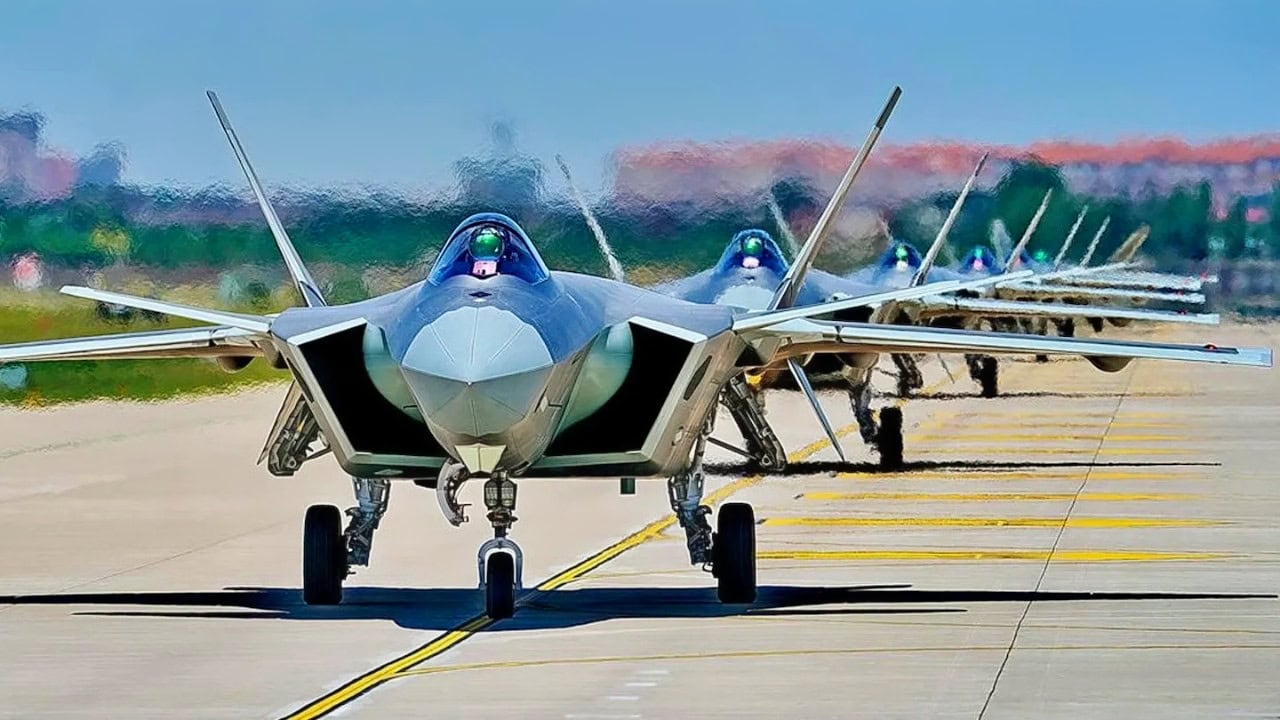
J-20 Fighter from PLAAF China. Image Credit: Creative Commons.
Taiwan will not say how far the J-20 encroached on its airspace, but the report would confirm the J-20 is the most vaunted fighter jet in the PLAAF fleet. There may be more than 300 J-20s flown out of various squadrons around China, and this airplane could overwhelm Taiwan’s air defenses if used in combat.
How Effective Are Taiwan’s Anti-Aircraft Systems?
Any future attack from China against Taiwan would use suppression of enemy air defenses. This would be conducted using electronic warfare and cyber attacks to spoof and confuse Taiwan’s radar systems. These tactics were probably used during Justice Mission 2025 to give the J-20 a successful group of flights.
“China’s J-20 stealth fighter flew within visual range of Taiwan’s coastline. The Taiwanese failed to detect the J-20. It would’ve been a propaganda coup if Taiwan got a photo of the J-20 with their F-16 sniper targeting pod. This happened around Checheng township in Pingtung, at the very southern tip of Taiwan,” wrote an observer on X, according to Yahoo News.
Time to Regroup
The PLAAF also boasted that at least one J-20 flew near Taiwan’s Pingtung airbase. If true—and it is difficult to confirm—this is a serious affront to Taiwan and development the Americans must take into account. Scores of J-20s could be used in an attack on the island.
If the Taiwanese cannot spot them, or if their attack is bolstered by cyber and space warfare, the Chinese could have the upper hand.
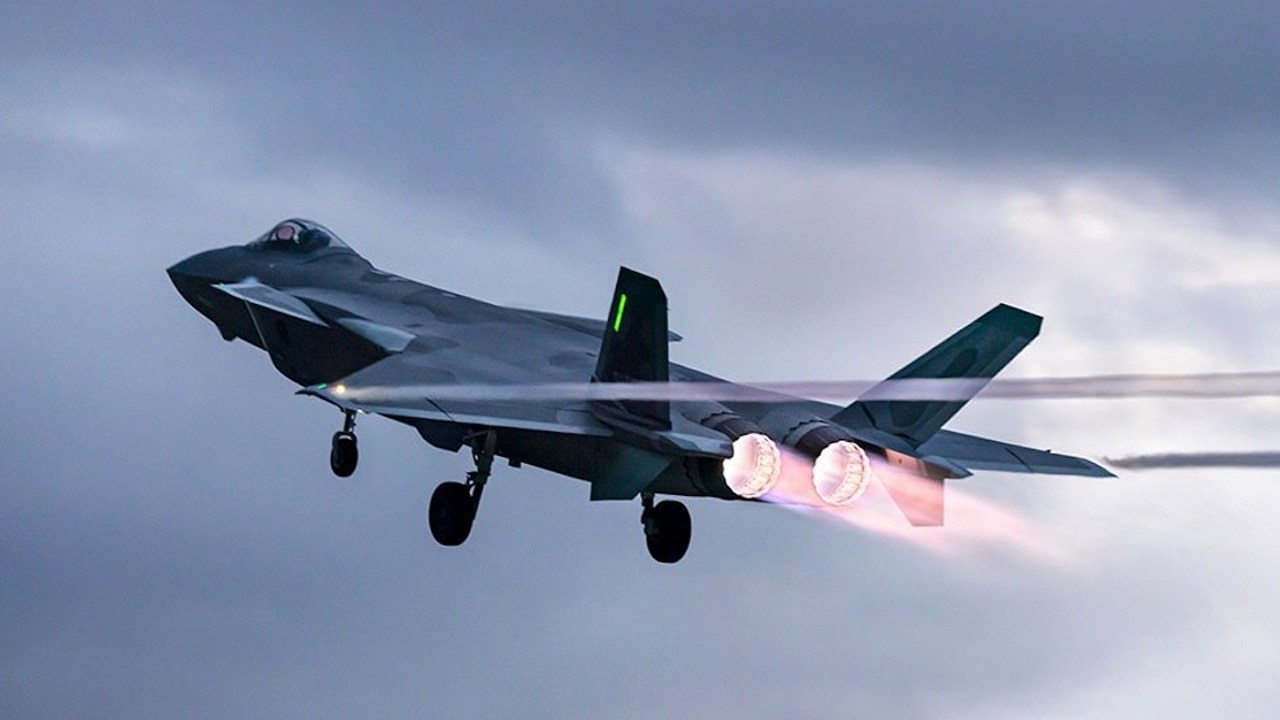
J-20 Fighter. Image Credit: Chinese internet.
Even if the PLAAF did not fly the J-20 that far into Taiwan’s airspace, there are still problems for the U.S. ally. China’s aircraft carriers are deploying a stealth fighter jet called the J-35 that could fly alongside J-20s.
China’s Navy Also Has Stealth and Non-Stealth Fighters
The sheer numbers of the J-20 are also a worry, and Taiwan must also plan for China’s non-stealth naval J-15T aircraft. Still, it is not clear that China can pull off a joint air force and naval operation to take Taiwan. The Chinese have no combat experience, but the military exercises against Taiwan are sure to continue.
Taiwan and the United States must conduct an after-action report after the Chinese drills. What actually happened with the J-20s? Was there some type of cyber or space operation that allowed the Mighty Dragon to penetrate that far? Is the J-20 stealthier than friendly forces thought?
Is This A Big Blind Spot?
As Interesting Engineering has pointed out, “The focus on Pingtung is also interesting as it is one of the nation’s key airbases. It has some critical training and sortie-running infrastructure for the Taiwanese air force and is a cornerstone of its air defense. If China can operate stealth aircraft near that area (even occasionally), it compresses Taiwan’s reaction time in a real crisis. That is strategically more important than whether this specific flight happened exactly as claimed.”
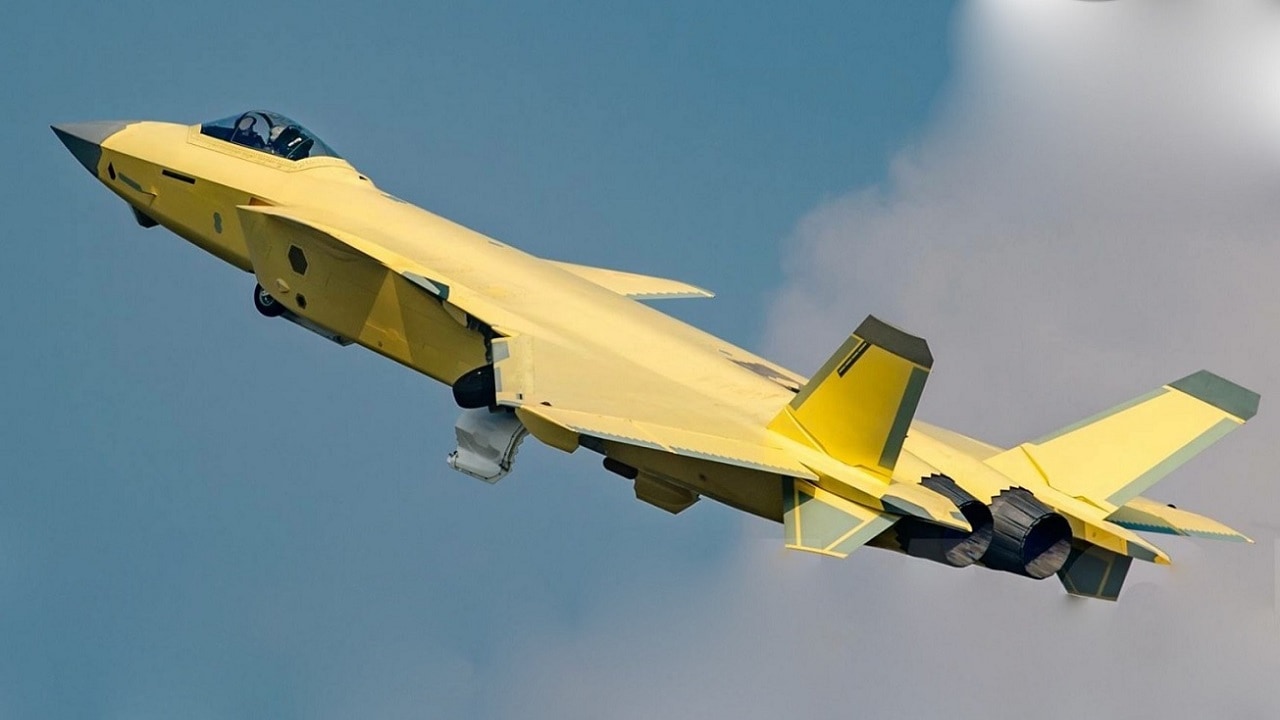
J-20 Mighty Dragon Stealth Fighter. Image Credit: Chinese Internet.
Look for the J-20 to Push Hard
The Chinese are likely to conduct more exercises against Taiwan. The fighter will feature prominently, and Taiwan must find out how it encroached this far. Air defenses must be improved, and radar operators cannot afford to be blinded. Perhaps Taiwan could incorporate some levels of artificial intelligence to help their air defenses react better to encroaching airplanes.
The United States may want to also send military officers to advise the Taiwanese on how best to counter stealth fighters. The J-20 could be much more stealthy than I thought, but it is also possible that Taiwan’s anti-aircraft systems are worse than advertised.
Taiwan Needs More Effective Air Defenses
The stakes are extremely high in 2026. China’s military capabilities continue to improve, and a blockade or all-out attack could occur in 2027. Taiwan must be ready to build out air defenses that can identify and track enemy aircraft, lest the J-20 prove to be the weapon China needs to take Taiwan.
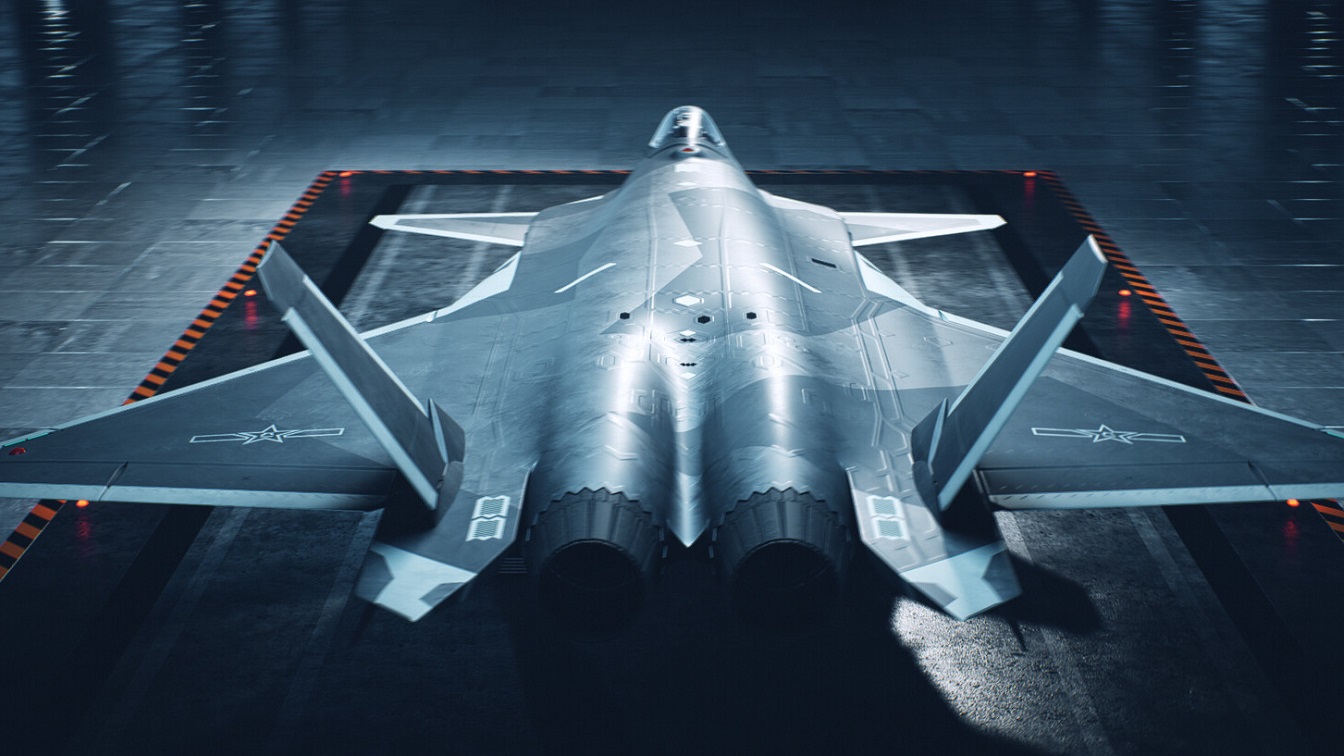
J-20. Image Credit: Chinese Internet.
About the Author: Brent M. Eastwood
Author of now over 3,000 articles on defense issues, Brent M. Eastwood, PhD is the author of Don’t Turn Your Back On the World: a Conservative Foreign Policy and Humans, Machines, and Data: Future Trends in Warfare plus two other books. Brent was the founder and CEO of a tech firm that predicted world events using artificial intelligence. He served as a legislative fellow for US Senator Tim Scott and advised the senator on defense and foreign policy issues. He has taught at American University, George Washington University, and George Mason University. Brent is a former US Army Infantry officer. He can be followed on X @BMEastwood.