
Synopsis: China’s J-20 “Mighty Dragon” is now a real factor in any high-end Western Pacific scenario, but the question is whether it can match the F-22 and F-35 as a complete fifth-generation system.
-The piece argues air combat is decided by who detects first, fuses data best, shares information securely, manages emissions, and sustains sortie rates—not raw speed or missile load.
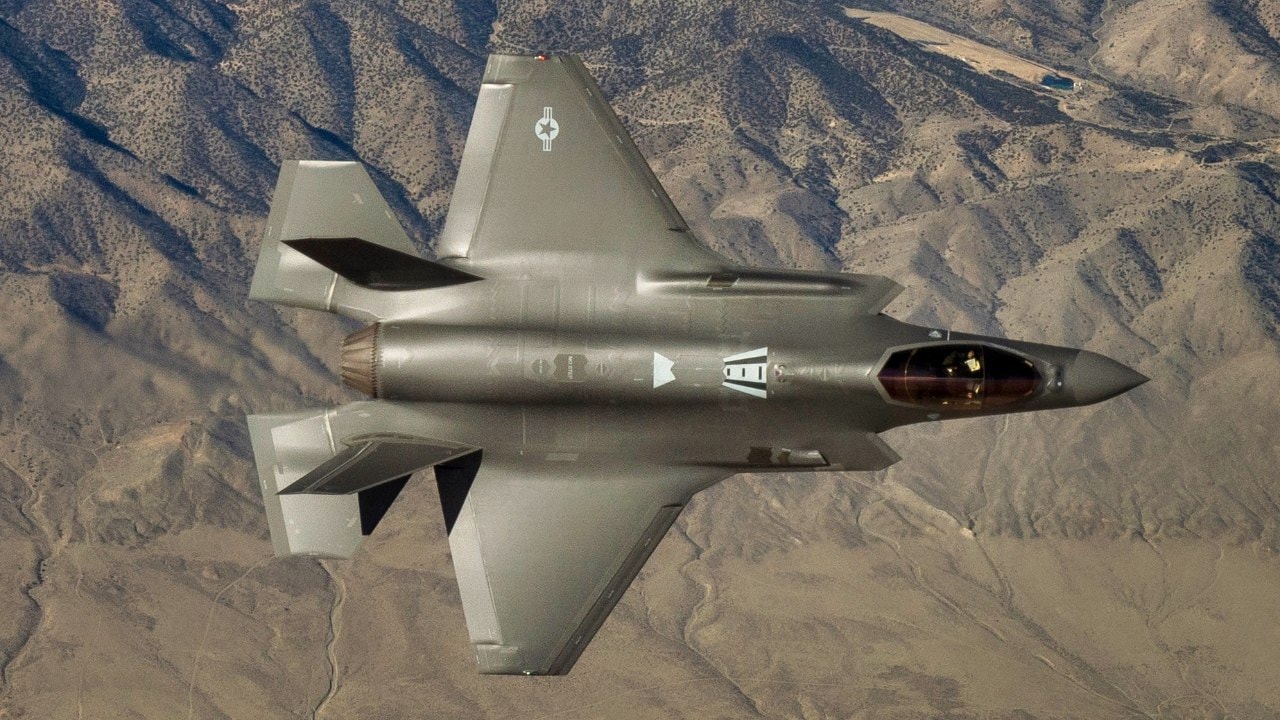
Two U.S. Air Force F-35A Lightning IIs, assigned to the 4th Fighter Squadron from Hill Air Force Base, Utah, conduct flight training operations over the Utah Test and Training Range on Feb 14, 2018. The F-35 is designed to provide the pilot with unsurpassed situational awareness, positive target identification and precision strike in all weather conditions. (U.S. Air Force photo by Staff Sgt. Andrew Lee)
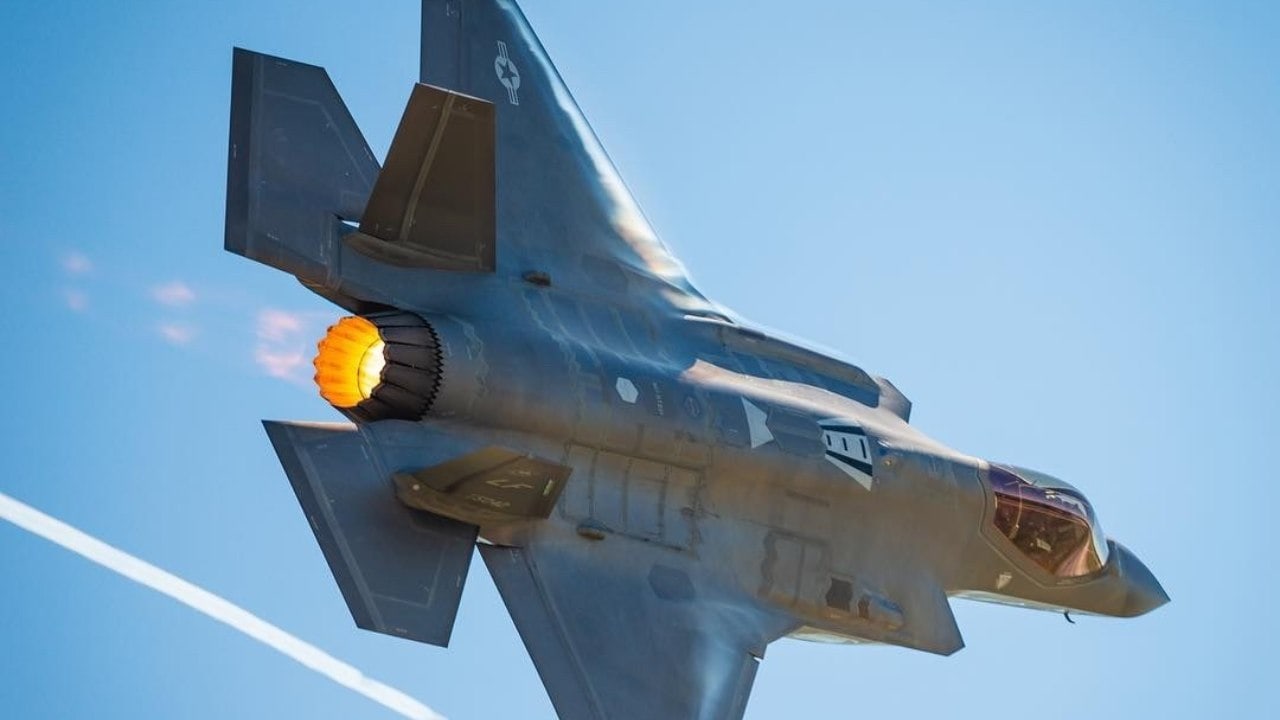
Capt. Andrew “Dojo” Olson, F-35 Demonstration Team commander and pilot performs a dedication pass in an F-35A Lightning II during the 2019 Wings Over Wayne Airshow April 27, 2019, at Seymour Johnson Air Force Base, North Carolina. The WOW Airshow marks the third public performance of the F-35 Demo Team’s new aerial demonstration during 2019 airshow season.
-It frames the F-22 as America’s air-superiority standard and the F-35 as the scalable, networked multirole workhorse.
-It concludes the J-20 narrows the gap, but its mission-system maturity and ecosystem still lag. For planners, the gap is narrowing rapidly today.
China’s J-20 Vs. America’s F-22 And F-35: The Gap That Still Matters
China’s Chengdu J-20 “Mighty Dragon” is the backbone of the People’s Liberation Army Air Force’s entry into fifth-generation airpower, and Western defense reporting is increasingly treating the aircraft as a major factor in any high-end Western Pacific scenario – and for good reason.
The aircraft is proof that China is taking its air force modernization seriously and looking to build on its current A2/AD efforts with a combination of modern fighter jets, bombers, and drones.
Yet the core question for planners now is not whether the J-20 exists or is gradually improving.
We know, of course, that it does and it is. The real question is whether it can truly match the American standard bearers: the F-22 (the Air Force’s premier air-superiority platform) and the F-35 Lightning II (the mass-produced, multirole stealth fighter).
That question matters because modern air combat is no longer a simple comparison of speed and missile loads.
Today, the decisive edge is increasingly coming from who detects first, who can best fuse targeting data and establish the best situational awareness, and who can manage emissions (and avoid detection) while operating inside integrated air defenses.
To top it off, it matters who can sustain high sortie rates over the long term.
The U.S. Department of Defense’s annual China military power assessment has repeatedly and explicitly warned that China’s growing inventory of advanced aircraft – specifically, the J-20 – will likely challenge U.S. or allied air forces in a conflict, particularly in a Taiwan contingency.
But “challenge” is not the same as “compete as a peer.”
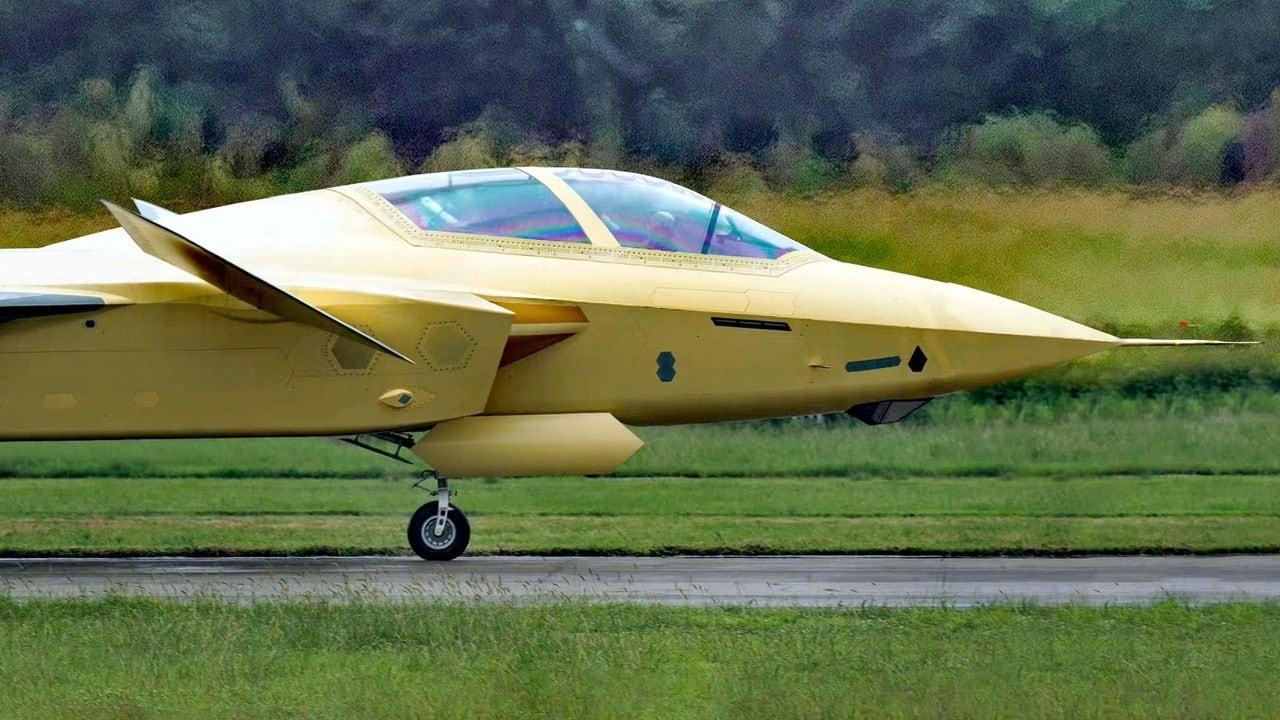
Image of the Chinese J-20 stealth fighter, which could soon be armed with laser weapons.
When fifth-generation fighters are judged on the capabilities that actually decide who wins in modern air combat – including how difficult they are to detect from all angles, how well their sensors fuse data, and how securely they share information with other aircraft and forces – the J-20 still falls short of the U.S. F-22 and F-35.
The J-20, F-22, and F-35 – And Why They Matter
The U.S. Air Force’s F-22 Raptor is a platform that combines stealth, supercruise, maneuverability, and integrated avionics. This integrated package delivers an exponential leap in capability for both air-to-air and air-to-ground missions.
The Raptor is not great in numbers, either: Congress approved ending procurement at 187 aircraft, a decision that shut down the assembly line and locked the Air Force into a small fleet whose value is now maximized by keeping it at the cutting edge of air dominance, maintaining it, and continually upgrading its systems.
The F-35A, by contrast, is the Air Force’s versatile stealth workhorse. It’s a multirole fighter that combines stealth with sensor fusion and unprecedented situational awareness, making it the most capable and advanced stealth fighter on the planet.
In other words, where the F-22 is built to seize and hold air superiority at the high end, the F-35 is built for scale – it handles the strike, sensing, and information-sharing just as much as it manages traditional fighter tasks.
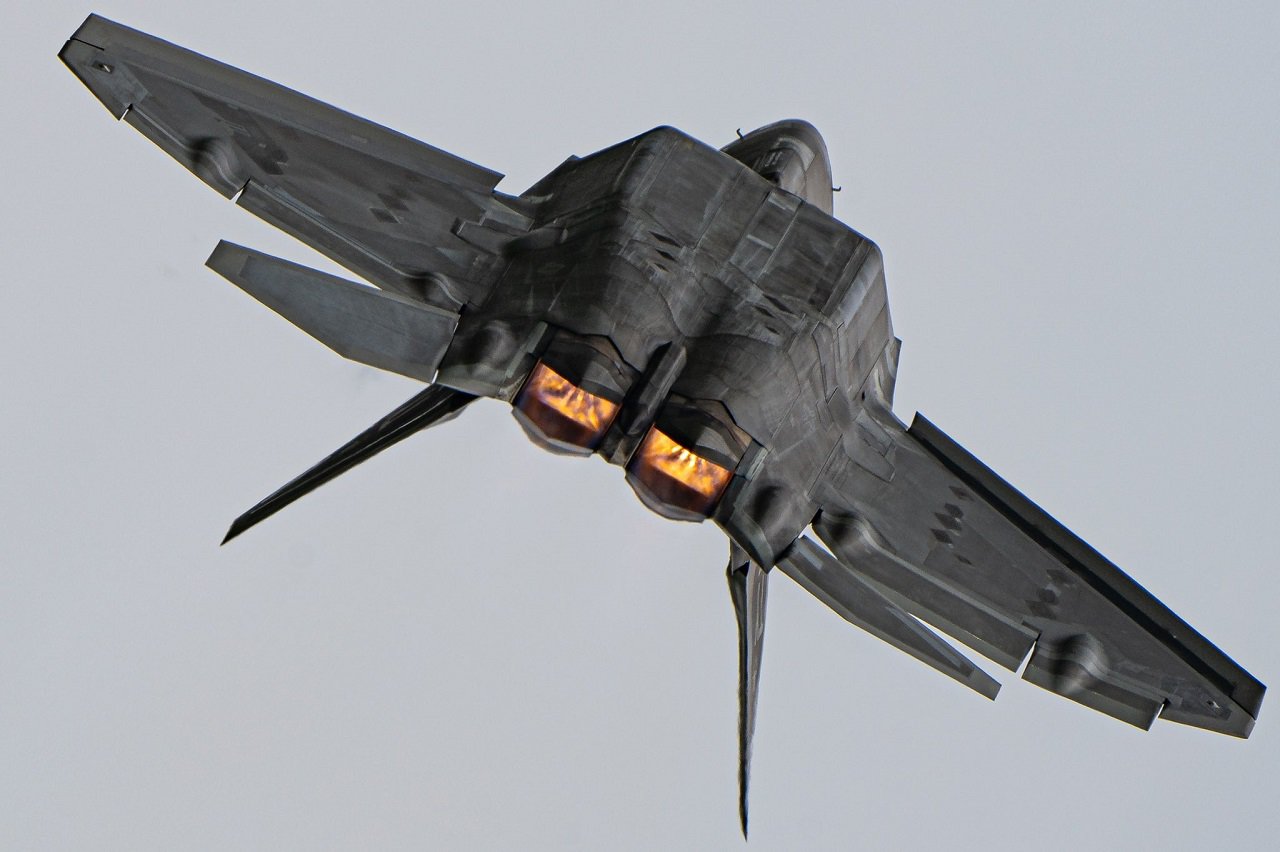
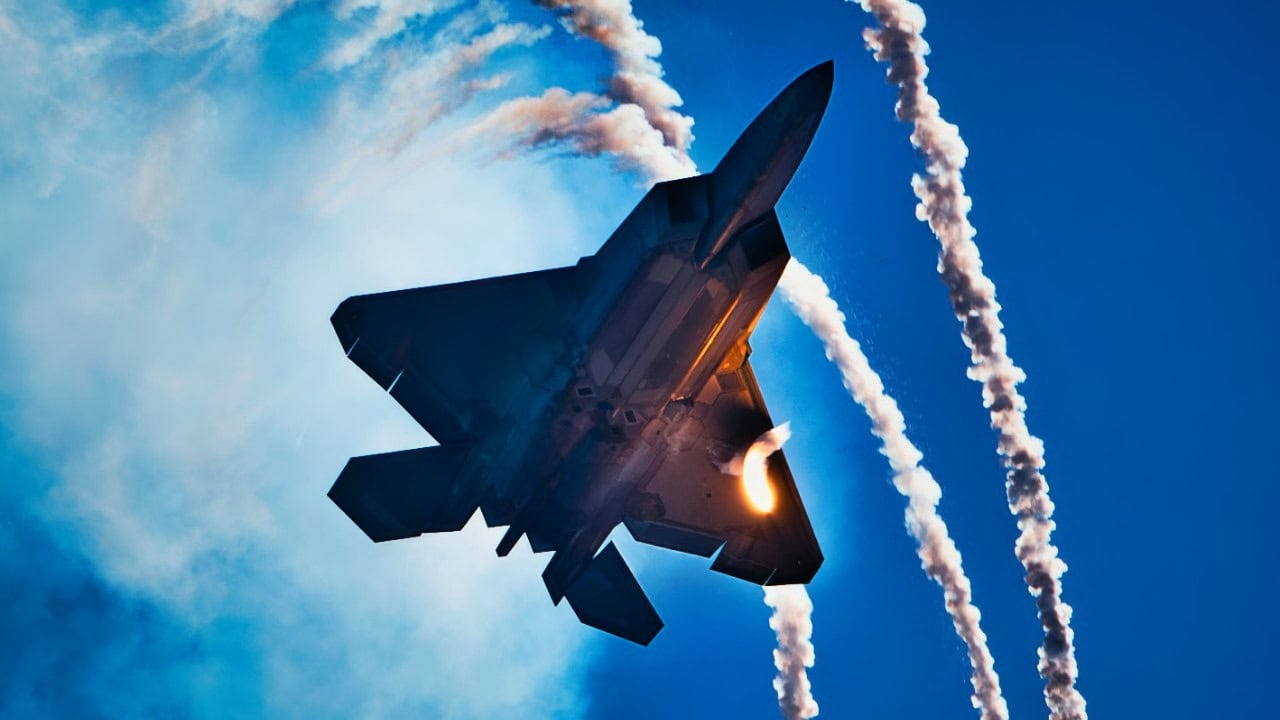
F-22 Raptor. Image Credit: Creative Commons.
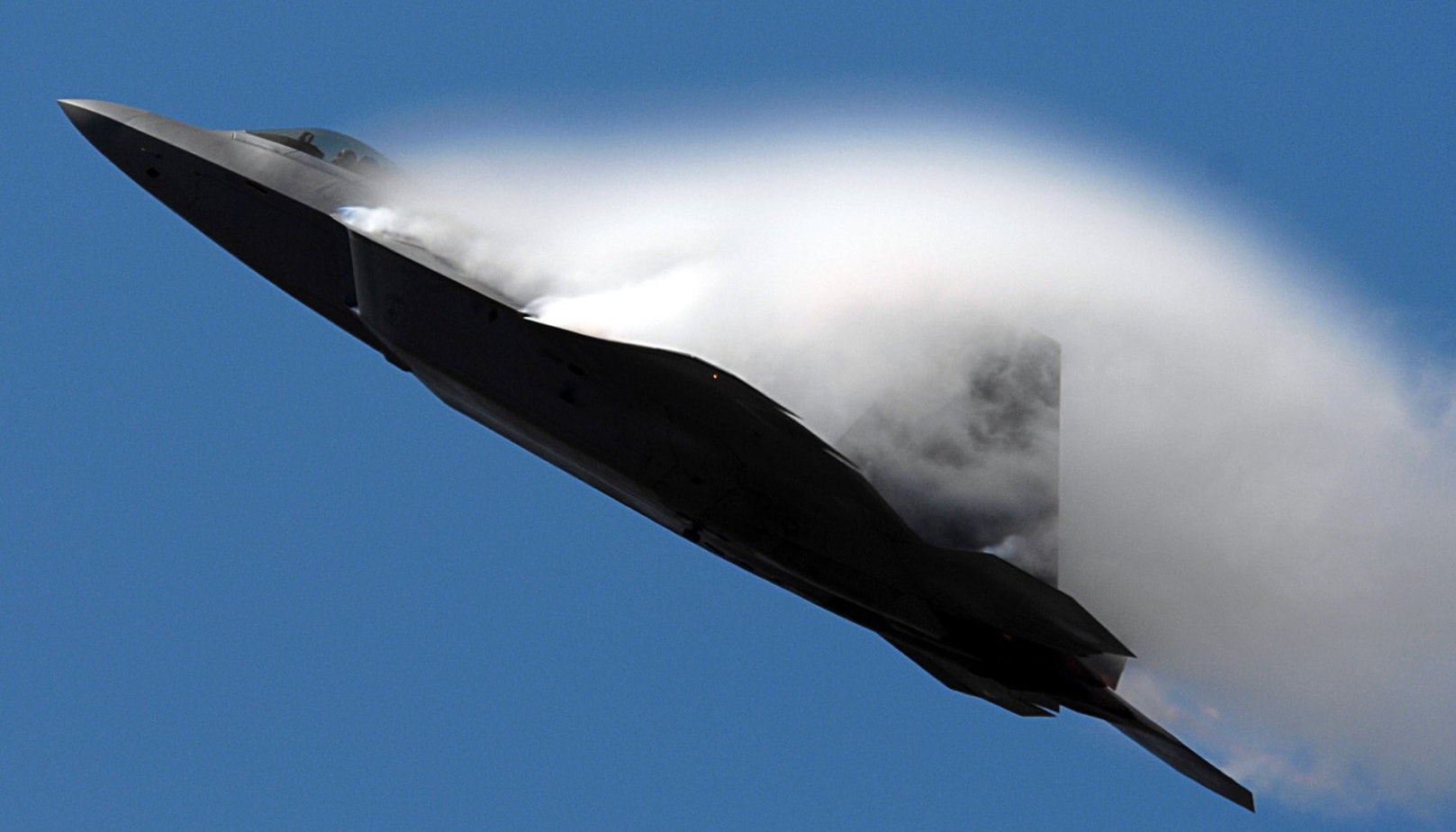
F-22 Raptor. Image: Creative Commons.
China’s J-20, meanwhile, sits somewhere in the middle of those two concepts. While analysts still disagree on whether the aircraft is best defined as an air-superiority fighter, a long-range interceptor, or even a platform with long-range strike utility intended to penetrate air defenses, it’s clear it is not directly comparable to either the F-35 or the F-22.
The Pentagon presently treats the J-20 as part of a broader modernization effort that supports sustained pressure around Taiwan, focusing on advanced aircraft – including the J-20 – to expand the PLA’s standoff and ability to challenge U.S. and allied forces.
How They Compare
So, how do they compare?
Let’s start with what’s easiest to state reliably: the F-22 and F-35 both hold a competitive edge in terms of their integrated packages – stealth plus avionics integration and sensor fusion.
These are not simply stealth-focused aircraft. That matters because a fifth-generation label means more than just the airframe shape – it refers to a kill chain compressed into the cockpit whereby the aircraft acts as both the node and shooter.
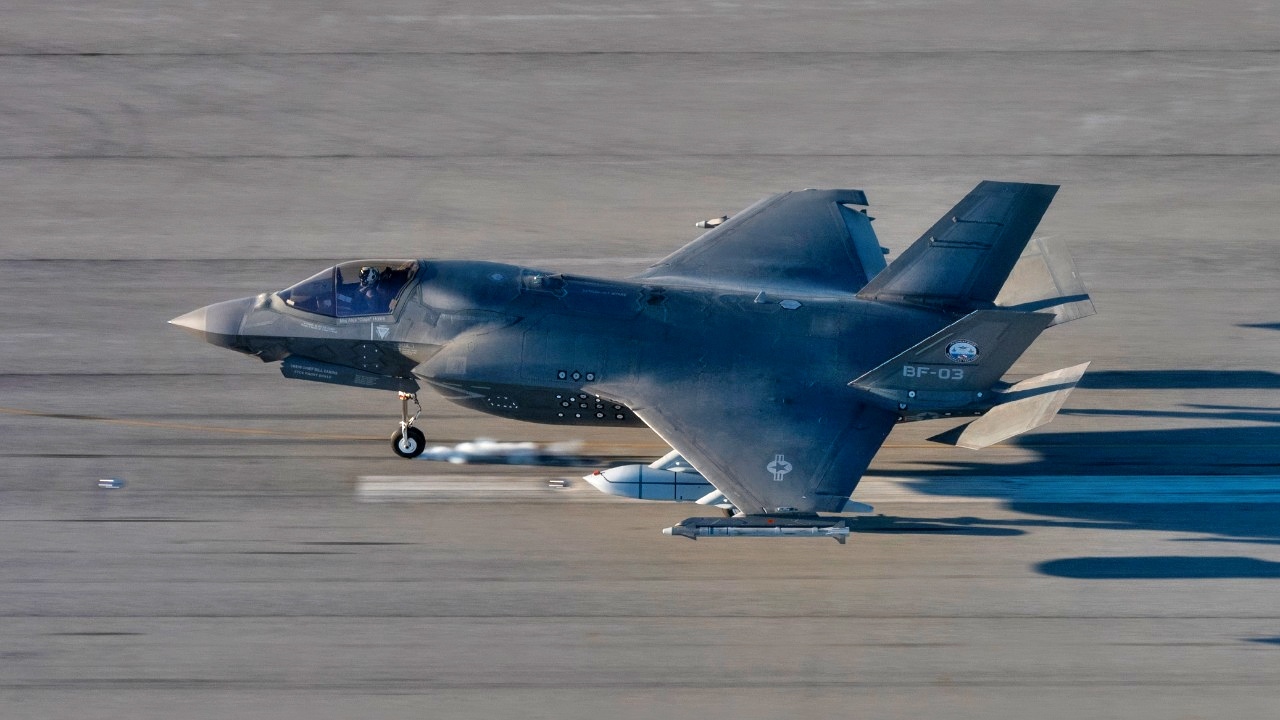
NAS PATUXENT RIVER, Md. — An F-35 Lightning II test pilot conducts the first flight test to certify the F-35B short takeoff and vertical landing variant of the fighter aircraft for carrying the AGM-158C Long-Range Anti-Ship Missile (LRASM). As part of ongoing weapon integration efforts, the Pax River F-35 Integrated Test Force (Pax ITF) team for the first time flew test flights Jan. 14 with two AGM-158 loaded on external stations. LRASM is a defined near-term solution for the Offensive Anti-Surface Warfare (OASuW) air-launch capability gap that will provide flexible, long-range, advanced, anti-surface capability against high-threat maritime targets. The Pax River ITF’s mission is to effectively plan, coordinate, and conduct safe, secure, and efficient flight test for F-35B and C variants, and provide necessary and timely data to support program verification / certification and fleet operational requirements.
The challenge for the J-20 is this: open-source assessments have repeatedly narrowed in on the fact that China can build a stealthy-looking aircraft but cannot necessarily build the full mission-system stack and infrastructure at the same maturity level as the United States.
China can build quickly and iterate fast, but without combat experience or the knowledge that comes after operating stealth platforms for decades, it’s tough for China to compete. Sure, stealth could make the J-20 an effective long-range interceptor, but that doesn’t mean it matches the capability of America’s long-established, experienced, and advanced platforms in terms of survivability, sensing, and networking.
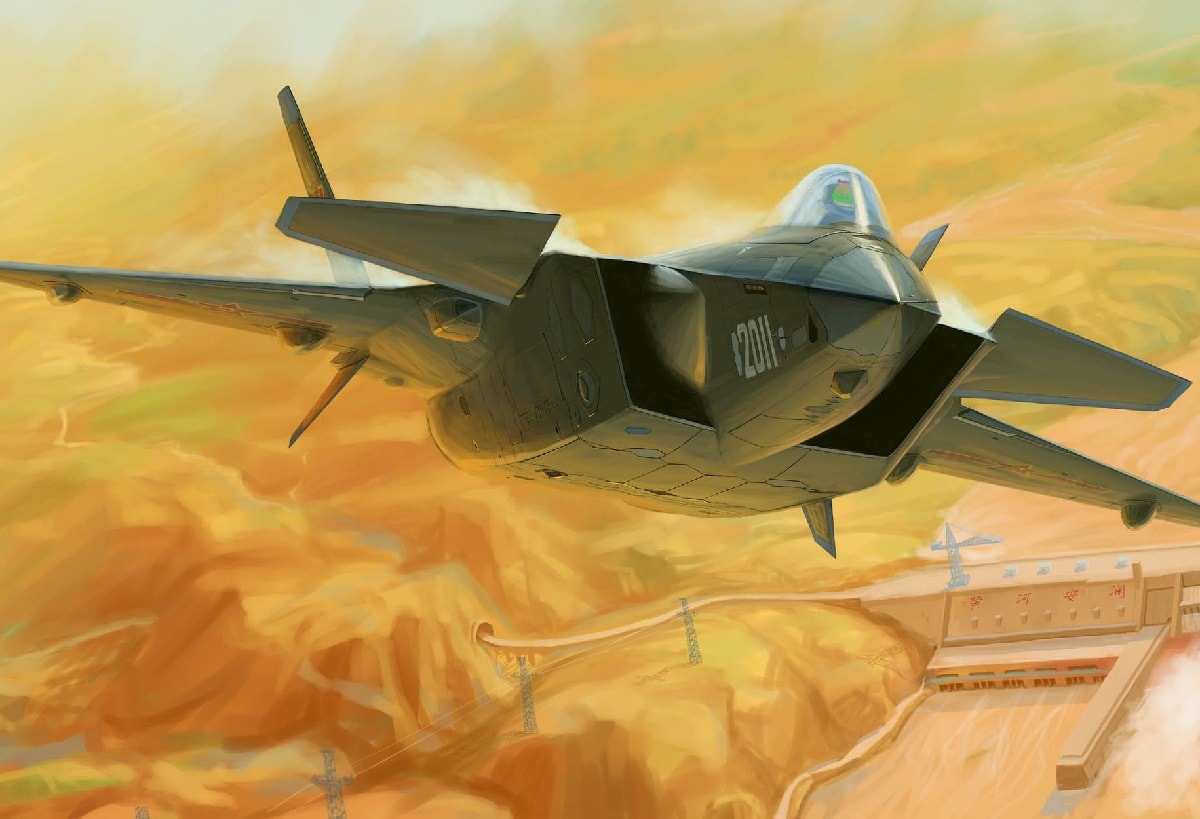
J-20 Fighter Image: Chinese Internet.
And then there’s the operational ecosystem behind the aircraft. The F-35 program, despite its detractors’ criticism over data sovereignty, is the most advanced in the world – and its modernization pipeline makes it even more powerful.
For now, the J-20 narrows the gap, but it does not yet close it and does not rival the F-22 or F-35 as a complete fifth-generation combat system.
But if the U.S. doesn’t stay on top of its next-gen system development and allows delays to persist, there’s no telling how quickly China could catch up.
About the Author:
Jack Buckby is a British author, counter-extremism researcher, and journalist based in New York who writes frequently for National Security Journal and 19FortyFive. Reporting on the U.K., Europe, and the U.S., he analyzes and understands left-wing and right-wing radicalization and reports on Western governments’ approaches to the pressing issues of today. His books and research papers explore these themes and propose pragmatic solutions to our increasingly polarized society. His latest book is The Truth Teller: RFK Jr. and the Case for a Post-Partisan Presidency.