
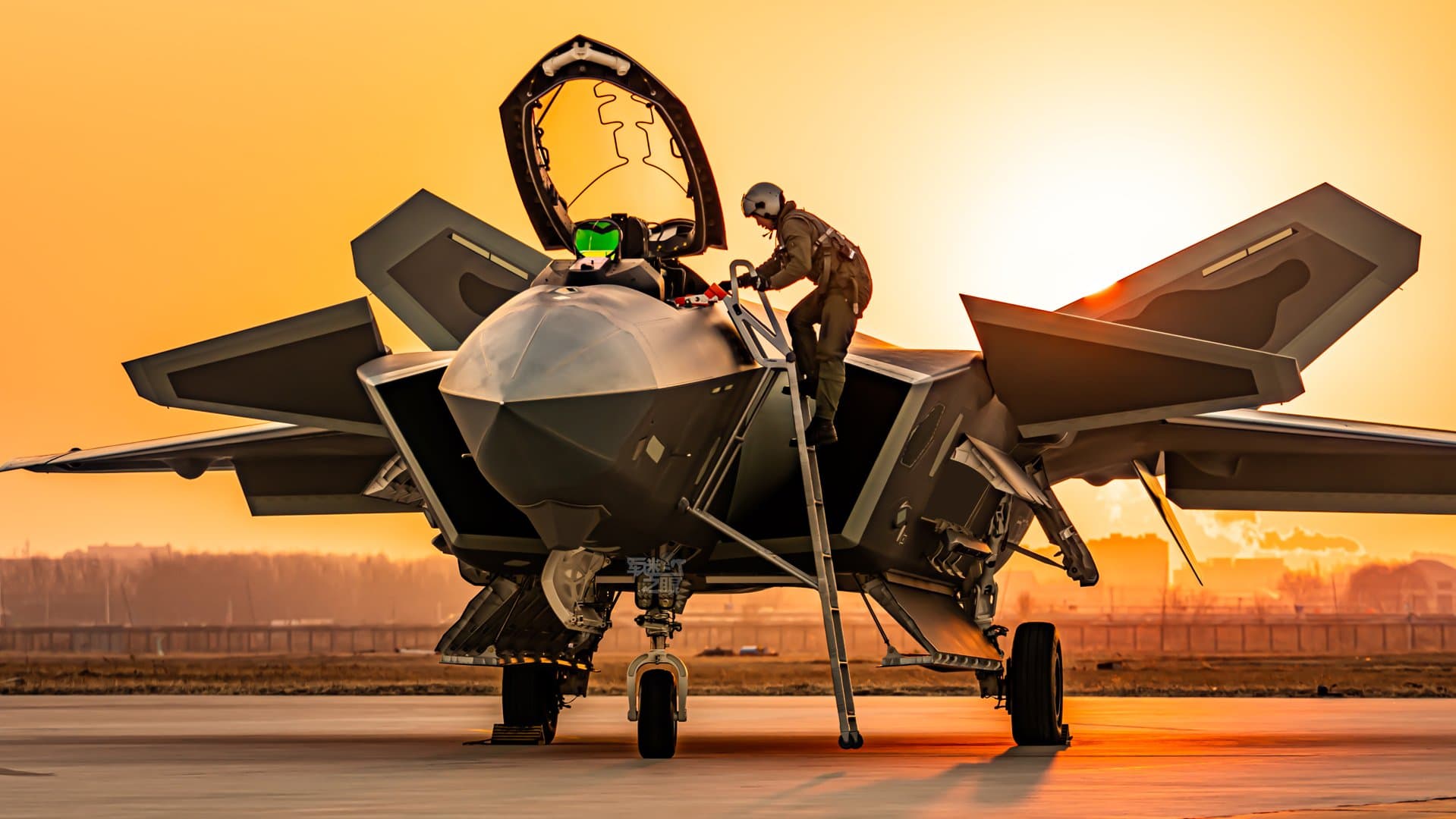
Key Points and Summary – China’s PLAAF appears to have brought the two-seat J-20S into operational service, marking a notable shift in how Beijing intends to fight with fifth-generation aircraft.
-First shown publicly in 2024, the tandem-seat J-20S is widely assessed as more than a trainer, adding a mission systems operator to handle electronic warfare, sensor management, and coordination with unmanned “loyal wingman” aircraft.
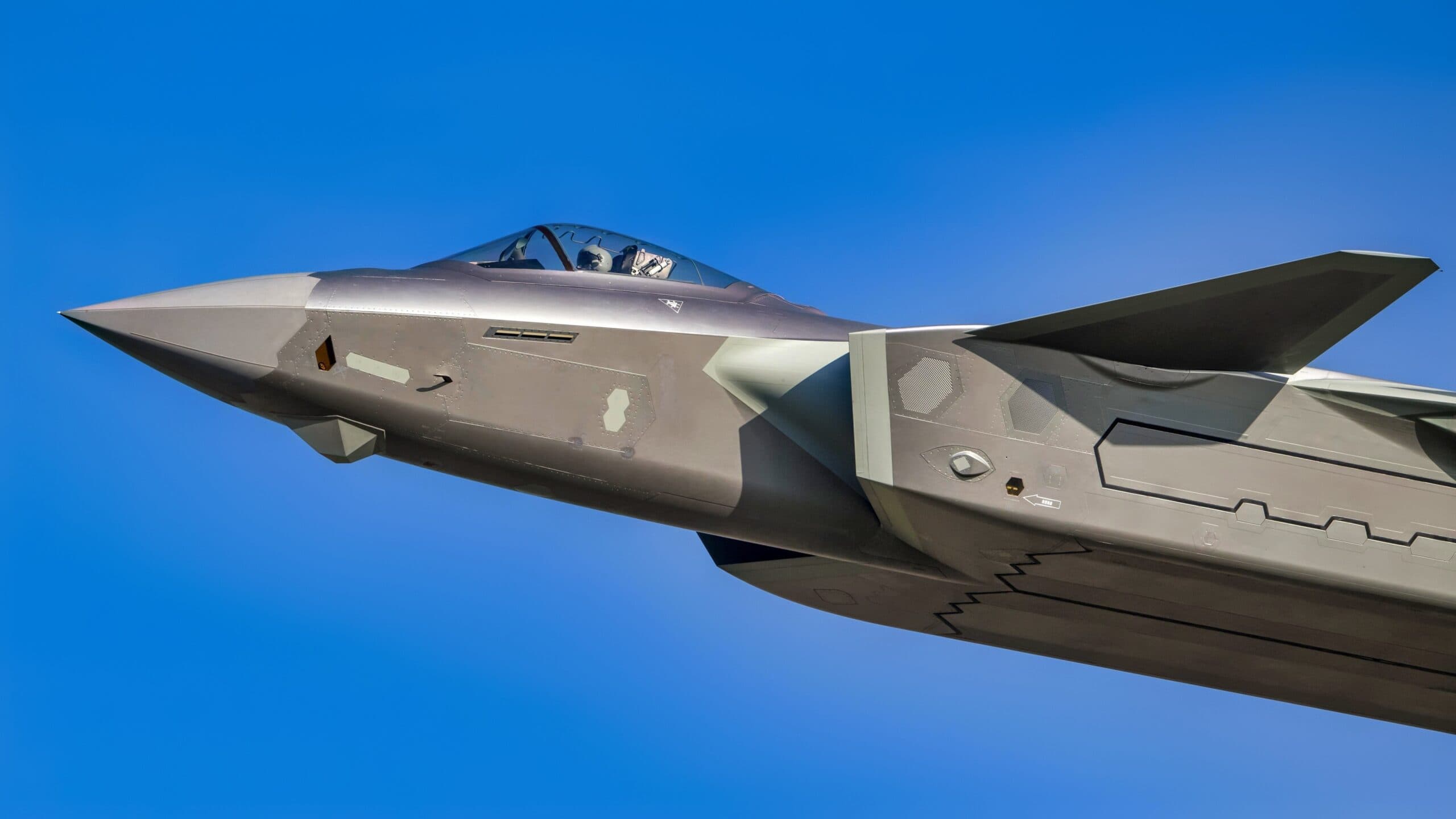
J-20 Fighter. Image Credit: Creative Commons.
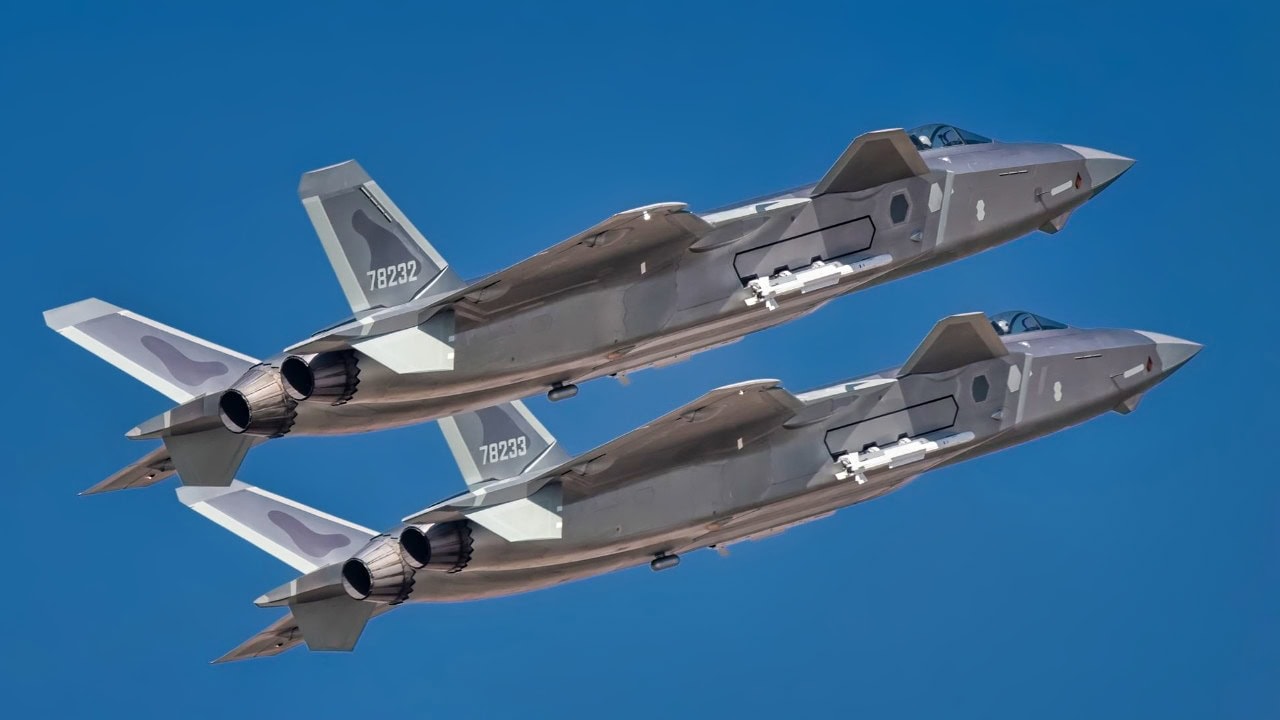
J-20 Mighty Dragon. Image Credit: Creative Commons
-Recent imagery and official parade coverage suggest frontline integration and a growing emphasis on manned-unmanned teaming.
-Combined with a rapidly expanding J-20 fleet and new UCAV demonstrations, the J-20S points to a more networked, high-tempo PLAAF air combat architecture.
China’s J-20S Is Operational
China’s People’s Liberation Army Air Force (PLAAF) appears to have welcomed its two-seat Chengdu J-20S “Mighty Dragon” into operational service as the country’s overall aviation doctrine and force posture rapidly evolve. New visual confirmations of and media reports focusing on everything from markings to the aircraft’s integration into elite units suggest that the J-20S is no longer just a prototype.
First unveiled publicly at the Zhuhai Air Show in 2024, the J-20S – a tandem-seat variant of the Chengdu J-20 fifth-generation fighter – represents a departure from the kind of stealth designs seen in Western fighters, which usually include a single-seat layout with aircraft supported by ground networks and airborne early warning assets.
China’s two-seat stealth fighter appears to suggest a second crew member will fly in the plane as a mission systems operator, responsible for electronic warfare and the control of unmanned combat air vehicles (UCAVs) and loyal wingmen.
Recent imagery and reporting indicate that the J-20S has entered PLAAF operational service as of mid-2025.
Several jets have already been photographed bearing five-digit serial numbers and national insignia consistent with being assigned to the 172nd Air Brigade. This frontline unit traditionally fields China’s most advanced airframes.
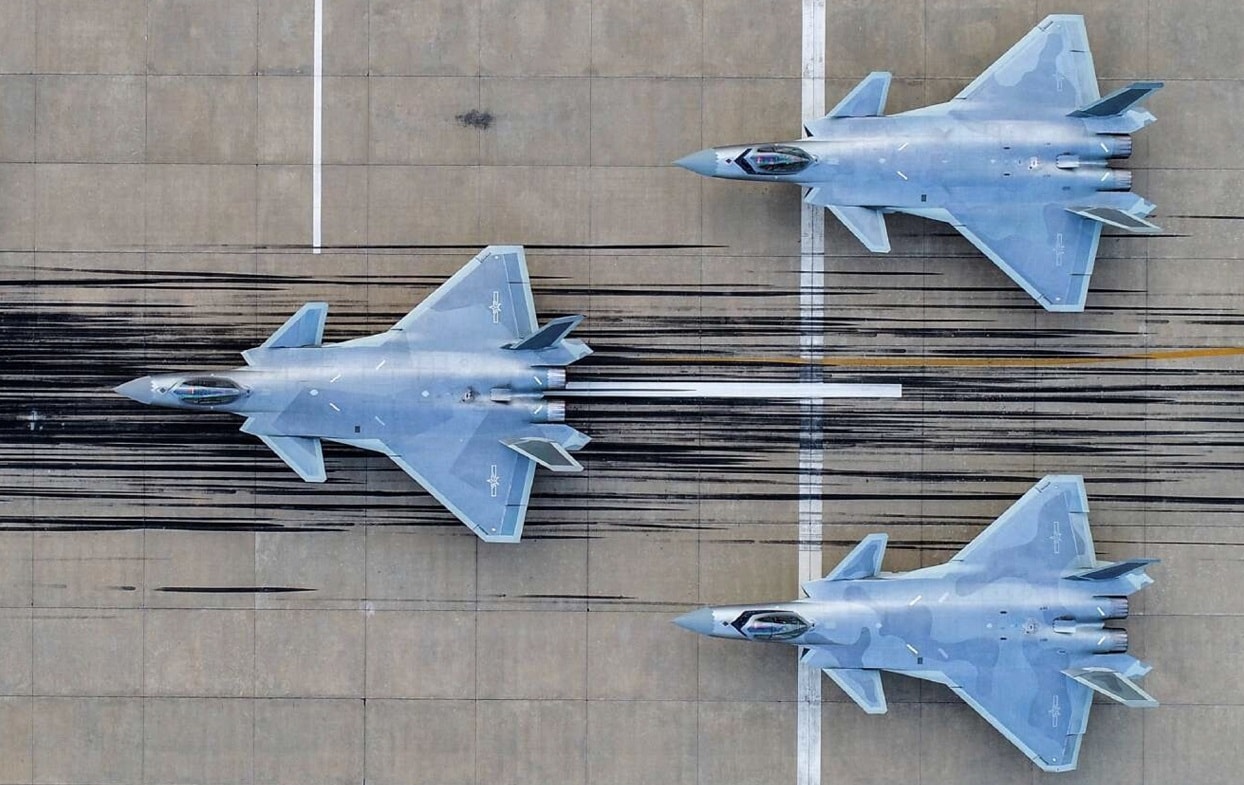
J-20. Image: Creative Commons.
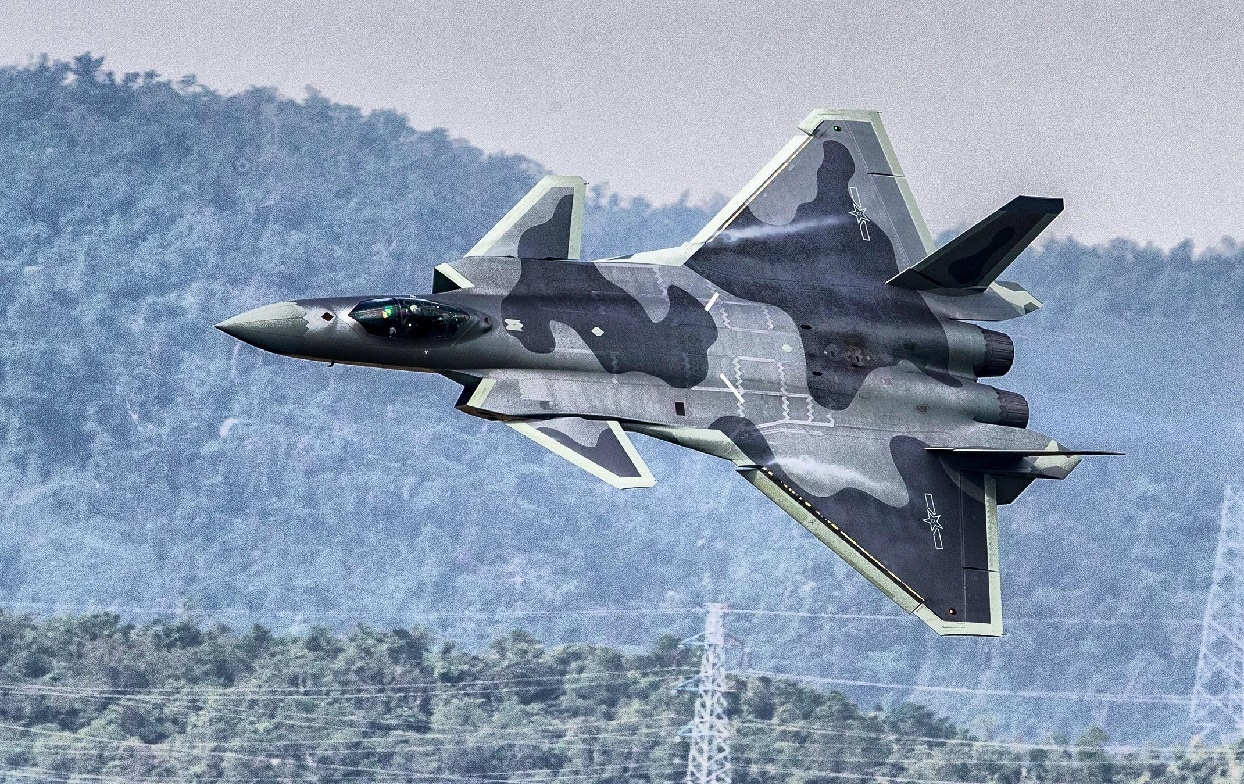
J-20Image: Creative Commons.
Official coverage of China’s September 3 Victory Day parade also featured the J-20S flying alongside single-seat J-20 and J-20A variants, with state media confirming that the rear crew station was designed for both electronic warfare functionality and guiding unmanned aircraft.
The parade was the first real opportunity for Beijing to introduce the world to the two-seat variant of its most advanced fighter jet yet.
A New Era For China
The J-20S leaving its prototype stage and entering into service, even in limited numbers, marks a significant doctrinal shift for the PLAAF. Early speculation about the J-20S focused on its use for training or even purely for experimental system testing.
However, it is becoming increasingly clear that the platform will serve as a command-and-control node within China’s air combat architecture, designed to conduct complex engagements with manned and unmanned assets.
China is making similar advances to those expected in the United States’ Next Generation Air Dominance (NGAD) platform, the F-47, which is designed as a family of systems that includes loyal-wingman drones.
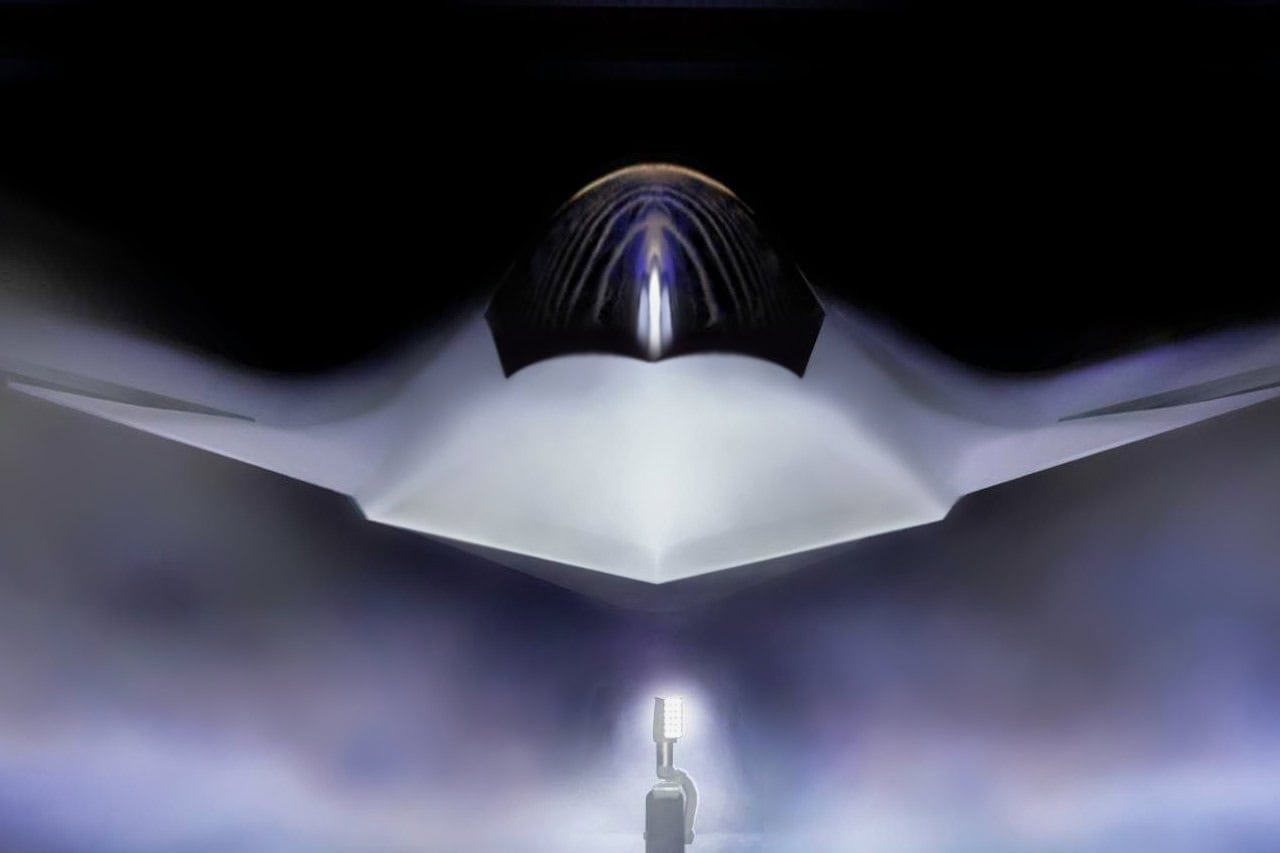
Shown is a graphical artist rendering of the Next Generation Air Dominance (NGAD) Platform. The rendering highlights the Air Force’s sixth generation fighter, the F-47. The NGAD Platform will bring lethal, next-generation technologies to ensure air superiority for the Joint Force in any conflict. (U.S. Air Force graphic)
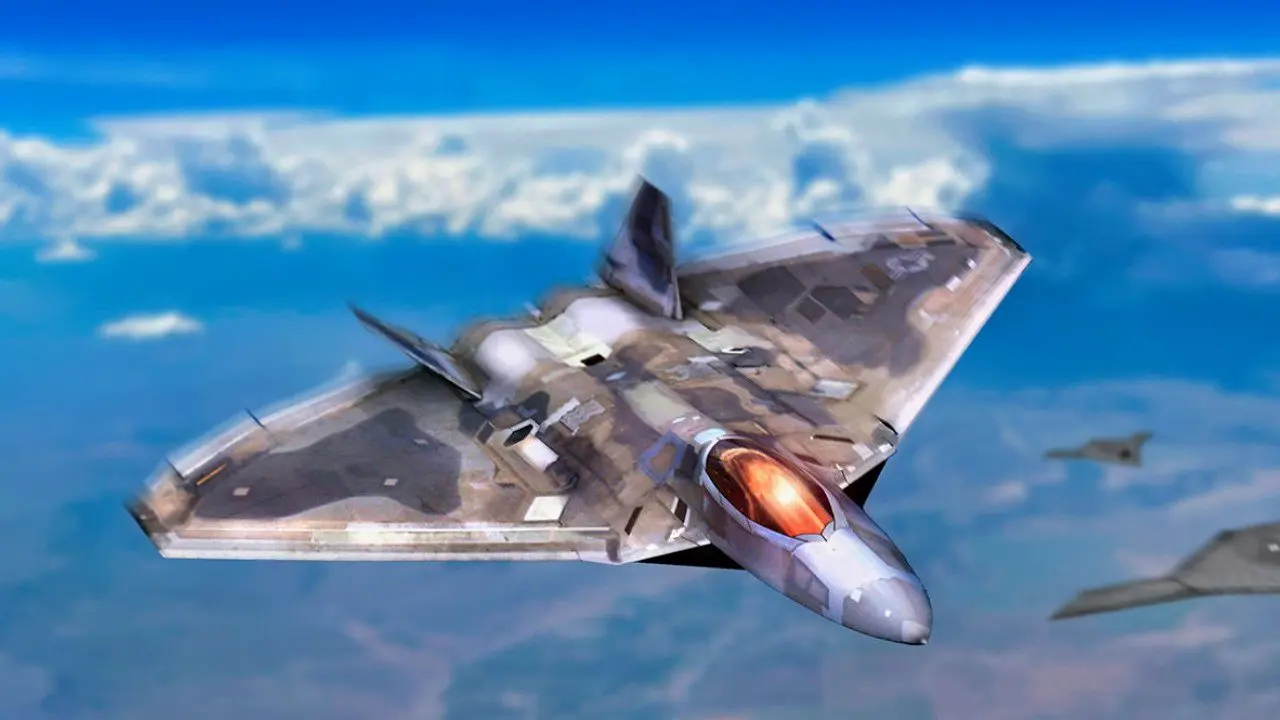
NGAD Fighter. Artist Rendering.
The two-seat configuration will give the J-20S a potential advantage over its cousins in the same family of aircraft in high-tempo scenarios where data processing demands exceed a single pilot’s capabilities.
Modern fifth-generation combat concepts are now adopting networked operations as standard, in anticipation of the arrival of sixth-generation platforms.
China, like the U.S., is not only pursuing this technology for the J-20S. In November 2025, the PLAAF publicly released footage showing a stealthy GJ-11 UCAV flying in formation with a J-20 and a J-16D electronic warfare aircraft, marking the first widely disseminated imagery of collaborative operations between Chinese manned fighters and autonomous systems.
And although these early demonstrations didn’t include any complex mission execution, they do serve as proof of concept for the new strategies China is clearly pursuing alongside its fifth-generation fleet build-up.
At this stage, it’s clear: aviation is the cornerstone of China’s ongoing military modernization, with even its advancements in carrier technology designed to deliver the power of its increasingly advanced aircraft assets much more broadly.
Reports indicate that China has fielded at least 300 J-20 airframes as of September 2025, reflecting a rapid increase in production and deployment over recent years. These aircraft now form the backbone of multiple PLAAF brigades stationed across China’s theatre commands, enabling persistent surveillance and deterrence operations, particularly over the Taiwan Strait and the East and South China Seas.
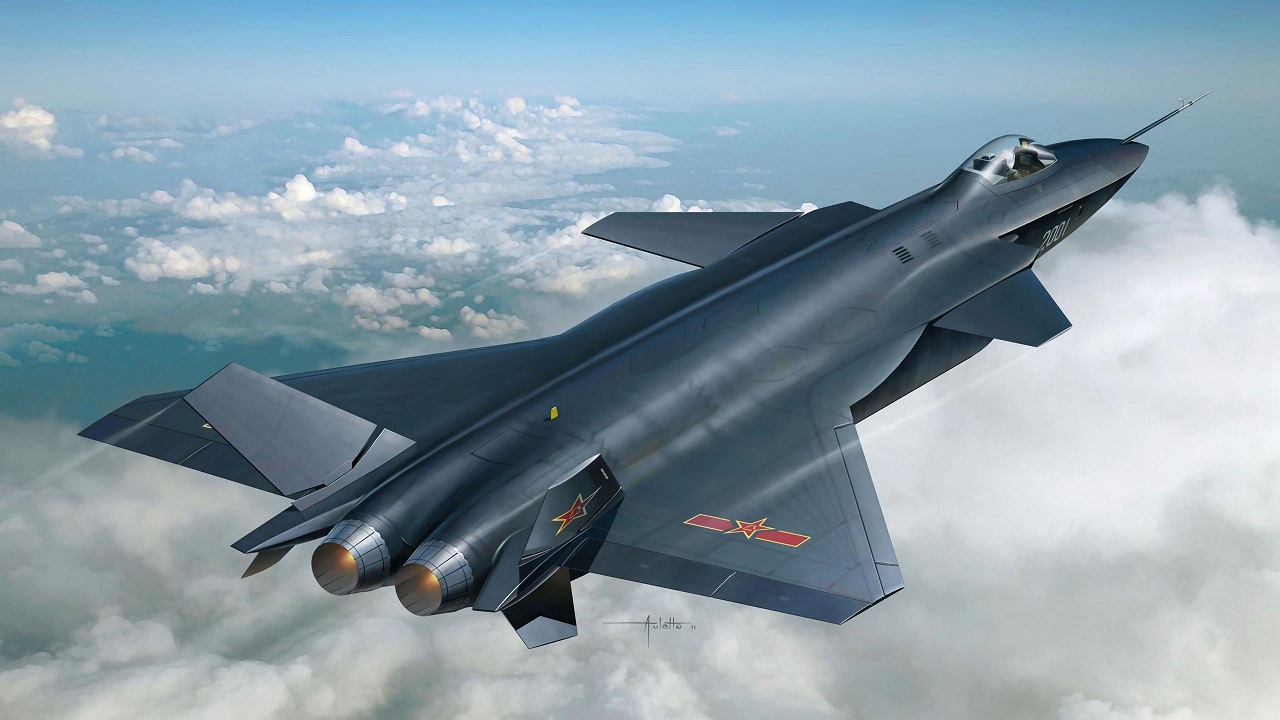
J-20 Fighter via computer generated artist rendering. Image Credit: Creative Commons.
The J-20 family, which now includes the original single-seat J-20, the upgraded J-20A with advanced sensors and avionics, and the two-seat J-20S, functions as the core of China’s long-range air superiority strategy. The introduction of new mission-optimized variants, such as the J-20S, further enhances the PLAAF’s capability to conduct sophisticated operations that require electronic, data fusion, and unmanned systems coordination.
As the J-20 evolves as a platform, China continues to develop complementary platforms. The Shenyang J-35 naval stealth fighter and its land-based J-35A variant have also advanced through limited production and carrier trials, as Beijing works toward its goal of building a layered, networked fifth-generation air fleet across its air force and navy.
Another major implication? The arrival of the J-20S as an operational aircraft tells us something about the planned PLAAF crew structure and sortie generation.
A two-seat stealth jet requires a larger, more specialized training pipeline, indicating that China is now willing to absorb higher personnel and training costs to maximize its combat effectiveness, while simultaneously exploring new technologies and strategies to go above and beyond its current A2/AD efforts. What does that mean?
In short, China is growing increasingly confident in its ability to sustain high-intensity air campaigns.
About the Author:
Jack Buckby is a British author, counter-extremism researcher, and journalist based in New York who writes frequently for National Security Journal. Reporting on the U.K., Europe, and the U.S., he works to analyze and understand left-wing and right-wing radicalization, and reports on Western governments’ approaches to the pressing issues of today. His books and research papers explore these themes and propose pragmatic solutions to our increasingly polarized society. His latest book is The Truth Teller: RFK Jr. and the Case for a Post-Partisan Presidency.