
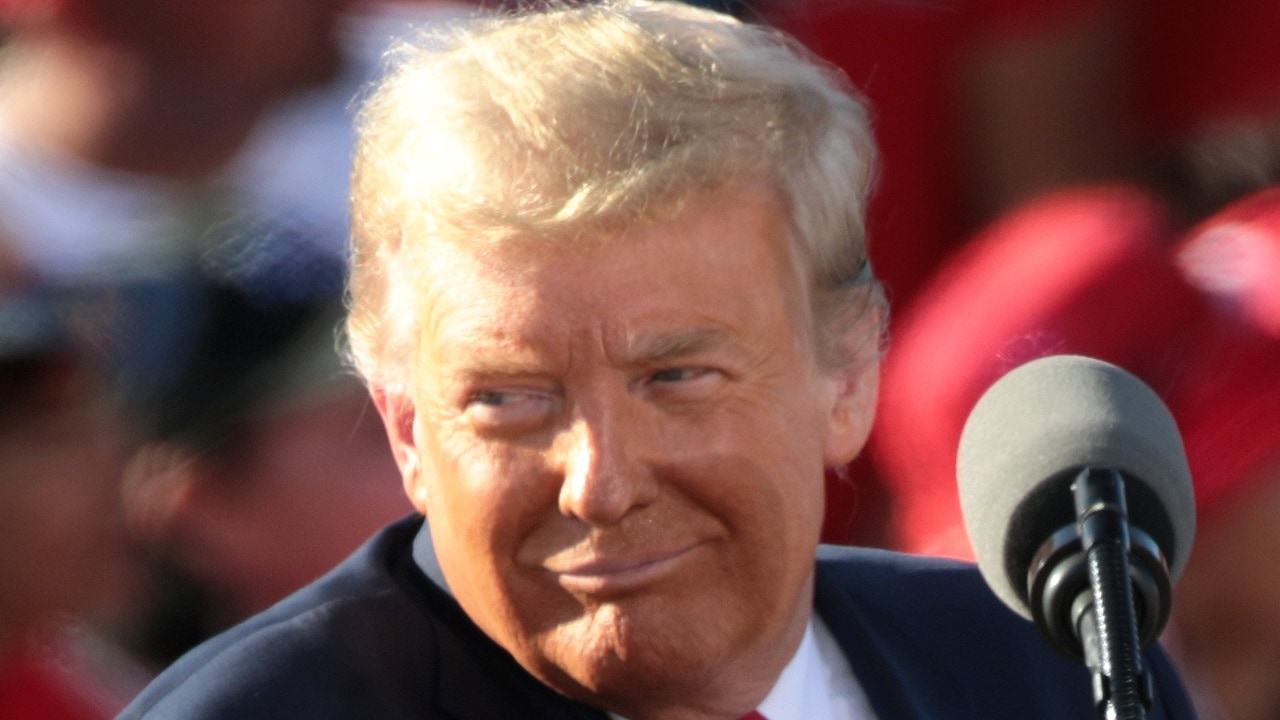
Iran War Turns into Trump Middle East Triumph: We are about to see the biggest reshaping of the Middle East since Moses led the Jews out of Egypt.
Like the pharaoh, who missed every warning sign up to the parting of the Red Sea, the critics and questioners of Trump’s tug-of-war with what’s left of the Iran regime seem obtuse to the prophetic truth that the region will never be the same again—in a good way.
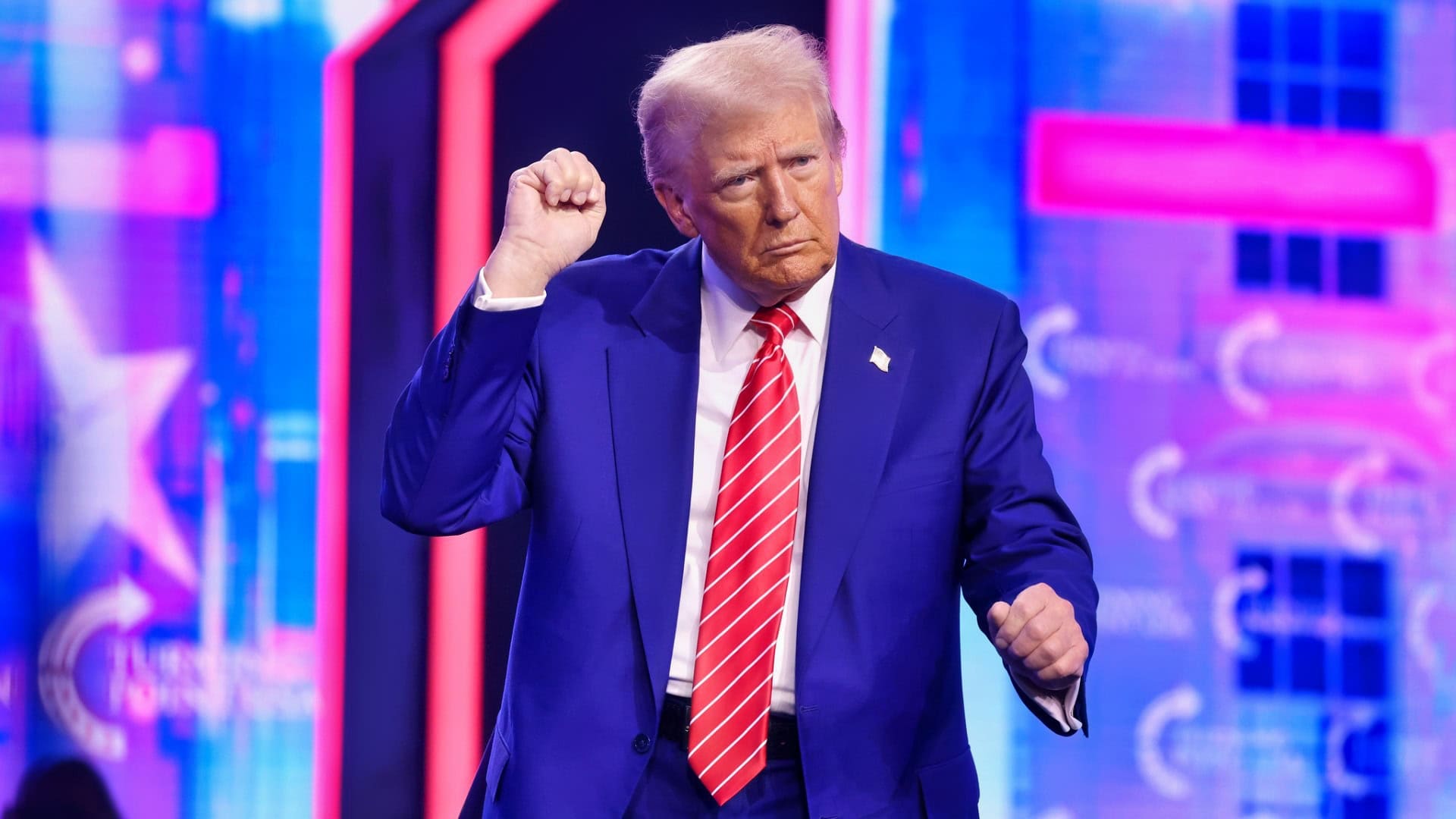
President-elect of the United States Donald Trump speaking with attendees at the 2024 AmericaFest at the Phoenix Convention Center in Phoenix, Arizona.
Winning is the Only Thing
Condemnation of the Trumpian way of war comes from corners that have a vested interest in seeing Trump’s triumph as a loss.
Maximalists. They would only be happy if Trump fought the war they wanted, arguing that nothing less than overthrowing the regime would do. Anything else is a defeat and a humiliation. That’s a perversion of the president’s more limited goals to eliminate the regime’s capacity to bully and destabilize the region—objectives largely accomplished.
Minimalists. They would only be satisfied if America did nothing, contending, “Trump has dragged the United States into a needless war with Iran—and one with no clear end,” ignoring that the regime building a nuclear arsenal; constantly threatening its neighbors; plotting the assassination of U.S. officials; and engineering the horrific October 7 attacks on Israel were clear and present dangers, and that Trump demolished these threats in a way that no other American president ever came close to even denting.
MORE – Donald Trump Lost the Iran War
Procrastinators. They are impatient and confused by what they see as Trump’s waffling, vacillating between negotiating and punishing the regime, overlooking the deep conviction behind his strategy, a sincere humanitarian streak which abhors needless loss of life—ours and theirs. Since he has largely accomplished our war aims, Trump can take a more measured approach to get to the end-state he wants without unnecessary loss of life and needless destruction. Instead, he is “de-risking—every time the Iranians fail to meet their obligations or retaliate, he takes more capabilities and assets of Iran off the table.” Rest assured, worriers, that while the war may only be over when the enemy quits—the truth is that the enemy has already lost, and now the only prospect they face is that the more they fight, the more they lose.
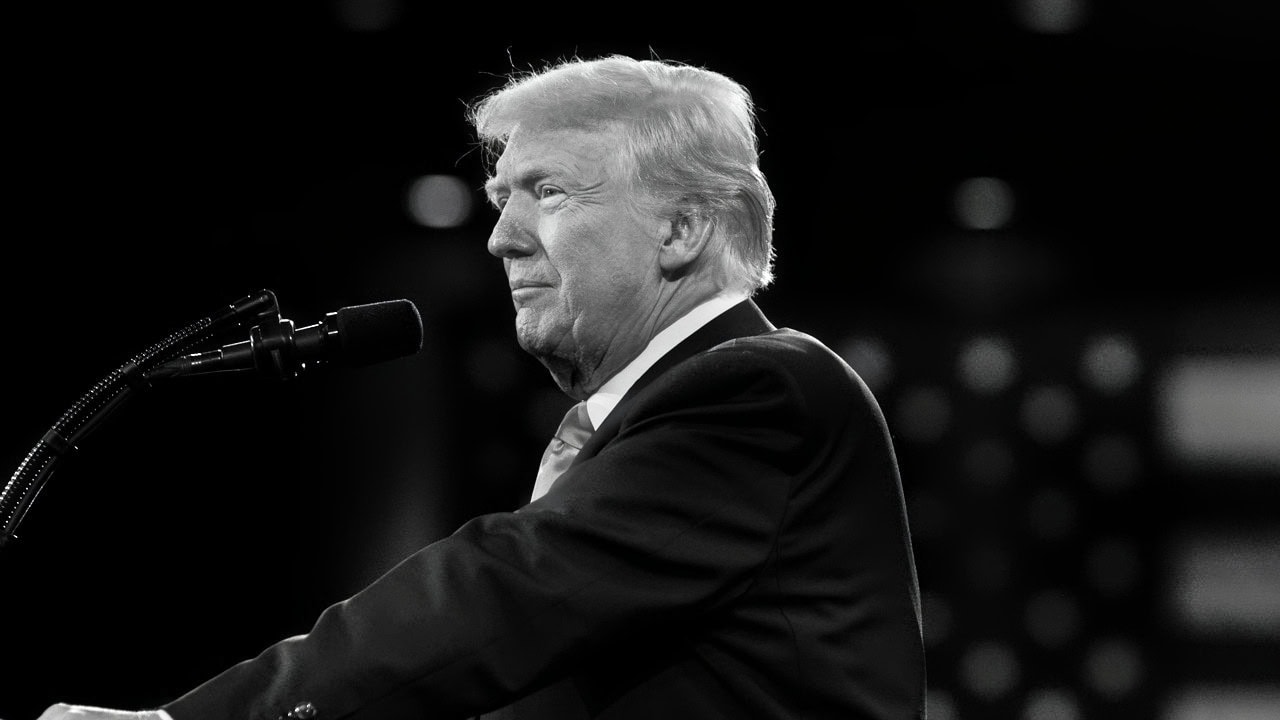
President Donald Trump speaks at the Conservative Political Action Conference at the Gaylord National Resort & Convention Center in Oxon Hill, Maryland, on Saturday, February 22, 2025. (Official White House Photo by Molly Riley
Obstructionists. They are what’s left leading Iran, insisting that as long as they are still standing and resisting, they win, conveniently passing over the point that Trump has humbled and humiliated the regime, virtually decimating their armed forces and crippling Iran’s economy.
All the above opinions can largely be discounted. Not only are they wrong, but none have the power or capacity to deter Trump from his course. Nor should he take the counsel of their fears.
There is zero evidence to doubt Trump’s resolve—and plenty of facts to argue he should steel his determination and follow through.
Theory of Victory
The victor gets to define victory.
Every war leader, in every war, has their detractors. Commanders-in-chief need a better metric to judge their efforts than taking the counsel of discontented doubters.
A good fight has a “theory of victory,” a logical, feasible, suitable, and acceptable means to justify calling a win in war. That guidepost is the best measure of success.
For Trump, a win is to squash Iran’s capacity to destabilize the region, creating space for regional collective security, reconstruction, and economic resilience, providing a long-term deterrent against a resurgent regime. From the Abraham Accords to the work of the Board of Peace, and major economic initiatives like IMEC and Tripp, the expectation is that the real measure of Iranian defeat is if these initiatives flourish. That’s the theory of victory.
The real test of “is Trump winning” is if there are signs that the long-term peace structure the president is seeking to replace the overshadowing threat of Iran is emerging. Everywhere you look in the region—the answer is yes.
Energy Resilience. Only a year ago, the Iranian regime could threaten to shut down up to a third or more of the world’s oil exports. Even today, while fighting in the Strait of Hormuz still lingers, that is no longer true. Regional exports are rebounding, by some estimates up to two-thirds of pre-war levels. The UAE, for example, is already exporting at 85% of pre-war levels.
Nor is oil rocketing toward $ 200 a barrel like the IRGC hoped. In fact, prices are bobbing below wartime highs. Part of this is because the region is rapidly developing redundant and resilient means to move product through new cooperative initiatives, including potentially a Saudi-Israeli pipeline. The prospects that Iran can hold the flow of the world’s energy hostage are now nil.
Reconstruction. Recently, the Board of Peace announced, over the objections of Iran, an unprecedented agreement to disarm Hamas, a precursor to the reconstruction of Gaza. The board also announced a pilot reconstruction project in Gaza to begin in November. Further, the U.S. is leading a trilateral framework with Israel and Lebanon and aggressively working to normalize relations with Syria.
These efforts will further help jump-start regional reconstruction projects. All these initiatives reflect a real movement to replace lands overlorded by Iranian surrogates with regions blessed with security, stability, economic growth, and good governance.
Economic integration. The U.S. and Iraq recently announced over $60 billion in future economic deals. Washington also trumpeted an additional multi-million dollar investment in TRIPP in Armenia.
Further, the Iran War has helped even more urgently make the case for the importance of IMEC. On every flank, Iran is seeing their neighbors more tightly integrating with each other and partnering with the U.S. and other global good guys from Europe to India, Japan, and South Korea.
Security Cooperation. The U.S. and Saudi Arabia recently took action against Iran-backed militias in Iraq. Saudi Arabia just announced the establishment of a multinational coalition to provide maritime security in the Red Sea. Israeli recently expanded defense cooperation with the UAE.
All these initiatives point to the growing willingness of regional powers to expand collective security and build a conventional deterrence framework against the current Iranian regime.
Trump Won the Iran War
So, here is the reality check—the inconvenient truth the doubters don’t want to talk about.
If Trump were losing his war, none of these initiatives would be happening. Instead, what is being witnessed is increased American influence, increased partnerships, and more momentum for the framework Trump envisions to bring long-term peace and stability to the region. These are not signs of defeat, but regional transformation on an unprecedented scale.
The spin doctors can spin whatever the damn well please, but the historians are going to write that Trump is the most consequential force in reshaping the Middle East in modern memory.
In the long run, that is only going to make the task of making and keeping America great again easier, partnering with a part of the world that will bring more benefits to us than problems to solve.
MORE – The Yamato-Class Had No Chance Against the Iowa-Class Battleship
MORE – The Age of the Aircraft Carrier and F-22 Isn’t Over, But They Can’t Win Every War
MORE – France Tried to Attack the US Navy With an Unfinished Battleship with Just 1 Working Big Gun
About the Author: Dr. James Jay Carafano
James Jay Carafano is a national security expert and a 25-year Army veteran. His most recent books are Cold Combat: Mountain Warfare in Italy and the Battle of San Pietro, 1943, and Digital Dominance: Winning in a Socially Networked World. He is a 19FortyFive Contributing Editor.