Thirteen people have reportedly died after a Ukrainian drone strike in central Russia, authorities said on Monday.
The attack, which also left 75 people injured, was the deadliest attack to take place within Russia’s borders in two years.
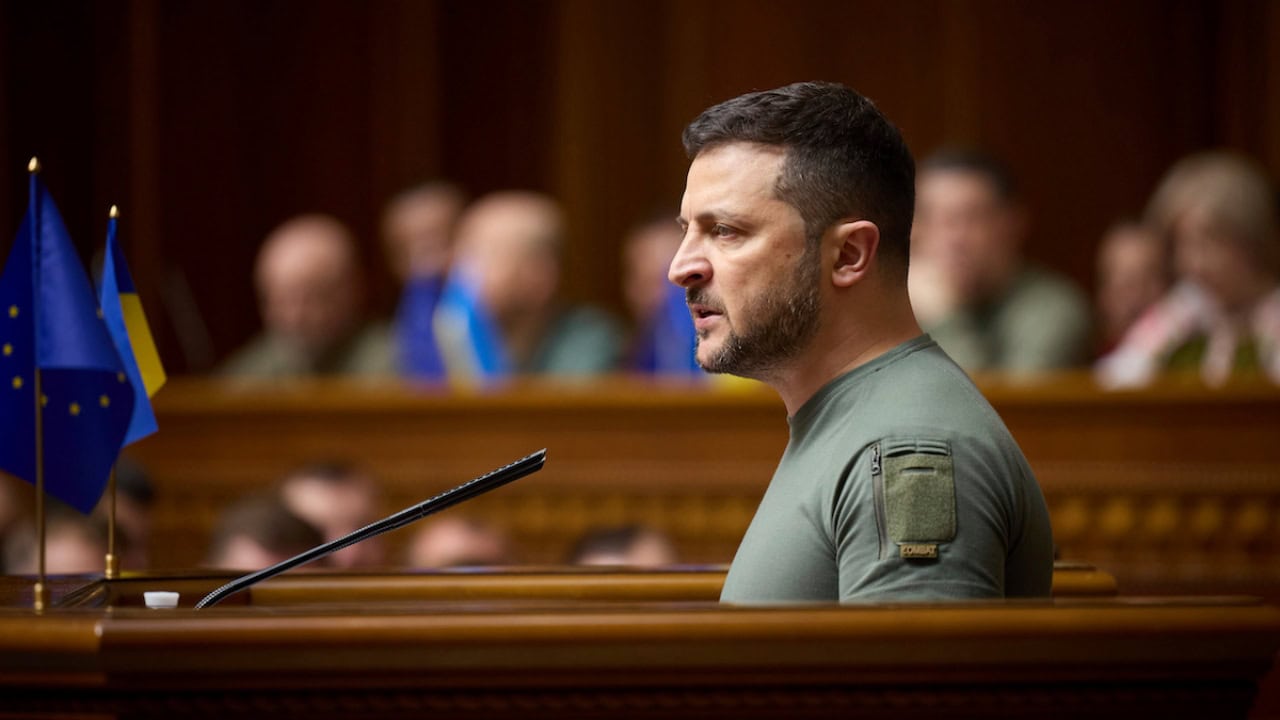
President Zelensky of Ukraine. Image Credit: Creative Commons.
Ukraine said it was targeting an oil refinery in Nizhnekamsk, in the Russian republic of Tatarstan, about 750 miles east of the border with Ukraine.
‘State of the Art’ Oil Refinery Targeted
The city’s Taneco oil refinery is highly advanced and was the first state-of-the-art facility of its kind built in post-Soviet Russia.
The facilities have a refining capacity of around 17 million tons of oil annually. Omsk and Kirishi, which have also been targeted by Ukraine in the past, are capable of producing 22 million and 20 million tons, respectively.
Moscow’s defense ministry claims to have intercepted some 456 Ukrainian drones overnight across up to 16 regions, including Tatarstan, Moscow, and the Crimean Peninsula, which it has occupied since 2014.
While Russia has not explicitly admitted that the oil refinery was attacked, video footage shared on social media appears to show a large fire and huge smoke columns rising from outside the city.
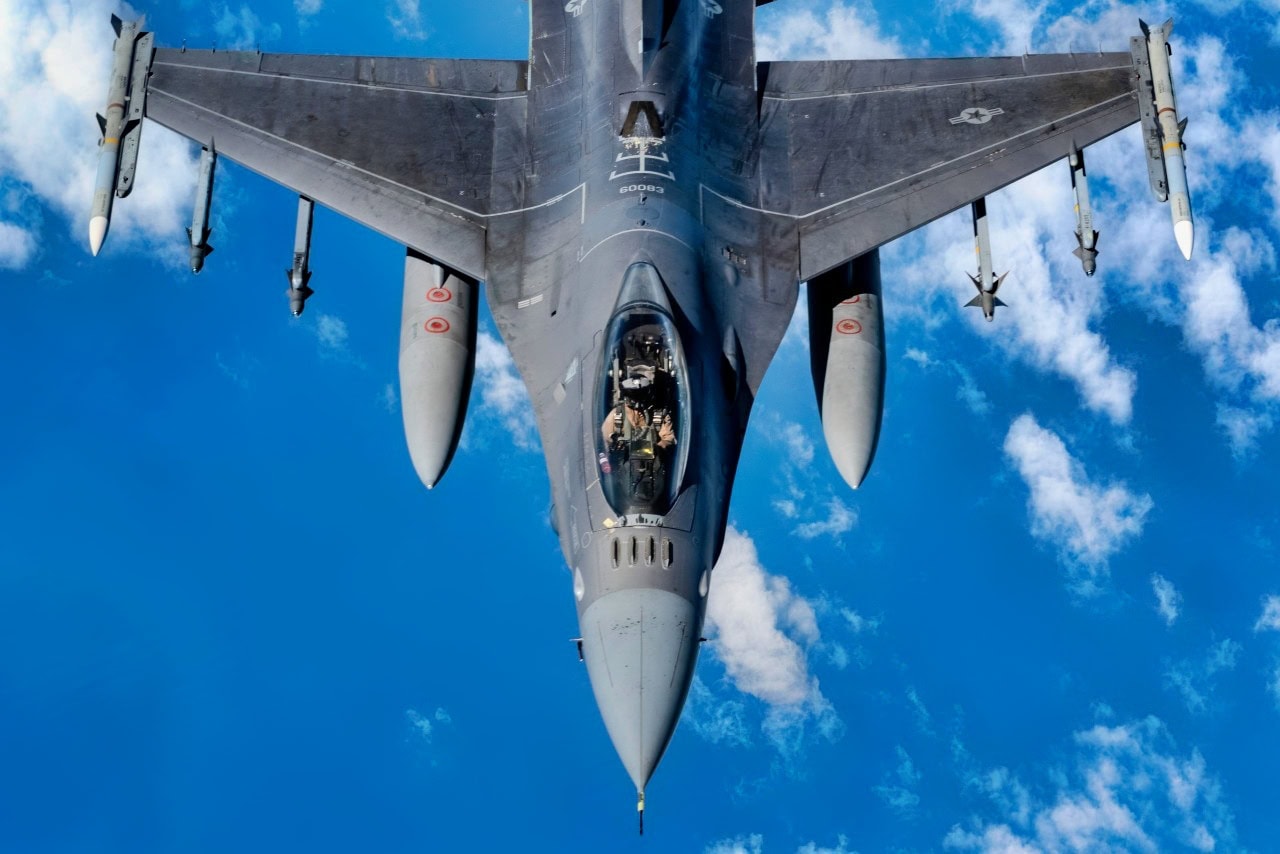
A U.S. Air Force F-16 Fighting Falcon flies a presence patrol over the U.S. Central Command area of responsibility, Feb. 23, 2025. Fighting Falcons fly routine patrols over the AOR to deter aggression and bolster the regional defensive posture. (U.S. Air Force photo by Staff Sgt. Jackson Manske)
It has not been possible to independently verify what was hit in the attack. Russia and Ukraine have been ramping up aerial attacks, despite the fact that movement along the frontlines is limited.
The Uzbek consulate in Kazan said that seven of its citizens had been killed in the attack.
The thriving energy industry in the area has made it a hub for economic migrants from within Russia and neighboring Central Asian states like Uzbekistan.
Russia: This was Terrorism
Russia has slammed the strike as a “terrorist attack” and local authorities have declared a day of mourning.
The Russian Investigative Committee has said that a child was among the fatalities. Regional media said that 21 people were being treated in hospital.
A further six people were killed in the last 24 hours in the Russian region of Belgorod just some 40 km away from the Ukrainian border, the region’s acting governor Alexandr Shuvayev claimed on Monday.
Attacks on Wildberries’ warehouses, a major online retailer known as the “Russian Amazon”, last month killed at least eight people in a single day.
Up until Monday’s strike on Nizhnekamsk, it marked the deadliest Ukrainian attack inside Russia.
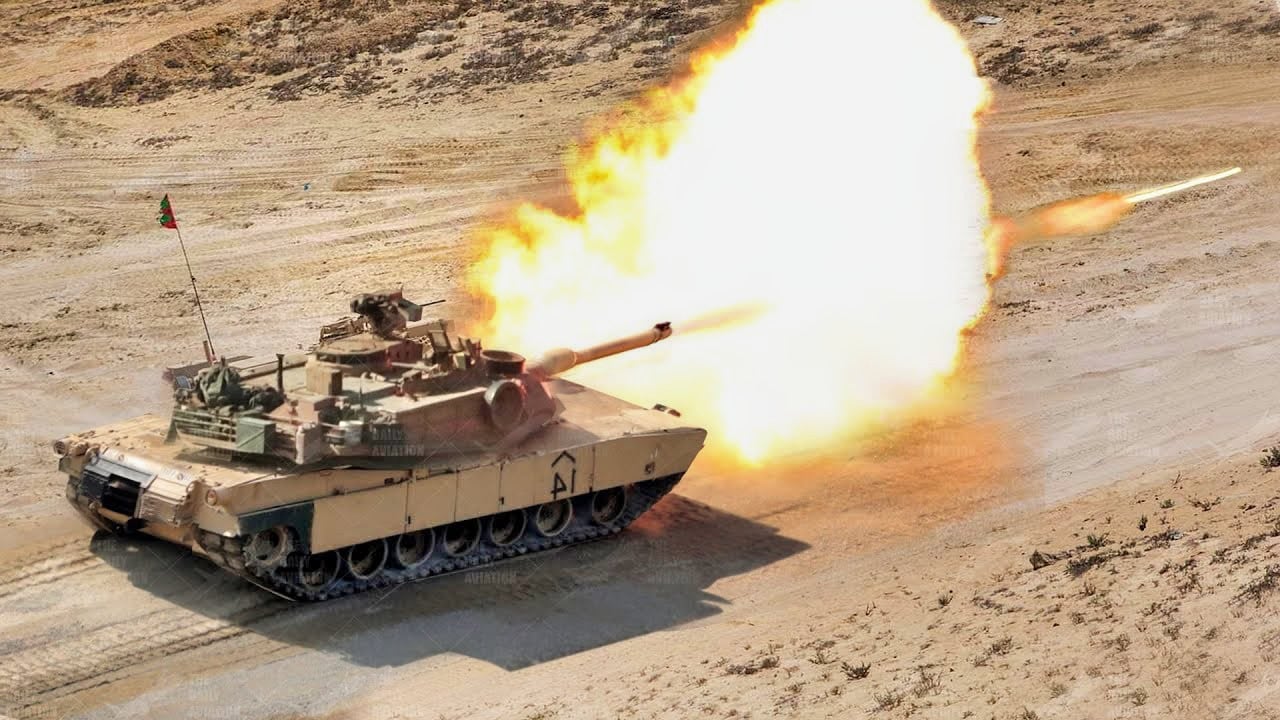
M1 Abrams Firing. Image Credit: Creative Commons.
Today, Moscow’s central bank has told creditors they ought to offer financial aid to firms impacted by the Ukrainian attacks. Reuters reported the letter on Monday.
Russia continues to launch air attacks on Ukraine most nights, and these continue to hugely outnumber Kyiv’s retaliations. In one night earlier this month, 17 people were killed by a major attack on the Kyiv Oblast.
Kyiv’s ongoing shortage of ballistic-missile interceptors is making the situation more dire, and it has called on the US to facilitate the supply of more Patriot interceptors.
Moscow Refuses to ‘Freeze’ Frontlines
Russian forces have themselves been accused of conducting war crimes, most notably following its reported massacre of civilians in Bucha, a city in the Kyiv Oblast. Russia also attacks Ukrainian heavily populated civilian areas.
The war has seen more than 16,000 civilian fatalities, most of them Ukrainian, according to the United Nations. The total death toll could be larger, although it is difficult to precisely verify all fatalities.
Earlier today, Russia also once again refused to “freeze” its frontlines with Ukraine if the war’s “root causes” are not addressed.
Ukrainian President Volodymyr Zelenskyy said on Sunday that Kyiv’s continued attacks on fuel infrastructure in Russia were part of its attempt to pressure Moscow into a peace deal.
“The only reason this is still continuing is Russia’s unwillingness to end this war,” he explained.
About the Author: Georgia Gilholy
Georgia Gilholy is a journalist based in the United Kingdom who has been published in Newsweek, The Times of Israel, and the Spectator. Gilholy writes about international politics, culture, and education.