
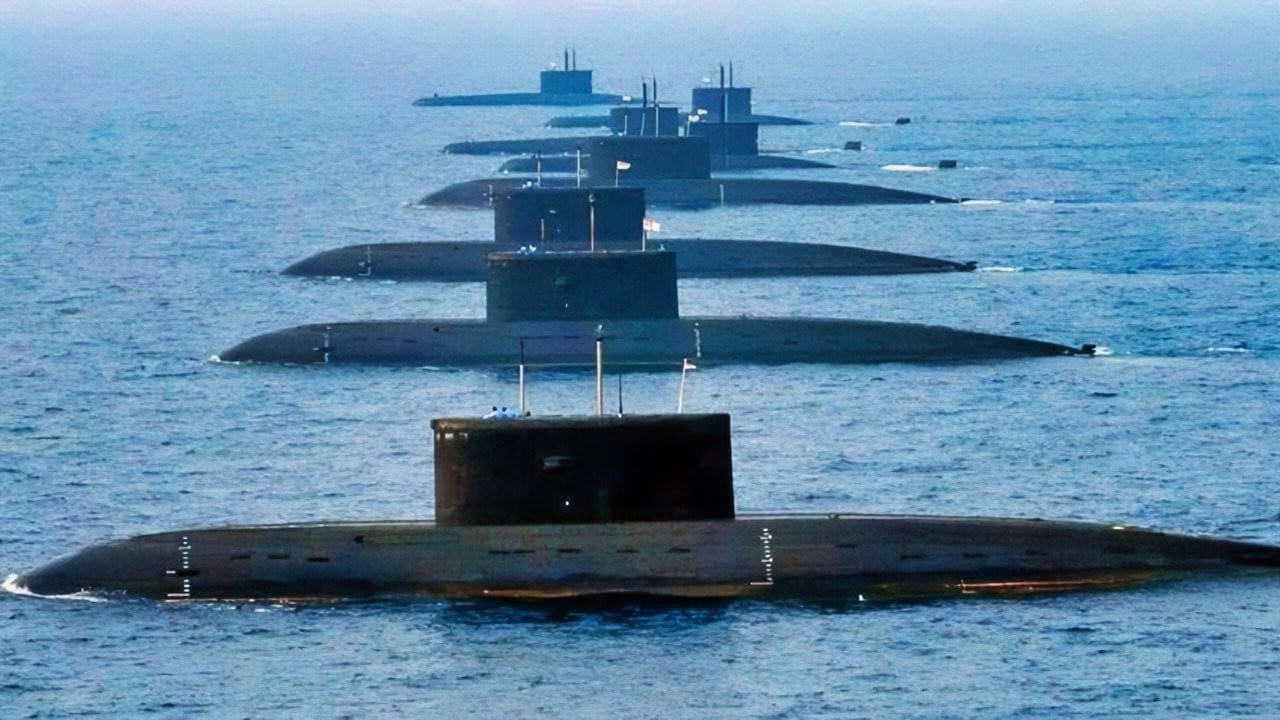
Iran’s quest for the Kilo-class ‘black hole’ submarines was clearly a long-time coming, even before the mighty USSR fell. Tehran signed the contract in 1988, while the Soviet Union still existed, and then received three Project 877EKM boats from post-Soviet Russia between 1992 and 1996. IRIS Taregh entered service on November 21, 1992, IRIS Nooh followed on June 6, 1993; and IRIS Yunes was commissioned on November 25, 1996. The three boats gave Iran its first modern, ocean-going submarine force.
The Kilo-Class Was a Big Deal for Iran
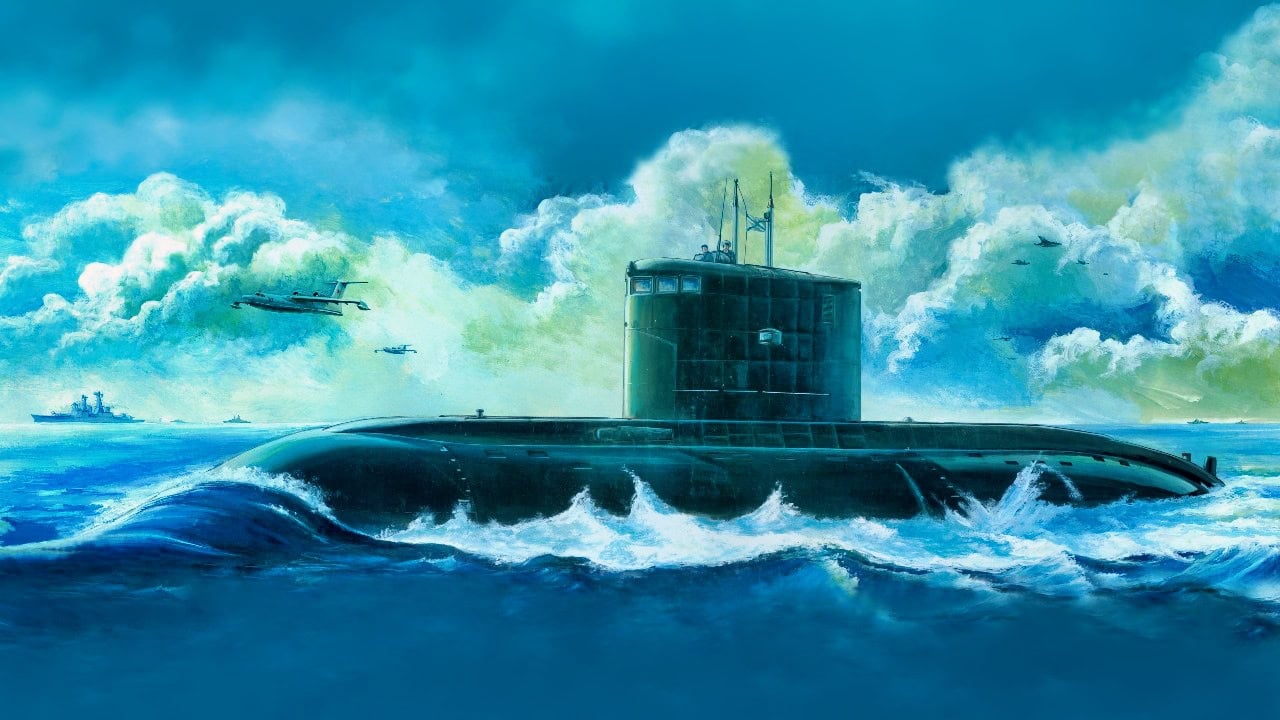
Kilo-Class Submarine
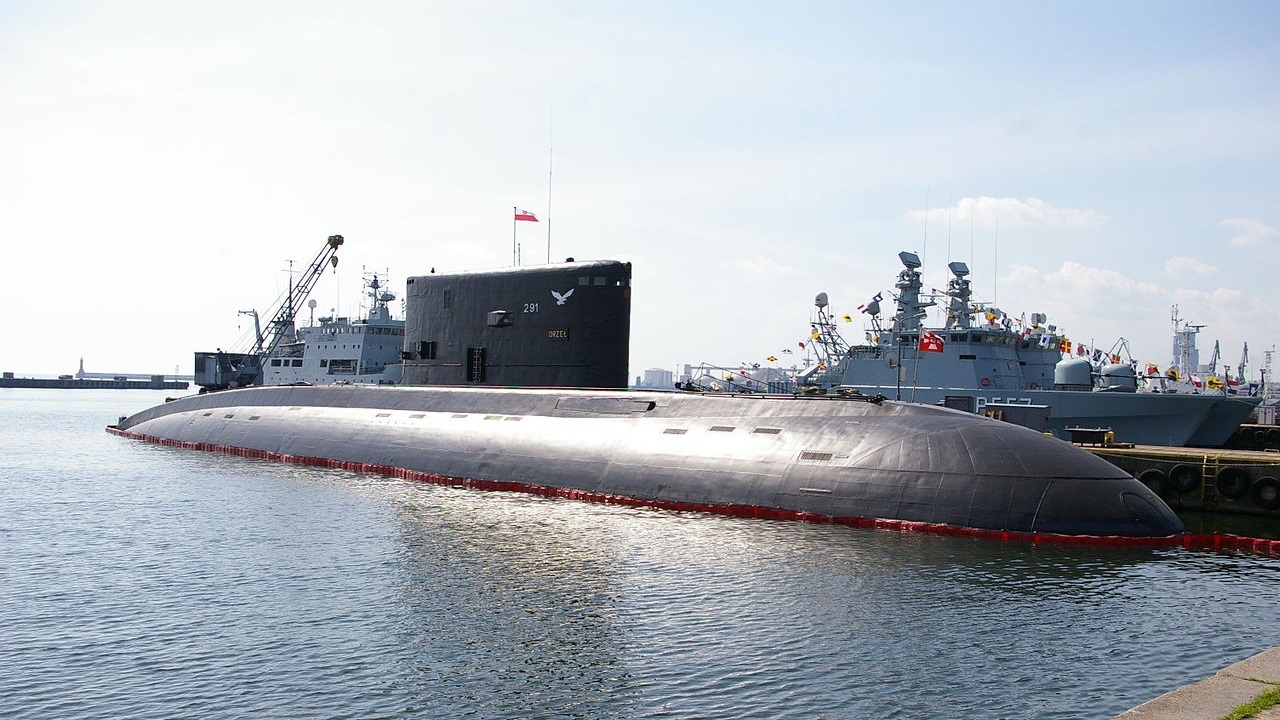
Polish Navy submarine, Kilo-Class.
The timing mattered for Tehran, for sure. Iran could not match the United States ship for ship, but a quiet diesel-electric submarine offered a different form of power.
The possibility of one hidden boat near the Strait of Hormuz required an opponent to plan around patrol aircraft, helicopters, sonar-equipped warships, and attack submarines. Tehran bought only three Kilos, yet their presence created a much larger anti-submarine warfare problem.
The arrival of the third boat showed Washington’s concern. A Defense Department photograph and caption recorded the submarine being towed across the Mediterranean in late December 1995 before transiting the Suez Canal. Ships and aircraft from the U.S. Sixth Fleet tracked it on the surface before it reached Iran.And, in fact, the very first article I ever wrote, way back in 1995, when I was in High School, was about that very event.
The Black Hole?
“Black Hole” became the class’s famous nickname, though Iran received the older Project 877EKM export design, not the later Project 636.3 Improved Kilo. The Rubin Design Bureau highlights the single-shaft propulsion system, low-noise machinery, and anechoic hull coating.
Running on batteries, a Kilo was difficult to hear. It was never invisible, and without air-independent propulsion, it eventually had to snorkel and run diesel engines to recharge.
Iran’s Kilo Submarines Carried 18 Torpedoes but Faced Persian Gulf Geography
Each Iranian Kilo displaced about 3,000 tons submerged, measured roughly 74 meters long, and reached about 17 knots underwater.
Six 533-millimeter bow tubes supported 18 torpedoes or 24 mines, while published design figures placed total endurance near 45 days. Those numbers made Iran’s upgraded Kilo fleet its heaviest conventional undersea force.
They did not mean the boat remained submerged for 45 days; battery endurance was far shorter.
Geography reduced the advantage for sure. The Nuclear Threat Initiative estimates the boats needed at least 164 feet of water and therefore had access to only about one-third of the Persian Gulf. Strong currents, salinity, and shallow water complicated operations.
The deeper Gulf of Oman and Arabian Sea suited them better, while Iran’s smaller Ghadir boats were intended for confined coastal waters.
The public record before 2026 shows exercises and patrols, not combat. Iran sent Kilos into the Gulf of Oman and the northern Indian Ocean and used them to test torpedoes and rehearse mine warfare. No verified account credits Taregh, Nooh, or Yunes with sinking a ship, firing a cruise missile in wartime, or launching a combat torpedo.
Age and Sanctions Turned Iran’s Stealth Submarines Into Maintenance Projects
Keeping the boats operational became harder than buying them. That much seems clear
Iran relaunched Taregh in 2012 after an overhaul that reportedly replaced about 18,000 components, including propellers and radar equipment. By January 2021, satellite imagery showed all three Kilos out of the water, with one having remained in dry dock since 2019. The long repair periods pointed to shortages of parts, facilities and experienced labor.
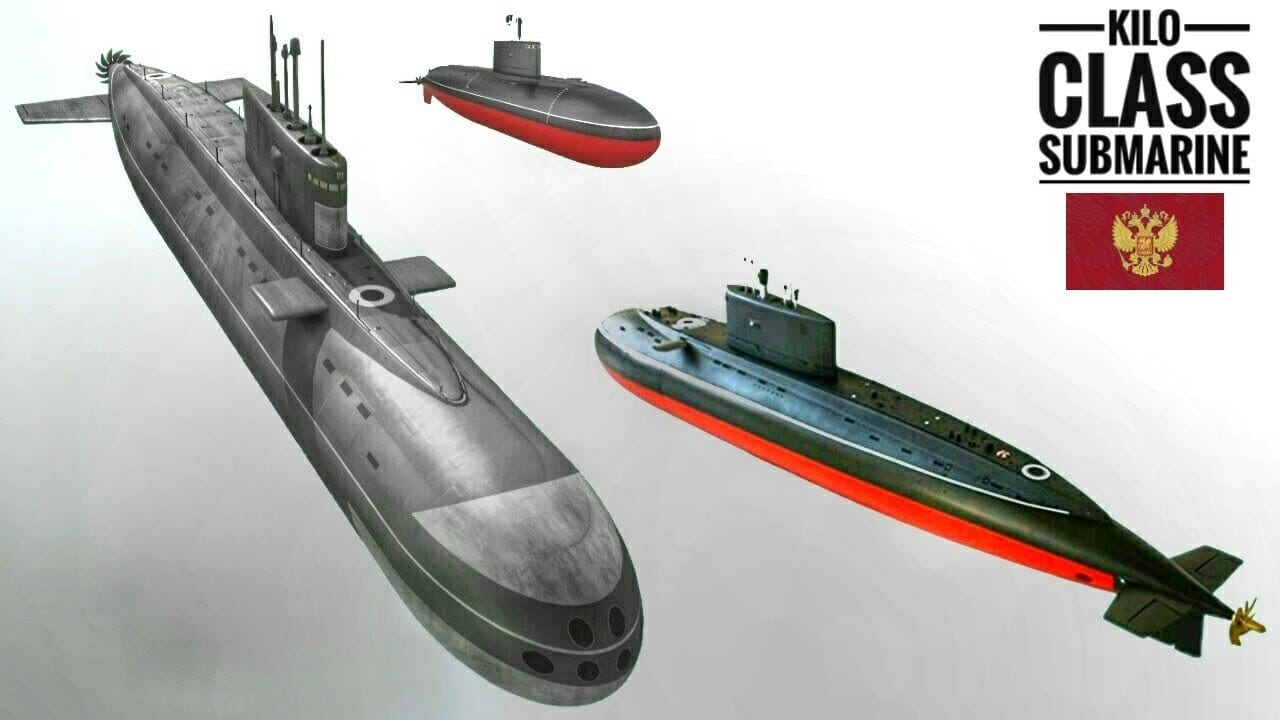
Kilo-class Submarine. Image Credit: Creative Commons.
The fleet’s condition was worse on the eve of war than its “Black Hole” reputation suggested. Commercial imagery from February 26, 2026, showed two Kilos undergoing repairs and one apparently idle at Bandar Abbas.
A submarine in a dock is a fixed target, which helps explain why the boats were described as out of action during the opening strikes.
The United States Sunk at Least One Iranian Kilo at Bandar Abbas
Operation Epic Fury began on February 28, 2026. CENTCOM confirmed strikes on Iranian submarines on March 1 without identifying their classes. The strongest public evidence came from commercial satellite imagery. A review of Planet Labs images showed one of Iran’s three Kilos apparently intact on March 2 and sunk at its berth by March 4. On March 13, Joint Chiefs Chairman Gen. Dan Caine said Army ATACMS missiles had sunk multiple ships, including a submarine. He did not name it.
Adm. Brad Cooper separately said Iran’s “most operational” submarine had a hole in its side. The wording fits the Kilo visible at Bandar Abbas, though the United States never publicly identified the hull as Taregh, Nooh, or Yunes. Reports that the remaining Kilos had gone missing captured the unresolved point: one wreck was visible, while the other two boats lacked a public, name-by-name damage assessment.
The White House later claimed Iran had “zero submarine vessels” left, covering a fleet that also included Fateh and Ghadir boats. Public reporting on the gap between the aggregate claim and identified losses did not produce separate wreck locations for Nooh and Yunes. On July 12, CENTCOM used three Corsair unmanned surface vessels to strike a submarine and a ship-maintenance facility at Bandar Abbas. The released video showed the sea drones hitting the facility where Iran had spent years trying to keep its submarine force operational.
About the Author: Harry J. Kazianis
Harry J. Kazianis (@Grecianformula) was the former Senior Director of National Security Affairs at the Center for the National Interest (CFTNI), a foreign policy think tank founded by Richard Nixon based in Washington, DC. Harry has over a decade of experience in think tanks and national security publishing. His ideas have been published in the NY Times, The Washington Post, The Wall Street Journal, CNN, and many other outlets worldwide. He has held positions at CSIS, the Heritage Foundation, the University of Nottingham, and several other institutions related to national security research and studies. He is the former Executive Editor of the National Interest and the Diplomat. He holds a Master’s degree focusing on international affairs from Harvard University.

