
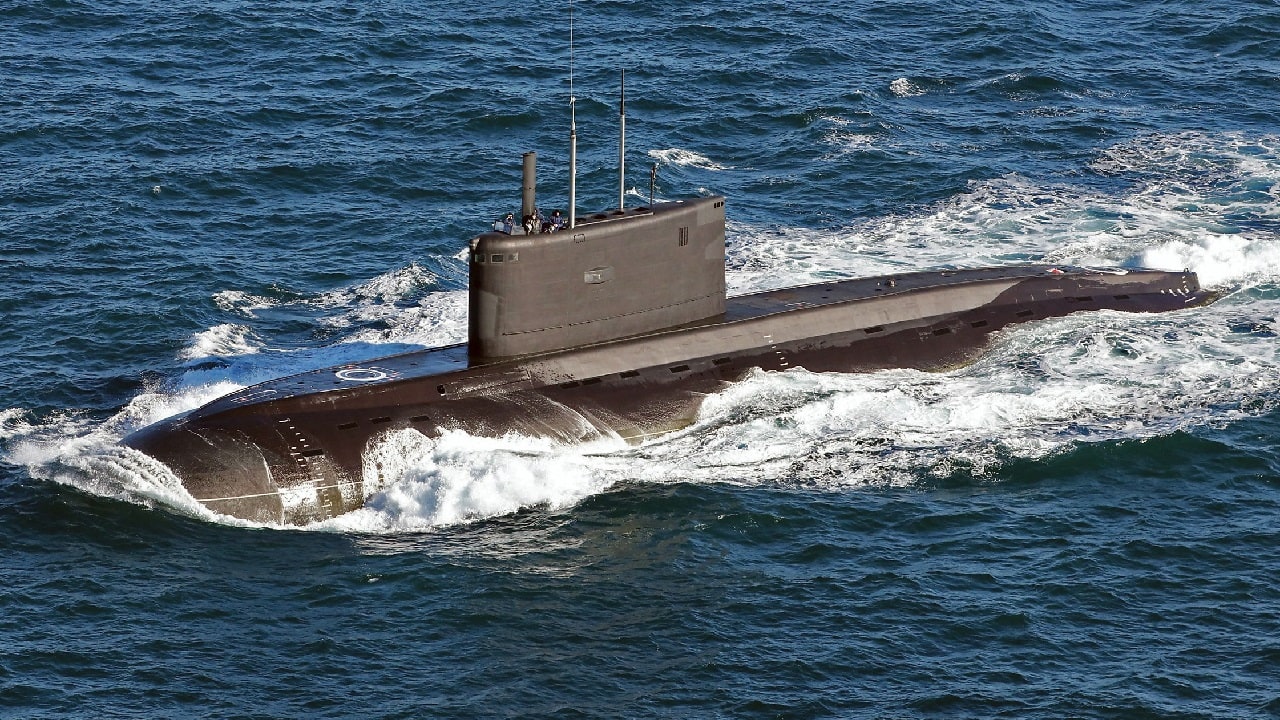
In the 1980s and 90s, the Islamic Republic of Iran signed three contracts with the Soviet Union for three Kilo-class submarines. The Kilo-class, despite its age, remains renowned for its stealth capabilities and is a perfectly capable vessel in its own right.
At the start of Operation Epic Fury, Iran possessed three Kilo-class ships. As of August 2026, it has been confirmed that one submarine has been sunk after a U.S. strike.
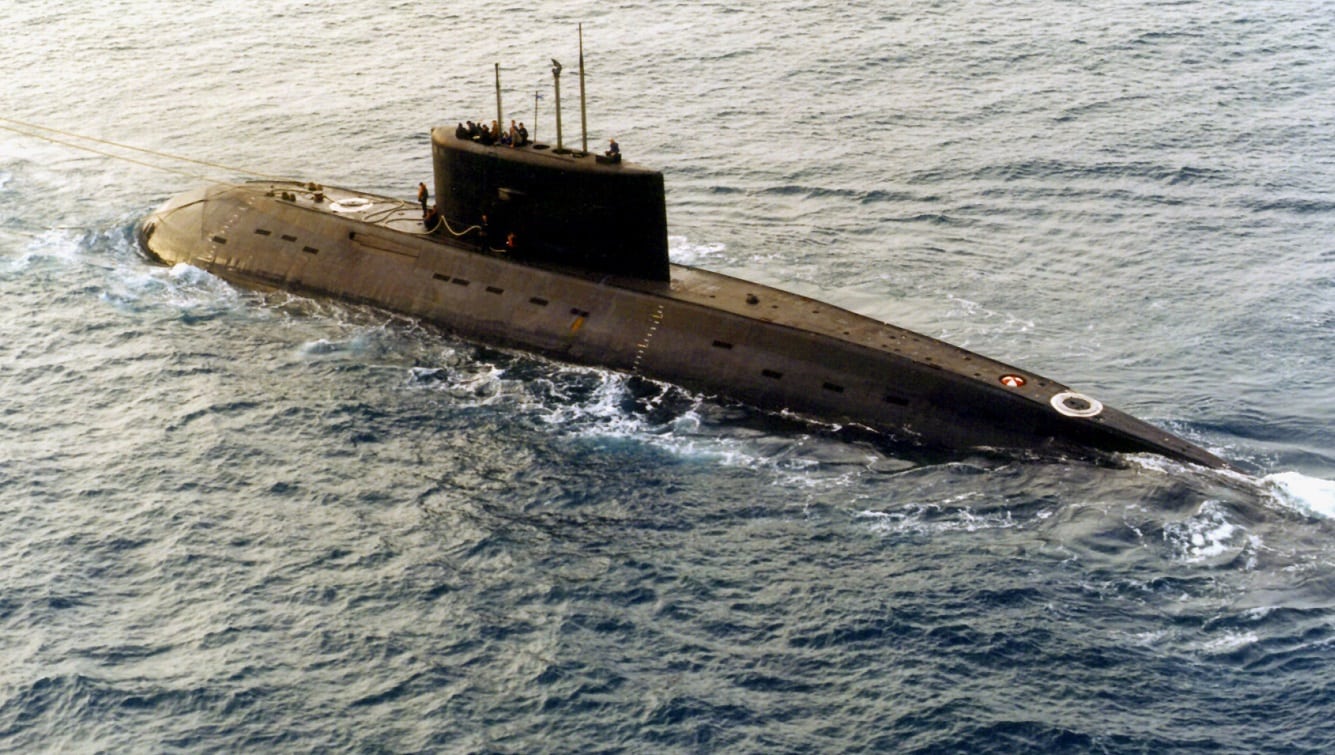
A Russian-built, Kilo-class diesel submarine purchased by Iran, is towed by a support vessel in this photograph taken in the central Mediterranean Sea during the week of December 23. The submarine and the support ship arrived at Port Said, Egypt, on Tuesday and were expected to begin transiting the Suez Canal today, Jan. 2, 1996. Ships and aircraft from the U.S. Navy’s Sixth Fleet are tracking the submarine, which has been making the transit on the surface. This is the third Kilo-class submarine the Iranians have purchased from Moscow. DoD photo
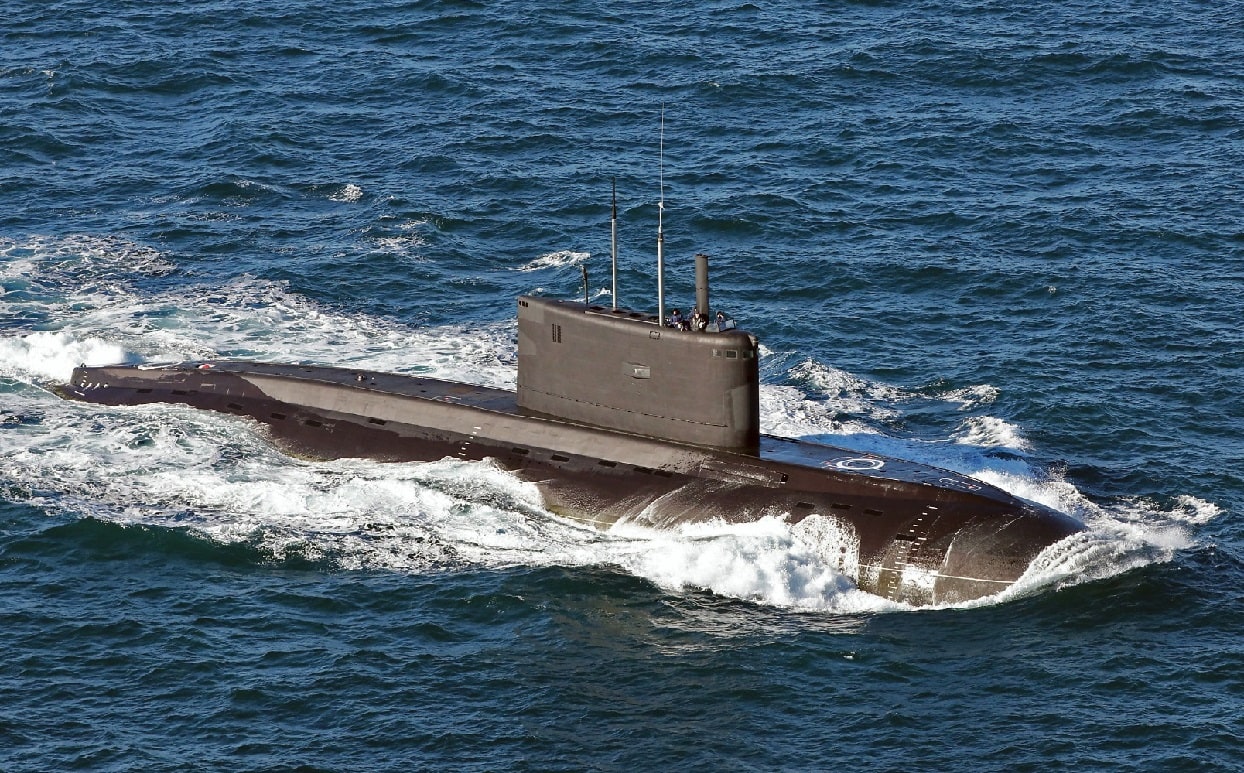
Kilo-class Submarine. Image Credit: Creative Commons.
The remaining two currently in dry dock, awaiting maintenance that will likely never come.
The U.S. has claimed that these subs have also been destroyed, effectively ending the Kilo-class as a meaningful threat to anyone in the Strait of Hormuz.
Why Iran Bought Russian Submarines
Following the end of the Iran-Iraq War (1980-1988), the Islamic Republic realized that it needed to boost its naval capabilities, particularly its undersea capabilities.
To that end, the Islamic Republic of Iran Navy (IRIN) sought to acquire several capable shallow-water submarines and launched its own studies to develop smaller undersea vessels ideal for controlling vital chokepoints such as the Strait of Hormuz (these efforts would later result in the creation of the Ghadir-class submarines).
In 1988, the IRIN signed a series of contracts for three Kilo-class submarines.
IRIS Taregh (commissioned in 1992), IRIS Nooh (1993), and IRIS (1996). Despite the collapse of the USSR, the newly formed Russian Federation still honored its contracts with Iran and delivered the submarines.
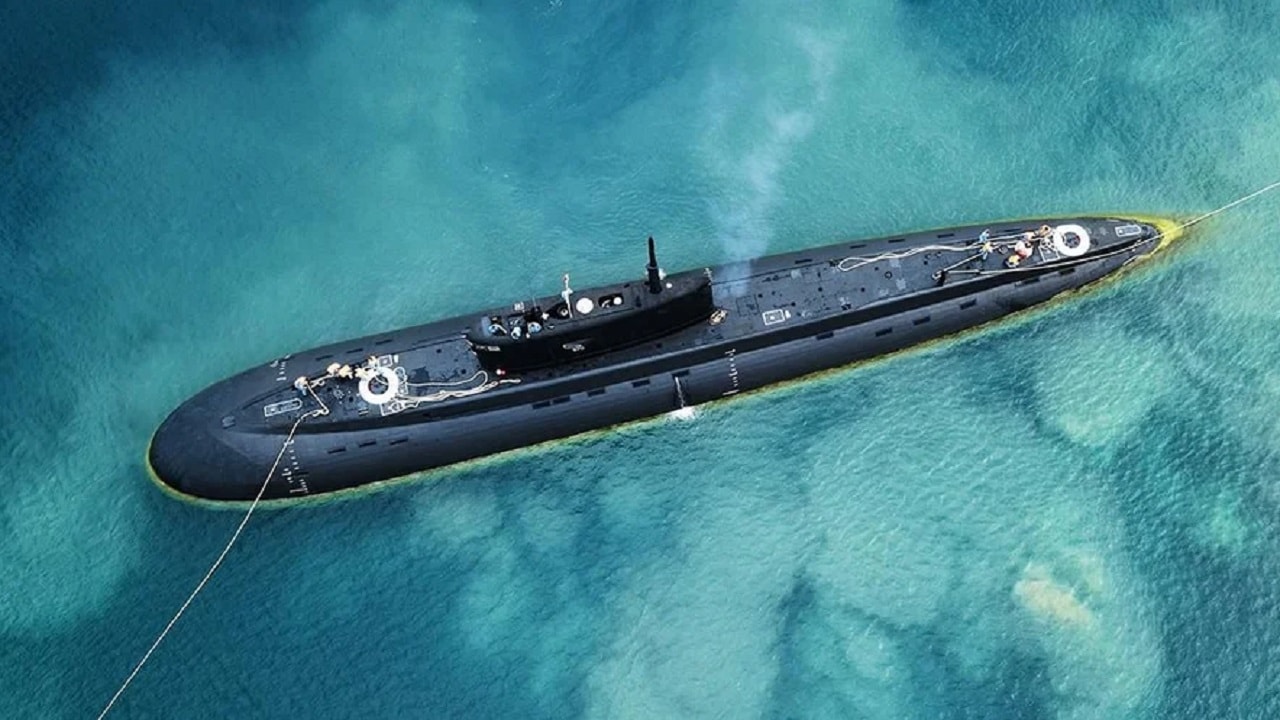
Kilo-Class Submarine. Image Credit: Creative Commons.
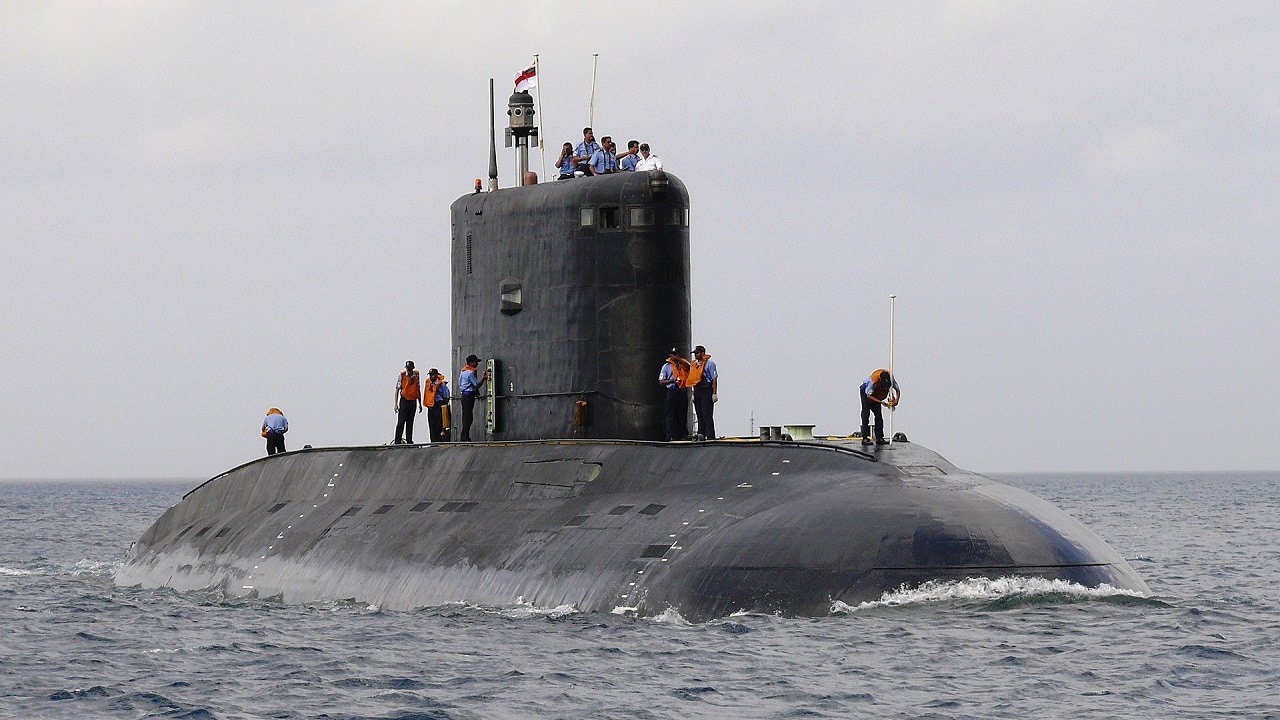
Kilo-Class Submarine.
Prior to the current war, the Kilo-class submarines were arguably Iran’s most formidable naval vessels. While the majority of the IRIN’s efforts focused on shallow coastal waters, the Kilo-class is capable of operating well past Iranian waters.
Throughout their service lives, the submarines have received refits and modernizations with assistance from Rosoboronexport and Sevmash in Russia.
In 2019, it was reported that the IRIS Taregh had been refitted to launch cruise missiles through its torpedo tubes.
Prior to the war, Iran’s Kilos had no combat experience and were mainly used to patrol Iranian waters outside the shallow Gulf.
Kilo-class Capabilities
Before getting into their performance and fate in the ongoing war, it is important to acknowledge that the Kilo-class submarines are highly capable.
Designed in the Soviet Union by the Rubin design bureau, the Project 877 was designed for anti-shipping and anti-submarine warfare in shallower waters, which was perfect for Iran’s vision.
The submarines are fitted with Anechoic tiles, which help to reduce their acoustic signature, contributing to their overall stealth profile.
The Kilo-class is often called the “black hole submarines” in popular culture, thanks to their highly sophisticated stealth layout, which is carefully shaped to reduce cavitation and absorb radar signals.
Even today, the Kilo-class is still regarded as a highly capable platform despite its now-aged design.
In terms of physical characteristics, the Project 877EKM submarines (the Kilo variant that Iran bought) measure 72.6 meters (238 feet) long and 9.9 meters (32.4 feet) wide.
They have a displacement of around 2,300 tons when surfaced, putting them squarely on the smaller side. Powered by a diesel-electric propulsion system, the ships have a top speed of roughly 17 knots and an operating depth of around 240 meters.
The Kilo-class allows them to operate for about 45 days with a crew of 52.
When submerged, the submarines rely on battery power, which significantly reduces their acoustic signature compared to submarines that continually run their diesel engines underwater.
Operation Epic Fury
When the war between the U.S./Israel and Iran broke out, Iran’s Kilo-class ships were given a monumental challenge: survive.
In the first weeks of Operation Epic Fury, the U.S. made short work of Iran’s regular Navy. Most of the IRIN’s largest naval vessels were struck within the first week of March, and anything that was left standing soon followed.
The focus on naval assets was soon accentuated after Iran announced its blockade of the Strait of Hormuz. U.S. Forces struck naval command centers, ship maintenance facilities, and any vessel that could be seen from satellite imagery.
Iran’s one Fateh-class submarine, along with 11 Ghadir-class mini-subs, were promptly destroyed.
So far, only one Kilo-class sub has been confirmed destroyed. Footage posted by the U.S. military shows a submarine, identified as the IRIS Taregh, being struck by an ATACMS tactical ballistic missile.
The ship was struck while in port and was consequently sunk.
The remaining two Kilo-class vessels were last seen in dry dock undergoing maintenance and have yet to return to sea.
According to the White House, these two subs were also destroyed in U.S. strikes, but no footage has been published to confirm such claims.
Either way, the last two subs pose no threat to U.S. naval forces or commercial shipping in the Strait of Hormuz.
After a strike on the maintenance facility in the Bandar Abbas Naval Harbor, the last two Kilo-class submarines are unlikely to return to the sea before the war ends.
About the Author: Isaac Seitz
Isaac Seitz, a Defense Columnist, graduated from Patrick Henry College’s Strategic Intelligence and National Security program. He has also studied Russian at Middlebury Language Schools and has worked as an intelligence Analyst in the private sector.