
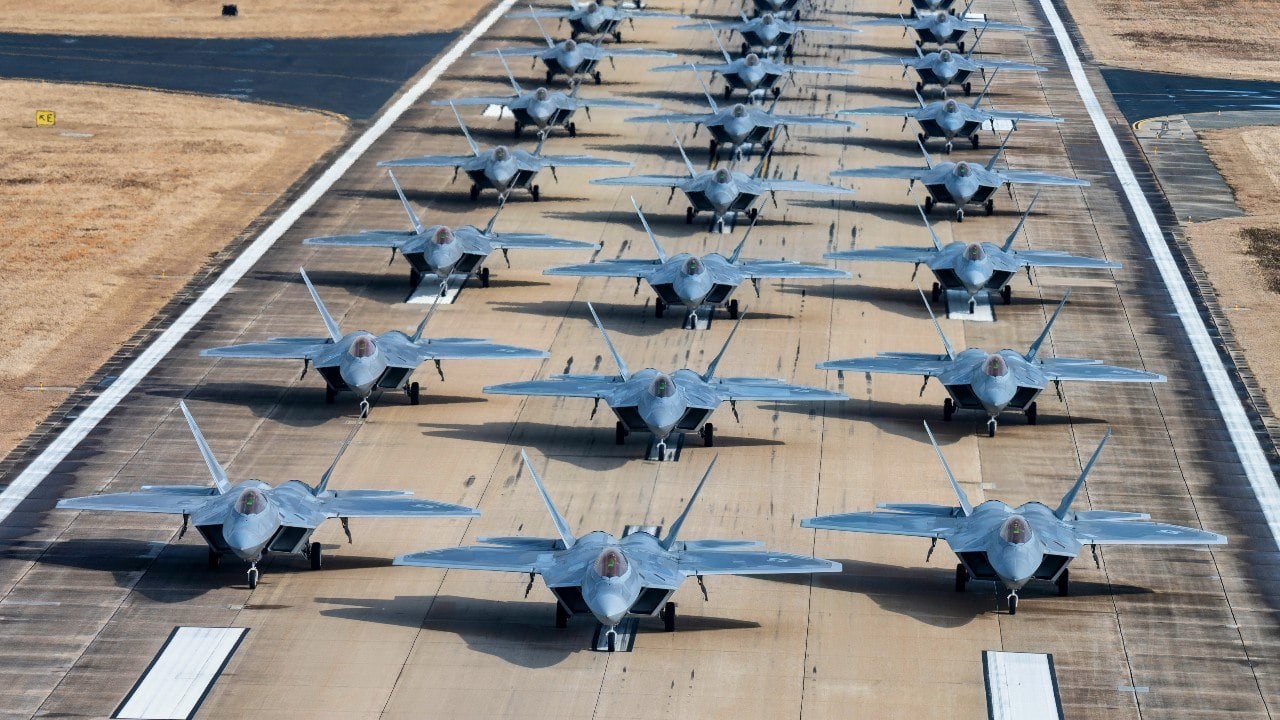
An F-22 Raptor is currently flying test missions over the Mojave Desert with stealth-shaped external fuel tanks and a pod of infrared search-and-track sensors, part of an effort to keep a nearly thirty-year-old fighter relevant for another decade.
In 1986, the Air Force planned to buy 750 of these jets. Only 187 were built.
Only 184 remain in the inventory today, and that gap is why people keep asking the same question: what would the Air Force look like now if the United States had actually built all 750?
The usual answer stops at capacity: more jets would have meant a stronger Air Force. And that’s true as far as it goes. The more telling answer is that a longer production run would not have solved the problem that 184 Raptors already show.
It would have reproduced it at a larger scale: airframes built years apart, carrying different sensors and different weapons integration, moving through modernization on different schedules.
Seen that way, building the F-22 in the numbers originally planned would have produced a considerably more capable fighter fleet in the near term, but one now managing a wider spread of cohorts and configurations than the Block 20, 30, and 35 split already forces the Air Force to track.
That larger fleet would have produced an air-superiority force unlike anything the country has today.
Fewer worn-out F-15Cs held past their intended retirement, and Raptors are filling out Guard squadrons well beyond the handful that fly the jet today.
Enough combined depth, too, to give the Air Force far more capacity to sustain meaningful Raptor deployments across North America, Europe, and the Pacific simultaneously, instead of rotating a scarce fleet between theaters as crises come and go.
That’s a real advantage, and nobody arguing the other side should pretend otherwise.
But the number 750 conceals the condition of those aircraft.
By 2026, a fleet of that size would not consist of 750 interchangeable examples of the latest configuration.
Nothing the Air Force actually owns works that way, and there’s no obvious reason a much longer production run would have behaved differently.
What 184 Jets Already Show You
Thirty-two of the 184 Raptors flying today are Block 20s, early-production airframes that never got the sensors and weapons integration built into the newer Block 30 and 35 jets.
For years, the Air Force tried to retire them, arguing the training-only fleet wasn’t worth upgrading. This isn’t even a new argument inside the building.
GAO flagged a nearly identical dispute back in 2016, over a different divestment plan, with the same complaint about missing cost and readiness data.
GAO’s government-wide review of aircraft sustainment had already found that the F-22 fleet missed its own mission-capability targets every year between 2011 and 2021.
The Government Accountability Office wasn’t convinced by the divestment case either, finding that the roughly 1.8 billion dollars the service claimed it would save by retiring the Block 20s didn’t account for the extra wear on the remaining jets flying more to cover the gap.
Air Force officials defended the trade anyway. Lt. Gen. Richard Moore told Congress the freed-up money went straight into the Next Generation Air Dominance program, and that pilots trained on the older Block 20 cockpit had to unlearn habits once they reached a combat-coded jet, what he called negative learning.
This year the Air Force quietly stopped asking. It’s 2027, but it keeps the fleet steady rather than pushing to shed the Block 20s again.
Congress, meanwhile, is moving to lock the whole fleet in place through 2032, five years past the current legal floor, though the House-passed bill still needs Senate action.
Retaining the Block 20s doesn’t eliminate the underlying fleet-management problem.
A fleet this size, at this age, simply doesn’t hold together as one uniform asset.
It splits into a combat-coded core and a tail of training jets and aircraft at different points in their modernization cycles, each drawing its own money on its own schedule, whether anyone planned it that way or not.
Scaling Without Guessing
It would be a mistake to take the cost structure of 184 airplanes and multiply it by four to guess what 750 would run.
A buy that size would have unfolded with a different industrial footprint, more depot capacity, and a supplier base built for volume rather than scarcity.
Scale the pattern instead of the dollar figure.
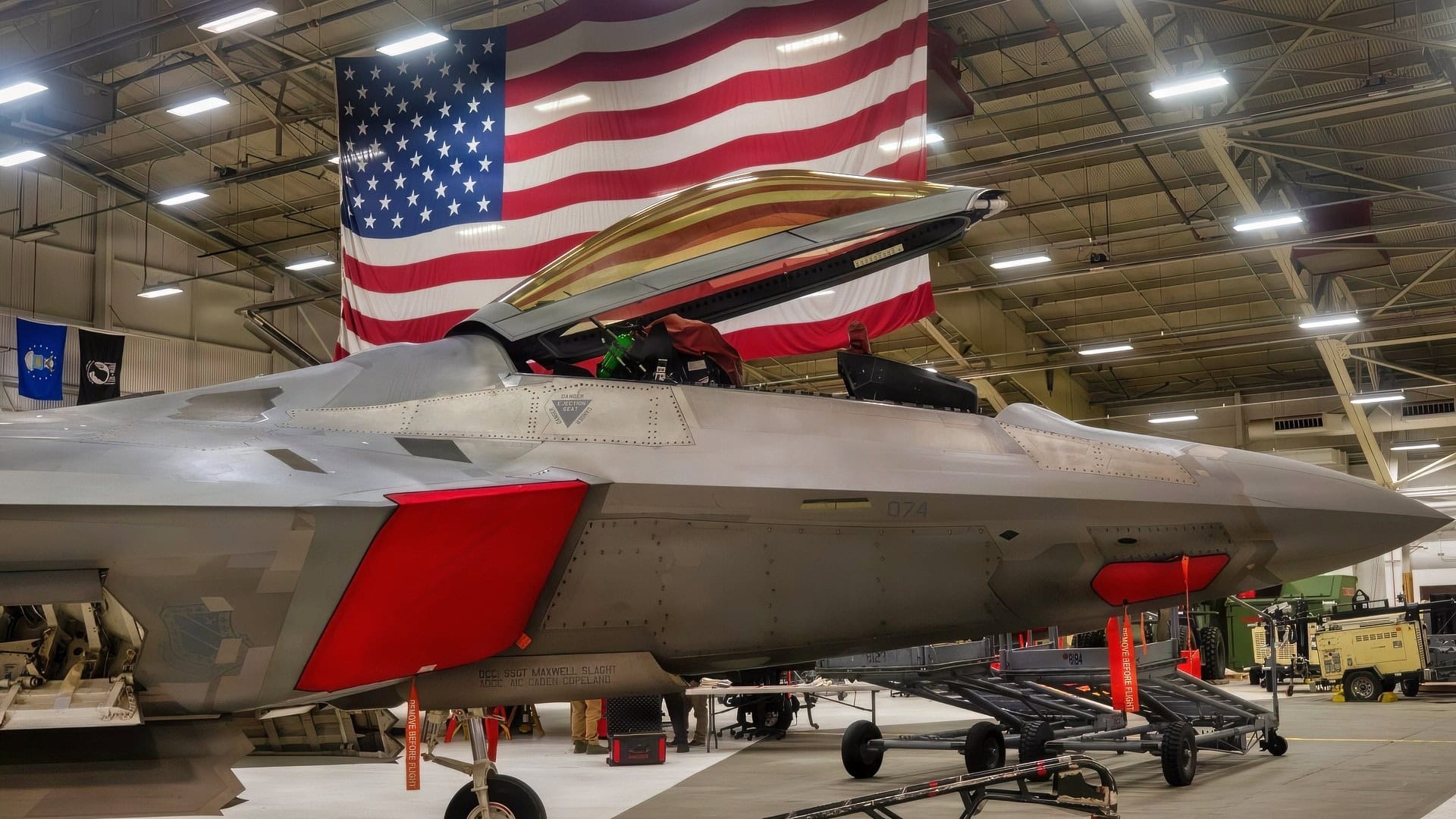
An F-22A Raptor sits in a hangar during a load competition on Joint Base Elmendorf-Richardson, Alaska, Jan. 23, 2026. Load competitions test Airmen’s ability to safely and efficiently build munitions, strengthening readiness for real-world taskings. (U.S. Air Force photo by Airman 1st Class Theodore Gowdy)

An F-35A Lightning II flown by a 65th Aggressor Squadron (AGRS) pilot takes off for its first flight with a new paint scheme at Nellis Air Force Base, Nevada, May 26, 2022. The mission of the 65 AGRS is to know, teach and replicate fifth-generation air adversaries tactics. (U.S. Air Force photo by Airman 1st Class Josey Blades)
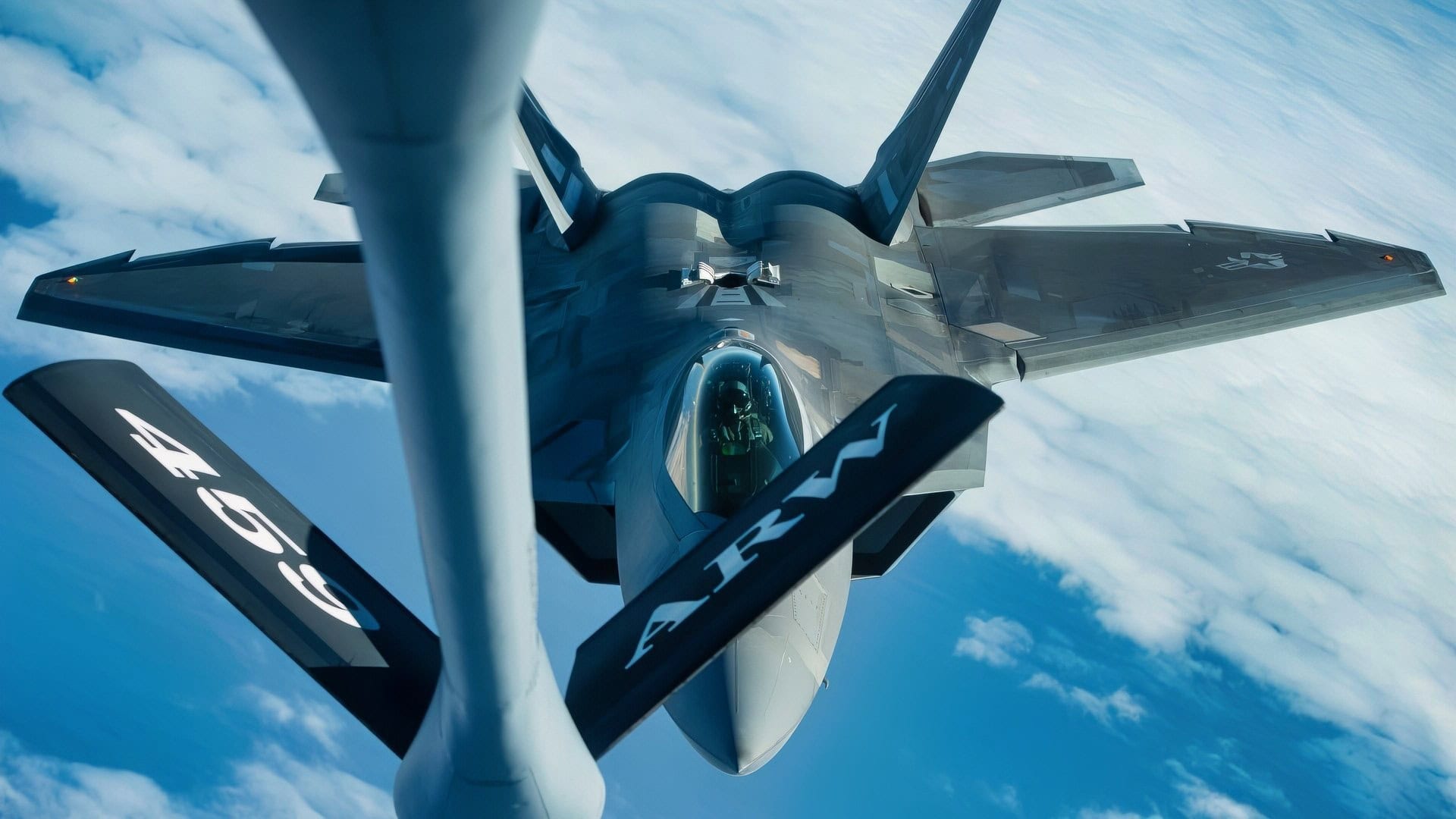
An F-22 Raptor from the Hawaii Air National Guard’s 199th Fighter Squadron, conducts aerial refueling with a KC-135 Stratotanker near Joint Base Pearl Harbor-Hickam, Hawaii, Jan. 15, 2019. The F-22 Raptors conducted interoperability training with the B-2 Spirit bomber deployed here from Whiteman Air Force Base, Missouri. The bombers and more than 200 Airmen are deployed in support of U.S. Strategic Command’s bomber task force mission. Bomber aircraft regularly rotate through the Indo-Pacific region to integrate capabilities with key regional partners and maintain a high state of aircrew proficiency. (U.S. Air Force photo by Master Sgt. Russ Scalf)
Engineering a new sensor or missile onto the airframe is largely a nonrecurring development and integration cost, whether it lands on 184 jets or 750, but retrofitting and sustaining that upgrade across the fleet grows with every additional airplane, and a bigger fleet means more squadrons and more depot slots to keep straight.
A production run stretched much longer than the one that actually occurred would likely have left Washington with a wider spread of Raptor variants in 2026 than the Block 20, 30, and 35 split shows today, unless the Air Force had continuously retrofitted earlier jets as later configurations came along.
A Bridge Nobody Wanted to Build This Long
The House vote extending the F-22’s protected status through 2032 looks, at first glance, like Congress deciding it wants more Raptors.
Read Representative Rob Wittman, who chairs the House Armed Services Committee’s tactical air panel, and a different picture emerges.
Wittman has said plainly the F-47, the Raptor’s intended successor, will not be available until the mid-2030s, meaning the F-22 and the Navy’s F/A-18 have to serve as the bridge in the meantime.
Wittman’s explanation suggests the House vote is best understood as insurance against transition risk.
Wanting more Raptors answers only one side of what the original question was really asking. It tells you how much combat capacity the Air Force would possess today.
It doesn’t tell you what keeping hundreds of aging stealth fighters credible, while financing their replacement, would actually cost, in money and in years of institutional attention that could have gone elsewhere.
The Air Force’s own answer to that problem is visible right now in the F-47 and the Collaborative Combat Aircraft program, where officials describe the drones as optionally attritable rather than disposable and talk openly about buying affordable mass instead of another all-exquisite platform.
The two aren’t causally linked; the same underlying constraint is showing up twice, forty years apart.
Buying the most demanding crewed fighter in the inventory at Cold War quantities already proved Washington was willing to pay more than once.
Whether the F-47 and CCA can deliver before the 184 jets Congress just voted to protect through 2032 age out of usefulness is the harder question beneath all of this.
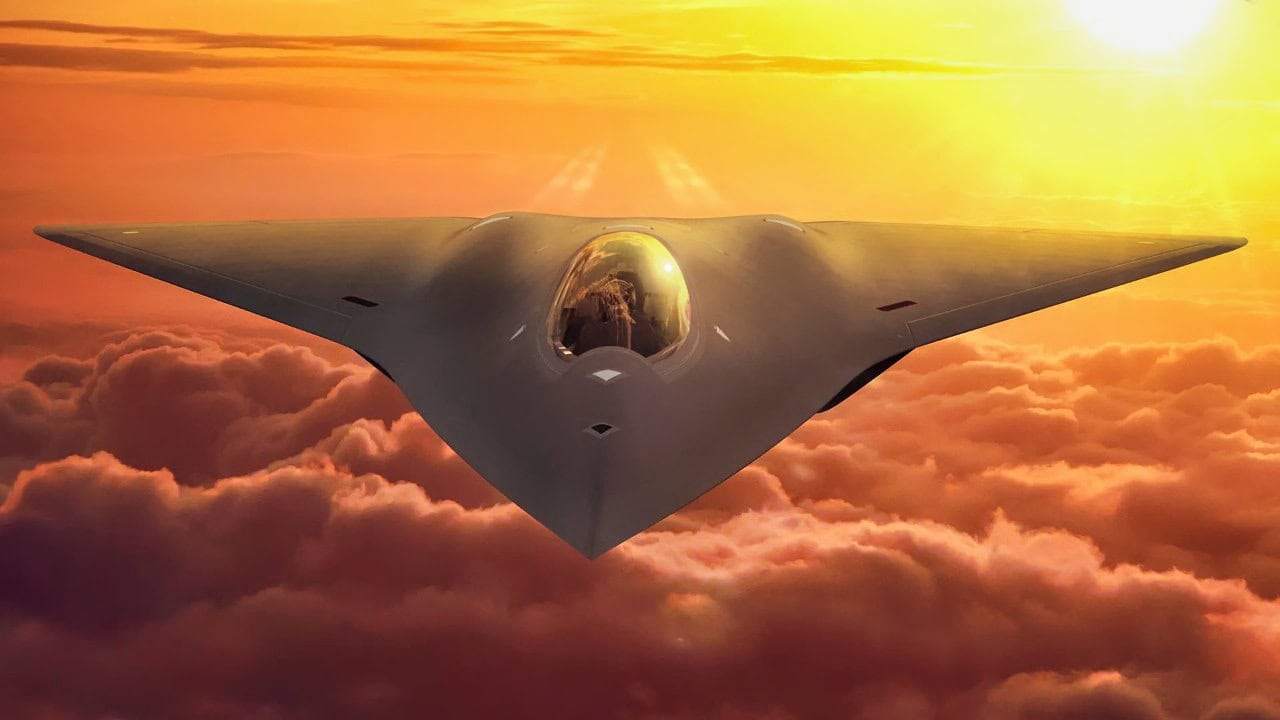
NGAD Fighter via Lockheed Martin.
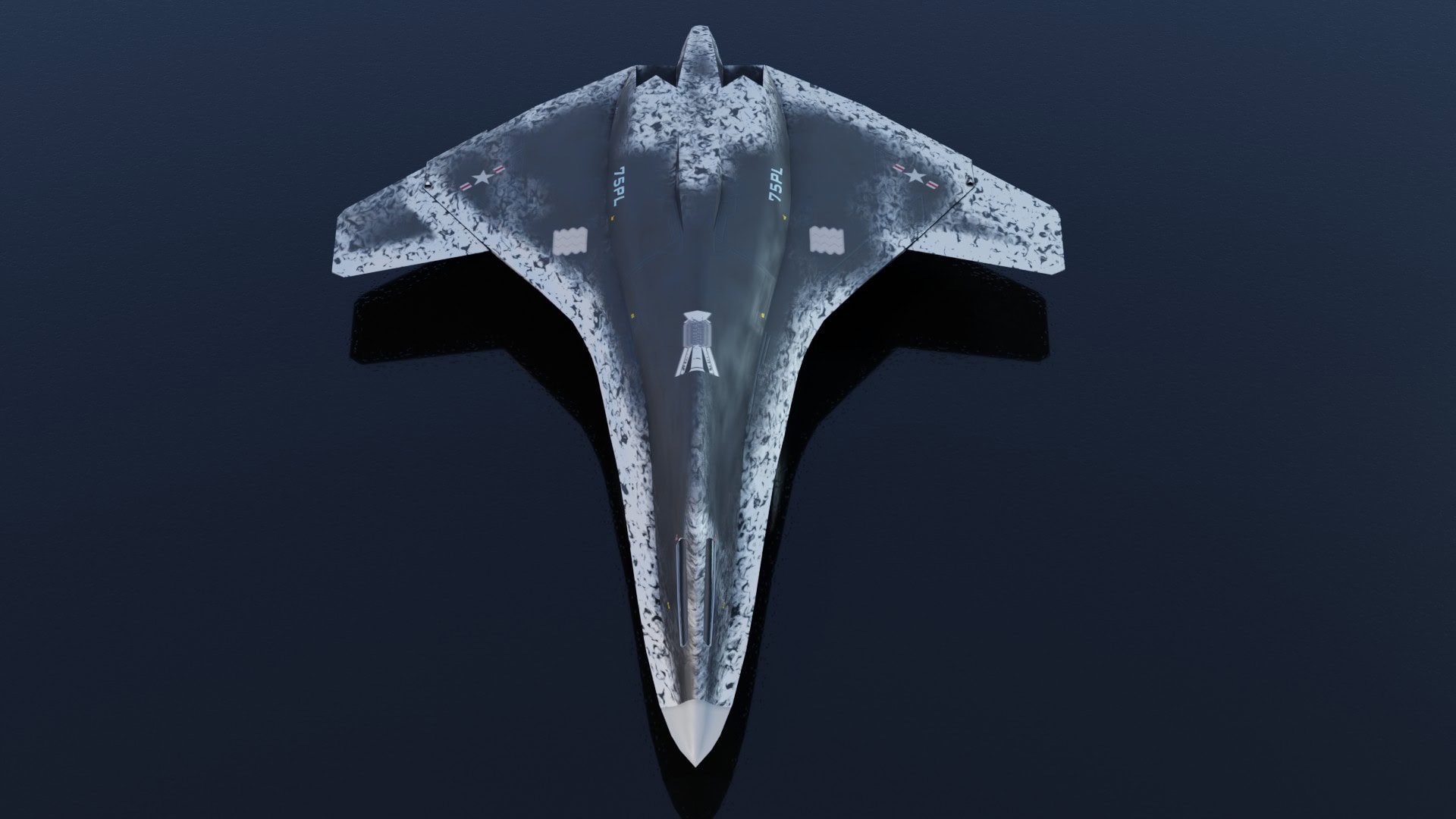
NGAD Fighter Mock Up. Image Credit: Creative Commons.
If they don’t produce enough combat mass on schedule, the Air Force enters the 2030s stretching more life out of 184 increasingly old Raptors while still short on the capacity the 750-aircraft counterfactual imagines.
About the Author: Dr. Andrew Latham
Andrew Latham is a professor of international relations and political theory at Macalester College in Saint Paul, MN. You can follow him on X: @aakatham.