
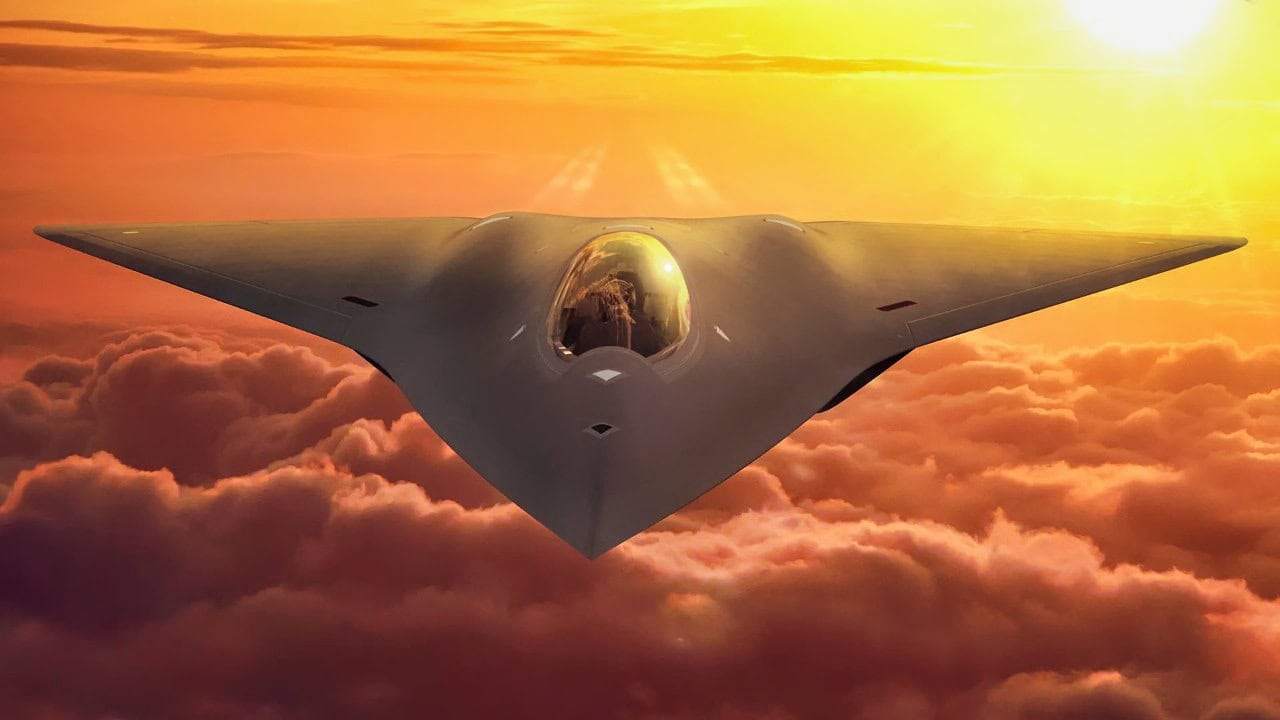
A new front has opened in the global race for sixth-generation air power. According to Israeli media reports first surfaced by Walla and later written on by outlets including the Jerusalem Post and Air Data News, Israel’s Ministry of Defense and the Israel Defense Forces intend to formally request information from Washington about the Boeing F-47, the secretive sixth-generation fighter jet selected by the Trump administration in March 2025 to anchor the US Air Force’s Next Generation Air Dominance (NGAD) program.
What Israel Is Actually Asking For
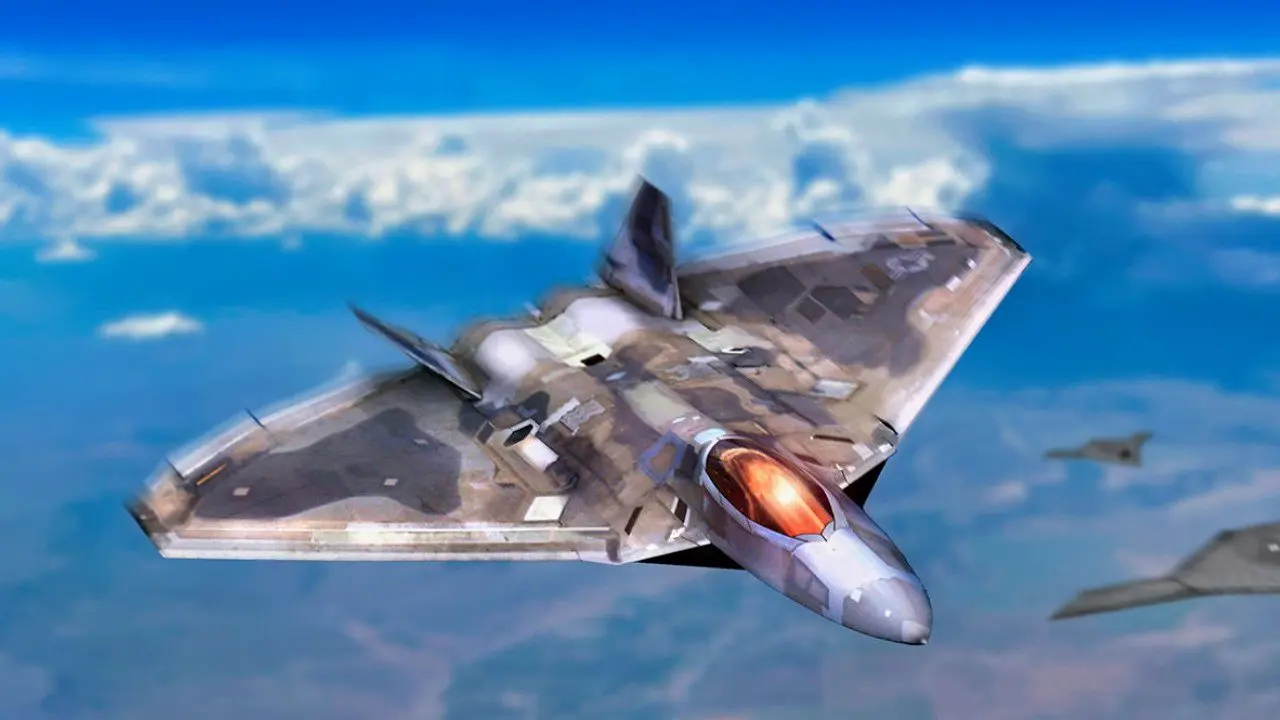
NGAD Fighter. Artist Rendering.
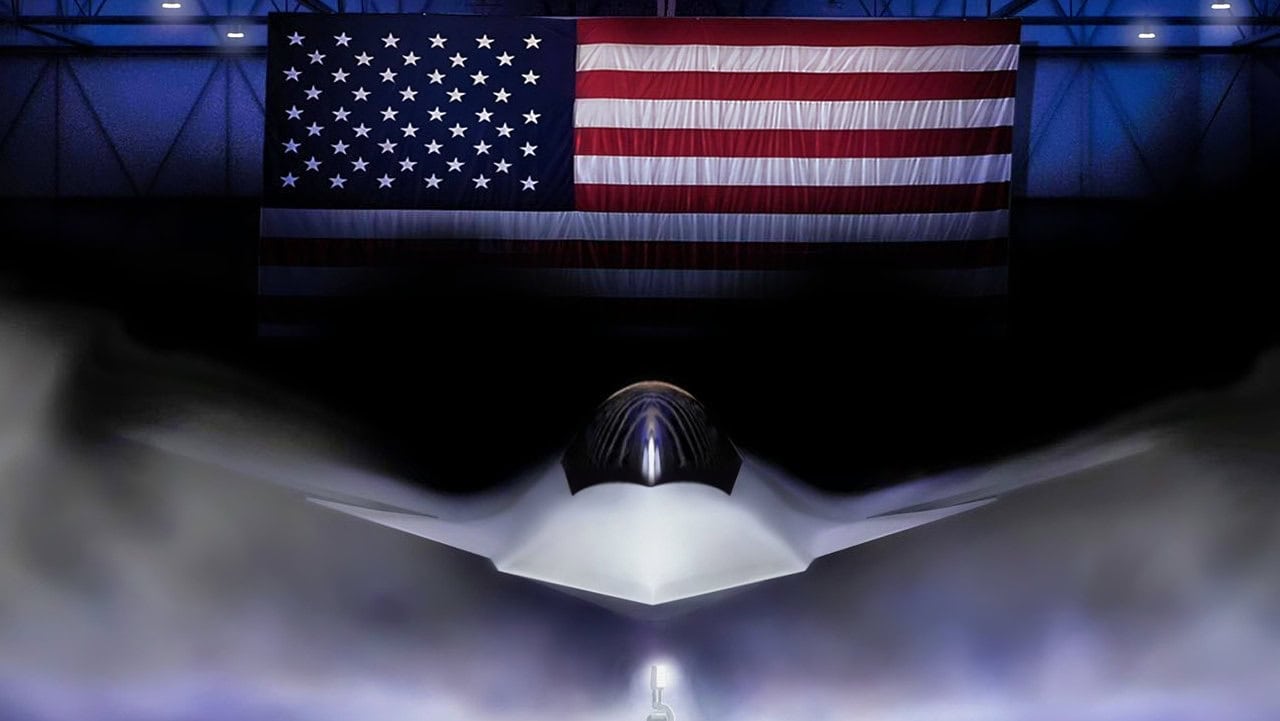
F-47 Fighter from U.S. Air Force.
For now, if reports are accurate, Israel is only making an information request, not a purchase order.
Defense officials reportedly want to determine whether Washington’s export posture toward the F-47 will resemble the decades-long refusal to sell the F-22 Raptor abroad, or follow the far more permissive model of the F-35, which has been sold to more than a dozen partner nations.
The inquiry is being pursued alongside Israel’s ongoing procurement of additional F-35s and F-15s, suggesting Jerusalem sees the F-47 as a long-term hedge rather than an immediate replacement need.
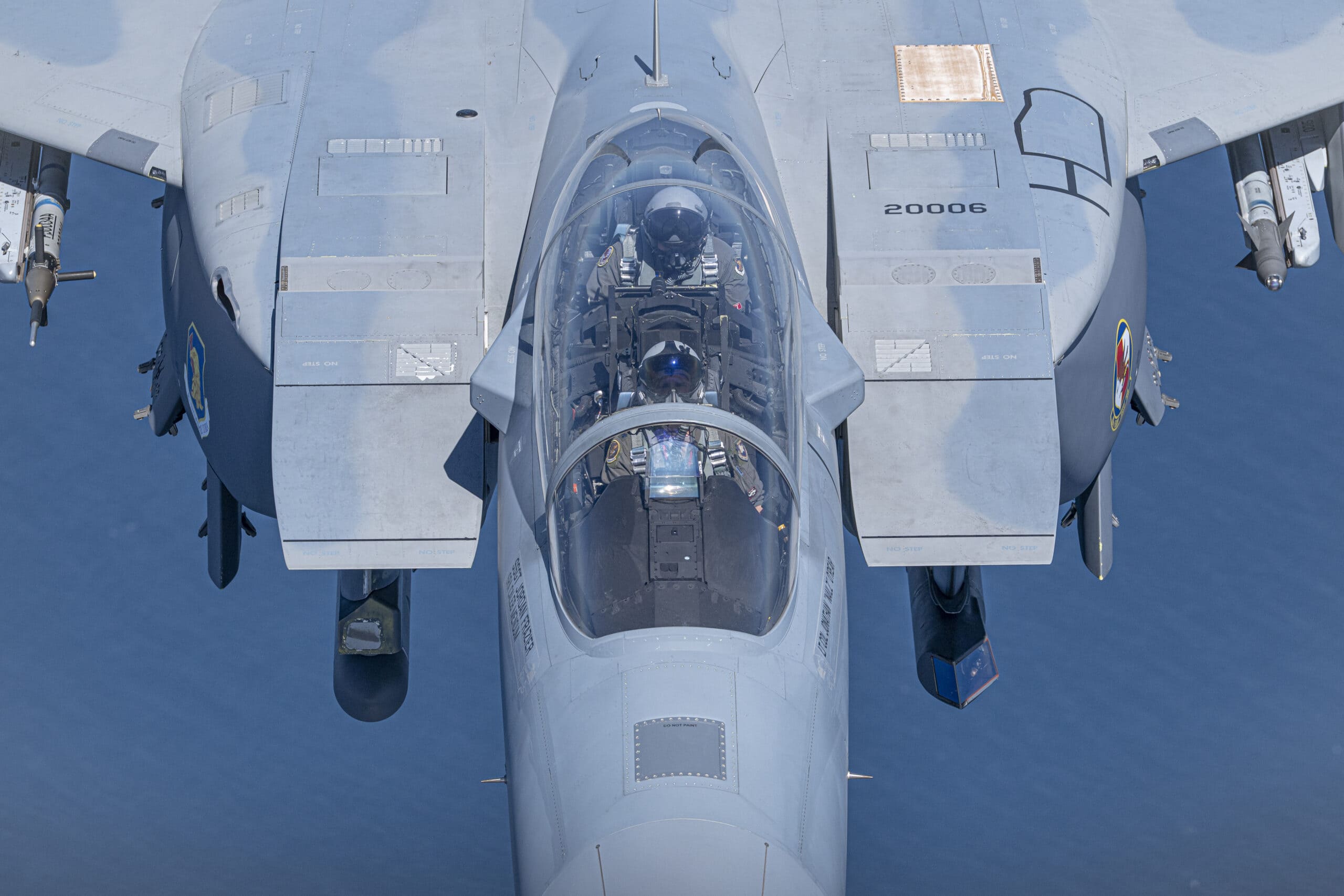
A U.S. Air Force F-15EX Eagle II flies over the Gulf of America, September 16, 2025. The F-15EX, from the 40th Flight Test Squadron at Eglin Air Force Base, Florida, is one of the first F-15EXs in the Air Force, and is going through developmental and operational test series at Eglin to confirm its operational capabilities before it is delivered to the combat Air Force. (U.S. Air Force photo by Tech Sgt. Jacob Stephens)
The strategic logic is straightforward. The F-47 is designed with a combat radius of more than 1,000 miles, a range that would comfortably cover Iran, Iraq, and Houthi-controlled Yemen without aerial refueling, addressing a persistent Israeli requirement to strike distant targets while retaining fuel reserves for contingencies.
The aircraft is also expected to fly faster than Mach 2 (reports say Mach 2.9) while maintaining an extremely stealth++ profile and integrating a new generation of sensor fusion that links land-, sea-, and space-based data.
Notably, Israel’s interest is unfolding against the backdrop of talks tied to a memorandum of understanding involving Iran, underscoring how closely Israeli defense planning around the F-47 is tied to deterrence calculations in its immediate neighborhood.
Japan Was Supposedly Offered The F-47
Israel is not the first US ally to eye the F-47. Japan has been in this conversation since the program’s earliest days.
Reports from the Japanese outlet Asahi Shimbun indicate that President Trump raised the possibility of an F-47 sale directly with then–Prime Minister Shigeru Ishiba during a phone call, telling him, “We have such great fighter jets,” and offering to ensure Japan received “the best.”
Trump has publicly floated export versions of the aircraft that might be “toned down” by around 10 percent in capability to protect the most sensitive technology.
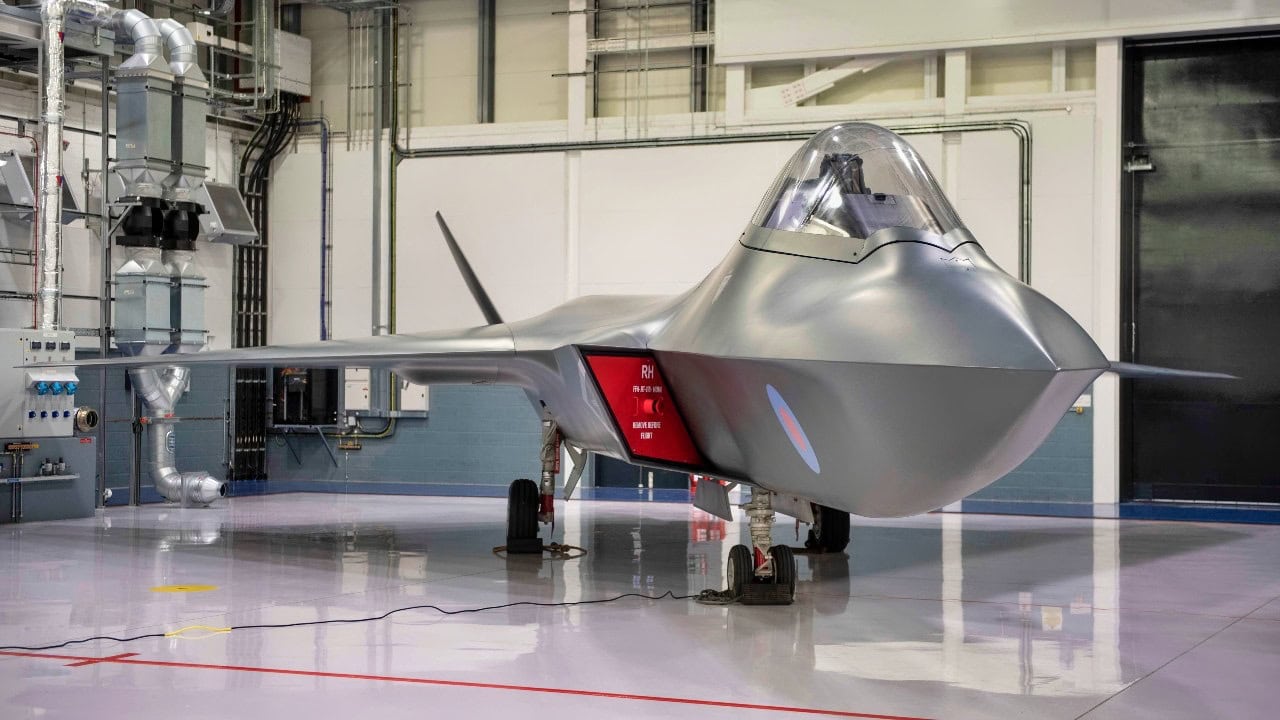
Image of the UK’s concept model for the next-generation jet fighter “Tempest”, which was unveiled by the Defense Secretary at Farnborough International Air Show back in 2018.
Washington’s overture to Tokyo carries an additional strategic motive: to steer Japan away from the Global Combat Air Program (GCAP), the trilateral sixth-generation fighter effort Japan is pursuing with the United Kingdom and Italy.
Reports suggest US officials have grown uneasy with Japan’s participation in GCAP, while Tokyo itself has voiced frustration over UK funding delays threatening the program’s 2035 target date, a concern sharpened by China’s parallel testing of its own sixth-generation designs, the J-36 and J-50.
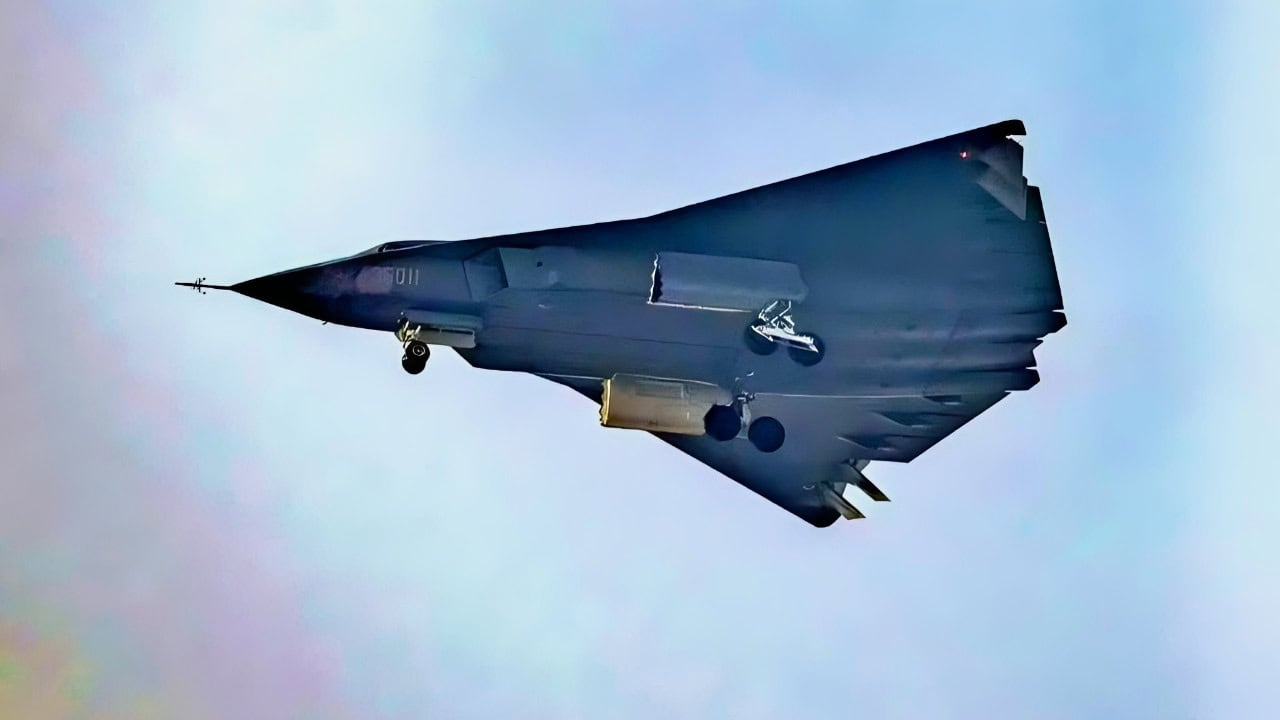
J-36 Fighter from China. Image Credit: X Screenshot.
The Case For Selling The F-47 To US Allies
Proponents of exporting the F-47 argue the benefits cut in several directions. Spreading production across more units lowers the per-aircraft cost for the US Air Force, which is budgeting roughly $3.45 billion for the program in fiscal year 2026 alone, with a per-unit price estimated at around $300 million.
Export sales would also reinforce alliance structures at a moment when China and Russia are both investing heavily in next-generation air combat systems, and would help sustain Boeing’s expanded production infrastructure rather than leaving it underused.
For Japan specifically, an F-47 sale would offer a credible near-term alternative if GCAP continues to slip past its 2035 deadline. For Israel, it would preserve the qualitative military edge that has historically shaped US arms-export decisions in the Middle East, especially as other regional states continue to lobby for advanced fighters of their own, notably the F-35.

A U.S. Air Force F-35A Lightning II flies over the 56th Fighter Wing during Luke Days 2026, March 22, 2026, at Luke Air Force Base, Arizona. Luke Days 2026 highlights the precision and professionalism required to generate combat airpower and sustain the nation’s defense. Currently in operational service, the F-35A integrates stealth technology and advanced sensors to detect and defeat threats while maintaining air dominance. Opportunities for the public to see military aviation up close helps build appreciation for the readiness of the joint force. (U.S. Air Force photo by Senior Airman Belinda Guachun-Chichay)
The Case Against Selling The F-47
The counterarguments echo the debate that has surrounded the F-22 for a generation.
The F-47 is being developed under extraordinary secrecy, incorporating engine technology, including a fuel-efficient thrust system, and a sensor architecture that the Pentagon may be reluctant to expose to any foreign air force, however trusted.
Critics warn that even a “de-tuned” export variant risks technology leakage, reverse-engineering, or diplomatic friction if a partner’s political alignment shifts. And it will still be very expensive.
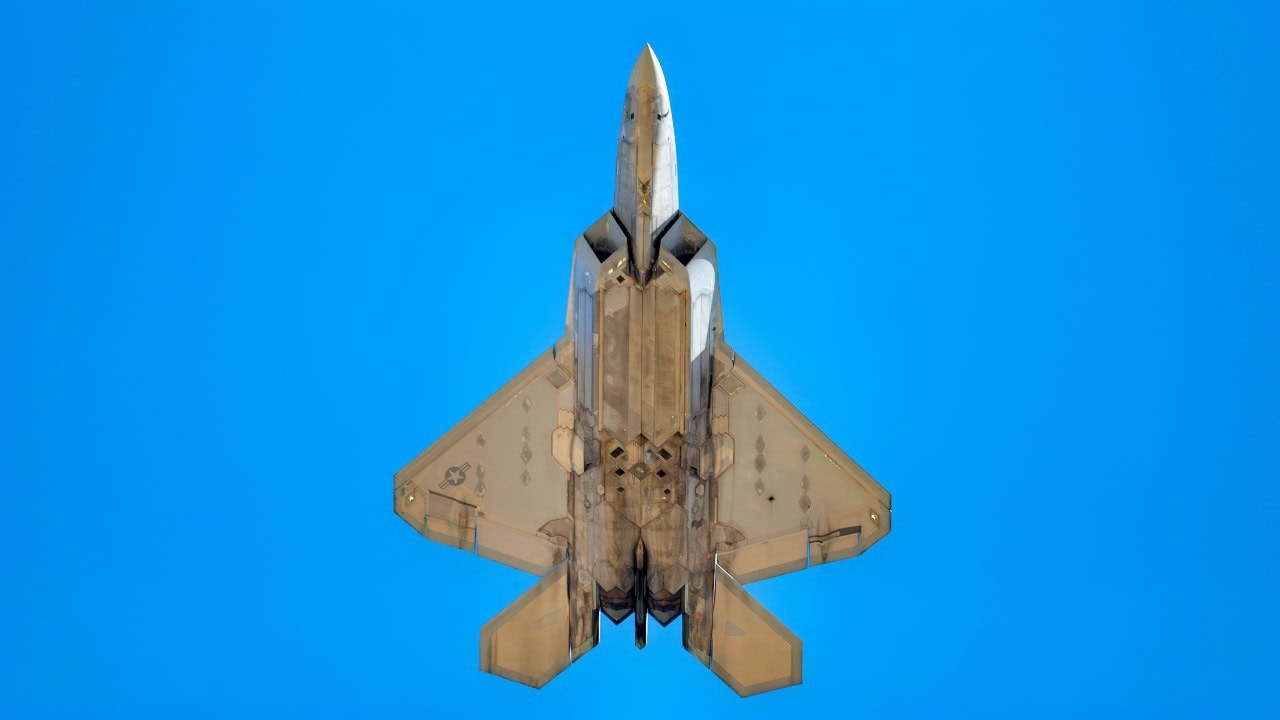
A U.S. Air Force F-22 Raptor performs an aerial demonstration at Davis-Mothan Air Force Base, Ariz. for the 2025 Heritage Flight Training and Certification Course, March 2, 2025. The Heritage Flight Training and Certification Course is an annual event where military and civilian pilots train together to fly in formations to showcase both modern and vintage military aircraft. These flights are often performed at airshows across the country to honor U.S. military aviation history and service members. (U.S. Air Force photo by Staff Sgt. Lauren Cobin)
Budgetary and industrial-capacity concerns also remain: the F-47 program is still maturing, first flight is not expected until 2028, and diverting engineering and manufacturing resources to export configurations could slow delivery to the US Air Force itself.
Some analysts additionally worry that easy export access could reduce incentives for allies to invest in their own defense industrial bases, as GCAP partners fear could happen to Japan and the UK.
No Decisions Have Yet Been Made
No formal export approval has been announced for either country, and the Israeli inquiry, like Japan’s, remains preliminary.
Historically, the United States has rarely acted against Israel’s core security interests, and Washington’s F-35 export history suggests a pathway short of the F-22’s total ban is plausible.
But with the F-47 still years from operational service and its most sensitive systems still being finalized, any decision on foreign sales is likely to remain unresolved for some time yet.
About the Author: Steve Balestrieri
Steve Balestrieri is a National Security Columnist. He served as a US Army Special Forces NCO and Warrant Officer. In addition to writing on defense, he covers the NFL for PatsFans.com and is a member of the Pro Football Writers of America (PFWA). His work was regularly featured in many military publications.