
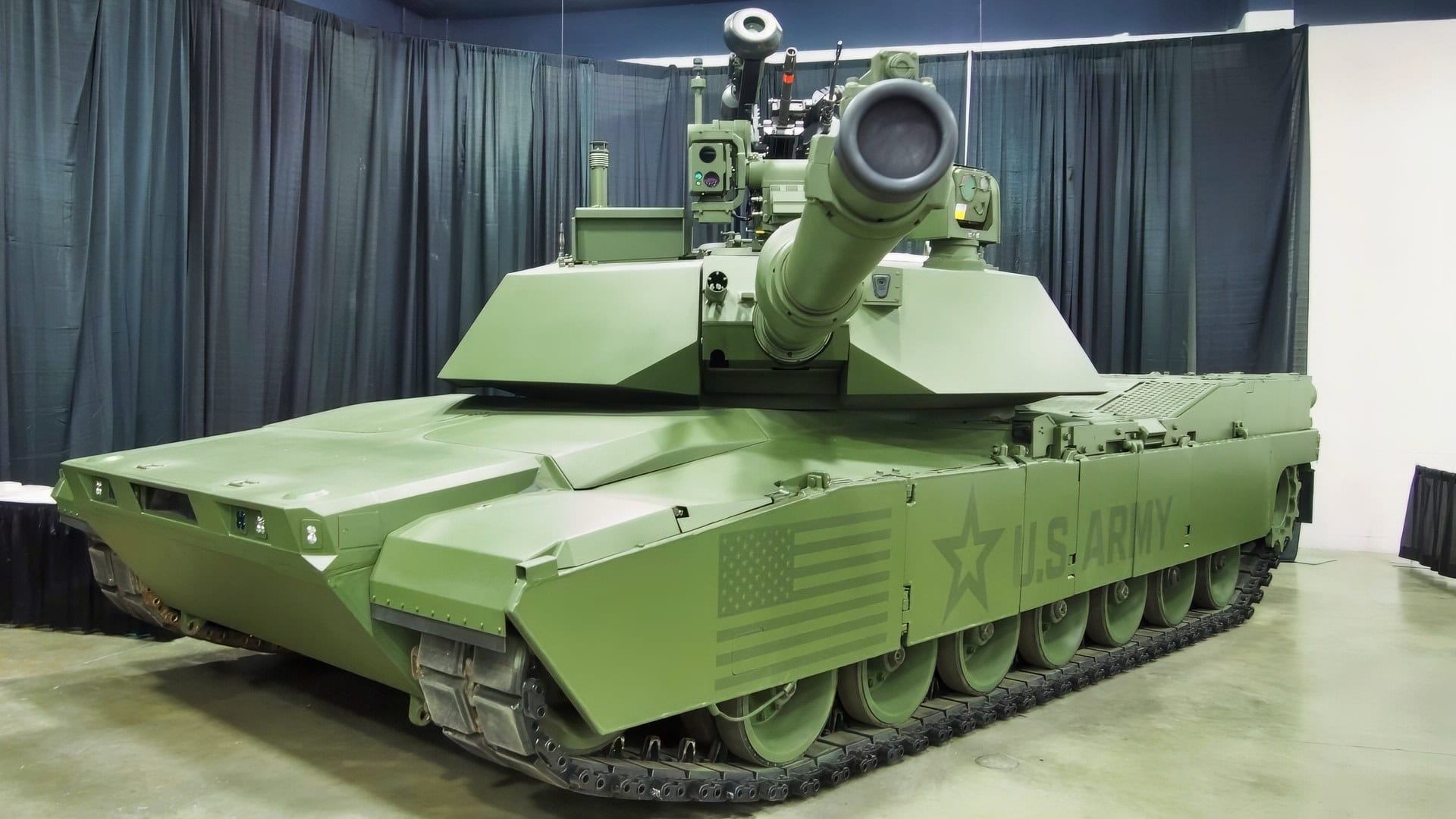
Summary and Key Points: The U.S. Army is about to hand soldiers its next main battle tank roughly four years ahead of schedule. Four M1E3 Abrams prototypes are going to the 1st Armored Brigade Combat Team, 1st Cavalry Division at Fort Hood, Texas, later this year, with the National Training Center at Fort Irwin to follow in spring 2027 — against an original plan that did not put vehicles in soldiers’ hands until around 2031.
The US Army Is Going All In on the M1E3 Tank
The U.S. Army is preparing to put the redesigned M1E3 Abrams tank through its paces and into soldiers’ hands unusually early, with reports that operational testing will begin much sooner than originally anticipated.
It means that soldiers are about to get an idea of what America’s main battle tank will look like for decades to come.
Prototypes of the M1E3 are heading to the 1st Armored Brigade Combat Team, 1st Cavalry Division at Fort Hood, Texas, where soldiers will operate the vehicles and provide feedback before taking them to the National Training Center at Fort Irwin, California, in spring 2027.
It’s a major step for a program that was originally not expected to put vehicles into soldiers’ hands until around 2031.
The new tank comes at a critical time, too, as geopolitics shifts dramatically and new threats emerge seemingly every week.
The tank is expected to solve a growing problem for the Army: the existing Abrams tank, though very capable, has become far too heavy after decades of adding armor and new electronics.
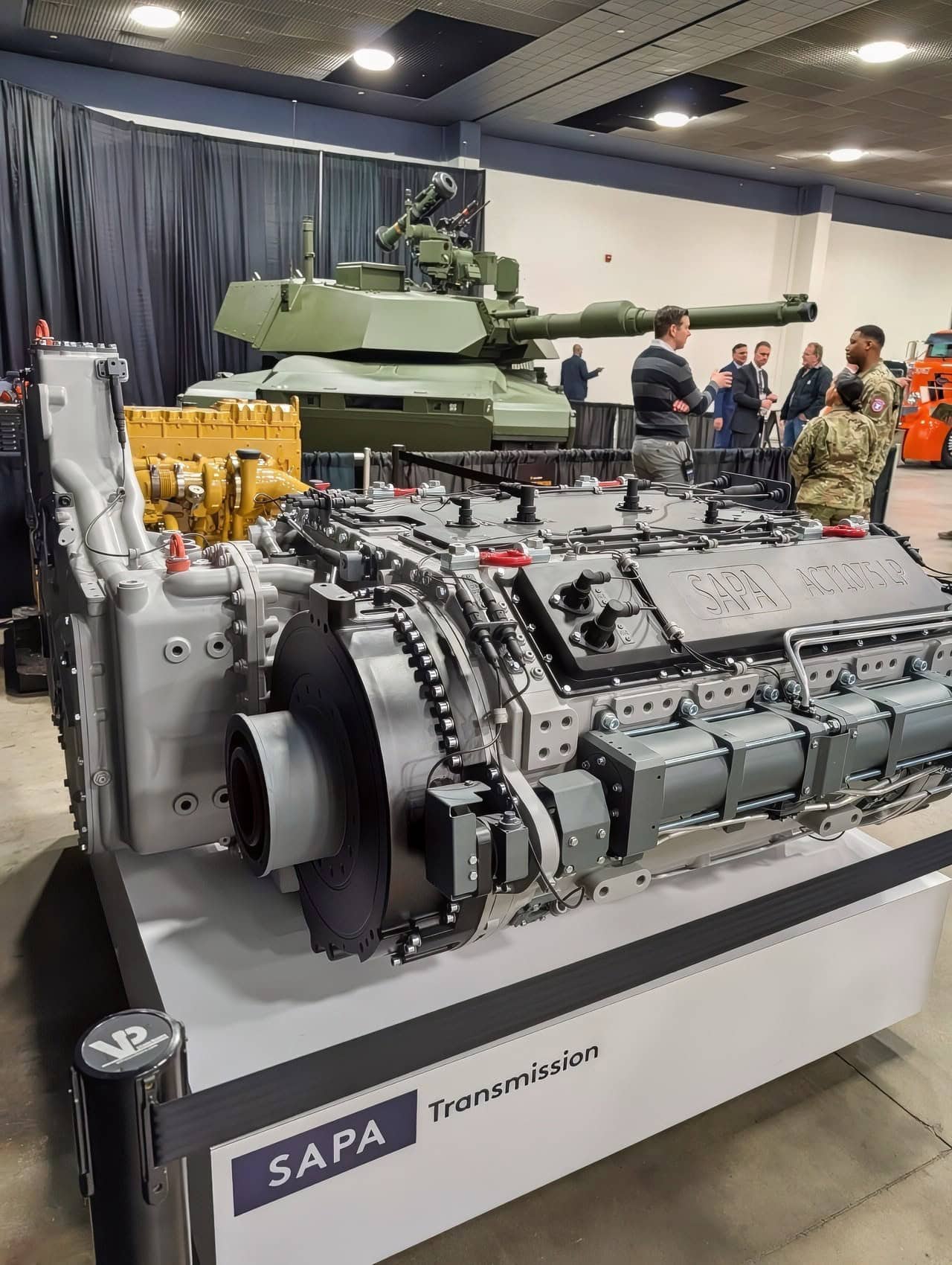
We have a little history with the M1E3: we visited this tank when it debuted at the Detroit Auto Show earlier this year. We have some great photos we will share of the M1E3 in this article
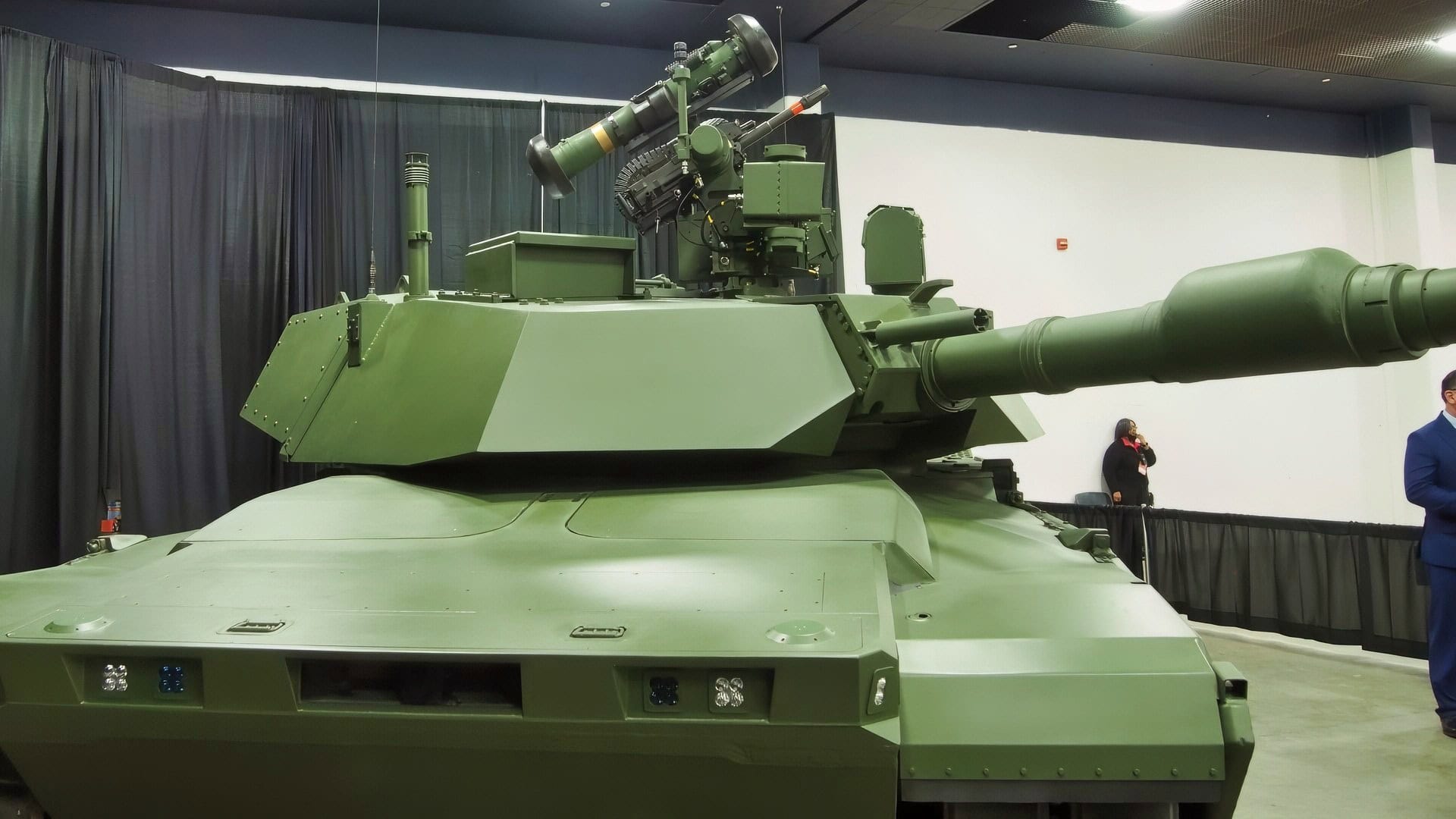
M1E3 Tank from the Detroit Auto Show. Photo Taken By 19FortyFive Staff on 1/17/2026.
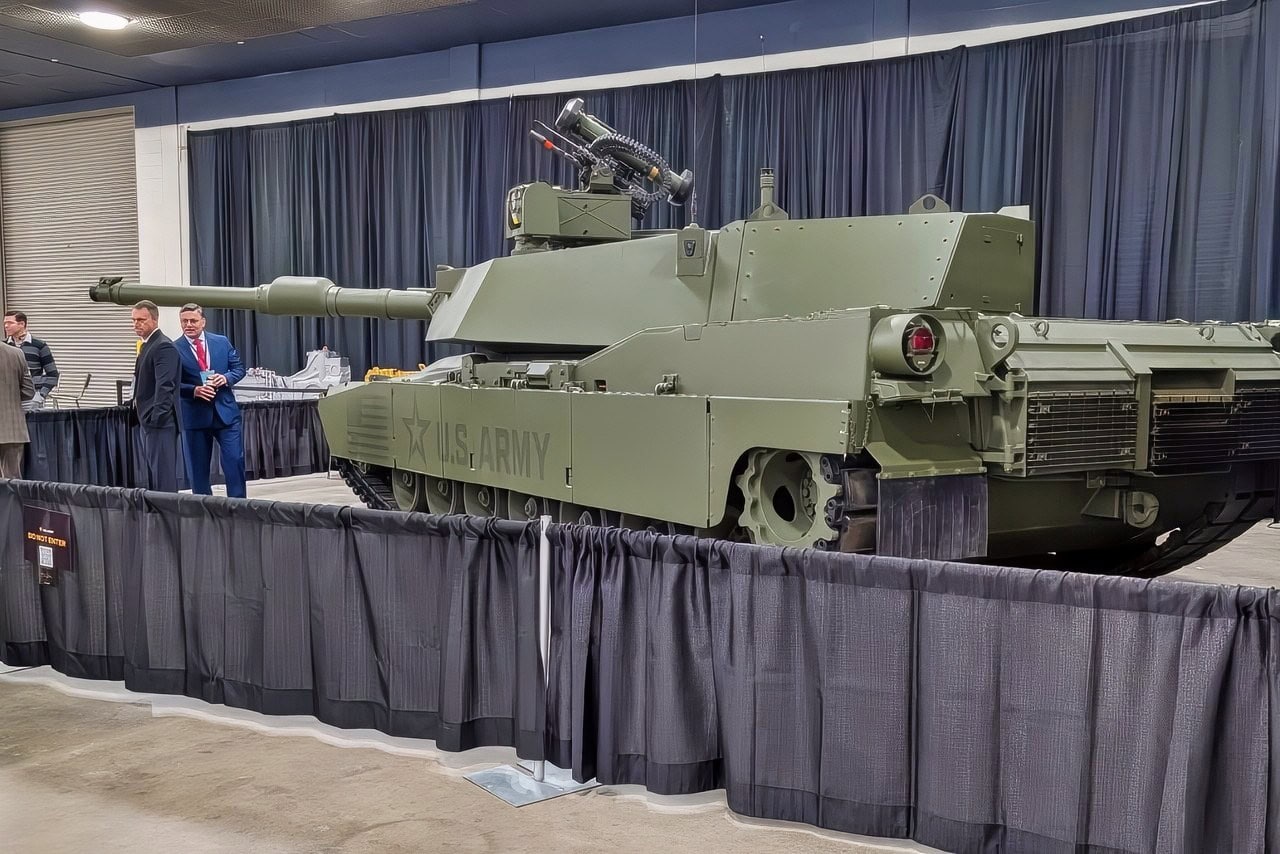
M1E3 Tank at the Detroit Auto Show. Image Credit: 19FortyFive.
Why the Army Is Building the M1E3
The M1E3 was born of the Army’s decision in September 2023 to abandon plans for the M1A2 SEPv4 upgrade, which would have tacked more technologies onto the M1A2 Abrams tank.
Instead, the Army opted for a fundamental redesign of the tank to better accommodate the new technologies, recognizing that the old model had reached its limits.
Describing the decision to build a new tank, Major General Glenn Dean, the then-program executive officer for Ground Combat Systems, said:
“The Abrams Tank can no longer grow its capabilities without adding weight, and we need to reduce its logistical footprint.
The war in Ukraine has highlighted a critical need for integrated protections for soldiers, built from within instead of adding on.”
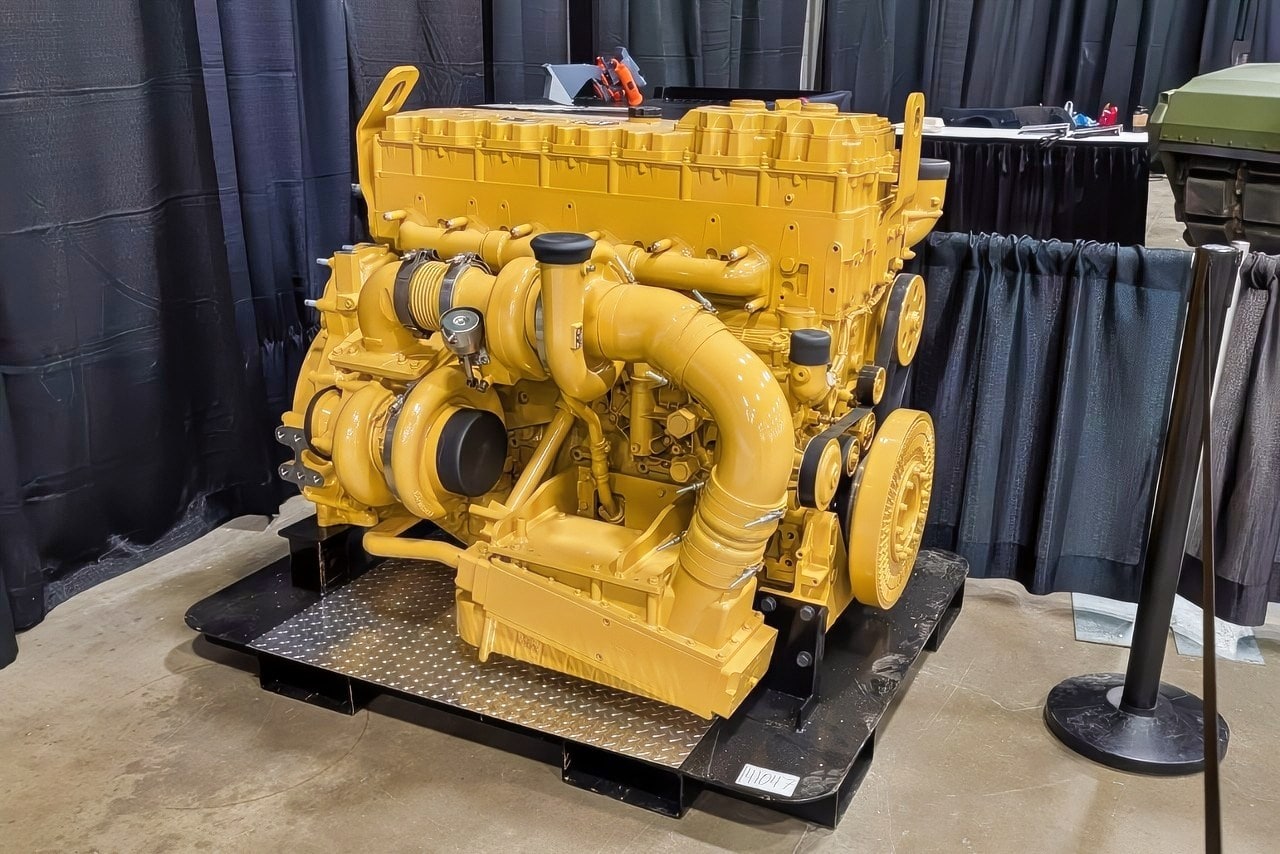
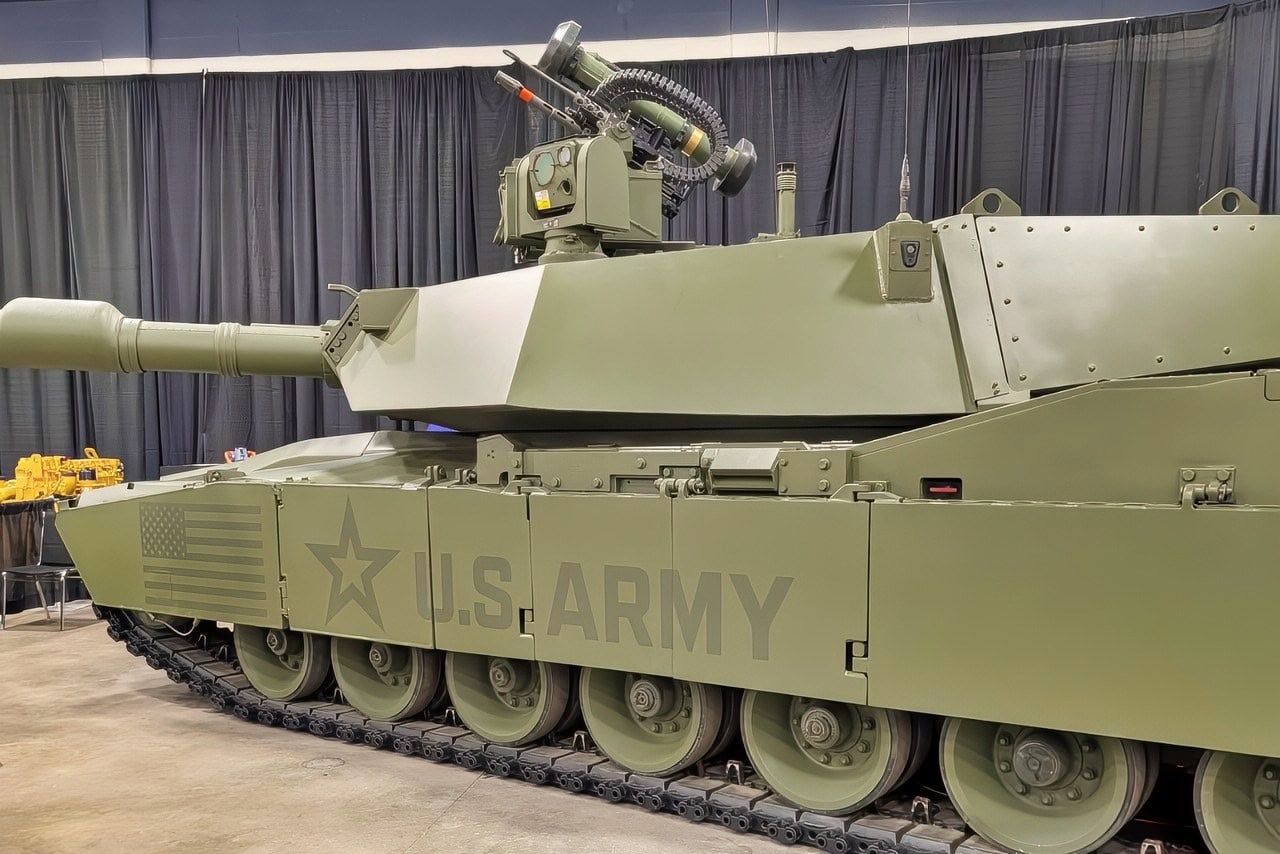
M1E3 Tank at the Detroit Auto Show. Image Credit: 19FortyFive.
M1E3 Tank at the Detroit Auto Show. Image Credit: 19FortyFive.
M1E3 Tank at the Detroit Auto Show. Image Credit: 19FortyFive.
Learning from Modern Combat
Those concerns were reinforced by the war in Ukraine, where tanks have become arguably less valuable than even cheap drones.
Tanks operate in completely new ways, formations are structured differently, and these high-value assets are working in environments saturated with drones and loitering munitions.
Consider the weight of an upgraded Abrams configuration – roughly 70 tons or more – and it’s clear that operating a heavy tank in this environment is an unwise decision and would require enormous fuel, transportation, and maintenance demands.
The M1E3, then, is not meant to be another upgrade.
It responds to changing demands and battlefield conditions, and it will be lighter and easier to modernize in the future.
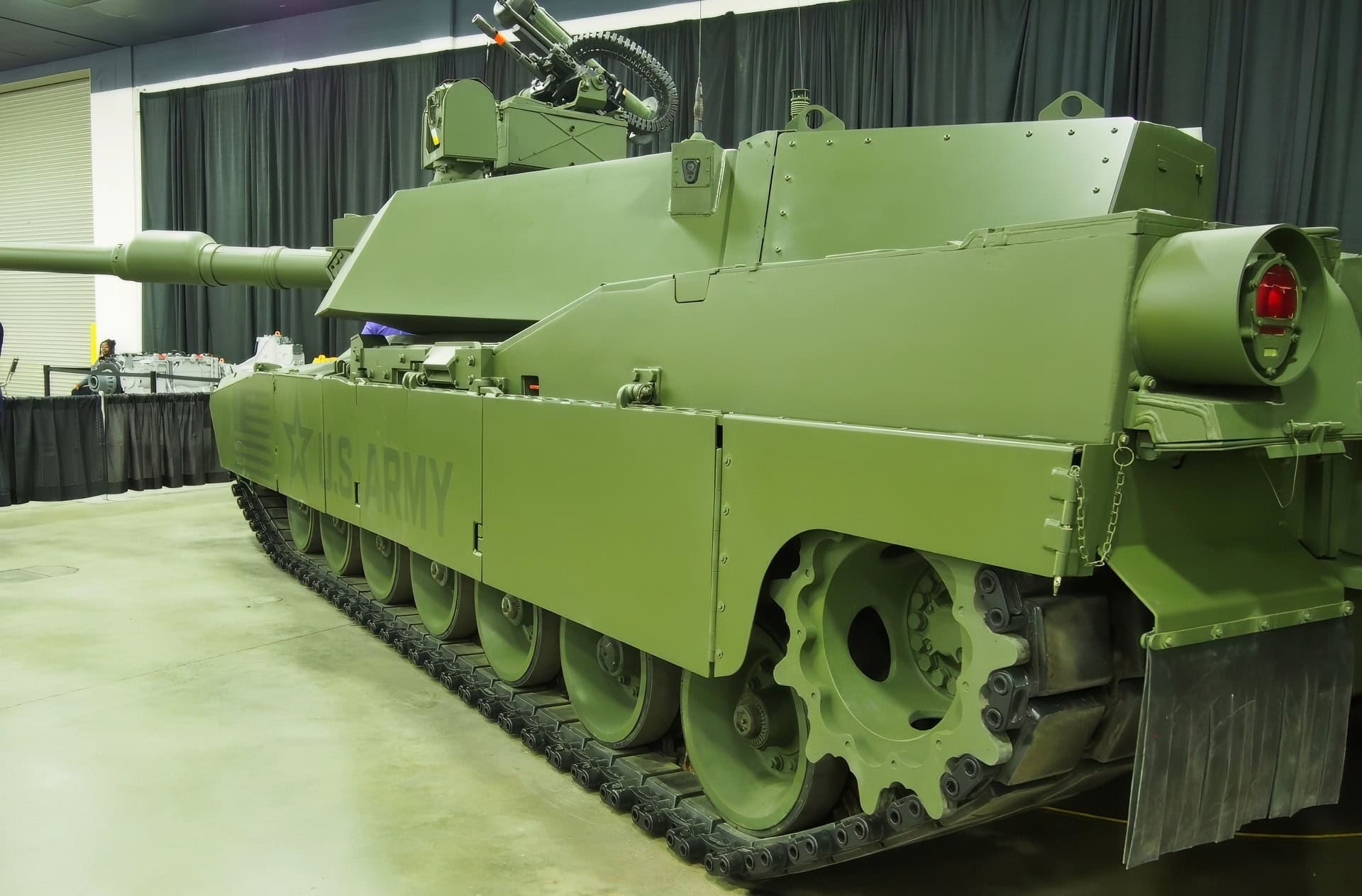
M1E3 from Detroit Auto Show. 19FortyFive.com Original Image.
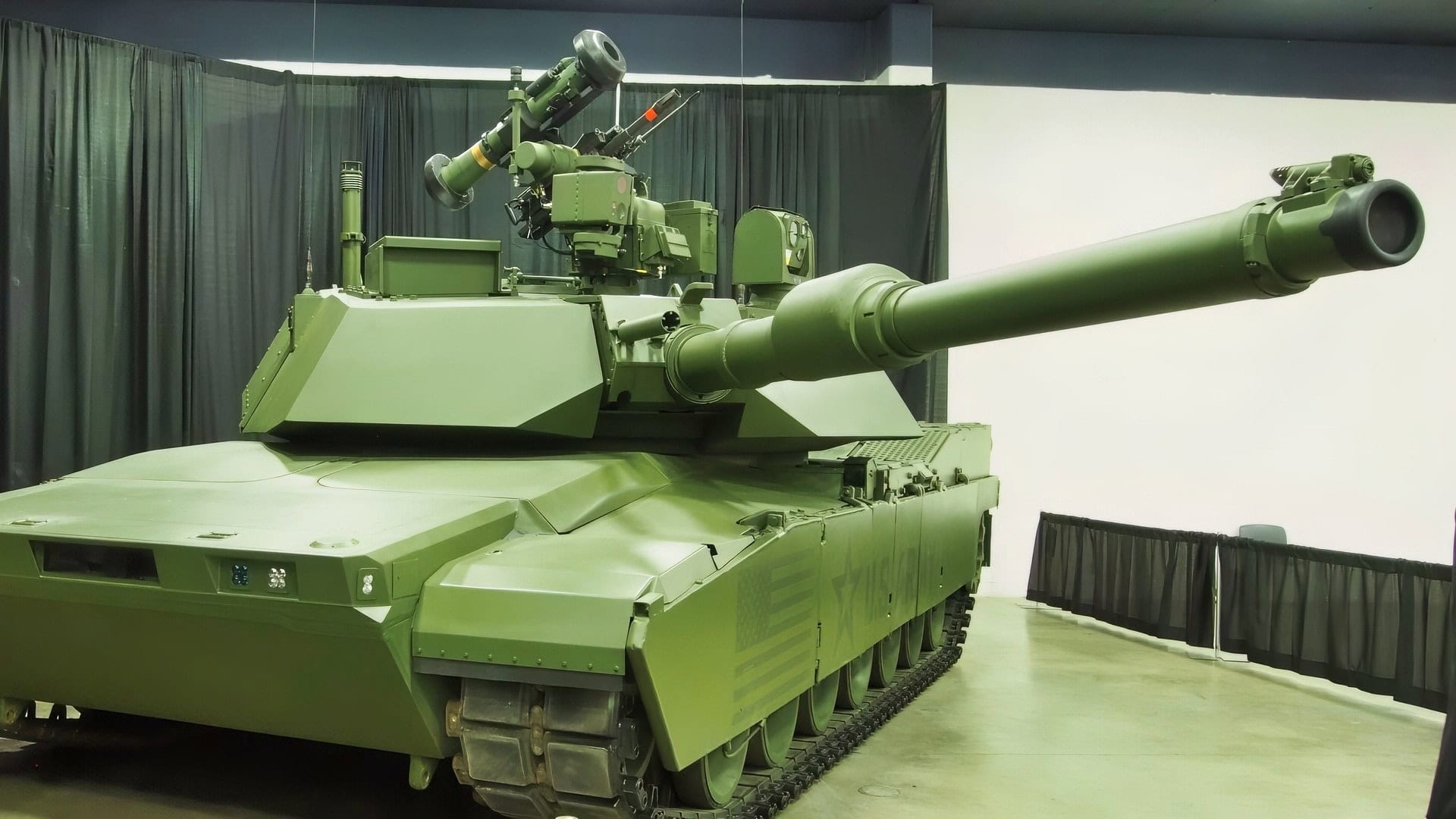
M1E3. 19FortyFive Image from the Detroit Auto Show.
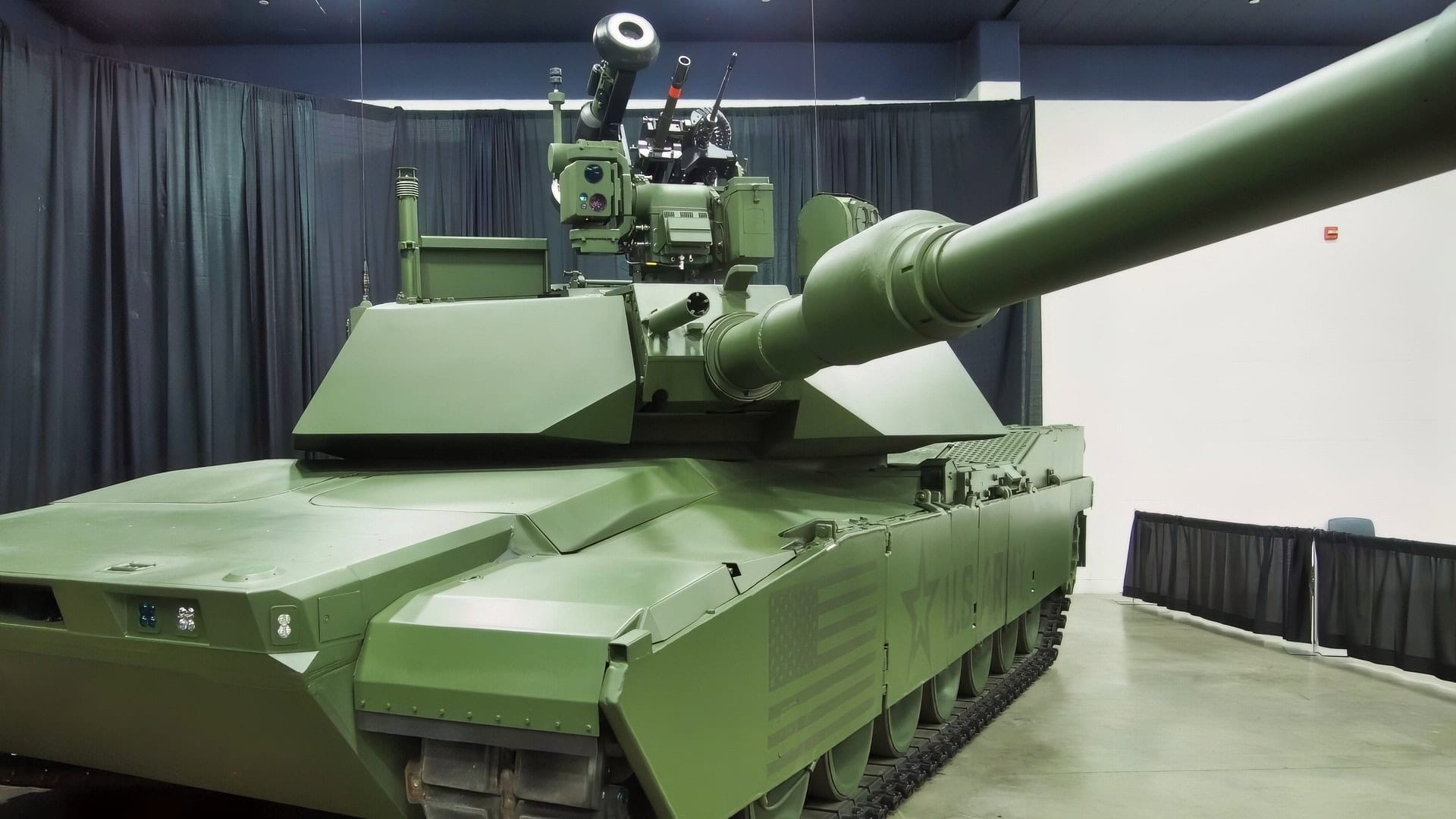
At the Detroit Auto Show, 19FortyFive visited the new M1E3 tank. Image Credit: 19FortyFive.com.
Here’s What’s Different
According to the U.S. Army, the M1E3 is about 25% lighter than current Abrams configurations and uses about 50% less fuel, thanks to a hybrid-electric propulsion system that replaces the traditional gas turbine engine.
Caterpillar supplies the engine, and SAPA provides the transmission.
Among the biggest changes in the tank is inside the turret.
The new M1E3 uses an unmanned turret and reduces the crew from four soldiers to three, removing the human loader from the Abrams crew.
That reduces weight and operational pressures simultaneously.
The tank retains a 120mm main gun but incorporates an autoloading system.
Better Survivability
Survivability also increases, and the tank is designed to face modern threats. The vehicle integrates active protection directly rather than treating it as an add-on.
Active protection means that the tank uses sensors to detect incoming threats, such as an anti-tank missile or a rocket-propelled grenade. It then deploys countermeasures to protect itself just before the vehicle is struck.
It will also feature counter-drone capabilities and a 360-degree situational awareness system that helps crews detect and engage threats before they reach the tank.
Testing Is About to Begin
Soldiers won’t have to wait long to see how these changes work.
The 1st Armored Brigade Combat Team, 1st Cavalry Division, or the “Iron Horse” Brigade, is preparing to receive four M1E3 prototypes later this year.
Roush will build the first prototypes, but General Dynamics Land Systems will also deliver an undisclosed number of additional prototypes before the end of the year.
The plan is to give soldiers hands-on experience with the tank much earlier in the development process, allowing them to give direct feedback to the teams building the next generation of American tank.
One platoon within the division will receive the M1E3s, allowing soldiers to familiarize themselves with the machine before putting the tanks through full operational testing.
In August, Col. Todd Hertling, the commander of the Iron Horse Brigade, confirmed that his unit would be involved in the testing and said soldiers were keen to begin using them.
The division expects to take the prototypes to the National Training Center at Fort Irwin, California, in spring 2027. There, the crews will operate the tanks in realistic exercises in the Mojave Desert.
About the Author: Jack Buckby
Jack Buckby is a British researcher and analyst specializing in defense and national security, based in New York. His work focuses on military capability, procurement, and strategic competition, producing and editing analysis for policy and defense audiences. He brings extensive editorial experience, with a career output spanning over 1,000 articles at 19FortyFive, and has previously authored books and papers on extremism and deradicalization.