
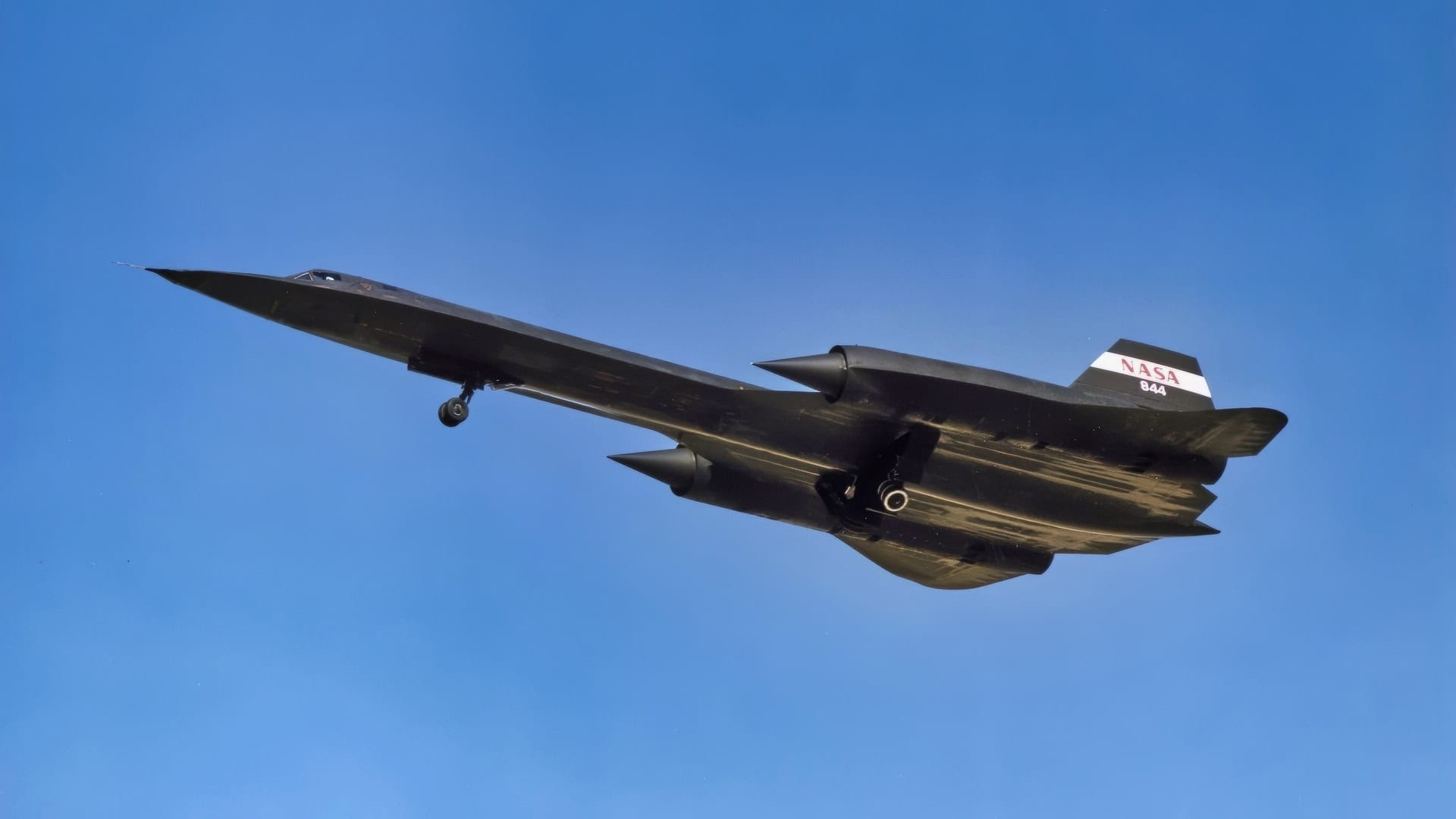
On July 20, 1972, an SR-71 Blackbird (AF Serial number 61-7978) joined the ranks of lost Blackbirds when it was lost during a landing accident at Kadena Air Base in Okinawa during the Vietnam War. The aircraft attempted to land in strong crosswinds as a typhoon rapidly approached. Although it landed successfully, strong winds blew the aircraft off course and severely damaged the airframe. Fortunately, the two crew members survived without injury, but the aircraft was subsequently written off.
That SR-71 had previously flown several perilous missions over enemy territory during the war and returned safely every time.
The aircraft had managed to avoid enemy SAM installations, but strong winds ironically did the job for it.
Flying Over Hanoi at Mach 1
This particular Blackbird was nicknamed “Rapid Rabbit” thanks to the white Playboy bunny logos on its tails, in keeping with a longstanding tradition among naval aviators dating back to the 50s.
Prior to her landing incident, the aircraft had made several perilous flights during the Vietnam War.
In one such incident, on May 15, 1972, Rapid Rabbit, crewed by Majors Tom Pugh and Ronnie Rice, was flying a routine mission when the aircraft encountered numerous technical difficulties.
For starters, one of its 60 KVA AC generators failed during the mission, forcing the aircraft to divert through Thailand.
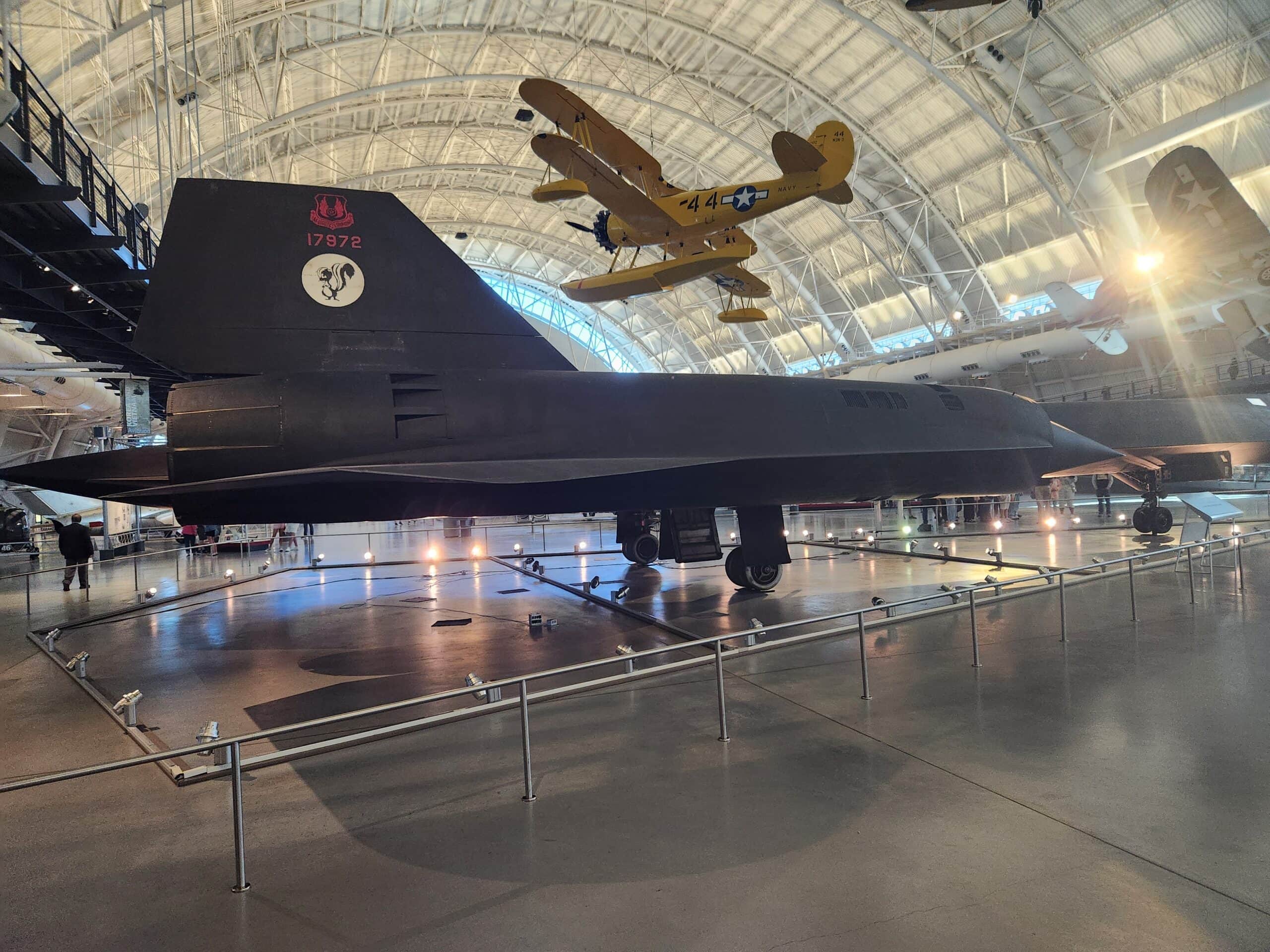
SR-71 Blackbird at the Smithsonian. 19FortyFive image taken back in 2025.
The situation worsened when the second generator malfunctioned, cutting off the fuel supply to the engines.
To make matters even worse, the engines’ inlet spikes went full forward, causing the aircraft to pitch and roll.
Pugh instructed Rice to be ready to bail, but the onboard intercom failed before he could finish.
Rapid Rabbit was forced to descend to an altitude of 41,000 ft and slowed down from Mach 3.18 to Mach 1.1. Fortunately, the engines restarted, and the aircraft exited the area as quickly as possible into Laotian airspace.
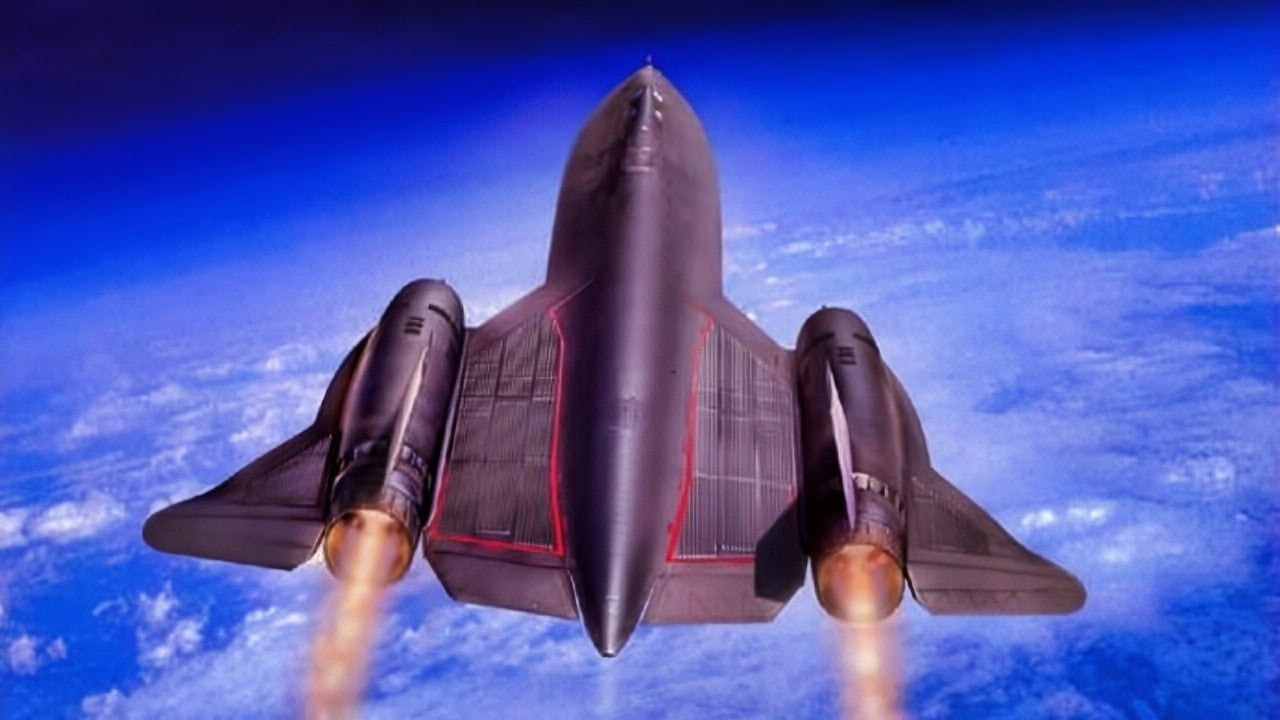
SR-71 Blackbird over the Earth Creative Commons Photo
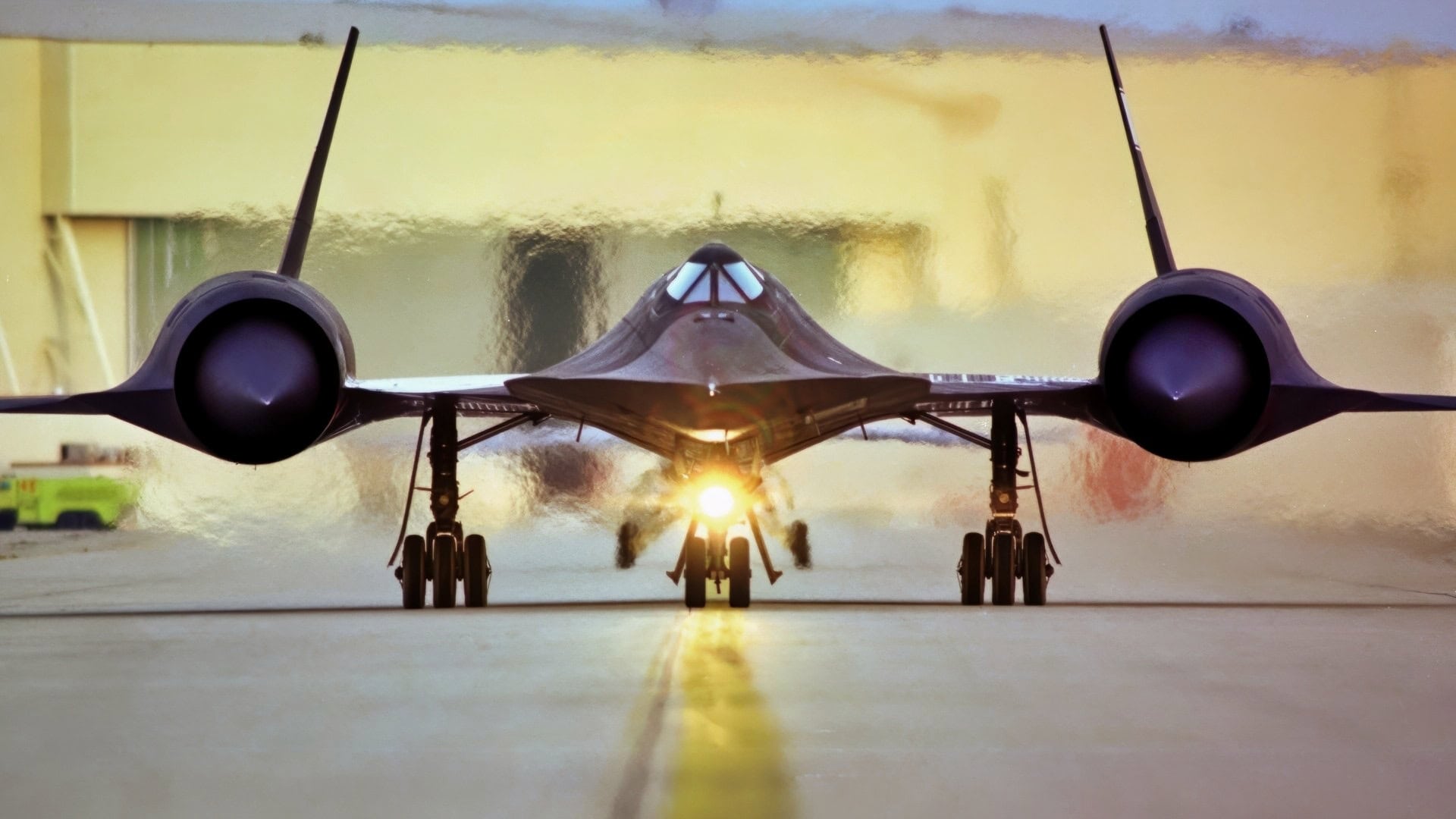
SR-71 Blackbird Creative Commons Image
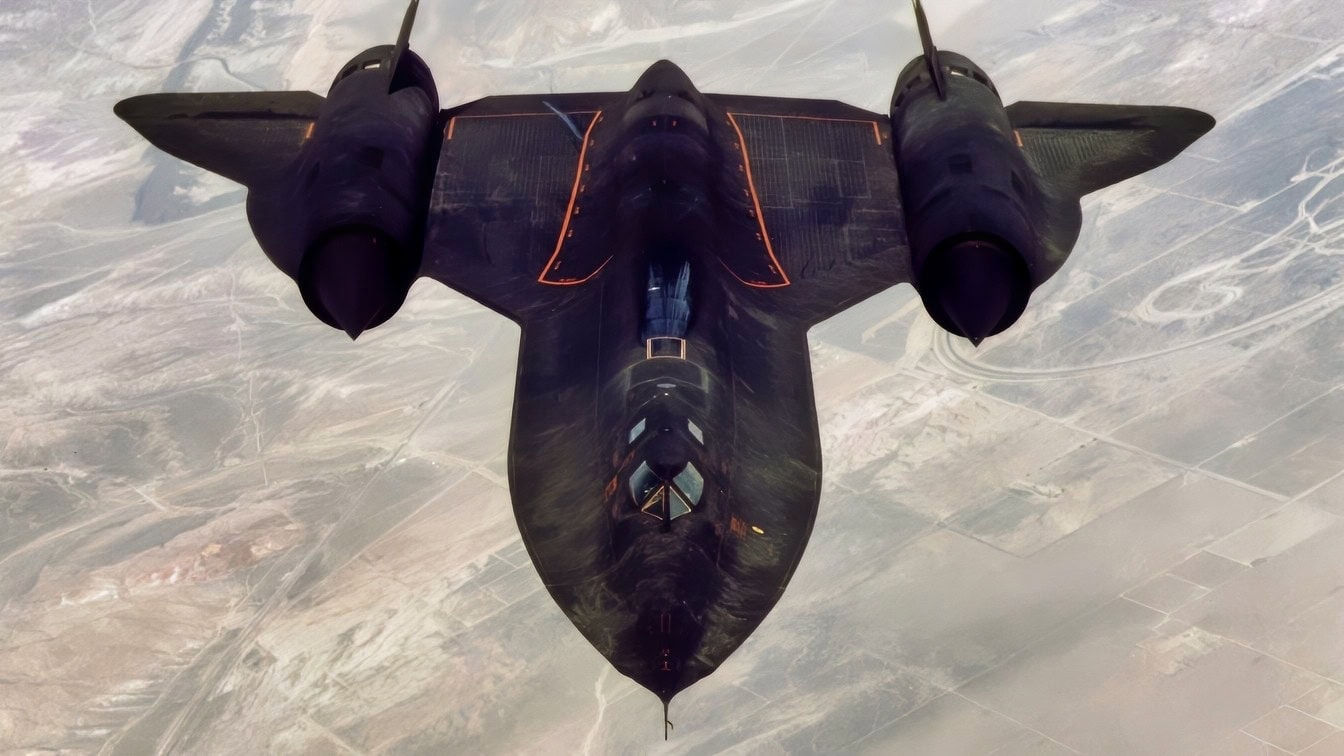
SR-71 Blackbird USAF Photo
After returning to base, the two learned that they had flown directly over Hanoi, which was heavily defended by multiple SAM positions.
For some reason, the North Vietnamese and their Soviet advisers were either unable or unwilling to shoot down the crippled Blackbird (it is said in some accounts that the North Vietnamese feared that the aircraft was booby-trapped with a nuclear bomb).
Had the air defense crews been a little more attentive, Rapid Rabbit would have been remembered as the one, and only SR-71 lost to enemy fire.
Rapid Rabbit’s Luck Runs Out
Rapid Rabbit had another close encounter 15 days later, on May 30.
After the aircraft was repaired, it conducted another routine flight, this time crewed by Majs Bob Powell and Gary Coleman.
As the aircraft approached Hanoi, its Stability Augmentation System (SAS) malfunctioned right as it had entered a 30-degree bank at Mach 3.2.
The SR-71 was again forced to lose altitude and reduce speed in order to regain control. Rapid Rabbit completed a delayed refueling before limping back to base at subsonic speeds.
In both cases, the aircraft suffered critical malfunctions, saved primarily by the pilots’ skills and a certain degree of luck.
Had the pilots reacted even slightly more slowly in either case, the outcome might have been much worse.
The lucky rabbit’s luck can only last for so long, unfortunately. Rapid Rabbit was finally brought down on July 20, 1972, not by enemy fire or technical malfunctions but by wind, really strong wind.
This time, crewed by Majs Denny Bush and Jimmy Fagg, Rapid Rabbit made one of her final approaches to Kadena Air Base on a training mission to gain more experience in landing operations in high-wind conditions as a typhoon approached the region.
The aircraft touched down and deployed its parachutes to prevent loss of control in the excessive winds. However, Bush, unhappy with that attempt, jettisoned his chutes and circled the aircraft around for one more landing.
The aircraft touched down successfully, but unfortunately, the crosswinds were so strong that he could not keep it on the runway.
Another Entry in the List of Lost Blackbirds
During the rollout, one of the aircraft’s landing gear struck a concrete structure, causing the tire to blow and overheating the magnesium on the gear structure. Substantial portions of the aircraft caught fire, and the rollout had damaged significant portions of the airframe.
Thankfully, Denny and Jimmy, using up the last of Rapid Rabbit’s luck, managed to escape from the wreckage without any serious injuries.
The aircraft was subsequently written off, and any salvageable parts were cannibalized for other SR-71s.
The remaining portions were later scrapped in Okinawa.
Despite several near-fatal malfunctions and a close encounter with enemy SAMs, Rapid Rabbit met her end thanks to abnormally strong winds.
Over its service life, 12 SR-71s were lost in accidents, 20 when including the rest of the Blackbird family. Although the general public fondly remembers the aircraft, it suffered from several technical issues. Many of these issues were later resolved, but it was a long and challenging road to get there.
The SR-71 was a one-of-a-kind aircraft that flew at speeds far exceeding those of any other aircraft.
As a result, it faced unique problems and required unique solutions, which only emerged after catastrophic incidents.
Colloquially, the Blackbird was designed to fly close to the sun, and several airframes consequently got burned.
About the Author: Isaac Seitz
Isaac Seitz, a Defense Columnist, graduated from Patrick Henry College’s Strategic Intelligence and National Security program. He has also studied Russian at Middlebury Language Schools and has worked as an intelligence Analyst in the private sector.