
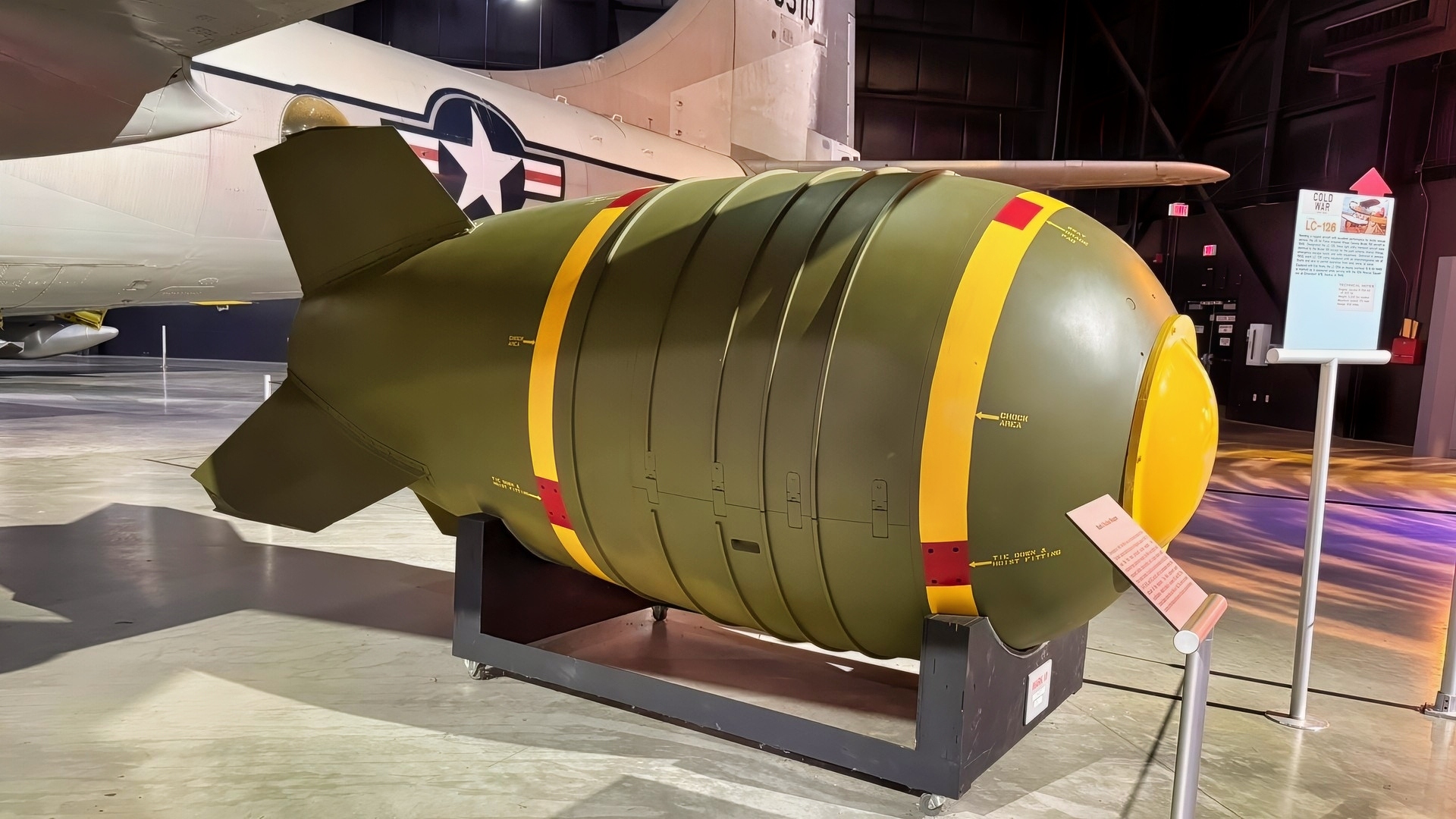
Summary and Key Points: On January 17, 1966, a US Air Force B-52G Stratofortress was flying a Cold War airborne nuclear alert mission. During aerial refueling near Palomares, the bomber collided with a KC-135 Stratotanker at roughly 31,000 feet. Both aircraft were destroyed, and seven American airmen died, including all four of the KC-135 crew and three of the seven B-52 crew. But the incident wasn’t just a mid-air collision—it was far more alarming; the B-52 was carrying four thermonuclear bombs, making the collision a potential calamity.
The Missing Hydrogen Bomb
Three of the bombs eventually turned up around Palomares, but the fourth had disappeared into the Mediterranean, prompting one of the stranger salvage operations of the Cold War.
Over the course of 80 days, dozens of ships, thousands of personnel, cutting-edge sonar, and an experimental remotely operated vehicle—all participated in the recovery effort.
But Alvin, one of the world’s pioneering deep-ocean research submersibles, ultimately found the bomb.
Locked and Loaded
Why was the B-52 carrying four H-bombs over Spain? Because this was the height of the Cold War.
Strategic Air Command maintained Operation Chrome Dome. Nuclear-armed B-52s remained airborne on alert routes so that America always had bombers in the air that could survive in the event of a surprise Soviet first strike.
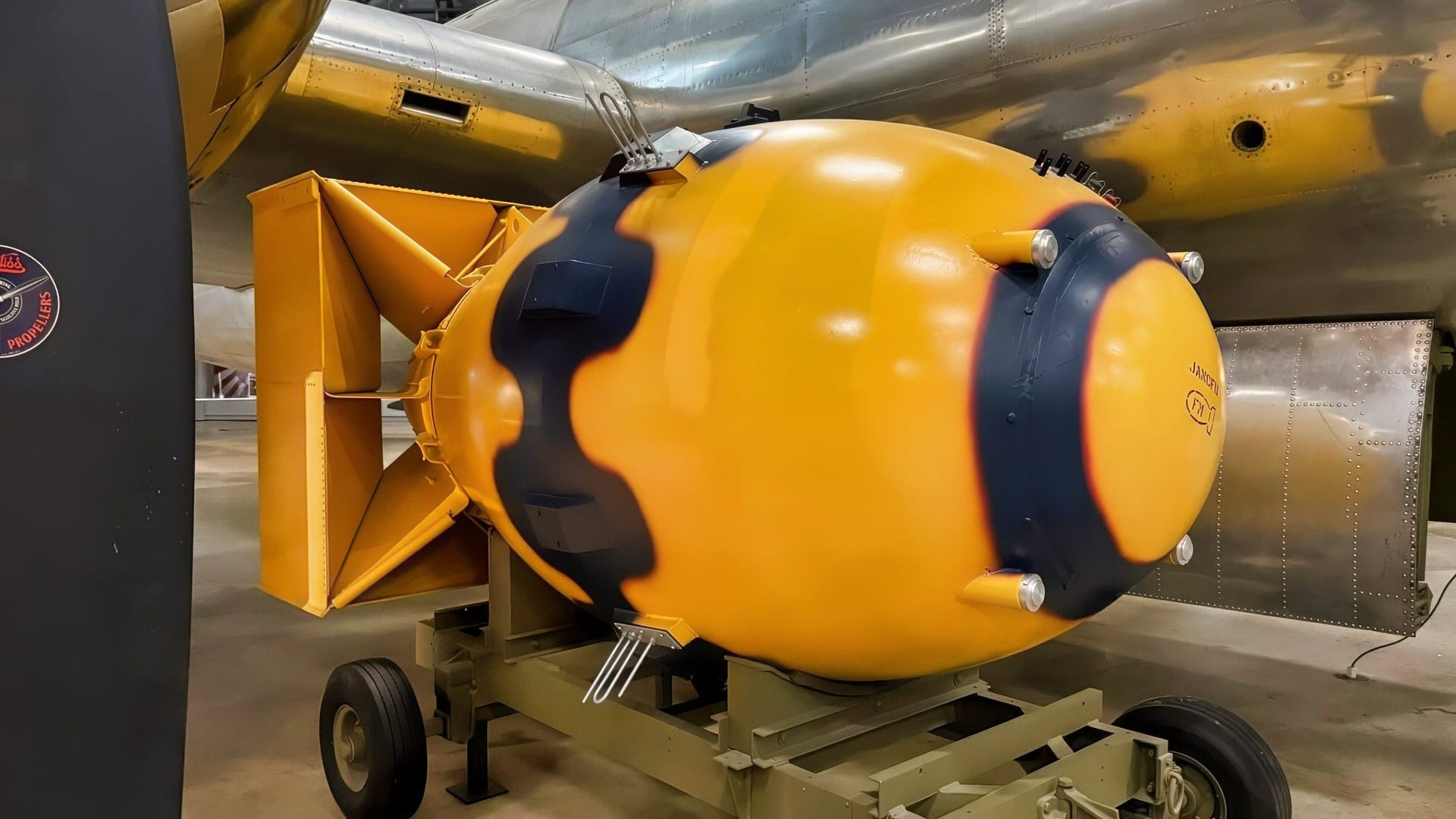
Fat Man Nuclear Bomb from National Museum of the U.S. Air Force. 19FortyFive.com Image.
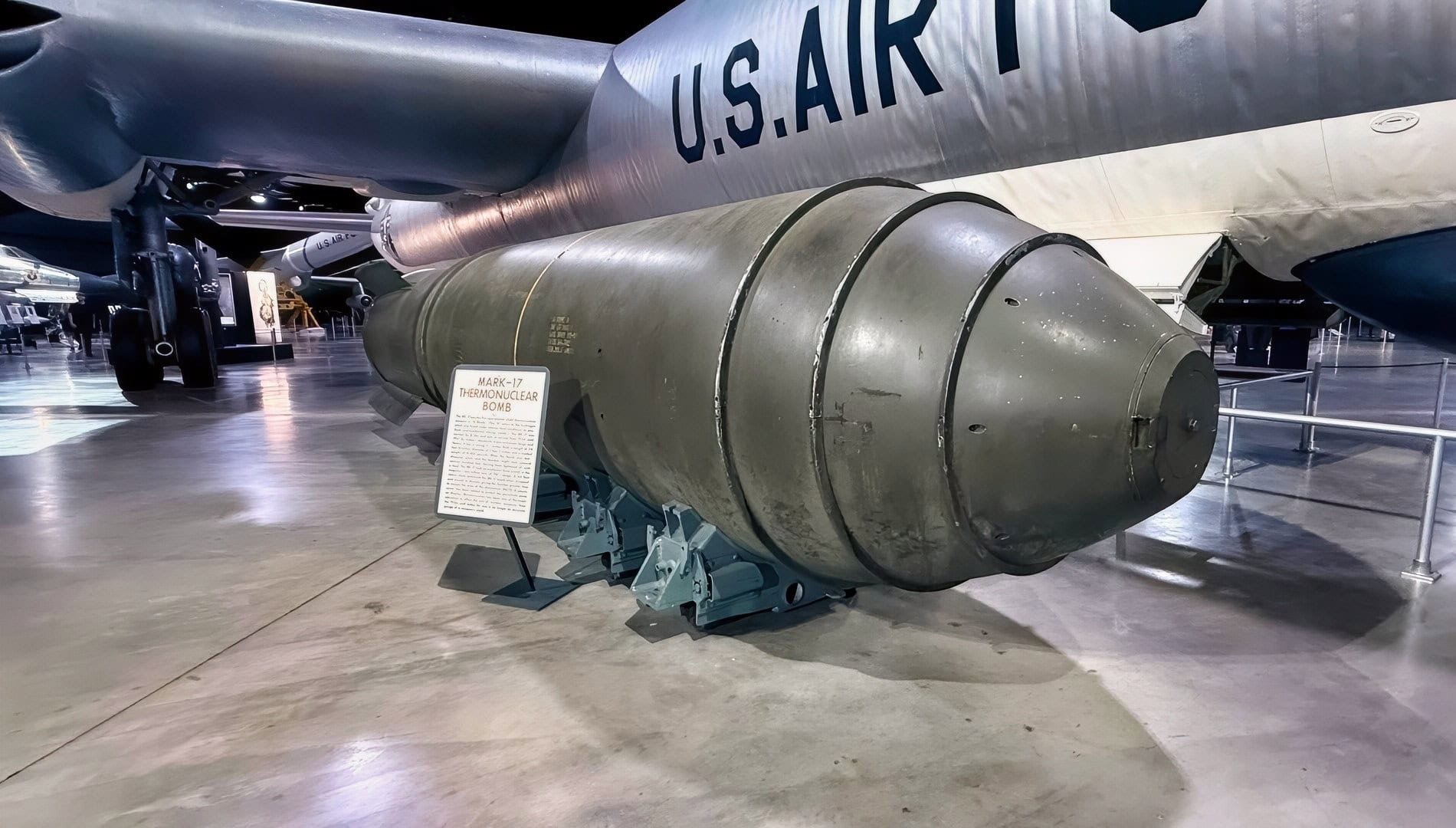
Mark-17 Nuclear Bomb 19FortyFive.com Image
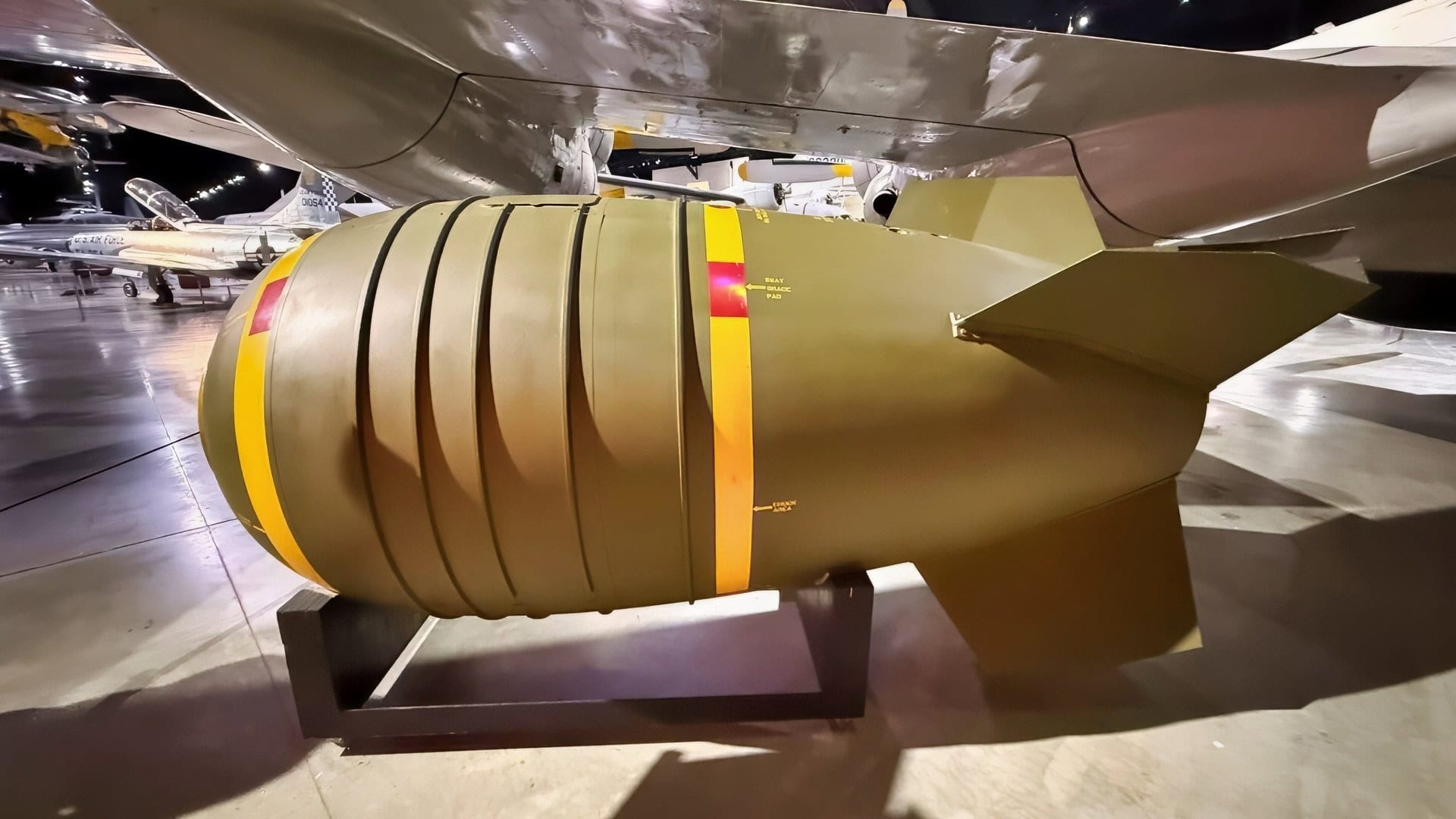
Nuclear Bomber Image Taken at National Museum of the Air Force by 19FortyFive.com
These aircraft flew extremely long missions, which required aerial refueling.
While ICBMs provided an immediate response and submarines offered a stealth response from the sea, the bombers offered redundancy by remaining airborne, dispersed, and ready to attack if needed.
Obviously, putting nuclear weapons in airplanes and having them fly continuously created the risk of an accident.
Statistically, if you flew airplanes long enough, an accident became inevitable.
Palomares was just the manifestation of that risk in action.
The Collision…and Explosion
During a routine refueling, the bomb-laden B-52 collided with the tanker.
Of course, the tanker was completely loaded with fuel and exploded.
The B-52 broke apart in turn, and wreckage of the two aircraft scattered over the Spanish countryside and the Mediterranean.
Falling with the aircraft were four B28 Mark 28 family thermonuclear bombs, often described as 1.1 Mt weapons—meaning each bomb was orders of magnitude more powerful than the Hiroshima weapon.
Fortunately, none of the bombs produced a nuclear detonation, as nuclear weapons incorporate safety mechanisms specifically intended to prevent accidental detonations during crashes or fires.
Yet, two of the bombs did explode conventionally among the three weapons that came down on or near land. One was recovered largely intact, but conventional explosives in two others detonated on impact.
Fortunately, that did not initiate a thermonuclear explosion.
Instead, the explosive material damaged weapon assemblies and dispersed radioactive material, particularly plutonium, across the surrounding agricultural land.
So Palomares became a nuclear weapons incident and a radiological contamination event.
The resultant cleanup effort was enormous, involving the removal of 1,400 tons of contaminated soil.
Searching the Floor
Spanish fisherman Francisco Simó Orts reported seeing a parachute descend into the Mediterranean. His observation was associated with the missing weapon and helped focus recovery efforts.
But that didn’t make things easy; the Mediterranean floor created conditions that complicated recovery efforts.
The bottom was not flat sand.
Instead, the search area contained steep slopes, canyons, mud, and considerable depth.
Currents and descending terrain could move the weapon from the initial impact point, and in 1966, underwater search technology was primitive by modern standards.
The water was too deep for divers to descend and look around, so the Navy had to assemble an enormous search force using ships, dragging sonar and other detection equipment across the seabed.
Eventually, the Navy had to bring in one of the world’s most remarkable new machines.
Enter Alvin
DSV Alvin entered service only a few years earlier.
Built for Woods Hole Oceanographic Institution with US Navy support, this submersible accommodated three people—a pilot and two observers—and was designed to take humans thousands of feet beneath the ocean surface.
A small pressure sphere protected occupants from crushing pressure, and electric propulsion allowed slow maneuvering near the seabed.
Viewports and lights let the crew actually inspect targets, and a mechanical manipulator permitted limited interaction with objects outside of the sphere.
It worked. After 34 dives and 220 hours submerged, the crew found the missing weapon at 2,500 feet, entangled with its parachute on a steep seabed.
About the Author: Harrison Kass
Harrison Kass is a writer and attorney focused on national security, technology, and political culture. His work has appeared in Tablet, City Journal, The Hill, The Spectator, and The Cipher Brief. He holds a JD from the University of Oregon and a master’s in Global & Joint Program Studies from NYU. More at harrisonkass.com.