

Summary and Key Points: USS Harry S. Truman, in service since 1998, the Nimitz-class carrier is at the midpoint of a roughly 50-year life, and workers will refuel her two Westinghouse A4W reactors while overhauling the propulsion plant, combat systems, flight deck gear, and living spaces. The Navy says an RCOH is roughly one-third of all the maintenance and modernization a carrier ever receives.
Aircraft Carrier: USS Harry S. Truman In RCOH for Years
On September 30, 2026, the USS Harry S. Truman entered the overhaul process at HII’s Newport News Shipbuilding in Virginia. The Navy awarded a contract valued at approximately $5.1 billion for a comprehensive modernization and nuclear refueling.
The work is expected to take approximately five years, with redelivery targeted for November 2031.
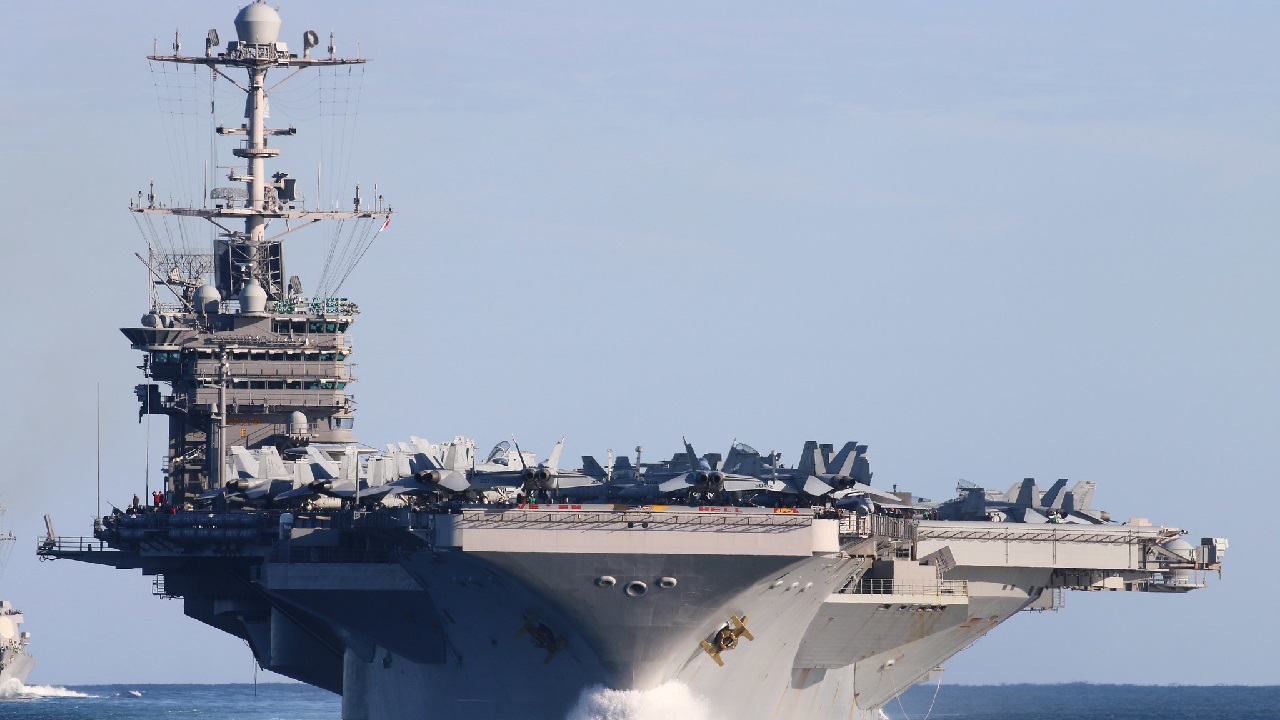
The aircraft carrier Harry S. Truman (CVN 75) participates in a composite unit training exercise (COMPTUEX). Truman is underway as a part of the Harry S. Truman Carrier Strike Group (HSTCSG) performing COMPTUEX, which evaluates the strike group’s ability as a whole to carry out sustained combat operations from the sea, ultimately certifying the HSTCSG for deployment. (U.S. Navy photo by Mass Communication Specialist 2nd Class Tommy Gooley/Released)
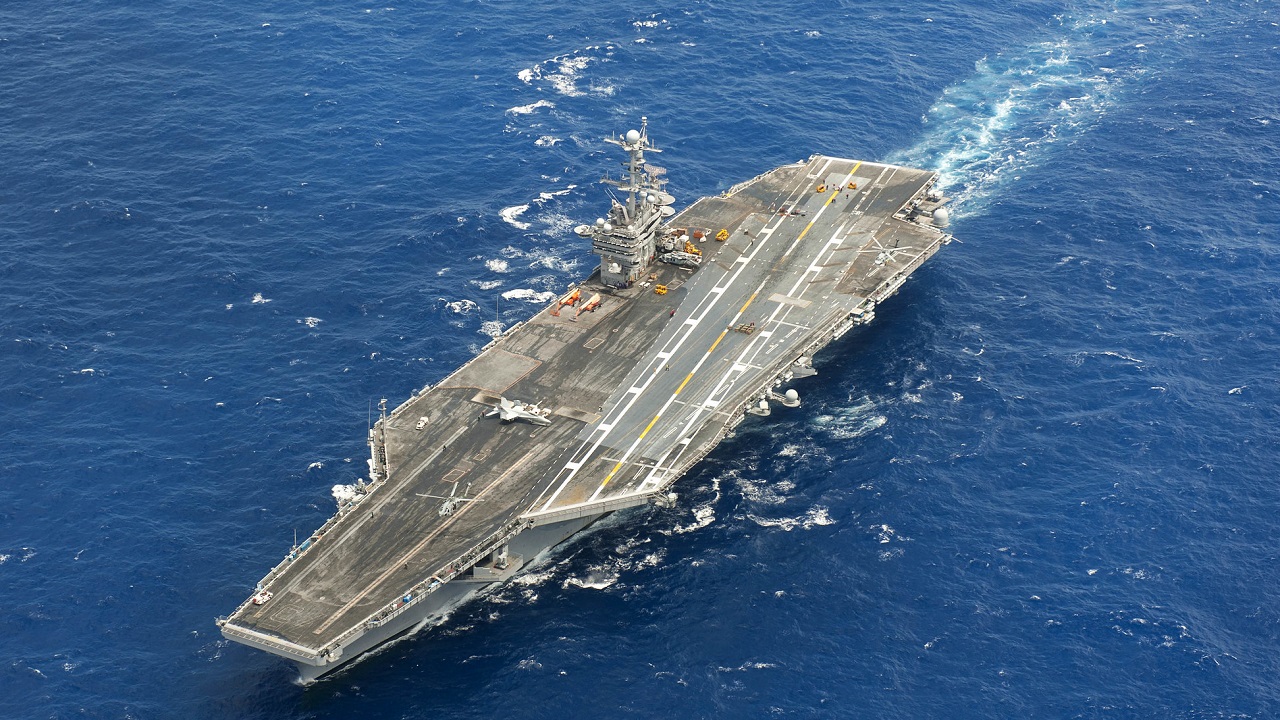
The aircraft carrier USS Harry S. Truman (CVN 75) steams through the Atlantic Ocean July 16, 2014. The Harry S. Truman was underway conducting an ammunition transfer. (DoD photo by Mass Communication Specialist 3rd Class Karl Anderson, U.S. Navy/Released)
The project comes amid concern about delays affecting previous Nimitz-class carrier overhauls.
Now, the Navy needs to keep the Truman on schedule to maintain fleet availability.
What is RCOH?
Refueling and Complex Overhaul (RCOH) is the most extensive maintenance period in a nuclear aircraft carrier’s service life. Nimitz-class carriers are designed to operate for approximately 50 years. Around the midpoint of that lifespan, their nuclear reactors must be refueled.
The Truman, which entered service in 1998, is now due for its midlife overhaul.
The ship uses two Westinghouse A4W nuclear reactors, which provide steam for propulsion and electrical generation.
For both reactors, workers will replace the reactor fuel and conduct extensive maintenance throughout the propulsion plant.
The overhaul also allows the Navy to replace aging equipment and modernize the ship’s combat systems.
According to the Navy, RCOH accounts for roughly one-third of the maintenance and modernization performed during a carrier’s entire service life.
RCOH Specifics
Workers must access the carrier’s reactor compartments to remove spent nuclear fuel and install replacement cores.
Major propulsion systems, including the turbines, generators, piping, and associated machinery, undergo inspection and refurbishment.
Shipbuilders also examine the hull, repair corrosion, restore tanks, and overhaul underwater components.
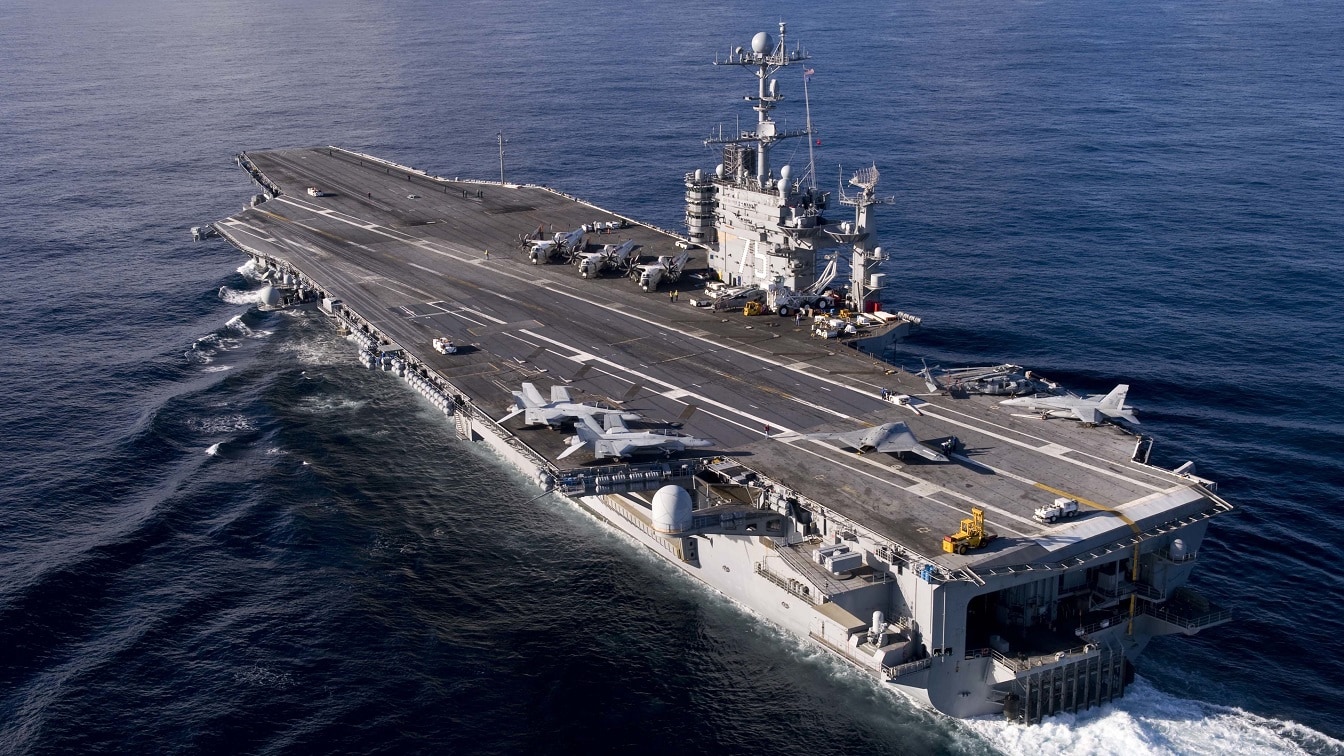
ATLANTIC OCEAN (Dec. 9, 2012) The X-47B Unmanned Combat Air System (UCAS) demonstrator taxies on the flight deck of the aircraft carrier USS Harry S. Truman (CVN 75). Harry S. Truman is the first aircraft carrier to host test operations for an unmanned aircraft. Harry S. Truman is underway supporting carrier qualifications.
The carrier’s electrical distribution systems and internal infrastructure receive extensive attention, while combat-system upgrades may include radar, communications, computing networks, and defensive weapons.
Meanwhile, flight deck equipment, including aviation support facilities and aircraft-handling systems, is also inspected and modernized.
Crew accommodations, medical facilities, galleys, and other living spaces are refurbished to compensate for almost three decades of hard living at sea.
The work involves thousands of personnel and extensive coordination among specialized trades.
Because so many systems are interconnected, delays in one area can disrupt subsequent tasks elsewhere in the ship.
History of Delays
Some recent RCOHs have run into problems.
The most prominent recent example is the USS George Washington, whose RCOH began in 2017 and lasted six years, with the carrier not delivered back to the Navy until 2023.
Several factors contributed to the Washington’s RCOH delay. Pandemic disruptions affected labor availability and production schedules.
Workforce shortages impacted the number of qualified shipyard workers.
Supply-chain problems delayed materials and components needed to finish the job.
The Washington also needed unanticipated repairs.
And compounding everything was Newport News’s limited industrial capacity, spread thin across multiple major naval projects.
Avoiding Future Delays
The Navy hopes to avoid another delay with the Truman. Accordingly, the Navy and HII have introduced measures to improve planning and schedule performance, such as a Smart Start preparation period that began in November 2025, ahead of Truman’s full overhaul.
Early activities included inspections, engineering preparations, material procurement, and preliminary work. Completing these tasks before the main overhaul could reduce the number of surprises encountered later.
The contract also incorporates financial incentives intended to encourage schedule performance.
The goal is to distribute risk more effectively between the government and shipbuilder.
Better planning should help identify long-lead components and workforce requirements earlier.
However, these changes cannot eliminate every potential complication.
The project ultimately depends on qualified labor, timely material deliveries, and successful integration of numerous complex systems.
The Expected Timeline
From late 2026–2027, the Truman will undergo initial dismantling, inspections, reactor-access work, and removal of equipment requiring replacement.
From 2027 through 2029: nuclear refueling, structural repairs, propulsion maintenance, and extensive modernization. 2029–2030: continued installation and integration of upgraded systems, followed by undocking when sufficiently complete.
In 2030–31: final outfitting, system activation, testing, and preparation for sea trials.
Then 2031 will be for sea trials and redelivery, with delivery expected in November.
In sum, the overhaul is essential to preserving the Navy’s nuclear-powered carrier fleet. But the project also tests whether shipyard reforms can overcome persistent labor, supply-chain, and scheduling problems.
About the Author: Harrison Kass
Harrison Kass is a writer and attorney focused on national security, technology, and political culture. His work has appeared in Tablet, City Journal, The Hill, The Spectator, and The Cipher Brief. He holds a JD from the University of Oregon and a master’s in Global & Joint Program Studies from NYU—more at harrisonkass.com.