
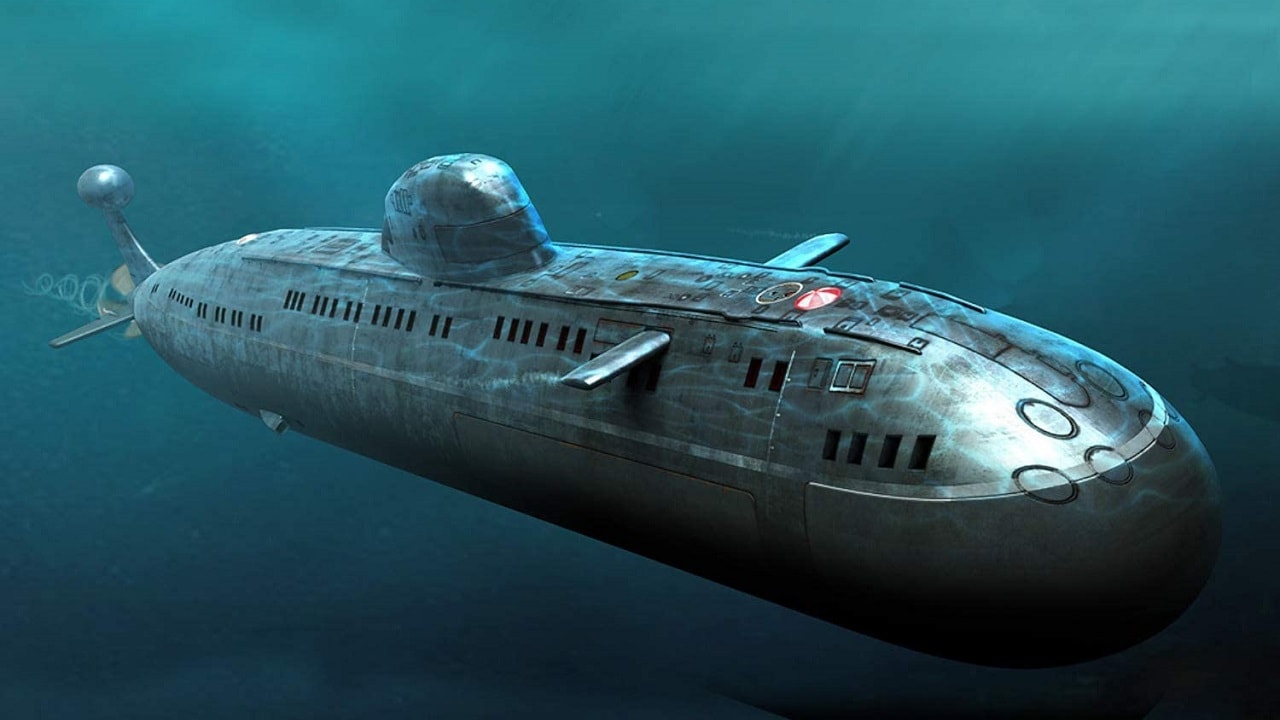
The Russian Navy’s Laika-class Nuclear Submarine – Key Points: Reported projections call for more than 11,000 tons submerged, 35 knots, and an operating depth of nearly 2,000 feet. But no Laika-class submarine has entered construction. Russia’s main nuclear submarine yard, Sevmash, is occupied with the Borei-A and Yasen-M, and earlier projections put a start between 2027 and 2030
The Lakia-class Submarine: Will She Ever Sail?
Russia has ambitious plans for a new generation of nuclear-powered submarines designed to challenge American and NATO naval forces.
The proposed Laika-class, also known as the Husky, would combine advanced technology with torpedoes and long-range missiles. Moscow hopes the new submarine will eventually replace aging Soviet-era attack boats, but despite years of development, no Laika-class submarine has entered construction.
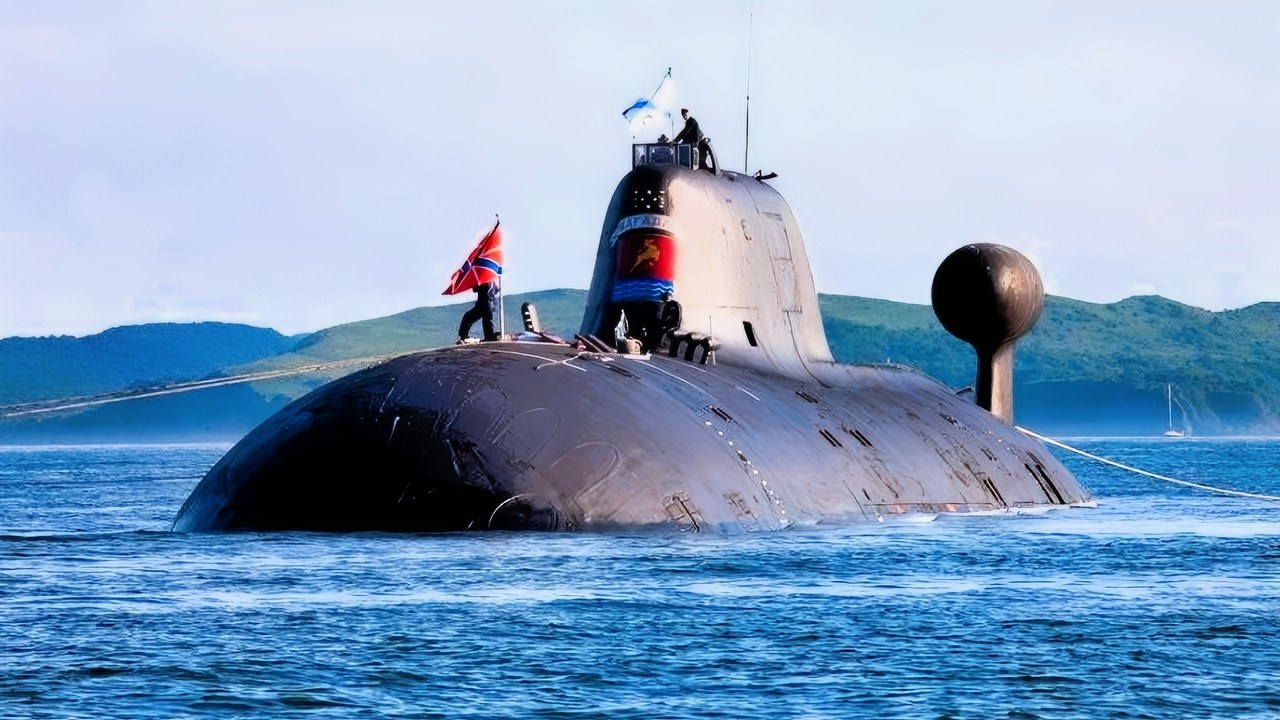
Akula-class Submarine Creative Commons
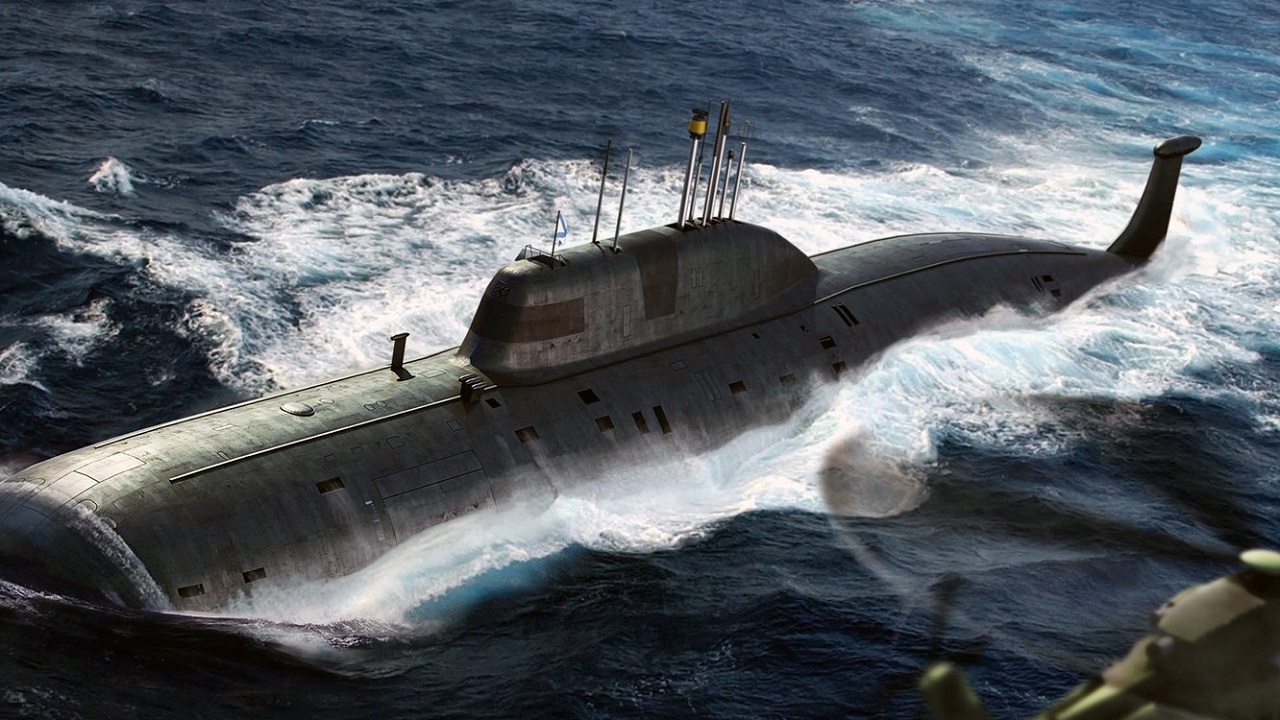
Akula-Class Submarine. Image Credit: Computer Generated Image, Screenshot.
The project seems to illustrate the gap between Russia’s ambitions to modernize its navy and its ability to produce a modern and sophisticated warship.
The Laika-class
Officially designated Project 545, the Laika is Russia’s proposed fifth-generation nuclear-powered multipurpose submarine designed by the Malachite Marine Engineering Bureau, which has extensive experience developing Soviet and Russian nuclear submarines.
Development reportedly began under the name Husky in 2014, with Russia’s defense ministry awarding a research and development contract in 2016.
The Laika designation was adopted around 2019.
The submarine is intended to succeed older Russian attack submarines still in service, including the Akula-class, Sierra-class, and Victor III-class.
The new boat would also complement or eventually succeed the newer Yasen-M-class submarines.
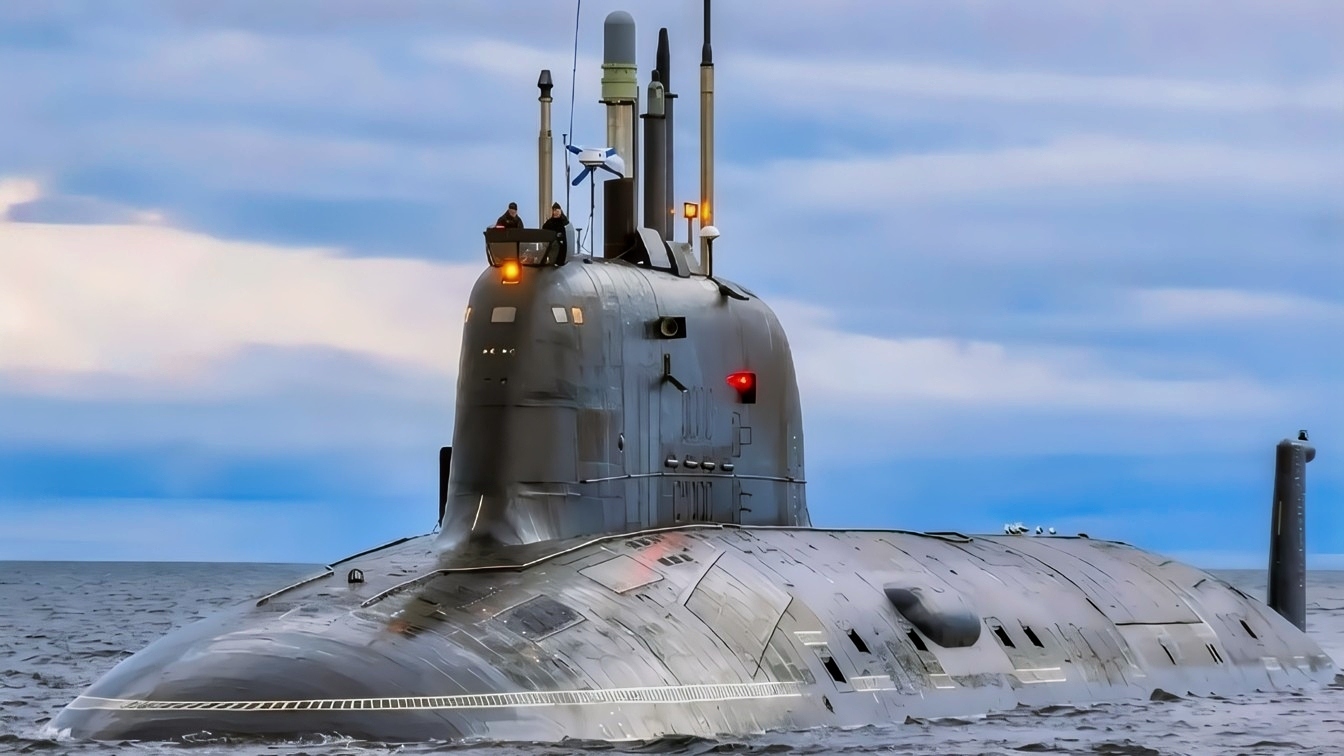
Yasen-Class Submarine Creative Commons
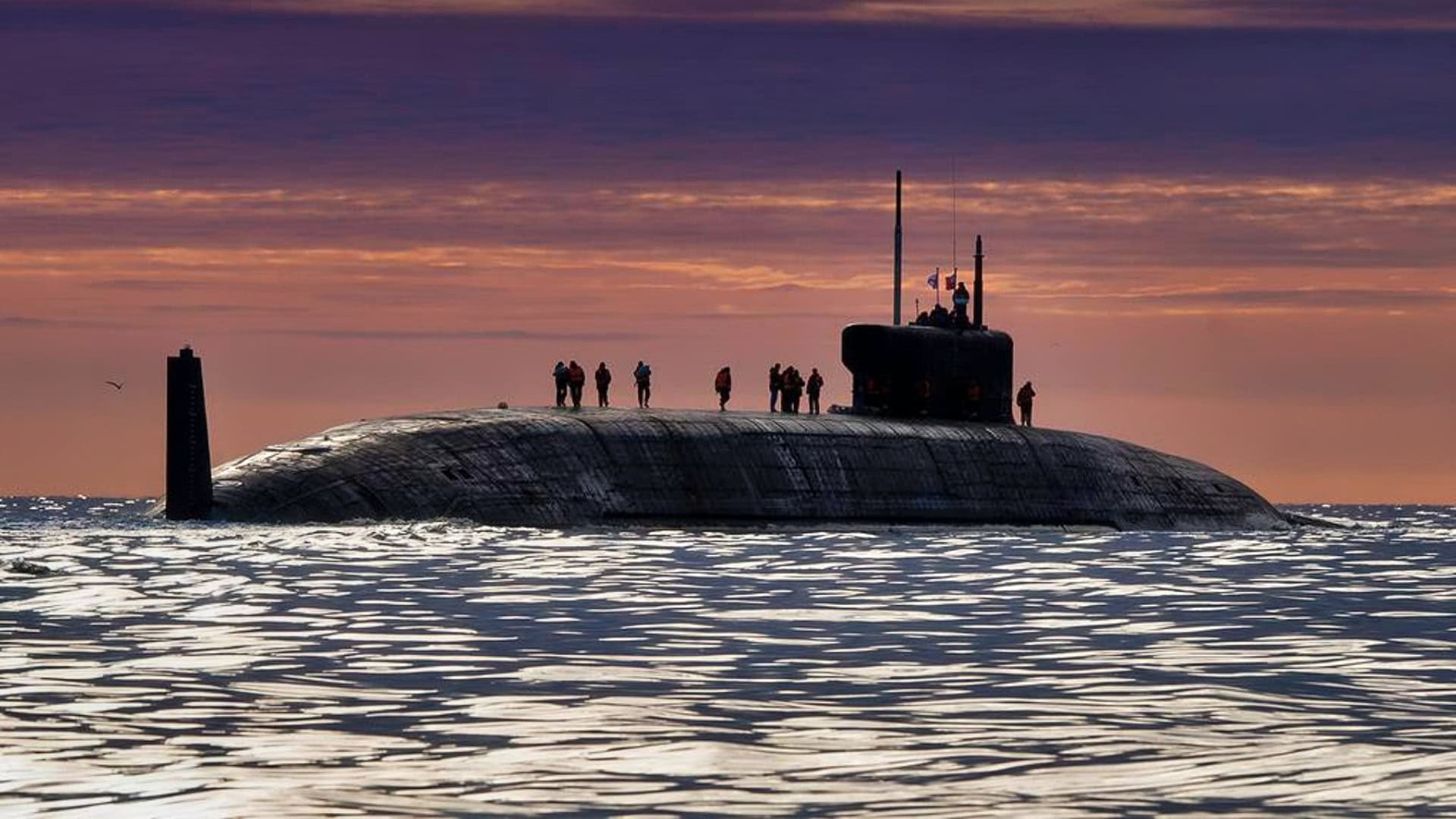
The Russian Navy is experiencing a resurgence, with new ships and submarines entering service despite ongoing challenges.
The program’s objective is to develop a more affordable, adaptable design that Russia could potentially produce in greater numbers.
The Capabilities Explained
Although the new submarine’s design remains preliminary, the concept suggests a large, capable nuclear submarine with reported specifications including over 11,000 tons of submerged displacement, a maximum underwater speed of 35 knots, an operating depth of nearly 2,000 feet, 90 days’ worth of endurance, and a nuclear reactor driving a conventional propeller.
Nuclear propulsion would allow the submarine to remain submerged for extended periods without regularly surfacing for fuel or air.
The proposed design reportedly incorporates advanced sonar equipment to detect other submarines and surface ships.
Russian designers also discuss composite materials and increased automation to reduce noise and crew requirements.
Of course, these figures are projections and not demonstrated performance characteristics.
Hunt and Strike
One of the Laika’s most important proposed features is its modular design. Rather than developing completely different submarines for every mission, Russia could theoretically use a common design for multiple roles.
Two principal configurations have been discussed: an attack submarine designed to hunt enemy submarines and surface ships using torpedoes and anti-submarine weapons; and a guided-missile submarine, equipped with additional missile-launching capacity for attacks against ships and land targets.
Potential onboard weapons include 533mm torpedoes for underwater engagements, Kalibr cruise missiles for long-range strikes, Oniks anti-ship missiles, and Zircon hypersonic missiles that can threaten heavily defended surface vessels.
Fielding a New Attack Submarine
Submarines have long been one of Russia’s most important military advantages. Nuclear-powered attack submarines can threaten enemy warships, monitor naval movements, and protect Russian ballistic missile submarines.
Attack submarines are especially important in the North Atlantic and Arctic, where Russian and NATO naval forces often overlap.
The Laika is intended to improve upon older Soviet-era submarines, potentially costing less than the sophisticated Yasen-M, which is heavily armed and quite capable—but expensive and complicated to manufacture.
A smaller, more standardized design could theoretically allow Russia to build more submarines with its limited resources.
Still Waiting
The Laika’s most immediate problem is not its projected capabilities but its uncertain production schedule. Russia’s principal nuclear submarine construction yard, Sevmash, remains occupied with existing programs like the Borei-A ballistic-missile submarine and the Yasen-M submarine.
Also, Western sanctions and the financial demands of the war in Ukraine have further complicated Russian defense modernization.
Earlier projections suggested Laika construction could begin between 2027 and 2030.
However, no confirmed construction contract or keel laying has happened yet, so the boat’s operational debut seems far off.
The Laika-class could eventually give Russia a quieter, more flexible submarine capable of threatening NATO ships and launching advanced missiles.
But designs are only useful if they can be manufactured and deployed at a meaningful scale.
Until Russia begins construction, the Laika remains only a promising concept rather than a demonstrated addition to its submarine fleet.
About the Author: Harrison Kass
Harrison Kass is a writer and attorney focused on national security, technology, and political culture. His work has appeared in Tablet, City Journal, The Hill, The Spectator, and The Cipher Brief. He holds a JD from the University of Oregon and a master’s in Global & Joint Program Studies from NYU—more at harrisonkass.com.