
Summary and Key Points: Iran has been rocked by nationwide protests since December 28 after rising inflation and a currency plunge, followed by a brutal crackdown amid a near-total internet blackout.
-Reports cited by observers put deaths above 2,500, though exact figures are hard to confirm. Trump says help is “on its way,” warns Tehran against further executions, and signals “very strong action.”
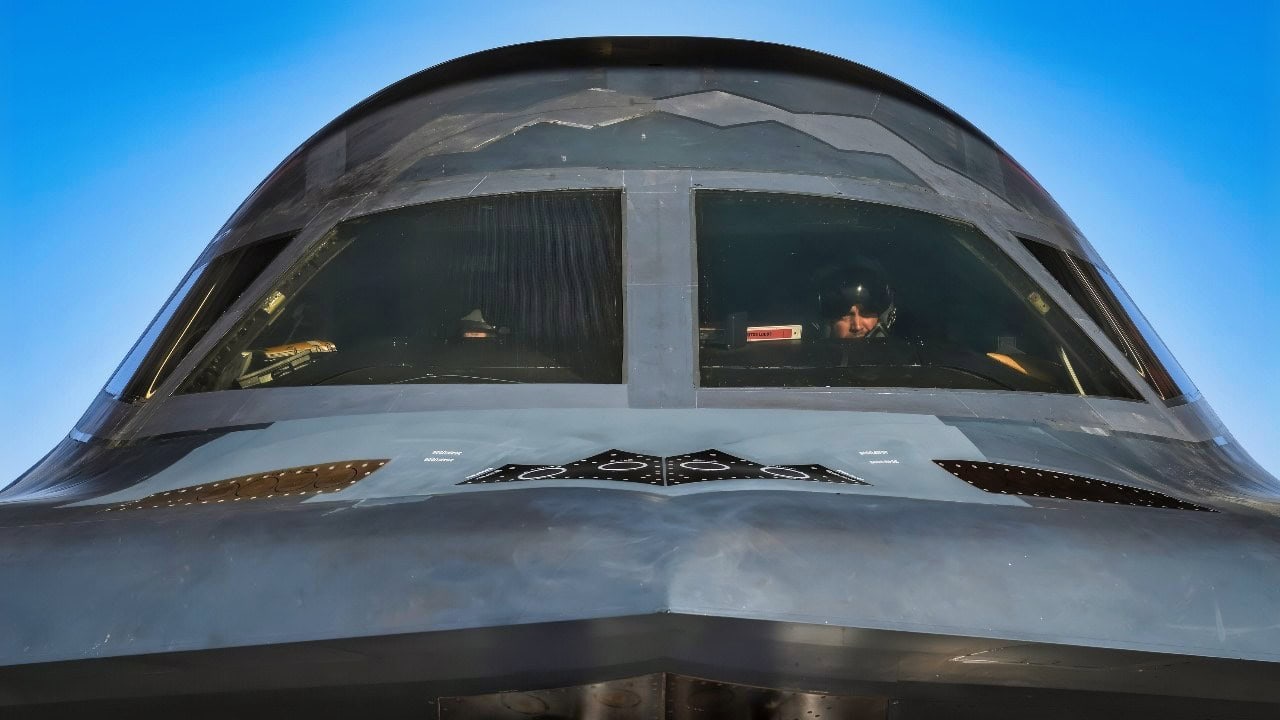
B-2 Bomber. Image Credit: Creative Commons.
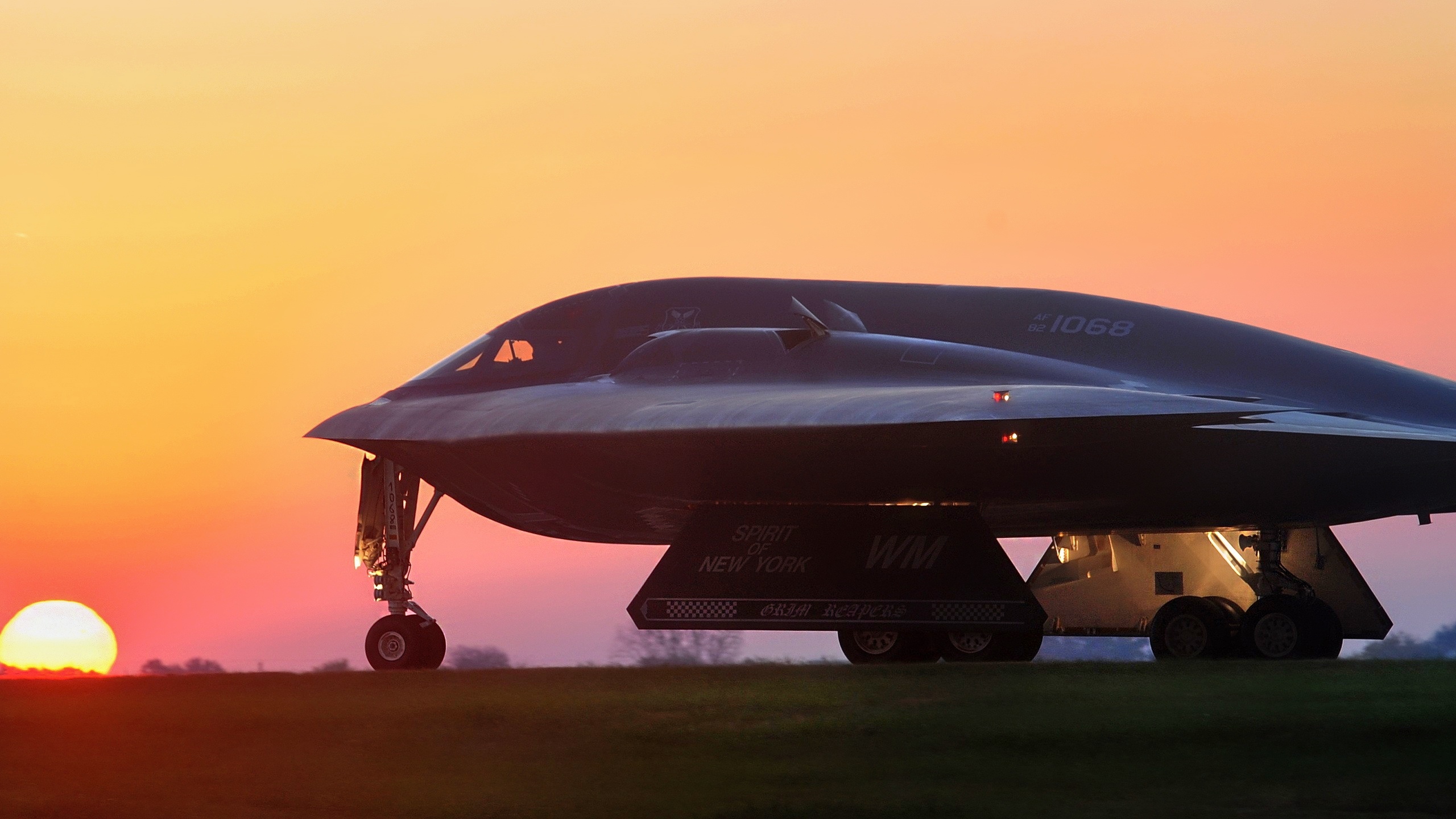
B-2 Bomber. Image Credit: Creative Commons.
-Options include new economic pressure—such as a 25 percent tariff on countries doing business with Iran—alongside cyber operations to disrupt regime communications.
-A military option also looms, with potential strikes focused on regime control nodes, drawing on the precedent of Operation Midnight Hammer.
Trump Has a Message for Iran: “Very Strong Action” If Executions Continue
While widespread protests against the oppressive regime in Iran have occurred in the past, this round of demonstrations is different. Unrest has spread across the Islamic Republic over the last week, which has been met with a particularly brutal crackdown. The death toll, according to some reports, jumps to more than 2,500 activists. This round of protests officially began on December 28, when shopkeepers took to the streets of Iran in response to rising inflation and yet another fall in the value of currency.
University students and others quickly jumped on board to protest against the oppressive regime spearheaded by the nation’s Supreme Leader, Ayatollah Ali Khamenei. Iran’s leadership specifically targets women, subjugating them through practices including the mandatory hijab (headscarf) law and other formidable laws that have been referred to as “gender apartheid” in the country.
While these demonstrations and the regime’s responsive crackdown continue to unfold, Iranian authorities have imposed a near-total social media and internet blackout in the country. Still, audio and video representing the indiscriminate murder of activists and acts of bravery and resistance shown by protestors have been widely circulated.
One doctor in Iran, according to a New York Times report, refers to the ongoing crackdown as a “mass-casualty situation,” adding that “Our (hospital’s) facilities, space and personnel were far below the number of injured people arriving. The trauma cases I saw were brutal, shoot to kill.”
B-2 Bomber. Image Credit: Creative Commons.
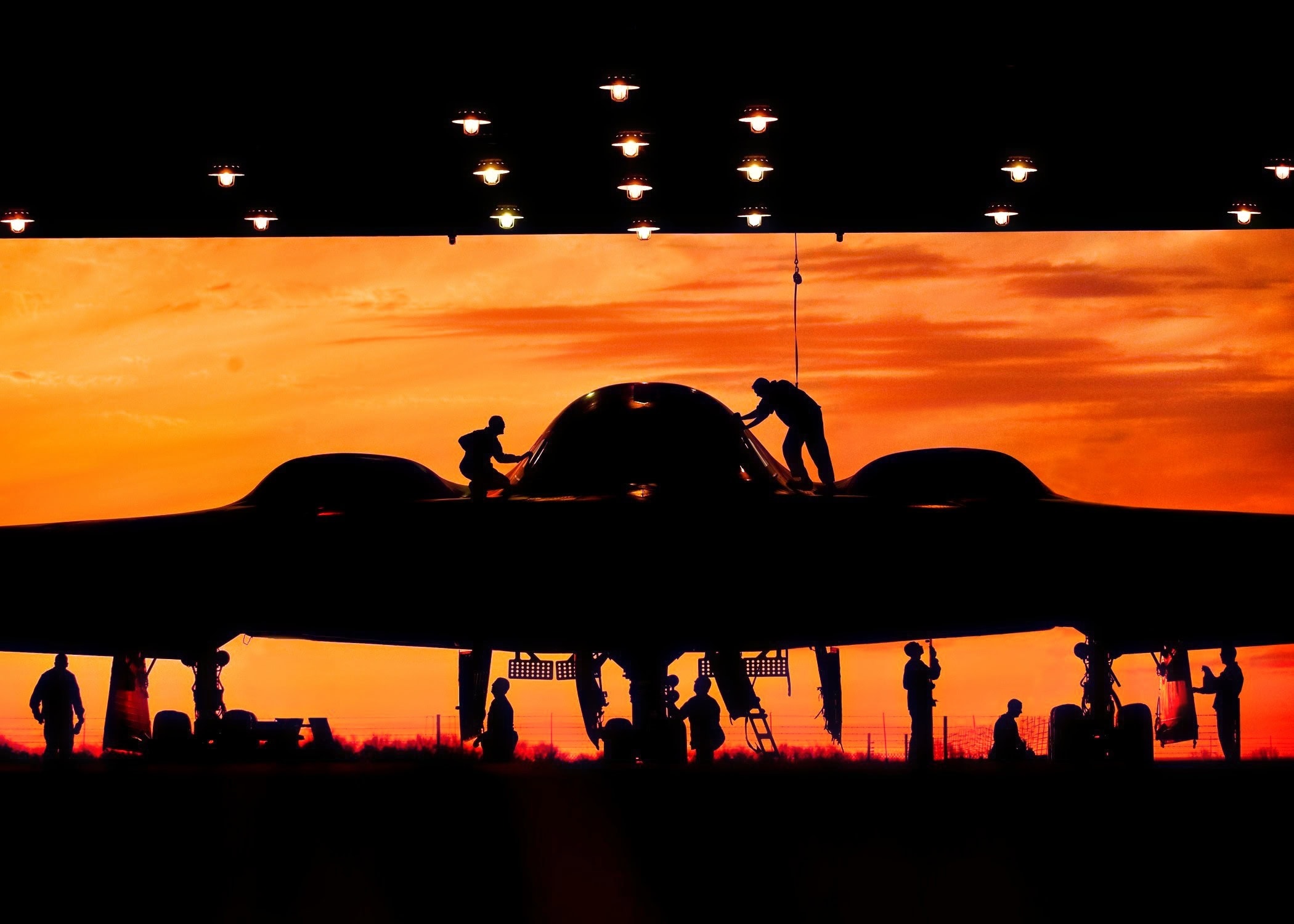
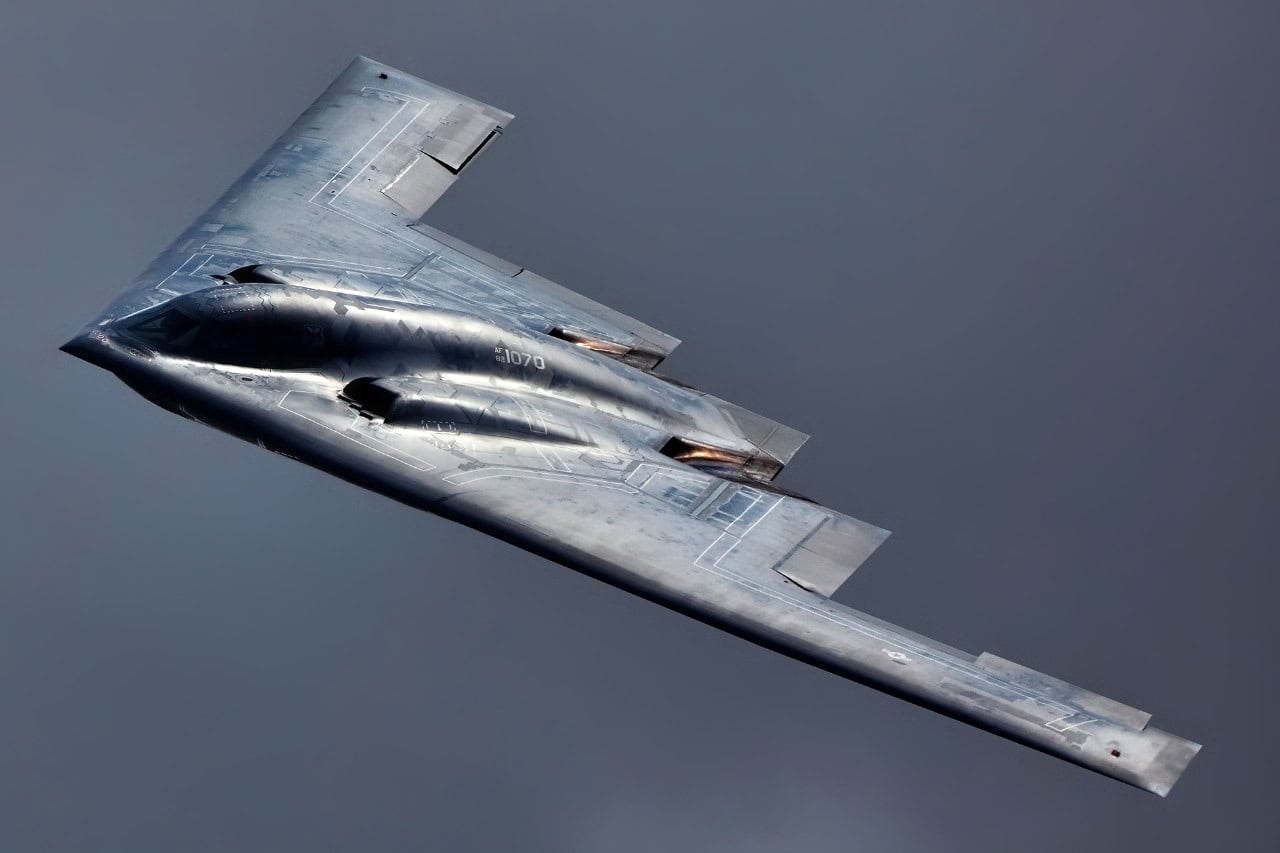
B-2 Spirit Bomber. Image Credit: Creative Commons.
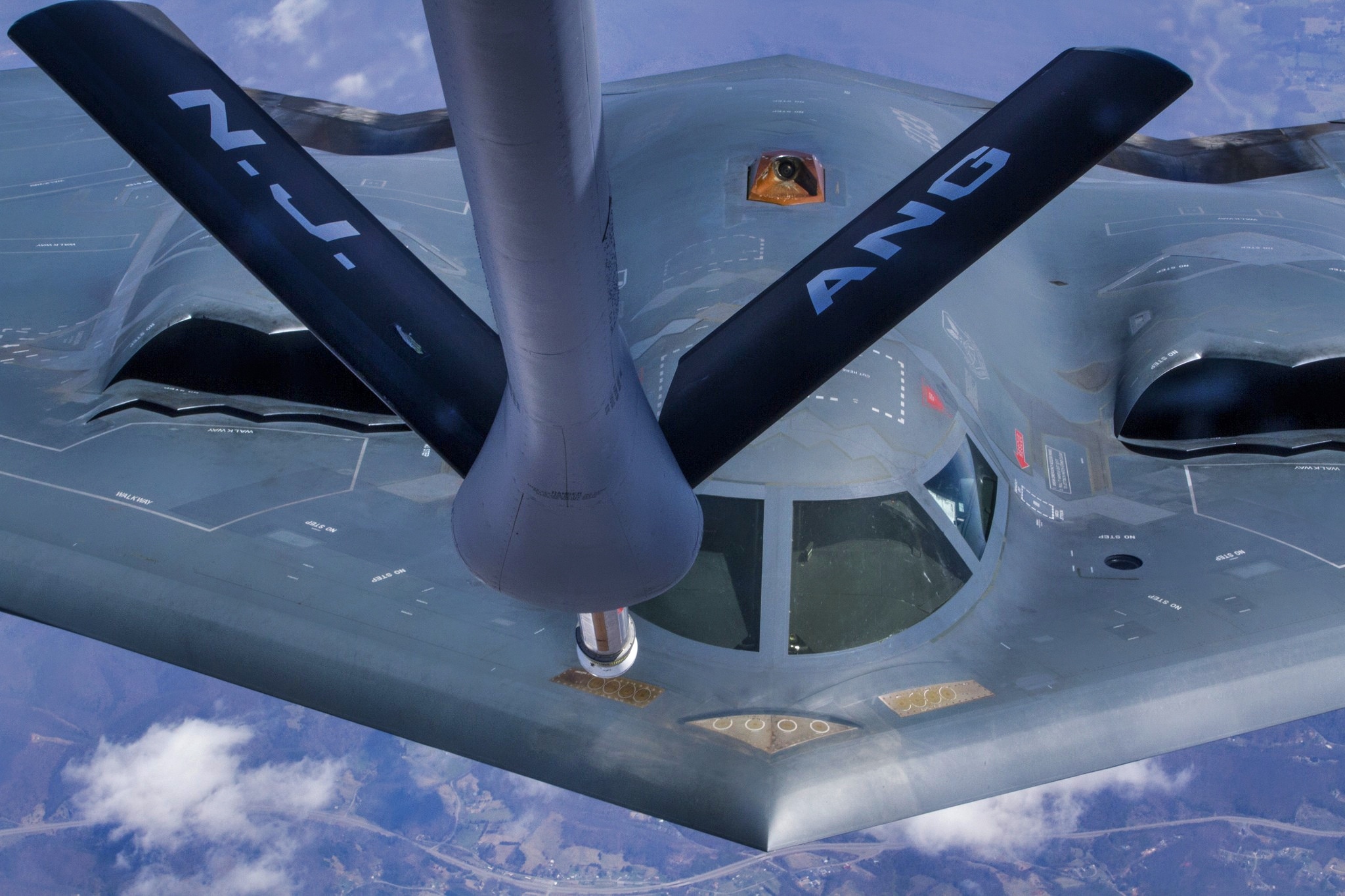
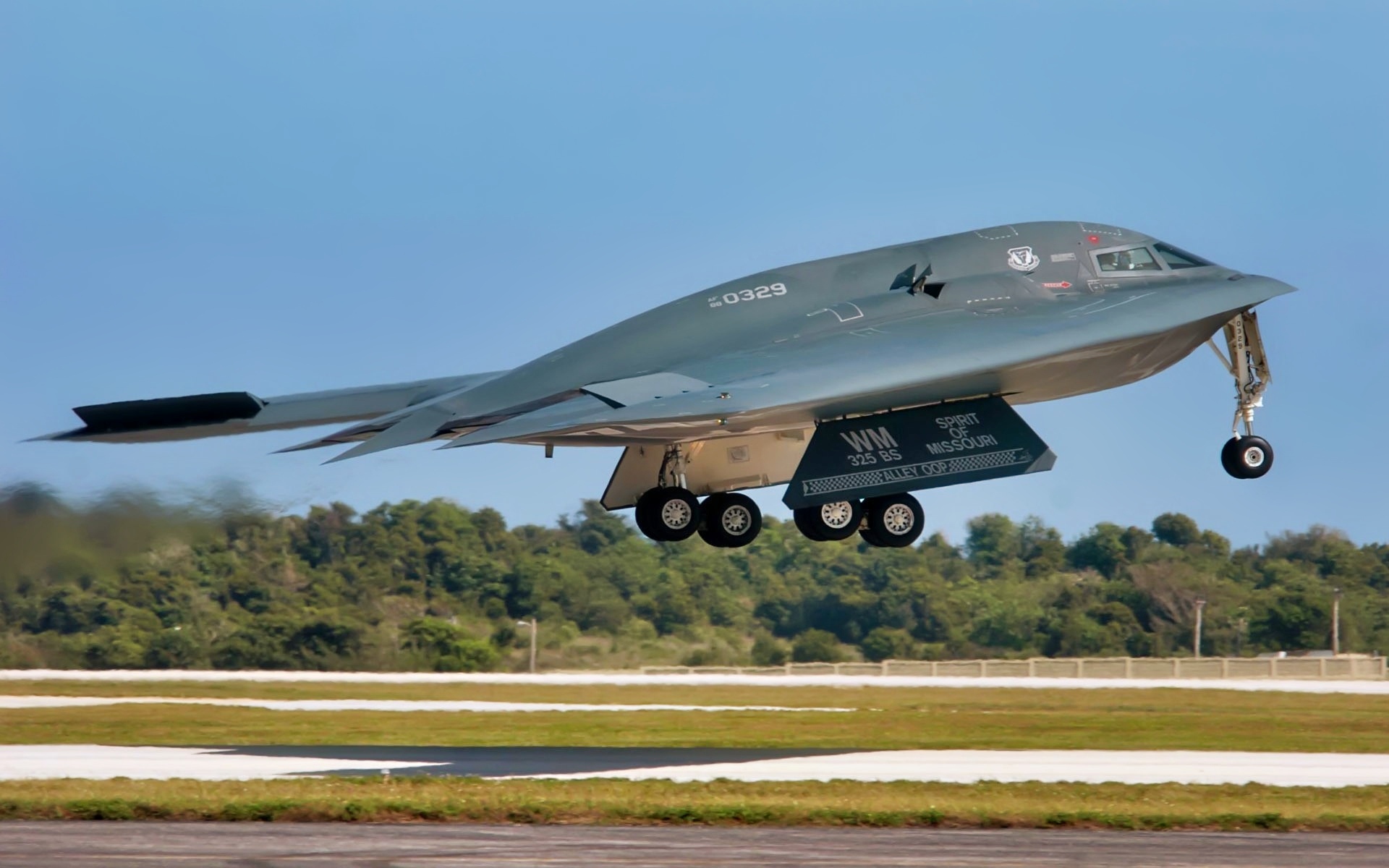
B-2 Spirit Stealth Bomber. Image Credit: Creative Commons.
Last week, videos recorded from the Kahrizak Forensic Center in Tehran showed scores of people searching for the bodies of their loved ones. Rows of body bags can be seen in the footage. Obviously, obtaining exact figures on the death toll is near impossible, considering the internet blackout and misinformation fueled by the regime.
How Is the U.S. Involved?
In response to the unrest in Iran, US President Donald Trump has assured protesters that help is “on its way.” The President has also warned the regime that “very strong action” would be taken against them if executions of activists continue.
Iran’s Foreign Minister Abbas Araghchi has cautioned that the regime would defend itself against “evil and foreign intervention,” according to the BBC. A Telegram post further detailed Araghchi’s rhetoric, noting that “Referring to the provocative statements of American officials, which are considered blatant interference in Iran’s internal affairs, Araghchi emphasized the determination of the Iranian people to defend national sovereignty and the country’s security against any evil and foreign interference.” The State Department has been posting statements in Farsi on X in recent days, including one that warns Tehran: “Don’t play games with President Trump.”
What are Trump’s Options on Iran?
It appears that Trump’s warnings to the regime will indeed be followed at least by economic action. On Monday, the US President said that nations that do business with Iran will face a new 25 percent tariff.
Additionally, the Trump White House has weighed potential US military intervention to aid in the rescue of anti-government protesters in the country. The Trump administration could dispatch a cyberattack targeting the regime’s communication networks. Alternatively, the US could order direct military intervention in the country, although this action would certainly be more controversial.
The Path To War…
Over the summer, the US launched a wide-scale high-stakes air campaign targeting nuclear facilities across Iran in an unprecedented mission dubbed Operation Midnight Hammer. The June strike represented the first time the US military deployed its massive, 15-ton GBU-57 bunker buster bombs in combat via B-2 bombers.
Notably, 14 of these bombs were used to “totally obliterate” the nuclear sites, as President Donald Trump said during his live address to the nation in the direct aftermath of the operation
. In addition to the B-2, over 125 aircraft, including F-35s, F-22s, air-refueling tankers, and intelligence platforms, took part in Operation Midnight Hammer. Clearly, the White House is not opposed to directly intervening militarily in Iran.
However, if the Trump team were to dispatch US forces to the region, non-nuclear sites would likely be targeted. According to ABC News contributor and former deputy assistant secretary of defense for the Middle East at the Pentagon, Mick Mulroy, potential strikes would more likely “be focused on regime targets specific to controlling, or oppressing, the protests.”
As the protests and their accompanying crackdown by the Iranian regime continue to unfold, the world will be watching closely, especially as potential foreign responses are considered.
About the Author: Maya Carlin
Maya Carlin, national security writer with 19FortyFive, is an analyst with the Center for Security Policy and a former Anna Sobol Levy Fellow at IDC Herzliya in Israel. She has over 1,000 articles published over the last several years on various defense issues. Carlin has bylines in many publications, including The National Interest, Jerusalem Post, and Times of Israel. You can follow her on Twitter: @MayaCarlin.