
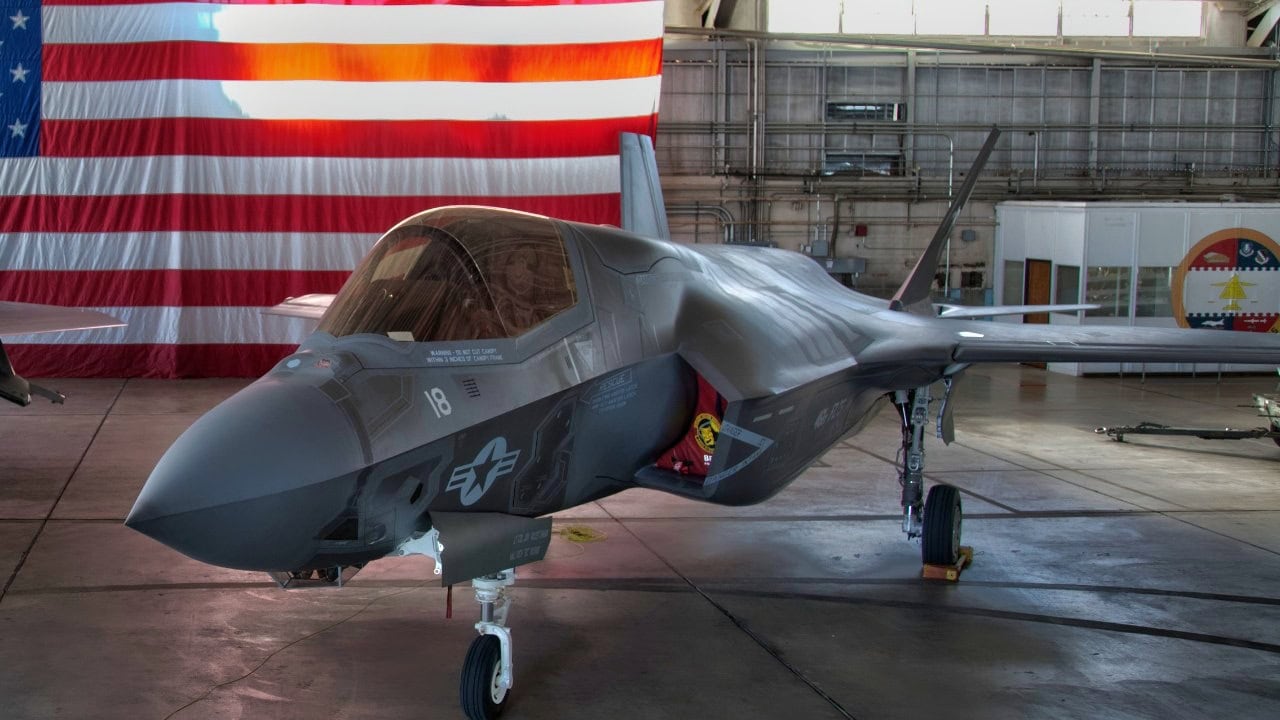
Summary: Ferrari F-35 Could Fly To 2070s…If It Does Fly
-Lockheed Martin is proposing a “fifth-generation-plus” F-35 that borrows technologies developed during its sixth-generation work, framed by CEO Jim Taiclet as turning the jet into a “Ferrari.”
-The concept emphasizes upgraded stealth coatings, improved sensors, stronger electronic warfare, and potentially new weapons, marketed as delivering roughly 80 percent of sixth-generation capability at about half the cost of a clean-sheet platform.
-Advocates argue it could be fielded faster by upgrading an established global fleet and production base.
-Risks include creating expensive sub-variants, adding sustainment and training burdens, and diverting funding from NGAD, F/A-XX, munitions, and readiness—especially with Block 4 and TR-3 already behind schedule.
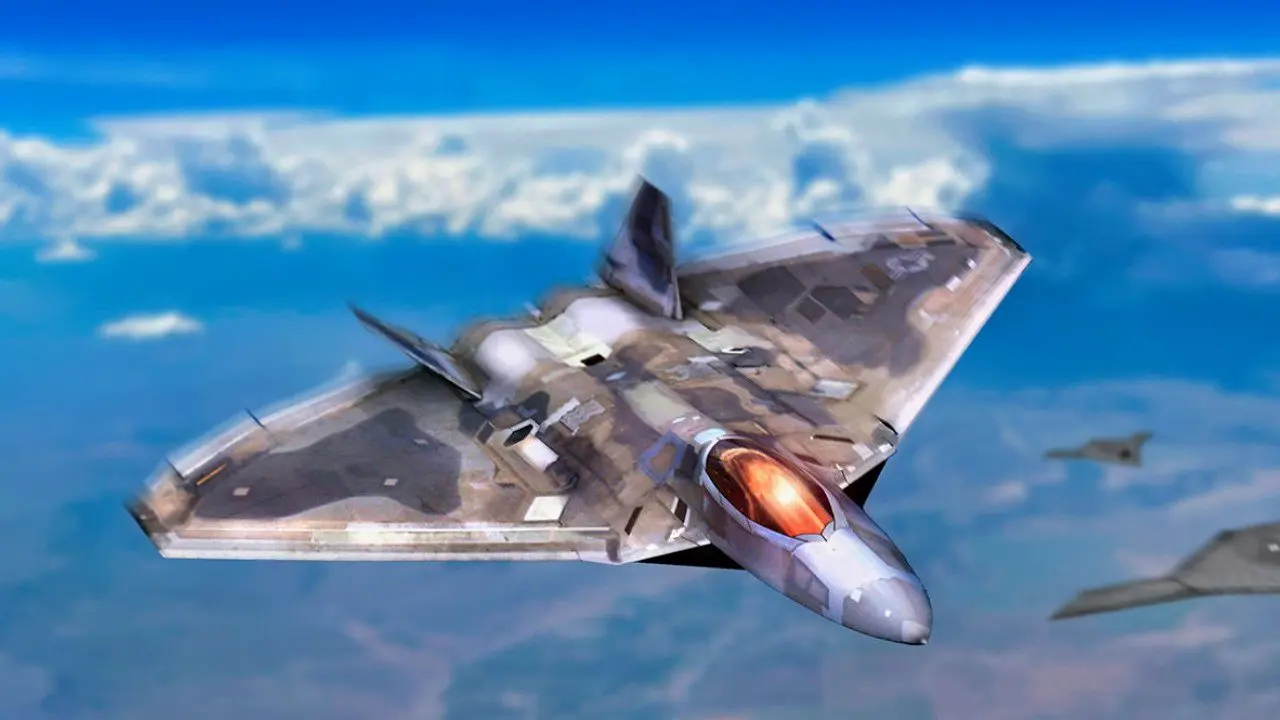
NGAD Fighter. Artist Rendering.
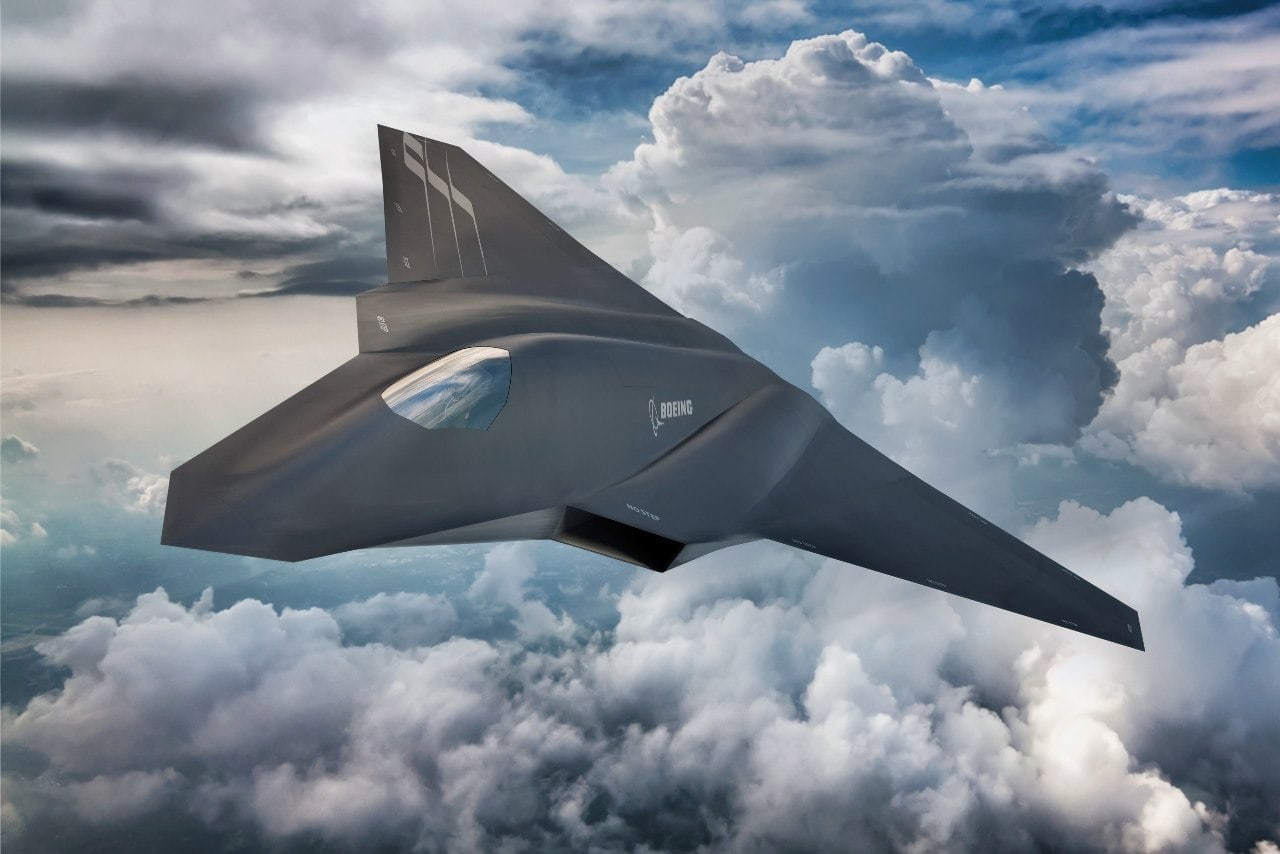
NGAD Fighter from Boeing.
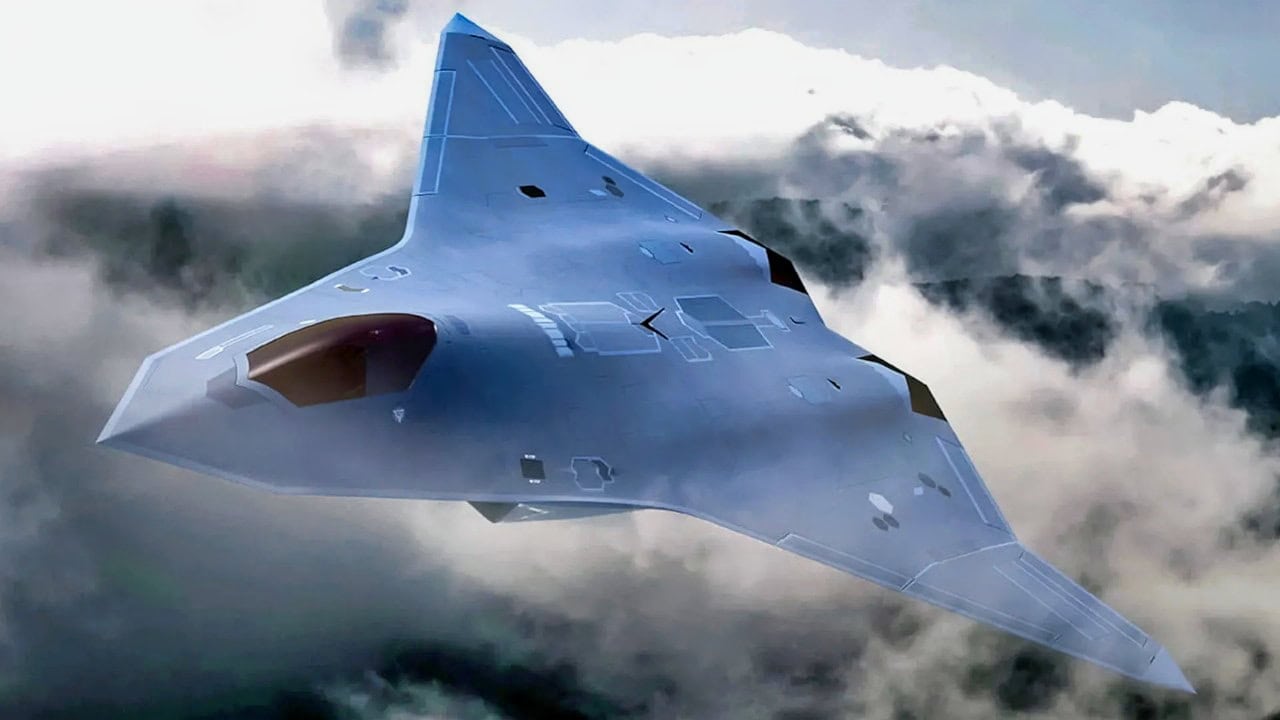
NGAD Fighter. Image Credit: Creative Commons.
Lockheed’s “Ferrari” F-35: 80% of Sixth-Gen Capability at Half the Cost?
As the U.S. military weighs how to balance near-term modernization with longer-term sixth-generation ambitions, Lockheed Martin is pushing ahead with a proposal that would significantly expand the capabilities of its existing F-35 fleet.
The company is pitching what it calls a “fifth-generation-plus” variant of the F-35 Lightning II – informally described by CEO Jim Taiclet as turning the aircraft into a “Ferrari” of combat jets by integrating advanced technologies originally developed for next-generation fighters.
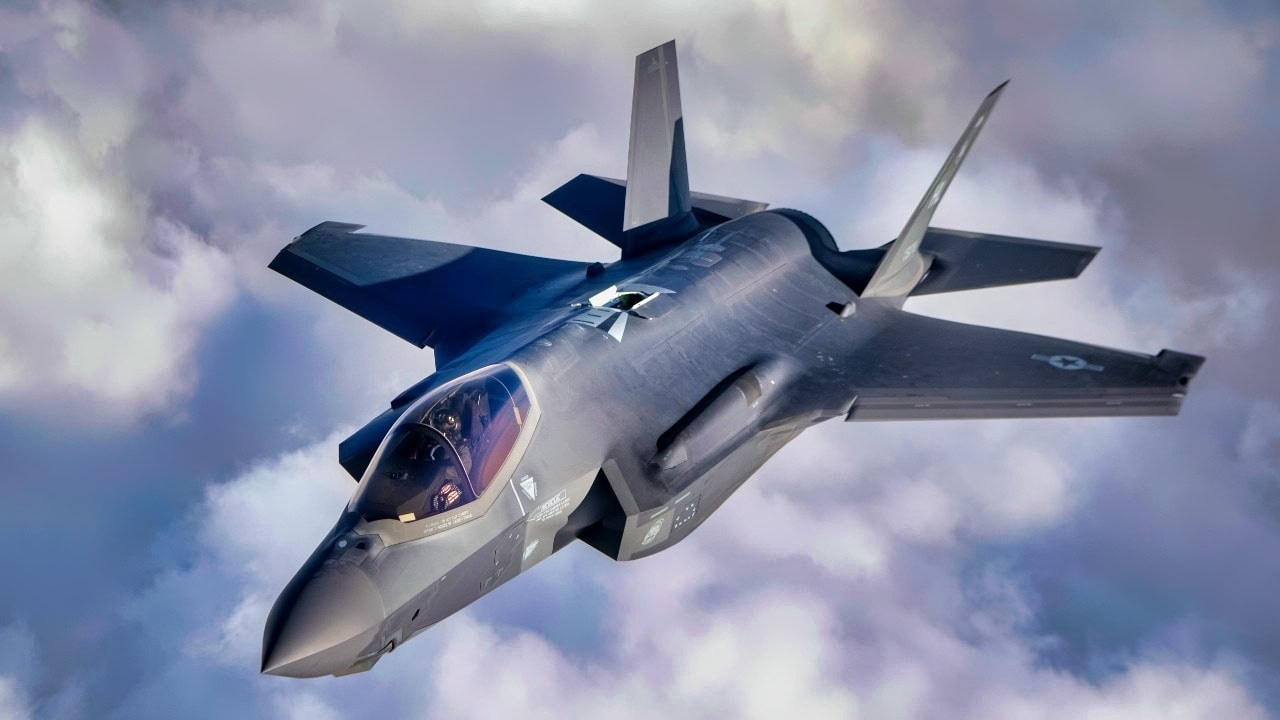
A U.S. Air Force F-35 Lightning II flies over the U.S. Central Command area of responsibility, July 15, 2020. The F-35 Lightning II is an agile, versatile, high-performance, multirole fighter that combines stealth, sensor fusion and unprecedented situational awareness. (U.S. Air Force photo by Airman 1st Class Duncan C. Bevan)
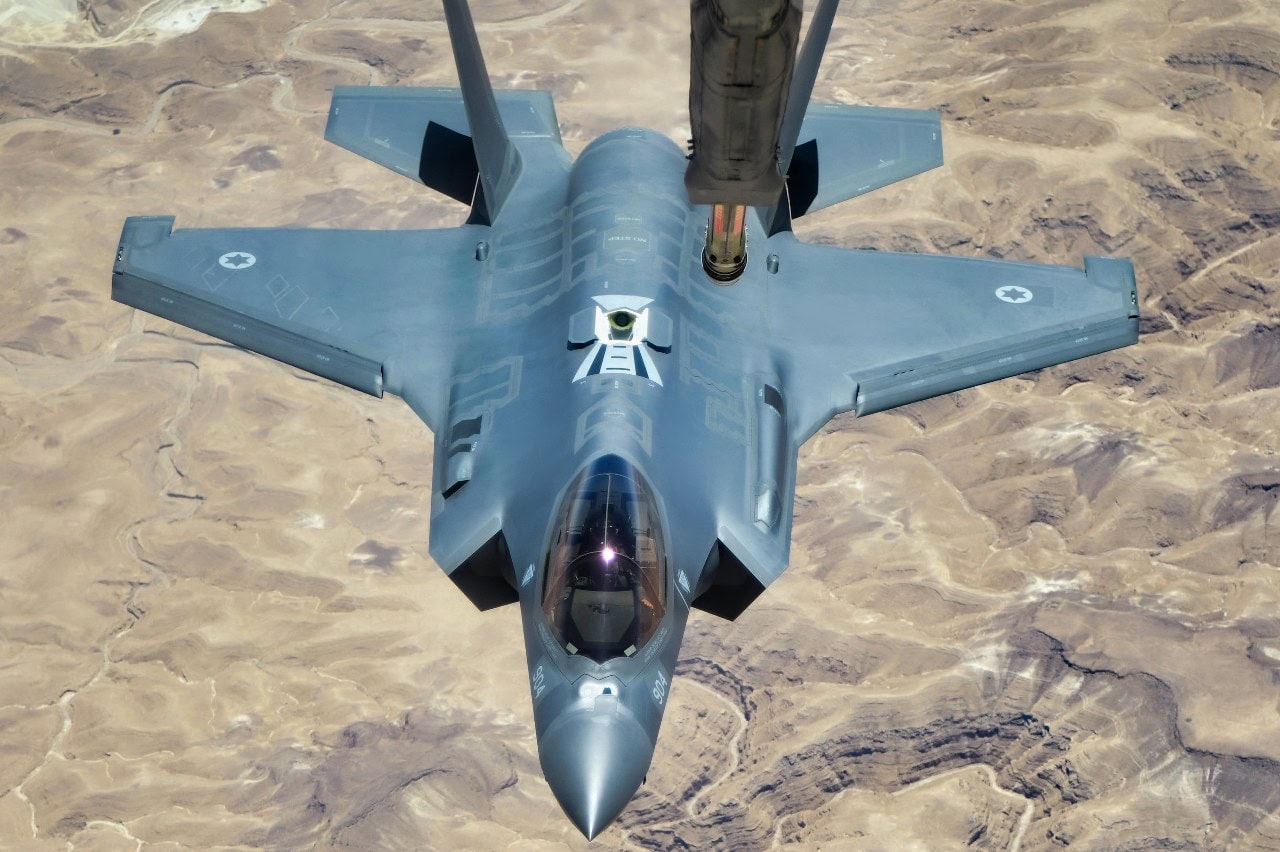
An Israeli Air Force F-35I Lightning II “Adir” approaches a U.S. Air Force 908th Expeditionary Refueling Squadron KC-10 Extender to refuel during “Enduring Lightning II” exercise over southern Israel Aug. 2, 2020. While forging a resolute partnership, the allies train to maintain a ready posture to deter against regional aggressors. (U.S. Air Force photo by Tech. Sgt. Charles Taylor)
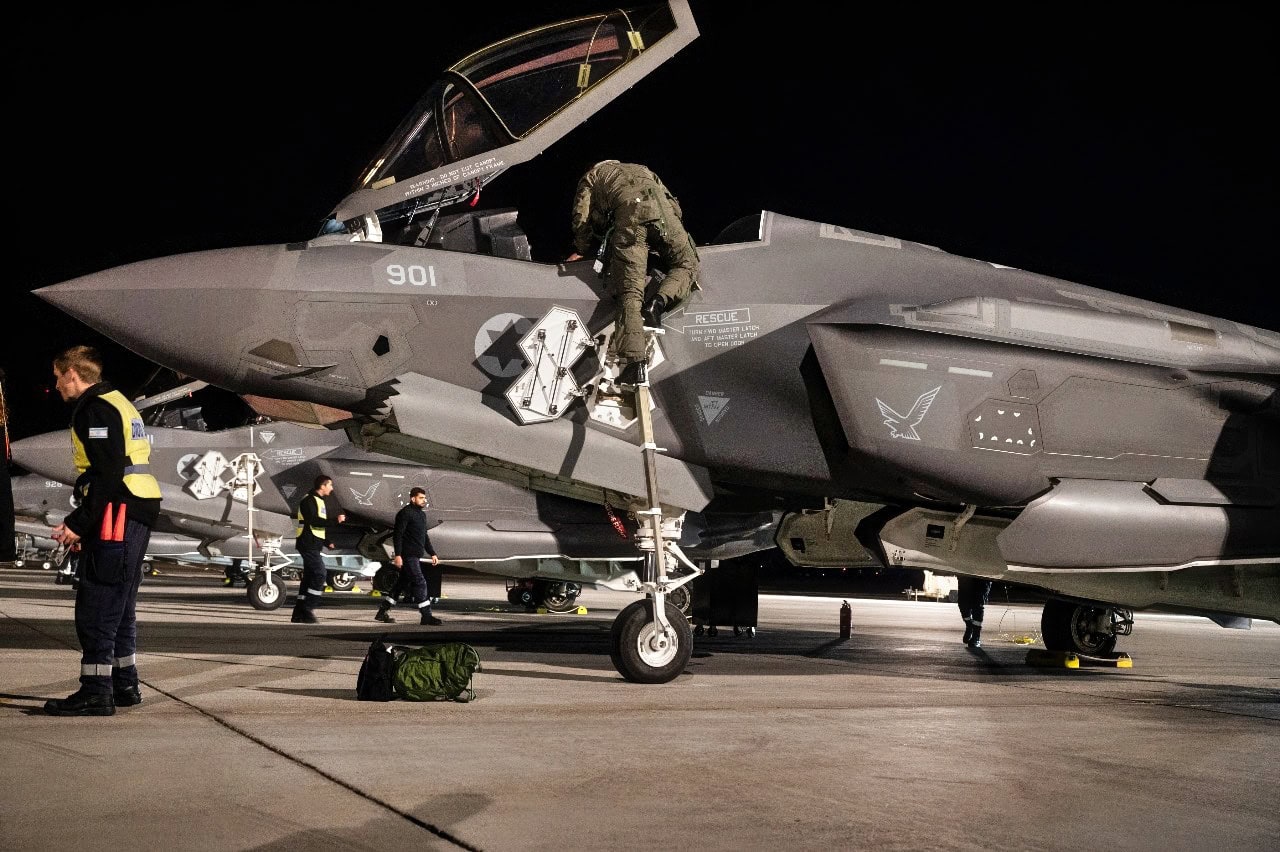
An Israeli Air Force pilot climbs into an F-35I Adir prior to a Red Flag-Nellis 23-2 mission at Nellis Air Force Base, Nevada, March 16, 2023. Red Flag is an opportunity to build on the success of JUNIPER OAK 23-2, JUNIPER FALCON, and additional combined exercises to enhance interoperability with Israel, strengthen bilateral cooperation, and improve capabilities in ways that enhance and promote regional stability and reinforce the United States’ enduring commitment to Israel’s security. (U.S. Air Force photo by Airman 1st Class Trevor Bell)
The pitch – which is still under consideration – comes after Lockheed’s failed bid to build the Air Force’s new sixth-generation fighter – the Boeing F-47 under the Next Generation Air Dominance (NGAD) program. And while Lockheed may not have gotten the contract it had originally hoped for, a push to upgrade the world’s most advanced operational stealth fighter might prove just as fruitful both for the company and the United States. If successful, the idea could keep the F-35 core relevant decades into the future.
The F-35 program itself is already the Pentagon’s largest weapons acquisition, with costs that have ballooned over time and sustainment forecasts now running into the trillions of dollars through the middle of the 21st century.
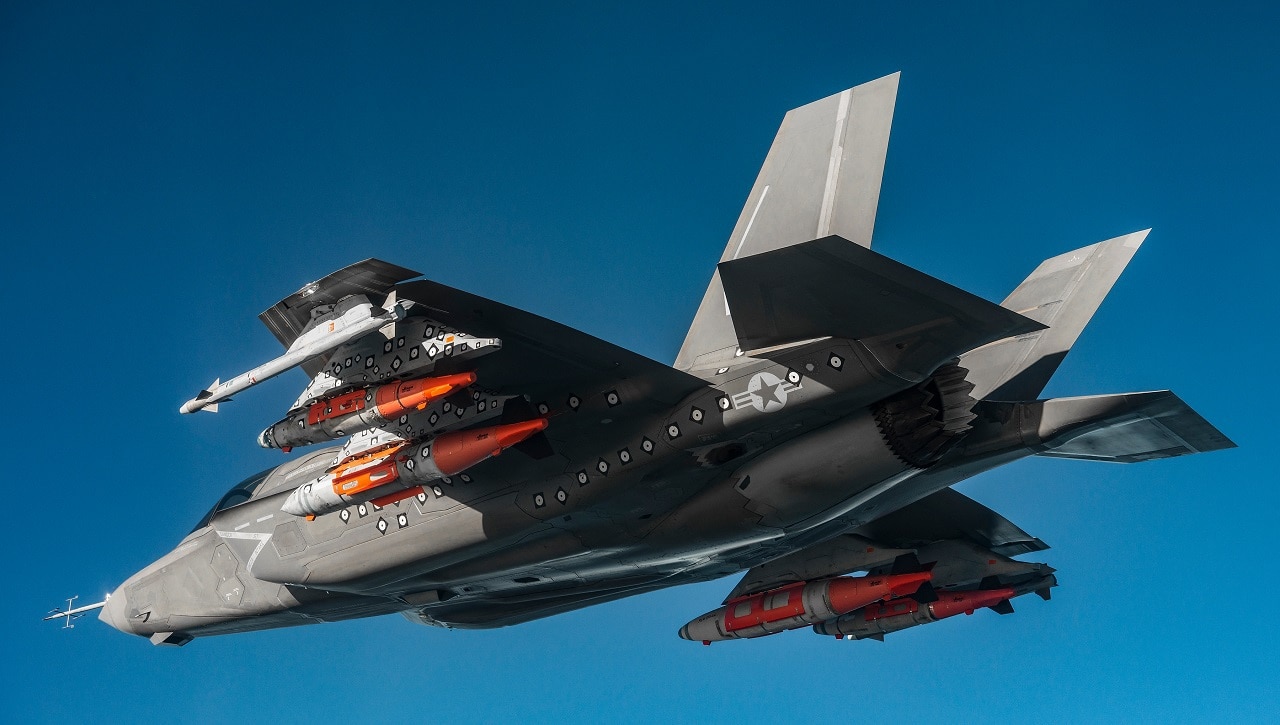
Beast Mode F-35 Fighter. Image Credit: Creative Commons.
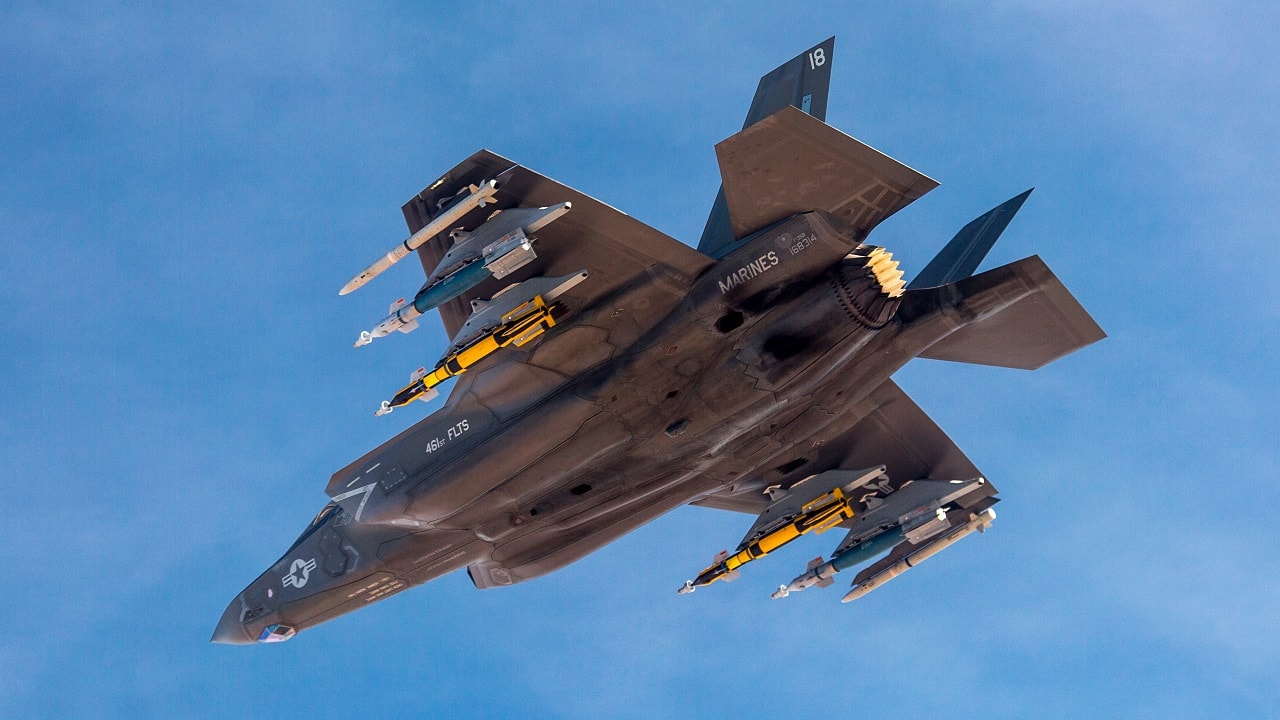
F-35 stealth fighter. Image Credit: Creative Commons.
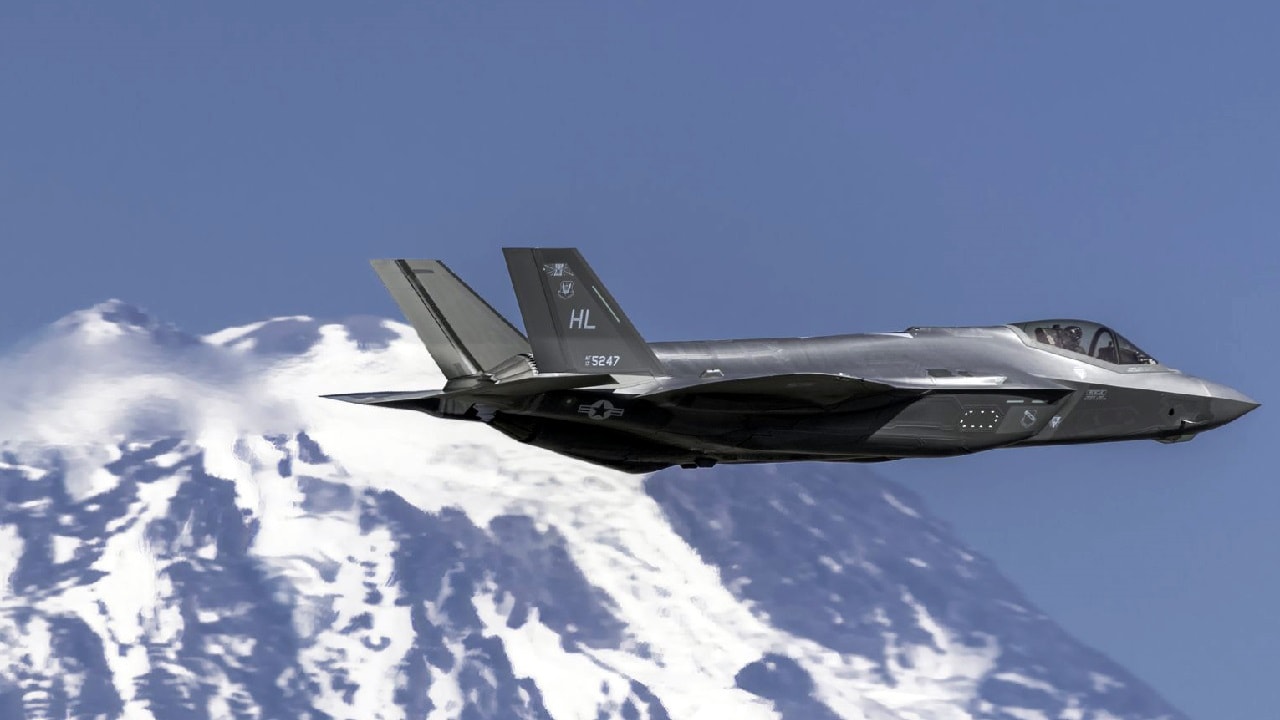
An Airman of the F-35A Lightning II Demonstration Team flies the F-35A in front of a mountain near Tacoma, Wash., on July 5, 2021. The demonstration team headlined both the Gig Harbor Wings-and-Wheels and Tacoma Freedom Fair air shows for the Fourth of July weekend, showcasing the advanced capabilities of the F-35 to the Pacific Northwest. (U.S. Air Force photo by A1C Jake Welty)
If Lockheed gets its way, that expenditure will increase – but so too will America’s preparedness as we move towards fielding sixth-generation technology.
What the “Ferrari” F-35 Concept Actually Is
The F-35 Lightning II is the cornerstone of American tactical aviation and that of many allied air forces all over the world, intended to serve through the 2070s as the dominant fifth-generation fighter. Traditionally, fifth-generation fighters are defined by their advanced stealth, sensor fusion, networking, and avionics, providing a decisive edge over earlier fourth-generation designs.
The NGAD program, and its leading design now known as the F-47, represents the Air Force’s vision of a sixth-generation “family of systems” that will integrate a new generation crewed aircraft with unmanned systems. It will feature networked autonomy, increased range and performance, and cutting-edge stealth – and it’s expected to begin entering operational service sometime in the 2030s.
Lockheed’s Ferrari pitch, however, seeks to bridge the capability gap in the meantime by updating the F-35 with some technologies developed during its NGAD pitch research phase. That tech reportedly includes advanced stealth coatings, enhanced sensor technology, and potentially new weapons systems.
The company has publicly stated that an upgraded F-35 could deliver roughly 80 percent of the capability of a sixth-generation fighter at about half the cost of a clean-sheet design like the F-47, making it an obviously attractive option; not only is it based on a proven design, but it could arrive in substantial numbers more quickly than the new sixth-generation platform.
Taiclet and Lockheed leadership have said as much, noting that the existing production and global logistics base will allow the project to move quickly.
Yet the Pentagon has not formally adopted the proposal, and existing upgrade roadmaps are already behind schedule – including the Block 4 modernization suite and the Technology Refresh 3 (TR-3) computing upgrade that is required to support future capabilities.
Is It Worth It?
From one perspective, investing in an upgraded F-35 incorporating advanced sensors, electronic warfare capabilities, and stealth enhancements could extend the aircraft’s relevance well into the 2030s and beyond.
The logic in favor of the plan is this: the F-35 “Ferrari” would, in theory, be relatively quick to field, and upgrading an existing fleet of thousands of aircraft could deliver enhanced capabilities more affordably than waiting years for new sixth-generation fighters to enter widespread service.
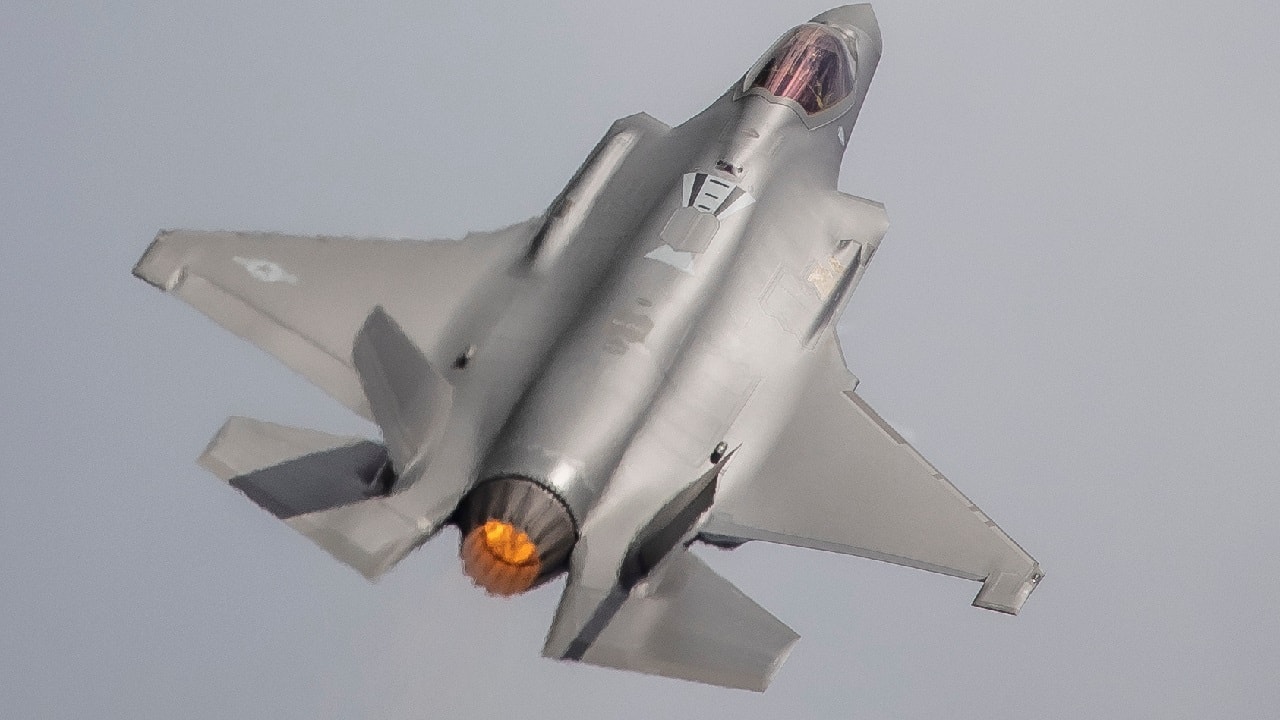
F-35 JSF. Image Credit: Creative Commons.
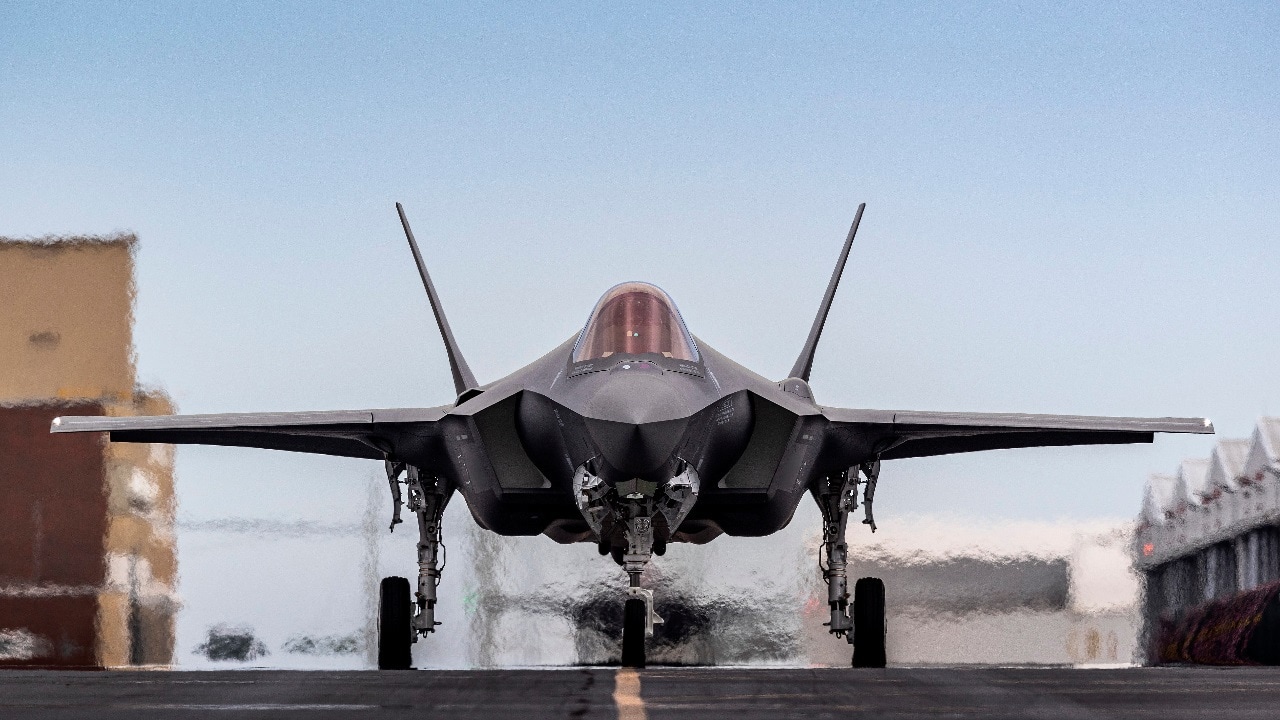
F-35 Stealth Fighter. Image Credit: Creative Commons.
At the same time, without strict controls, a Ferrari variant could fragment the F-35 fleet into costly sub-variants, exacerbating existing sustainment, training, and logistics burdens.
While it wouldn’t technically constitute a “mixed fleet” in the same way Canada would if Prime Minister Mark Carney decides to field Swedish Gripens alongside the country’s 16 F-35As that are coming soon, it would still present maintenance, training, and logistics burdens that already exist with the current fleet.
There is also a risk that pursuing incremental next-generation capabilities on airframes developed two decades ago may offer diminishing returns.
As Lockheed itself has acknowledged in reporting on Block 4 and TR-3, the technical challenges and delays faced in modernizing the existing platform reflect the complexity of upgrading legacy systems.
Budgetary trade-offs also complicate the picture: defense planners, for example, must balance investments in platform upgrades with funding for munitions stockpiles, readiness improvements, and entirely new systems like NGAD, designed from the outset for future threat environments.
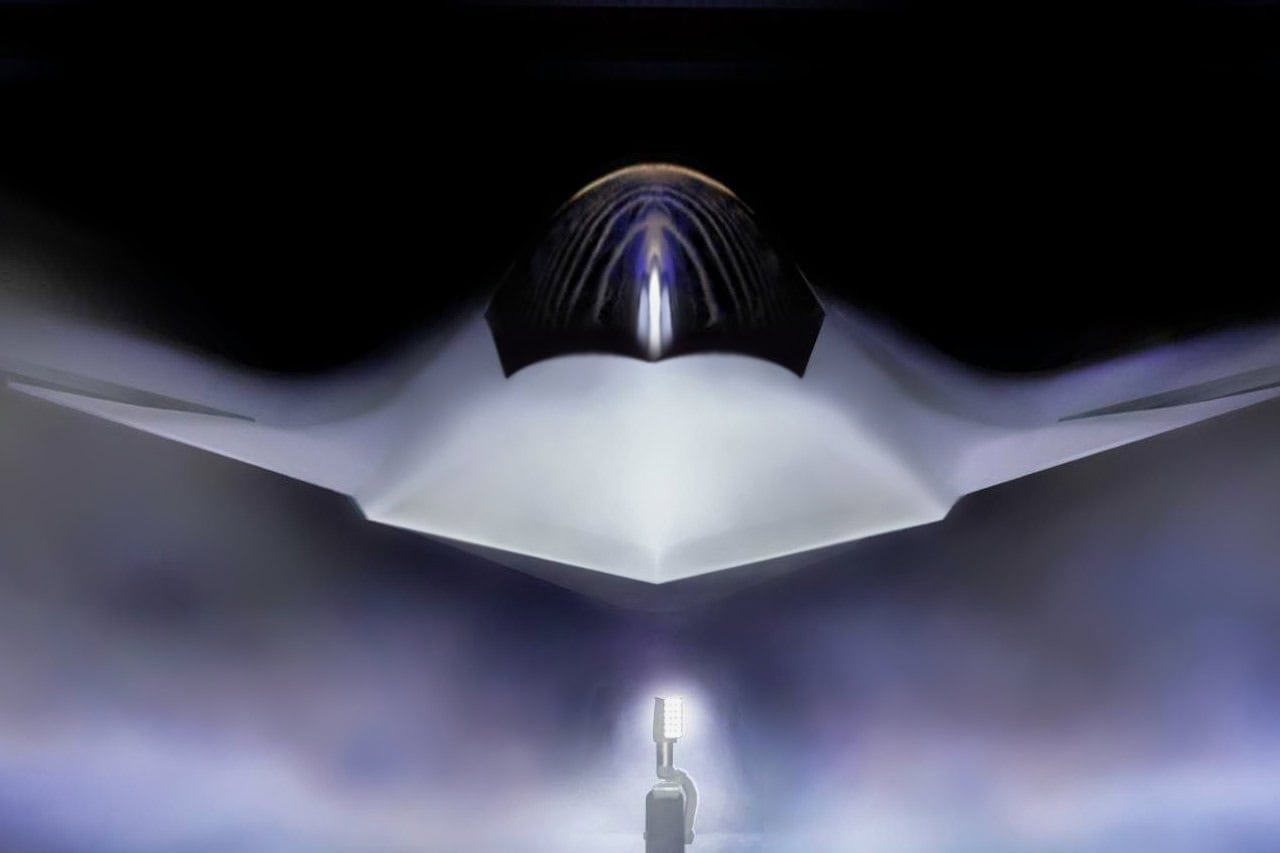
Shown is a graphical artist rendering of the Next Generation Air Dominance (NGAD) Platform. The rendering highlights the Air Force’s sixth generation fighter, the F-47. The NGAD Platform will bring lethal, next-generation technologies to ensure air superiority for the Joint Force in any conflict. (U.S. Air Force graphic)
NGAD Fighter. Artist Rendering.
NGAD Fighter from Boeing.
A heavily upgraded F-35 program that absorbs funds that might otherwise be allocated to other priority areas at a time when great-power competition demands both technological capability and widespread deployability could become a sticking point.
And then there are the export considerations: many U.S. allies already operate the F-35, and keeping them integrated into a common logistics and capability ecosystem offers advantages for political and force-projection purposes.
However, integrating sensitive next-generation technologies into exportable platforms might introduce complexities regarding export controls.
In purely strategic terms, a heavily upgraded “Ferrari” F-35 is likely worth pursuing, particularly as a hedge against the long timelines associated with the Air Force’s sixth-generation programs.
The more difficult question is whether it can be funded and executed without undermining NGAD, the ever-struggling F/A-XX effort, and the broader health of the U.S. defense industrial base.
About the Author:
Jack Buckby is a British researcher and analyst specialising in defence and national security, based in New York. His work focuses on military capability, procurement, and strategic competition, producing and editing analysis for policy and defence audiences. He brings extensive editorial experience, with a career output spanning over 1,000 articles at 19FortyFive and National Security Journal, and has previously authored books and papers on extremism and deradicalisation.