
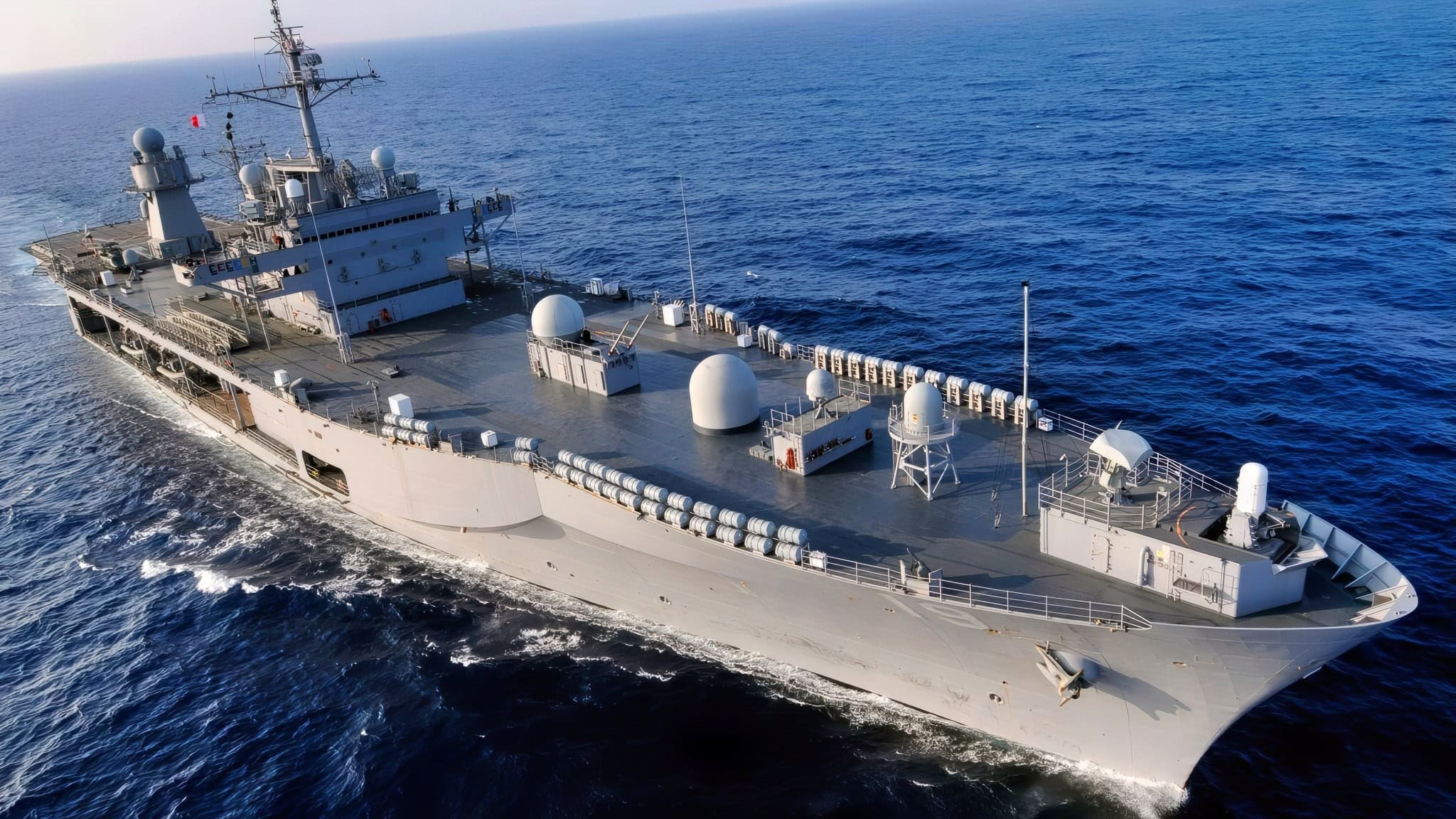
Blue Ridge-Class: The Navy’s Floating War Headquarters
In an era of hypersonic missiles, increasingly numerous stealthy submarines, and carrier strike groups throwing their weight around, one of the U.S. Navy’s most indispensable warfighting tools isn’t actually capable of launching weapons.
The Blue Ridge-class command ships are purpose-built floating headquarters that allow fleet commanders to make decisions, see what’s happening in real time, and direct complex naval campaigns from the sea, instead of relying on shore bases that may be contested or denied in a crisis.
These vessels effectively serve as nerve centers for the U.S. Navy’s 6th and 7th Fleets, enabling real-time command and control across vast areas of operations, from the Indo-Pacific to Europe and Africa.
Recent operational uses of the vessels – along with modernization planning – reflect that these aging hulls are still hugely valuable to the Navy and crucial for modern U.S. maritime strategy. But debates rage about their future, and how these aging, floating command centers fit into modern strategy as newer assets are fielded.
What the Blue Ridge Class Is, and How It Works
The Blue Ridge-class consists of two U.S. Navy amphibious command and control ships commissioned in the early 1970s: USS Blue Ridge (LCC-19) and USS Mount Whitney (LCC-20). They were the first command vessels designed from the keel up to host large staff and advanced communications systems for fleet commanders, rather than being conversions of other hulls.
The ships are not strike platforms: their value lies in their command, control, communications, computers, and intelligence (C4I) capabilities that enable senior leadership to build out and see a common operational picture and direct distributed forces based on that intelligence. They feature expansive operations centers, secure data links for joint and allied integration, and capacity for large embarked teams of staff to plan and coordinate naval operations.
Blue Ridge is homeported in Yokosuka, Japan, where it serves as the flagship of the U.S. 7th Fleet, while Mount Whitney operates out of Gaeta, Italy as the flagship of U.S. 6th Fleet. Both are unique in the U.S. inventory.
Operational Use and Recent Activity
Blue Ridge-class ships don’t go to sea to fight, but to ensure everyone else can fight in a coordinated way.
When fleet staff embark on USS Mount Whitney or USS Blue Ridge, the ship becomes a floating command center where admirals and their teams conduct operations in real time. From onboard operations rooms, they track ships, aircraft, and submarines, manage communications, and issue orders across wide regions.
In 2025, for example, U.S. 6th Fleet staff operated from the USS Mount Whitney at sea to practice conducting maritime operations from a floating headquarters rather than from shore.
Meanwhile, USS Blue Ridge continues regular operations and engagements across the Indo-Pacific as the 7th Fleet flagship, supporting exercises and general cooperation with partners in the region.
Mount Whitney’s European deployments serve a similar function. Its visits to allied ports, such as Montenegro, are part of ongoing NATO and partner coordination, reinforcing that these ships are as much a necessity for alliance command integration as they are for U.S. operations.
Old Ships – But Still Being Upgraded
The Blue Ridge-class ships are old, having been commissioned in 1971. In fact, USS Blue Ridge is one of the oldest active ships in the U.S. Navy today. That raises questions about sustainability and replacement, especially given the ships’ vital role.
Rather than retiring them, the Navy has sought to keep them relevant for as long as possible through modernization and life-extension efforts.
The service lives of the two ships were extended in 2011 to 2039.
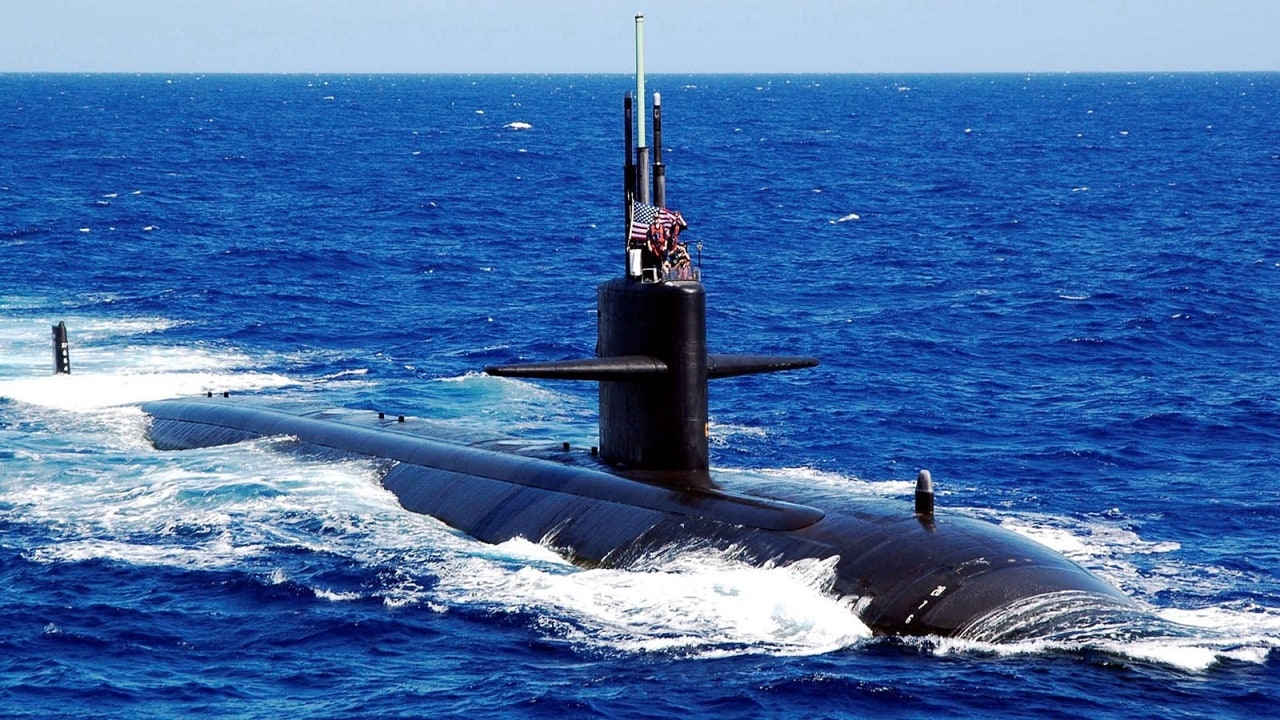
US Navy Los-Angeles Attack Submarine. Image Credit: Creative Commons.
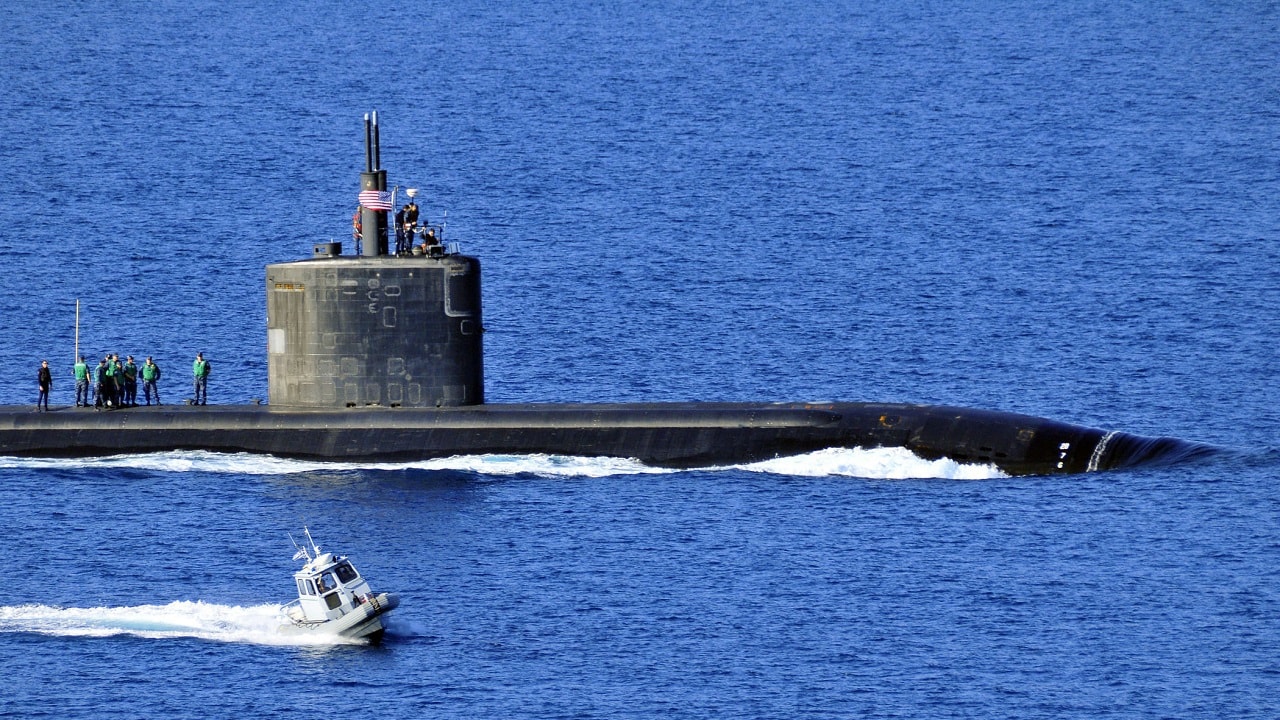
Los-Angeles Class submarine USS Annapolis.
When ships are upgraded, the focus is on ensuring that they remain as effective as required for network and communications operations.
Yes, they must be seaworthy – but for the ships to remain valuable and useful to the modern U.S. Navy, they must also be networked and interoperable with even the most modern assets in the carrier strike group.
Their value depends on secure data links and the ability to plug into joint and allied command networks. Keeping those systems current helps ensure that fleet commanders can continue to conduct operations effectively at sea, even as cyber and electronic warfare threats intensify.
How Blue Ridge Delivers In Real-World Operations
The operational record of the Blue Ridge-class ships provides clear evidence for the Navy’s continued investment in this capability.
In 2025, USS Mount Whitney sailed with NATO warships during the annual BALTOPS 25 exercise in the Baltic Sea, where it facilitated allied command and coordination, sailed alongside partner vessels, and hosted senior NATO staff as they refined joint tactics and interoperability at sea.
During port visits to Albania and Montenegro, Mount Whitney served as a forward headquarters for 6th Fleet leadership, facilitating high-level diplomatic and military discussions and coordination that strengthened partnerships in Europe.
Those assignments – moving between exercises, engaging with the alliance, and conducting multinational operations – prove the real value of the ships in bringing together allied navies and helping make real-time decisions.
So, what comes next? Despite the clear operational value of the Blue Ridge-class ships, they won’t last forever – but there is no funded or approved replacement program in the Navy’s current shipbuilding plan to succeed them once they retire near the end of their extended service lives around 2039.
About the Author: Jack Buckby
Jack Buckby is a British researcher and analyst specialising in defence and national security, based in New York. His work focuses on military capability, procurement, and strategic competition, producing and editing analysis for policy and defence audiences. He brings extensive editorial experience, with a career output spanning over 1,000 articles at 19FortyFive and National Security Journal, and has previously authored books and papers on extremism and deradicalisation.

