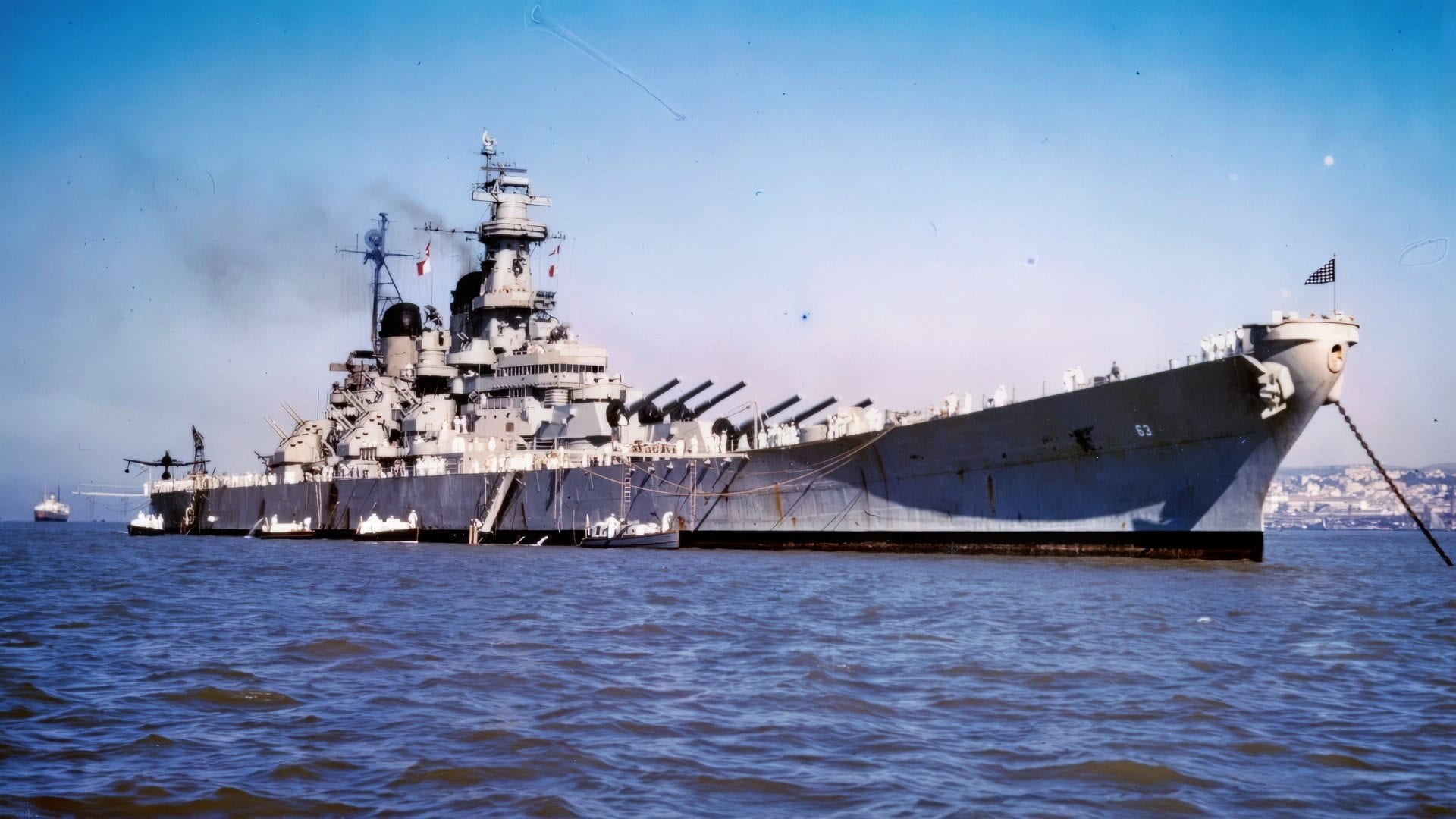
Summary and Key Points: A preliminary assessment by the Congressional Budget Office (CBO) suggests the proposed Trump-class battleship (BBG) could cost between $18 and $22 billion per ship, making it the most expensive naval platform in history—surpassing even the $13 billion USS Ford aircraft carrier.
-The lead ship, tentatively named USS Defiant, is envisioned as a massive surface combatant equipped with unproven next-generation technologies, including hypersonic missiles, railguns, and directed energy weapons.
-Proponents argue this “Golden Fleet” initiative is critical to countering China’s naval expansion, asserting that the sheer “mass” and technological overmatch of these ships are necessary for a major maritime confrontation.
-However, critics warn that the program’s exorbitant costs could cannibalize other critical Navy priorities, mirroring the production delays and budget overruns that plagued the Ford-class carriers.
$22 Billion Per Ship? The Staggering Cost of the Trump-Class Battleship
A preliminary Congressional Budget Office assessment suggests that the highly sought-after Trump-class Battleships could cost $18 to $ 22 billion per ship, making the massive warships the most expensive Navy platform ever built.
The USS Ford aircraft carrier wound up costing $13 billion, well beyond initial plans and estimates, yet there is not a clear or decisive way to assess what the first Trump-class ship will ultimately cost, as there are far too many yet-to-be-determined variables.
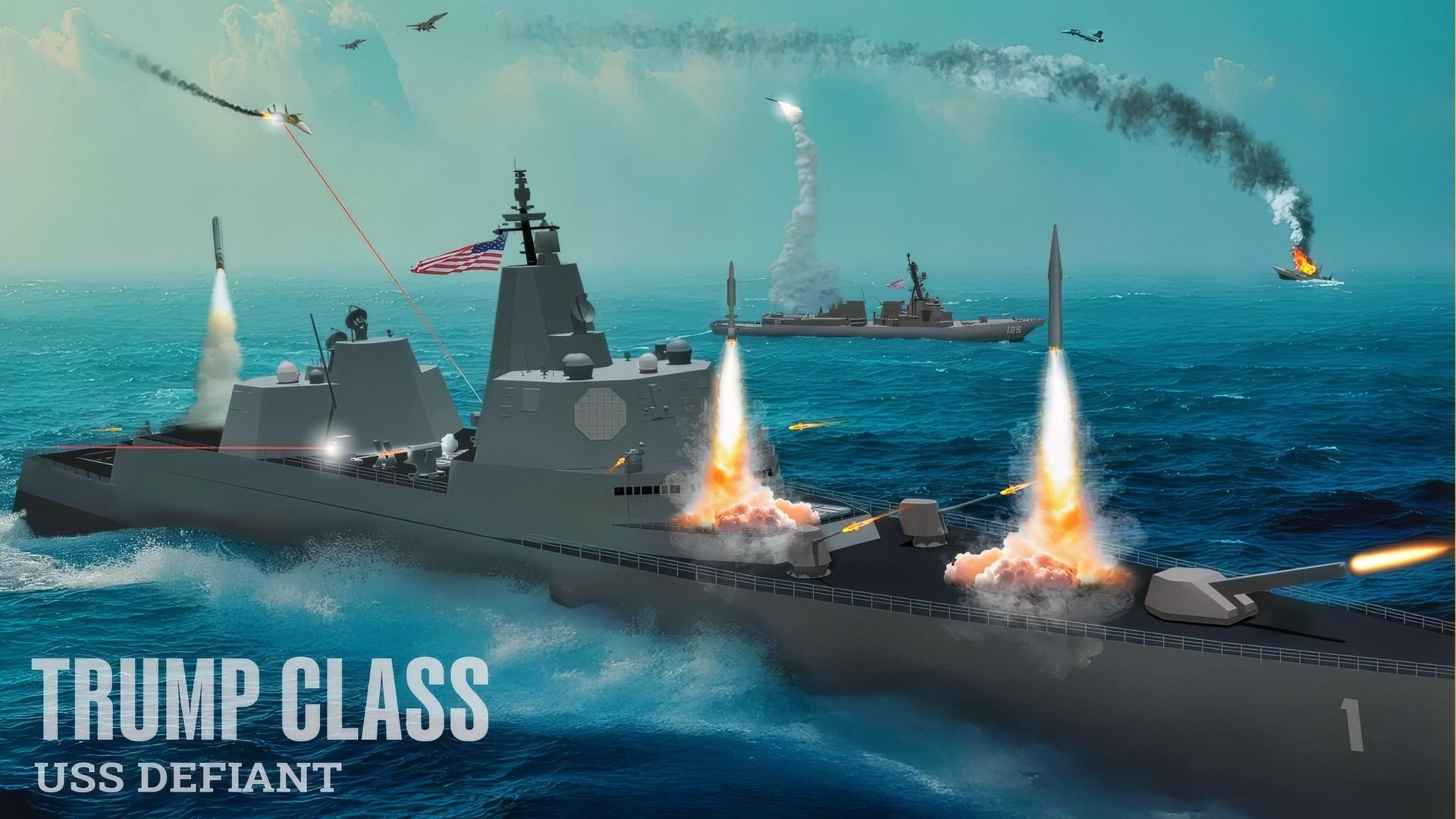
Trump-Class Battleship USS Defiant. Image Credit: Creative Commons.
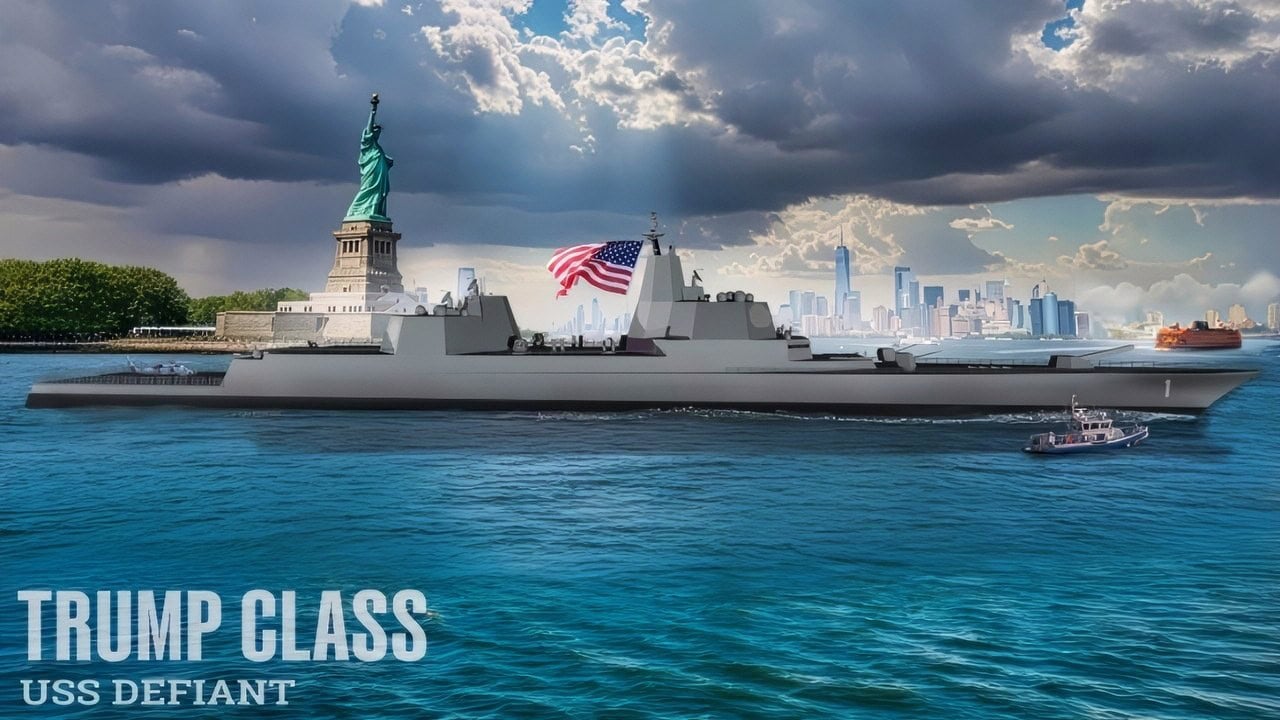
Trump-Class Battleship. Image Credit: Creative Commons/White House.
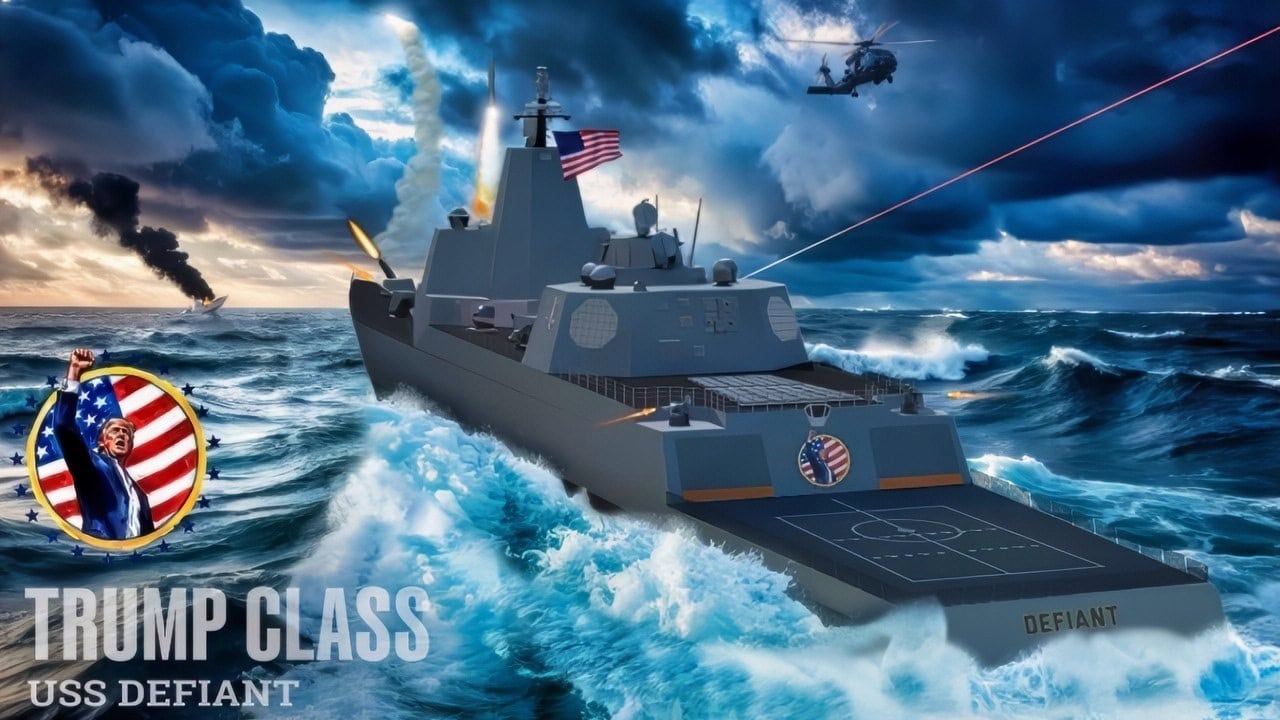
Trump-Class Battleship. Image Credit: Creative Commons/White House Photo.
The eventual cost will depend on progress with the industrial base, the ability to solidify long-lead items and stabilize the supply chain, and the long-term plans for the ship class.
Should the intent be to build 10 or more Trump-class warships, costs per ship will naturally lower, and parts and technologies can begin to be acquired and produced “at scale.”
Lessons from Ford-class Supercarriers
There are also likely to be USS Ford-like non-recurring engineering and development costs; one of the main reasons for cost growth with the USS Ford is that it is a “first-in-class” ship intended to incorporate new-generation technologies.
The idea, which has not yet proven true with the second and third Ford-class ships, is that there are naturally first-in-class non-recurring engineering and development costs that will not exist with follow-on ships in the same class.
However, production delays and overruns have led estimates for both the USS Kennedy and USS Enterprise to approach USS Ford levels of $13 billion. It certainly remains possible that prices for future Ford-class carriers will decrease substantially as technological integration, “fixes”, and adjustments are made with the Ford-class “follow-on” ships.
There have certainly been major shipbuilding improvements made with the USS Kennedy, as “lessons learned” from the USS Ford are incorporated.
Not only has the supply chain solidified, but HII shipbuilder employed a new “modular” ship-construction method, which assembled larger portions of the ship as integrated elements before loading them onto the overall structure as a “module.”
The has streamlined efficiency for shipbuilders and will likely improve production and lower costs for the Ford-class as it moves into the future.
What About the Trump-Class?
Could the lessons learned from the Ford-class carriers inspire shipbuilders to ensure Trump-class costs are contained as much as possible?
Seems feasible, yet there is little ambiguity about the anticipated reality that the Trump-class is likely to be the most expensive warship ever built, by a large margin.
This is the case for many reasons, the first of which is simply the amount of advanced technologies now planned for the platform, such as lasers, hypersonics, and next-gen deck-mounted guns.
There is also the simple factor of sheer size: the Trump-class battleships are planned to be even longer than aircraft carriers.
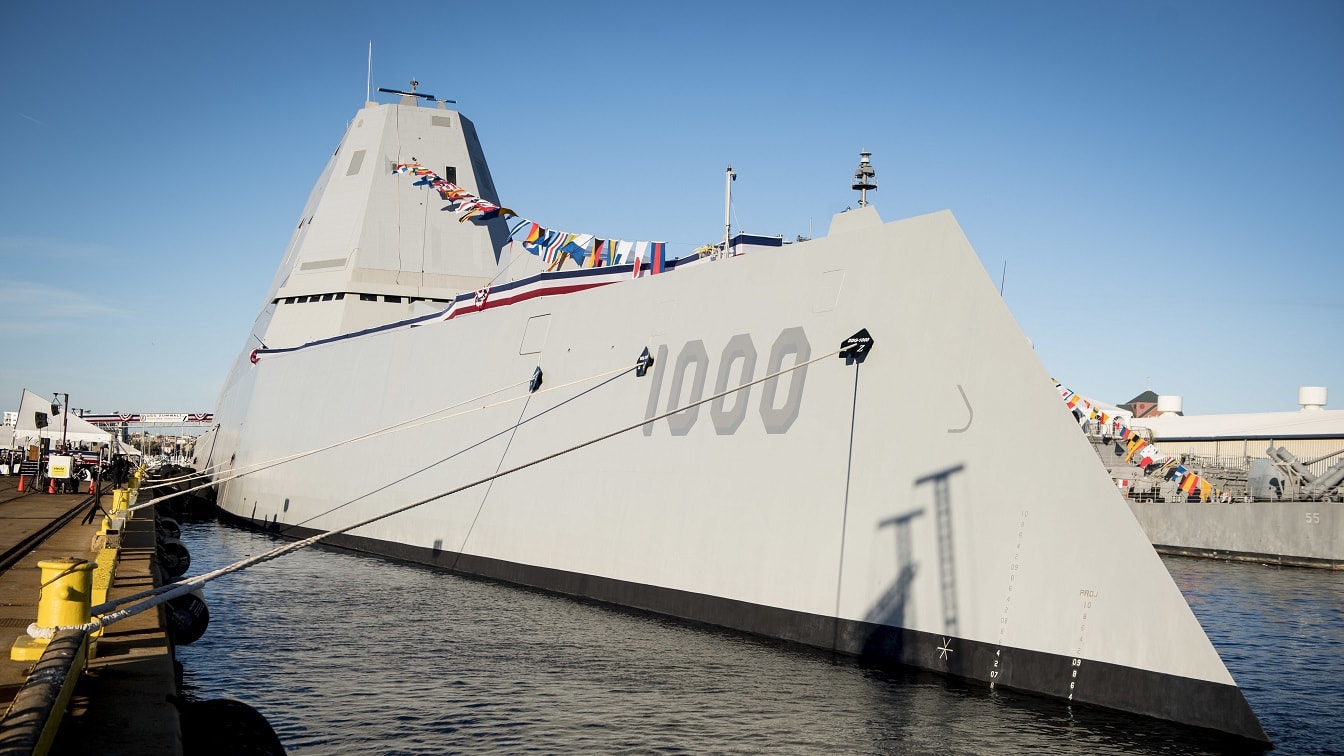
(Oct. 15, 2016) The Navy’s newest and most technologically advanced warship, USS Zumwalt (DDG 1000), is moored to the pier during a commissioning ceremony at North Locust Point in Baltimore. (U.S. Navy photo by Petty Officer 1st Class Nathan Laird/Released)
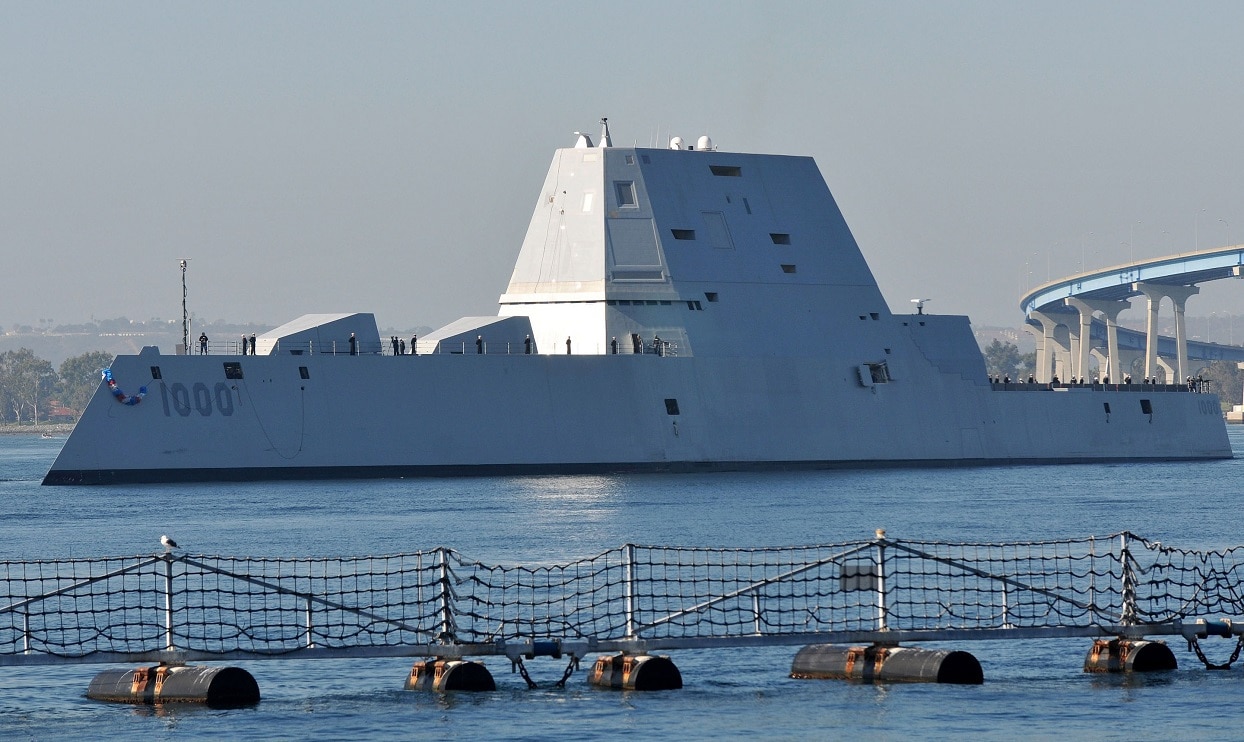
FROM 2016: The U.S. Navy’s newest warship, USS Zumwalt (DDG 1000) passes Coronado bridge on its way to Naval Base San Diego. Zumwalt is the lead ship of a class of next-generation multi-mission destroyers, now homeported in San Diego. (U.S. Navy photo by Petty Officer 3rd Class Anthony N. Hilkowski/Released)
The large size of the ship will be necessary, U.S. Navy leaders and weapons developers have said, to accommodate all the needed technologies and weapons systems, including new kinds of EW, counter-drone weapons, radar, and interceptor missiles.
There are also likely to be advanced energy-storage and distribution technologies, AI-enabled computing and sophisticated command and control, some of which have been part of the planning process for the Navy’s DDG(X) next-generation destroyer.
Operational Need
The essence of the question with this new class of ship seems quite clear, and it can be viewed in terms of whether the costs are necessary to meet the urgent operational need for the warships. Will other critical Navy priorities need to be compromised, reduced, or delayed to accommodate the cost of the Trump-class?
Certainly, no one will suggest there should be an unlimited budget, yet the current global threat equation seems to justify a major naval expansion in terms of sheer fleet size and technological sophistication.
It is widely known that China already operates a larger Navy than the U.S. Navy is surging production of new carriers, Type 055 stealth destroyers, Type 076 amphibs, and smaller, faster “corvette” like coastal attack and defend vessels.
“Mass” Matters
While the U.S. Navy’s priority is to ensure that its ships retain a technological “overmatch” or superiority over People’s Liberation Army – Navy warships (PLAN), something which is seen as an increasingly challenging task, sheer “mass” matters as well.
The concept of mass would prove particularly true in the event of a major maritime confrontation with the PLAN, as it would span across a massive theater of operations and require unprecedented amounts of firepower.
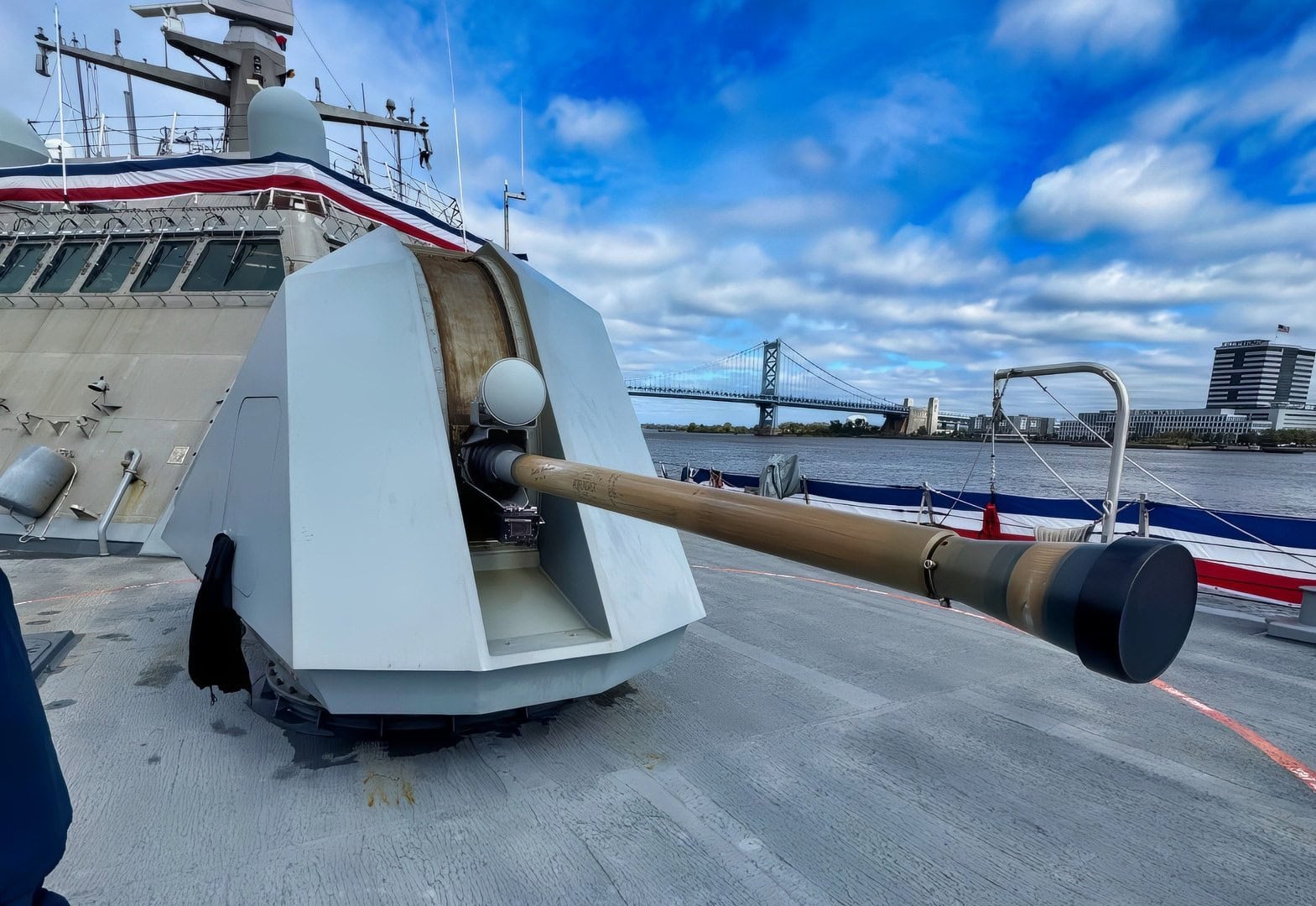
Littoral Combat Ship Deck Gun U.S. Navy. Image Credit: 19FortyFive.com
Sea-based missile defense through the possible use of Aegis Combat Systems could also prove critical to regional and global maritime security.
Given this, there will also be a need for well-armed, protected, and survivable warships to disaggregate or disperse into wide-area formations to support multi-domain networking across a vast maritime theater of war.
Given all this, the operative question may actually be … can the Navy afford “not” to build the Trump-class battleships?
About the Author: Kris Osborn
Kris Osborn is the President of Warrior Maven – Center for Military Modernization. Osborn previously served at the Pentagon as a highly qualified expert in the Office of the Assistant Secretary of the Army—Acquisition, Logistics & Technology. Osborn has also worked as an anchor and on-air military specialist at national TV networks. He has appeared as a guest military expert on Fox News, MSNBC, The Military Channel, and The History Channel. He also has a Masters Degree in Comparative Literature from Columbia University.