
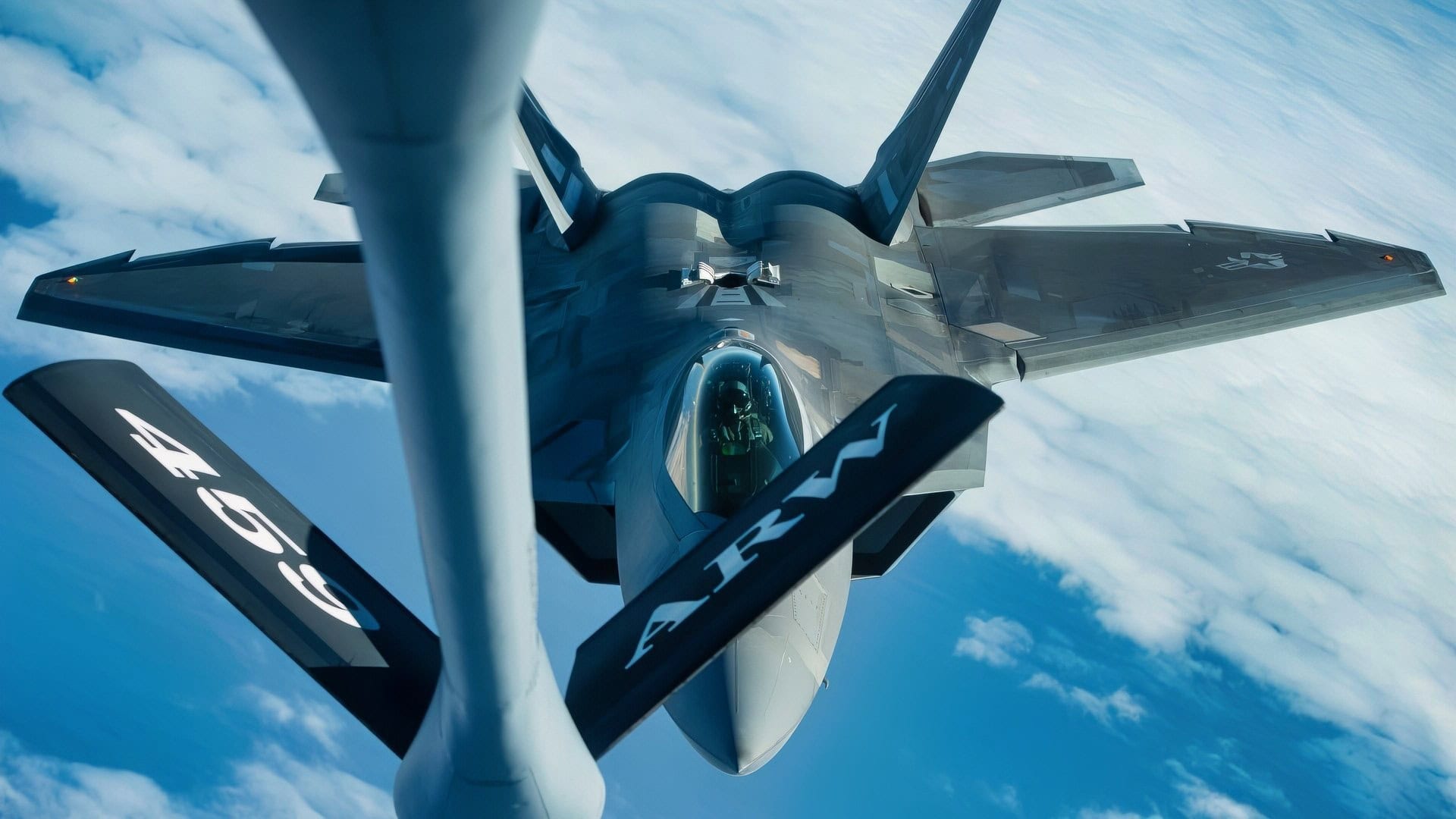
Does the U.S. Navy Presence Near Iran Increase the Chances Of “All-Out War”?
The United States has once again moved major naval power into the Middle East – just as Iran’s leadership is issuing public warnings that any strike on Iranian territory would be treated as “all-out war.” On January 26, 2025, the Abraham Lincoln carrier strike group moved into U.S. 5th Fleet/CENTCOM waters, according to U.S. officials cited by multiple news outlets.

Shahed-136 Drone. Image Credit: YouTube Screenshot.
That matters because Iran’s missile force is designed to hold U.S. forces at risk across the Gulf and surrounding region – or, perhaps, it would be more accurate to say that Iranian missiles are capable of striking naval assets close enough to its territory.
Even after last year’s strike on Iranian nuclear sites – Operation Midnight Hammer – Iran retains the kind of conventional strike weapons that can complicate U.S. operations from fixed bases and, under certain conditions, threaten ships at sea.
Why Iranian Missiles Are Still A Threat
Iran is widely believed to possess the largest and most diverse missile arsenal in the Middle East, including thousands of ballistic and cruise missiles.
Researchers at the CSIS Missile Defense Project state that for the past decade, “Iran has invested significantly to improve these weapons’ precision and lethality,” adding that Iran’s missile forces have become a “potent tool for Iranian power projection and a credible threat to U.S. and partner military forces in the region.”
A ballistic missile is a rocket-boosted weapon that follows a high, arcing path through (and sometimes above) the atmosphere and can reenter at high speed, which generally makes it more difficult to intercept than other aerial assets, such as drones.
A cruise missile, meanwhile, flies more like an aircraft: lower and longer.
These missiles often use terrain masking (flying behind ground features like hills, trees, and valleys) to evade radar detection, challenging air defenses in a different way.
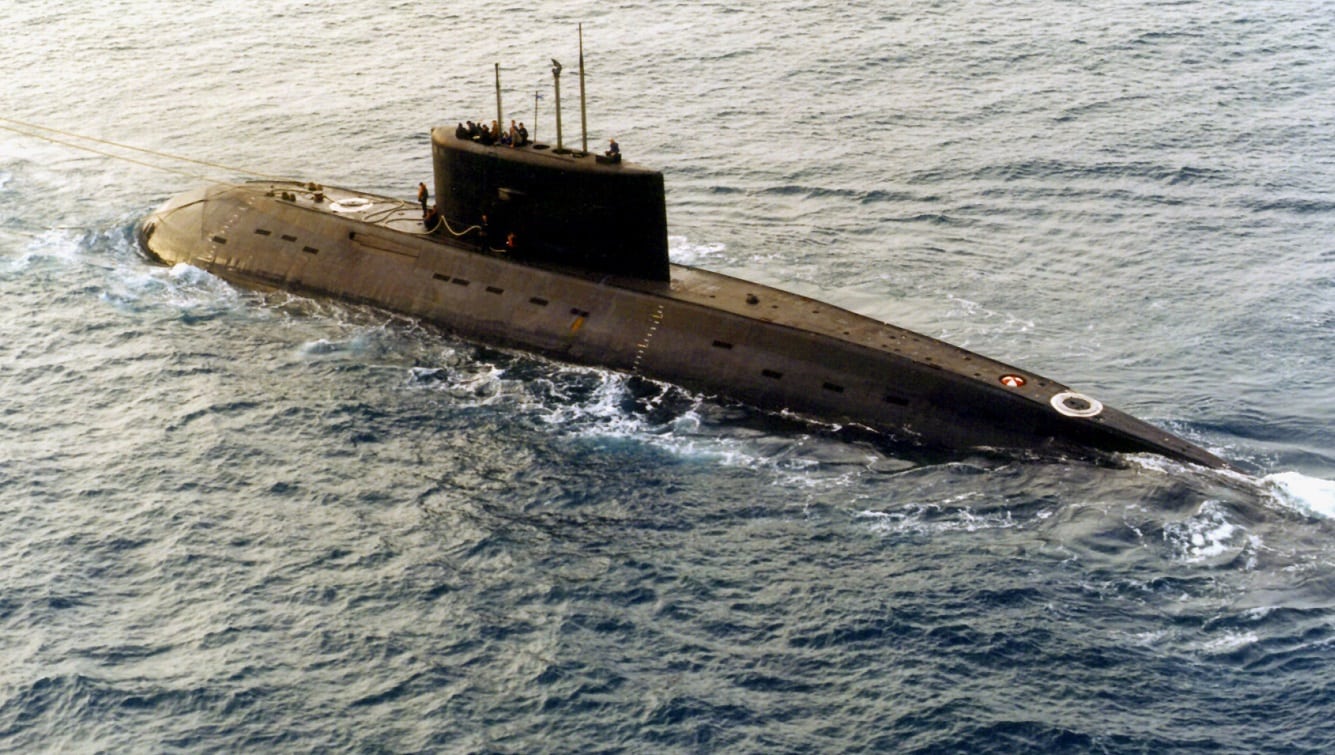
A Russian-built, Kilo-class diesel submarine purchased by Iran, is towed by a support vessel in this photograph taken in the central Mediterranean Sea during the week of December 23. The submarine and the support ship arrived at Port Said, Egypt, on Tuesday and were expected to begin transiting the Suez Canal today, Jan. 2, 1996. Ships and aircraft from the U.S. NavyÕs Sixth Fleet are tracking the submarine, which has been making the transit on the surface. This is the third Kilo-class submarine the Iranians have purchased from Moscow. DoD photo
Using both of these kinds of weapons, Iran’s strategic logic is simple: when Tehran cannot match U.S. airpower or naval aviation, it leans on missiles (its best and most abundant asset) to impose costs and raise the perceived risk of U.S. intervention.
That logic applies to both U.S. and Israeli forces, and in the current standoff, Iranian officials have publicly tied their deterrent messaging to U.S. deployments and warned that an attack would trigger full-scale conflict. Iran has said this before, of course – but those threats have previously been made when U.S. naval forces were not quite as close as they are now. Iran’s threats are a constant, but the presence of American naval forces nearby means that the threats mean more now.
Have Iranian Missile Supplies Been Impacted By Recent Military Strikes?
Operation Midnight Hammer, which took place on June 22, 2025, specifically targeted Iranian nuclear facilities at Fordow, Natanz, and Isfahan. A GBU-57 Massive Ordnance Penetrator (otherwise known as the “bunker buster” bomb) was the key to delivering devastating strikes that took out much of the country’s nuclear infrastructure. But in terms of missile risk, nothing changed; Iran’s nuclear infrastructure will take years to rebuild, but its missile supplies remained largely unimpacted.
However, the strikes did target Iran’s air defense systems – meaning its ability to fire those missiles was meaningfully impacted during the strikes and the broader 2025 Iran-Israel exchange.
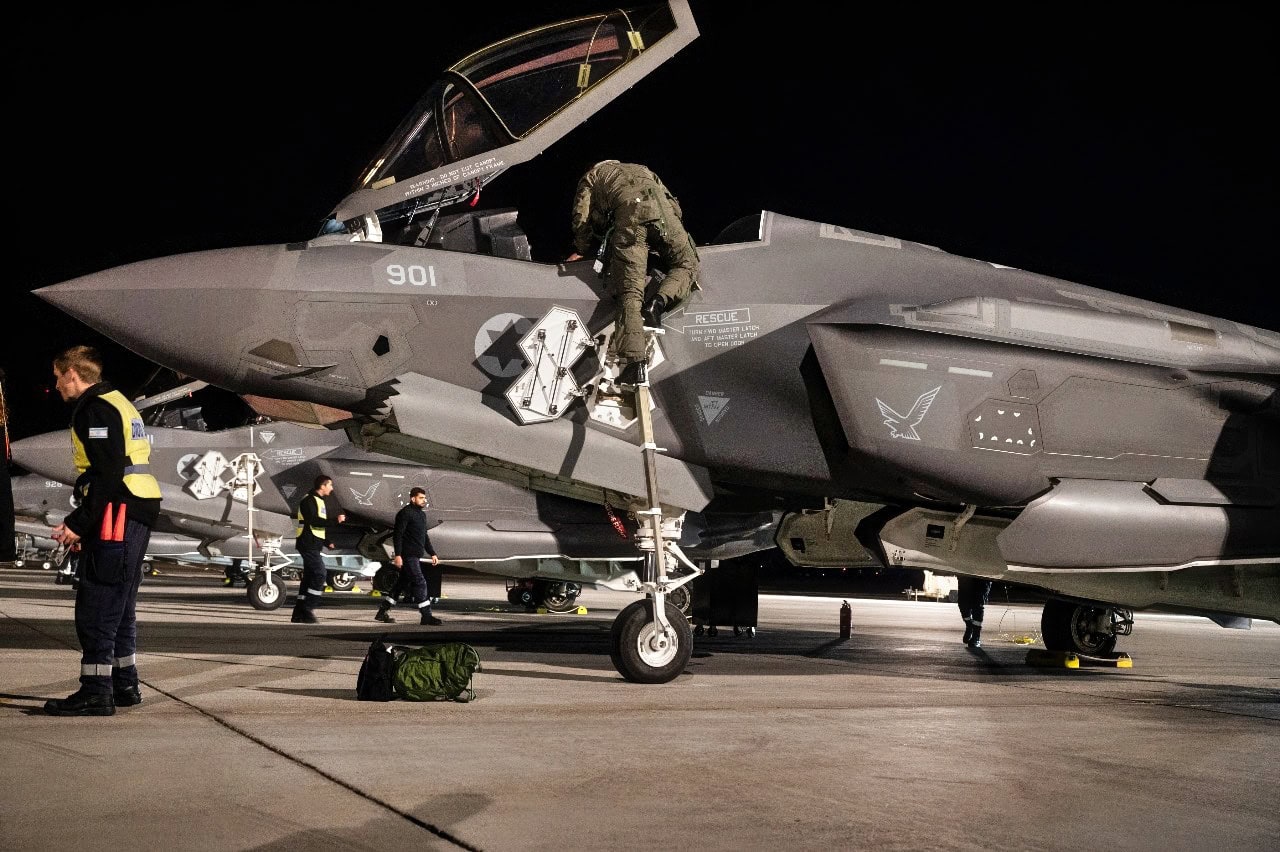
An Israeli Air Force pilot climbs into an F-35I Adir prior to a Red Flag-Nellis 23-2 mission at Nellis Air Force Base, Nevada, March 16, 2023. Red Flag is an opportunity to build on the success of JUNIPER OAK 23-2, JUNIPER FALCON, and additional combined exercises to enhance interoperability with Israel, strengthen bilateral cooperation, and improve capabilities in ways that enhance and promote regional stability and reinforce the United States’ enduring commitment to Israel’s security. (U.S. Air Force photo by Airman 1st Class Trevor Bell)
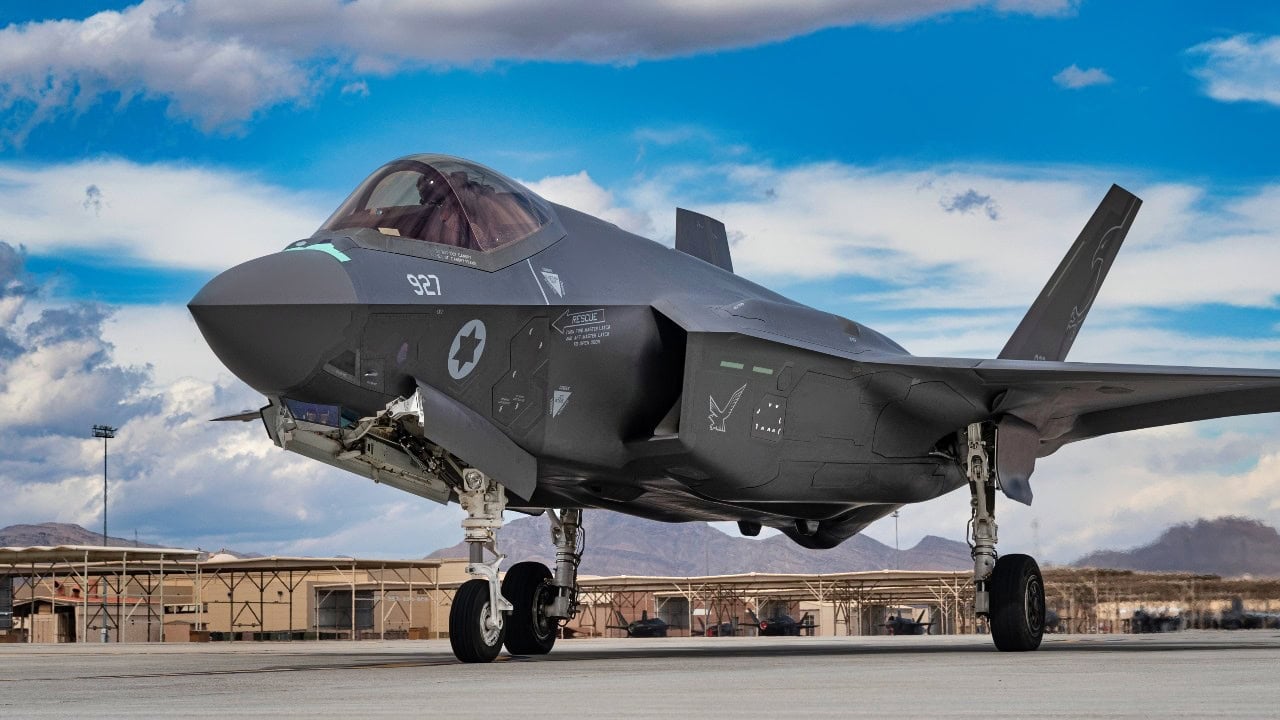
F-35I Adir Fighter from Israel
Strikes by Israeli forces severely crippled Iran’s air defense network – most of which was made up of a hodgepodge of older systems. Over 12 days, Israel established full aerial superiority over Iran, rendering its air defense capabilities “practically non-existent.” That has impacted Iran in the short term, but in the time since those strikes, intelligence suggests Iran has begun to rebuild its missile launch capacity using systems that were previously kept in storage.
That matters because Iran, while severely impacted by last year’s strikes, technically has the capacity to fire many of the missiles it currently possesses.
Iran’s Current Stocks, Production Capacity, and Intent
While it’s hard to give an exact count of Iran’s present missile supply, there is plenty of intelligence out there that gives us a solid idea of its current capacity. Inventories are mobile (meaning they are frequently moved from one place to another), concealed by Iranian authorities, and frequently reallocated among the military and the Islamic Revolutionary Guard Corps (IRGC).
We do know, however, that Iran’s force is large and varied, spanning thousands of short-range ballistic missiles (SRBMs) that are used for nearby targets and medium-range ballistic missiles (MRBMs) that can cover much of the Middle East. SRBM missiles typically have a range of around 1,000 km, while MRBMs cover anywhere between 1,000 and 3,000 km.
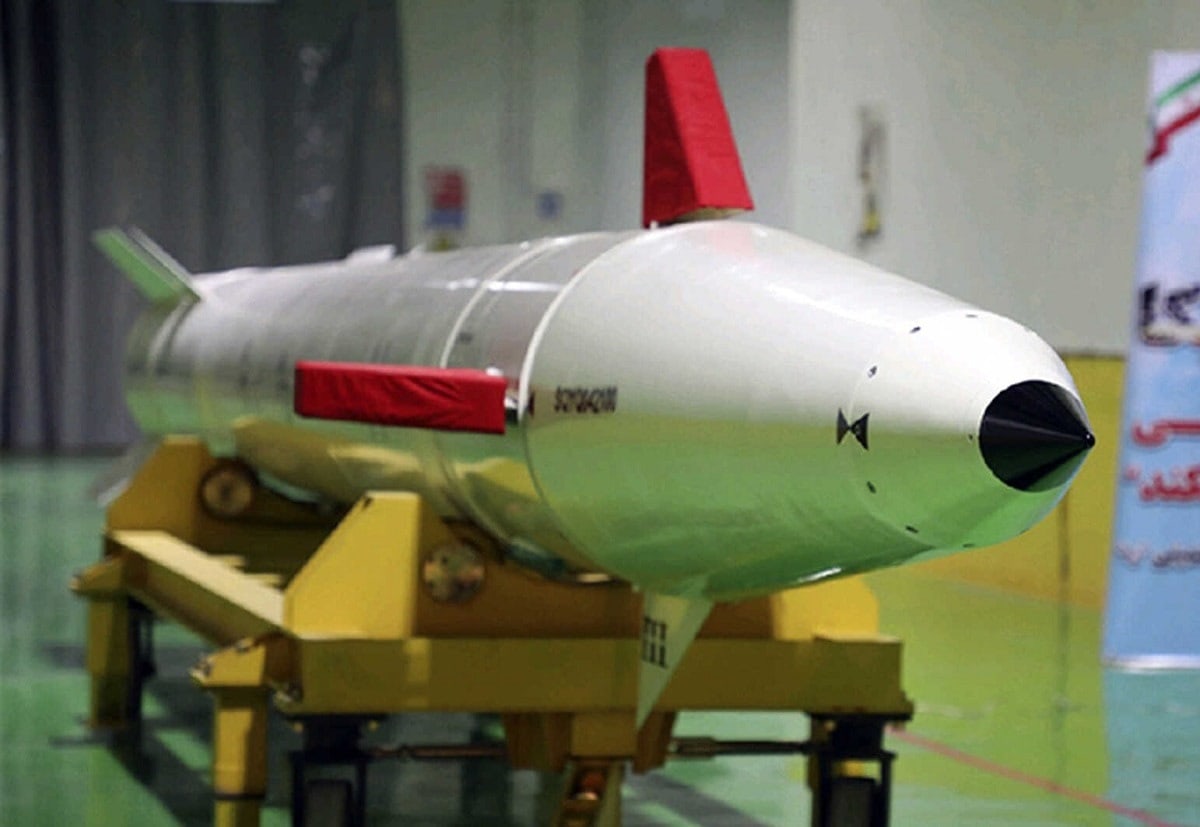
A good example of Iran’s capabilities is the Sejjil missile, which is understood to have a range of around 2,000 km. That puts Israel and many U.S. regional facilities within reach depending on launch location.
Iranian ballistic missiles. Image: Creative Commons.
Another example is the Khorramshahr family, an MRBM line of missiles which also boasts a range of around 2,000 km and was designed for precision strikes with high-payload capacity. The missiles can carry warheads as heavy as 1,800 kg.
What Threat Does Iran Currently Pose?
First off, Iran does not field an operational intercontinental ballistic missile (ICBM) able to reliably strike the U.S. mainland – and most assessments place its longest-range deployed systems in the MRBM class, generally under 2,000 km, which covers the Middle East but North America.
There is, however, a more immediate risk to the carrier strike group now near Iran. Systems like the Sejjil MRBM and others like it can target ports, airfields, logistics hubs, and potentially large naval vessels operating within range, especially when combined with cruise missiles and drones in layered attacks.
The proximity of American naval assets means that Iran can now attempt to target U.S. forces – but the likelihood of that happening is contested.
Given what just happened in Venezuela, and the obvious superiority of American systems and fighters, it’s hard to envision a scenario in which Iran would enter into an “all-out war” with the U.S. with the expectation of winning.
About the Author: Jack Buckby
Jack Buckby is a British researcher and analyst specialising in defence and national security, based in New York. His work focuses on military capability, procurement, and strategic competition, producing and editing analysis for policy and defence audiences. He brings extensive editorial experience, with a career output spanning over 1,000 articles at 19FortyFive and National Security Journal, and has previously authored books and papers on extremism and deradicalisation.

