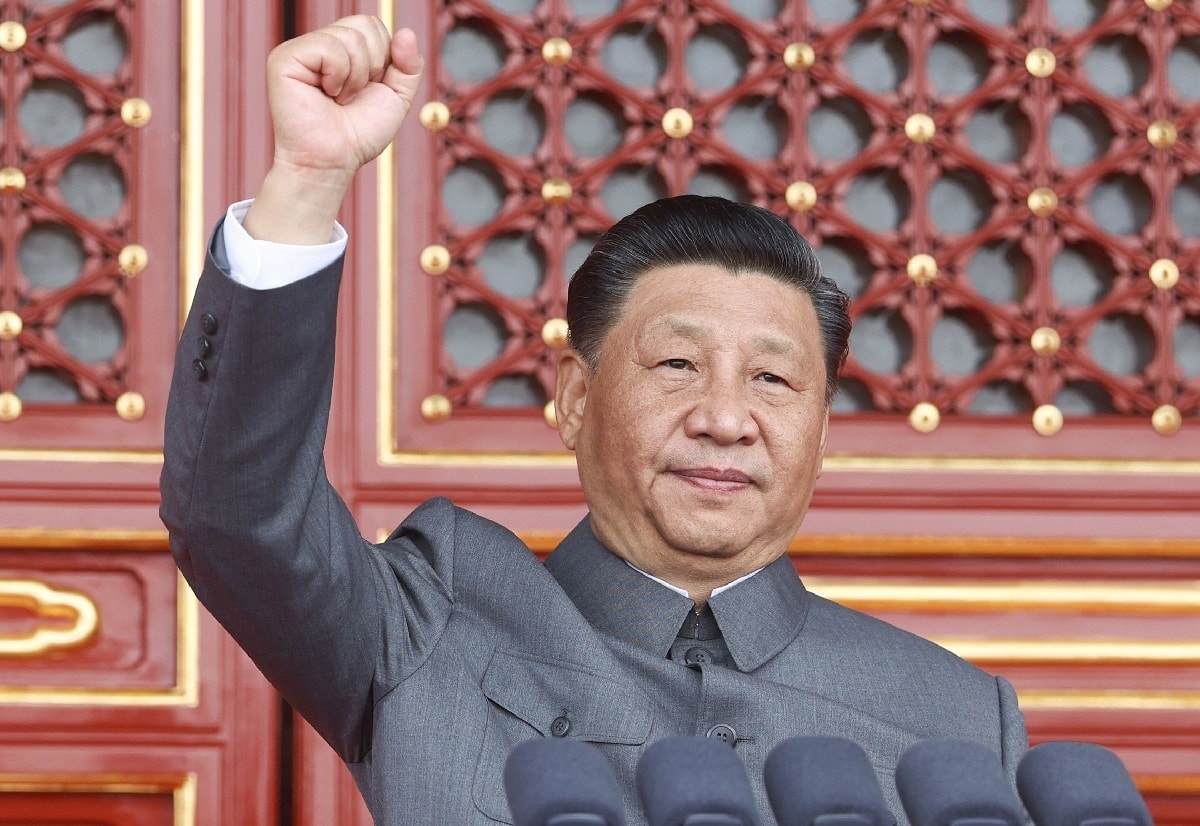
Summary and Key Points: China’s military leadership is in upheaval after reports that General Zhang Youxia was removed from the Central Military Commission and that another senior figure, General Liu Zhenli, was arrested.
-With the Ministry of Defense portrayed as largely symbolic, the CMC is depicted as the true engine of Chinese defense policy—making the shakeup unusually consequential.
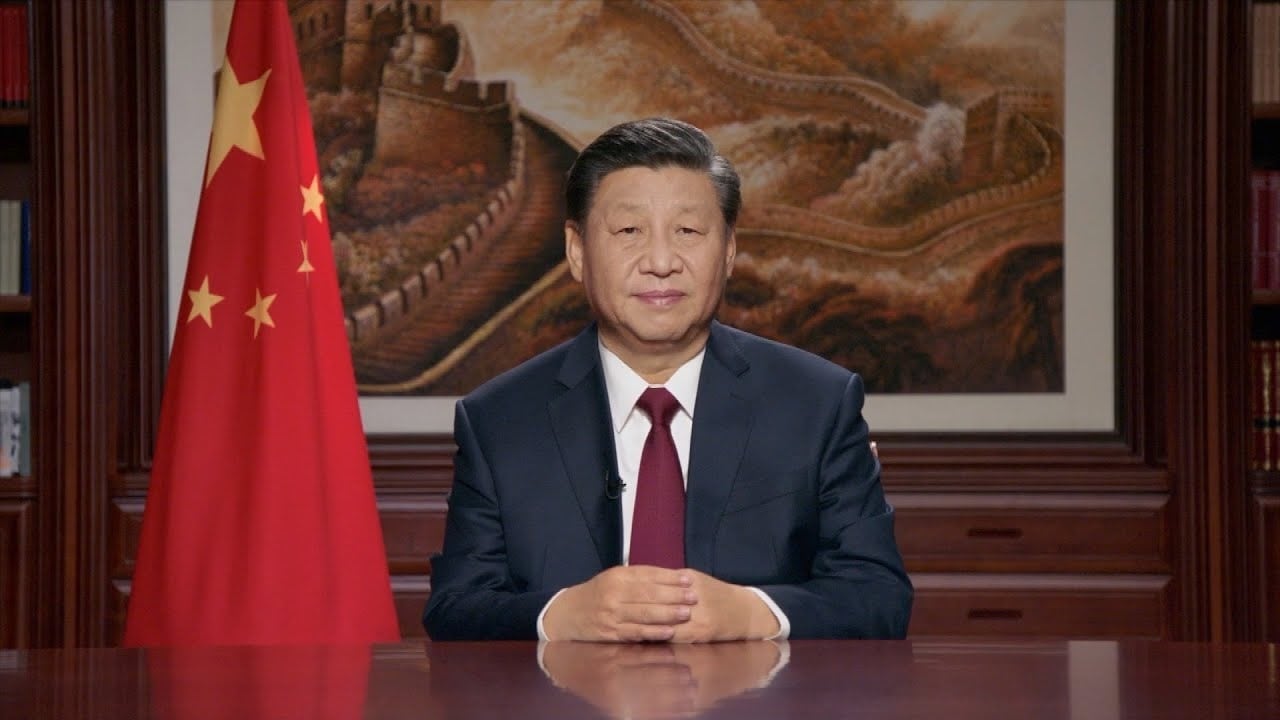
China’s Xi Jinping.
-Official messaging implies guilt and frames the case as betrayal of the Party and the commission itself.
-Analysts warn the purges are hollowing out operational leadership, leaving political loyalists dominant.
-Exile-linked claims even allege coup plotting and a shootout, though such accounts are treated as uncertain.
China’s Top General Vanishes From the CMC as Xi’s Purge Tightens
Watchers of the People’s Liberation Army (PLA) are still trying to determine why China’s most senior military officer was removed. General Zhang Youxia was not only the PLA’s most senior official, but also one of two vice-chairmen in the Chinese Communist Party’s all-powerful Central Military Commission (CMC). His removal was accompanied by the reported arrest of another fellow commission member, General Liou Zhenli, the chief of staff of the CMC’s Joint Staff Department.
The CMC is where China’s defense policy and military affairs are organized. As more than one colleague has reiterated in the wake of the news, the Ministry of Defense in Beijing almost does not exist. It is little more than a desk with a phone in one of the drawers that the Americans can call when they want to set up a meeting with the Defense Minister—but decisions about defense policy are made by the CMC.
The CMC chairman is thus the most powerful defense minister, and that is President Xi Jinping. The chair is so powerful that the man who set China on the road to economic and military modernization, Deng Xiaoping, in the 1980s kept the post even as he eschewed the office of general secretary, among other senior leadership positions.
Some clues about why Zhang is under investigation on charges of corruption—normally the first step in the process of a senior Chinese official falling from grace—could be distilled from the official announcement in an editorial published by the PLA Daily newspaper.
The tone of the article implied Zhang’s and Liu’s guilt was pre-determined. It accused them of having “seriously betrayed the trust and expectations of the Communist Party’s Central Committee” and also “trampling on and undermining the Central Military Commission”.
Rare and Irreplaceable Combat Experience
Beyond causing disruptions among the PLA rank-and-file, these arrests are likely causing many to question how safe it is to continue serving. Zhang, apparently headed for trial and a likely prison term, has put the PLA in disarray, Lyle Morris of the Asia Society Policy Institute told the BBC.
One of the more visible and potentially debilitating consequences is that the CMC itself is normally a body of the Party General Secretary and six military offices. Today, the seven-person commission is down to just Xi and one other member, Gen Zhang Shengmin.
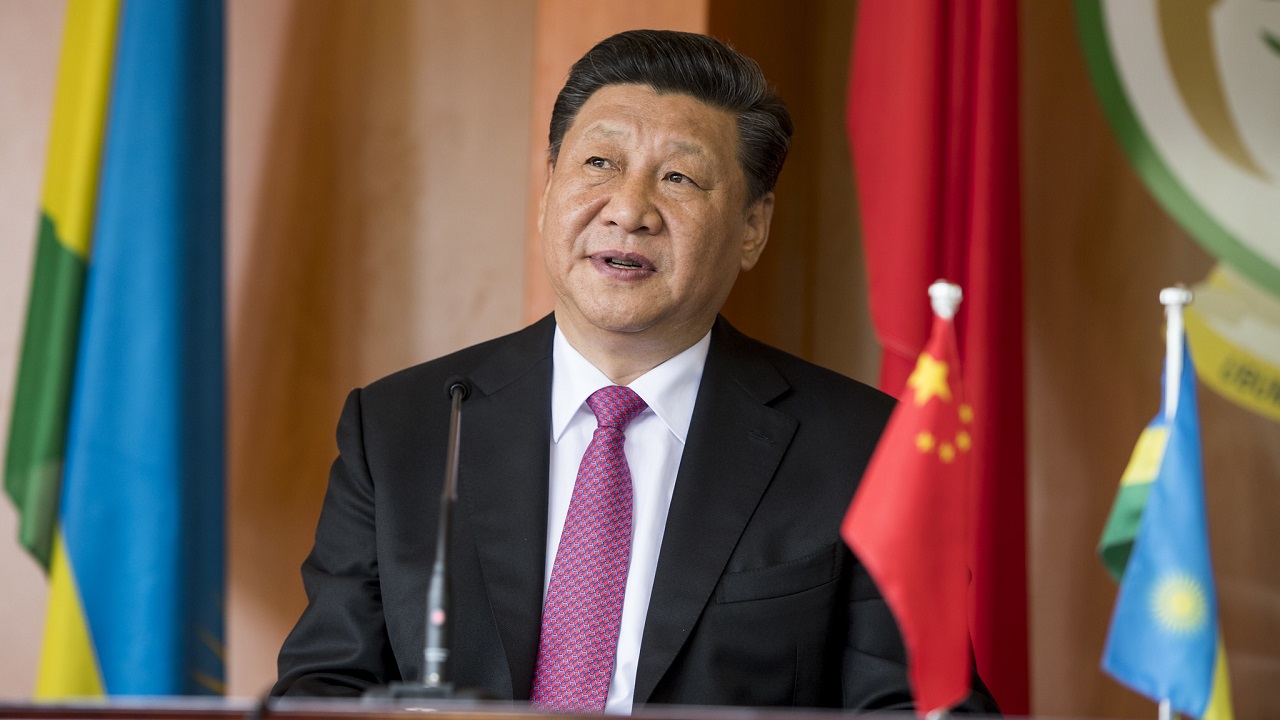
President Kagame and President Xi Jinping of China Joint Press Conference | Kigali, 23 July 2018
The so-called “anti-corruption” campaign Xi started after taking power in 2012 seems aimed at a permanent purge of PLA senior staff, rather than corrective action. Morris and other analysts said these investigations and arrests by XI have created a leadership void within the military.
Other observers compare the almost complete elimination of CMC membership—among other removals—with the purges that decimated the Soviet armed forces under Josef Stalin in the 1930s.
“Given the size and complexity of overseeing any large and sophisticated military organization, this vacuum at the top is untenable,” said M. Taylor Fravel, director of the Security Studies Program at the Massachusetts Institute of Technology. Speaking to the Wall Street Journal, Fravel added this will “have an impact on the PLA’s current readiness to undertake major, complex military operations in the short to medium term.”
Those that remain in leadership positions are now largely political commissars that concentrate on ideological rigidity and loyalty to the CCP—rather than experienced field commanders.
Zhang, said one long-time China expert who spoke to 19FortyFive, “was one of the only senior officers in the PLA with any combat experience, having fought in the 1979 border war with Vietnam.”
“That experience is both rare with the PLA, as well as irreplaceable,” he said. “How could Xi now contemplate launching a massive, complicated and both military and politically risky invasion of the Republic of China on Taiwan without having one of the nation’s only combat veterans being in charge of operational command seems like a true triumph of hope over experience.”
Was There a Coup Attempt?
There are other clues in the PLA Daily editorial and other pointed official statements that strongly suggest Zhang and Liu were deemed guilty of far more serious offenses than just being on the take. Zhang may be under investigation for forming political cliques—meaning he was trying to build coalitions within the PLA senior staff which would undermine party unity.
A former Chinese official from Inner Mongolia, Du Wen, who lives in exile in Belgium and has become a vocal critic of the Party, believes Zhang and Liu were arrested for attempting a coup against Xi.
In his version of events, the two generals had planned to mobilize troops against Xi under the banner of “saving the Party and saving the nation,” but they were supposedly betrayed by people who were close enough to them to be aware of this planning. Other reports allege a shootout at a hotel and conference complex in the Haidan District between Xi Jinping’s security forces and troops loyal to Zhang several days before his detention.
Information of this kind, sourced from the Chinese overseas diaspora, may be inaccurate and should be taken with a grain of salt. But all does not seem to be well within the PLA and Chinese leadership circles.
About the Author: Reuben F. Johnson
Reuben F. Johnson has thirty-six years of experience analyzing and reporting on foreign weapons systems, defense technologies, and international arms export policy. Johnson is the Director of Research at the Casimir Pulaski Foundation. He is also a survivor of the Russian invasion of Ukraine in February 2022. He worked for years in the American defense industry as a foreign technology analyst and later as a consultant for the U.S. Department of Defense, the Departments of the Navy and Air Force, and the governments of the United Kingdom and Australia. In 2022-2023, he won two awards in a row for his defense reporting. He holds a bachelor’s degree from DePauw University and a master’s degree from Miami University in Ohio, specializing in Soviet and Russian studies. He lives in Warsaw.