
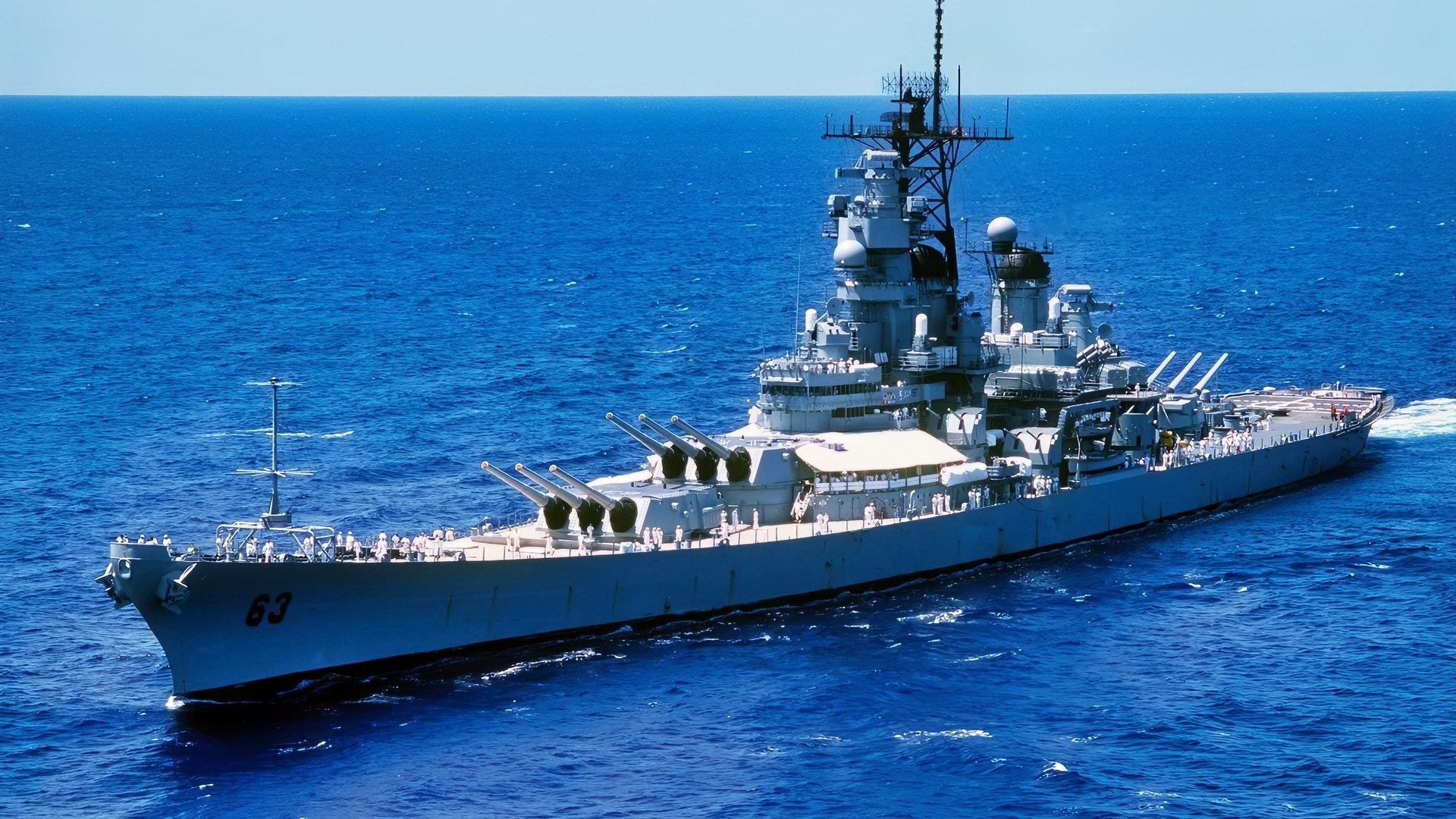
Summary and Key Points: CBO analyst Eric Labs outlined a steep projected cost for the first Trump-class guided-missile battleship, with estimates ranging from roughly $14.3 billion to $20.6 billion if ordered now—and closer to $22 billion if procurement slips to 2030.
-The wide range reflects an unsettled design and uncertainty around displacement, survivability features, and the integration of new weapons and sensors.
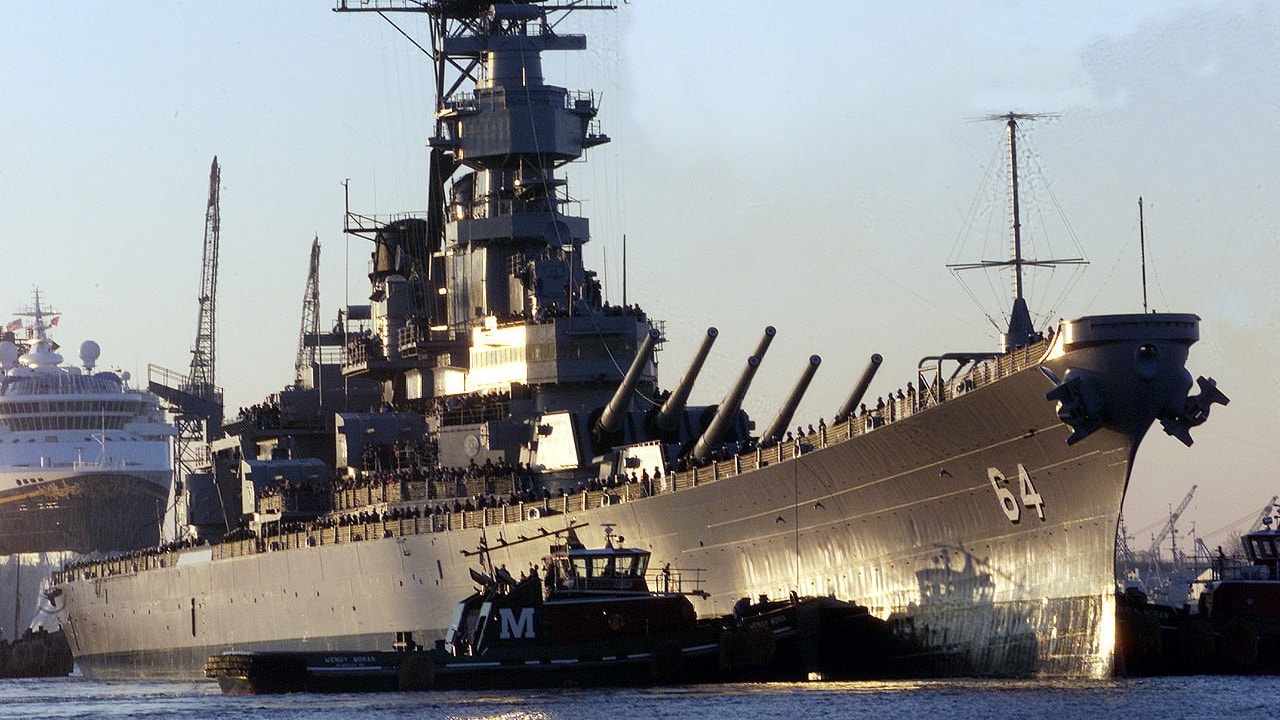
A tug boat nudges the bow of the battleship USS Wisconsin (BB 64) as the ship is pushed from the Norfolk Naval Shipyard to the Nauticus Museum in Norfolk, Va., on Dec. 7, 2000. The Wisconsin will be the centerpiece of a four-part exhibit on the battleship’s role in Naval history.
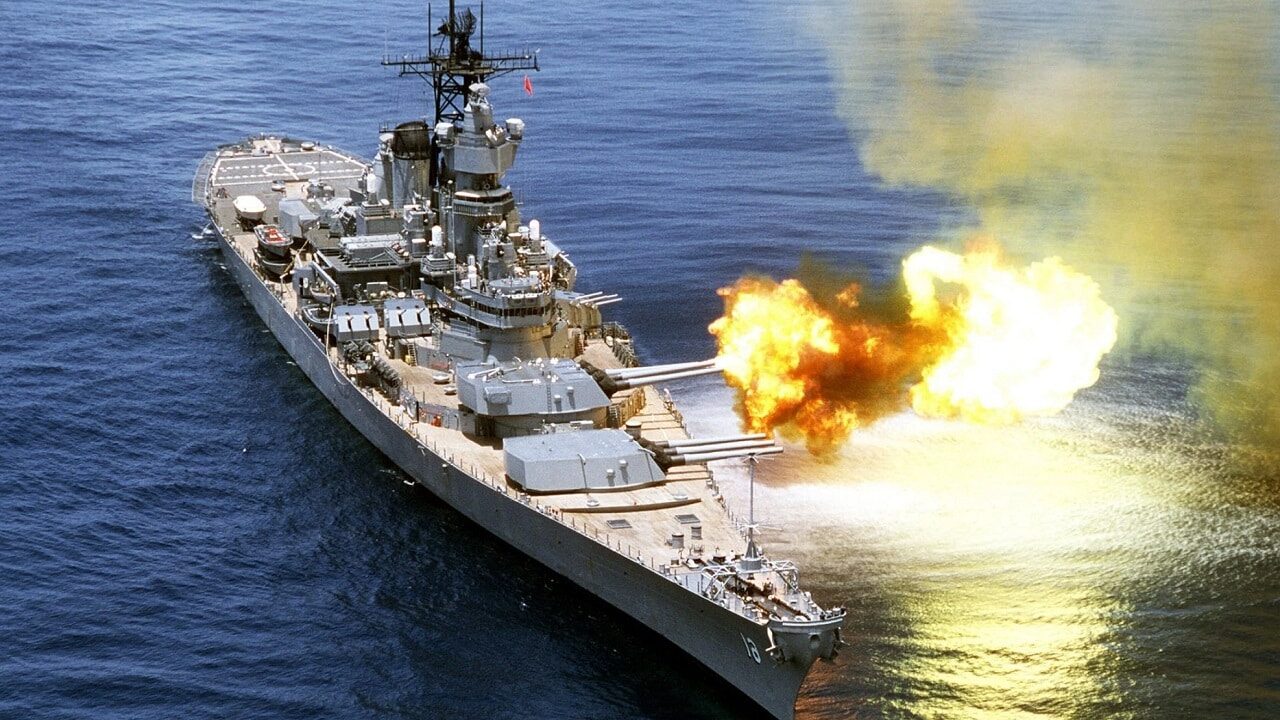
Iowa-Class USS Wisconsin Battleship. Image Credit: Creative Commons.
-Follow-on ships could still run about $9 billion to $13 billion each today, or $10 billion to $15 billion if delayed.
-Labs also highlighted persistent industrial-base constraints—labor shortages, inexperienced workforces, and supply-chain friction—as major cost drivers.
$22 Billion For One “Trump-Class” Battleship? CBO’s Price Tag Is A Shock
The first of President Donald Trump’s planned fleet of Trump-class battleships will reportedly cost as much as $21 billion (for the first warship) if ordered today, according to estimates released by the Congressional Budget Office (CBO). The data also suggests that the price would be closer to $22 billion if the order is delayed to 2030.
What Eric Labs Said
Analyst Eric Labs of the CBO’s national security division revealed the expected pricing during a presentation last week.
Throughout the presentations, Labs offered the best look yet at what it will take to make Trump’s proposed fleet a reality.
Labs claimed that the cost could range from anywhere between $14.3 billion to $20.6 billion if ordered today. Labs also explained that the large range is a product of the exact design of the ships not having been confirmed yet, with estimates currently being based on assumptions about the ship’s expected displacement.
The data also shows that the cost of follow-on ships would remain high – though they would still decrease as a result of production lines having been established.
Based on current best estimates, additional ships would cost between $9 billion and $13 billion each if orders began today, or between $10 billion and $15 billion if orders are deferred until 2030.
Labs detailed some of the expected costs during the Surface Navy Association symposium that was held on Thursday, January 22.
Explaining the Variables
During his presentation, Labs described the factors that can impact the cost of a guided missile battleship.
Labs noted that modern shipbuilding technologies and techniques could make the ship easier to build compared with those built in the past, and that a larger ship could “signify a simpler design and thus a ship that is easier to build.”
Labs also said that armored ships could be cheaper to build per unit of weight, and that the ship could carry more weapons relative to its size and thus cost less per unit of weight compared with analogous ships built in the past. Additionally, he also said that lightship displacement could be less than estimated.
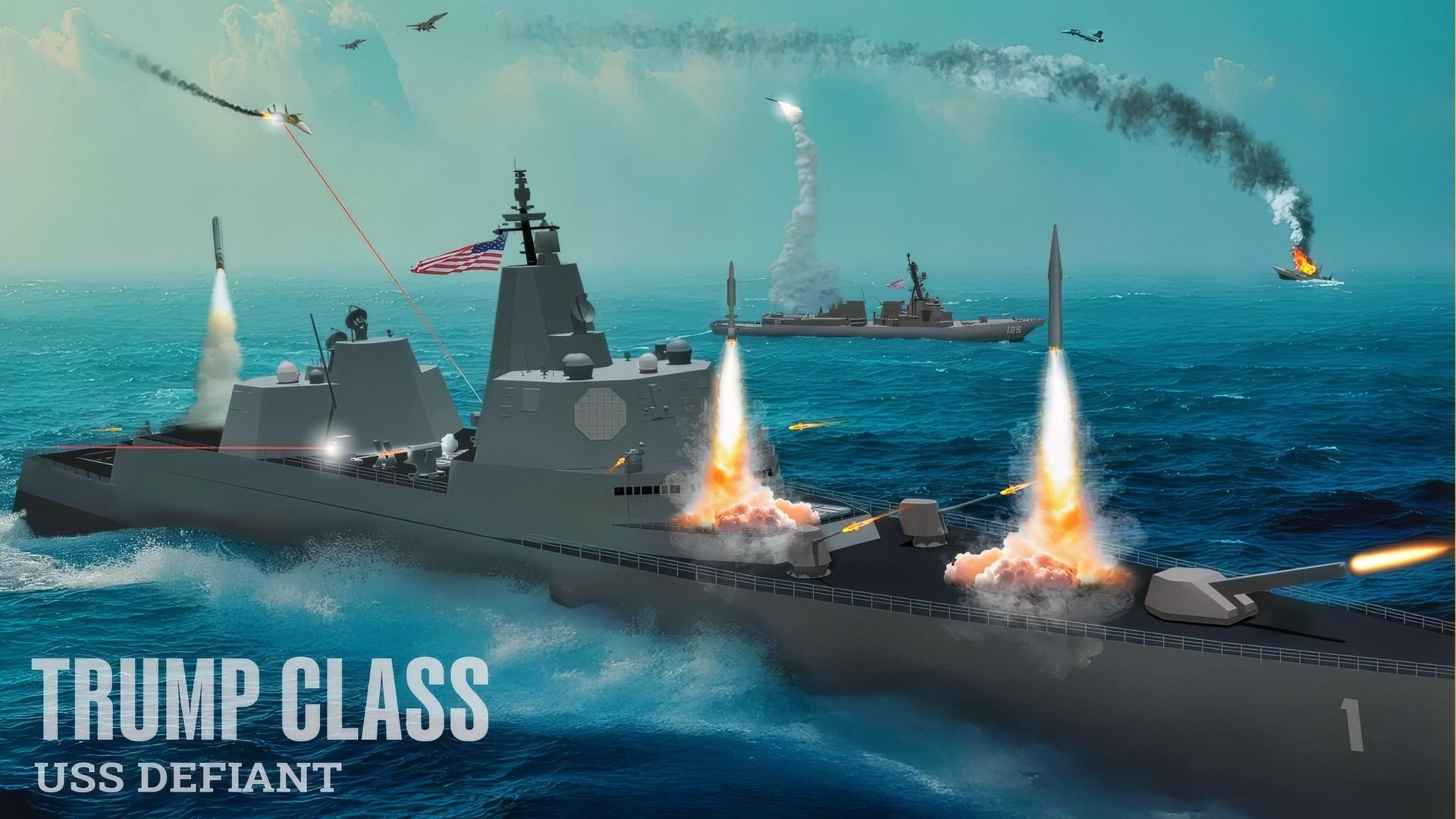
Trump-Class Battleship USS Defiant. Image Credit: Creative Commons.
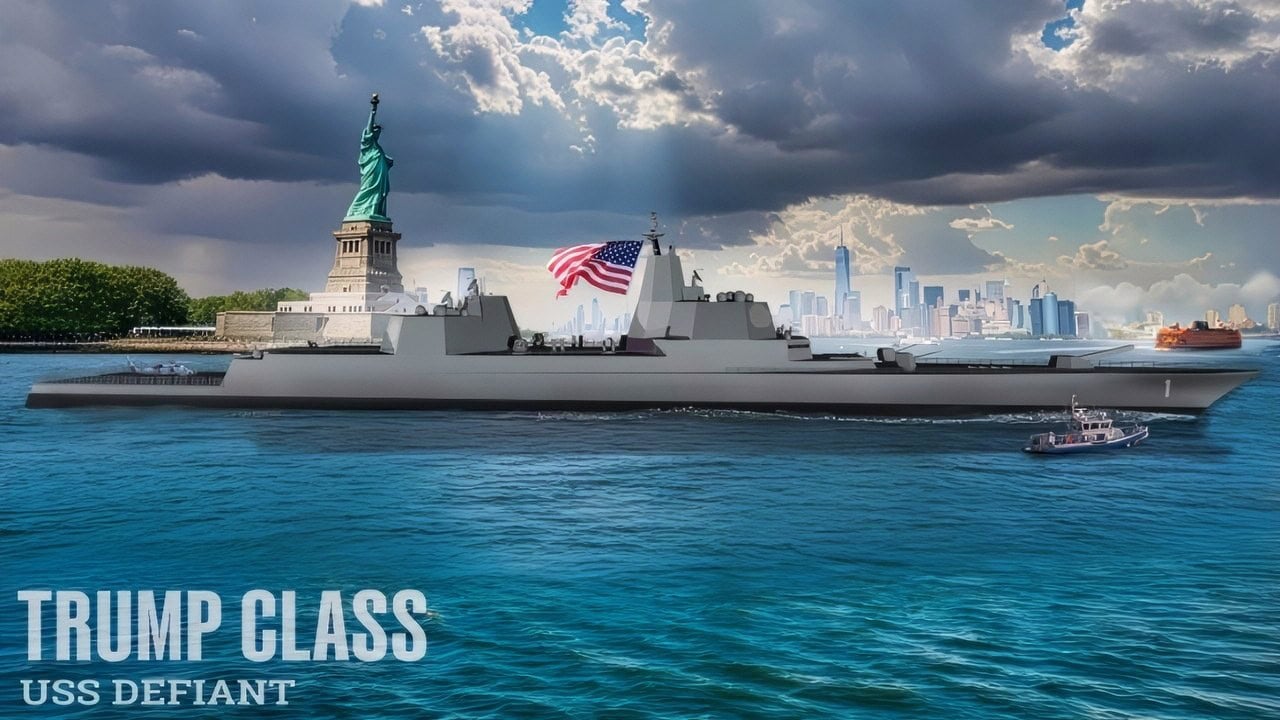
Trump-Class Battleship. Image Credit: Creative Commons/White House.
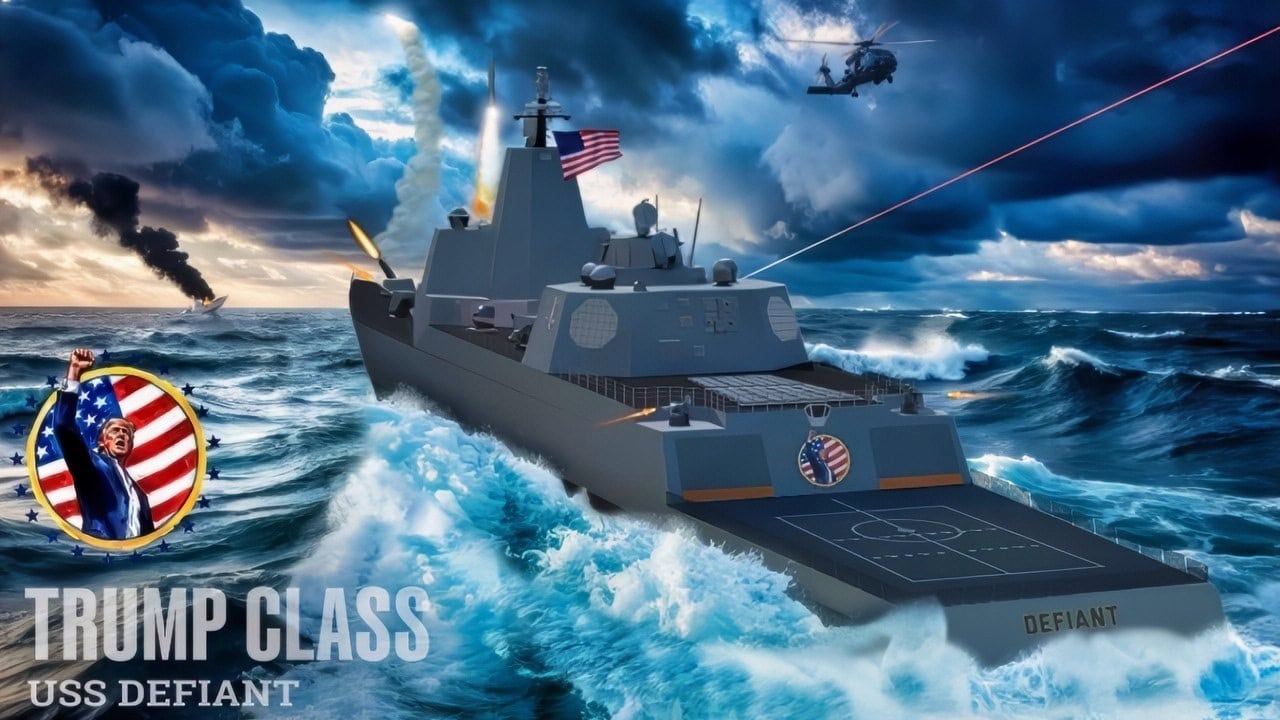
Trump-Class Battleship. Image Credit: Creative Commons/White House Photo.
In terms of what makes a ship cost more to build, Labs pointed to one of the biggest pain points for all branches of the U.S. military: America’s struggling industrial base.
“Weaknesses in the shipbuilding industrial base remain,” his presentation notes. “Shipyards continue to suffer from an insufficient quantity of skilled labor, relatively inexperienced labor forces, and supply chain challenges.”
Furthermore, he said that if BBG-1 – the first of the Trump-class ships – has more survivability features, it would thereby have greater compartmentalization and internal structure and increase overall cost as a result. He also said that incorporating a large range of new weapons, sensors, and other capabilities could increase the cost per weight.
What We Know So Far
President Donald Trump publicly unveiled his plan for a new class of U.S. Navy surface combatants on December 22, 2025, at a press event at Mar-a-Lago in Palm Beach, Florida. Standing alongside Secretary of the Navy John C. Phelan and Secretary of Defense Pete Hegseth, Trump announced that the Navy would begin construction of what he called the “Trump-class” battleships as the centerpiece of a larger maritime buildup that he has branded the “Golden Fleet.”
“We’re calling it the Golden Fleet that we’re building for the United States Navy. As you know, we’re desperately in need of ships. Our ships, some of them have gotten old and tired and obsolete,” Trump said at the launch.
The design, officially designated BBG(X) in Navy documents, would mark the first new battleship since the retired Iowa-class and represent what administration officials describe as the most lethal surface combatants ever built by the United States.
The lead hull, to be named USS Defiant (BBG-1), is still in the design phase with construction targeted for the early 2030s, and the administration has floated plans for an eventual fleet ranging from 10 to as many as 25 vessels. The Navy and subsequent reporting have indicated that the Trump class is expected to carry a suite of advanced weapons systems, including vertical launch cells for long-range missiles, Conventional Prompt Strike hypersonic weapons, and potentially nuclear-capable cruise missiles, as well as enhanced command and control infrastructure.
The Current Timeline
The Trump-class battleship program is still in the preliminary design stage with no steel cut yet scheduled.
According to Navy planning documents, the first BBG(X) is expected to enter design and preliminary engineering through the late 2020s, with construction of the lead ship expected by the early 2030s.
Given typical build times for large warships and the six-year design contracts the service has signaled it is planning for, the first Trump-class vessel could launch in the mid-to-late 2030s and commission around 2040 if the program proceeds as planned.
Whether a future administration maintains funding through this decade will critically shape whether the planned fleet of potentially 25 hulls is ever completed.
About the Author: Jack Buckby
Jack Buckby is a British researcher and analyst specialising in defence and national security, based in New York. His work focuses on military capability, procurement, and strategic competition, producing and editing analysis for policy and defence audiences. He brings extensive editorial experience, with a career output spanning over 1,000 articles at 19FortyFive and National Security Journal, and has previously authored books and papers on extremism and deradicalisation.