
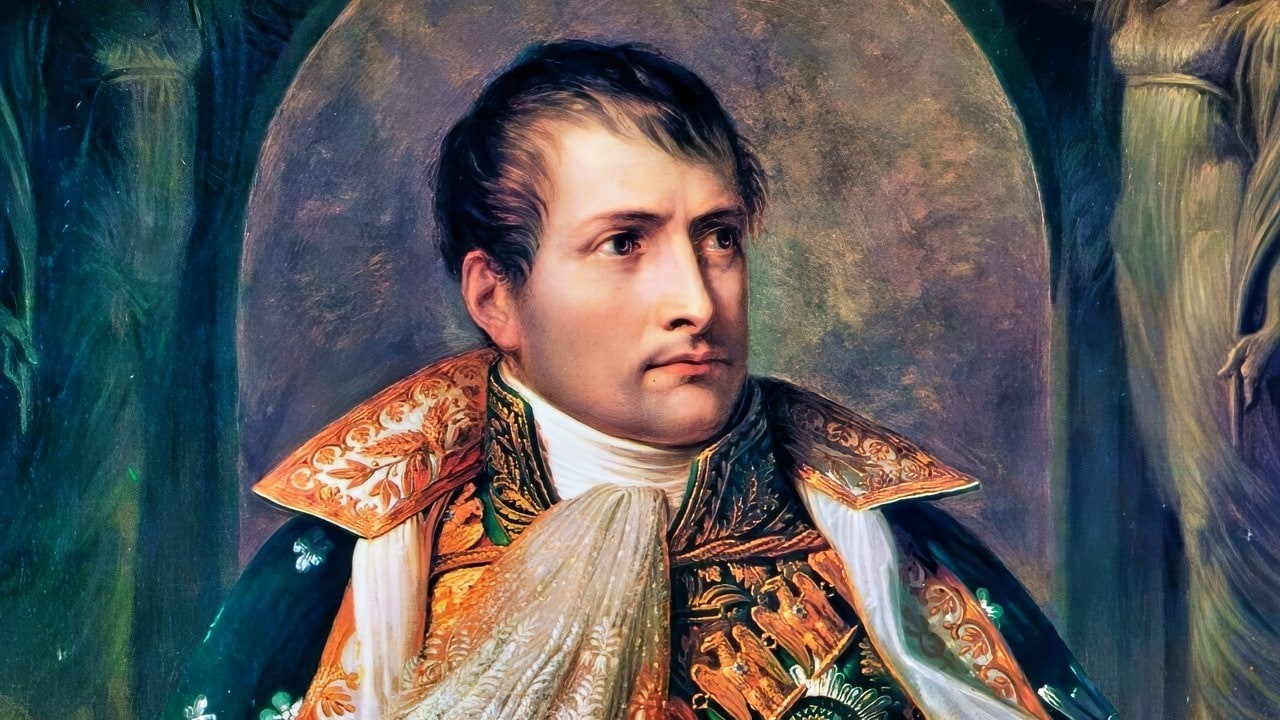
Summary and Key Points: Napoleon Bonaparte’s return from exile in 1815 remains one of history’s clearest examples of comeback politics: dramatic, consequential, and ultimately short-lived.
-That same pattern now echoes in modern democratic politics. Emmanuel Macron recovered his office but faces legislative paralysis and weakened authority.
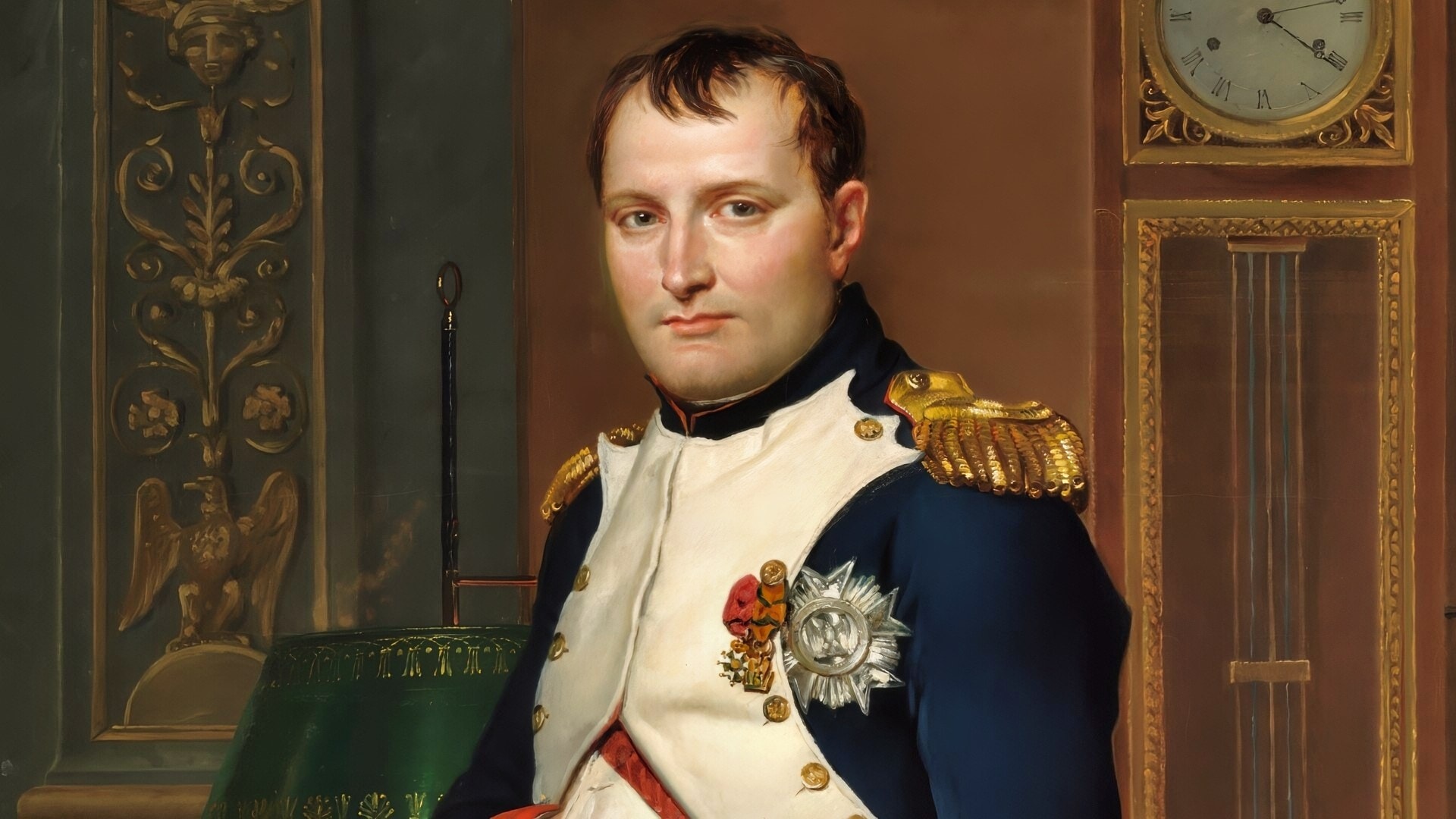
Napoleon Painting Creative Commons Image.
-Donald Trump returned to the White House and quickly reshaped U.S. politics, yet signs suggest his early post-election momentum is fading.
-In Britain, Keir Starmer won a commanding parliamentary majority, but early polling points to slipping public support.
-The broader lesson is simple: defeating rivals and regaining power is one challenge, but holding legitimacy and public confidence is far harder.
One Quote Explains Napoleon’s Return and Fall Explains Today’s Political Crisis Cycle
“You become strong by defying defeat and by turning loss and failure into success.” – Napoleon Bonaparte
In 1814, European coalitions forced Napoleon Bonaparte to abdicate and sent him to Elba in what many of his contemporaries assumed was the end of his political career.
In March 1815, he escaped, returned to France, and reclaimed authority from a government that had entirely written him off – only to once again fall at Waterloo.
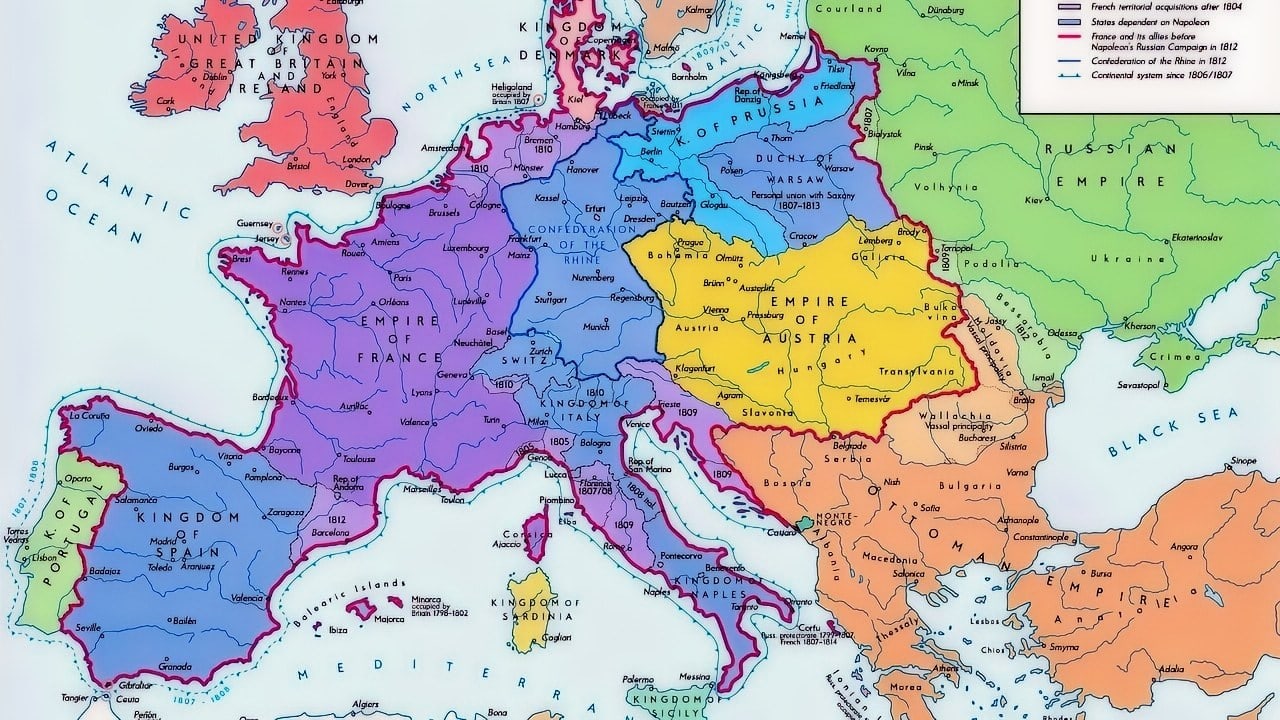
Map of Napoleon’s Empire. Image Credit: Creative Commons.
It’s an episode in history that proves that recovering from defeat doesn’t always guarantee lasting success – and it’s a dynamic we’re seeing unfold all over again today.
Contemporary politics offers similar examples where leaders have faced setbacks and staged comebacks – sometimes spectacular ones, too – but with varying results.
In modern France, Emmanuel Macron called snap legislative elections in 2024 after poor showings in the European Parliament elections and losses by his Renaissance alliance, leaving him without a clear majority in the National Assembly.
The political paralysis that has since followed has limited Macron’s agenda and produced a prolonged crisis of governance.
Macron’s weakened position proves that a recovery from political setbacks can sometimes restore office but not always authority. And he’s not the only example, either.
In the United States, Donald Trump staged his own shock comeback, winning the 2024 presidential election after his famous 2020 defeat.
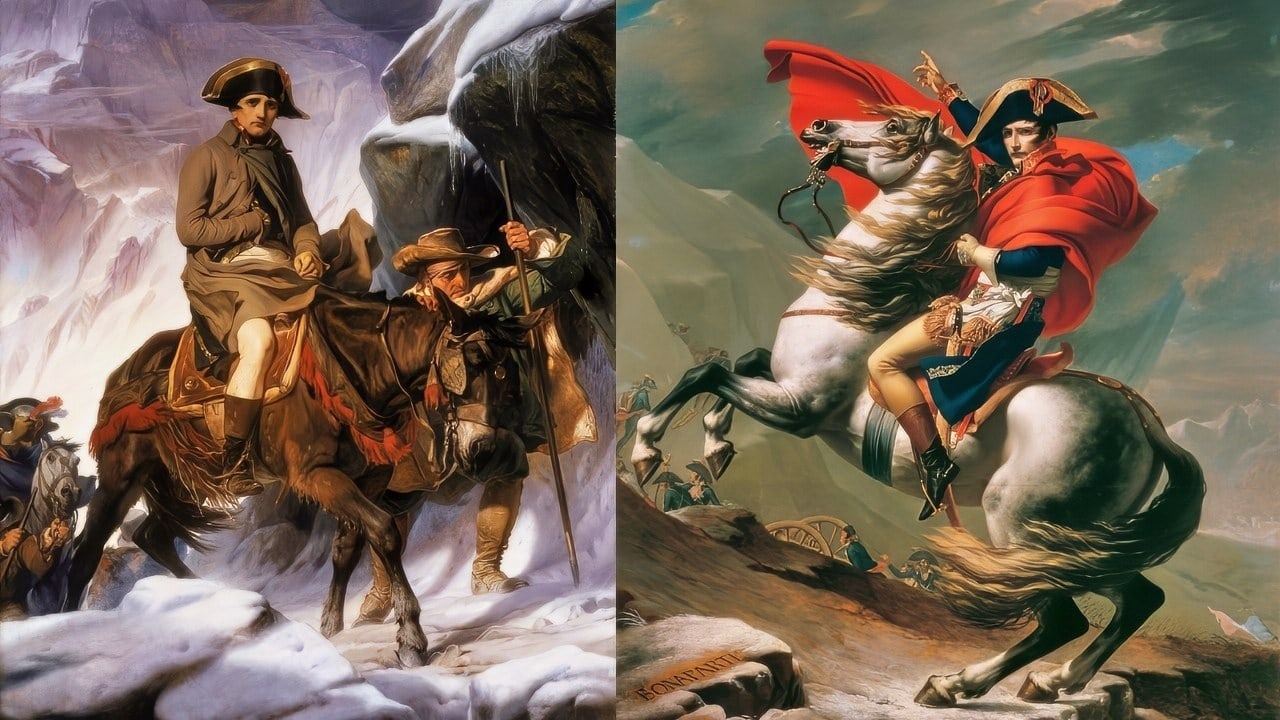
Napoleon Quote of The Day Two Looks. Image Credit: Creative Commons.
His return to power has already reshaped U.S. domestic and foreign policy debates and renewed his influence over the Republican Party.
And while the impact he’s had on both the country and party is hard to deny, it’s also worth noting that he is no longer as popular as he was in the early stages of his 2024 victory.
Over in the United Kingdom, though, things are far worse.
Keir Starmer rose to power after the Conservative Party’s monumental defeat in 2024.
Starmer didn’t so much win the election as the Conservative Party lost it, gaining just 33.7% of the vote but receiving a commanding and historic parliamentary majority that allows the party to pass whatever legislation it likes effectively.
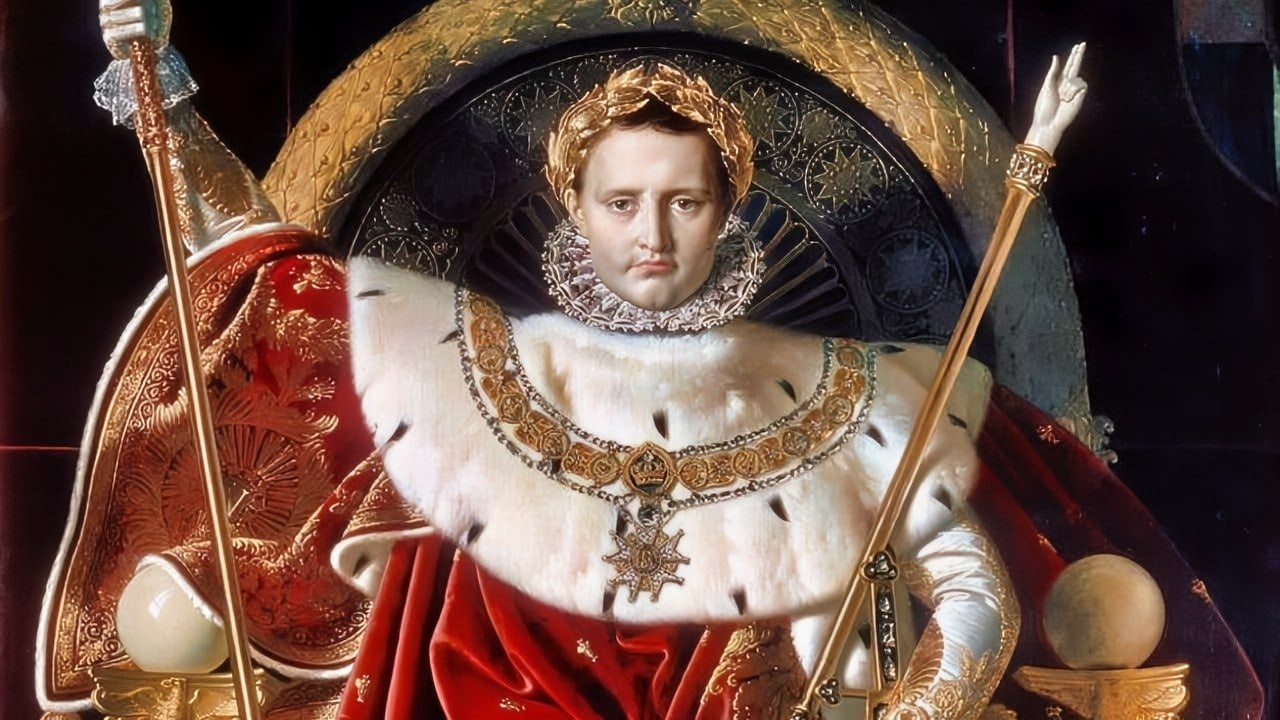
Napoleon the Emperor. Image Credit: Creative Commons.
Early polling, however, suggests that Starmer’s public approval just keeps dipping – in some measures, trailing overseas peers including Trump in terms of favorability.
Returning to power, therefore, is only one step; maintaining public confidence and support is another challenge entirely, and evidently one that many leaders struggle to master.
About the Author:
Jack Buckby is a British researcher and analyst specialising in defence and national security, based in New York. His work focuses on military capability, procurement, and strategic competition, producing and editing analysis for policy and defence audiences. He brings extensive editorial experience, with a career output spanning over 1,000 articles at 19FortyFive and National Security Journal, and has previously authored books and papers on extremism and deradicalisation.