
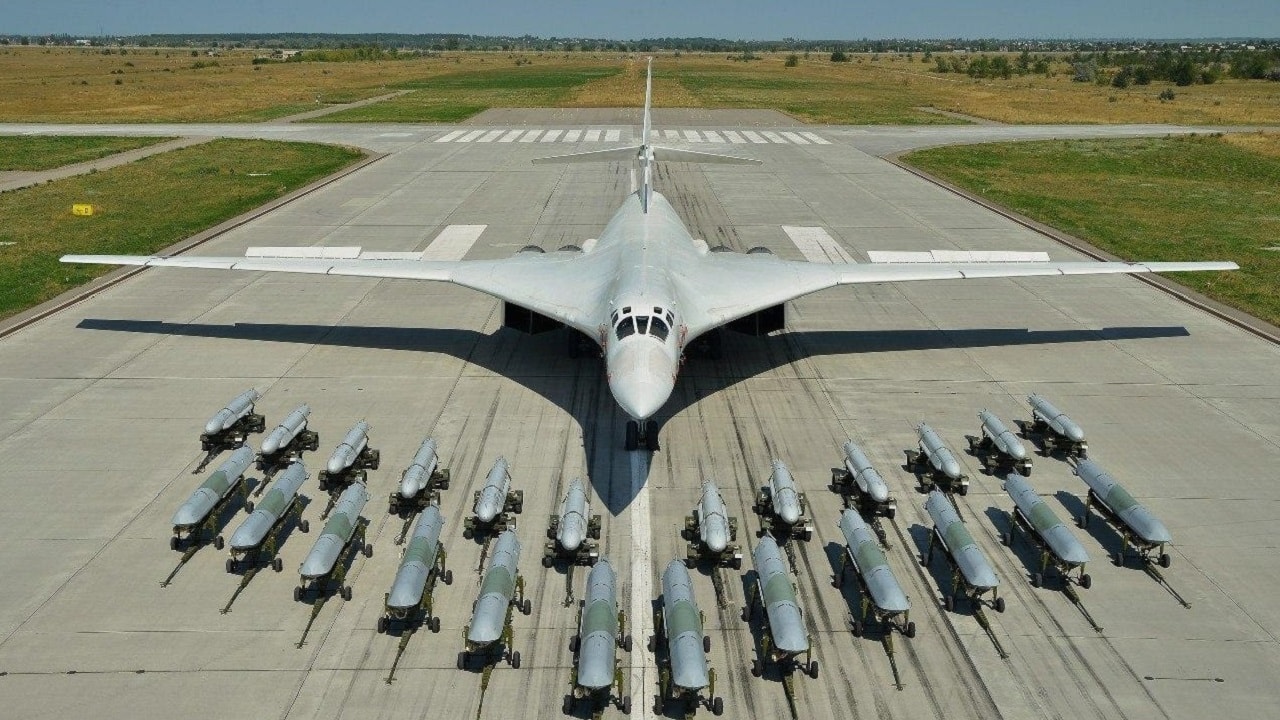
Summary and Key Points: Faced with persistent delays in the PAK DA stealth program, Russia has officially integrated two newly built Tu-160M strategic bombers into its 2026 inventory.
-This move highlights Moscow’s struggle to bridge the gap between Soviet-era legacy systems and 21st-century stealth requirements.
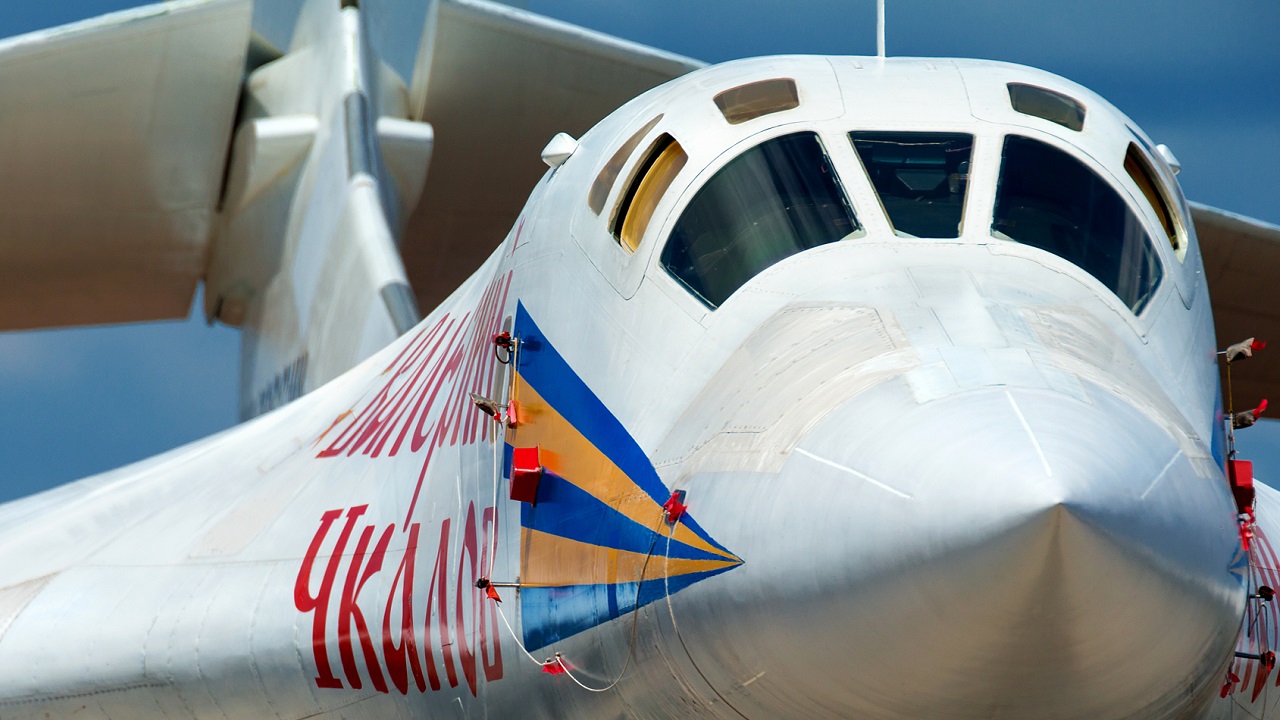
Tu-160. Image Credit: Creative Commons.
-The modernized Tu-160M features upgraded engines and digital avionics, allowing it to cruise at Mach 2 and launch Kh-101 cruise missiles from long distances.
-While an effective interim solution for the “stand-off” fight, the reliance on a 1970s airframe underscores Russia’s industrial limitations and its inability to field a true stealth successor in the current decade.
Beyond Stealth: Why the Mach 2 Tu-160M Is Russia’s Only Way to Strike the West
In late 2025 and early 2026, Russia added two modernized Tupolev Tu-160 strategic bombers to its inventory—aircraft that were first designed in the 1970s and are widely seen as relics of the Cold War. Moscow’s decision to restart production of this old design raised eyebrows for good reasons.
It reflects difficult strategic and industrial realities that have left the Kremlin with few alternatives to sustain its long-range strike capabilities.
Russia’s next-generation stealth bomber program, the PAK DA, is still enduring delays, forcing military planners to pursue interim solutions such as fielding upgraded versions of older platforms. The Tu-160 combines speed, payload, and range, making it an ideal temporary solution.
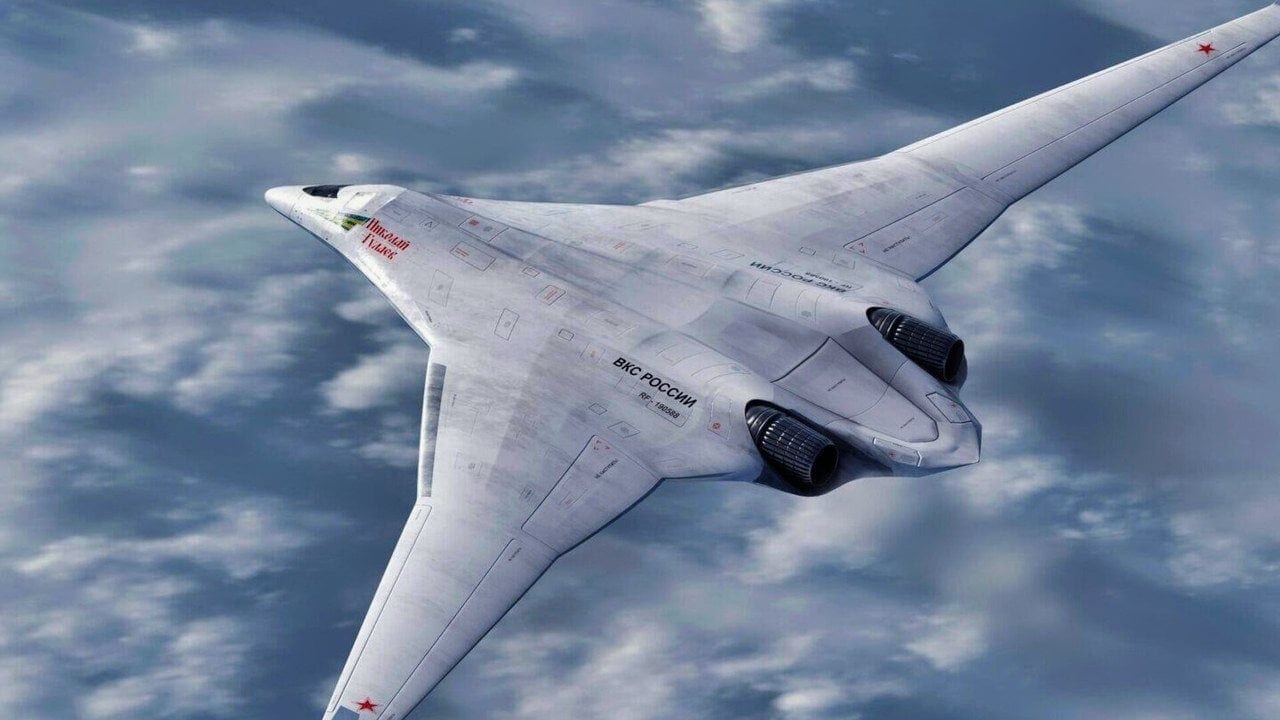
PAK DA Russian Stealth Bomber. Russian State Media.
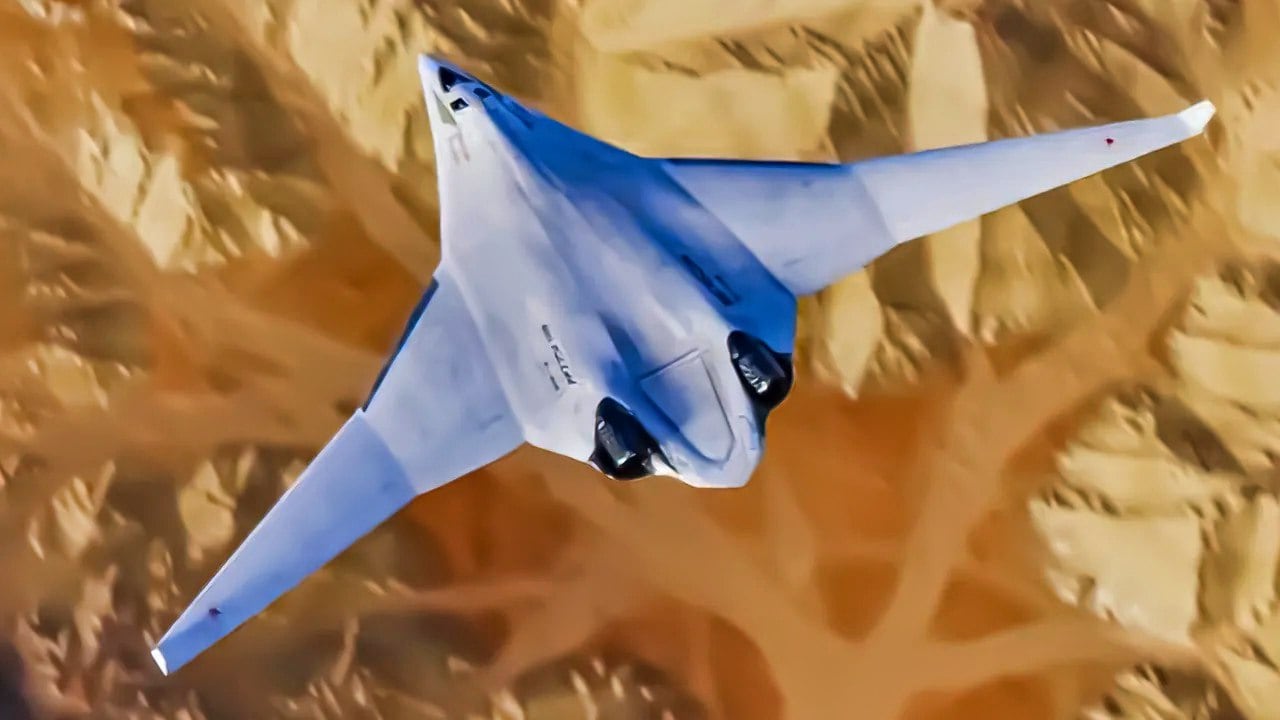
PAK DA Russian Bomber. Image Credit: Creative Commons.
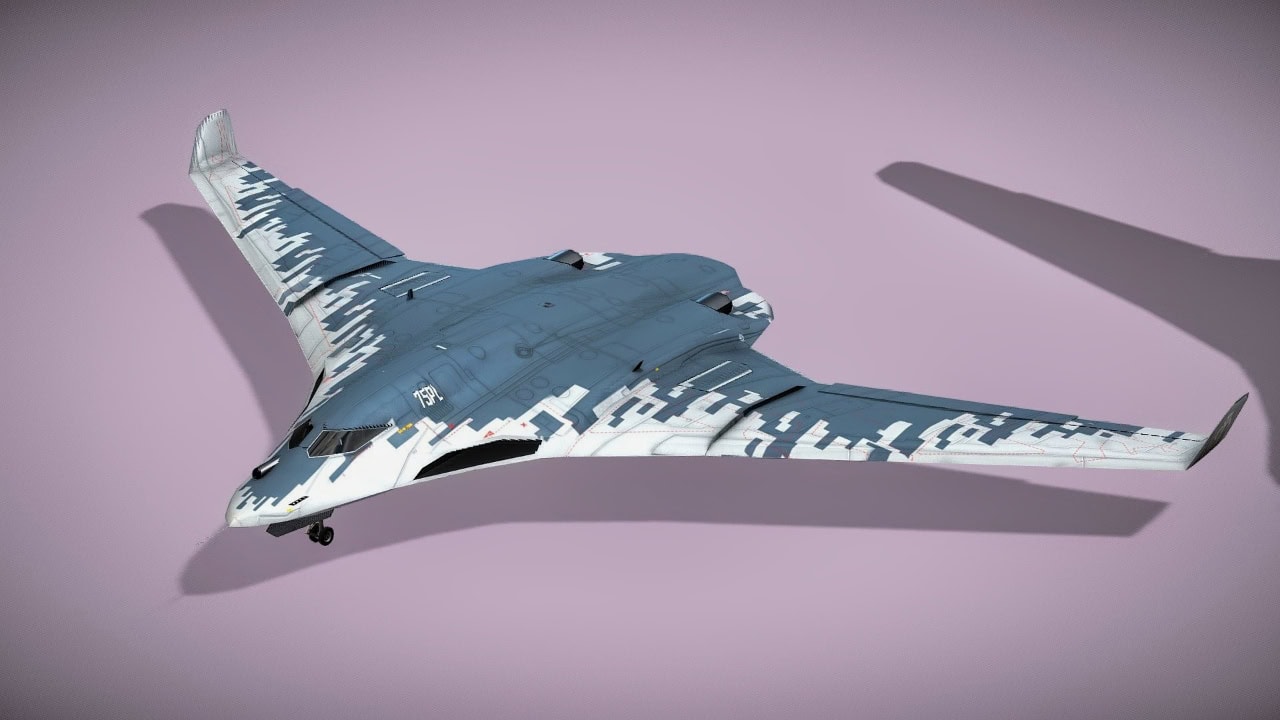
PAK DA Stealth Bomber Russia.
The aircraft is non-stealthy but can carry significant missile loads over intercontinental distances and launch from Russian airspace without exposing crews to heavy surface-to-air defenses.
Meet the Tu-160M
The Tu-160 “Blackjack” is a supersonic variable-sweep-wing strategic bomber that first flew in 1981 and entered service in 1987 under the Soviet Union.
It was designed as a high-speed, long-range platform capable of carrying nuclear or conventional cruise missiles and was the last strategic bomber produced before the Soviet collapse.
After the Soviet Union dissolved, production halted and Russia inherited a limited fleet, later consolidating ownership by buying back aircraft from Ukraine. Since then, the airframe has served as a pillar of Russia’s strategic bomber force, conducting strikes in Syria and launching long-range cruise missiles against targets from within Russian airspace.
Despite the aircraft’s age, Russia has worked to keep the type relevant, producing a modernized variant known as the Tu-160M. Those upgraded aircraft feature new avionics, digital cockpits, and enhanced engines. They are intended to maintain operational relevance for the foreseeable future as efforts to field a next-generation bomber stall.
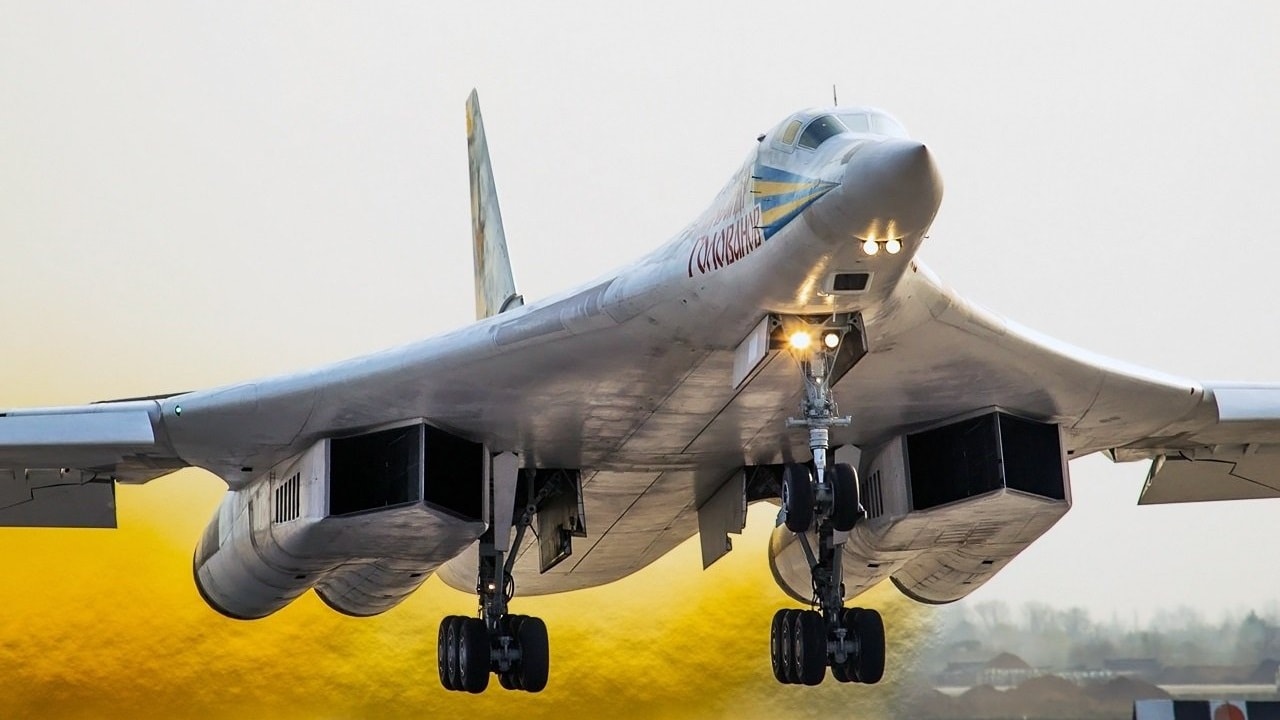
Russian Tu-160 bomber. Image Credit: Creative Commons.
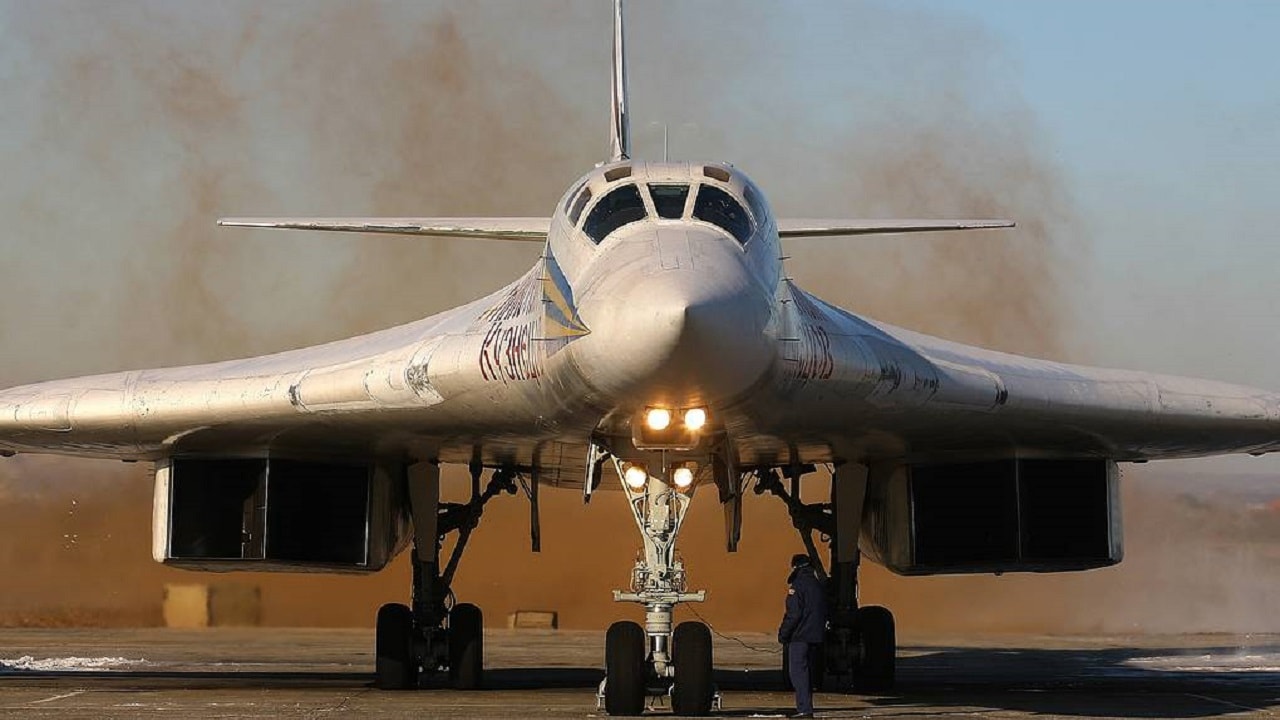
Russia’s Tu-160 Bomber. Image Credit: Creative Commons.
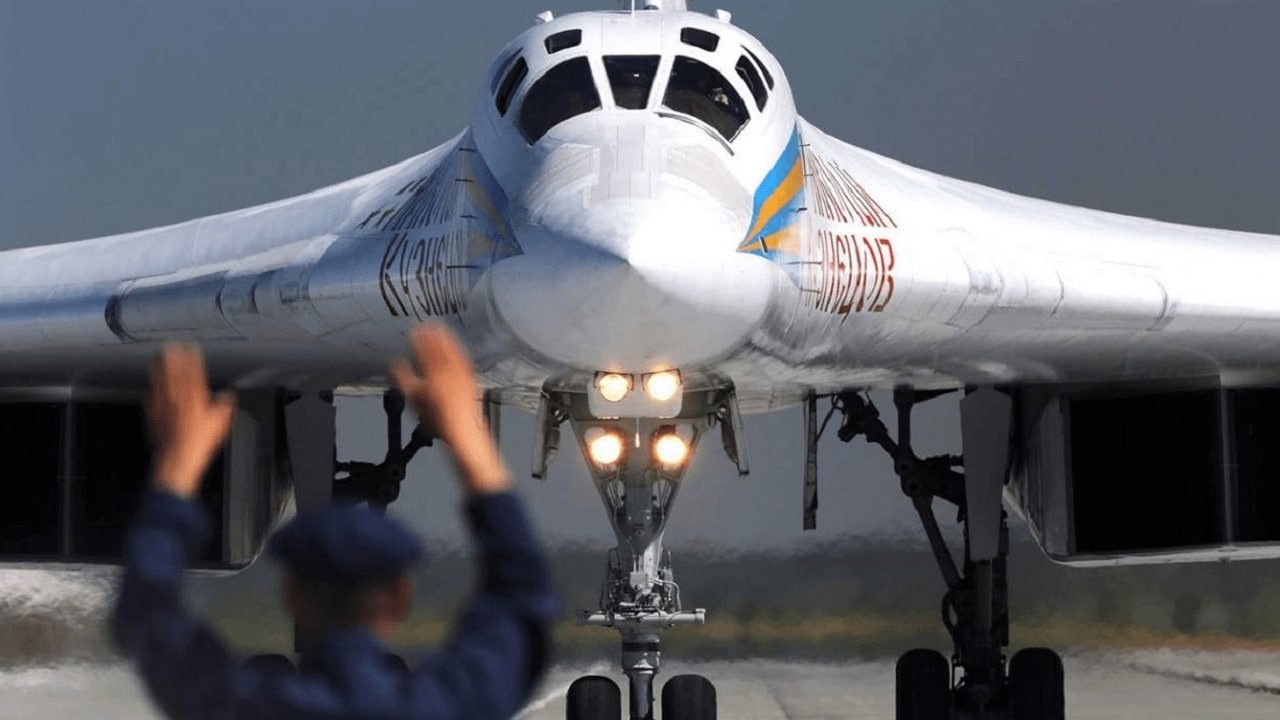
Russian Tu-160 bomber. Image Credit – Creative Commons.
The Tu-160M was made possible thanks to the restarting of production lines at the Kazan Aircraft Production Association. The lines were opened as part of a larger plan to acquire up to 50 modernized bombers. Progress has, however, been slow, a result partly of Western sanctions and supply chain problems.
PAK DA Delays and the Strategic Gap
Russia has long planned to field a successor to the Tu-160 and other legacy aircraft. The PAK DA is the next-generation program for a stealthy, subsonic, long-range bomber. Conceived as a flying-wing design with low observability and long-range payload capability, the PAK DA is intended to replace older strategic bombers and project both conventional and nuclear strike power deep inside adversary territory.
The PAK DA was originally expected to enter the prototype flight stage by the early 2020s, with potential service entry in the mid-2020s.
However, repeated delays, caused largely by the 2022 invasion of Ukraine, have pushed first-flight estimates into the 2026-2027 range, with a strong likelihood of further delays. Full production may not, therefore, be possible until the late 2020s or beyond.
Those delays are embarrassing for Russia—but worse, they have strategic consequences. Without the PAK DA entering service any time soon, Russia faces a widening gap between its ambition for a stealth-enabled future bomber force and its current operational needs.
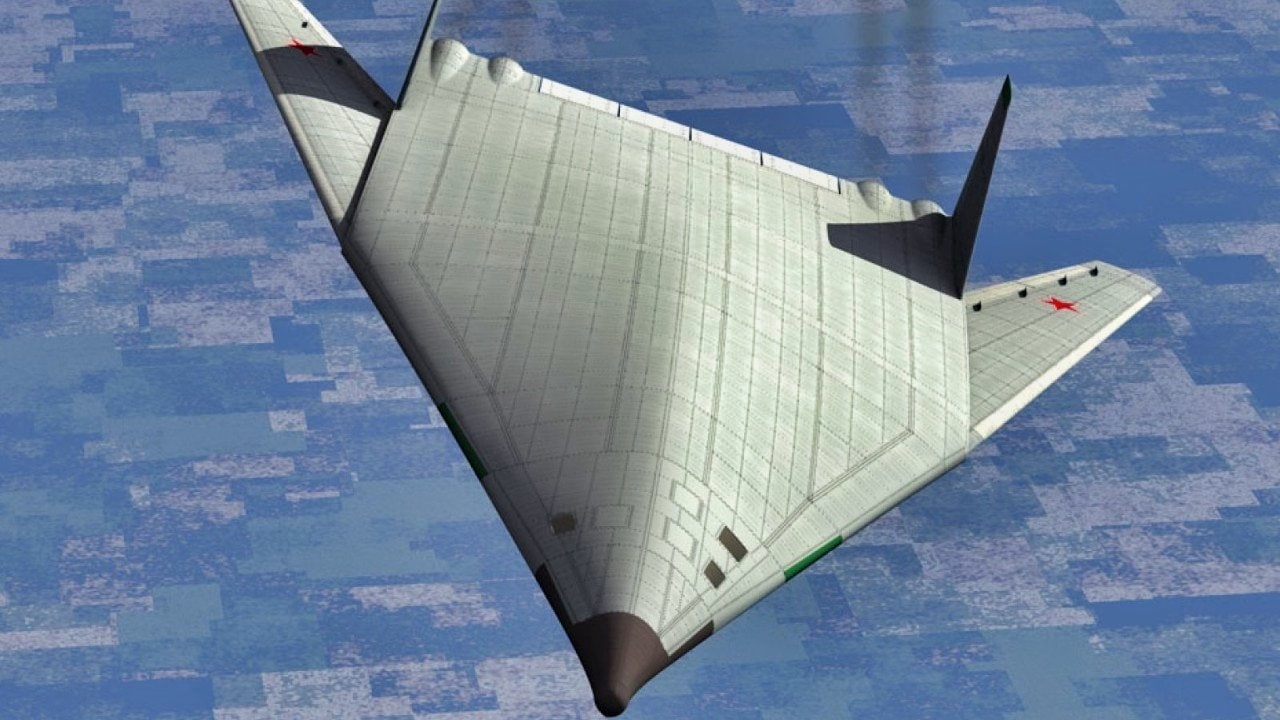
PAK DA Stealth Bomber. Image Credit: Russian State Media/Creative Commons.
Restarting Tu-160M production is in part a recognition that the gap exists. Moscow knows it needs an aircraft that can fly long distances, carry modern cruise missiles, and remain in service while the PAK DA program continues to struggle. It is a pragmatic though not ideal interim solution that maintains critical industrial skills and long-range strike capacity at the same time.
What Russia Needs from a Bomber
Unlike stealth bombers designed to penetrate advanced air-defense systems, the Tu-160M is designed to meet Russia’s particular needs: long-range reach and a platform from which cruise missiles can be fired.
One of the defining features of the Tu-160M is its ability to cruise at supersonic speeds; the aircraft is capable of flying at about Mach 2, making it one of the fastest bombers ever built.
Supersonic performance is, in some ways, an alternative to stealth: The bomber can quickly reposition itself across Russia’s vast geography and complicate tracking by some defensive systems. Its large internal fuel capacity gives it intercontinental range, helping the platform to reach launch points deep inside contested airspace without forward basing.
In recent conflicts, particularly in Ukraine, Russian long-range aviation has typically operated from secure airfields within Russian territory. The bombers launch long-range, air-launched cruise missiles such as those from the Kh-101 family.
Restarting the Tu-160 Isn’t Easy
While upgrading proven platforms is a common trick used by militaries all over the world to fill urgent gaps, restarting production lines is no simple task.
Reviving the Tu-160 line has required Russia to regain manufacturing know-how that evaporated after production halted in the early 1990s.
Modernizing and producing these aircraft under today’s conditions is even harder, with supply chain constraints making it difficult for designers and engineers to source the materials and technology they need to make the aircraft. Building them, therefore, has been slow and challenging, with limited output relative to the ambitious early targets.
But, despite the hurdles, Moscow is pressing forward with the plans and sees the program as a way to sustain strategic aviation capability.
About the Author:
Jack Buckby is a British researcher and analyst specialising in defence and national security, based in New York. His work focuses on military capability, procurement, and strategic competition, producing and editing analysis for policy and defence audiences. He brings extensive editorial experience, with a career output spanning over 1,000 articles at 19FortyFive and National Security Journal, and has previously authored books and papers on extremism and deradicalisation.