
Article Summary and Key Points: Washington’s Iran war planning is built around limited political aims, not regime conquest.
-It focuses on degrading nuclear and missile infrastructure through stand-off tools: airstrikes, naval power, cyber disruption, and targeted special operations.
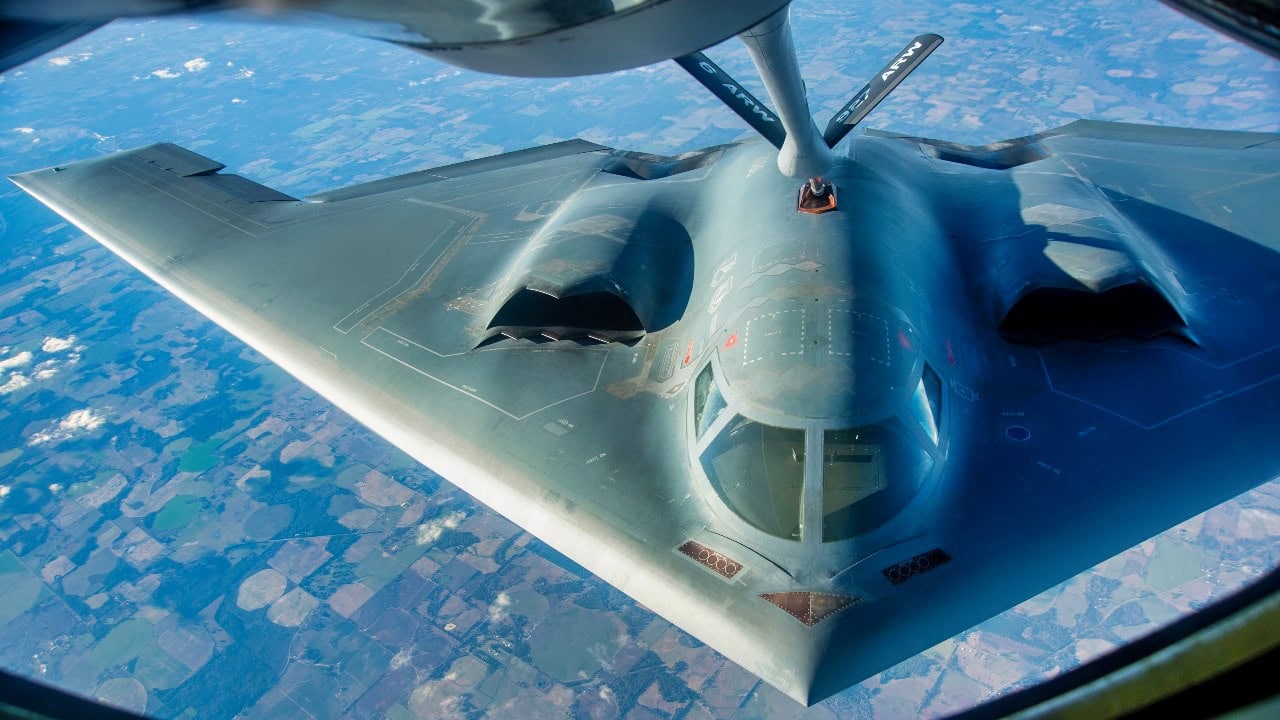
A B-2 Spirit assigned to Whiteman Air Force Base, Mo., receives fuel from a KC-135 Stratotanker, Feb 7, 2021. A B-2 Spirit performed alongside a B-1B Lancer and a B-52 Stratofortress for the Super Bowl LV flyover on Feb. 7, 2021. (U.S. Air Force photo by Airman 1st Class David D. McLoney)
-That approach matches both strategy and geography. Iran’s size, terrain, dispersed military infrastructure, and dense urban network would make invasion extraordinarily costly and strategically misaligned with U.S. goals.
-Instead of occupation, the likely model is coercive pressure from range—disrupting production pathways, command networks, and key facilities while avoiding the burdens of territorial control, nation-building, and a prolonged military commitment. Clausewitzian logic matters here: means stay limited because ends are limited.
Why the U.S. Military Is Preparing to Hit Iran Without Invading
No one in Washington is seriously thinking about invading Iran.
The explanation lies less in caution than in the relationship between political aims and military force.
As Clausewitz observed, war remains an instrument of policy. In the case of Iran, U.S. objectives are limited: degrading nuclear and ballistic missile capabilities while constraining Tehran’s ability to project power through regional proxies.
Campaign design follows from those aims. The tools most relevant to that mission sit in the stand-off realm — airstrikes, cyber disruption, and precision special operations. Territorial conquest is simply not among them.
Iran Objectives: Shape the Instrument
Pressure campaigns work to impose costs and thus influence decision-making. Invading Iran would reframe the conflict immediately. External coercion would harden into internal resistance as the regime mobilized nationalist sentiment against a foreign army.
Capability destruction is a narrower military task. Iran’s nuclear program depends on enrichment infrastructure, technical expertise, and facilities designed to shield sensitive work from attack. Missile power rests on production capacity, storage networks, and launch architecture. These elements form interconnected systems.
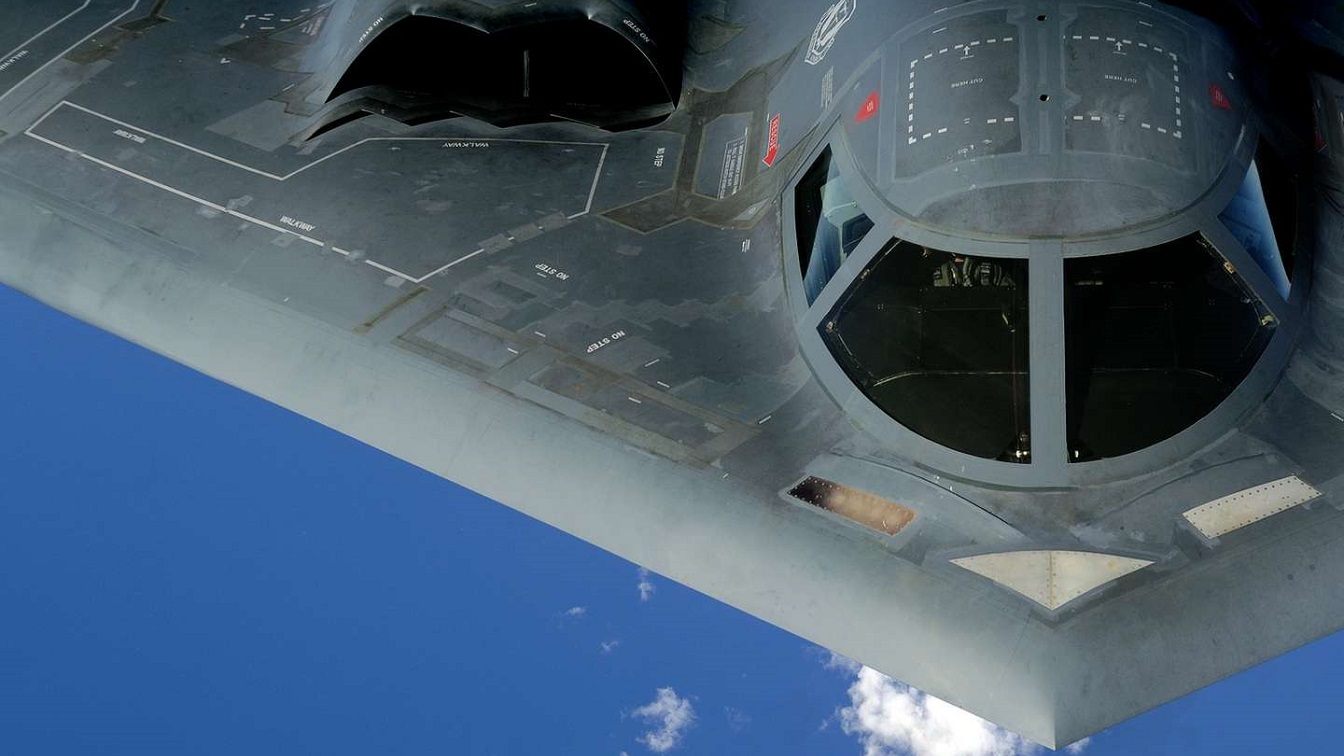
Image of B-2 Spirit stealth bomber. Image Credit: Creative Commons.
They can be disrupted from range without requiring U.S. forces to control the territory beneath them.
Regime change would introduce an entirely different strategic burden.
Washington has shown little appetite for absorbing the financial and military costs of rebuilding a state of Iran’s size. An invasion would generate those obligations whether policymakers intended them or not.
The Stand-Off Toolkit
Remove occupation from the equation and the operational toolkit clarifies.
Airpower provides reach against defended and hardened targets.
Long-range bombers carry the payloads needed to strike deeply buried facilities, such as fortified enrichment sites designed to survive conventional attacks. Carrier aviation limits dependence on fixed regional basing, which is exposed to retaliation.
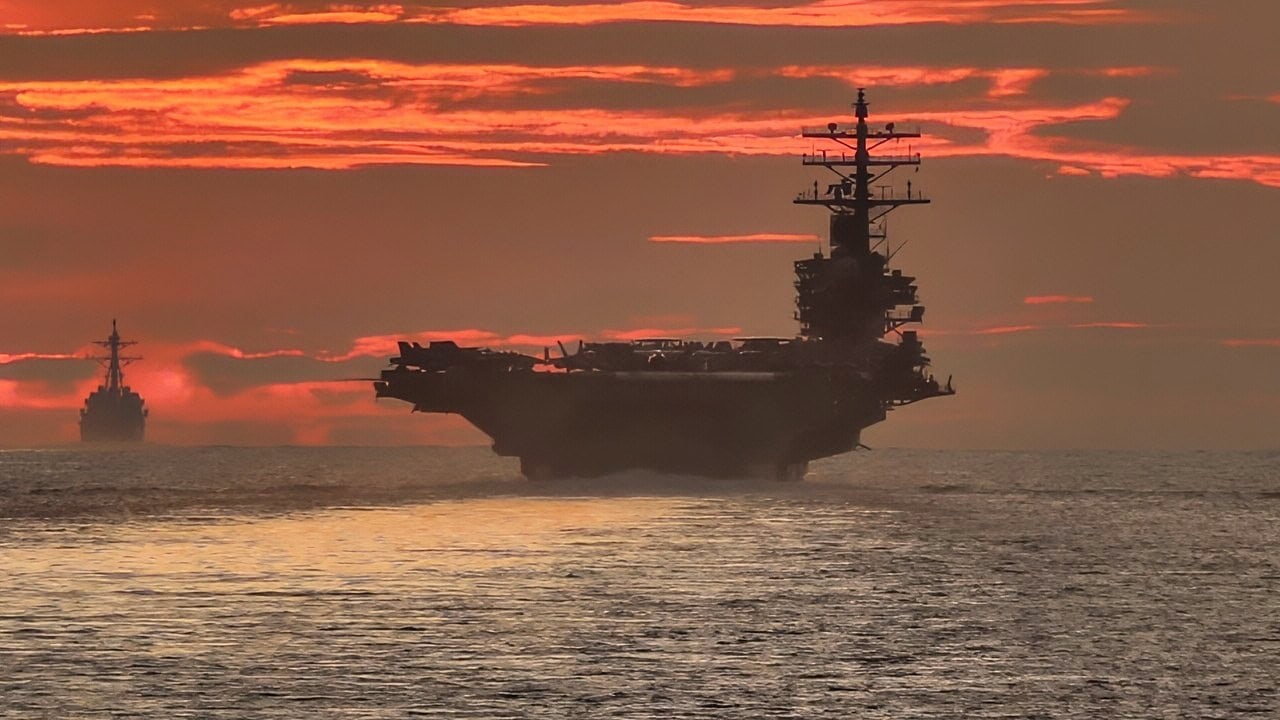
Naval forces establish the campaign environment. Sea control in the Gulf secures maneuver space and protects commercial transit through contested waterways. Maritime presence also signals resolve while preserving flexibility in escalation management.
Cyber operations expand the battlespace without expanding the footprint. Network disruption can slow nuclear workflows and complicate missile command systems while degrading defensive integration before kinetic strikes begin.
Special operations forces extend access where precision matters more than scale.
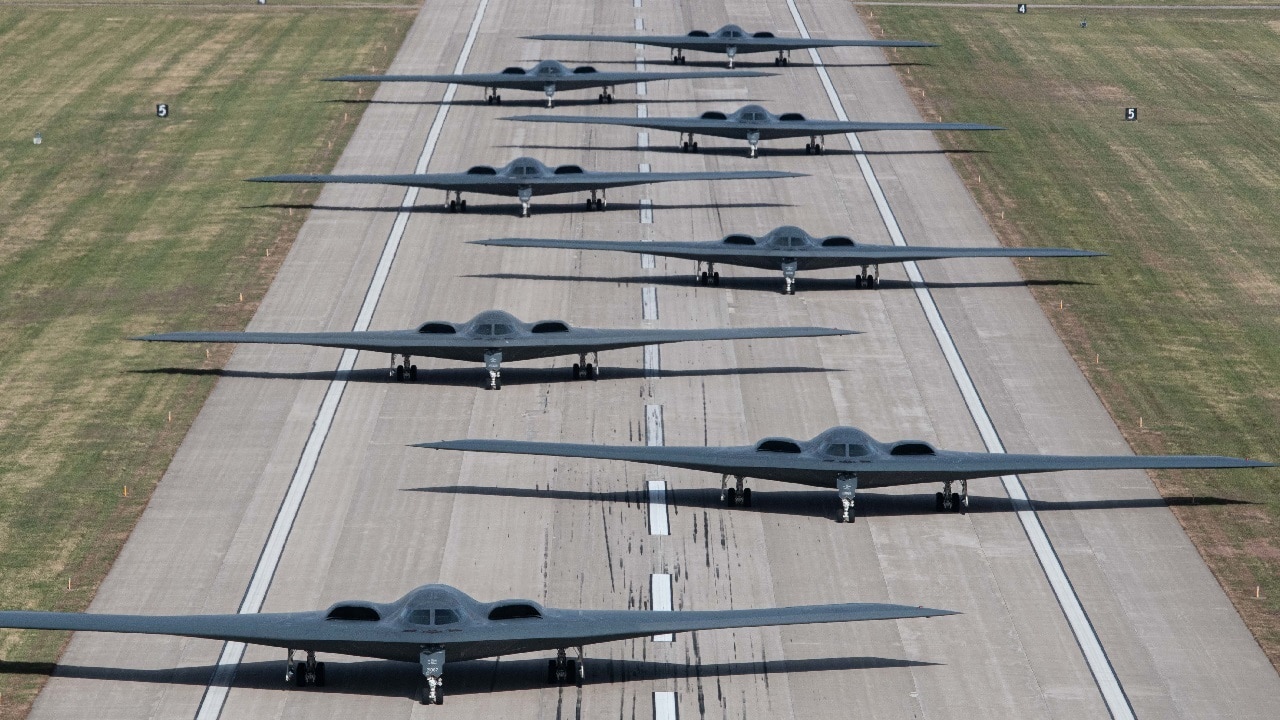
B-2 Spirit stealth bombers assigned to Whiteman Air Force Base taxi and take-off during exercise Spirit Vigilance on Whiteman Air Force Base on November 7th, 2022. Routine exercises like Spirit Vigilance assure our allies and partners that Whiteman Air Force Base is ready to execute nuclear operations and global strike anytime, anywhere. (U.S. Air Force photo by Airman 1st Class Bryson Britt)
They support targeting, assess strike effectiveness, and in rare instances conduct direct action against nodes that cannot be serviced remotely. Their function complements stand-off strike rather than substituting for it.
Taken together, these instruments support a campaign model centered on systems disruption. The objective is to degrade output and delay progress within defined military programs rather than to hold ground.
Iran: Geography and Scale
Stand-off war aligns not only with U.S. objectives but with the physical realities of the battlespace. Iran’s geography imposes its own logic. The country is several times larger than Iraq. Its geography combines mountainous interiors, dense urban corridors, and vast desert expanses.
Distance complicates sustained ground maneuver, stretching supply lines and exposing formations to layered defense across multiple axes.
Strategic depth magnifies those challenges. Critical military infrastructure is distributed rather than concentrated.
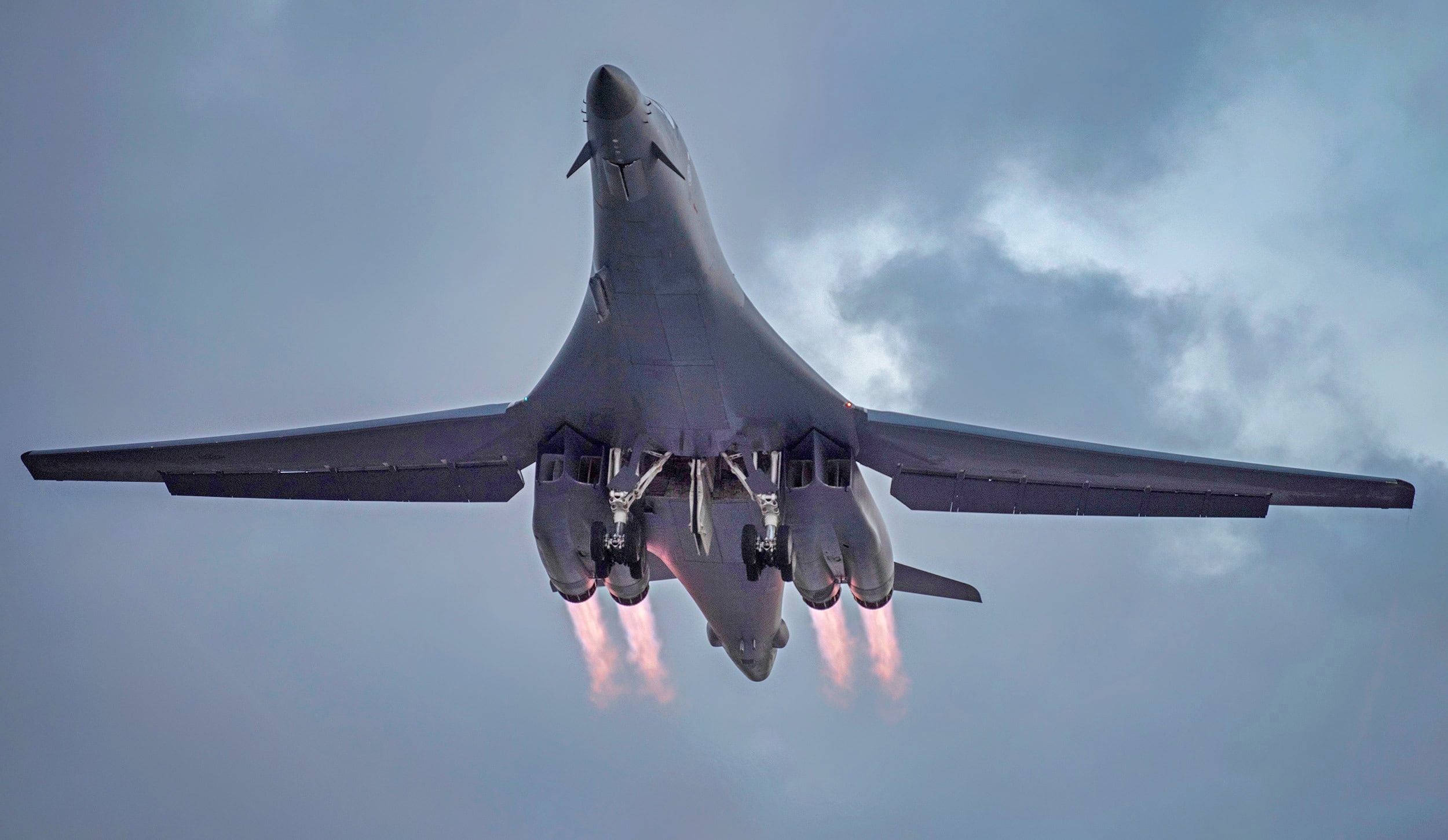
B-1B Lancer Bomber. Image Credit: Creative Commons.

A B-1B Lancer assigned to Ellsworth Air Force Base, S.D, takes off in support of a Bomber Task Force mission at Naval Support Facility Diego Garcia, Nov. 2, 2021. Bomber missions provide opportunities to train and work with our allies and partners in joint and coalition operations and exercises. (U.S. Air Force photo by Staff Sgt. Hannah Malone)
Industrial nodes, missile facilities, and command centers are dispersed across terrain that favors concealment and survivability. An invading force would face the prospect of securing not a single operational center of gravity, but a wide network of military and political assets spread across difficult ground.
Iran’s human geography compounds the problem. Iran’s urban system is extensive, with major population centers separated by significant distances but linked by transportation corridors. Occupation would require force levels and sustainment structures far exceeding those associated with the limited objectives driving U.S. policy.
Even a successful advance on key political centers would not neutralize the broader military capabilities Washington seeks to degrade.
These geographic realities reinforce the strategic logic already in place. Limited political aims point toward limited military means.
The physical structure of the Iranian state points in the same direction. Campaigns designed around stand-off strike, remote disruption, and episodic precision action can pressure the regime and erode targeted capabilities without assuming responsibility for controlling the terrain on which they sit.
A Different Grammar of War
The reluctance to contemplate invasion reflects more than political caution. It reflects alignment between objectives and the scale of force required to achieve them. The United States is not attempting to reorder Iran’s political system; it is seeking leverage against defined military capabilities tied to nuclear progress and missile power.
Contemporary U.S. war planning has shifted toward remote coercion; objectives remain bounded.
Advances in surveillance, precision strike, and network warfare have made it possible to disrupt critical systems without assuming responsibility for the territory on which they sit. Iran fits that strategic pattern.
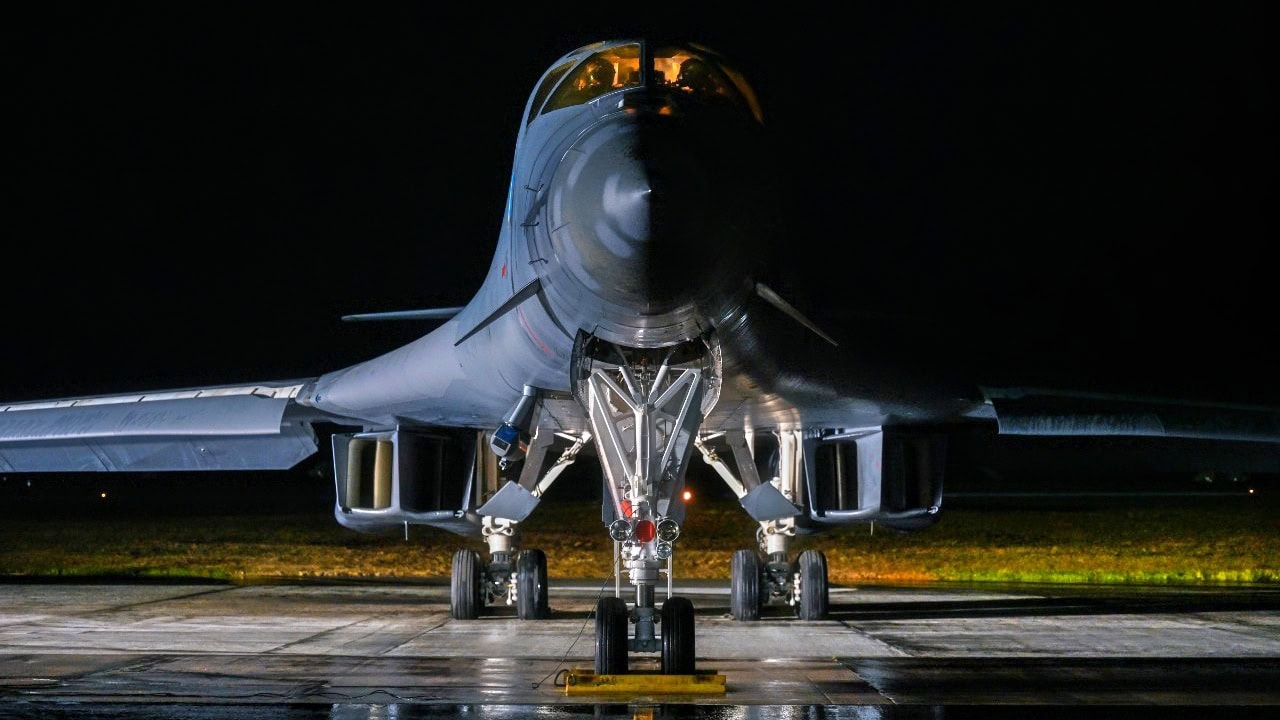
A U.S. Air Force B-1B Lancer assigned to the 34th Expeditionary Bomb Squadron, prepares to taxi onto the runway at Andersen Air Force Base, Guam, prior to a mission in support of Bomber Task Force 25-1, Feb. 27, 2025. Bomber missions demonstrate the credibility of U.S. Air Forces to address a complex and uncertain security environment. (U.S. Air Force photo by Airman 1st Class Alec Carlberg)
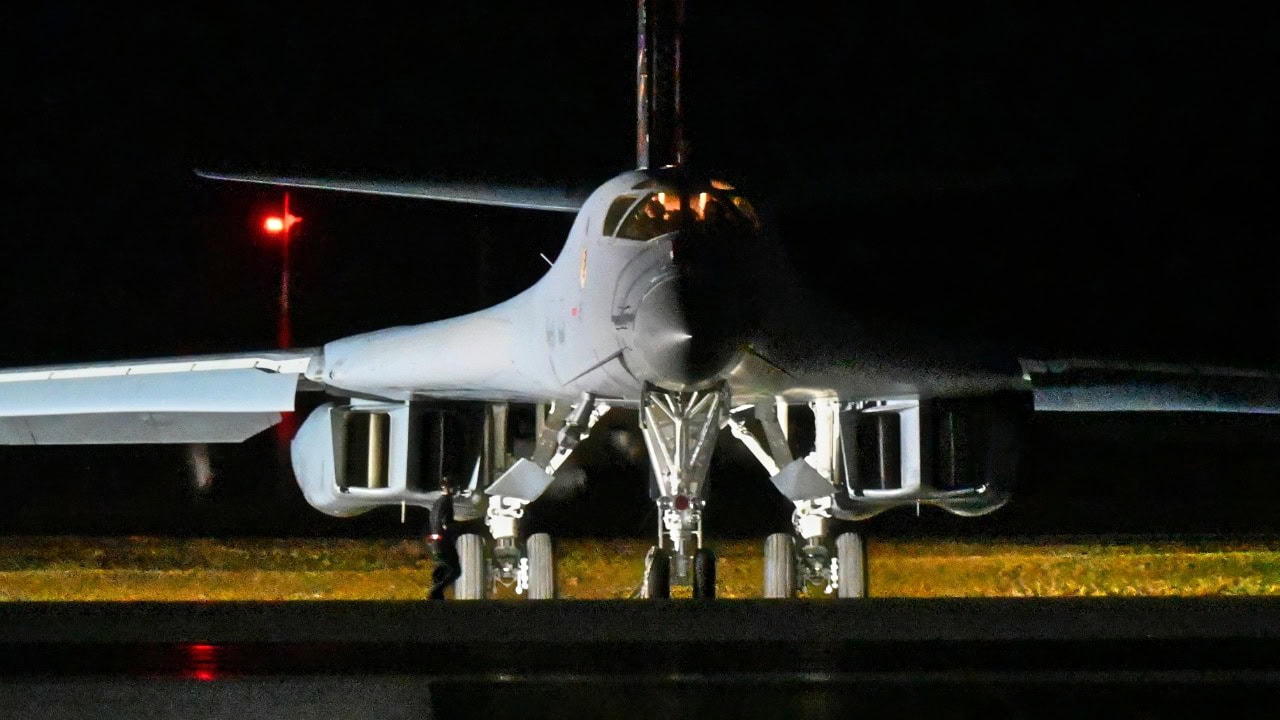
A U.S. Air Force B-1B Lancer assigned to the 34th Expeditionary Bomb Squadron, Ellsworth Air Force Base, S.D., runs final checks before takeoff of a training mission in support of Bomber Task Force 25-1 at Andersen Air Force Base, Guam, Feb. 24, 2025. The BTF missions are designed to showcase the Pacific Air Force’s ability to deter, deny, and dominate any influence or aggression from adversaries or competitors. (U.S. Air Force photo by Tech. Sgt Robert M. Trujillo)
If conflict comes, it will center on infrastructure, production pathways, and military systems that underpin nuclear and missile capacity. It will unfold through air corridors, maritime control, and contested networks rather than armored thrust lines.
Large-scale invasion belongs to a different strategic frame—one tied to regime replacement and long-term occupation. That is not the war Washington is structured to fight, nor the one its objectives require.
About the Author: Dr. Andrew Latham
Andrew Latham is a non-resident fellow at Defense Priorities and a professor of international relations and political theory at Macalester College in Saint Paul, MN. You can follow him on X: @aakatham. Dr. Latham writes a daily column for 19FortyFive.com.