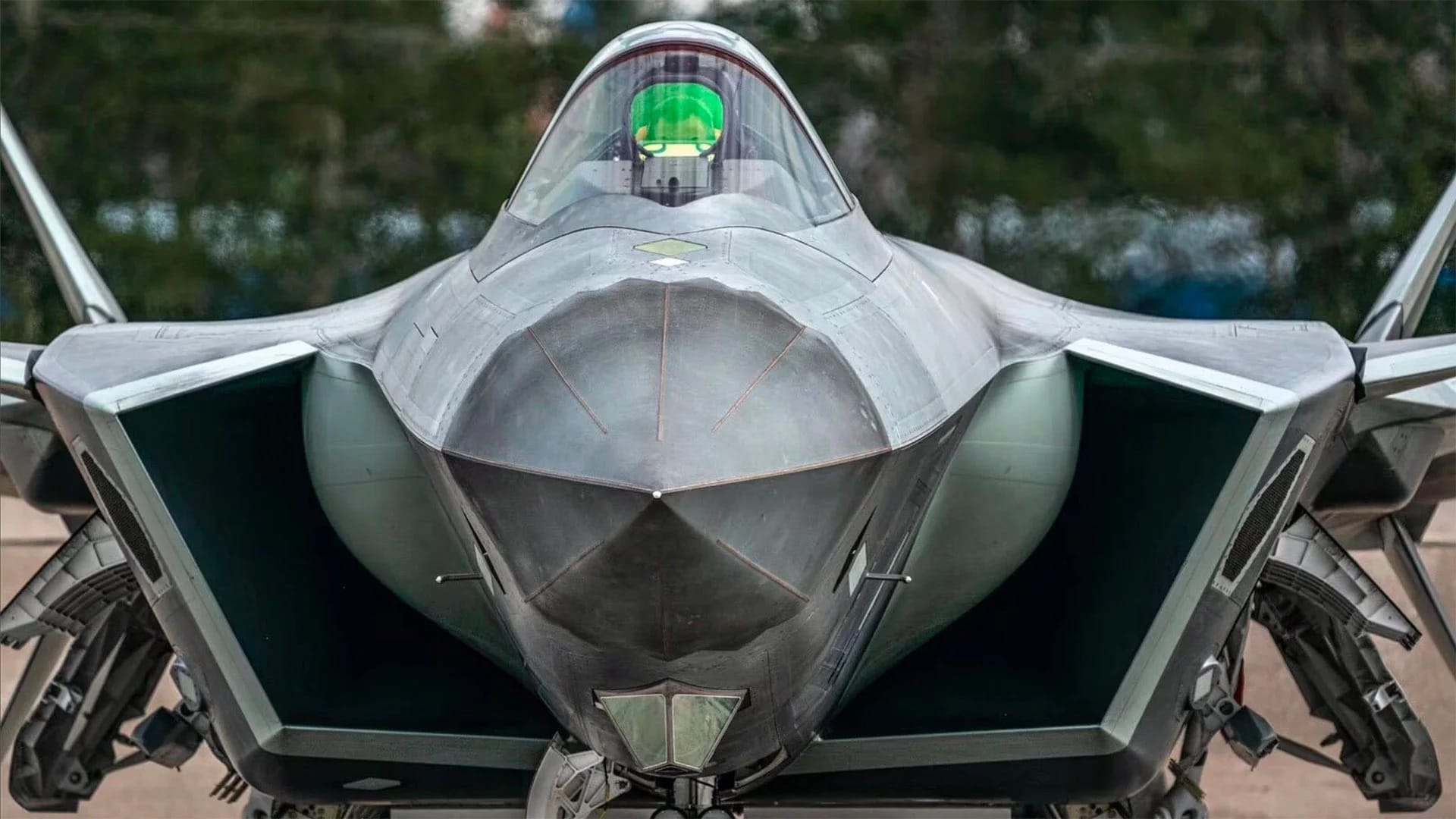
Summary and Key Points: A photograph released by the WANA Institute on February 10, 2026, showing a Chinese military attaché presenting a J-20 Mighty Dragon stealth fighter replica to Iran’s Air Force Commander has raised concerns about a major strategic shift.
-While the J-20 has historically been restricted from export, the gesture suggests China may be reconsidering its stance to bolster Tehran’s deterrence against Israel’s F-35I Adir.
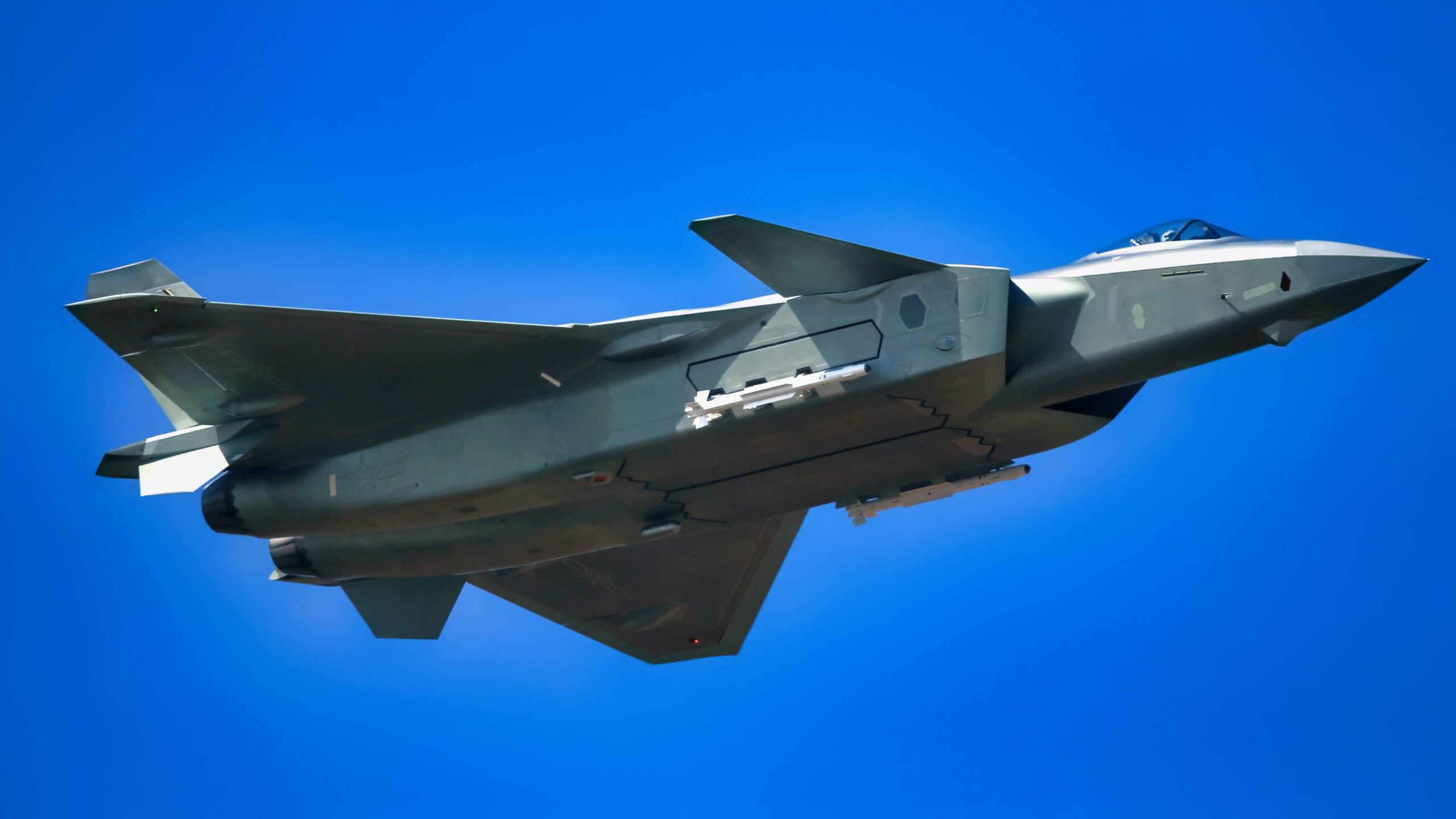
J-20 Fighter. Image Credit: Creative Commons.
-Armed with 5th-generation stealth and a 28,000-pound “bomb-truck” capacity, an Iranian J-20 fleet could challenge the air superiority Israel established during Operation Rising Lion, forcing a high-stakes recalibration for both the Pentagon and the IDF.
Why a “Gifted” J-20 Model in Tehran is Sparking 5th-Gen Fear in Israel
Jordanian-based think tank the WANA Institute published a colorful photograph of a Chinese military attache “gifting” a small-scale J-20 replica to the Commander of the Islamic Republic of Iran’s Air Force, an image likely to generate attention from both Israel and the Pentagon.
The photo raises a clear, simple question presenting substantial implications.
Is the People’s Liberation Army Air Force (PLAAF) going to sell the stealth fighter to Iran?
If so, what might that mean for Israel and the U.S.? Such a question is likely nuanced and filled with many variables, many of which may be difficult to discern or answer, yet the threat of a J-20-armed Iran seems quite serious for both the U.S. and Israel.
F-35 vs J-20 in the Middle East?
Volumes of speculative analysis have been written about how a PLAAF J-20 might perform against an F-35.
Yet, most of it has been focused on the Pacific theater and a potential confrontation between the U.S. and China. However, the prospect of a J-20-armed Iran introduces the possibility of an air war between Iran and the Israeli Defense Forces.
This scenario would be quite different from an expected U.S.-China air matchup.
The IDF’s custom-engineered F-35i Adir has had success tracking and destroying Iran’s Russian-built air defenses and intercepting Iranian drones and missiles in the air.
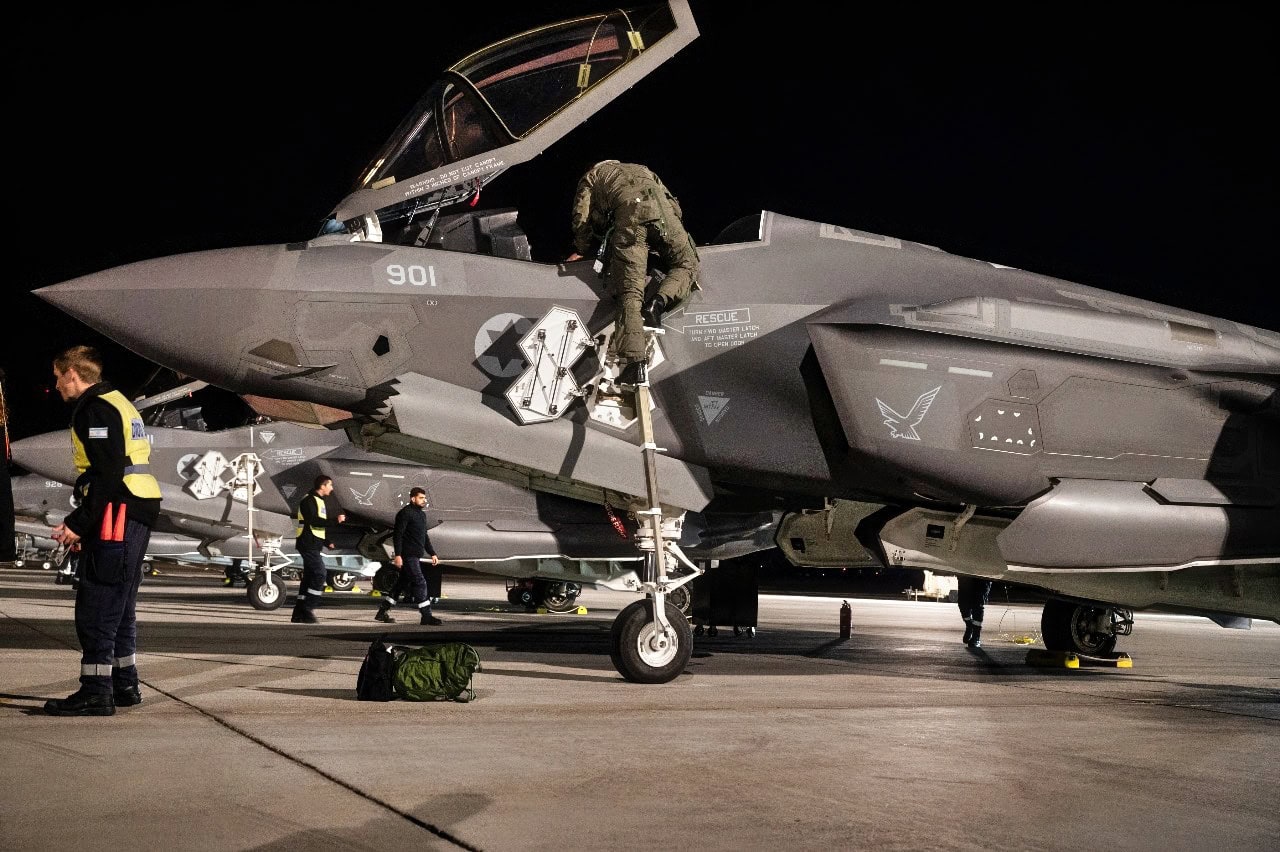
An Israeli Air Force pilot climbs into an F-35I Adir prior to a Red Flag-Nellis 23-2 mission at Nellis Air Force Base, Nevada, March 16, 2023. Red Flag is an opportunity to build on the success of JUNIPER OAK 23-2, JUNIPER FALCON, and additional combined exercises to enhance interoperability with Israel, strengthen bilateral cooperation, and improve capabilities in ways that enhance and promote regional stability and reinforce the United States’ enduring commitment to Israel’s security. (U.S. Air Force photo by Airman 1st Class Trevor Bell)
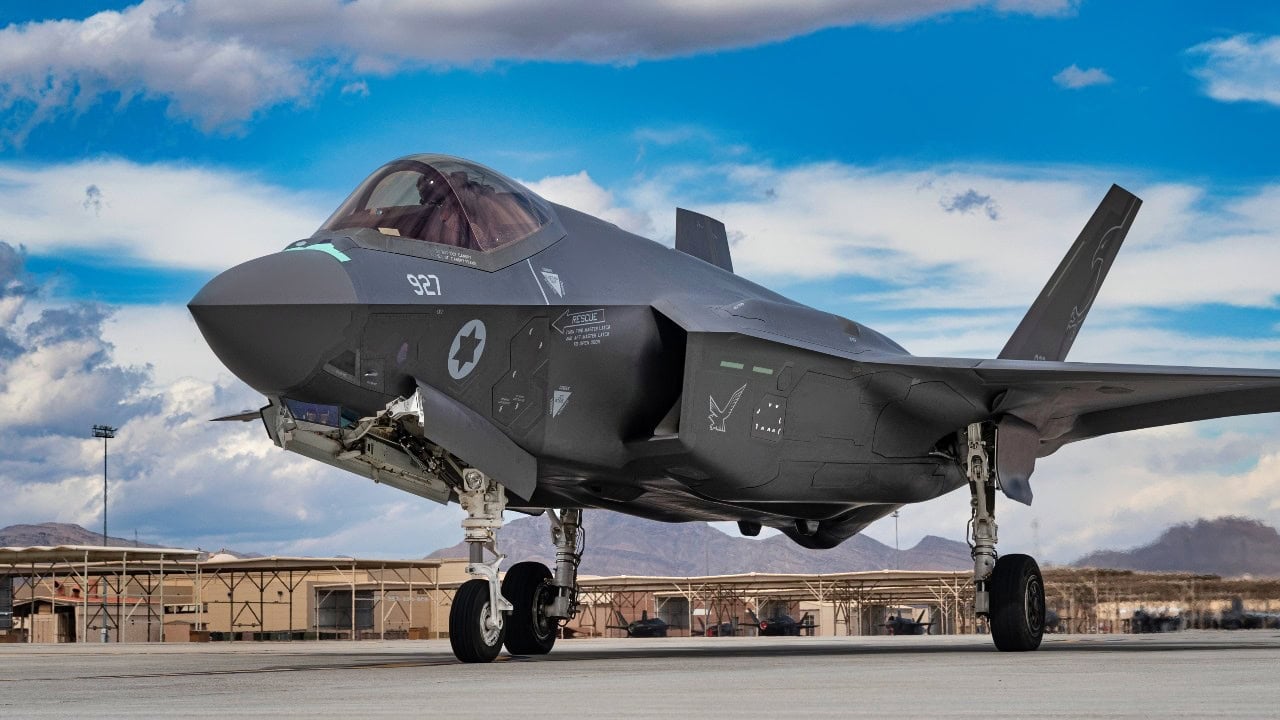
F-35I Adir Fighter from Israel
Should Iran fly Mighty Dragon stealth fighters, however, this equation could change substantially, given that Iran lacks any 5th-generation stealth air power.
The J-20 could therefore bring 5th-generation stealth, computing, weapons, and payload capacity to Iran, making their Air Force much better positioned to challenge the IDF’s F-35i Adir.
Iranian J-20 attack
However, for a J-20-armed Iran to be impactful in any way, it seems the country would likely need a sizable “force” of J-20s, not merely a few aircraft. It is not clear that Iran would have the budget to acquire a significant number of J-20s, despite the alarming pace at which China appears to be building them.
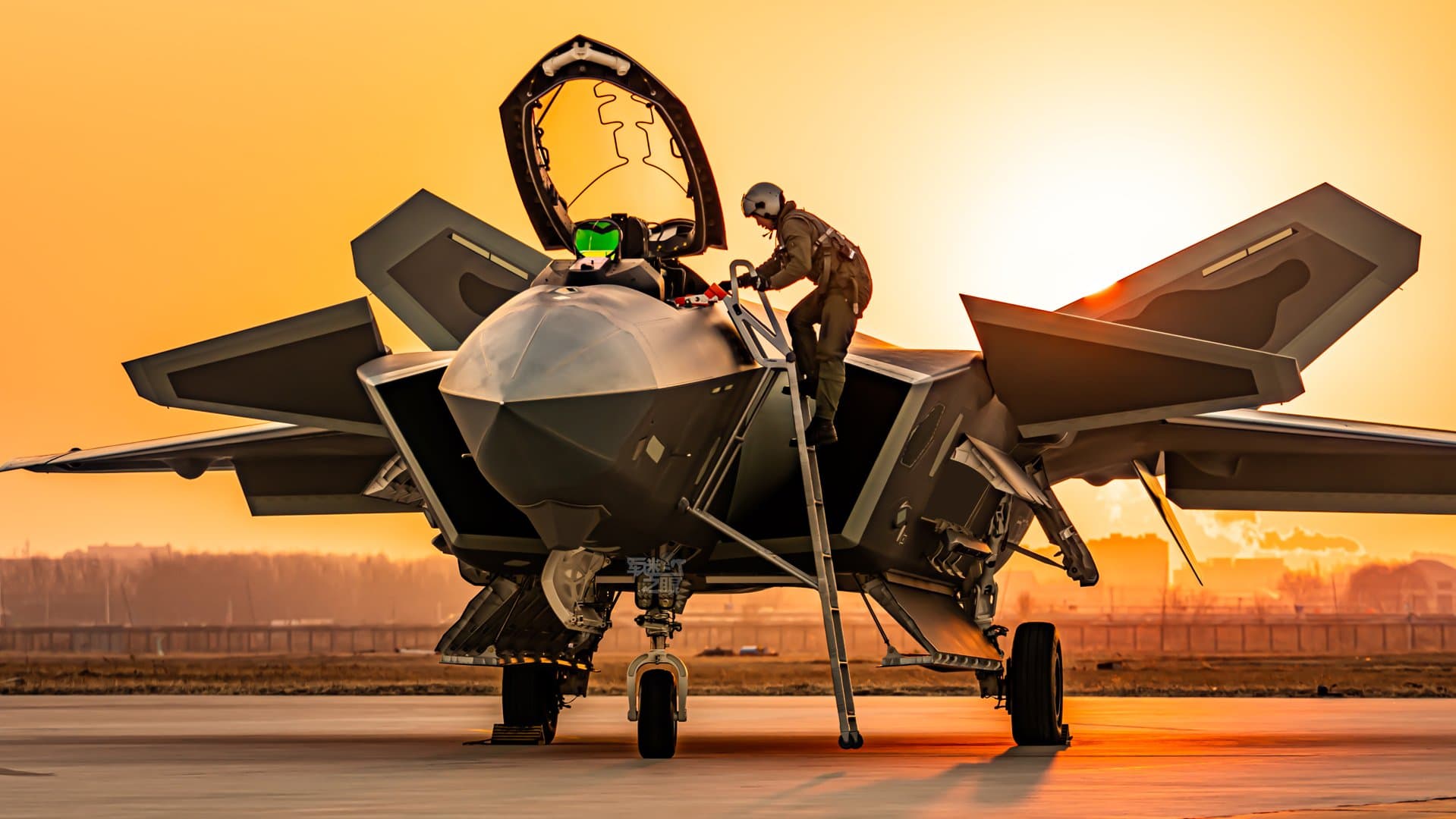
J-20 Fighter. Image Credit: Chinese Internet.
There are other variables, particularly given the many unanswered questions about the J-20’s sensing, computing, targeting, and weaponry.
The J-20 is slightly larger and less stealthy than an F-35, yet it can operate in a bomb-truck capacity and take off with a very large payload.
The J-20 can take off with 27,988 pounds of internal and external weaponry. In contrast, a full “beast-mode” F-35 can carry 18,000 pounds of ordnance.
This bomb-truck ability could factor heavily if Iranian J-20s were able to establish air superiority in any capacity. Yet, heavy weaponry would certainly make the aircraft less stealthy and agile.
The true measure of whether a J-20 can rival US F-35s and F-22s likely lies in less easily discernible factors such as mission systems, sensor fidelity and resolution, computing, and weapons range and fire control.
For instance, the U.S. F-35 has shown in wargames that it can see groups of enemy fighters from stand-off ranges, which is undetectable, and destroy targets without being seen. Do J-20 sensors have a similar kind of overmatch? These kinds of questions would determine the jet’s true performance or superiority.
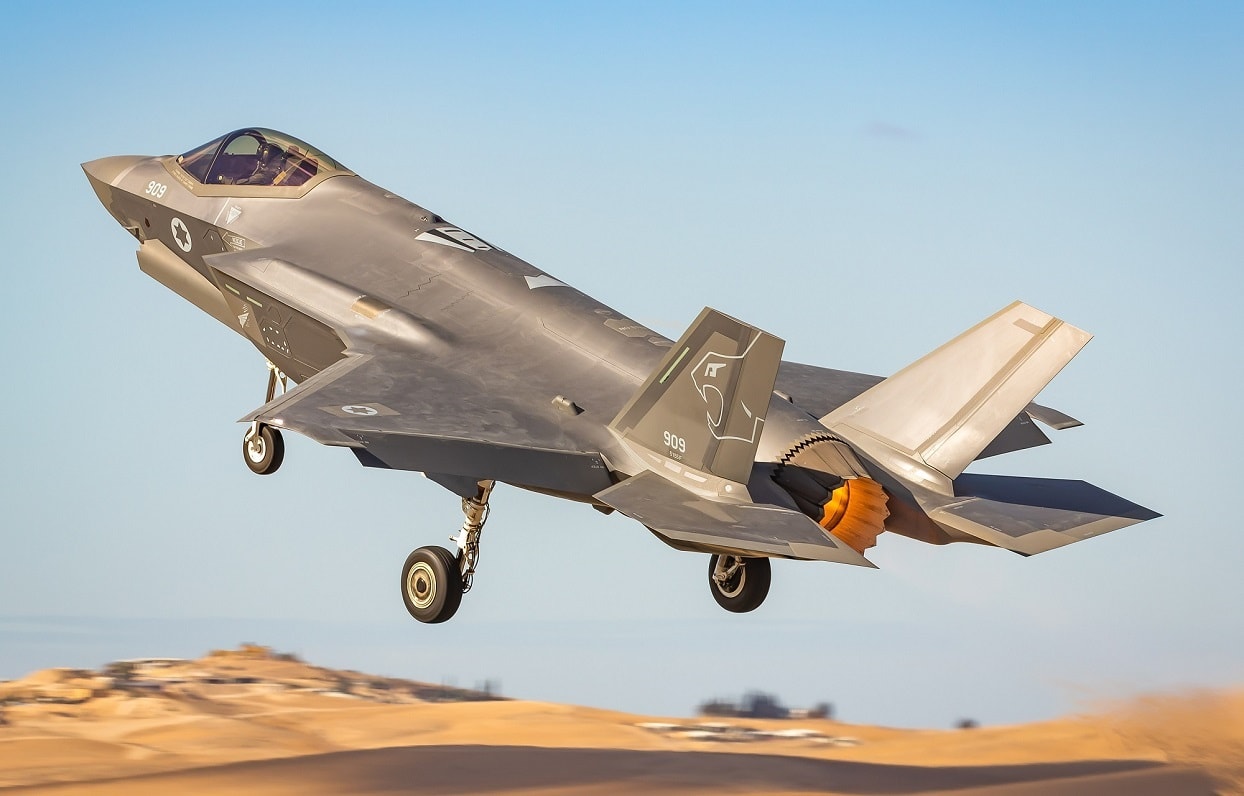
F-35I Adir. Image: Creative Commons.
The J-20 is listed as capable of Mach 2.0, faster than a Mach 1.6 F-35 but slower than an F-22, which can reach Mach 2.25.
Israel and the J-20 Mighty Dragon Stealth Fighter Threat
Israel has well-established defenses against Iranian ballistic missiles and drones with interceptor systems such as Iron Dome. Yet, the possibility of an Iranian attack with 5th-generation stealth air power measurably changes the threat equation for the IDF.
Should Iran somehow manage to launch several J-20s into striking range of Israel, there would likely be a much wider range of risks or ways in which Iran could hold Israel at risk.
Iran is not far from Israel, so J-20s launching from Western Iran would have little difficulty reaching Israeli airspace with sufficient dwell time to attack without needing aerial tankers to refuel. Israel, of course, operates air defenses likely to “train” against 5th-generation threats, yet the IDF has likely not had to actually “counter” an attack from a 5th-generation equipped adversary.
About the Author: Kris Osborn
Kris Osborn is the President of Warrior Maven – Center for Military Modernization. Osborn previously served at the Pentagon as a highly qualified expert in the Office of the Assistant Secretary of the Army—Acquisition, Logistics & Technology. Osborn has also worked as an anchor and on-air military specialist at national TV networks. He has appeared as a guest military expert on Fox News, MSNBC, The Military Channel, and The History Channel. He also has a Masters Degree in Comparative Literature from Columbia University.