
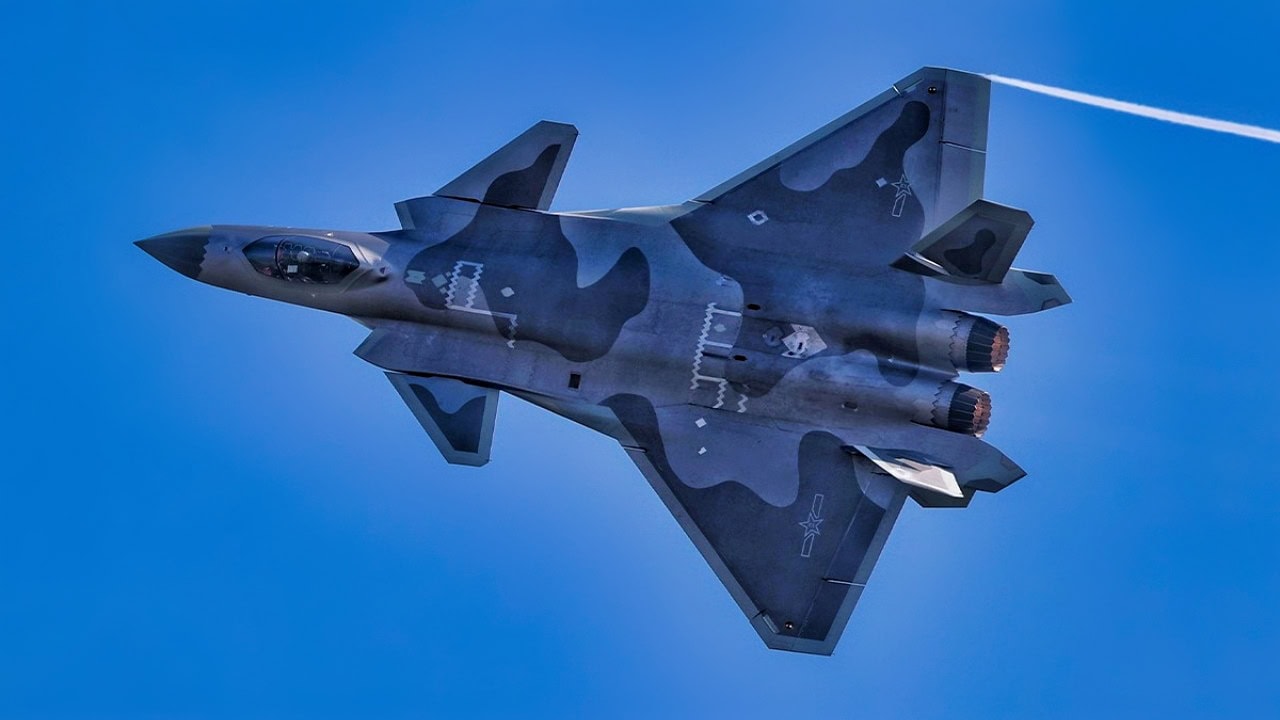
Summary and Key Points: On February 10, 2026, Chinese officials presented a J-20 stealth fighter model to the Commander of the IRIAF in Tehran, signaling a new era of military cooperation.
-This comes as a U.S. “armada” led by the USS Abraham Lincoln maintains a high-pressure standoff in the Gulf.
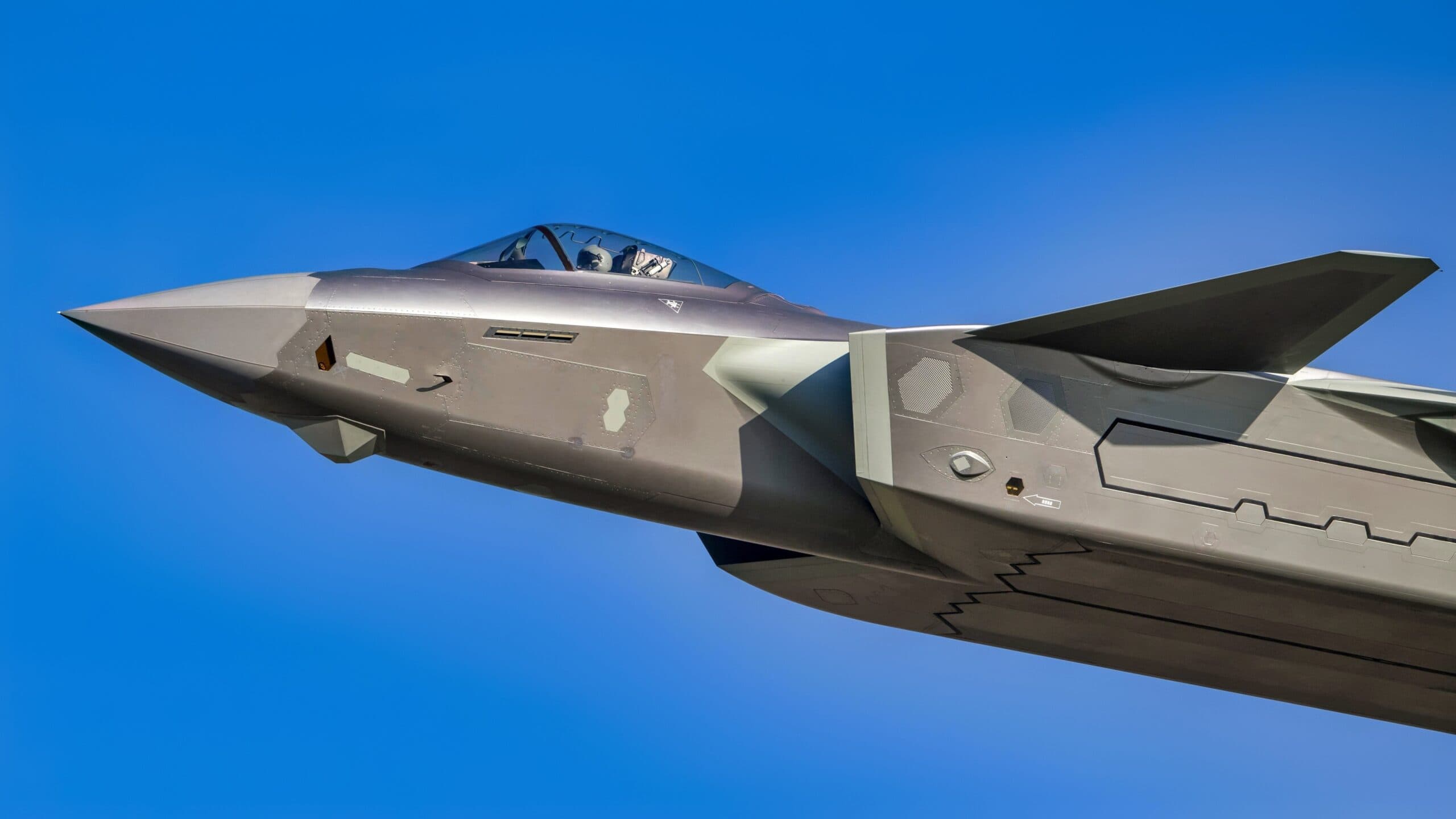
J-20 Fighter. Image Credit: Creative Commons.
-The J-20, China’s premier 5th-generation fighter, offers the long-range maritime strike capabilities that Iran’s aging fleet of U.S. and Soviet-era airframes lacks.
-While a full transfer remains speculative, the gesture coincides with a new trilateral strategic pact and upcoming naval exercises, suggesting China may be preparing to contest U.S. air dominance in the region.
Would China Dare Sell the J-20 Mighty Dragon Stealth Fighter to Iran?
During a meeting in Tehran on February 10, 2026, Chinese military officials provided a scale model of the Chengdu J-20 “Mighty Dragon” stealth fighter to their Iranian counterparts.
Photographs of the ceremonial exchange have since been shared online, implying that Chinese authorities are publicly hinting at greater military cooperation between the two countries.
The development is, of course, particularly curious given the “armada,” as President Donald Trump describes it, currently present in the Middle East.
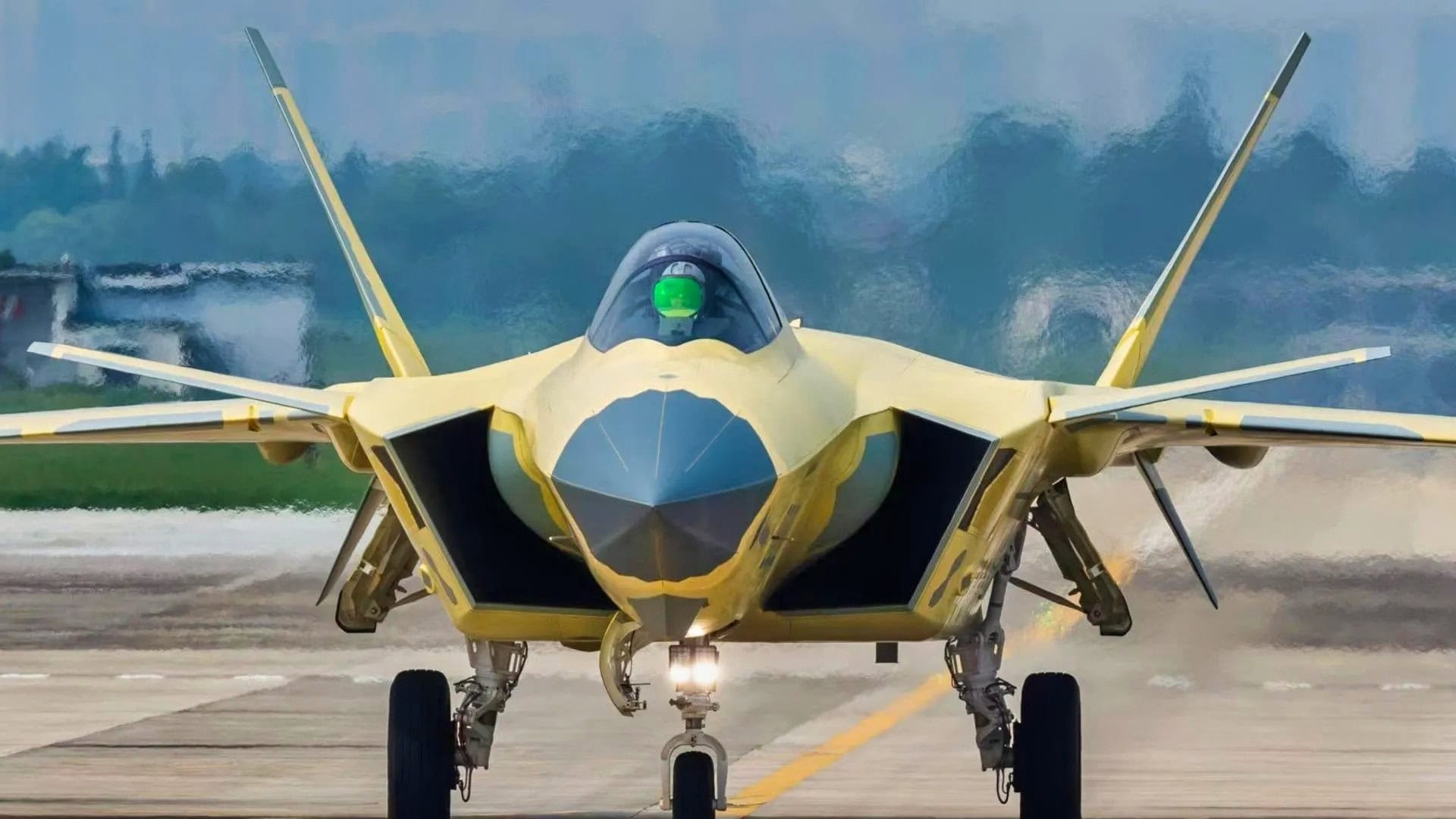
China J-20 Fighter. Image Credit: Creative Commons.
In recent days, Washington warned U.S. vessels to stay away from Iran’s territorial waters. Given that Iran may be capable of preventing or surviving U.S. military action only with the support of larger powers such as China, what appears to be a simple exchange could indicate something more serious.
What Just Happened: Iran Got a J-20 Stealth Fighter ‘Model’ From China
Reports describe how foreign military attaches based in Tehran attended a gathering with Brigadier General Bahman Behmard, the Commander of the Islamic Republic of Iran Air Force (IRIAF), in celebration of Air Force Day.
Local news coverage revealed little more about the exchange, but official photographs depict officials holding a scale figure of the fifth-generation J-20 fighter jet.
Why the J-20 Matters
The J-20 is China’s premier fifth-generation fighter jet, boasting long range, advanced avionics, and an impressive weapons capacity built into a stealthy shell. It is designed to penetrate modern air defenses and contest air superiority against peer competitors, and it represents one of China’s most aggressive efforts to close the military technological capability gap with the United States.
The platform is rapidly gaining new capabilities as well. In January 2026, China revealed the newest capabilities of the J-20S variant during a press event marking the 15th anniversary of the J-20’s first flight. Officials announced that the newest variant is capable of conducting precision strikes on maritime targets.
It is leaps and bounds more advanced than anything operated by the IRIAF – a fleet that is stretched thin and consists of obsolete fighters. The fleet still largely consists of U.S.-made F-14 Tomcats, F-4 Phantoms, F-5s, and Soviet-era MiG-29s – all of which were procured before the 1989 revolution and kept flying through limited upgrades.
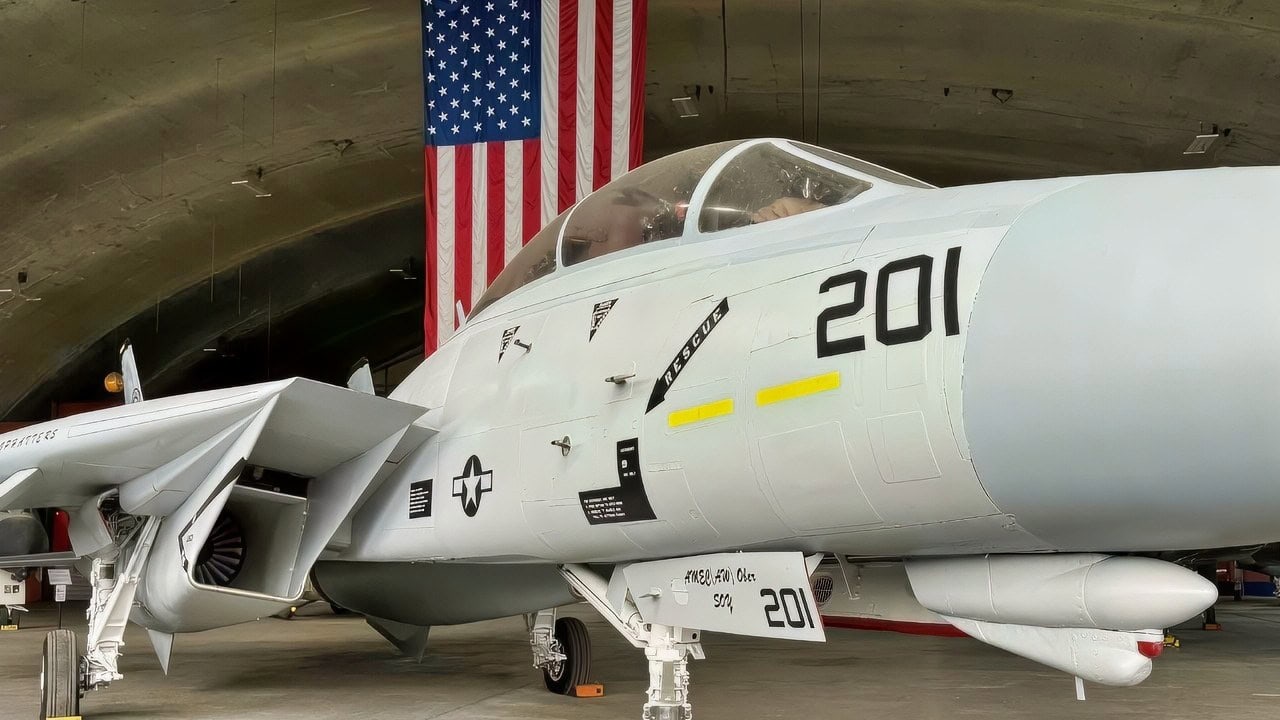
F-14 Tomcat Fighter U.S. Navy. 19FortyFive Field Research Image.
Many of the planes have also been cannibalized, with parts taken from other planes in the fleet.
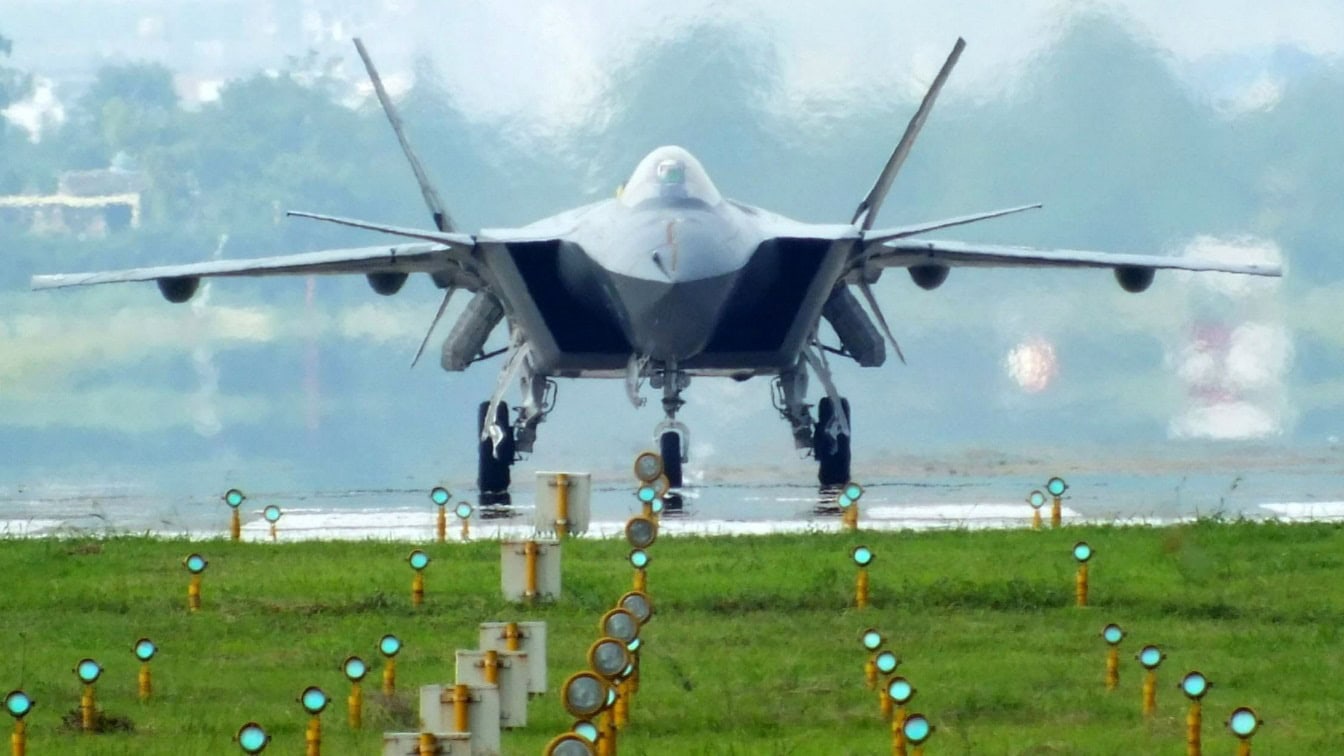
J-20 stealth fighter. Image Credit: Creative Commons.
Given their age, Iranian airframes are not stealthy and lack modern sensors and integrated networked combat systems.
International sanctions have limited Iran’s ability to access spare parts or new fighters, and recent conflicts have exposed this vulnerability: Israeli and U.S. strikes severely degraded Iran’s aging air defense network and destroyed aircraft even in their hardened airfields.
Meanwhile, China’s J-20 fleet has been expanding at record rates, owing to its growing competence in space and its expansive infrastructure, which now enables rapid and systematic manufacturing of new military hardware. Entering service in 2017, the J-20 has benefited from Chinese production rates, making it one of the most numerous fifth-generation fighters outside the United States. Its sensor suite, which includes AESA radar and long-range missiles such as the PL-15, makes it a highly attractive fighter platform for Iran.
Should the platform become available to the regime in Tehran, it would enable its air force, with sufficient training and time, to contest air dominance and potentially deter action by the United States. The meeting this week suggests that China may be willing to reach a deal with Iran. However, with American naval assets already prepared for conflict, there is only one way in which J-20s could help now: through a military intervention by China.
Would China Really Step In?
If the widely circulated photograph indeed signals that China may be willing to sell J-20 fighters to Iran, it would be a remarkable development – and it could well be on the cards, if recent developments are anything to go by. In January 2026, China started work on implementing a new strategy to replace aging Western technologies in Iran with modern Chinese systems.
The intent is to support Iran’s “digital sovereignty.” It’s hard to say at this point whether those efforts will include the sale or transfer of fighter jets – but there are growing signals that China is willing to engage in some military action to defend Iranian interests.
A major naval exercise that will involve Chinese, Russian, and Iranian forces is expected to take place in the Gulf of Oman.
What matters strategically, though, isn’t just whether Beijing would transfer such high-end capability to Tehran, but whether that willingness would extend to stepping in militarily to deter the United States on Iran’s behalf.
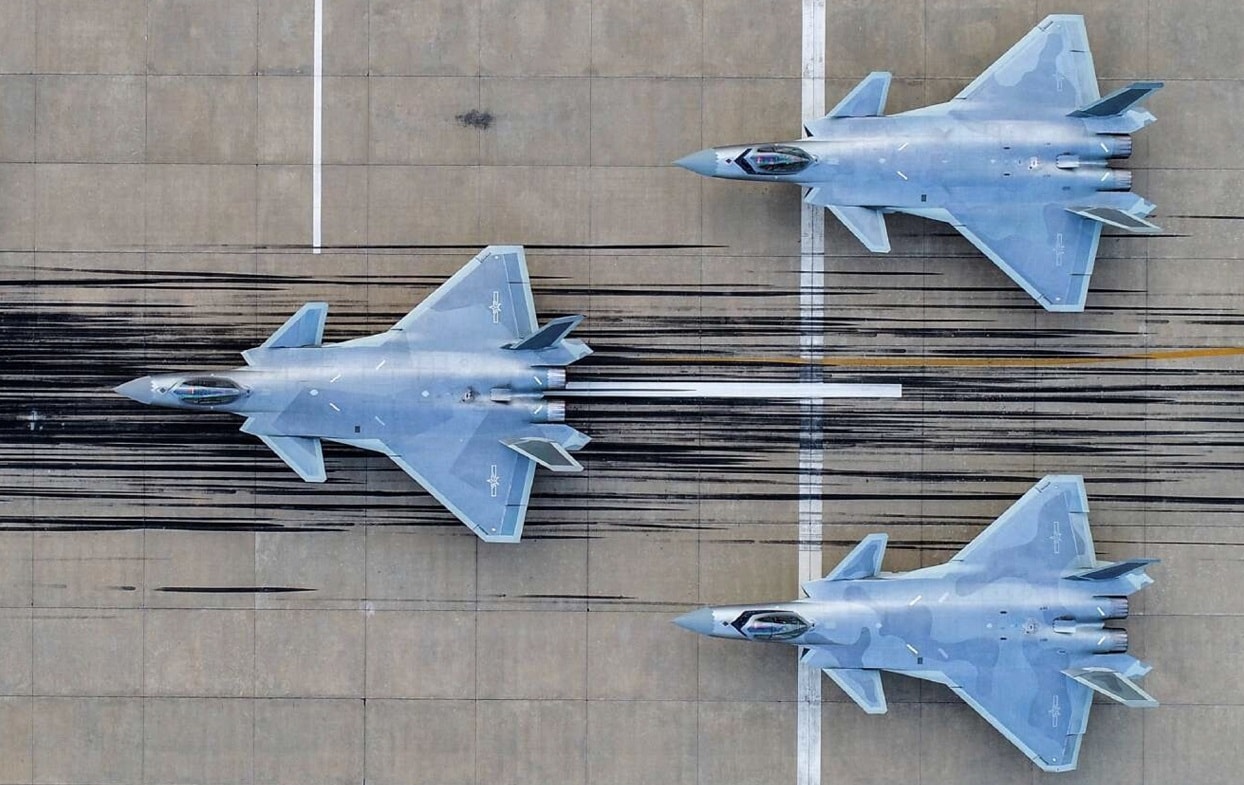
J-20. Image: Creative Commons.
Beijing’s current public posture is one of opposition to the use of force in the U.S.-Iran standoff – but it has not reached the point of threats of military action. Iran, however, has threatened “all-out war” should the U.S. pull the trigger.
The relationship between China and Iran is growing in multiple avenues. After all, the countries are both members of BRICS and the Shanghai Cooperation Organization (SCO).
There are clear and growing indications that China may be willing to act in support of Iranian interests, but any direct military intervention would almost certainly depend on the scale and nature of U.S. action. For Beijing to step in, American strikes would likely have to be extreme – posing a serious threat to China’s strategic interests – given the enormous economic, trade, and escalation risks that such a move would entail.
About the Author: Jack Buckby
Jack Buckby is a British researcher and analyst specialising in defence and national security, based in New York. His work focuses on military capability, procurement, and strategic competition, producing and editing analysis for policy and defence audiences. He brings extensive editorial experience, with a career output spanning over 1,000 articles at 19FortyFive and National Security Journal, and has previously authored books and papers on extremism and deradicalisation.