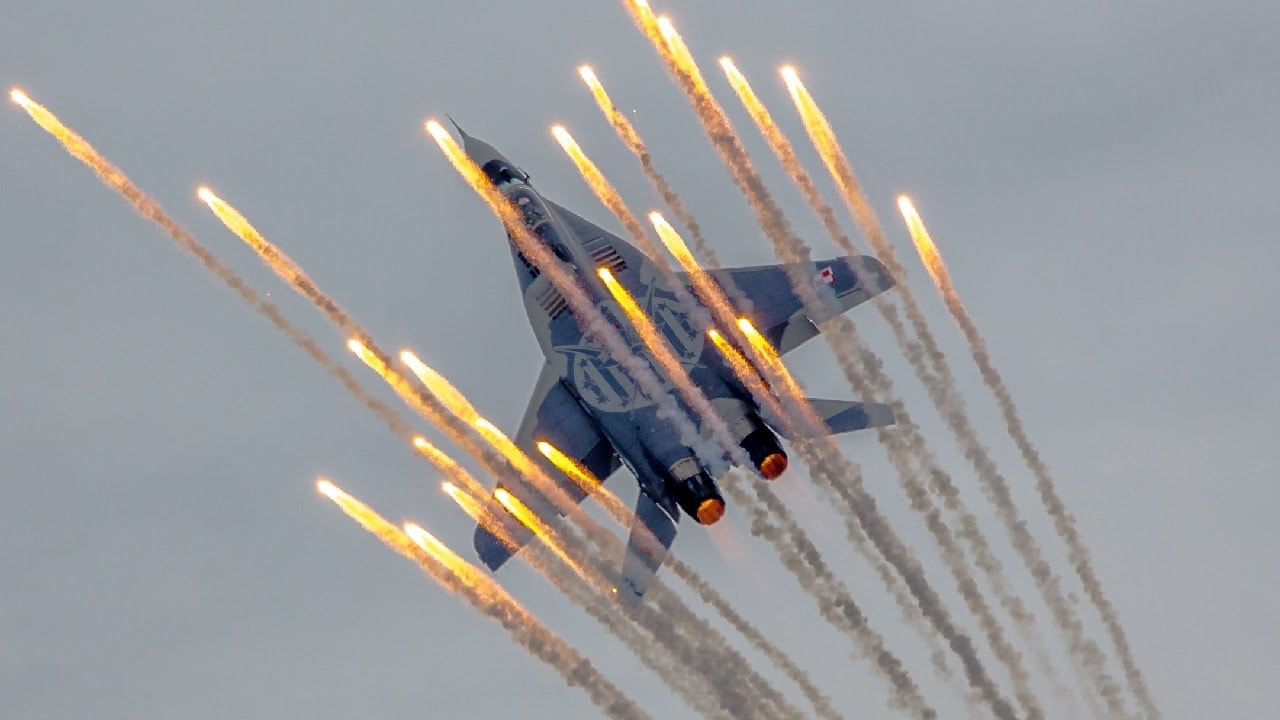
Summary and Key Points: In the post-Soviet 1990s, U.S.-Russia cooperation on arms control helped fuel a wider nonproliferation push through the Nunn-Lugar Cooperative Threat Reduction framework. One little-remembered case involved Moldova, which inherited 21 MiG-29 Fulcrums and sought to sell them.
-Washington feared hostile buyers—especially Iran—could acquire MiG-29C variants believed to have nuclear-delivery wiring, destabilizing an already volatile region.
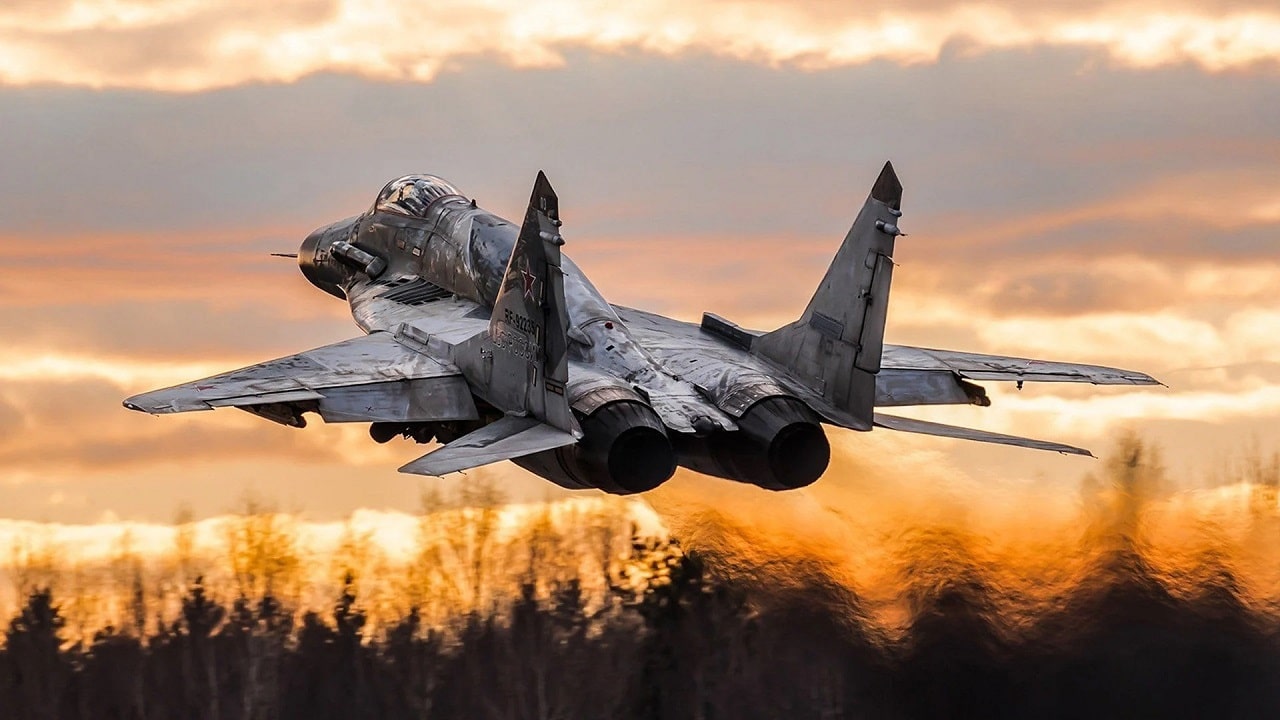
MiG-29 fighter jet. Image Credit: Creative Commons.
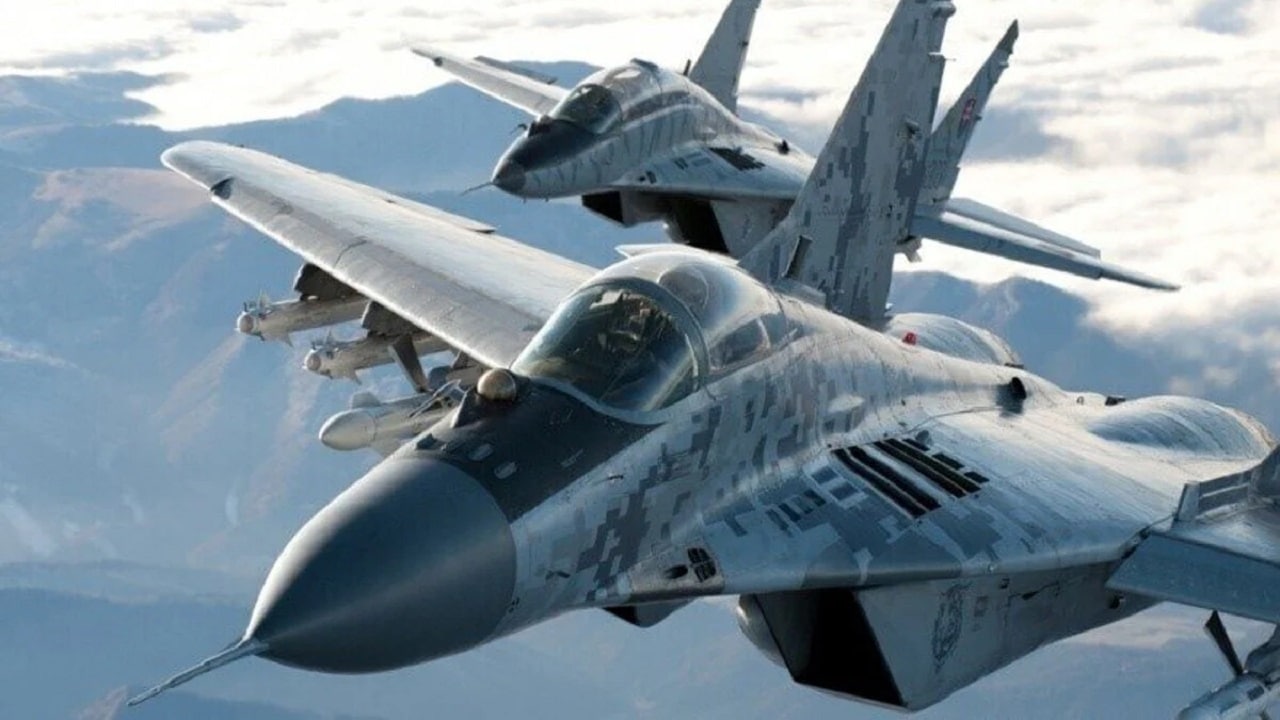
MiG-29. Image Credit: Creative Commons.
-The U.S. purchased the jets first, moved them to Wright-Patterson for evaluation and training value, and later scrapped many airframes after exploitation.
-Unconfirmed accounts suggest that some later supported Ukraine as a spare-parts source.
Why the U.S. Quietly Bought Moldova’s 21 MiG-29 Fighters After the Cold War
People may not remember, but in the decade following the collapse of the Soviet Union and the end of the decades-long Cold War, the US and Russian governments formed a close, cooperative bond. This included cooperation between the two former Cold War adversaries in arms reduction and limitation.
How the MiG-29 Deal Occurred
Using the dynamic legislative framework of the Nunn-Lugar Bill (named after the two US senators who proposed the initiative in the wake of the Cold War), the United States Cooperative Threat Reduction (CTR) program worked to ensure that high-end weapons systems belonging to the former Soviet Union were not illegally proliferated.
Moldova, a former Soviet bloc state, like so many former USSR satellites, inherited 21 Soviet-made Mikoyan MiG-29 Fulcrum warplanes during the collapse of the Soviet Union. Moldova wanted to sell them. At the time, US intelligence believed the MiG-21 was a formidable warplane.
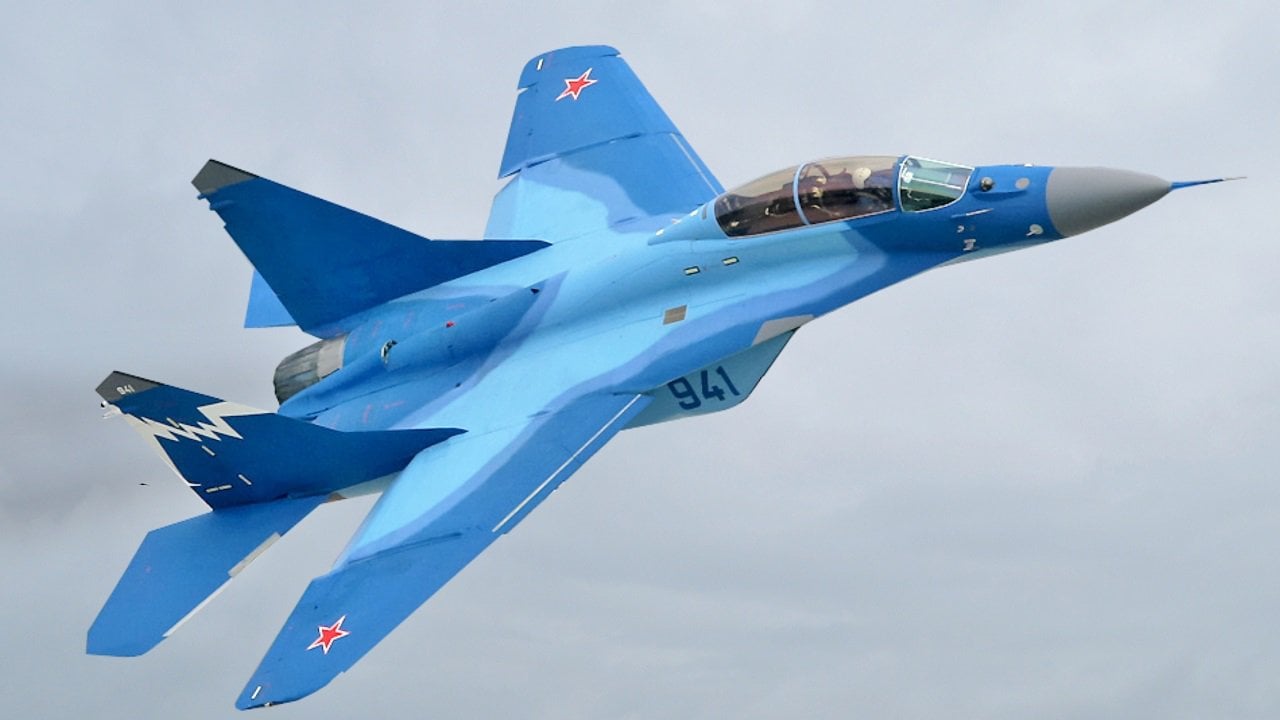
MiG-29K. Image Credit: Creative Commons.
They feared that the planes would be purchased by American adversaries.
The Iran Factor
Specifically, the Americans feared that the Islamic Republic of Iran, long obsessed with acquiring nuclear weapons, would purchase the MiG-29C variants from Moldova because those birds had wiring for nuclear weapons delivery.
This was viewed as wildly destabilizing to the Middle East (it was).
So, the Americans moved in and purchased all the MiG-29s from Moldova before anyone else could attempt to.
Turning Enemy Jets Into Vital Training Tools
Once in America’s hands, the jets were moved to Wright-Patterson Air Force Base in Ohio and used for testing, evaluation, and combat training (wherein American fighter pilots could train against the most recent Soviet technology that many US enemies used at the time).
These planes were intended to develop a cadre of American pilots up to date with the latest Soviet technology and air combat tactics, following the acquisition of MiG-29s from Moldova.
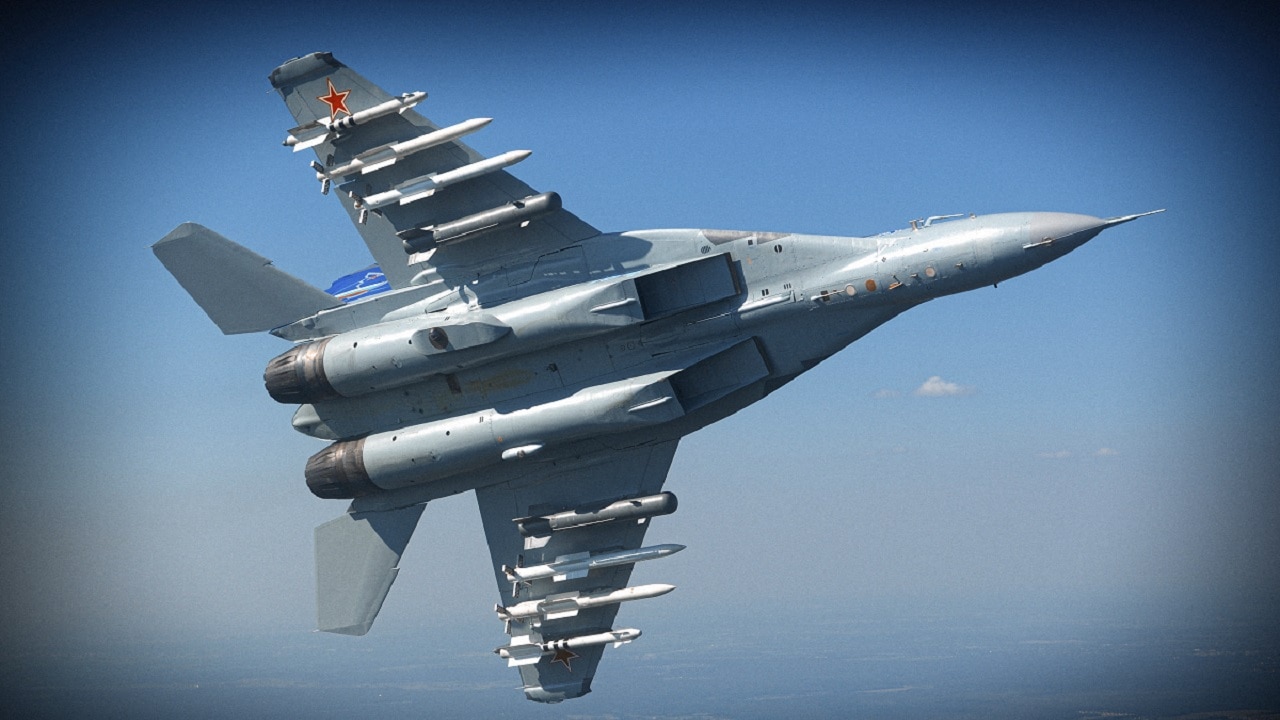
Russian MiG-29 Fighter. Image Credit: Creative Commons.
The MiG-29 Fulcrum is a fourth-generation Soviet warplane designed during the Cold War as a multirole air superiority jet. This plane was capable of Mach Two (or higher) as a top speed. It had excellent maneuverability, making it a vicious dogfighter.
What’s more, as a multirole plane, the bird could engage in both air-to-air and limited ground attack missions effectively.
Moscow designed the MiG-29 to counter US warplanes like the F-15 and F-16. The MiG-29 was widely exported across Eastern Europe, Africa, and the Middle East.
The MiG-29s acquired by the US were not inducted into operational combat units. Many of the airframes were eventually scrapped after evaluation and testing, once their intelligence value was exhausted.
The Americans did put a few MiG-29s on display in air museums, like the National Museum of the Air Force. We visited the museum last July and saw one of the MiG-29 fighters on display (see image below).
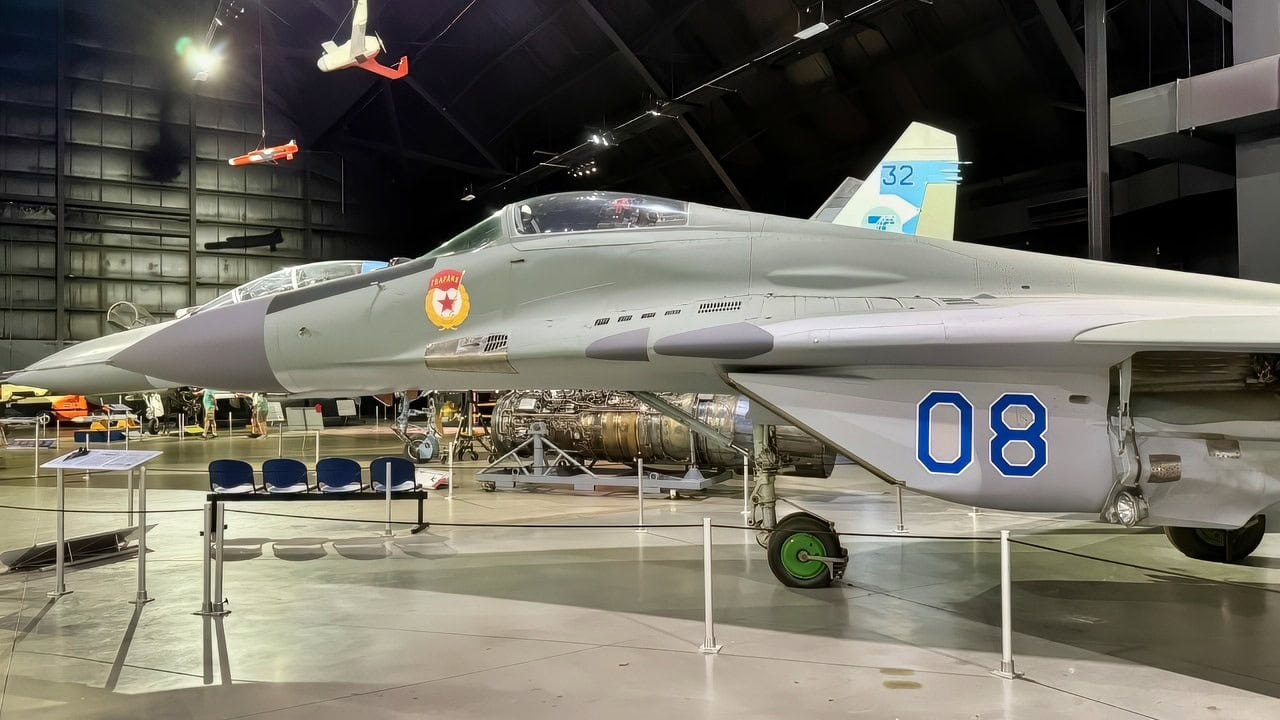
Real MiG-29 at USAF Museum in Dayton. Image Credit: 19FortyFive.com
Did Some of These Planes Serve Ukraine in the Ongoing War?
Unconfirmed reports in the last few years claim that some of the remaining MiG-29s the Americans purchased at the end of the Cold War were used to support Ukraine’s Air Force, which has many Soviet-era systems, during the 2022 Russian invasion.
It is believed that these older MiG-29s procured by the Americans from Moldova were subsequently transferred to the Ukrainians, who used the aircraft for spare parts.
A Forgotten Nonproliferation Victory in a More Dangerous World Today
America’s purchase of the MiG-29 was an example of the triumph of post-Cold War non-proliferation regime. A regime that has, sadly, all but broken down. The world is more dangerous as a result.
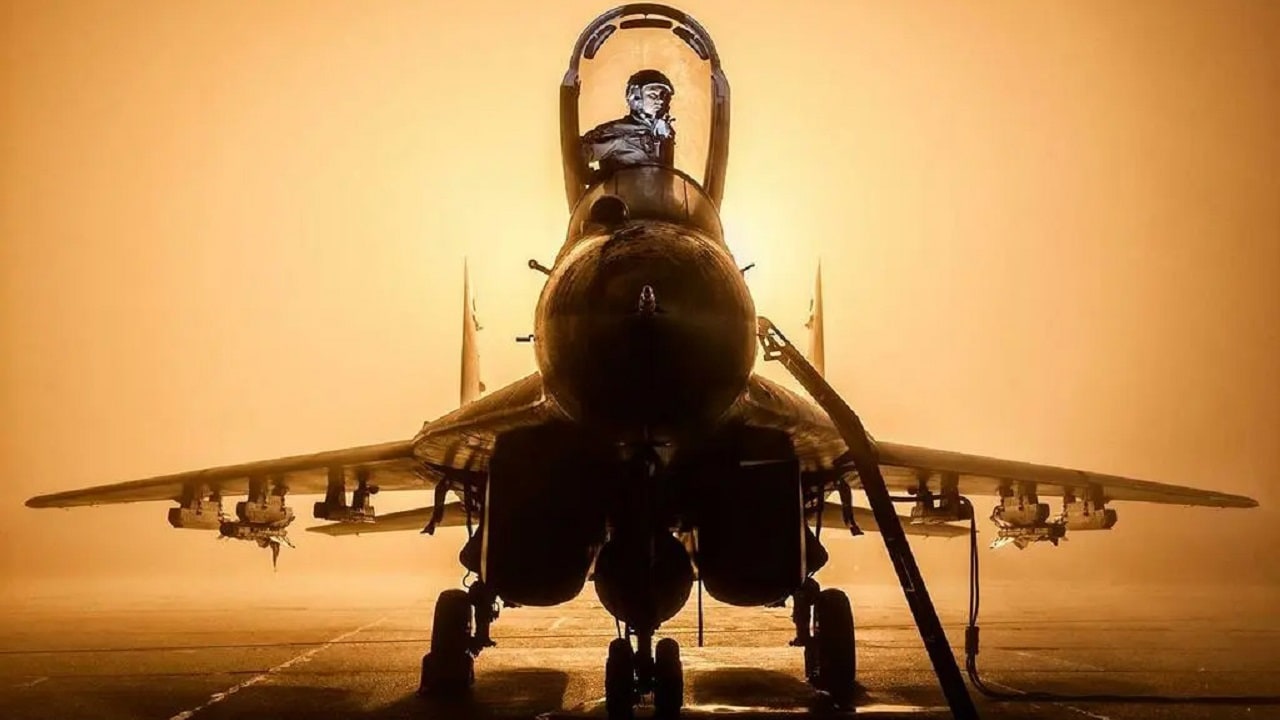
MiG-29 fighter. Image Credit: Creative Commons.
MiG-29 fighter jet. Image Credit: Creative Commons.
The US government didn’t purchase the MiG-29s to fly them into combat—it bought them to deny a potential adversary (Iran) from using them to advance their threatening nuclear weapons arsenal (as well as to keep the advanced Soviet warplanes out of hostile arsenals). Imagine if we could have sustained that cooperative framework, how many threats would be gone today.
About the Author: Brandon J. Weichert
Brandon J. Weichert is the Senior National Security Editor at 19FortyFive.com. He was previously the senior national security editor at The National Interest. Weichert is the host of The National Security Hour on iHeartRadio, where he discusses national security policy every Wednesday at 8pm Eastern. He hosts a companion show on Rumble entitled “National Security Talk.” Weichert consults regularly with various government institutions and private organizations on geopolitical issues. His writings have appeared in numerous publications, among them Popular Mechanics, National Review, MSN, and The American Spectator. And his books include Winning Space: How America Remains a Superpower, Biohacked: China’s Race to Control Life, and The Shadow War: Iran’s Quest for Supremacy. Weichert’s newest book, A Disaster of Our Own Making: How the West Lost Ukraine, is available for purchase wherever books are sold. He can be followed via Twitter/X @WeTheBrandon.