
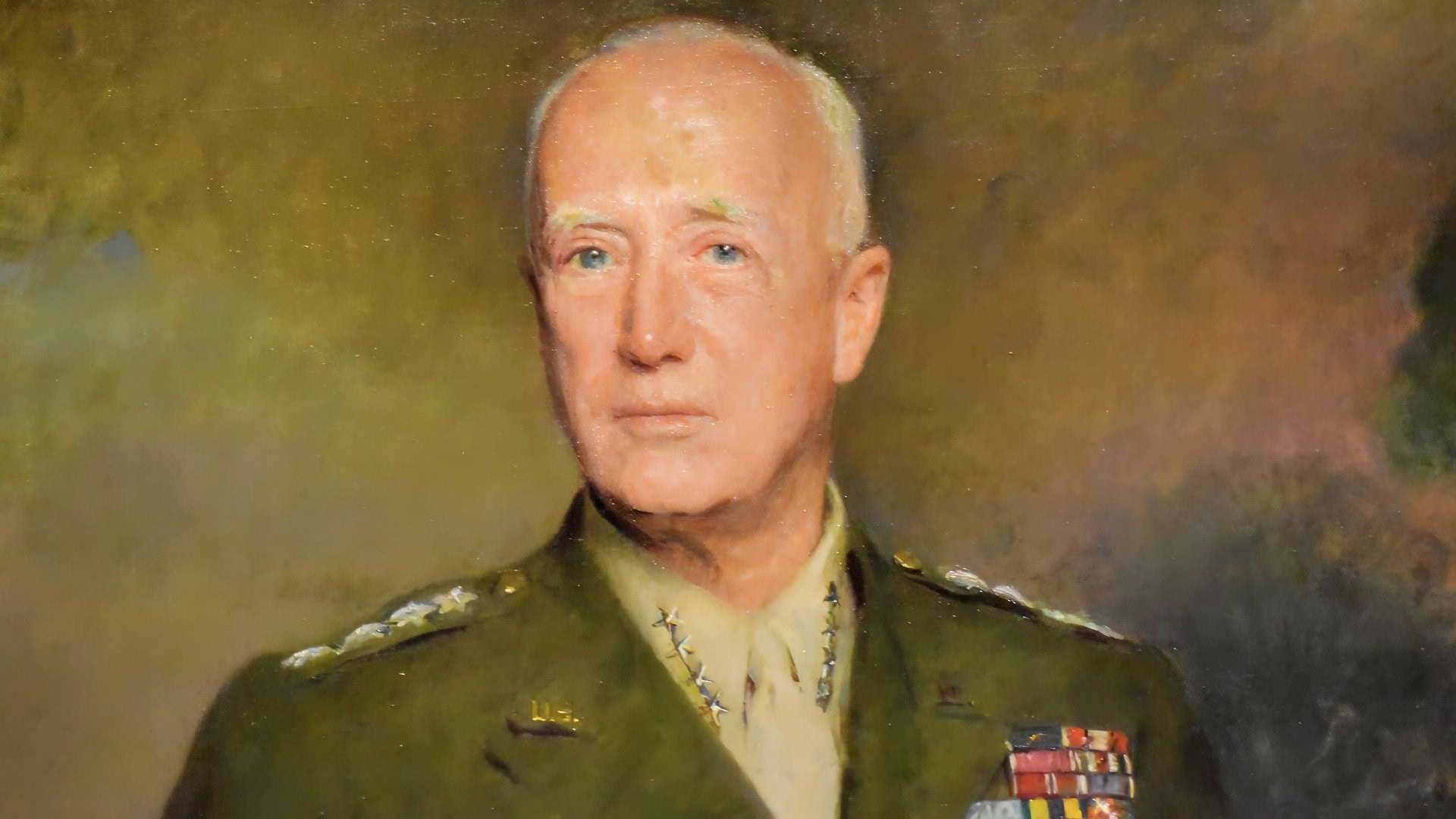
Summary and Key Points – General George S. Patton’s legendary success wasn’t merely a byproduct of aggression; it was defined by the calculated selection of when and where to strike.
-Operating under the philosophy that “wars are won by choosing battles,” Patton championed lightning-fast mechanized warfare, using mass and surprise to pierce enemy weaknesses at their most vulnerable points.
-From his early struggles with dyslexia to his top-five finish in the 1912 Olympic pentathlon, Patton’s life was defined by iron-willed discipline.
-As the architect of the U.S. Tank Corps, he successfully lobbied for armored modernization, ensuring that “violence of action” became the definitive American signature in World War II.
Quote of the Day: General Patton’s Secret to Winning Wars
U.S. Army Quote of the Day: “Wars are not won by fighting battles; wars are won by choosing battles.” – General George S. Patton
Patton knew that it was important to recognize relative strength while choosing when and where to fight. The general always wanted to use the principles of mass, speed, and surprise. Patton looked at enemy weaknesses where the battle lines could be probed and where his forces could pierce holes in the defensive front.
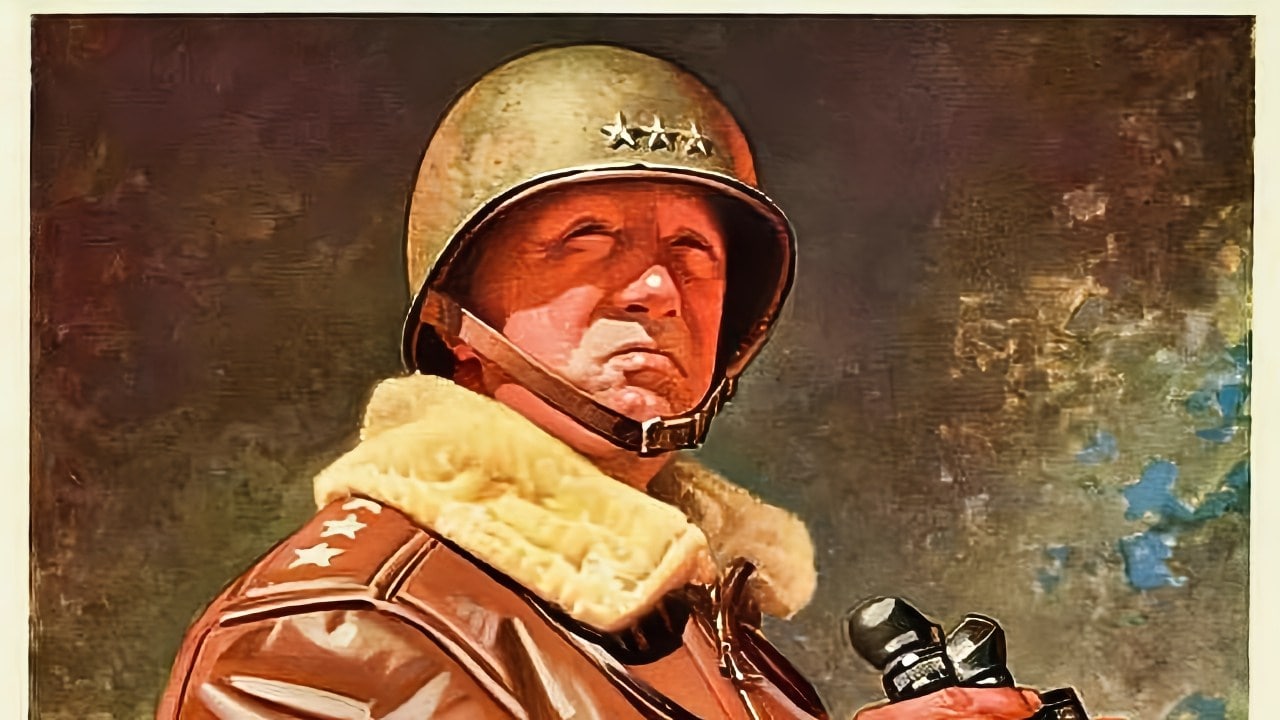
General George Patton. Image Credit: Creative Commons.
An Adherent Of Lightning Fast Mechanized Warfare
He believed in fast-moving armored units. He loved tanks for their ability to strike enemy weaknesses with massive force and speed toward the ultimate objective.
Patton was not always interested in logistics. He left that up to his quartermasters. He was an expert at reading maps and used his intuition to sense enemy weakness. This is where he was masterful at picking and choosing when and where to deploy his forces.
Make Difficult Choices About When and Where to Fight
The mercurial general also realized that not all battles need be fought. The commanders could always choose when to mass forces, and sometimes the war could slow down before they used agility and violence of action in a different location. This is when he achieved tactical surprise.
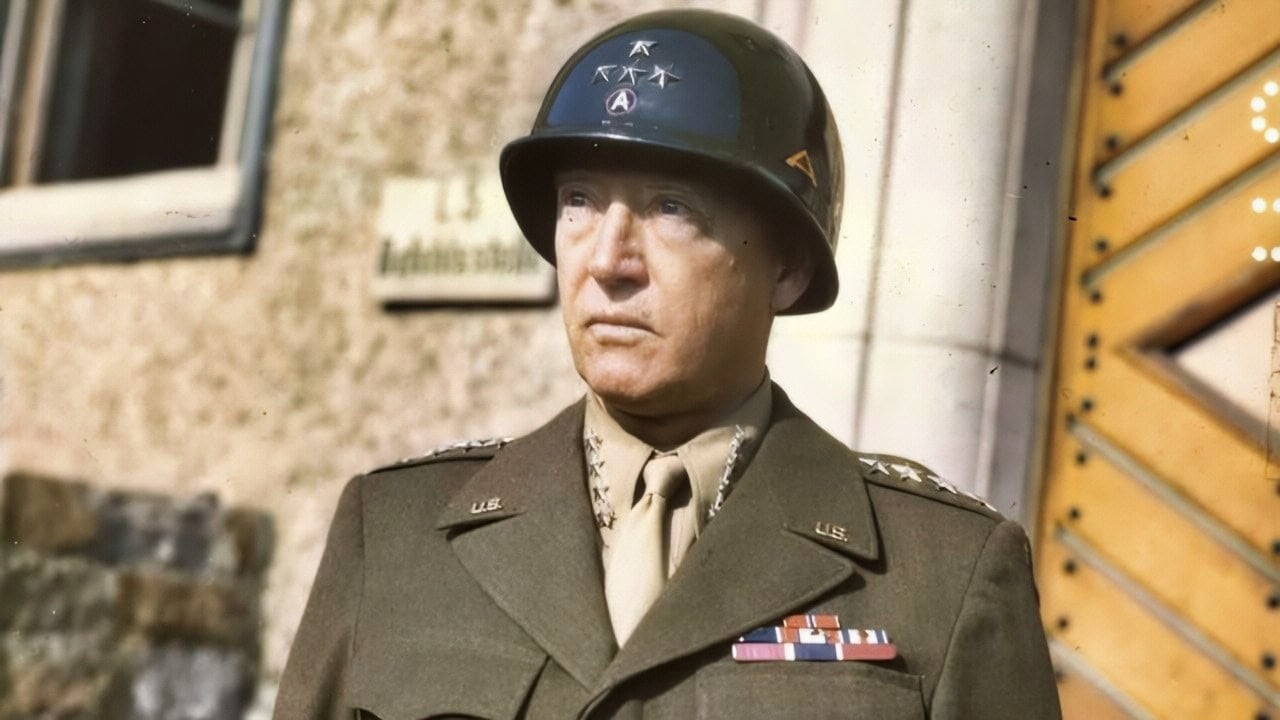
General George Patton U.S. Army Photo
There Was Always Time for the discipline of Subordinates
But when Patton decided to fight, he poured all his resources in, without always relying on reserves. He maximized the chances of success.
This created a force multiplier of confidence and high morale with his troops. Patton could sometimes be a martinet who instilled discipline by requiring his men to shave and wear clean, starched uniforms. Sometimes he implored his soldiers to wear neck ties. While his fighters did not always understand the reasoning behind these decisions, they found that Patton was trying to instill discipline and attention to detail.
Ultimately, Patton earned his men’s confidence, and that proved decisive. Patton knew that sometimes he had to give his subordinate commanders the choice of how to fight. He determined the objective and allowed some flexibility for those he led.
Never Lead From Behind
Patton always wanted to lead from the front. He believed in advancing at all costs. He loved to be at the vanguard of the attacking force, personally giving his men the confidence that they would win. This helped maintain momentum and initiative. This ceaseless forward motion instilled a winning attitude in friendly forces, scared the enemy, and made them retreat.

U.S. Army General George Patton. Image Credit: Creative Commons.
Patton’s Early Days
Patton was born on November 11, 1885, in San Gabriel, Southern California, to a wealthy and politically connected family. He always wanted to be a soldier and envisioned himself as a famous general early on. Patton was a spoiled child, and his parents rarely disciplined him. This taught him that sometimes one could rebel against authority and ignore some parental commands that kept him from realizing his full potential as a leader.
Not the Greatest Student
Patton loved military history as a youngster and imagined serving in great battles with extraordinary commanders. But basic academic subjects bored him, and he often did not apply himself unless his classes were in classical literature.
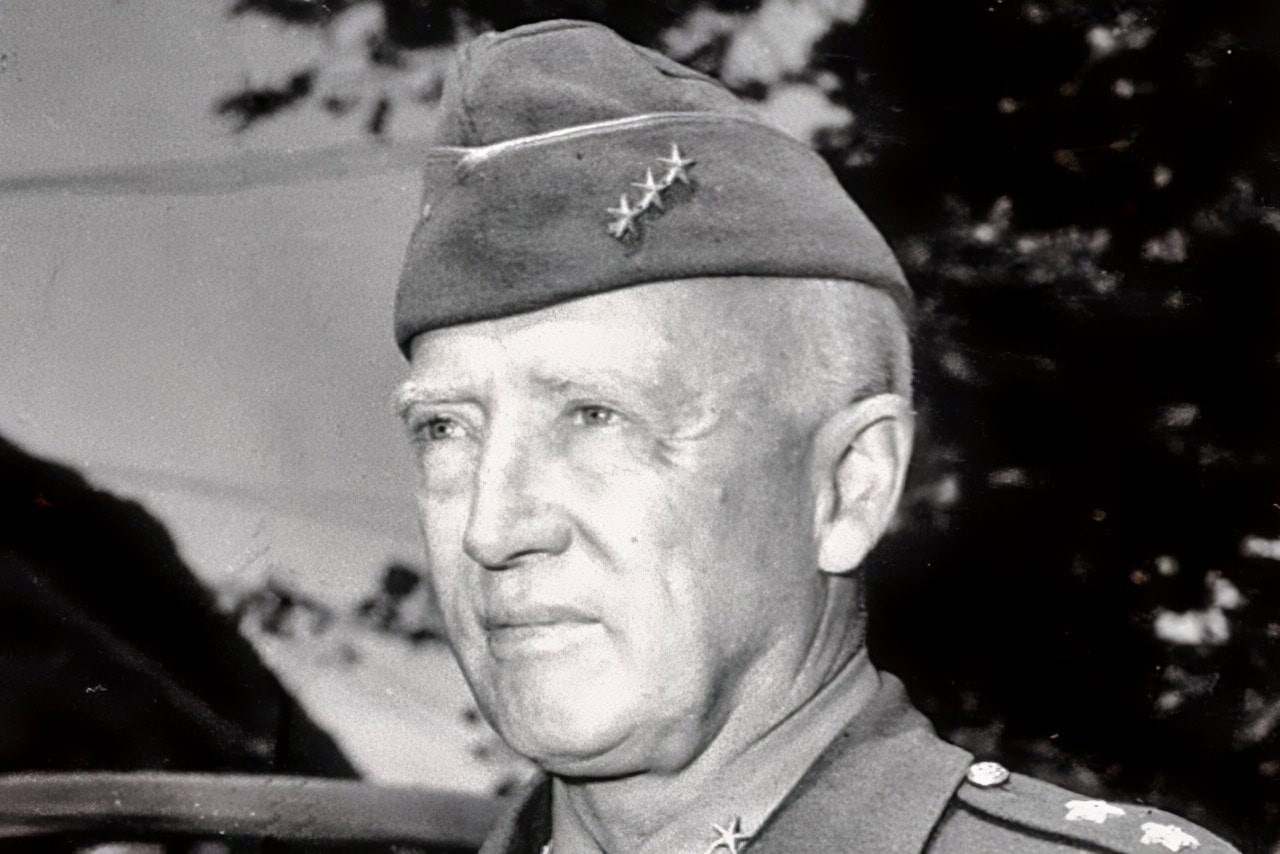
George S. Patton Quote of the Day. Creative Commons Image.
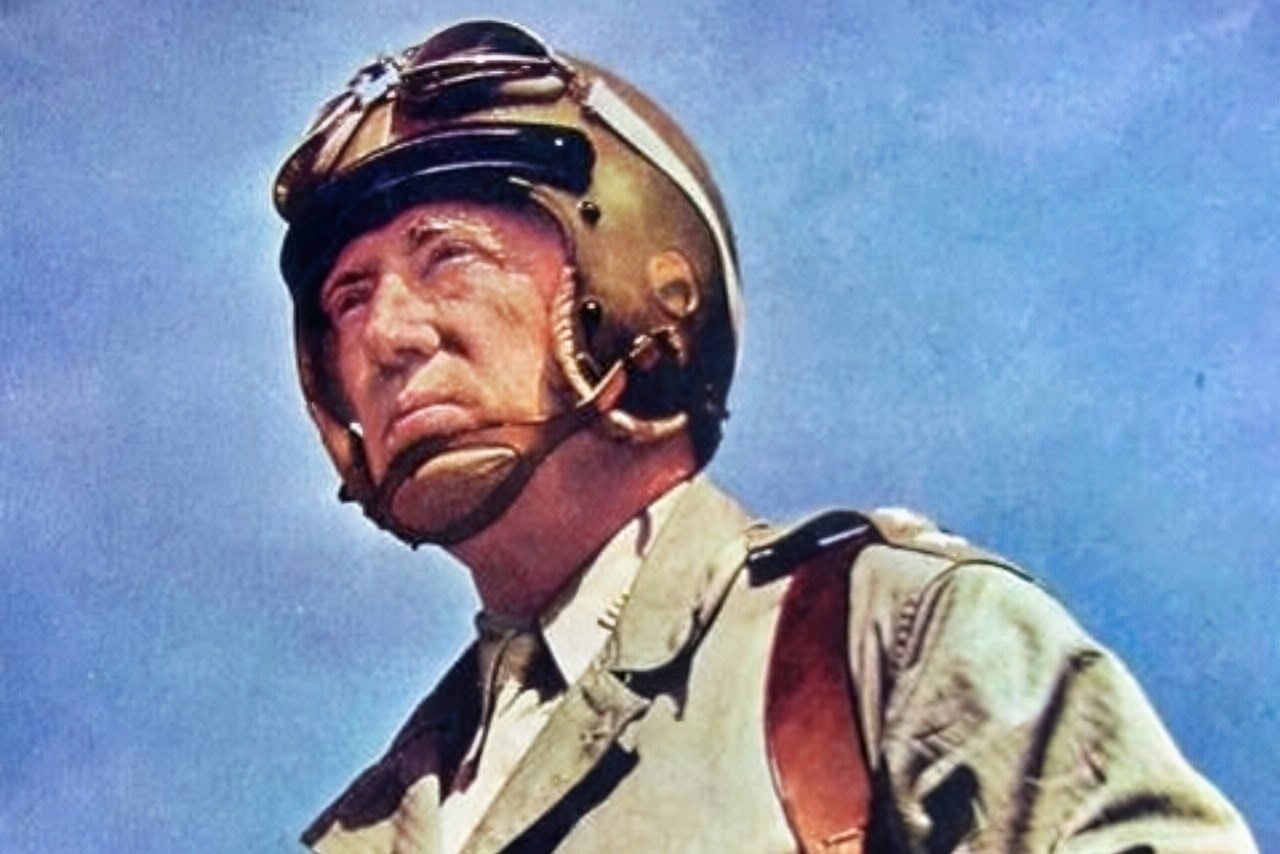
General George Patton of the U.S. Army. Image Credit: Creative Commons.
Patton may have suffered from a slight form of dyslexia, and he learned to read later than his peers. He struggled in school, and it did not look like he would achieve the academic mastery needed for a successful military career.
He attended Virginia Military Institute and later West Point. His leadership ability came to the forefront, and Patton was a great athlete who had supreme confidence in his abilities.
Olympic Athletic Achievements
The future general would go on to compete 1912 Summer Olympic Games in Stockholm, Sweden. He was a pentathlete who finished fifth in the games. But this only added to his allure as a future leader. He could always depend on himself to rise to the top.
Patton believed in reincarnation because of a poem he wrote about the afterlife. He thought that he would come back to life as Hannibal after death. This seemed to be a form of mental disability, but it showed observers that Patton would someday be a god on the battlefield.
He Enjoyed a Successful War Despite Being Wounded
The military leader found good fortune through impeccable timing. World War I arose, and Patton was in the right place at the right time. He was promoted to captain, and his chain of command, after Patton continued to pester his superiors, sent him to the frontlines.
Tank Warfare Would Remain Supreme
He participated in the Battle of Cambrai, where tanks were used for the first time. Patton was seen as a rising talent as a cavalry officer. After using his leadership ability to create training opportunities for other officers in tank warfare, Patton was promoted to lieutenant colonel and given command of the U.S. Tank Corps of the U.S. First Army.

General Patton Portrait. Image Credit: Creative Commons.
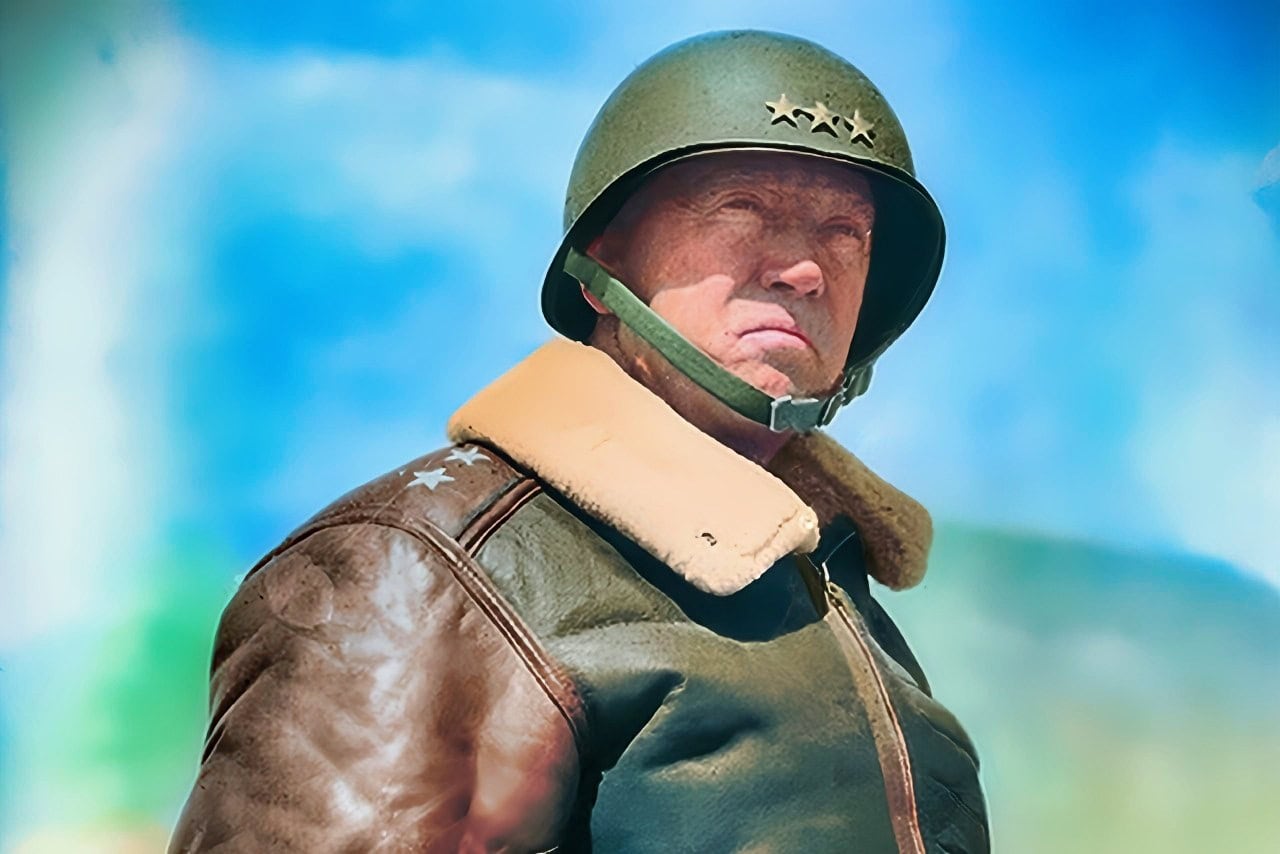
George Patton U.S. Army Photo
“He took part in the Meuse-Argonne Offensive from September 26 to November 11, 1918, and was wounded by machine gun fire near the village of Cheppy. For his services in World War One, he was awarded a Purple Heart, a Distinguished Service Cross, and was promoted to the temporary rank of Colonel,” according to Normandy1944.info.
Important Role Between Wars
In the interwar period, Patton promoted the tank as the most important part of a new form of rapidly advancing warfare capable of breaching the most hardened enemy defenses. He personally asked Congress for more spending on a tank division. He wrote articles about tank tactics and armored maneuver doctrine. Patton became an expert on mechanized warfare.
What Was His Secret?
Patton’s early days presaged a leader who was brilliant at taking the initiative and a battlefield genius, though he had embarrassing spectacles when not in combat. His early days showed that he could become an authority on the future of warfare, and his efforts between the world wars allowed the Army to be ultimately successful in World War Two with tank warfare.
Patton knew how to recognize a battle that could be won and avoid fighting when the tactical advantage was not there. He could look into the future and find a place to fight that would spur his forces to victory. Patton was thus an adherent of the belief in making tough decisions and sticking to his instincts. This allowed him to help win World War Two and gave him a place in the pantheon of military heroes – just what he had envisioned for himself as a child.
About the Author: Brent M. Eastwood
Author of now over 3,000 articles on defense issues, Brent M. Eastwood, PhD is the author of Don’t Turn Your Back On the World: a Conservative Foreign Policy and Humans, Machines, and Data: Future Trends in Warfare plus two other books. Brent was the founder and CEO of a tech firm that predicted world events using artificial intelligence. He served as a legislative fellow for US Senator Tim Scott and advised the senator on defense and foreign policy issues. He has taught at American University, George Washington University, and George Mason University. Brent is a former US Army Infantry officer. He can be followed on X @BMEastwood.