
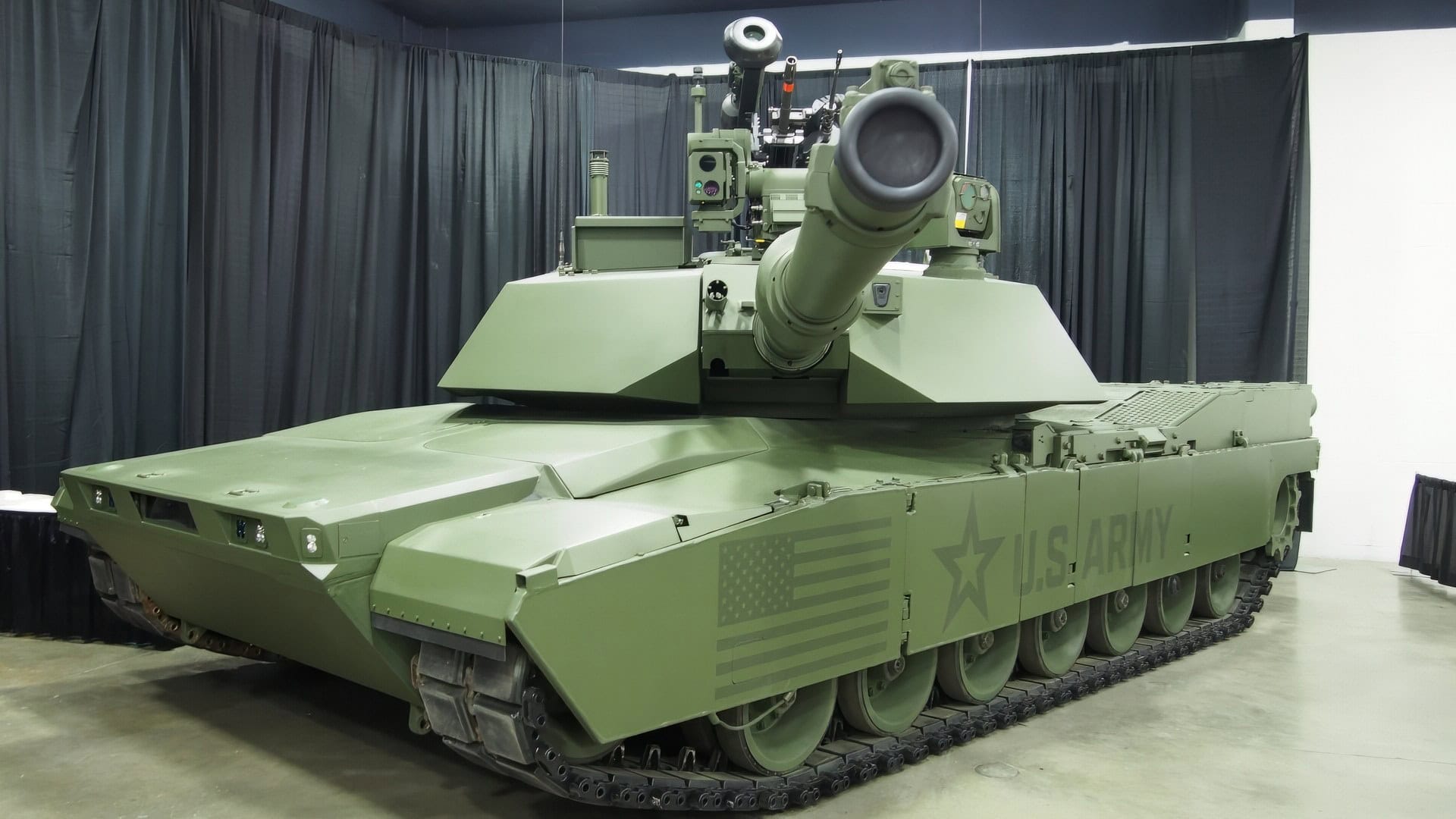
Summary and Key Points: The Army’s M1E3 Abrams is still early in development, but its direction is clear: reduce weight, integrate active protection from the outset, and build a digital backbone to speed future upgrades.
-It keeps the 120 mm gun and modern U.S. ammunition while pursuing better power management, longer silent watch, and lower signatures through a hybrid-electric powerpack.
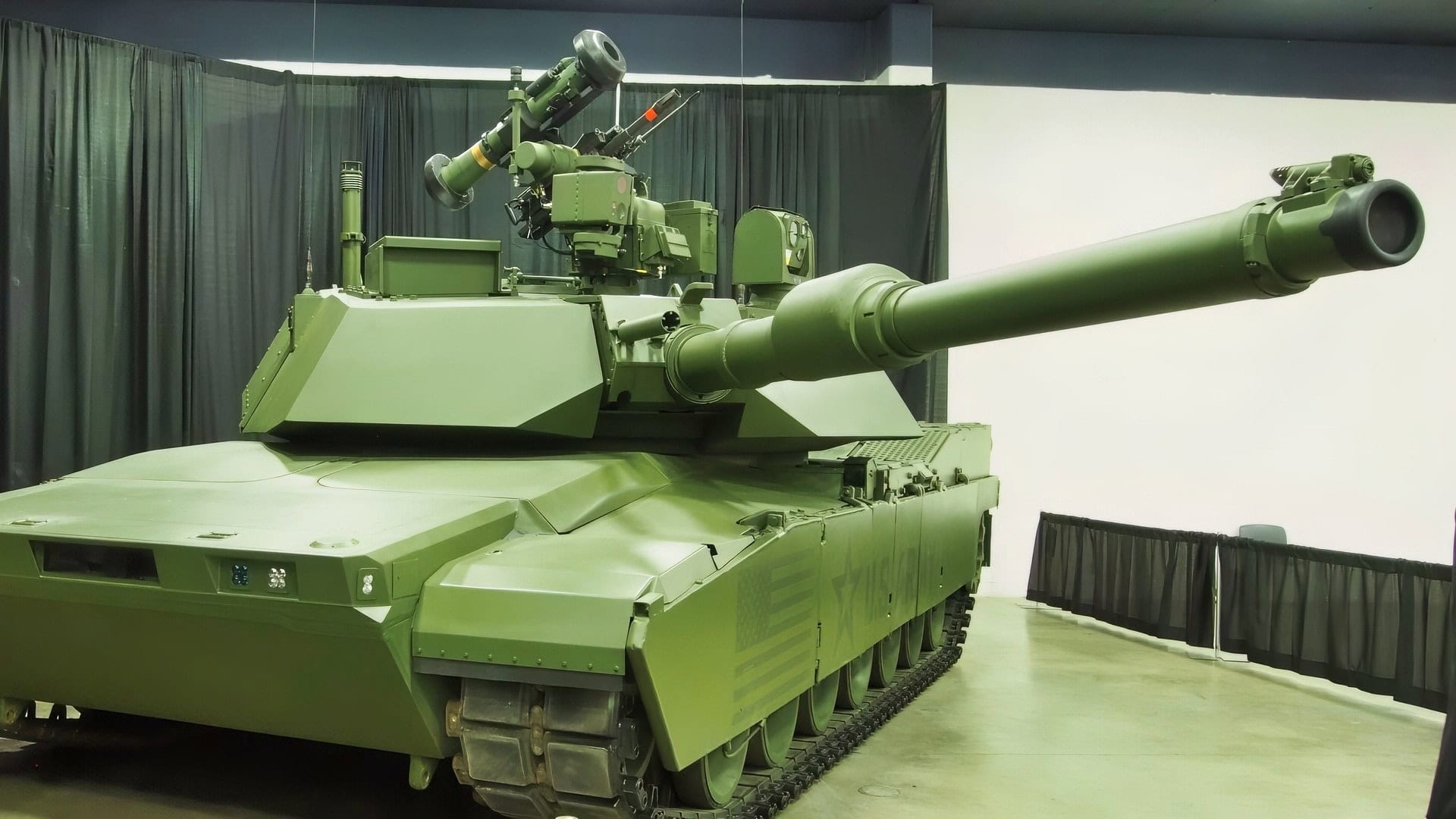
M1E3. 19FortyFive Image from the Detroit Auto Show.
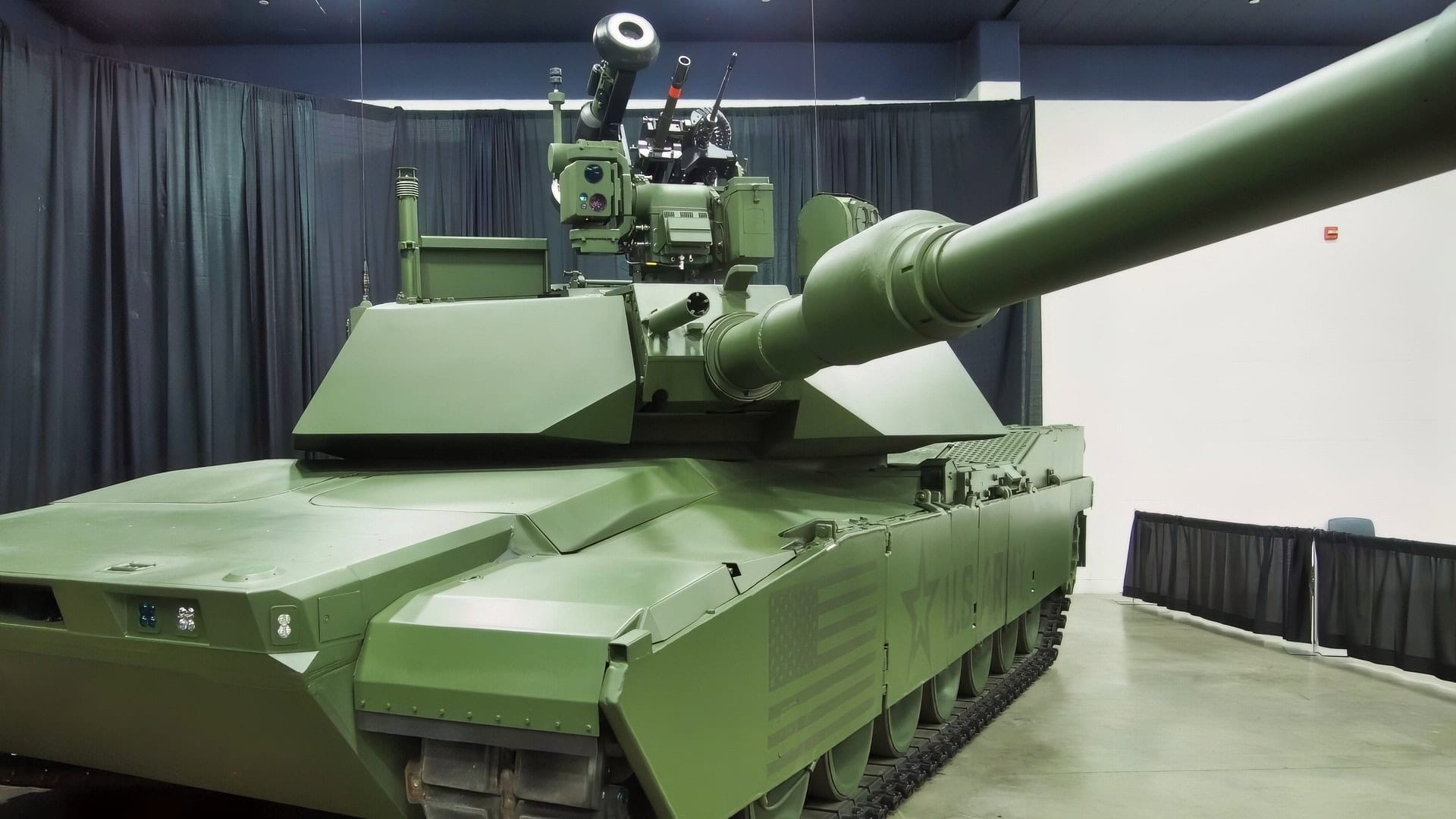
At the Detroit Auto Show, 19FortyFive visited the new M1E3 tank. Image Credit: 19FortyFive.com.
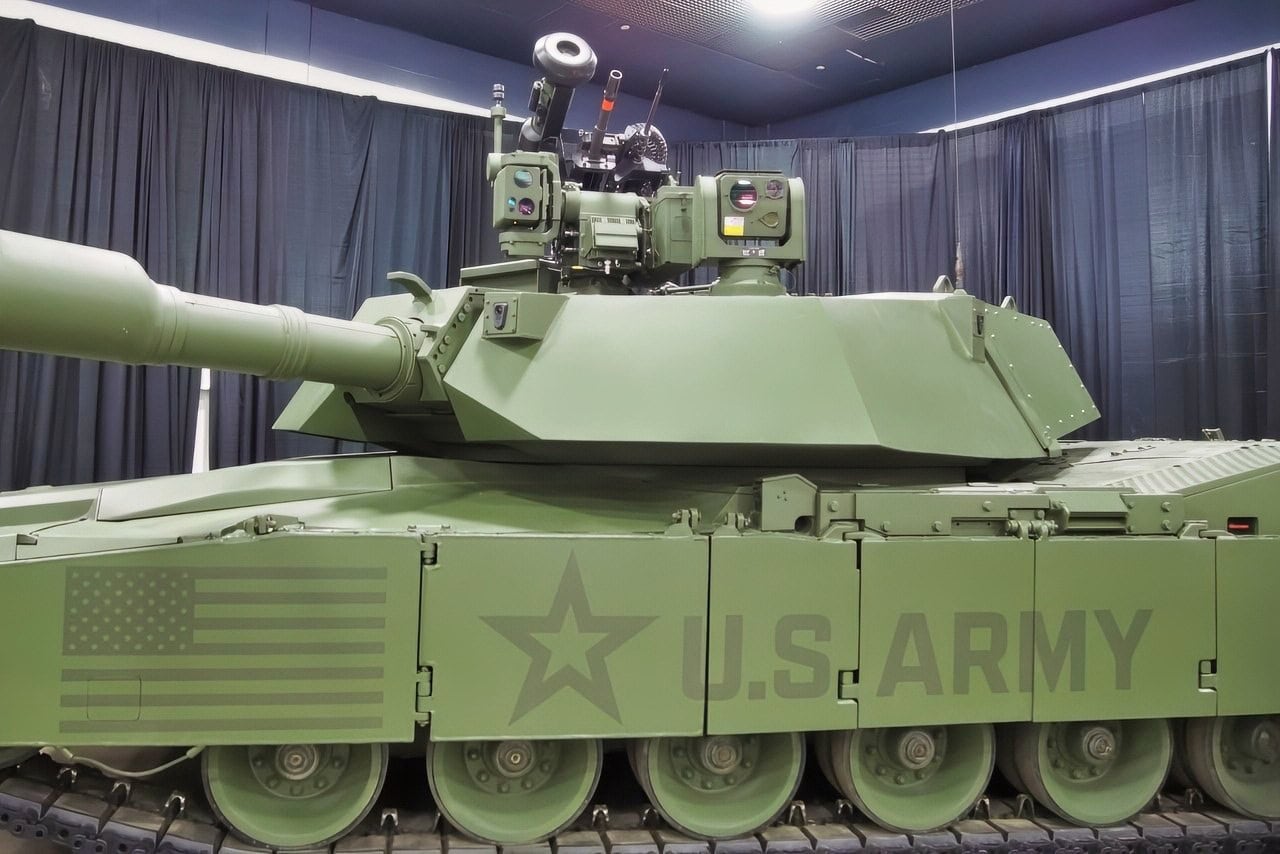
M1E3 from the Detroit Auto Show. Taken by 19FortyFive.com on 1/17/2026.
-Israel’s Merkava Mk IV pursues survivability in a different way, with a front-mounted engine, modular armor, a rear compartment, and combat-proven Trophy APS.
-Today, the Merkava looks like the safer “fight tomorrow” choice; the M1E3 could become the more flexible, multi-theater platform if its promise is realized.
M1E3 Abrams vs Merkava Mk IV: Which Tank Wins in the Drone and ATGM Era?
The M1E3 Abrams is the latest iteration of the venerable Abrams tank line. In January, the first pre-prototype model of the tank was demonstrated at the Detroit Auto Show (we were there), providing the Army with a clear (though incomplete) vision of the tank.
The tank still has a long way to go before it can enter production, but at least we have been given a glimpse into what the M1E3 is capable of. However, how does it compare with other tanks?
The Israeli Merkava Mk IV is often cited as one of the best tanks in the world due to its digital systems and emphasis on survivability, but how well does it compare with the M1E3?
Survivability and APS Integration
At the level of protection, both families start from strong fundamentals but pursue different emphases. The Abrams line earned a reputation for crew protection with compartmented ammunition behind blow-off panels and high-end composite armor, but the Army concluded that continuing to add external kits for new threats pushed the design into a weight corner and constrained mobility and sustainment.
That is the core of the M1E3 rationale: integrate protection from the outset, reduce weight, and adopt a digital backbone that can accommodate rapid upgrades as threats evolve.
According to official statements, integrating APS and reducing the tank’s weight are crucial goals of the program.
The Merkava takes a different approach to survivability.
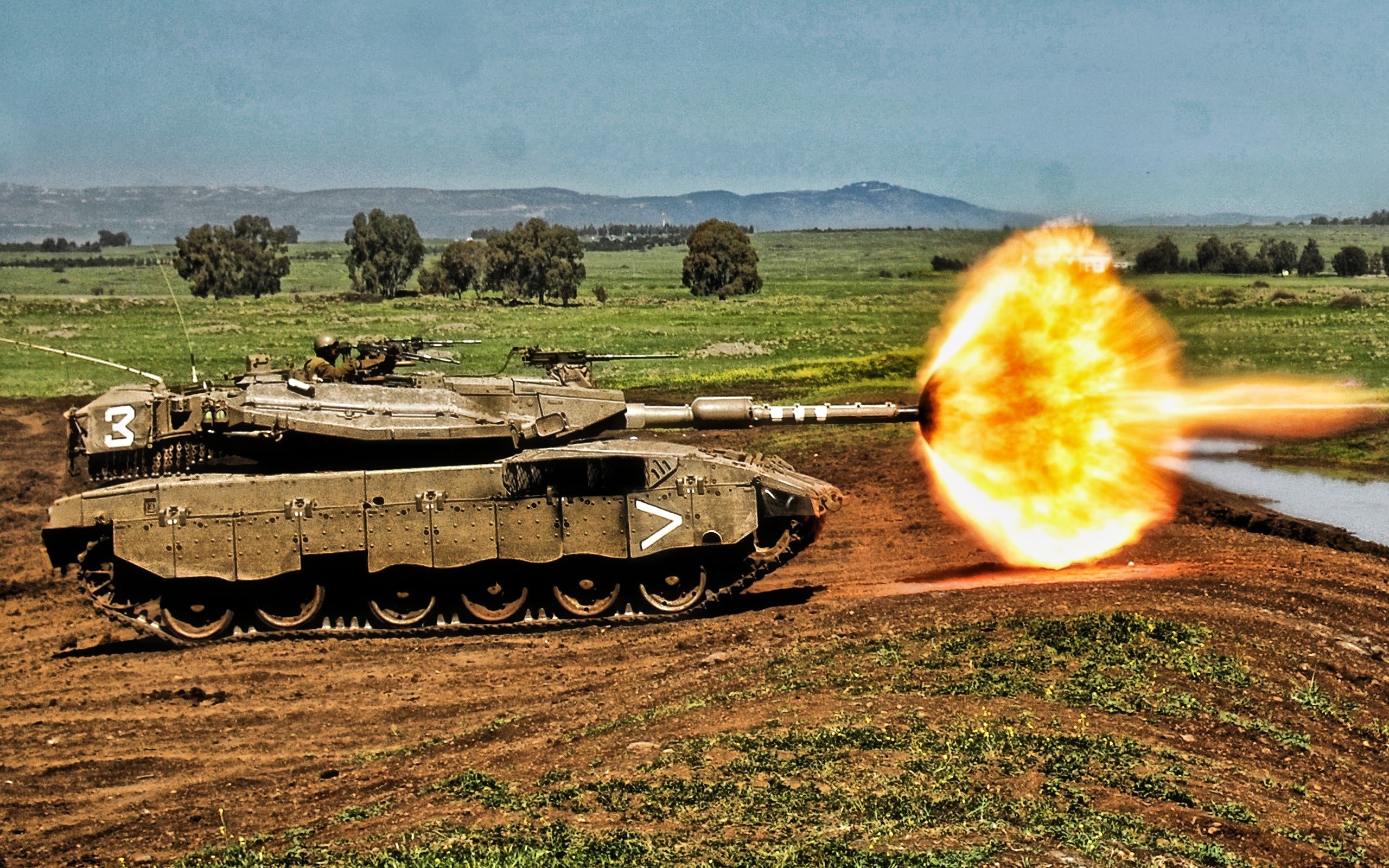
Merkava Tank. Image Credit: Creative Commons.
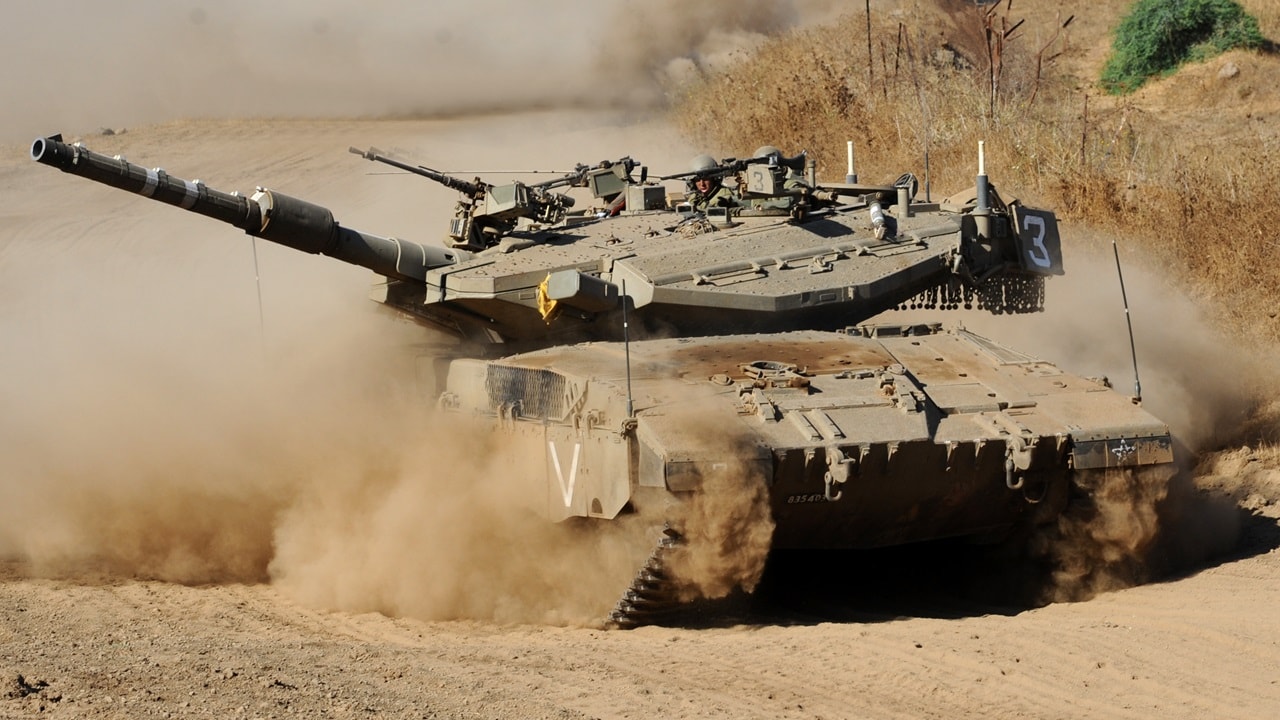
Merkava Tank from Israel
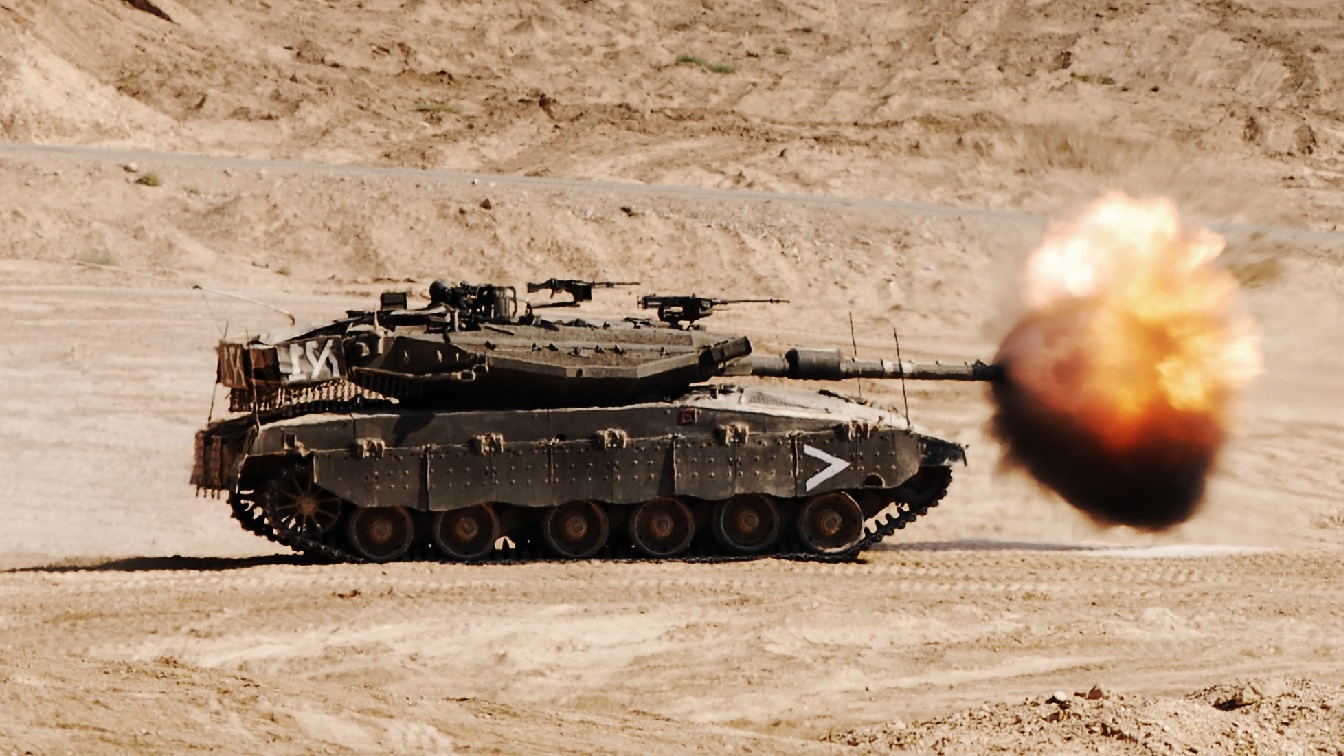
Merkava Tank Firing. Image Credit: Creative Commons.
Overall, the Merkava is something of an anomaly compared to other modern MBTs. It was designed to meet the hyper-specific needs of the IDF in the urban and rugged environments of the Middle East. The Merkava series places its engine block at the front of the tank to ensure further protection in case of frontal penetration.
Additionally, the armor is modular for fast replacement, ammunition is segregated, and the rear compartment can be used to carry infantry or evacuate wounded, all of which reflect the IDF’s focus on limiting casualties and fighting effectively in cluttered urban spaces.
Both tanks utilize APS to some degree. The Merkava Mk IVM fields Rafael’s Trophy HV as an integral part of the platform and has done so for more than a decade.
Trophy’s radar detects and tracks incoming ATGMs and RPGs and fires EFP-based countermeasures within meters of impact. It has demonstrated its effectiveness in multiple operations, making it the world’s most combat-validated hard-kill APS.
The U.S. has fielded Trophy kits on Abrams SEPv2/SEPv3 vehicles, and test results indicate that the system performed well.
The Army’s goal with the M1E3 is to integrate APS from the outset rather than bolt it on, which should improve weight, power, thermal, and signature management compared to the current add-on approach.
Firepower and Digital Systems
In terms of firepower, both tanks are relatively evenly matched. The M1E3 retains the Abrams family’s 120 mm M256 smoothbore gun along with its premier ammunition suite, notably M829A4 kinetic penetrators and the programmable AMP multi-purpose round.
According to some reports, new ammunition will likely be designed for the tank, but little information is available on this topic.
The Merkava Mk IV’s 120 mm MG253 smoothbore cannon accepts a broad menu of ammunition and, uniquely among Western MBTs, can fire the LAHAT gun-launched laser-homing missile, which offers a different kind of flexibility for hard urban angles or extended ranges. It also retains an internal 60 mm mortar, a very practical tool in dense urban fights for dropping smoke or HE over cover.
The SEPv4 test articles introduced third-generation FLIR for both the gunner and commander. This package, along with improved onboard diagnostics and cooling, constitutes the technology base the Army intends to carry forward into the M1E3 under its Modular Open Systems Architecture (MOSA), enabling faster, lower-cost integration of future upgrades.
By contrast, the Merkava Mk IV Barak upgrade utilizes helmet mounted displays, the Elbit Systems Battle Management System, and offers a 360-degree virtual reality view of the tank’s surroundings thanks to its many cameras and sensors.
Mobility
Legacy Abrams variants use the Honeywell AGT1500 gas turbine, which gives outstanding acceleration and cold-start performance but is notoriously fuel-hungry, driving a large sustainment tail.
The Army has been explicit that weight and fuel burden limit bridge crossing, maneuver options, and strategic mobility; hence, the M1E3’s push to adopt a hybrid-electric power pack to reduce fuel consumption, improve “silent watch,” and lower thermal and acoustic signatures.
The Merkava Mk IV uses the 1,500 hp MTU/GD883 diesel with a Renk transmission, an efficient, robust powerpack for its roughly 65-ton combat weight and ideal for Israel’s theater, where strategic distances are short, and logistics are tightly organized.
From a sustainment perspective, the engine’s efficiency and Merkava’s modular armor facilitate rapid repair turnarounds.
Which Tank Wins?
So, which is better? The answer depends on several factors. If you had to fight tomorrow in a dense urban environment with heavy ATGM and RPG threats and without assured air supremacy, the Merkava Mk IV offers the safer, more proven package.
Its combination of crew-centric layout, modular armor, and, crucially, fully integrated Trophy APS has demonstrated repeatedly that it can keep the gun in the fight against line-of-sight missile ambushes. Those are precisely the kinds of engagements that have challenged armor in Gaza’s cities, and Merkava has repeatedly shown it can absorb, defeat, or rapidly recover from those threats.
In short, “better” is conditional. At present, the Merkava Mk IV is the more mature and combat-proven tank.
Meanwhile, the M1E3 remains in the pre-prototype phase, and its design is still being refined.
In the future, however, assuming the U.S. Army can actually see the project through, the M1E3 Abrams should become the more versatile and future-proof platform for multi-theater, combined-arms operations in the drone and top-attack era.
About the Author: Isaac Seitz
Isaac Seitz, a Defense Columnist, graduated from Patrick Henry College’s Strategic Intelligence and National Security program. He has also studied Russian at Middlebury Language Schools and has worked as an intelligence Analyst in the private sector.

