
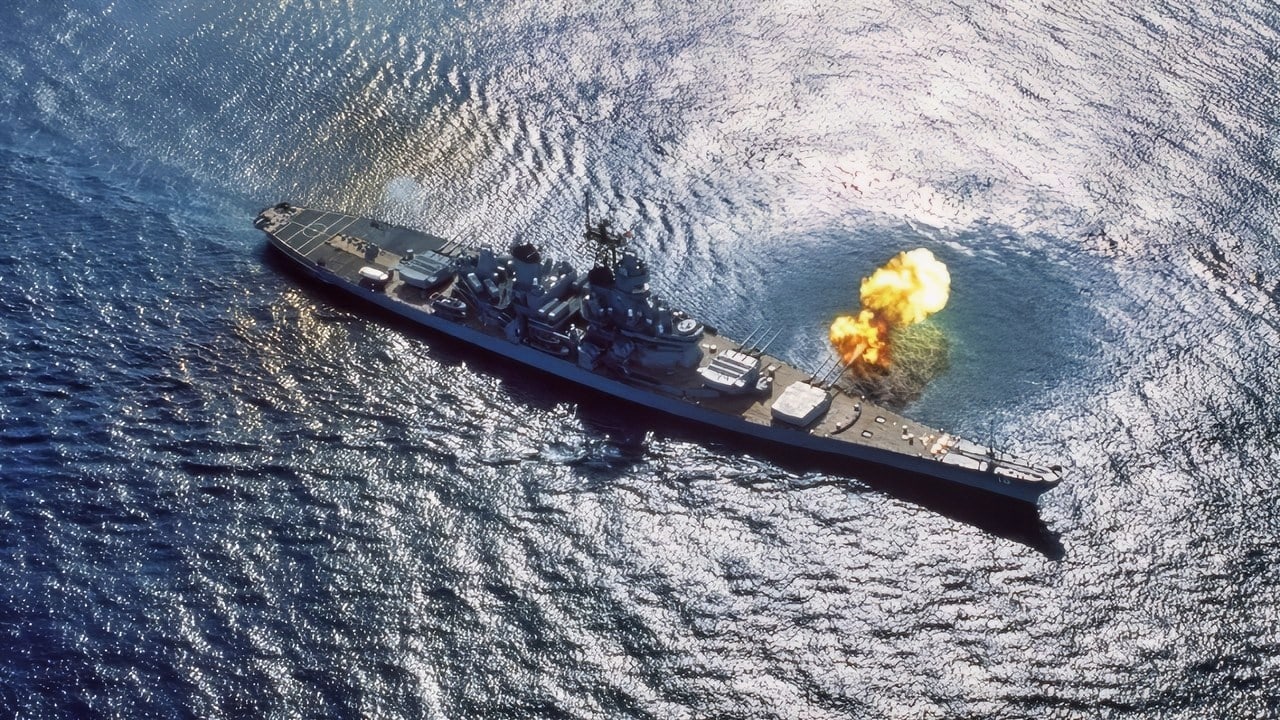
Summary and Key Points: The debate over the proposed Trump-class battleship echoes an earlier experiment: the Cold War reactivation of the Iowa-class.
-Reactivated in the 1980s as a cost-effective response to the Soviet Kirov-class and as part of a 600-ship buildup, the Iowas were modernized with Tomahawks, Harpoons, CIWS, and updated electronics while retaining their 16-inch guns.
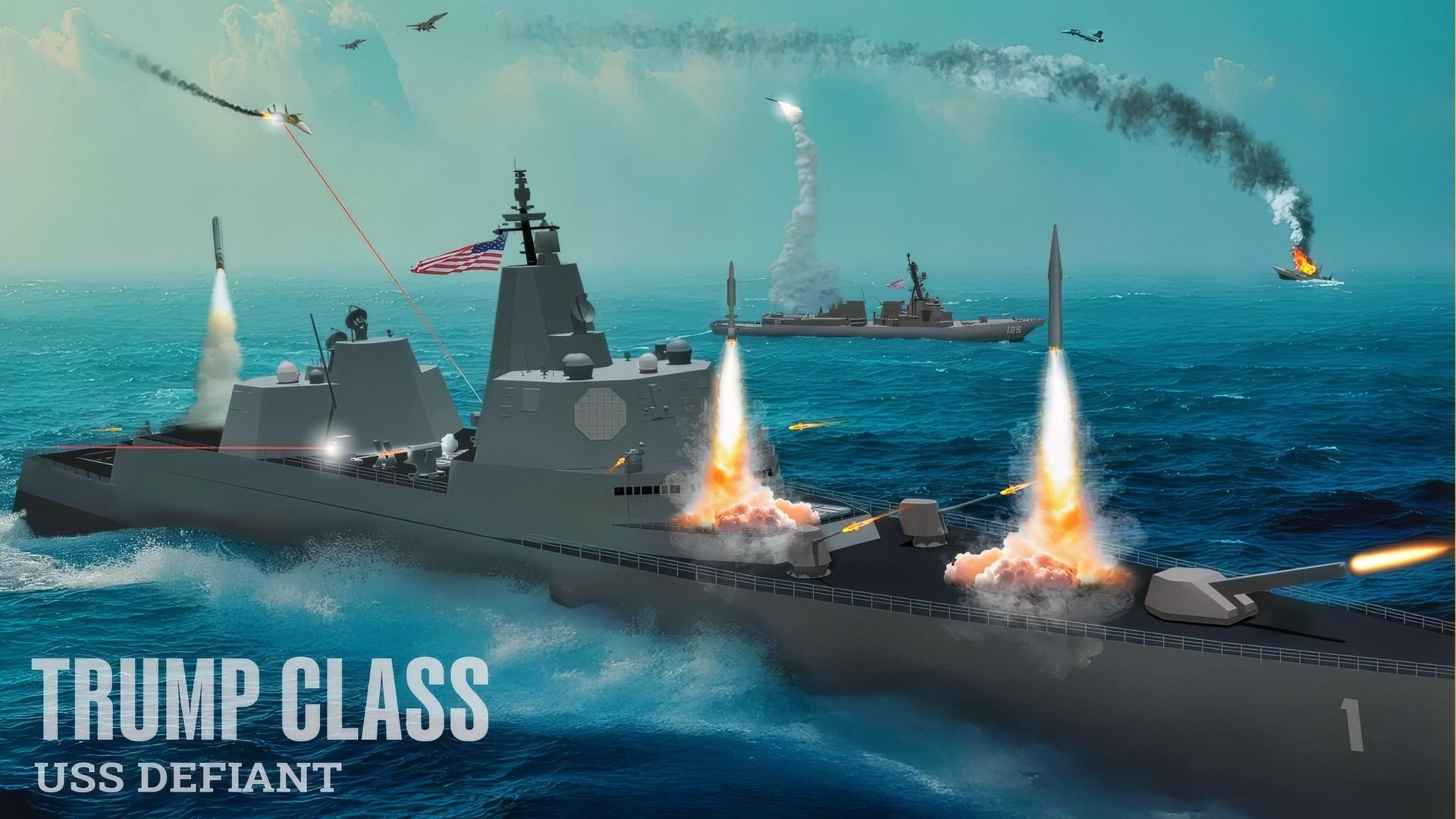
Trump-Class Battleship USS Defiant. Image Credit: Creative Commons.
-But they were ultimately retired again as the Cold War ended, budgets tightened, and WWII-era hulls became costly to maintain and harder to upgrade in a missile-dominated environment.
-The key lesson for BBG(X): even if a large magazine and endurance have appeal, cost and opportunity tradeoffs may be decisive.
That New Enemy: Cost.
The Iowa-Class Lesson for the Trump-Class: Why America Revived Battleships—And Why It Quit Again
Since the proposal of the Trump-class battleships, naval experts and enthusiasts have debated the validity and relevance of the battleship concept in modern times. Some argue that larger warships are still necessary because of their endurance and sturdiness; others argue that battleships are nothing more than target practice for anti-ship ballistic missiles.
The last time the U.S. fielded battleships was back in the 1980s, when the Iowa-class was reactivated during the Cold War. Perhaps by studying the Iowa-class—why it was reactivated, how it was used, and why it was retired again—we might gain insight into what to do with the Trump-class.
Why the Iowa-class was Reactivated in the Cold War
During the 1970s, all four Iowa-class ships remained inactive in the reserve fleet, yet the strategic environment continued to evolve in ways that hinted at their potential relevance. The catalyst was the introduction of the Kirov-class by the Soviet Navy.
These hulking battlecruisers were as large as battleships and possessed enough long-range anti-ship missiles to threaten an entire carrier strike group.
At the same time, advancements in naval gun technology and the development of VLS systems meant that battleships might still be capable of delivering unmatched firepower. However, it would take a major policy shift before another reactivation was seriously considered.
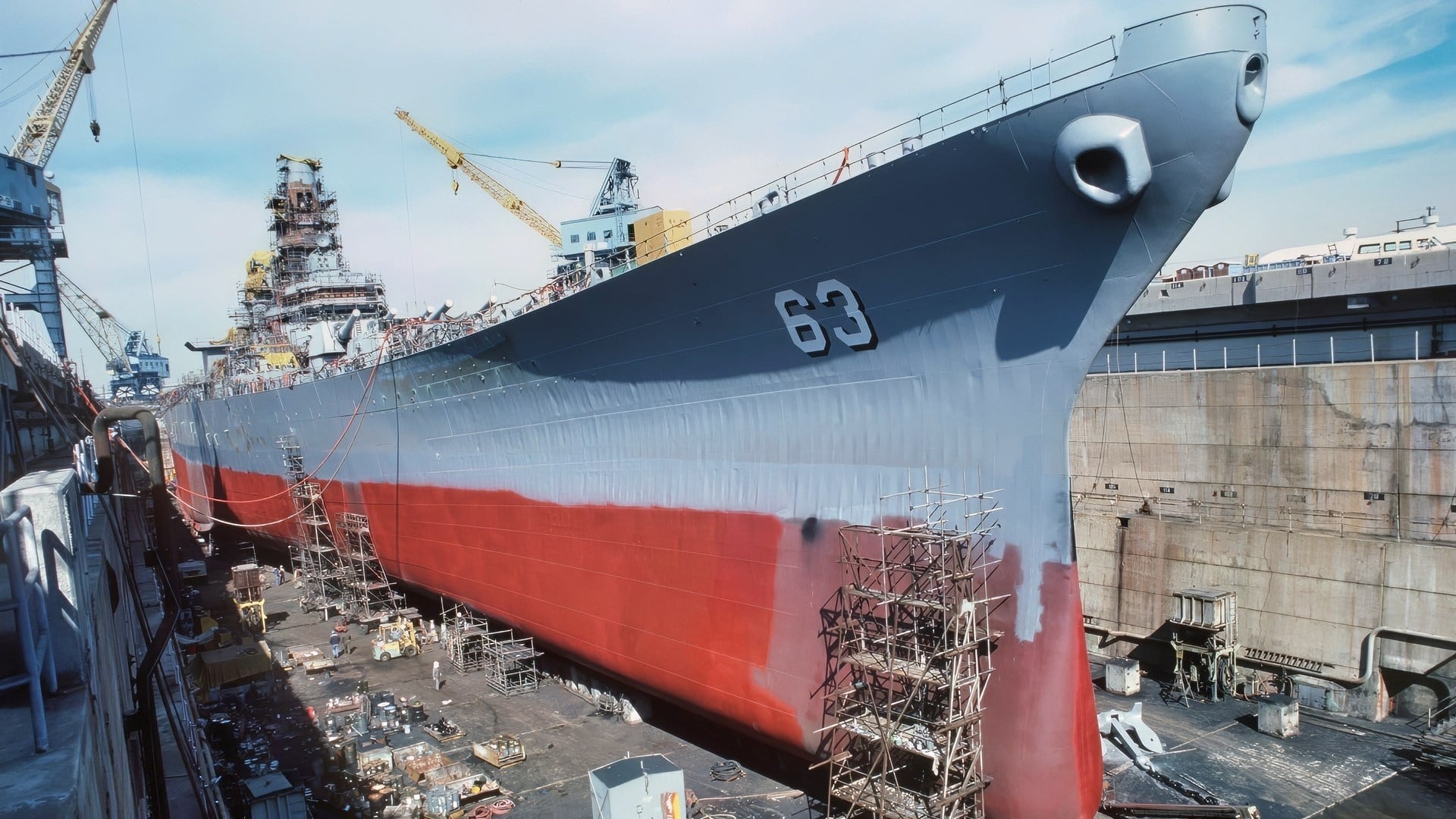
A starboard bow view of the battleship USS MISSOURI (BB 63) in dry dock for reactivation/modernization work prior to recommissioning. Image Credit: Creative Commons.
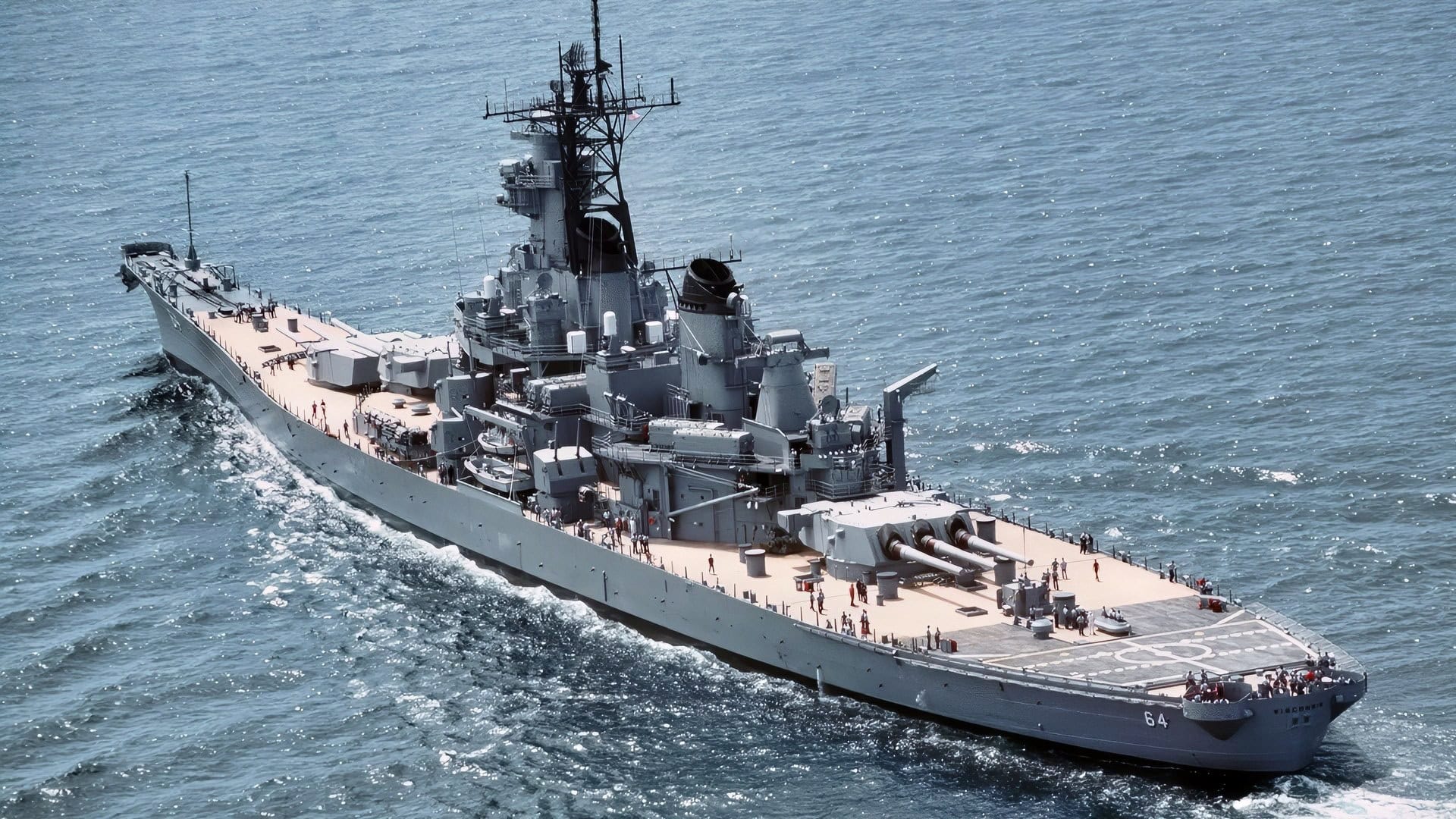
U.S. Navy Iowa-Class Battleship. Image Credit: Creative Commons.
That shift arrived in the early 1980s, when President Ronald Reagan initiated a large defense buildup aimed at expanding the U.S. Navy to 600 ships. The U.S. had to come up with a response to the Soviet Union’s battlecruisers, but the budget was too tight for a new class of large battlecruisers. Fortunately, four battleships were available for refurbishment and modernization.
The ships offered immense firepower, symbolic value, and a surprisingly economical means of increasing fleet strength; modernizing an Iowa-class ship cost far less than constructing a new cruiser. Between 1982 and 1988, all four ships underwent comprehensive overhauls that redefined their role in modern naval warfare.
WWII Warships in the Era of Anti-Ship Missiles
The modernization program equipped each battleship with launchers for Harpoon and Tomahawk anti-ship missiles, thereby dramatically extending their strike capabilities beyond the range of their main guns.
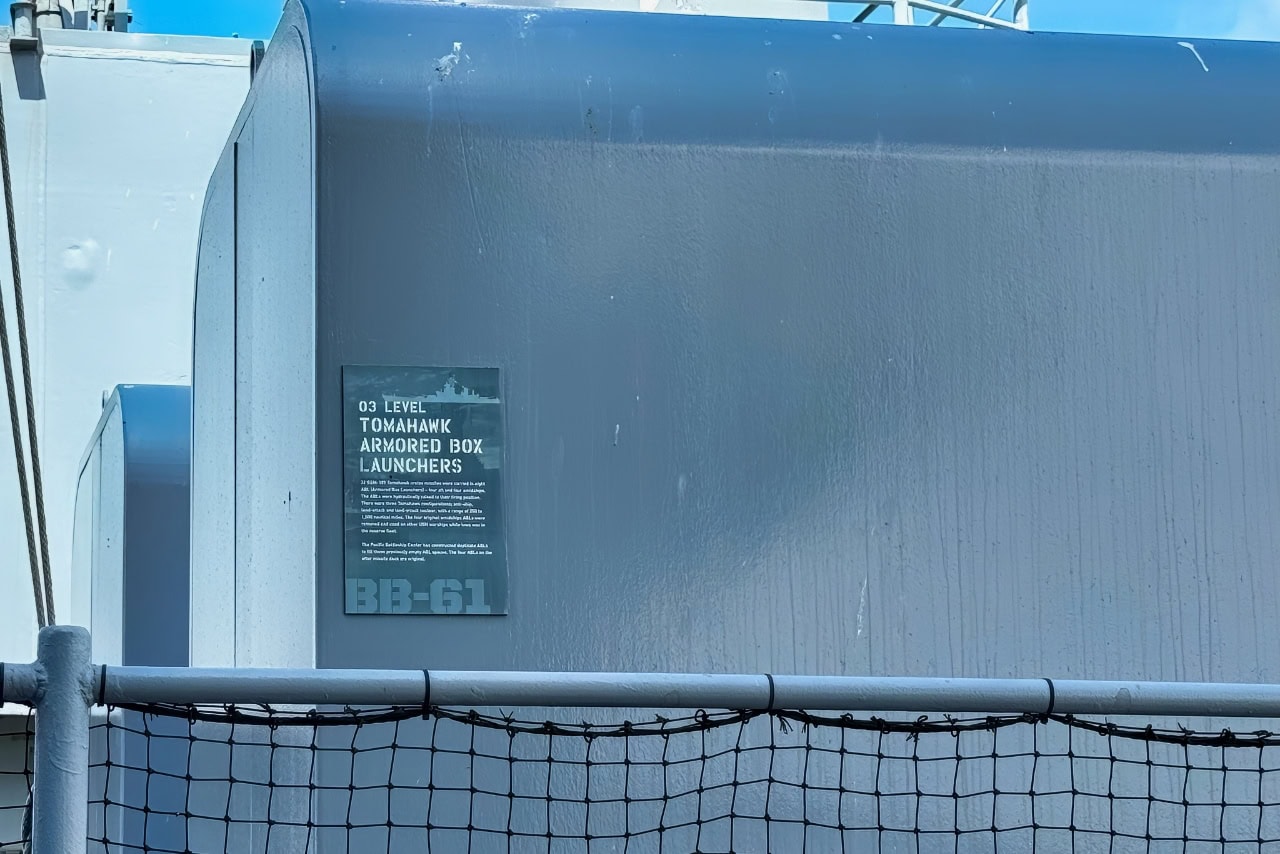
USS Iowa 19FortyFive image of Tomahawk Missiles on USS Iowa.
Close-In Weapon Systems (CIWS) were added to improve defense against modern missiles and aircraft, and sophisticated electronic warfare suites and command systems transformed the ships into hybrid platforms that blended traditional heavy firepower with modern missile warfare. The 16-inch guns were retained and received improved fire-control technology, allowing for the potential use of extended-range and even guided ammunition.
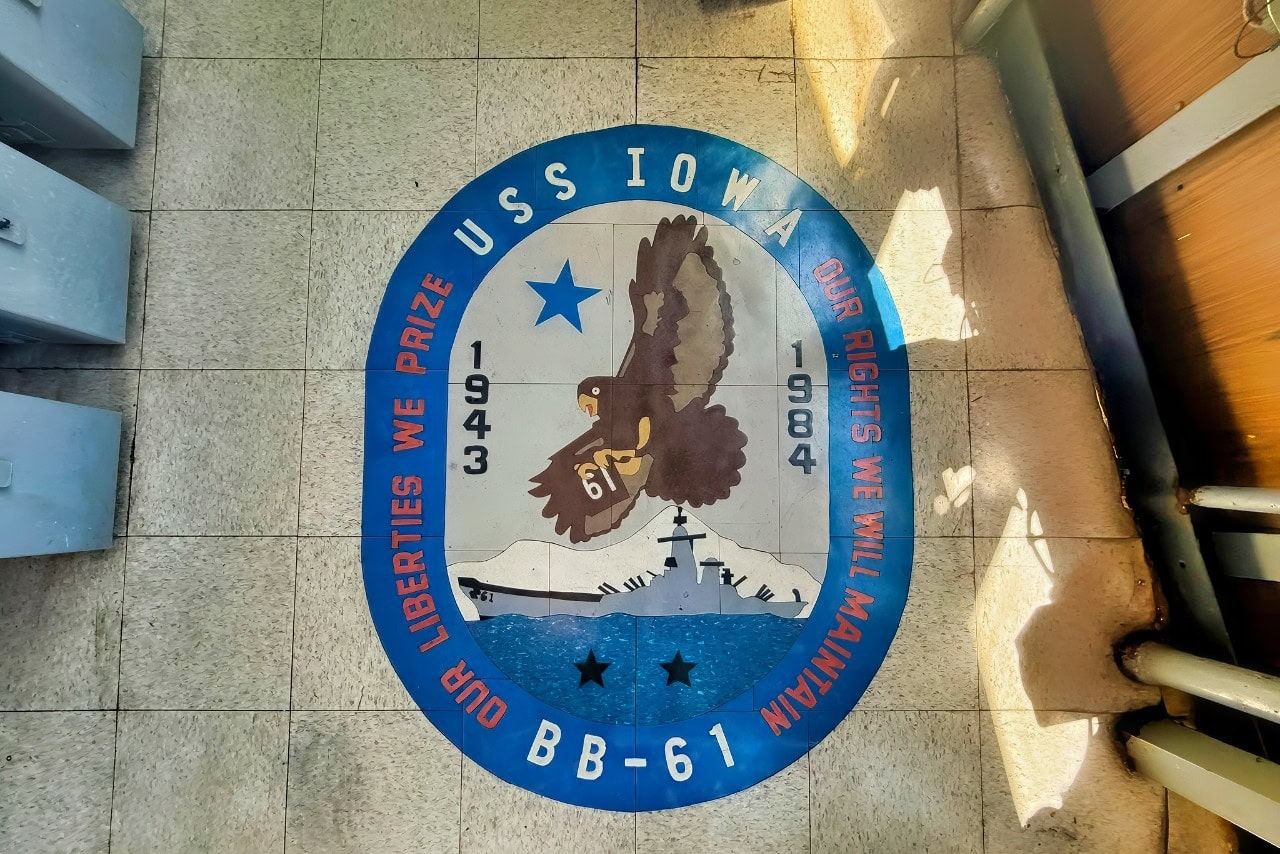
Battleship USS Iowa Logo 19FortyFive Image.
Why the Iowa-class was Ultimately Decommissioned
The Iowa class was ultimately retired for several reasons. First and foremost was the end of the Cold War. With the USSR gone, the U.S. no longer had a peer it needed to match, resulting in defense budget cuts in the 1990s. The Iowa-class required significant funds to maintain thanks to their large size, and were therefore the first to be targeted for retirement. They were reactivated to answer the threat from the Soviet Union, but with the Cold War now over, there was no longer a near-peer power to answer and thus no longer a strategic necessity to retain the Iowa-class in active service.
Secondly, the Iowa-class ships were reaching their age. In the 90s, the ships were pushing 50 years and were ultimately designed in a completely different context. Despite the exceptional service during the Cold War, the Iowa-class was still designed during WWII, with WWII objectives in mind. This limited their capacity for future upgrades and made them suboptimal in an environment dominated by long-range anti-ship missiles. Battleships, at least the ones envisioned in WWII, were no longer a viable concept in the ever-changing landscape that is modern naval warfare.
Lessons for the Trump-class
With all of this in mind, let us now return to the original purpose of this article. What lessons can be gleaned from the Iowa-class and applied to the Trump-class? Firstly, we must remember why the Iowa-class was reactivated in the first place. Not only were they a response to the USSR, but they were also chosen because constructing a new class of battlecruisers (i.e., missile-carrying battleships) was deemed too expensive even at the height of the Cold War.
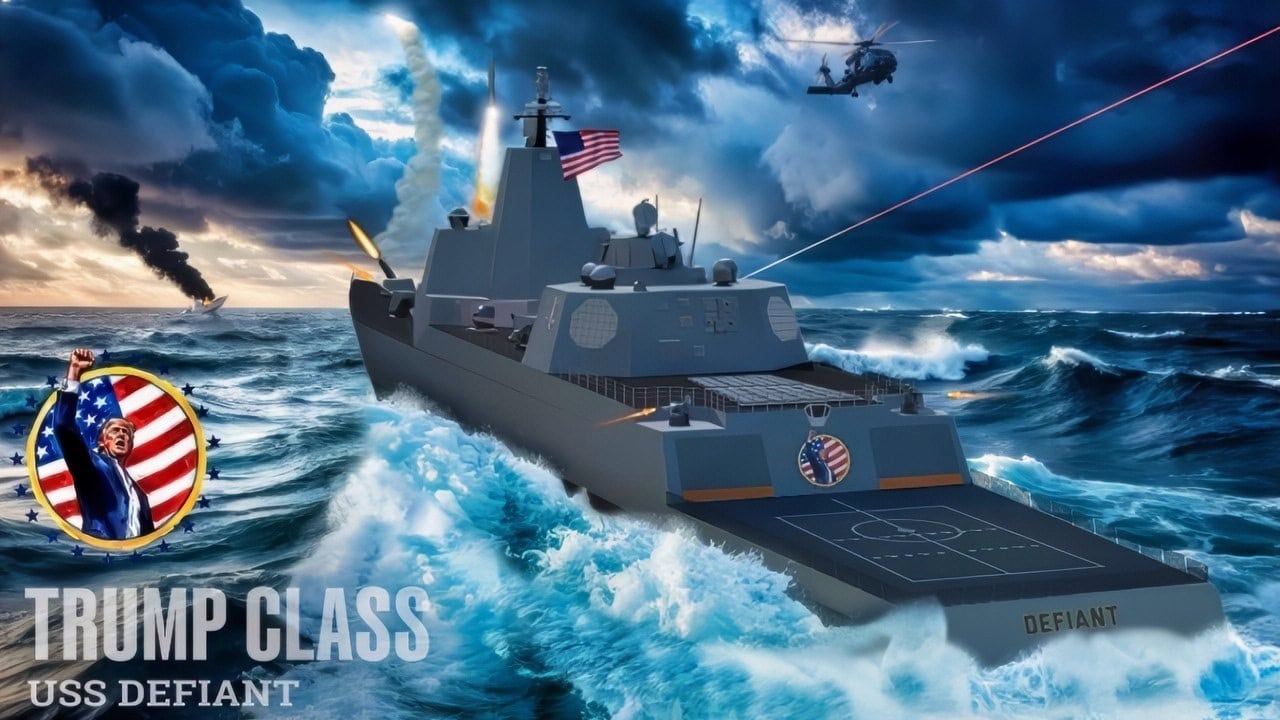
Trump-Class Battleship. Image Credit: Creative Commons/White House Photo.
Nowadays, U.S. shipbuilding is in an even more precarious state. An argument can be made that a new battleship could help revitalize shipbuilding, but that’s for the economists to sort out. The point is that building a new class of battleship would be a tremendous and expensive undertaking.
On the other hand, there is a compelling argument to be made for a large warship with an extended magazine and greater endurance.
One of the problems with smaller, more distributed maritime approaches is that smaller surface ships lack the range and endurance of an aircraft carrier, nor do they have the missile capacity necessary to hold territory for extended periods.
This is exacerbated by reloading. Reloading at sea is a significant logistical issue and one that the Navy is still working out.
A larger vessel partially (though not completely) negates the issue of reloading by simply possessing a larger magazine, thus enabling it to remain in combat for longer periods of time as compared to smaller vessels.
The Numbers and the Trump-Class Battleship
There are strong arguments both for and against the implementation of a new battleship. While there are legitimate concerns for the survivability of a battleship, the biggest hurdle is the cost of a ship that size.
While there are no official figures, some estimates report a cost of somewhere between 10-22 billion USD per ship, this is assuming no cost increases during development.
Even if there is a legitimate need for the Trump-class battleship (the jury is still out on that one), the sheer cost of the class is likely to be a bigger problem than any missile China can field.
About the Author: Isaac Seitz
Isaac Seitz, a Defense Columnist, graduated from Patrick Henry College’s Strategic Intelligence and National Security program. He has also studied Russian at Middlebury Language Schools and has worked as an intelligence Analyst in the private sector.