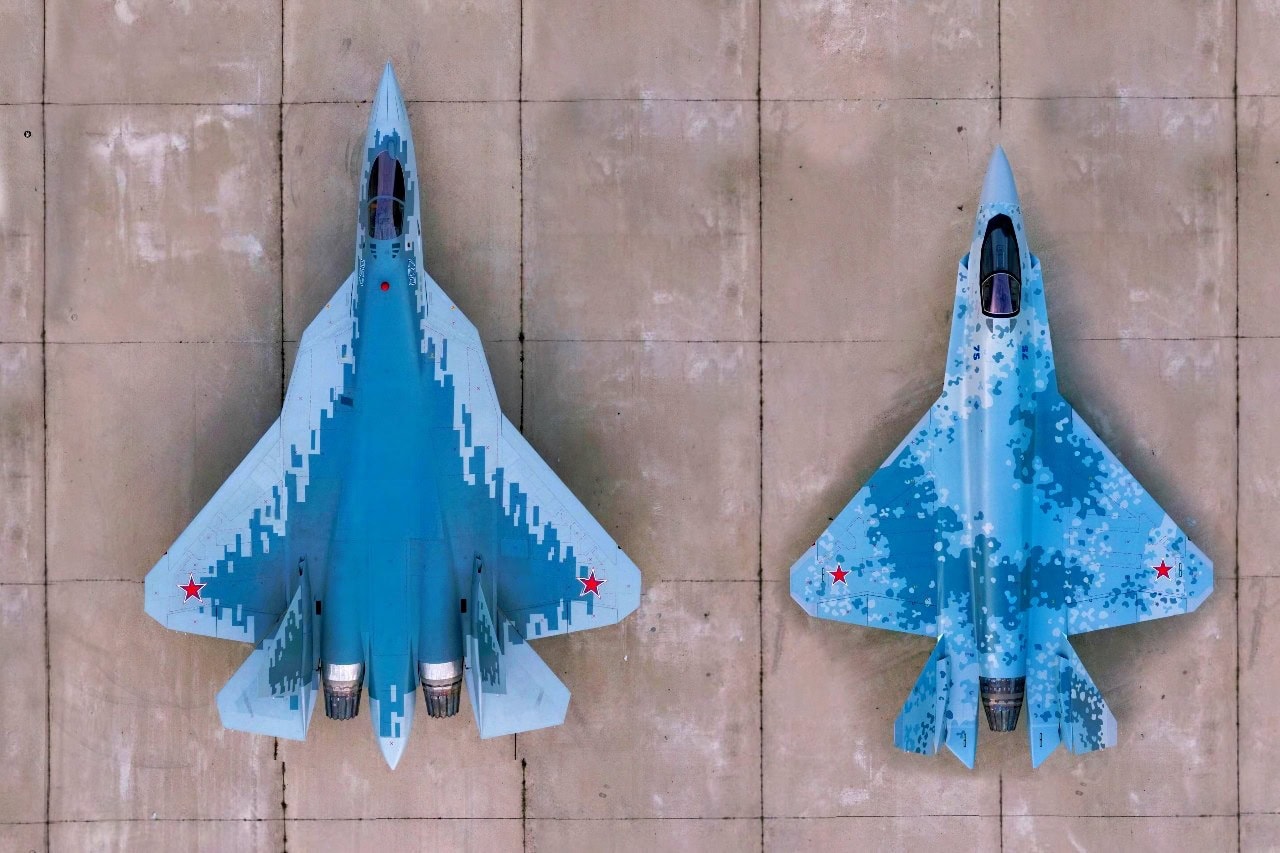
Summary and Key Points: Footage circulating on TikTok appears to show Russia’s Su-57 flying over Algeria, offering early visual evidence that Moscow has secured its first export customer for the jet.
-A recent estimate cited in the text suggests Russia has produced only about 21 Su-57s by late 2025, making a reported 14-aircraft Algerian purchase unusually consequential for both supply and prestige.
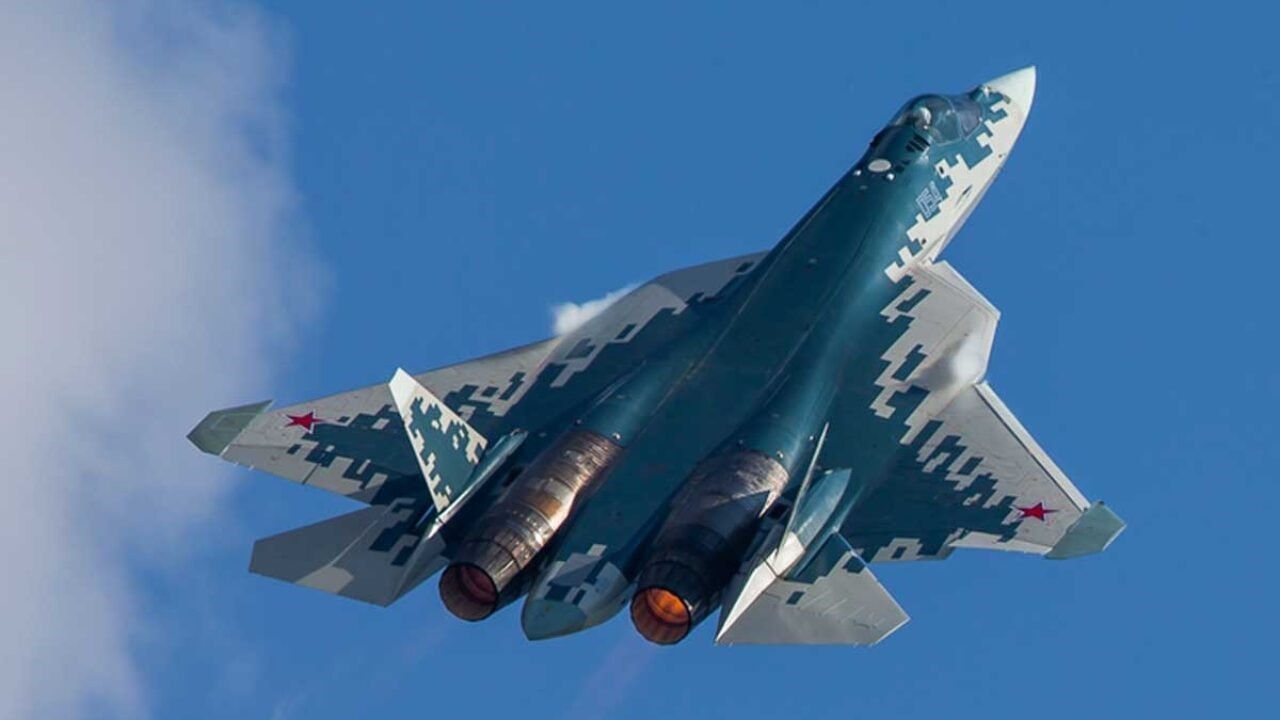
Russian Su-57 stealth fighter. Image Credit: Creative Commons.
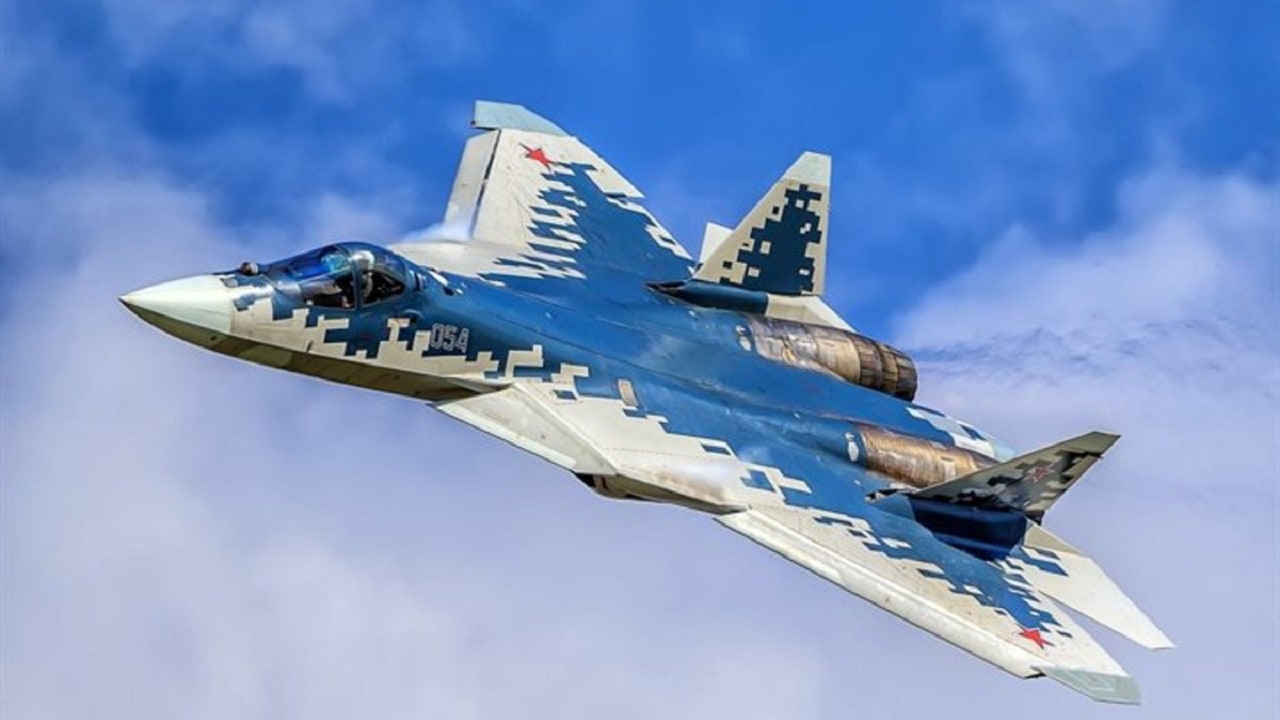
Su-57 stealth fighter. Image Credit: Wikicommons.
-The deal also adds political friction, with U.S. officials signaling concern and raising the possibility of CAATSA pressure.
-Alongside the fighter story, regional diplomacy over Western Sahara is resurfacing, while questions persist about Su-57 stealth performance and whether deliveries can arrive on time.
Forget the Hype: The Su-57 Felon Fighter Problem Is How Few Russia Can Build
A video that splashed across TikTok appears to show Russia’s newest fighter, the notionally fifth-generation Su-57, streaking through a clear blue sky. The video was shot in Algeria, apparently by an Algerian potato farmer, and provides some of the first concrete evidence that Russia made good on earlier reports that it has secured its first international customer for the Su-57.
A recent report from the Royal United Services Institute, a leading security and defense think tank in London, provided its best estimate on Chinese and Russian combat aviation and production numbers. For the Su-57 specifically, it paints a picture of very limited production.
According to the RUSI report, Russia has manufactured around 21 Su-57s as of “Late-2025” with potentially one lost. If the reports of Algeria purchasing 14 Su-57s are accurate, Algeria may, once the Russian jets are delivered, sit on a significant portion of the Su-57s Russia intends to manufacture.
Algiers reportedly expressed interest in acquiring the jet at the 2019 MAKS air show in Moscow, where the Su-57E, the export variant, was on display.
Military Exports and Balance of Power
Aside from the Su-57 country of origin, Russia, Algeria is the first country to operate the fighter, marking an important arms sale for Russia. Following the Kremlin’s full-scale invasion of Ukraine, Russia’s arms sales abroad flagged sharply, in part due to sanctions and ill-will towards Russia, but also thanks to perceptions of poor battlefield performance by said military kit.
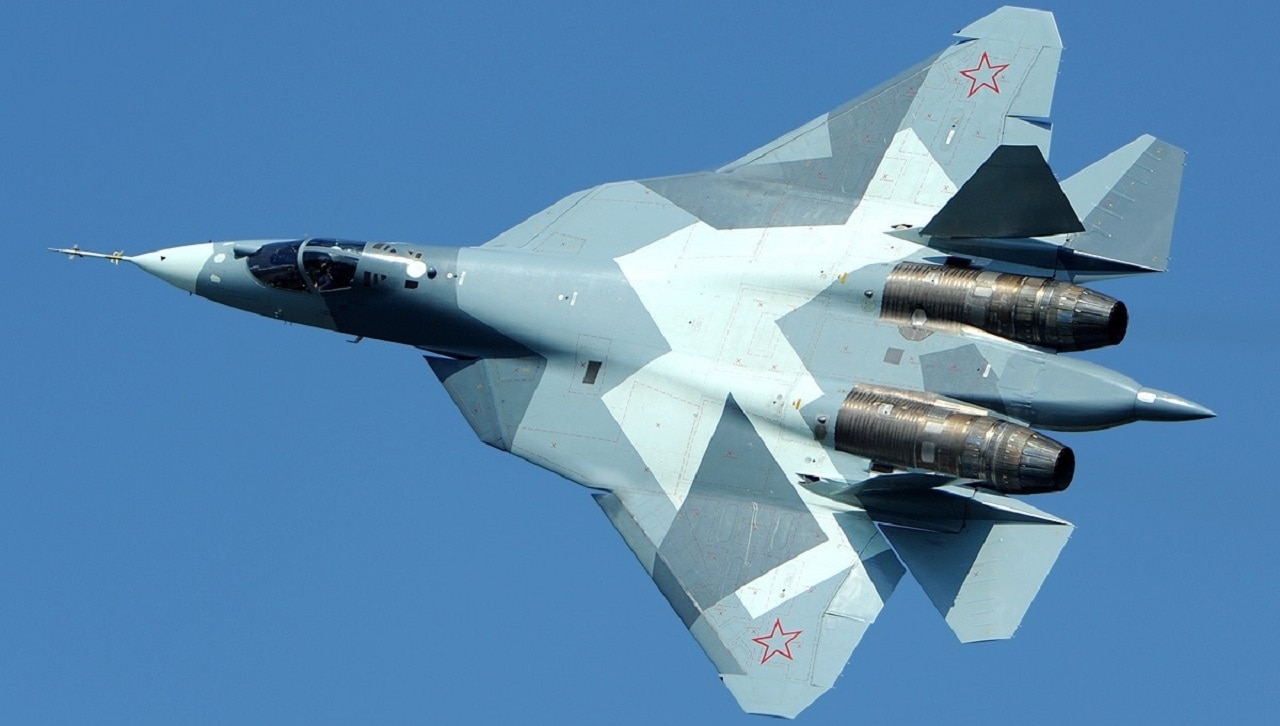
Su-57. Image Credit: Creative Commons.
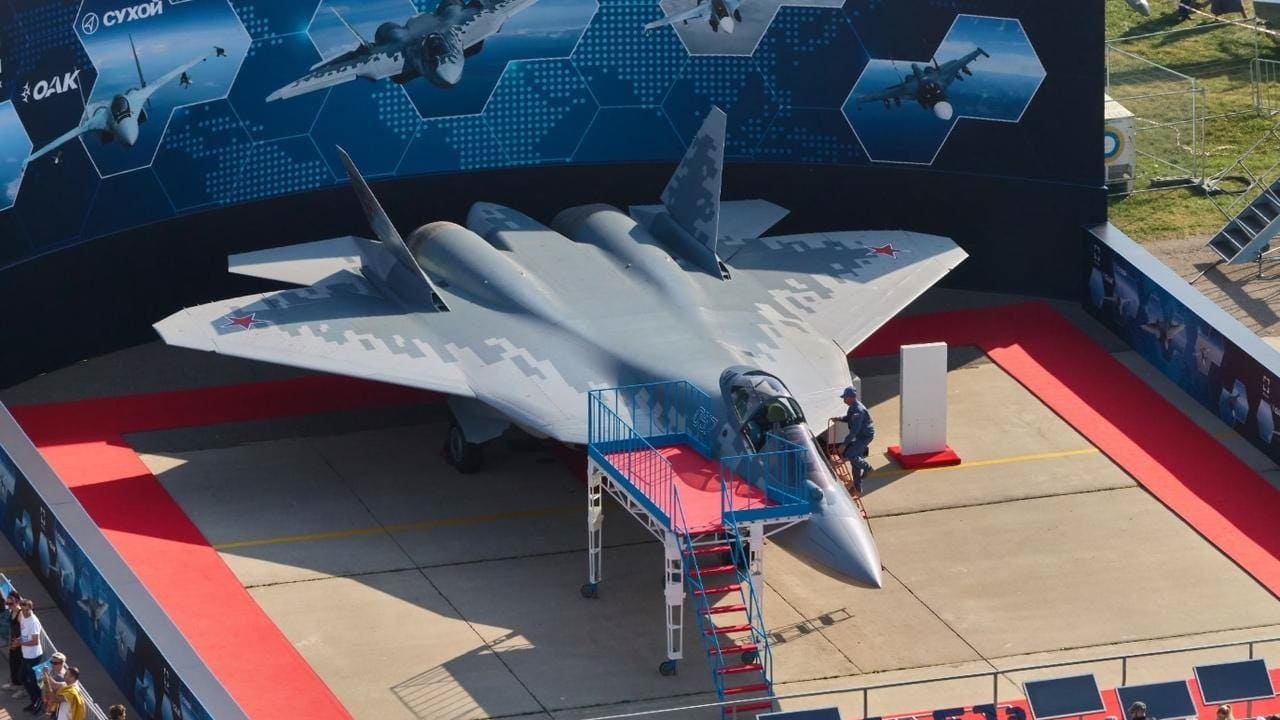
Su-57 Felon Fighter. Image Credit: Creative Commons.
However, some countries historically open to Russian aid — particularly those that enjoyed warm relations with the Soviet Union in parts of Africa — have been receptive to Russian military training and to Pretorian Guard-like protection of their leadership through the Wagner Group, a Russian private military company. Historically, Algeria has enjoyed close relations with the Soviet Union, mainly through the supply of military equipment, though that relationship’s luster dimmed somewhat following the Soviet Union’s collapse. But Algeria’s recent tilt toward Russia for aircraft is a cause of concern for some American lawmakers.
During a recent Senate Foreign Relations Committee hearing, Robert Palladino, head of the U.S. State Department’s Bureau of Near Eastern Affairs, said that Algeria’s recent fighter acquisition was a cause for concern.
“We are working closely with the Algerian government on issues where we find common ground,” Palladino said. “At the same time, we have serious differences on many other topics, and this arms deal is one of the issues the United States considers problematic.”
Palladino added that the United States could invoke the Countering America’s Adversaries Through Sanctions Act (CAATSA), which could discourage military equipment purchases from Russia.
The Sahara Connection
Concurrent with Algeria’s recent Su-57 acquisition is a discussion on resolving the fate of Western Sahara, the resource-rich but economically destitute and politically isolated territory on Africa’s Atlantic Coast. Though claimed by Morocco, Algeria has backed the Polisario Front rebels in the territory against their common rival following Spain’s departure from the area in 1975. Tensions between the Polisario Front and Morocco had been relatively stable until 2020, when that ceasefire broke.
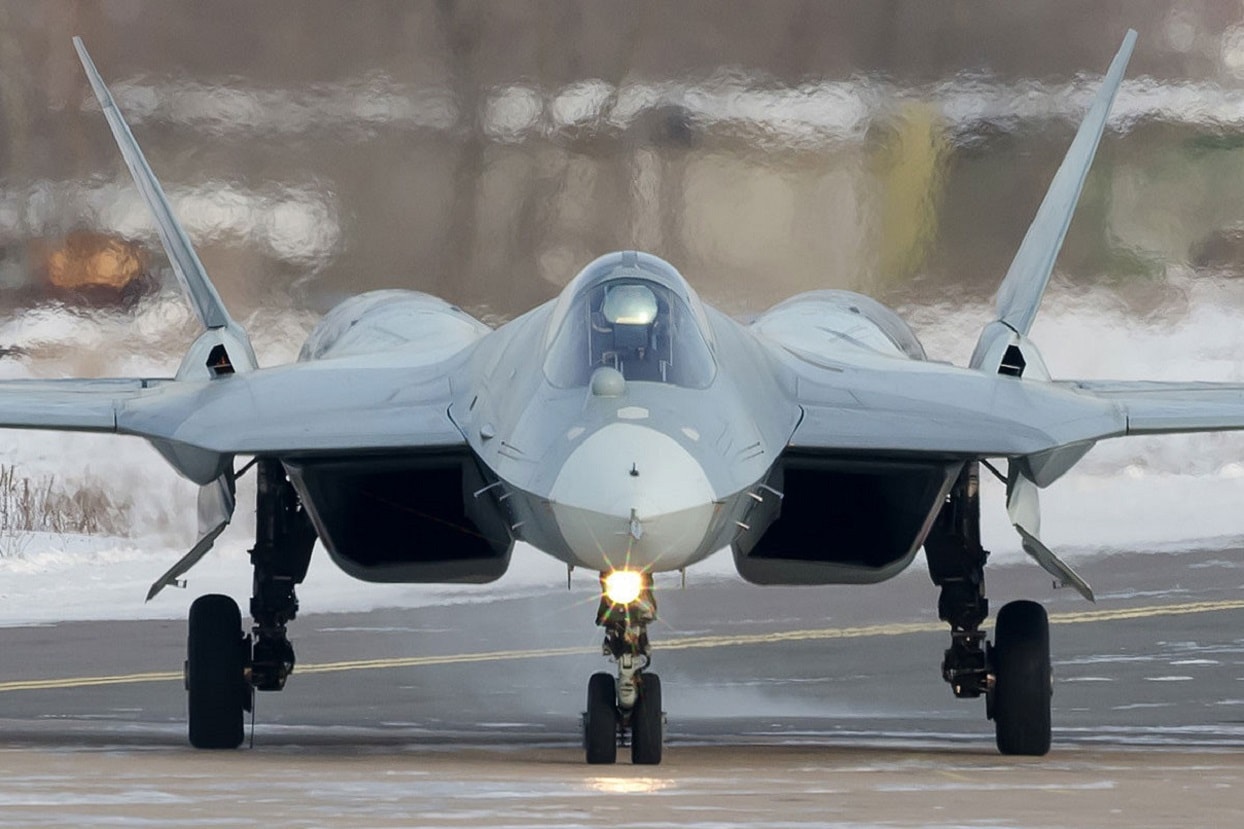
Su-57. Image: Creative Commons.
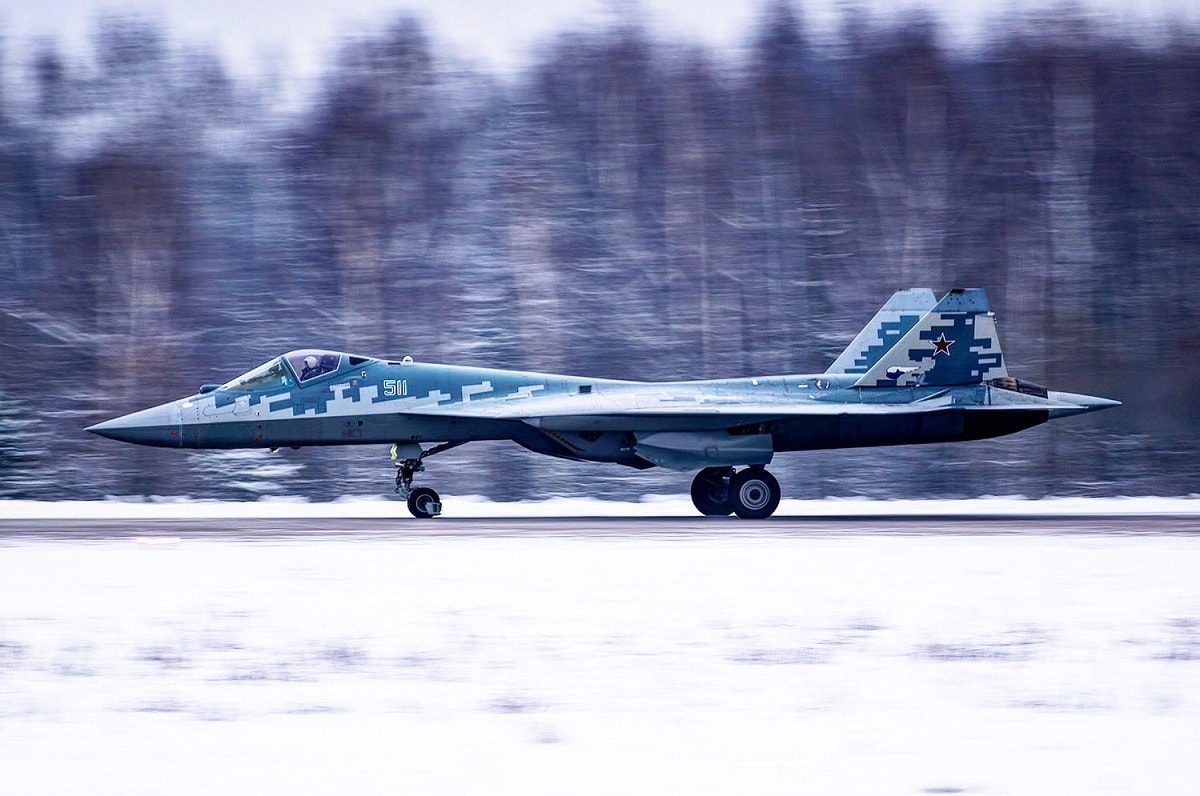
Image: Creative Commons.
The United States brought together rivals Morocco and Algeria earlier this month in Madrid, along with representatives of the Polisario Front and Mauritania, ostensibly to forge a deal to end one of Africa’s longest-running territorial disputes. The discussions were reportedly “regarding the implementation of United Nations Security Council Resolution 2797 (2025) on Western Sahara.”
In 2021, Algeria and Morocco broke diplomatic ties in response to both increased violence in Western Sahara, as well as the kingdom’s normalization of relations with Israel in late 2020 under the auspices of the Abraham Accords.
While both Algeria and the Polisario Front favor a popular referendum on Western Saharan independence, Morocco and the United Nations would prefer granting the territory limited autonomy while remaining under Moroccan jurisdiction.
Fraud?
The effectiveness of the Su-57’s stealth capabilities is a topic of ongoing debate. And while the exact nature of advanced projects like the Su-57 or other stealth aircraft is naturally rather turbid, some experts have expressed skepticism about that Russian fighter’s stealth capabilities.
One analysis from the Center for European Policy Analysis went so far as to question the characterization of the Su-57 as a fifth-generation fighter, suggesting instead that it was closer to older, non-stealthy fourth-generation aircraft and even asking if that jet was a fraud.
Irrespective of quibbles over the Su-57’s characteristics, another lingering question is the issue of production. To date, Russia has manufactured very few of the jets. Despite spending approximately half of its defense budget, Russia’s grinding land-centric war in Ukraine leaves precious few rubles for costly aerospace projects. And while an injection of Algerian cash could be a boon to Russia’s struggling aerospace exports, the prospect of further sanctions on an already constrained economy would be far from beneficial. Combined with the ongoing squeeze on Russia’s shadow fleet and on its oil exports, the timeline for full Su-57 deliveries to Algeria is far from certain.
About the Author: Caleb Larson
Caleb Larson is an American multiformat journalist based in Berlin, Germany. His work covers the intersection of conflict and society, focusing on American foreign policy and European security. He has reported from Germany, Russia, and the United States. Most recently, he covered the war in Ukraine, reporting extensively on the war’s shifting battle lines from Donbas and writing on the war’s civilian and humanitarian toll. Previously, he worked as a Defense Reporter for POLITICO Europe. You can follow his latest work on X.