
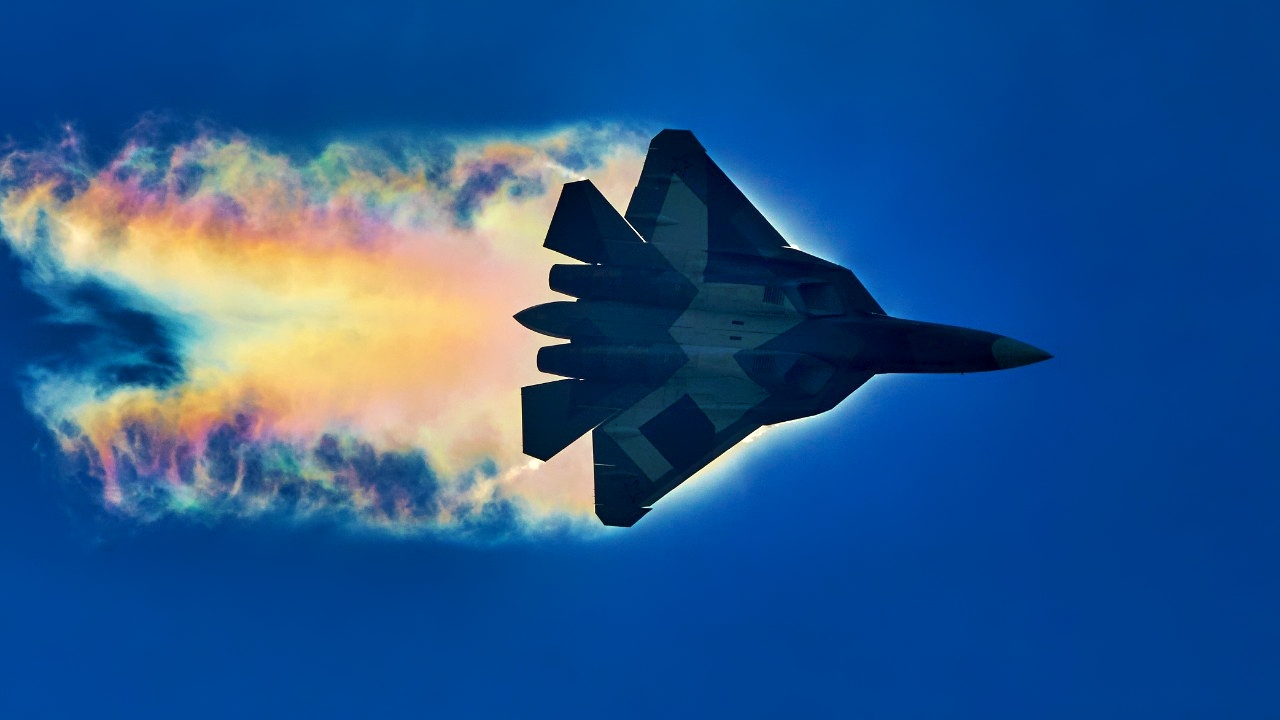
Summary and Key Points: Russia’s United Aircraft Corporation (UAC) has delivered a new batch of Su-57 “Felon” fifth-generation fighters to the Aerospace Forces in a “new technical configuration.”
-This updated variant reportedly features enhanced avionics and refined weapons integration, incorporating lessons learned from active combat in Ukraine.
-Despite claims from Rostec officials that the Su-57 is “best in class,” production remains constrained by international sanctions, with total numbers estimated in the low dozens, compared with over 1,000 F-35s globally.
-For Moscow, these deliveries are a strategic necessity to modernize a tactical fleet that remains largely reliant on Soviet-era designs such as the Su-27.
Russia Delivers New Batch of Upgraded Su-57 Fighters: Here’s What We Know
Russia’s United Aircraft Corporation (UAC), part of the state-owned Rostec conglomerate, has delivered a batch of Su-57 fifth-generation fighter jets to the Russian Ministry of Defense, according to statements from the company reported by Russian state media.
UAC reportedly said the aircraft completed factory testing and was accepted by Aerospace Forces personnel before being transferred in what officials described as a “new technical configuration.”
According to the UAC, the newly delivered aircraft feature several enhancements and refinements, with updated systems designed to expand the range of missions the aircraft can conduct. Specifically, engineers are said to have focused on improving the platform’s weapons integration.
In a statement, UAC Chief Executive Vadim Badekha described the Su-57 as the “best aircraft in its class,” adding that plans are underway to expand its capabilities further.
“The fighter has undergone a major evolution and today continues to be improved – the capabilities of the aircraft’s weapons and systems are being expanded,” Badekha said. “This already allows the solution of the most important tasks, demonstrating efficiency and excellent maneuvering and combat qualities.”
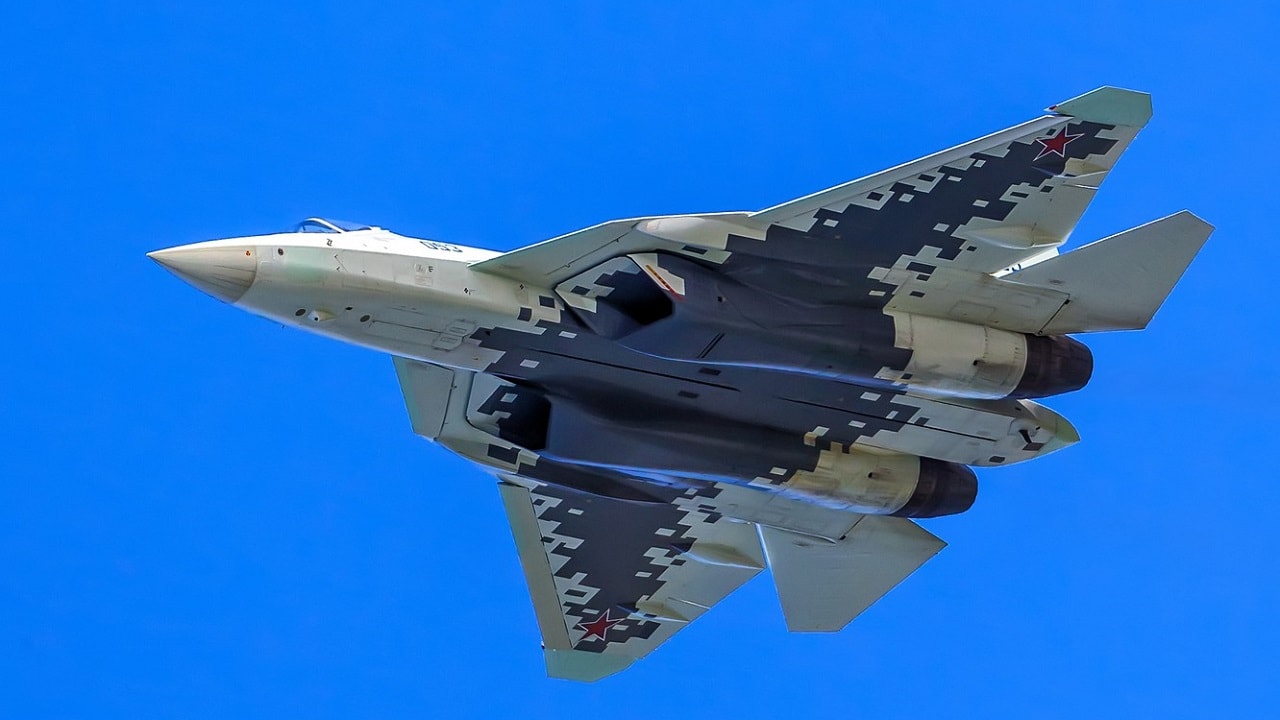
Su-57 stealth fighter. Image Credit: Creative Commons.
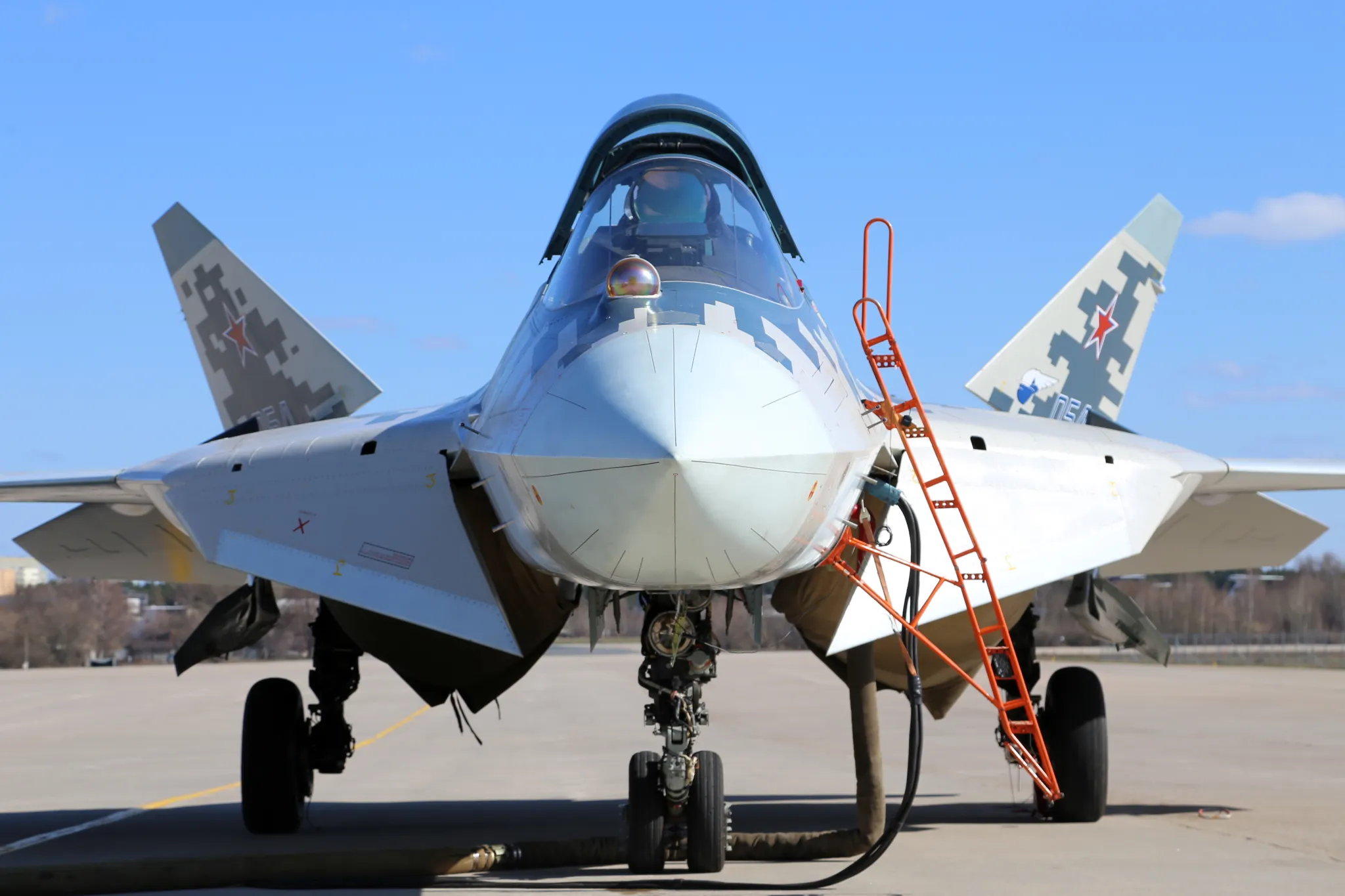
Russia’s Su-57 Stealth Fighter. Image Credit: Creative Commons.
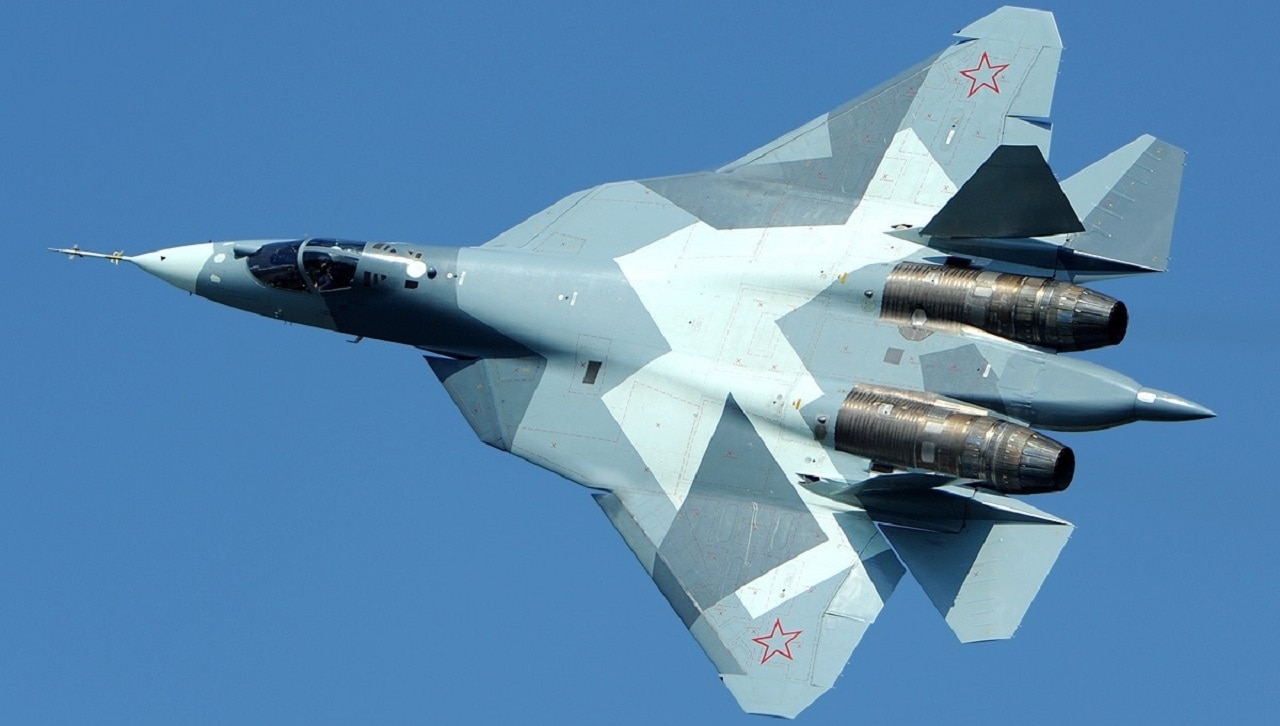
Su-57. Image Credit: Creative Commons.
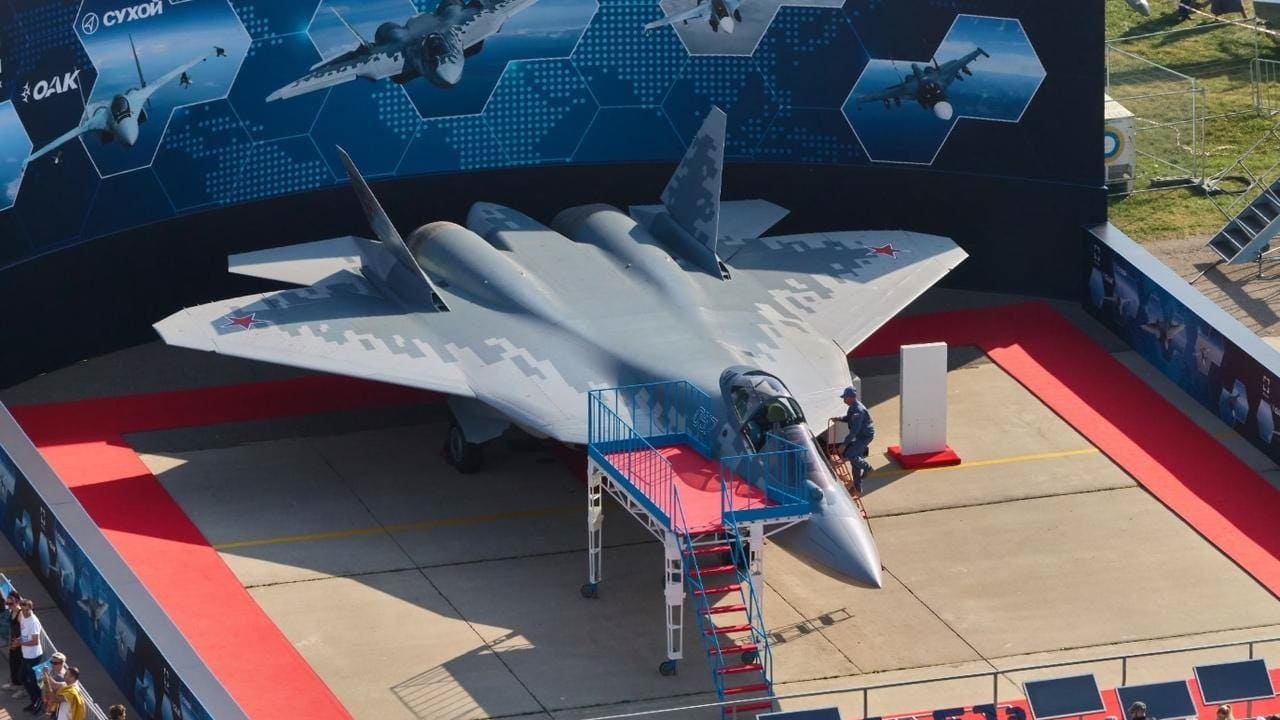
Su-57 Felon Fighter. Image Credit: Creative Commons.
The Official Line on the Su-57 Felon Super Fighter
A statement from a Su-57 pilot in the Russian Aerospace Forces described the development as building on successes in the ongoing war in Ukraine.
“For the implementation of target tasks set by the Ministry of Defense of the Russian Federation for the supply of especially in-demand samples of weapons and military equipment to the troops, the crews of the Aerospace Forces completed the acceptance of Su-57 aircraft in a new technical configuration,” the statement reads.
“I thank the representatives of the plant and all employees of the United Aircraft Corporation of Rostec who took part in the creation, assembly, and preparation of aviation equipment for their professionalism. The aircraft has already shown itself well during the special military operation. The new technical configuration will contribute to expanding the range of tasks for which this type of aircraft is used. The prospective capabilities incorporated in the aviation weapons complex make it possible to employ new types of aviation weapons,” it continues.
Meet the Su-57
The Su-57, known by the NATO reporting name “Felon,” was developed by Sukhoi under the PAK FA program as Russia’s answer to U.S. fifth-generation fighters, including the F-22 Raptor and F-35 Lightning II.
Fifth-generation aircraft are generally defined by low-observable shaping, advanced avionics, sensor fusion, and the ability to operate in contested electronic environments. The Su-57 is intended to conduct air superiority missions, precision strikes against ground and maritime targets, and operations in heavy electronic warfare conditions.
Russia had originally planned for large-scale procurement of the Su-57, but production has moved slowly for various reasons – most of them related to international sanctions placed on the country in the wake of its 2022 invasion of Ukraine.
The first serial aircraft was delivered to the Aerospace Forces in 2020, following an initial production jet’s crash during testing in 2019. By most estimates, only a few dozen Su-57s have been delivered to date – a fraction of the more than 1,000 Lockheed Martin F-35s produced globally.
For Moscow, however, the low production numbers are a hurdle that must be overcome: the aircraft represents a technical milestone for the country and a strategic necessity for its air force. Much of Russia’s tactical aviation fleet today relies on upgraded Soviet-era designs like the Su-27 and Su-30. As NATO forces now increasingly field F-35s across Europe, maintaining a credible fifth-generation capability is central to Russia’s long-term deterrence posture.
What Does “New Technical Configuration” Mean?
While the UAC said the latest batch of aircraft feature upgrades to avionics and the integrated weapons systems, no technical specifications have been released. Prior reporting, however, suggests that there has been ongoing refinement work on the Su-57’s N036 Byelka active electronically scanned array (AESA) radar and electronic warfare systems.
In November 2025, a TASS news agency report stated that the Su-57 jet was undergoing continuous upgrades, according to comments from the Sukhoi Design Bureau’s chief pilot.
Speaking at the Dubai Airshow 2025, Sergey Bogdan said that lessons learned in “actual combat” (Ukraine) were being addressed as part of the “continuous improvements” being made to the platform.
“All deficiencies identified during testing and actual combat are swiftly addressed and refined,” he said. “It may sound unusual, but as test pilots, we see our primary task in evaluating specific flight modes and provide feedback. The routine work of implementing changes falls to the Su-57 program directorate and the design bureau.”
Without any more information from Russian officials, however, it’s unclear what exactly has changed – or indeed how many of the new aircraft were delivered. Independent reporting suggests that possibly only two Su-57s were delivered in 2025.
About the Author: Jack Buckby
Jack Buckby is a British researcher and analyst specialising in defence and national security, based in New York. His work focuses on military capability, procurement, and strategic competition, producing and editing analysis for policy and defence audiences. He brings extensive editorial experience, with a career output spanning over 1,000 articles at 19FortyFive and National Security Journal, and has previously authored books and papers on extremism and deradicalisation.