
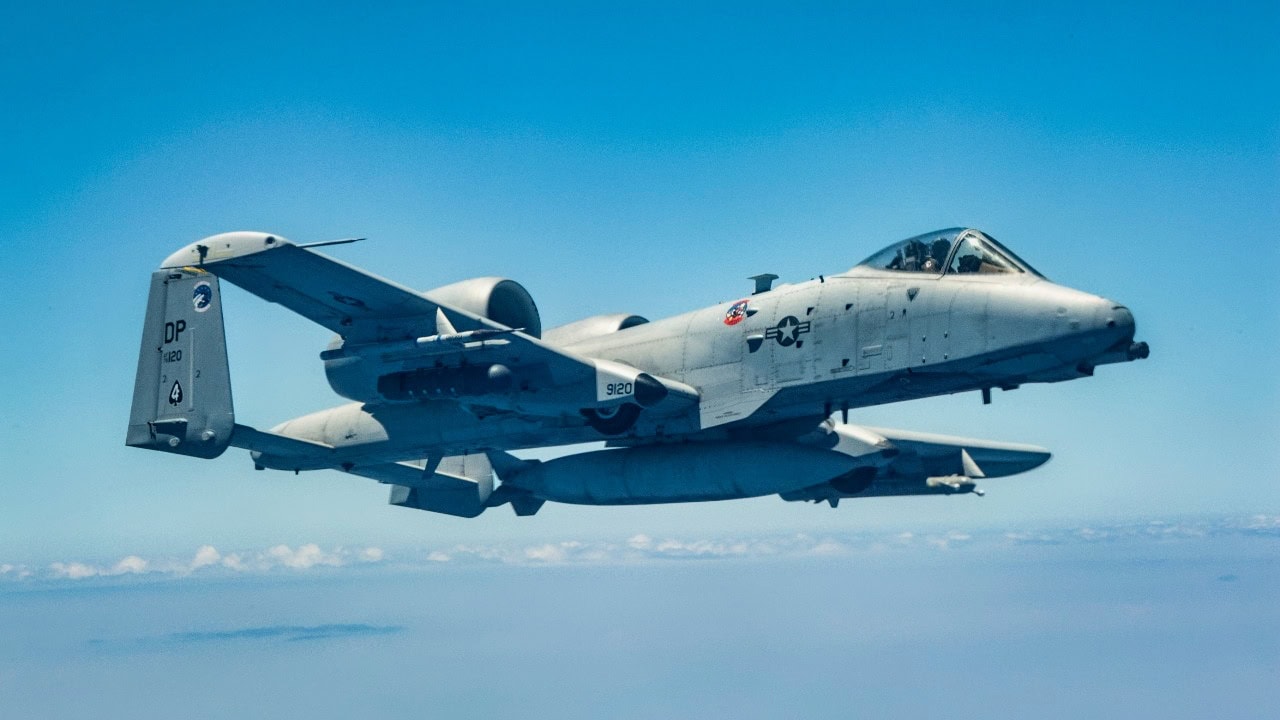
Summary and Key Points: Harrison Kass, a national security journalist and U.S. Air Force pilot selectee, analyzes the strategic friction of the A-10 Thunderbolt II’s (or A-10 Warthog, as it is more commonly known) accelerated retirement.
-While the “Warthog” and its GAU-8 Avenger 30mm cannon defined Close Air Support (CAS) for decades, its non-stealth airframe is increasingly vulnerable to S-400 batteries and integrated air defense systems (IADS) in a potential conflict with China.
-This 19FortyFive analysis explores the looming capability gap as the Pentagon shifts funding toward the F-35, NGAD, and B-21 Raider, questioning whether the absence of a low-speed, high-loiter successor endangers future ground operations in contested urban terrain.
S-400 vs. A-10 Thunderbolt II: The Brutal Reality of Why the Warthog Can’t Survive China
The A-10 Thunderbolt II, aka the “Warthog,” has long been synonymous with close air support (CAS). Built around the GAU-8 Avenger 30mm cannon, the A-10 was designed to destroy Soviet armor in Europe and earned the reverence of ground troops in persistent Middle Eastern conflicts.
But today, the Air Force is accelerating the A-10’s retirement, raising the question: Is the A-10’s retirement prudent?
Cold War Origins
Developed in the 1970s, the A-10 was built to stop a Soviet armored thrust into Western Europe. The design priorities included survivability, redundancy, loiter time, and low-speed maneuverability.
With a titanium “bathtub” of cockpit armor, straight wings for low-altitude performance, and an airframe built around its gun (not vice versa), the A-10 was uniquely purpose-built for high-threat/low-altitude environments.
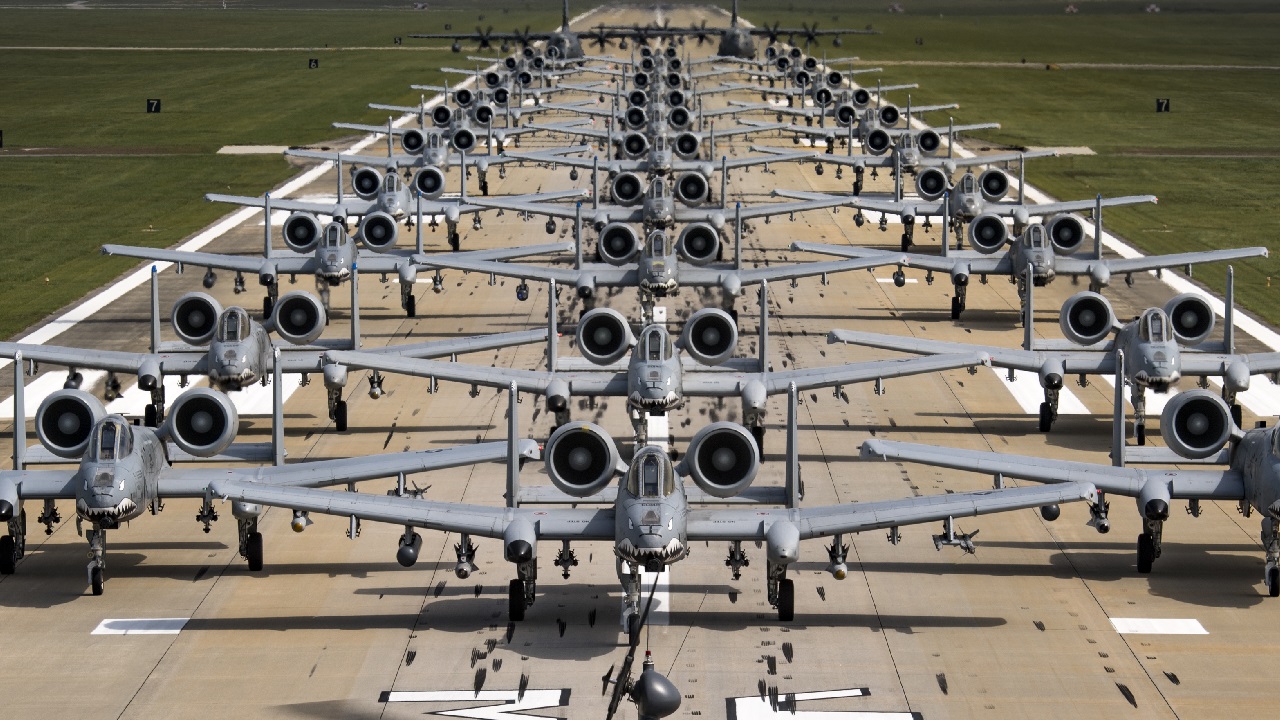
A-10 Elephant Walk. Image: Creative Commons.
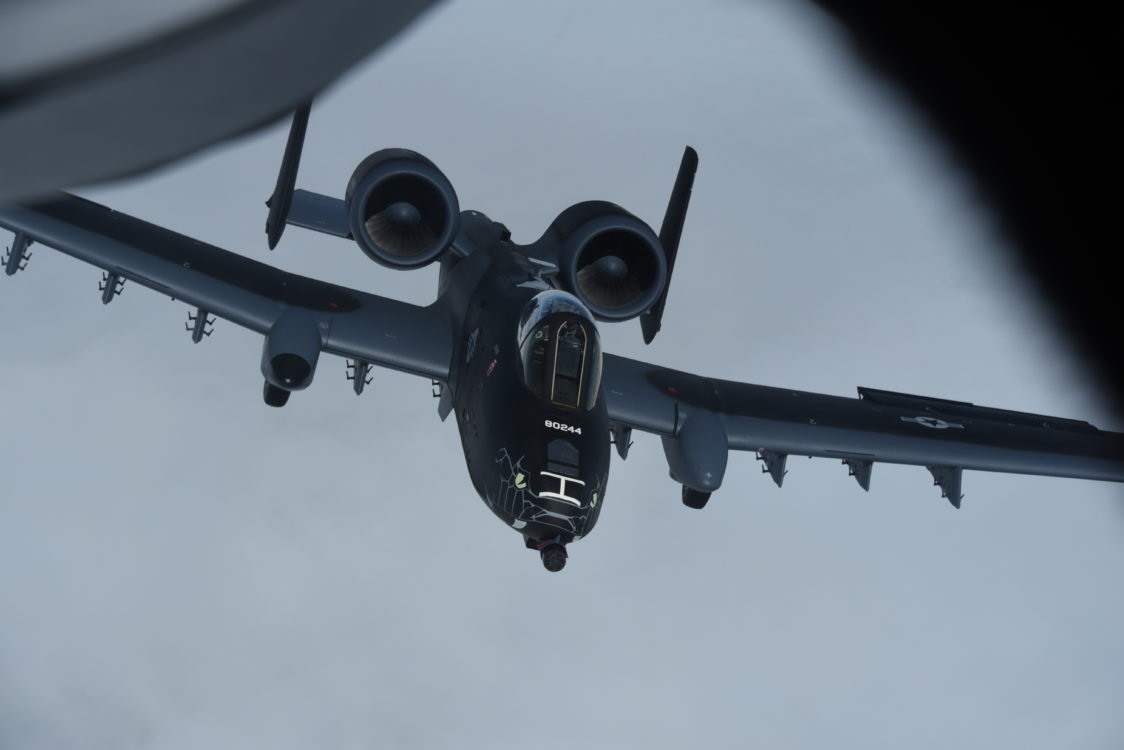
A black and grey U.S. Air Force A-10 Thunderbolt II from the Indiana Air National Guard’s 122nd Fighter Wing “Blacksnakes,” flying home on July 7, 2021. The A-10 is on its way back to Fort Wayne Ind. after being painted at the Air National Guard paint facility in Sioux City, Iowa. The paint scheme, a departure from the standard two-tone grey, was created by request in order to commemorate the 100th anniversary of aviation in the Indiana National Guard. (U.S. Air National Guard photo: Senior Master Sgt. Vincent De Groot)
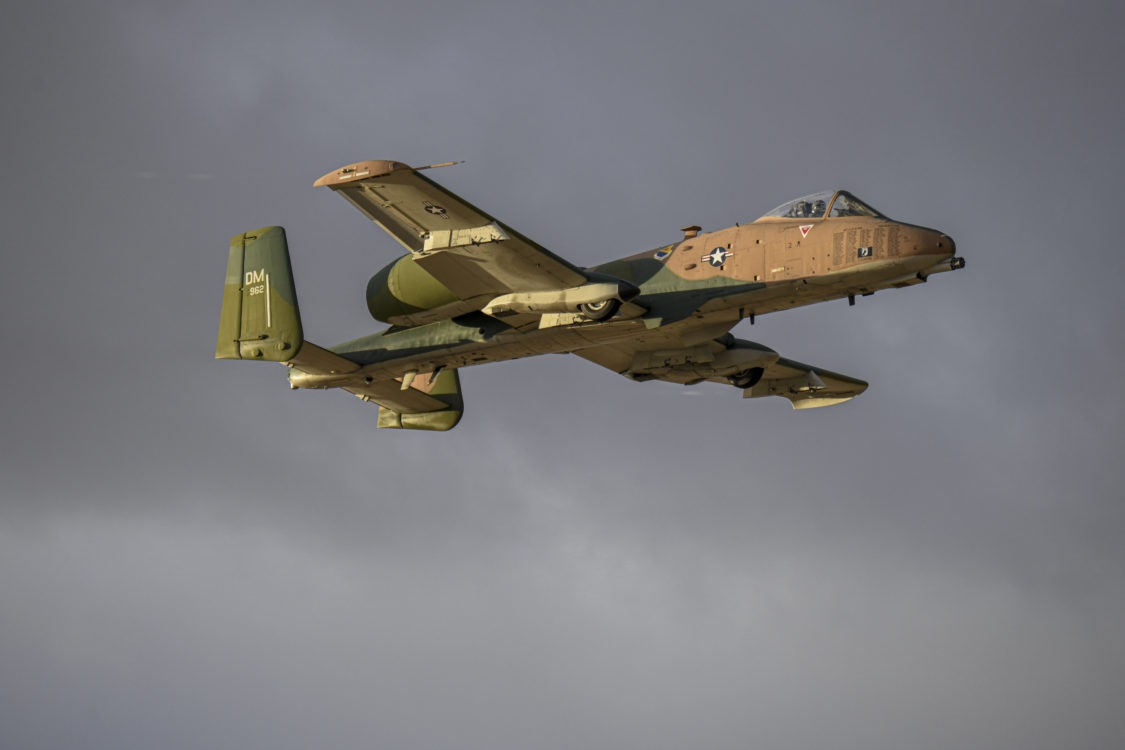
A U.S. Air Force A-10 Thunderbolt II flies over Davis-Monthan Air Force Base, Arizona, Feb. 17, 2022. The A-10 Demonstration Team’s jet has a heritage paint job to pay tribute to the 355th Tactical Fighter Wing’s contributions in the Vietnam War, including special dedication to personnel who were killed in action or became prisoners of war. (U.S. Air Force photo by Senior Airman Jacob T. Stephens)
What made the A-10 special was its close air support focus, namely: exceptional loiter time; the ability to operate from austere airfields; a durable airframe; and excellent pilot visibility. The A-10 developed a psychological effect, too, especially the sound of the GAU-8, which fired shells roughly the size of a Coke can.
In Iraq and Afghanistan, the A-10 was used in CAS against insurgents, operating in relatively permissive airspace with low SAM threat. And in these low-intensity conflicts, the A-10 thrived.
Forced Retirement for the A-10
Now the Air Force wants the A-10 gone. The aging airframe was designed in the 1970s, and today, many of the units have structural fatigue issues. Wing replacement programs extended the platform’s life—but not indefinitely. And now maintenance costs are steadily increasing.
Also, single-mission platforms have gone out of vogue since the end of the Cold War. Primarily used for CAS, with only limited air-to-air capability, the A-10 isn’t built to survive in modern IADS; it’s non-stealth and vulnerable to modern MANPADS and integrated air defenses.
In a fight against China or Russia, the airspace would likely be heavily contested—making low-and-slow aircraft like the A-10 extremely vulnerable. The A-10 could not survive against the S-400 or against advanced radar-guided SAM belts. From the Air Force’s perspective, the A-10’s resources would be better allocated to the F-35, NGAD, B-21, drones, and other programs.
The Case for Sustainment
Yet some critics argue that the A-10’s retirement is premature. Why? Because the Air Force does not have a 1:1 replacement, nothing in the inventory or in the pipeline can do CAS quite like the A-10. The F-35 can do CAS, yes, but the fifth-generation jet is faster, with less loiter time, and is more expensive per hour.
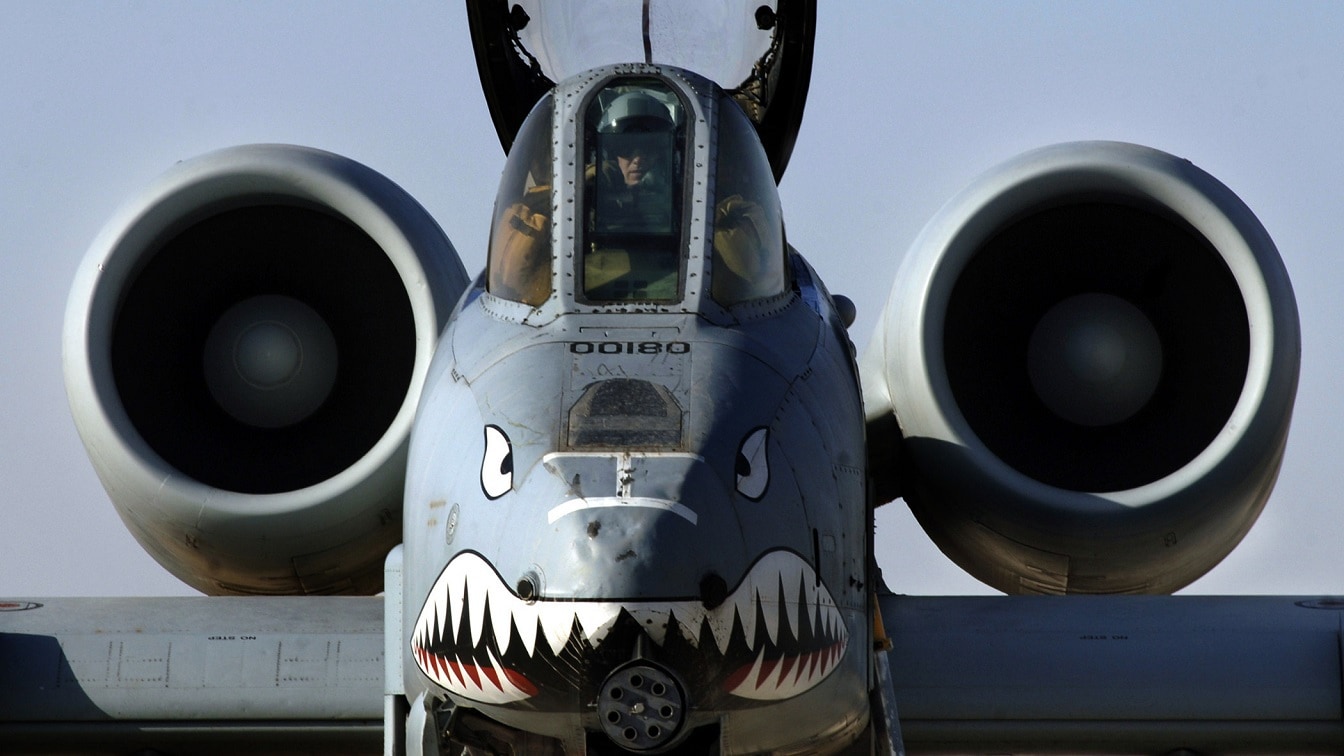
An A-10 Warthog prepares to take off from Al Asad Air Base to provide close air support to ground troops in Iraq. The 438th Air Expeditionary Group A-10 jets perform 10 sorties daily.
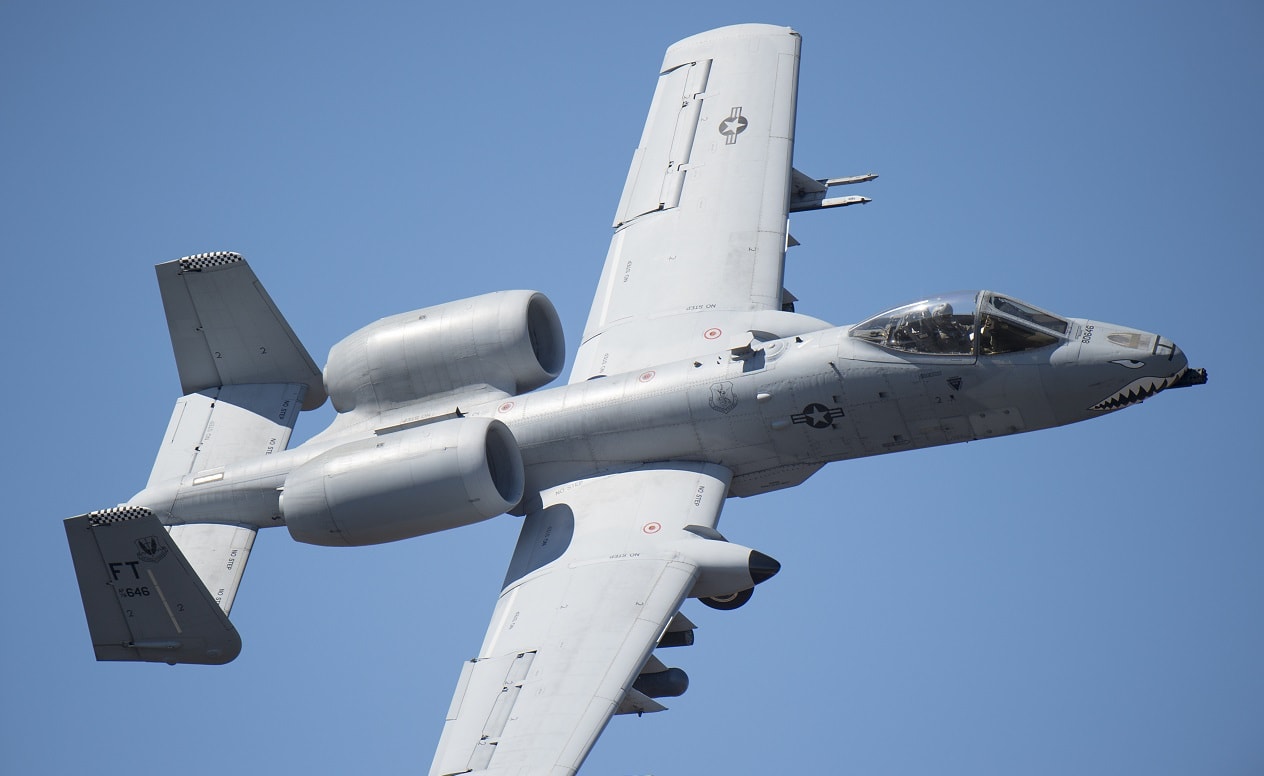
An A-10 Thunderbolt II flies over Grand Bay Bombing and Gunnery Range at Moody Air Force Base, Ga., Feb. 18, 2016. Multiple U.S. Air Force aircraft within Air Combat Command conducted joint aerial training that showcased the aircrafts tactical air and ground maneuvers, as well as its weapons capabilities. (U.S. Air Force photo by Staff Sgt. Brian J. Valencia/Released)
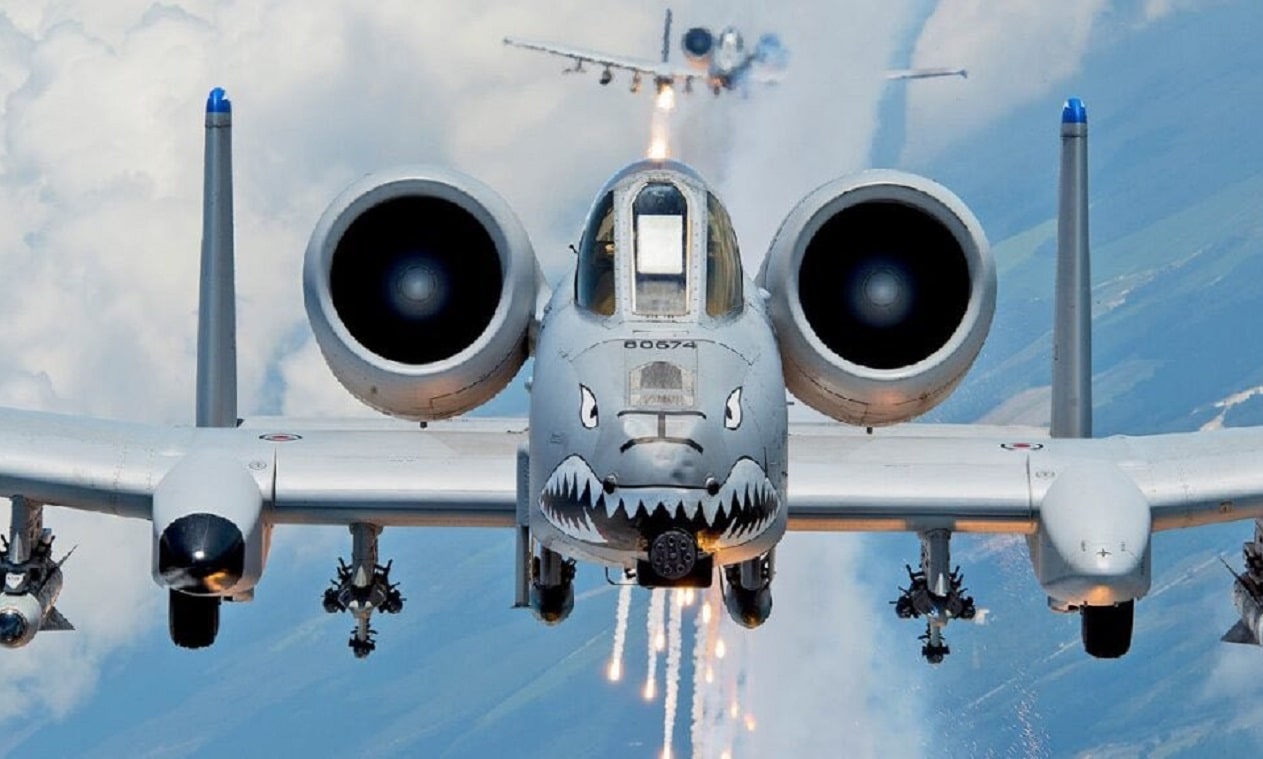
A-10 Warthog. Image Credit: Creative Commons.
Bombers can strike, too, but lack the ground fight intimacy that made the A-10 so valuable. And drones can provide ISR, but are so far limited in their integration with heavy weapons.
The A-10, meanwhile, excels at persistent presence, precision fires in complex terrain, and direct pilot-ground coordination. Ground forces consistently favor the A-10, long taking comfort in the sound of the GAU-8 cannon overhead. And the A-10 remains a relatively cheap option—especially relative to high-end fighters—an ideal platform for low-intensity platforms.
Capability Gap
CAS remains essential. Urban operations, counterinsurgency, Taiwan, or Baltic contingencies—all involve CAS. So if the A-10 is retired, the Air Force will need something to fill the capability gap left behind. What replaces persistent, survivable CAS in contested environments?
Armed drones with survivability upgrades, loyal wingman systems, light attack aircraft, stand-off precision fires, networked ISR, and precision strike integration. Yes, all work to some extent. But none replicate the A-10’s low-speed presence and heavy gun/armor combination.
Great Power Competition Rises
But while the A-10 excelled in low-intensity conflicts, the US strategy is shifting priorities towards the Indo-Pacific and great power competition. Accordingly, the Air Force is prioritizing long-range strike, stealth, and air superiority.
The A-10 doesn’t fit into the high-end peer fight doctrine and consumes budget and manpower for resources that could be used for it. Yet many real-world operations remain below full-scale war, and CAS is not obsolete; it is just shifting.
A-10 Thunderbolt II Reality Check
And while the A-10 has performed venerably for a generation, all aircraft do have lifecycle limits. Platforms age out—even celebrated platforms like the F-14, A-6, and F-117. The A-10 has served for nearly 50 years and already exceeded its expected lifespan.
It has been adapted repeatedly. But airframes fatigue and technology advances. So the A-10 cannot and should not live forever. That’s not in question. What is in question is what replaces the A-10’s function?
If the Thunderbolt II is retired without a direct replacement, CAS becomes a secondary mission, and the Air Force risks over-reliance on high-cost fighters, potentially degrading battlefield capability in the process.
About the Author: Harrison Kass
Harrison Kass is an attorney and journalist covering national security, technology, and politics. Previously, he was a political staffer and candidate, and a US Air Force pilot selectee. He holds a JD from the University of Oregon and a master’s in global journalism and international relations from NYU.