
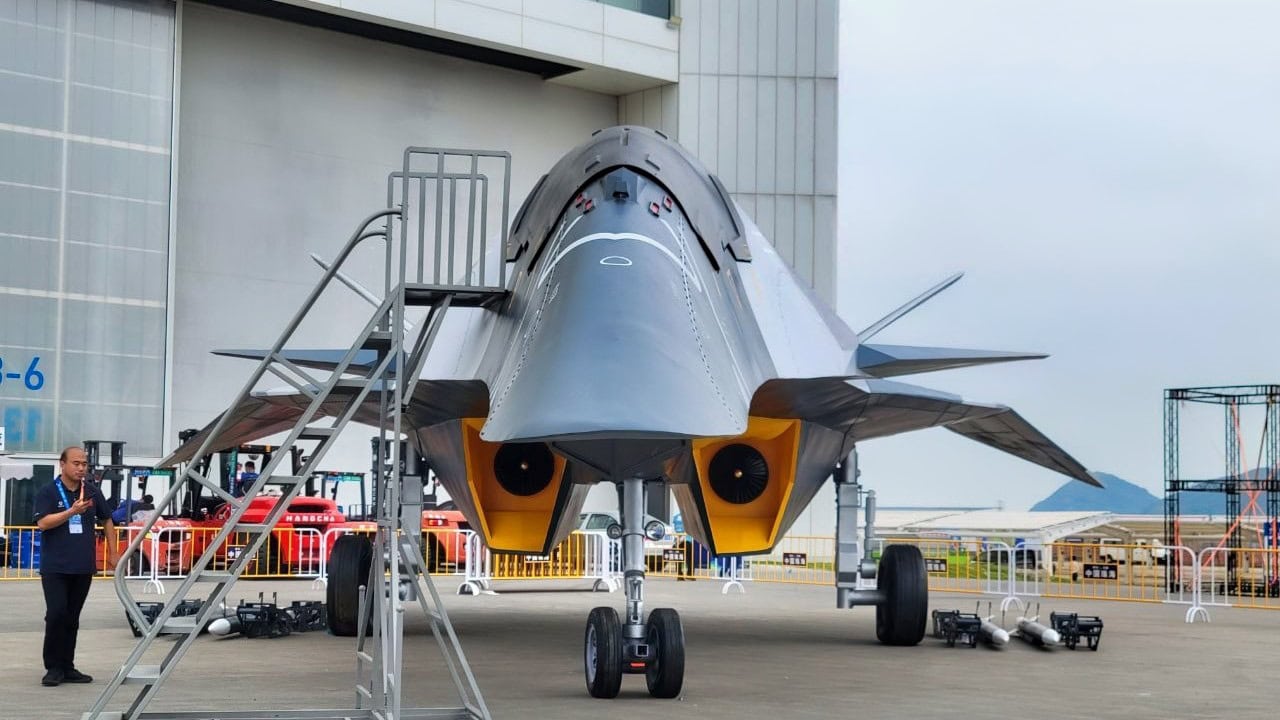
Summary and Key Points: Harrison Kass, a JD and former U.S. Air Force pilot selectee, deconstructs the Baidi (White Emperor) “space-air fighter” unveiled by AVIC at the 2024 Zhuhai Airshow.
-While the tailless diamond-wing design promised hypersonic speeds and near-space capabilities, its subsequent disappearance from the PLAAF development pipeline suggests a “propaganda-first” strategy.
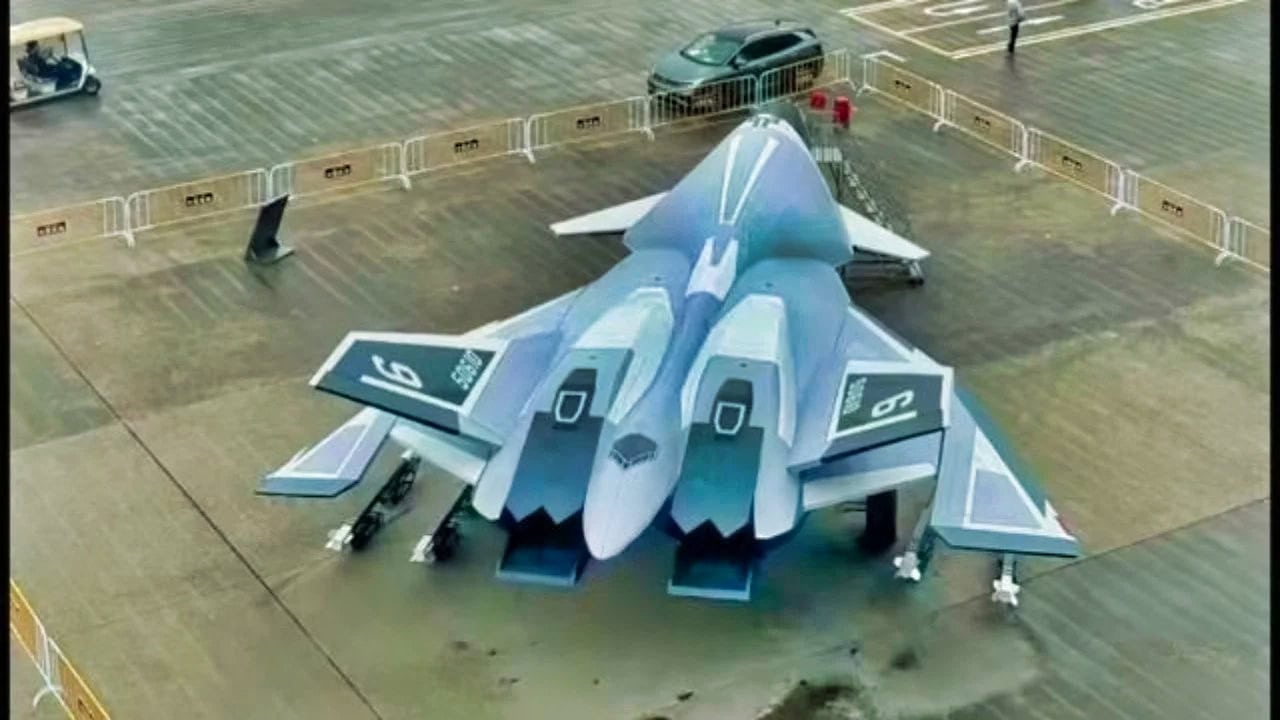
Chinese NGAD White Emperor Fighter Plane from China. Image Credit: X Screenshot.
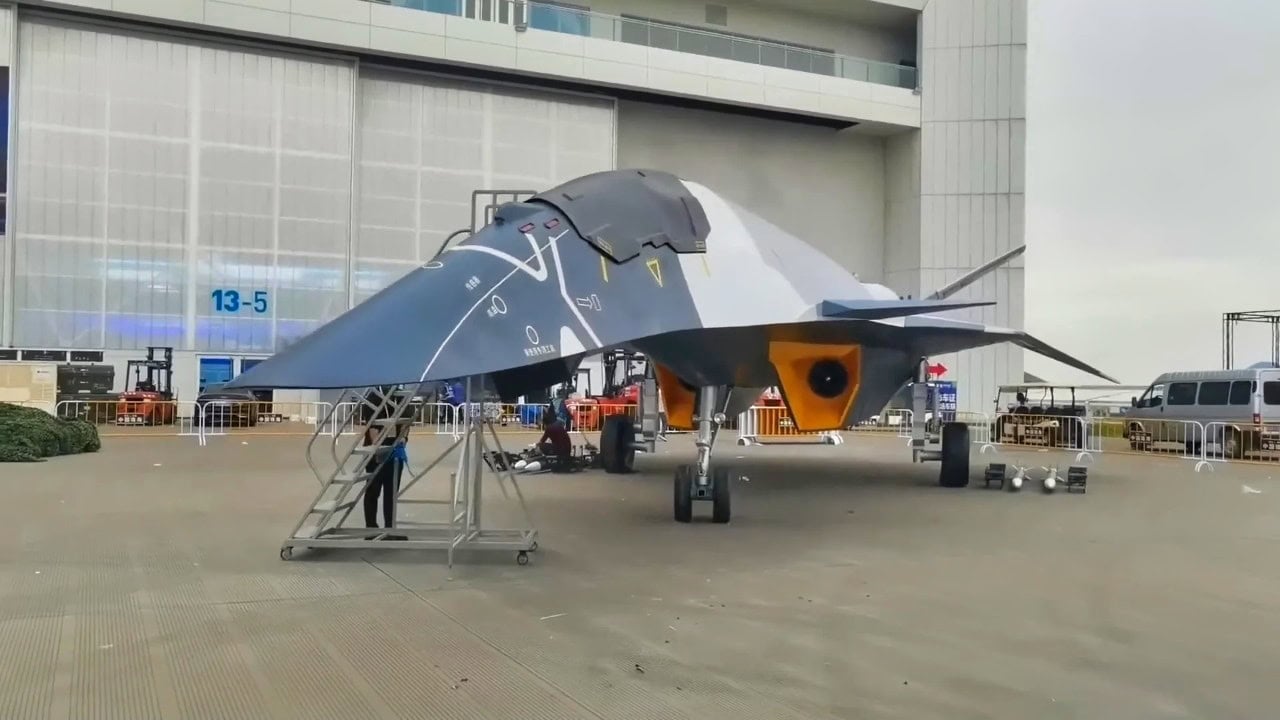
China’s “White Emperor” (Baidi) is a 6th-generation stealth fighter mock-up designed to function as an integrated “space-air” platform. Presented by state-owned AVIC, the mock-up suggests capabilities for supersonic speeds near the atmosphere’s edge.
-This 19FortyFive analysis contrasts the Baidi “con” with the tangible maturation of the J-20 Mighty Dragon and the J-35A, exploring how China uses sci-fi mockups to mask real progress in WS-15 engine integration and A2/AD coastal defense expansion.
Sorry, White Emperor: Why China’s Real Sixth-Generation Fighter Looks Nothing Like the Baidi
At the Zhuhai Airshow in 2024, China unveiled a full-scale mockup of a ‘White Emperor’ or “sixth-generation space-air fighter,” known as the Baidi—a tailless, diamond wing design with claimed hypersonic, AI, directed energy, and near-space capabilities. The Baidi design—and the claimed abilities—were fantastical, and to outside observers, highly dubious.
That skepticism has been reinforced through what has happened in the months since the mockup was revealed: nothing. The Baidi went silent.
There has been no program confirmation, no follow-up of any kind, suggesting that the mockup was about spectacle and propaganda and offered roughly zero operational credibility.
Yet, Baidi or White Emperor mockups aside, China’s air power has evolved drastically over the last two decades, boasting tangible technological gains and suggesting very real ambitions.
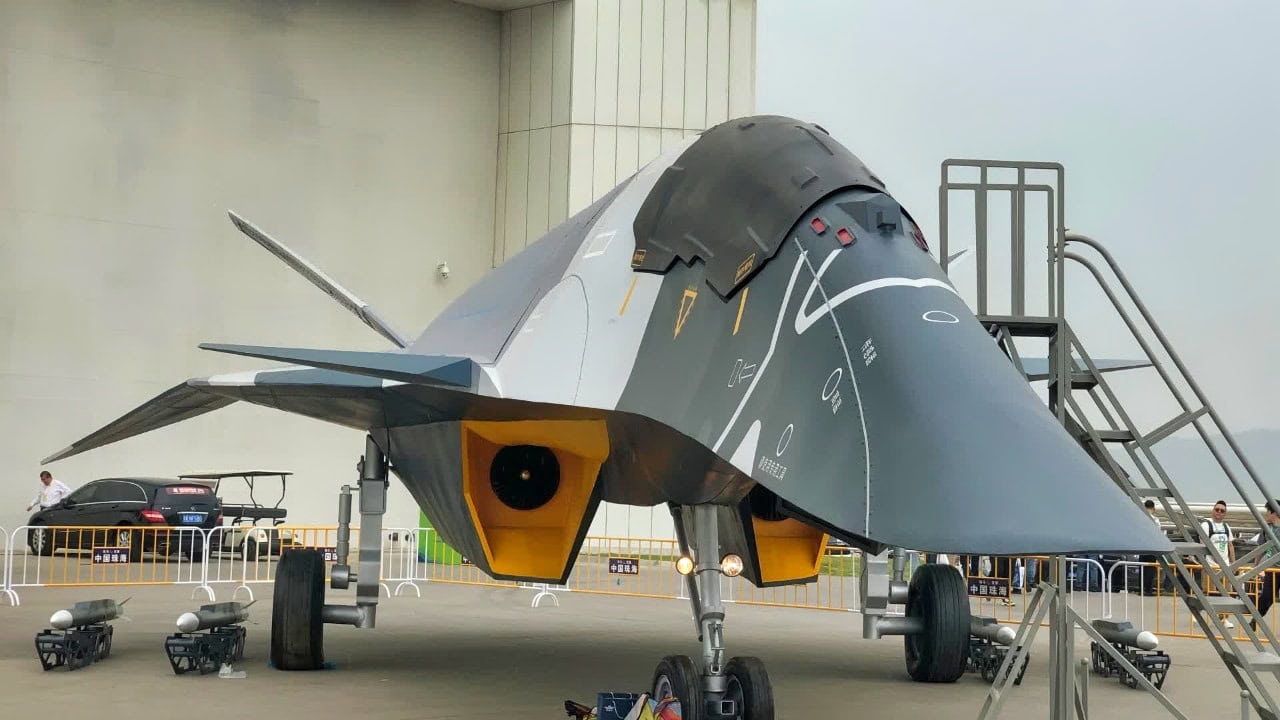
White Emperor 6th Generation Fighter. Image Credit: X screenshot.
The Baidi or White Emperor Con
The White Emperor mockup never looked quite right. The wing area was too small for the claimed mission radius, and the control surfaces didn’t match up with the RCS claims. The claim of a near-space fighter was obviously untrue.
The competing claims of hypersonic, stealth, and orbital implied engineering contradictions. Never was anything mentioned about the engine or materials or production—all very real hurdles to fielding something as sophisticated as the Baidi was suggested to be.
The mockup felt more like concept art at scale, not a true production prototype. The Baidi may have held value in domestic messaging and strategic signaling to the US, but as a flying program, nothing about the Baidi seemed credible.
Yet while the Baidi mockup wasn’t a credible platform, the mockup does seem to reflect a very real intent. China was signaling a desire to participate in the race to sixth-generation technology. So while the Baidi is likely fiction, China’s sixth-generation ambitions are likely very real.
True Ambitions
China’s air power capabilities have grown exponentially, lending credence to the notion that it would participate in the race for sixth-generation technology.
The arrival of the J-20, the first non-US fifth-generation fighter, in 2011 was a shock to the Western world. Offering China a long-range interceptor in a large, stealthy airframe, the J-20 threatened US AWACS and tanker platforms in the Western Pacific with long-range BVR capabilities.
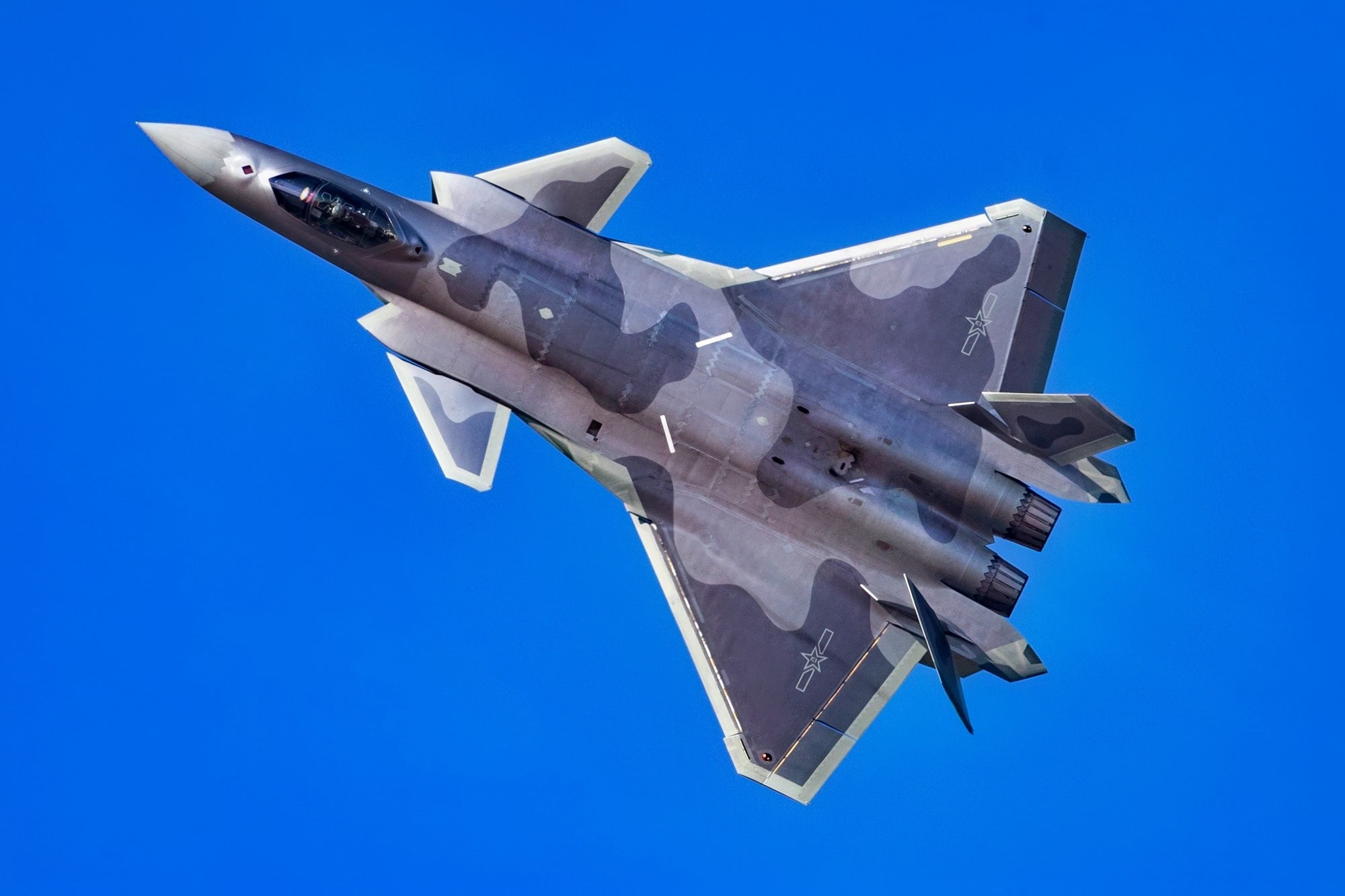
J-20 Fighter from China. Image Credit: Creative Commons.
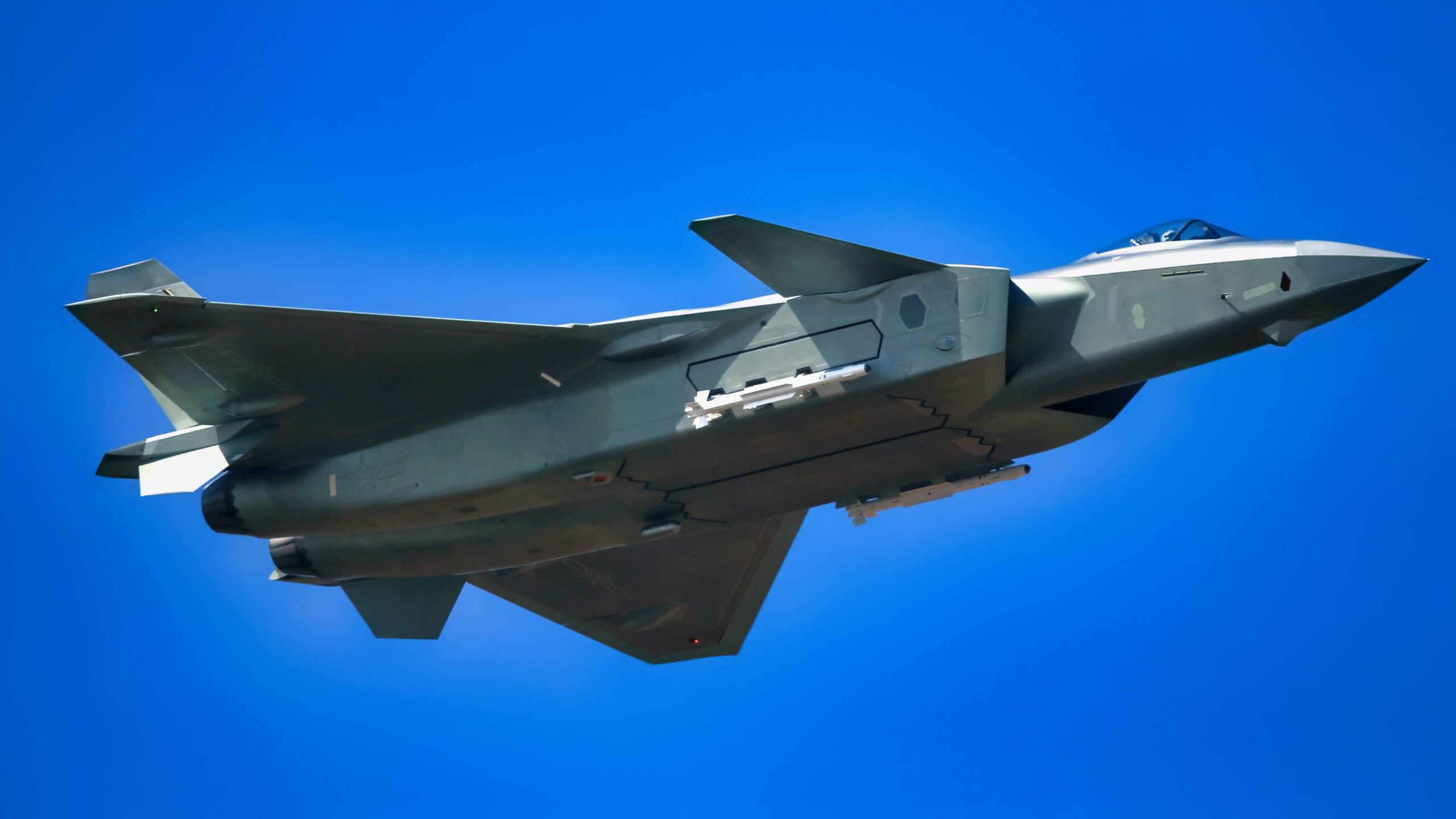
J-20 Fighter. Image Credit: Creative Commons.
While the J-20 initially suffered from engine shortcomings, namely delays in the WS-15 indigenous engine, the platform has steadily matured over the last few decades in both engine technology and sensor fusion.
Over the years, the J-20 maturation has been impressive. AESA radar upgrades and WS-15 engine integration are notable upgrades. Expanded production tempo signals the maturation of the Chinese aerospace industry as a whole. Data-link networking brings the J-20 closer in capability to the US F-35, making the J-20 an extension of the kill chain, a sensor node within a larger network. Like the F-35, the J-20 is less a dogfighter and more a battlespace coordinator. The J-20’s arrival and maturation have signaled that the PLAAF is moving from purely regional defense to a more expeditionary posture.
A2/AD Expansion
The J-20’s arrival coincides with China’s A2/AD expansion. The acquisition of the S-400, paired with indigenous HQ-9 variants, has enabled the creation of a dense coastal SAM network.
Simultaneously, over-the-horizon radar development and the acquisition of anti-ship ballistic missiles, like the DF-21D and DF-26, have extended China’s defensive reach. China’s capabilities are not projection-first; they are denial-first, and in that respect, they are becoming formidable.
Carrier Expansion
China is in the midst of one of the most ambitious shipbuilding sprees in human history. At the heart of the effort is the goal of fielding more and improved aircraft carriers.
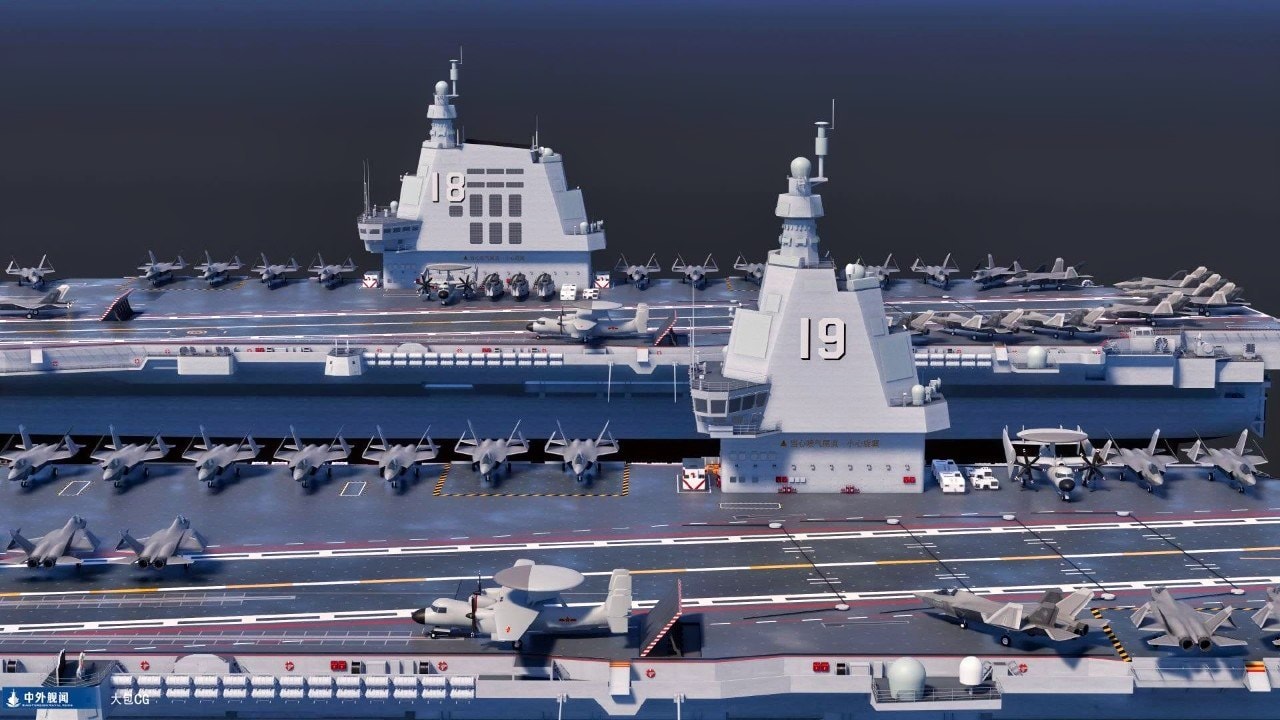
China Aircraft Carrier Models. Image Credit: Creative Commons.
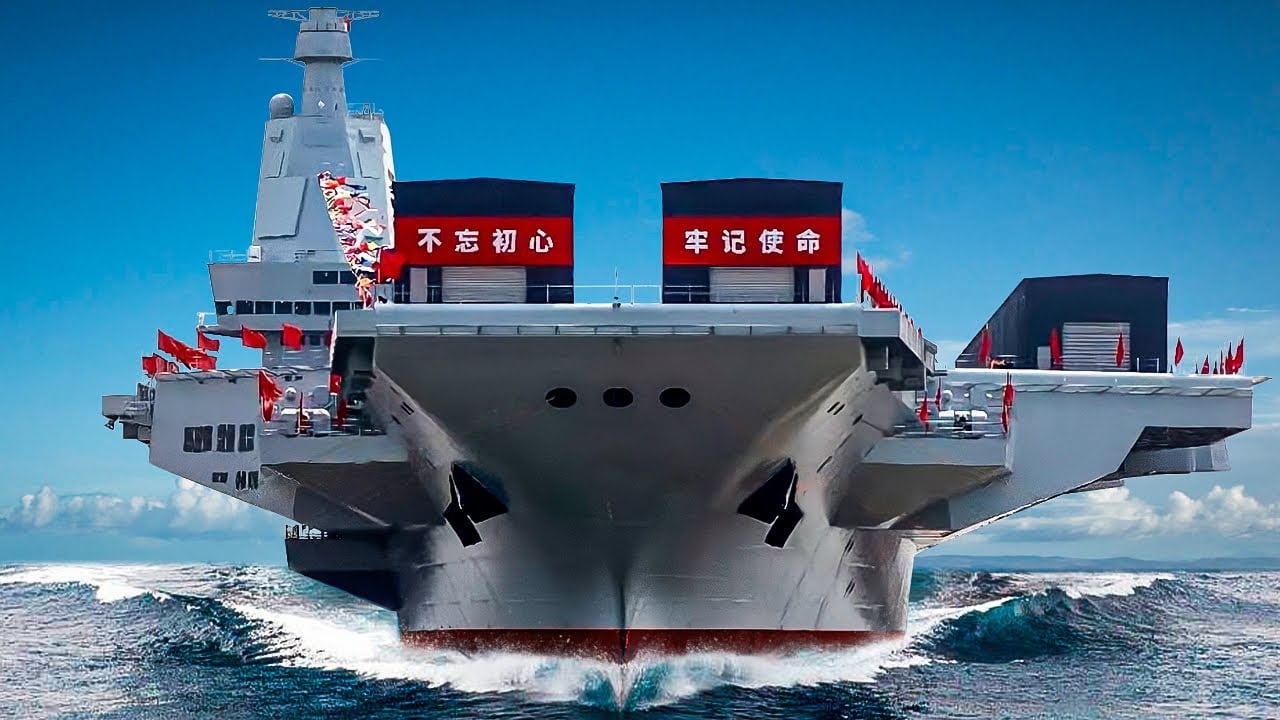
China Aircraft Carrier. Image Credit: YouTube Screenshot.
From the Liaoning to the Shandong to the Fujian to the Type 004, China has transitioned to CATOBAR launchers and EMALS-style launchers. The development of the J-35, a naval aviation platform, demonstrated that China is moving from a pure coastal-defense posture toward a blue-water force capable of asserting national interests throughout the Indo-Pacific.
New Aircraft
The unveiling of the J-35A is especially notable. The aircraft’s naval stealth capabilities reflect China’s more assertive ambitions. The aircraft, suspiciously similar in appearance to the American F-35, is likely to be pushed into the export market.
Meanwhile, reports of a J-36 trijet, a sixth-generation aircraft, have surfaced. The J-36 features a diamond/double-delta wing. Two prototypes have reportedly been developed. And while the J-36 is futuristic and ambitious like the Baidi, it is plausible, with real industrial lineage and real engine programs.
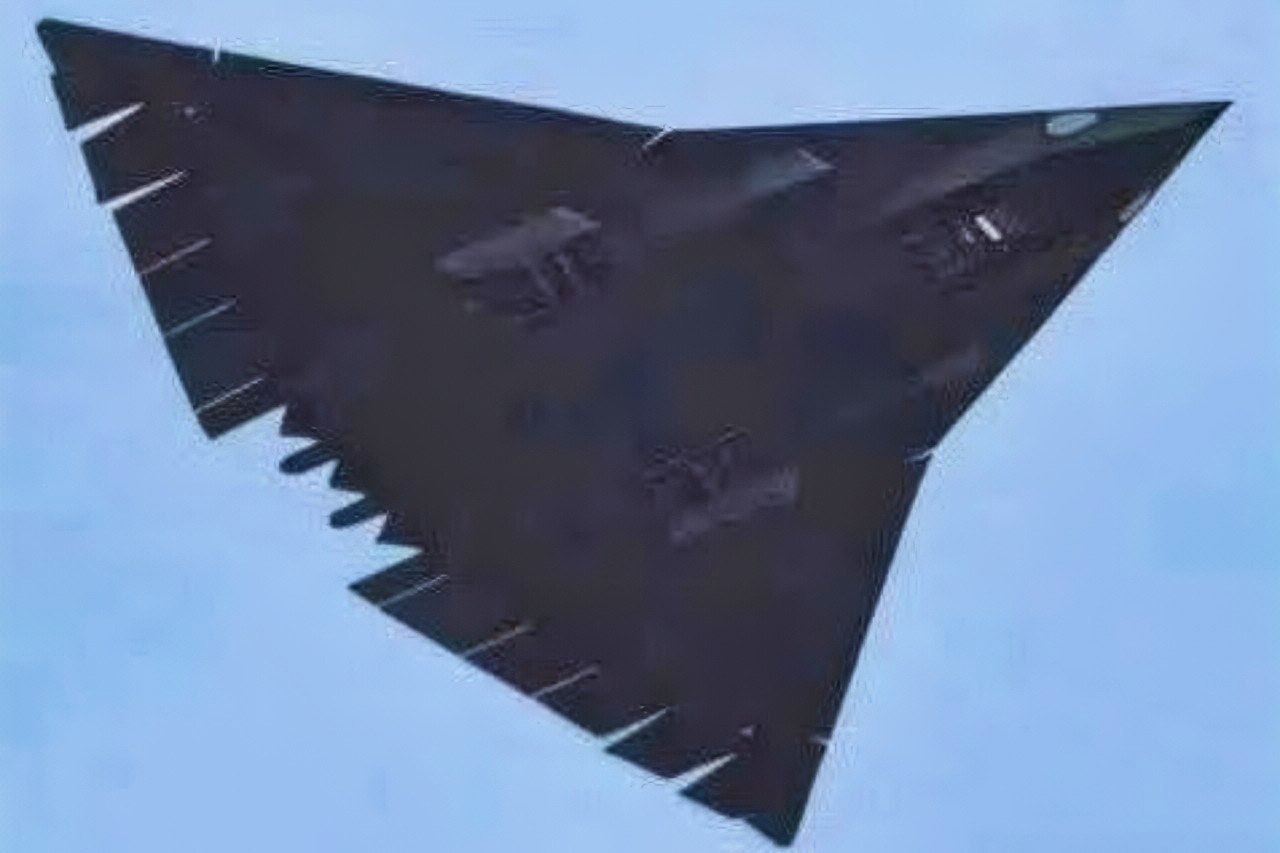
J-36 X Screenshot
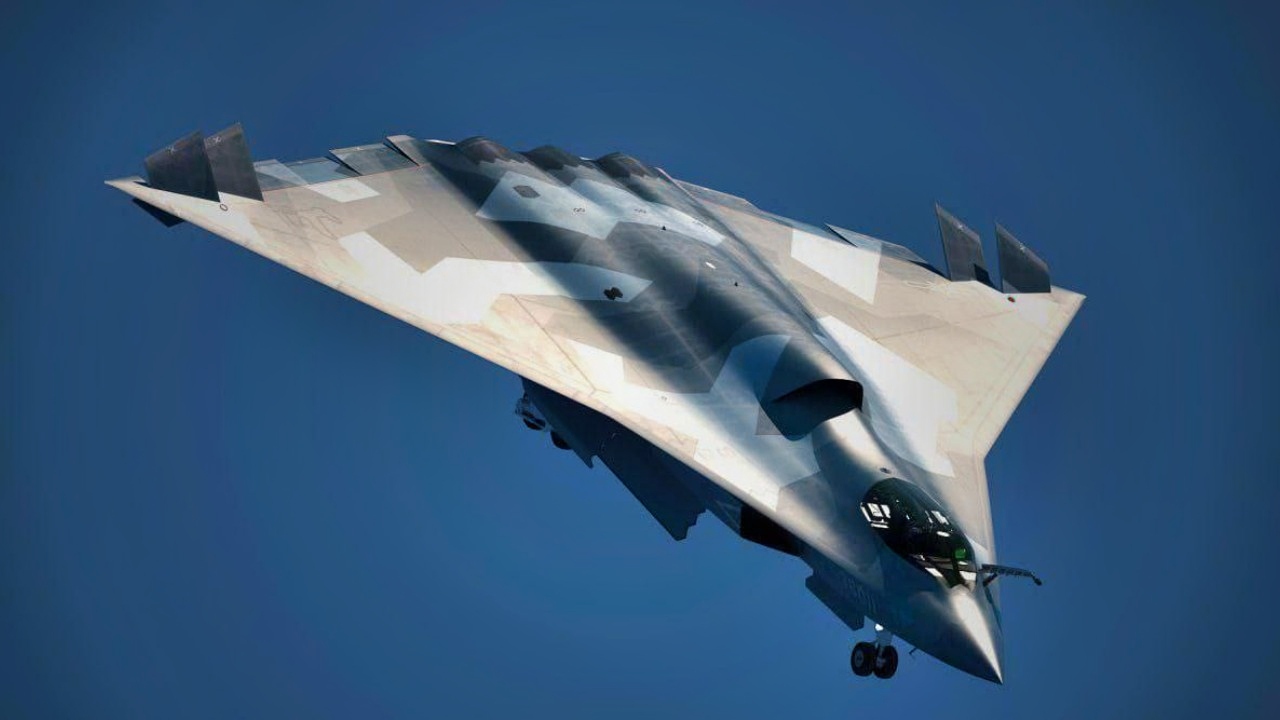
J-36 Fighter Artist Rendition. X Screenshot.
Either way, it seems clear that China is pursuing advanced aircraft with manned-unmanned teaming, AI-assisted ISR, and long-range strike platforms—all geared toward supporting great-power competition.
Propaganda vs. Capability
The Baidi was about narrative, not performance. The target audience was both domestic and international. And while the mockup was impressive on its own, the program never seemed plausible. But that’s not to say Chinese aerospace capabilities have not improved dramatically. The fifth-generation J-20 has entered mass production. The J-35 is expanding China’s naval aviation capabilities.
Hypersonic glide vehicles are under development. ISR capabilities are expanding. Drone capabilities are expanding. All of which serves to demonstrate China’s real edge: incremental, layered capability growth. Not space fighters.
Great Power Competition
China’s role on the global stage is increasing. As the US’s closest peer competitor and a direct rival in the Indo-Pacific, China’s capabilities are relevant to the global power structure. The Taiwan scenario is central. China aims to establish air superiority over the first island chain and neutralize US forward basing.
Accordingly, China aims to push back the US tanker and AWACS orbit line, disrupting the enabling operations that allow fighter aircraft to operate close to Chinese shores. Chinese doctrine is evolving, with an emphasis on denying access, stretching US logistics, and controlling the regional escalation ladder. China is not working towards global dominance; rather, it is pursuing regional dominance, hoping to push the US back.
Does the Baidi Matter?
The Baidi matters in a limited sense. The project signals technological aspiration and reflects some degree of confidence. The narrative takeaway is that China is entering the sixth-generation conversation alongside the US, Europe, and Japan.
China seems to be making an effort to change the US perception, possibly to shape procurement. But mockups do not fool the US; the US knows the real competition lies in engine technology, networking capability, and AI—areas where China still has some limitations.
Chinese limitations to date include the engine reliability gap, which appears to be closing, but likely isn’t at parity with the US. China also has minimal combat experience, whereas the US has been engaged in persistent combat for two decades.
And China’s carrier aviation, while developing rapidly, is still nascent, whereas again, the US has the world’s most mature naval aviation component. While the PLAAF is modernizing rapidly, it is still not battle-tested at scale.
What to Watch
Instead of the Baidi or the White Emperor, which is fiction, keep an eye on other Chinese development programs: WS-15 engine production; J-20 sortie tempo; J-35 carrier integration timeline; J-36 flight testing confirmation; Space-based ISR; loyal wingman prototypes.
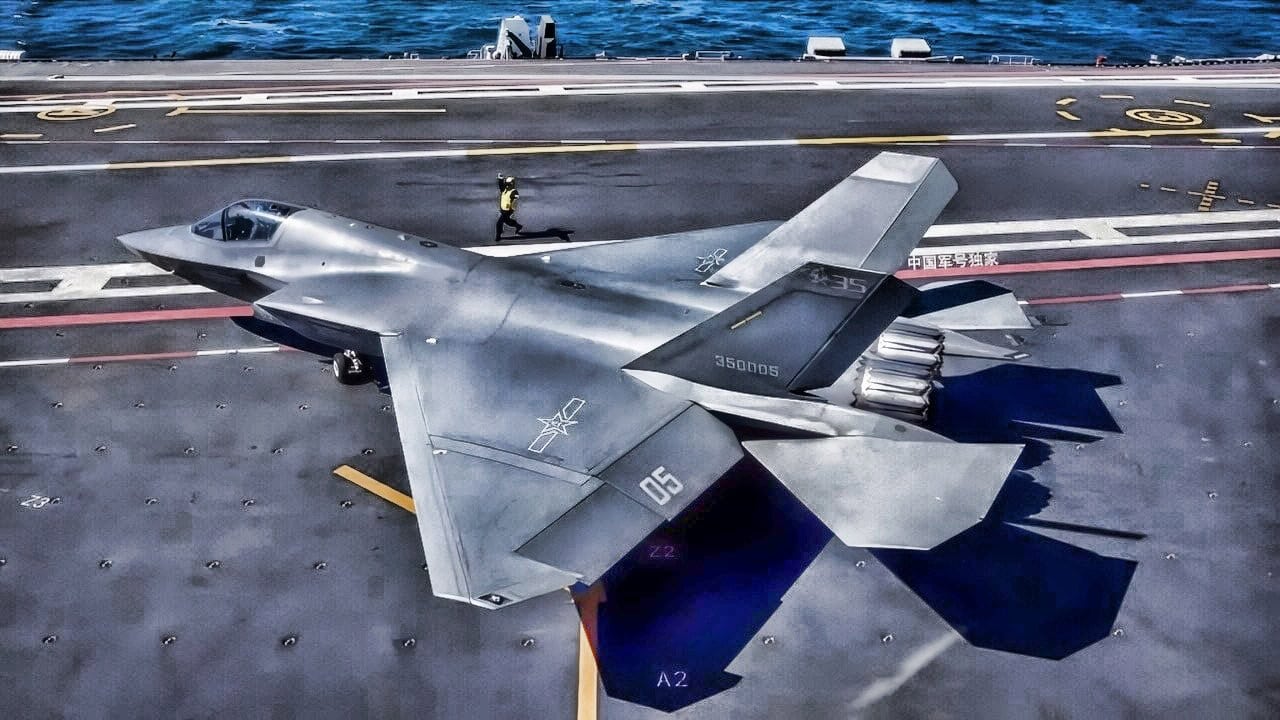
China J-35 Naval Stealth Fighter. Image Credit: PLAN.
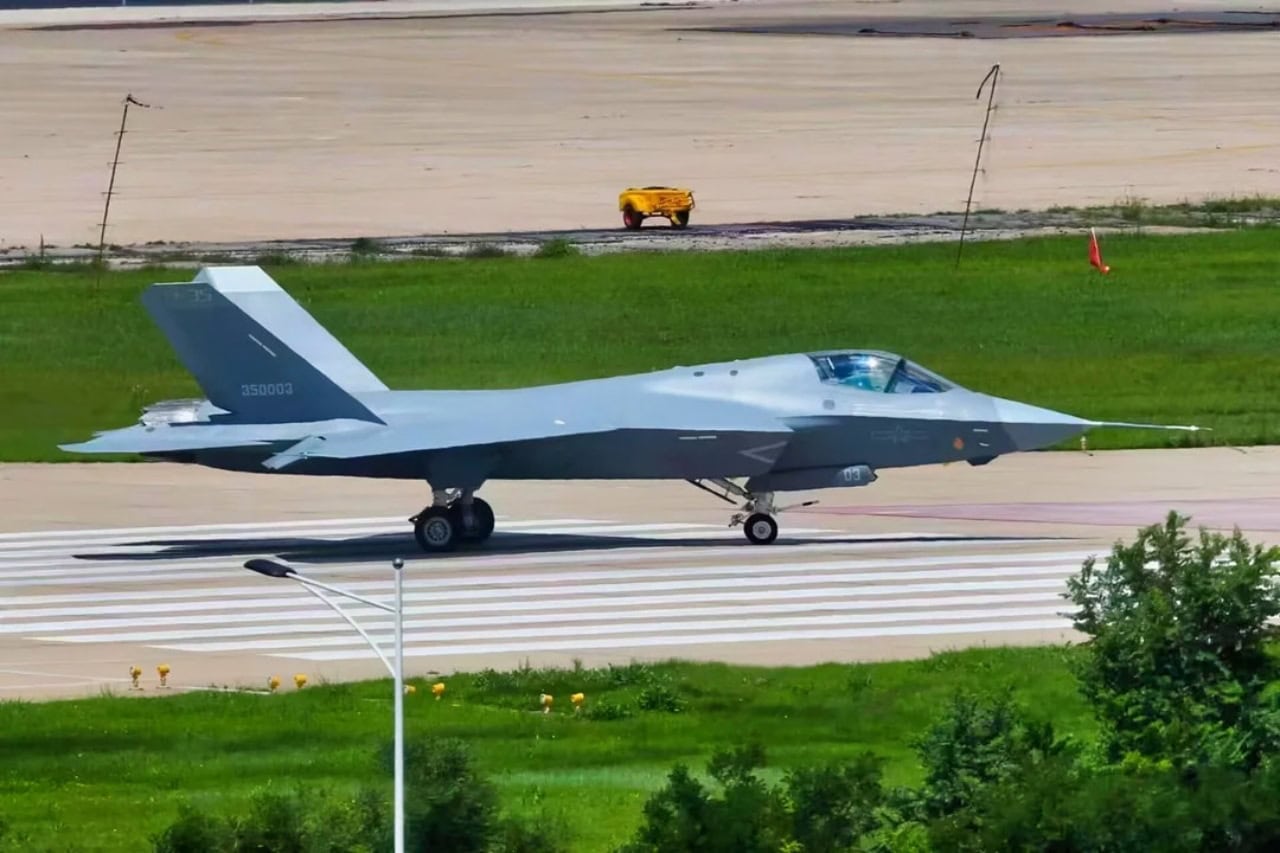
J-35 Fighter. Image Credit: Chinese Internet.
That’s where the real race to next-gen technology lives, where China can potentially compete with the US. The Baidi was just a ruse, a bit of political theater, not an operational program. But China’s aerospace trajectory since 2010 or so is undeniable. From a reputation of reverse-engineering to indigenous stealth production, from coastal defense to legitimate denial strategy, China is transitioning from a regional air arm to a great power competitor.
About the Author: Harrison Kass
Harrison Kass is an attorney and journalist covering national security, technology, and politics. Previously, he was a political staffer and candidate, and a US Air Force pilot selectee. He holds a JD from the University of Oregon and a master’s in global journalism and international relations from NYU.