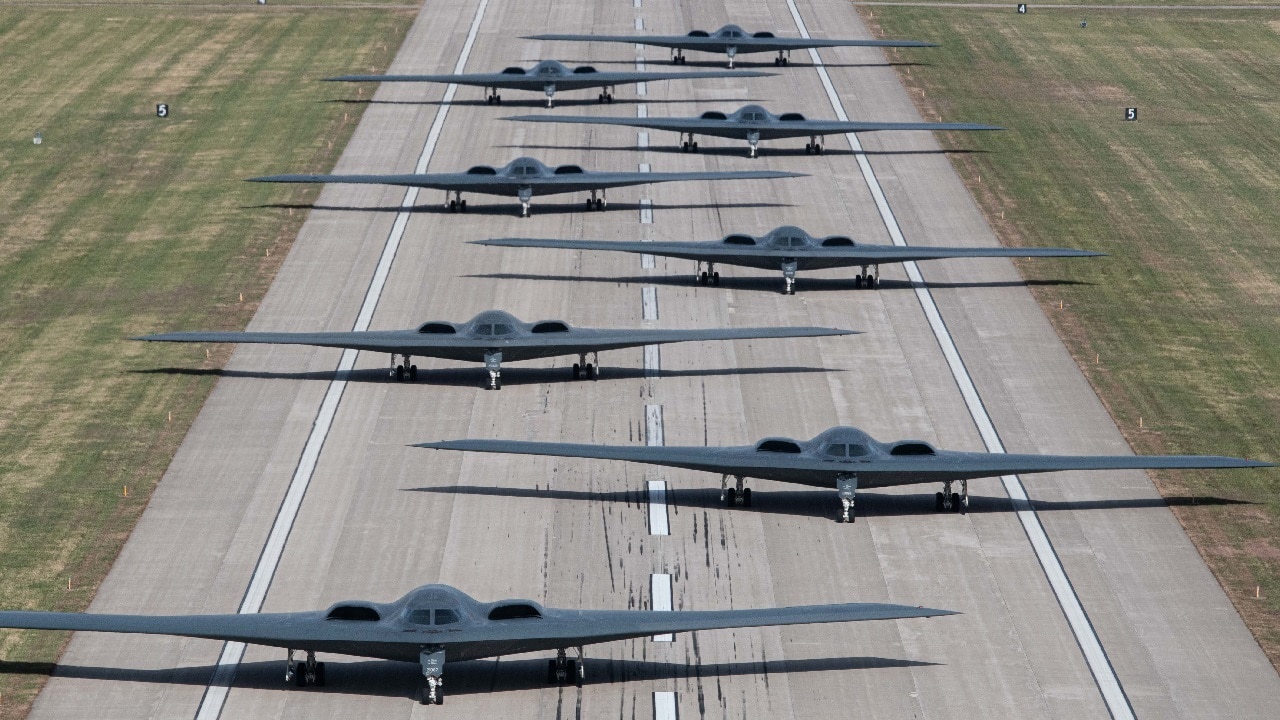
Summary and Key Points: Brandon J. Weichert, a national security editor and author, evaluates the “stealth bomber quandary” facing the U.S. Air Force during Operation Epic Fury. While B-2 Spirit bombers have successfully struck Iranian underground facilities, the reliance on only 19 airframes is unsustainable for prolonged, high-intensity conflict.
-This 19FortyFive report analyzes how Tehran’s deeply buried missile complexes require the B-21 Raider’s advanced survivability and maintenance-friendly design.

B-2 Spirit Stealth Bomber 19FortyFive Photo. Taken by Harry J. Kazianis back in July 2025.
-Weichert concludes that the U.S. must prioritize scale over “exquisite” boutique fleets to maintain a credible deterrent against near-peer adversaries like China and Russia.
The 19-Plane Limit: Why America’s Tiny B-2 Stealth Bomber Fleet is Straining Under the Iran Air War
Now that the Trump administration has pushed the United States into an air war against Iran—with the goal, according to the president himself, to change the regime of the Islamic Republic—it’s time to reassess whether the United States has all the equipment and weapons it needs.
Short answer: It does not. In fact, judging from the kind of strikes U.S. President Donald Trump has the Air Force and Navy carrying out in Iran, it appears as though the United States needs many more long-range stealth bombers than it has.
Just like it did during last year’s 12-Day War, the U.S. Air Force has deployed a pair of B-2 Spirit long-range stealth bombers to attack suspected Iranian underground missile sites.
According to reports, the B-2s last weekend dropped 2,000-pound bombs on targeted Iranian underground sites, and then came home.
Reports indicate that the Pentagon is readying to deploy B-2s again to strike Iran.
Iran’s Underground Missile Cities
Here’s the rub, though.
There are only 19 of these planes on hand.
They first flew in the late 1980s. Each time they are ordered to strike, these planes are put through the wringer.
They must fly all the way from their home base in Whitman, Missouri, to wherever in the world their targets are—and then return home, engaging in midair refueling along the way.
That puts wear and tear on these advanced birds. What might help alleviate the pressure on these planes, allowing for lower maintenance costs and greater strike power, would be to massively produce the new B-21 Raider, the replacement for the B-2.
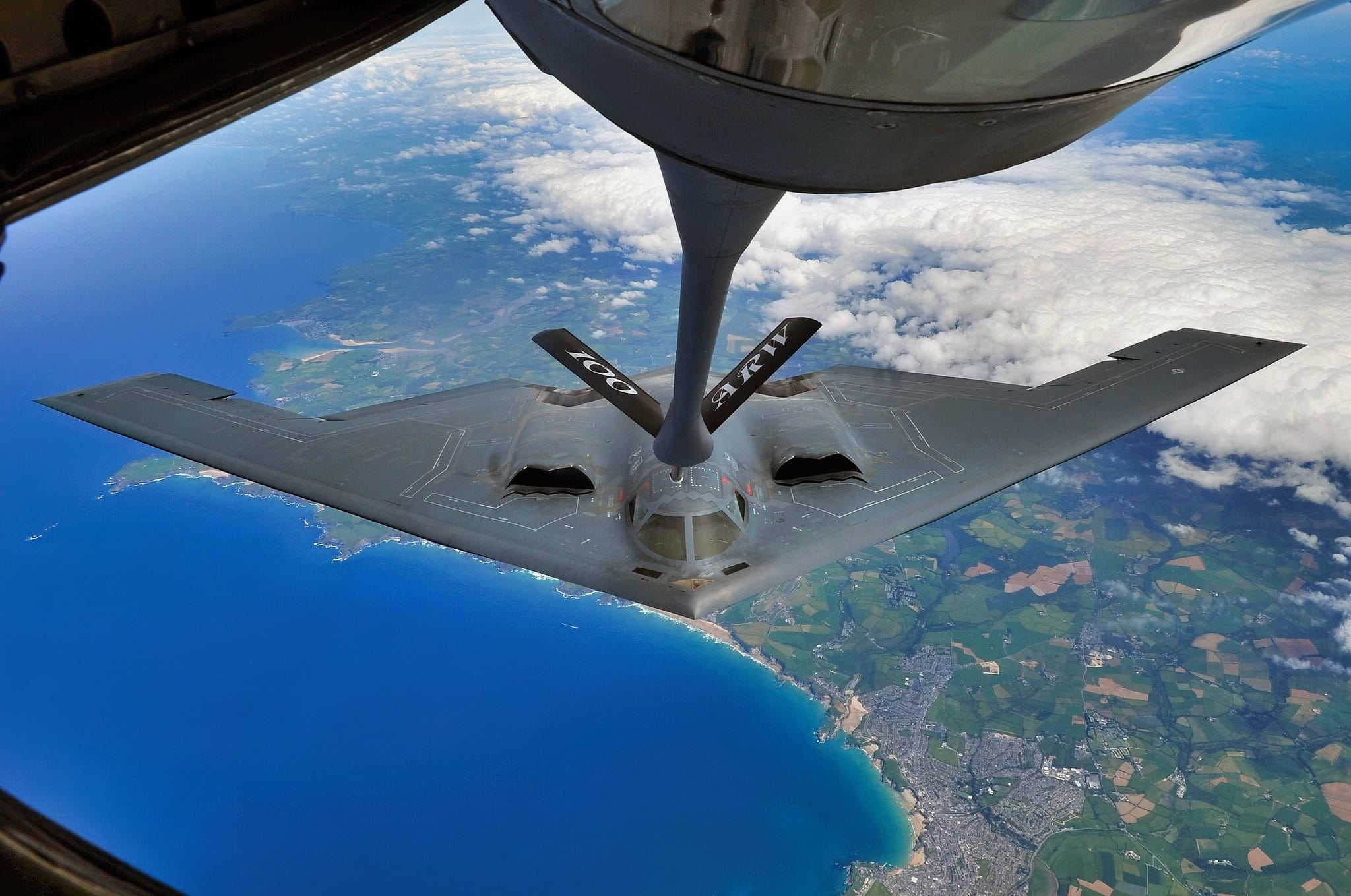
B-2 Bomber. Image Credit: Creative Commons.
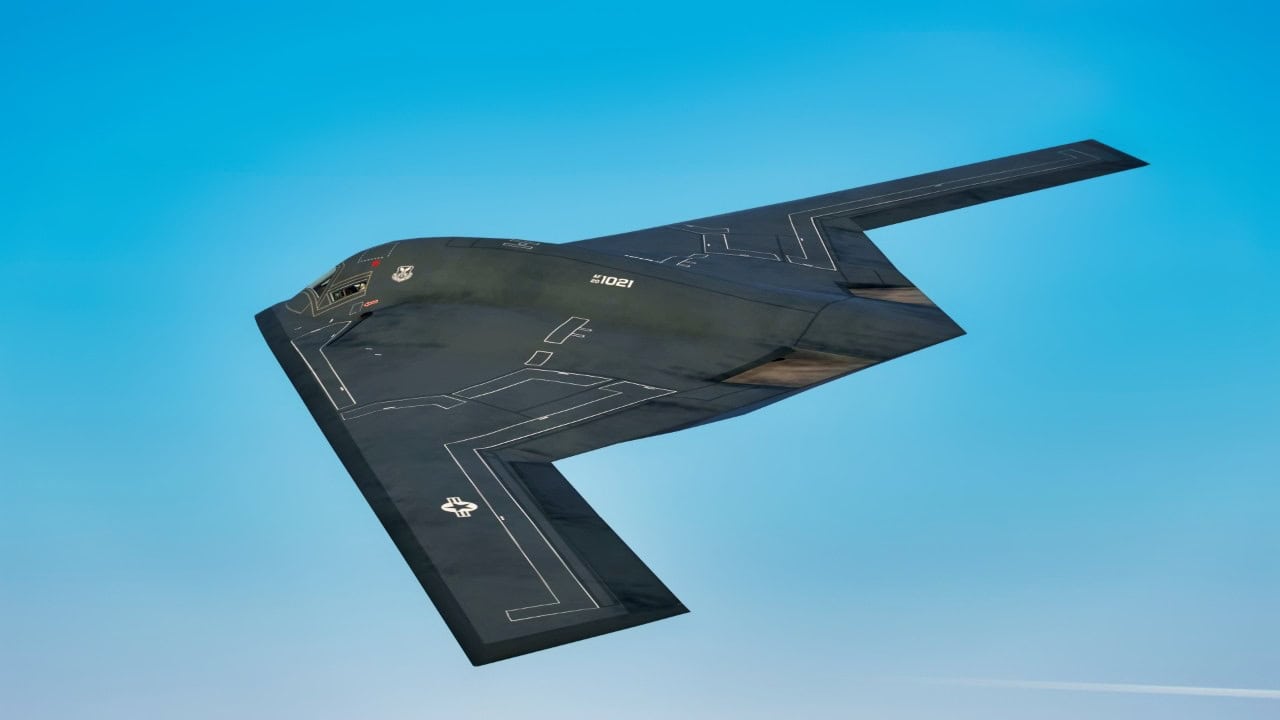
B-21 Raider Artist Rendering.
While the B-21’s development has proceeded far more quickly than many had assumed, the fact remains that the plane is onerous to build because of its advanced technology and very expensive.
These two factors hold back Congress from encouraging the creation of a vast arsenal of Raiders. So the United States’ long-range stealth bomber arsenal languishes due to age, complexity, and cost.
Nineteen Aircraft Cannot Sustain This Iran War
Yet the reality of conflict with Iran should force a rethink in Washington.
The United States is no longer fighting the kinds of limited wars that defined the immediate post-Cold War era.
Instead, it is entering an age of prolonged, high-intensity conflicts against well-armed regional powers that possess hardened infrastructure, dispersed missile forces, and underground facilities specifically designed to survive U.S. airpower.
Over the last two decades, Tehran has invested substantial resources into building deeply buried missile complexes, nuclear facilities, command centers, and weapons depots.
These are not targets that conventional fighters or legacy bombers can easily destroy.
They require stealth platforms capable of penetrating dense air defenses and delivering massive precision ordnance against hardened targets.
Right now, that mission falls disproportionately on the aging B-2 fleet.
But asking just 19 aircraft, many of which are already approaching the limits of their operational lifespan, to sustain repeated strike missions is not sustainable.
Every sortie flown against Iran is another mission that accelerates the wear and tear on an already tiny and irreplaceable fleet.
Not a Cure-All
The B-21 Raider was designed precisely to solve this quandary.
It is intended to be more maintenance-friendly, more survivable, and more numerous than the B-2 ever was.
Yet current procurement plans remain modest compared to what the strategic environment requires.
If the United States is serious about confronting adversaries such as China, Iran, and Russia all at once, it cannot rely on boutique fleets of exquisite aircraft.
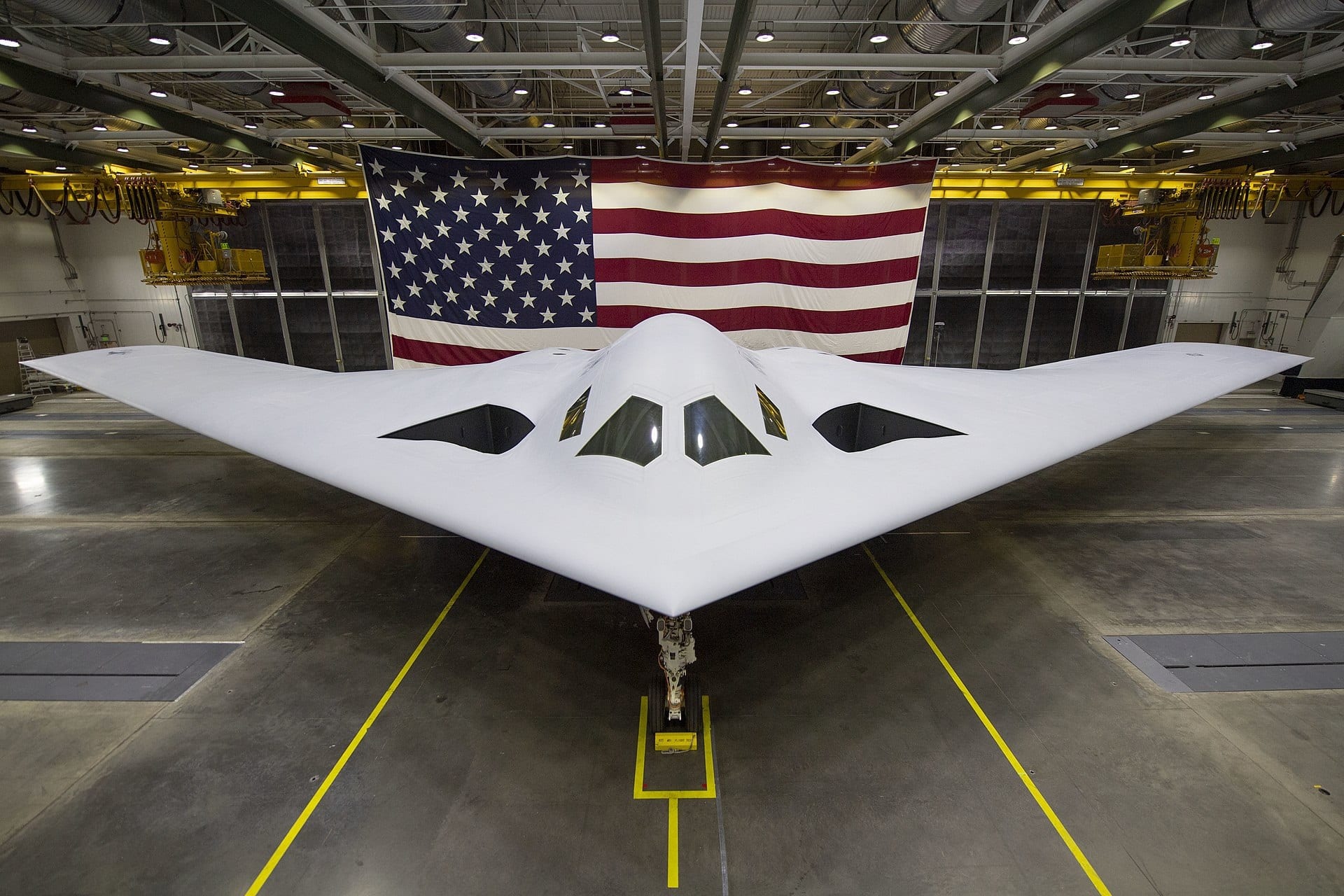
The B-21 Raider was unveiled to the public at a ceremony December 2, 2022 in..Palmdale, Calif. Designed to operate in tomorrow’s high-end threat environment, the B-21 will play a critical role in ensuring America’s enduring airpower capability. (U.S. Air Force photo)
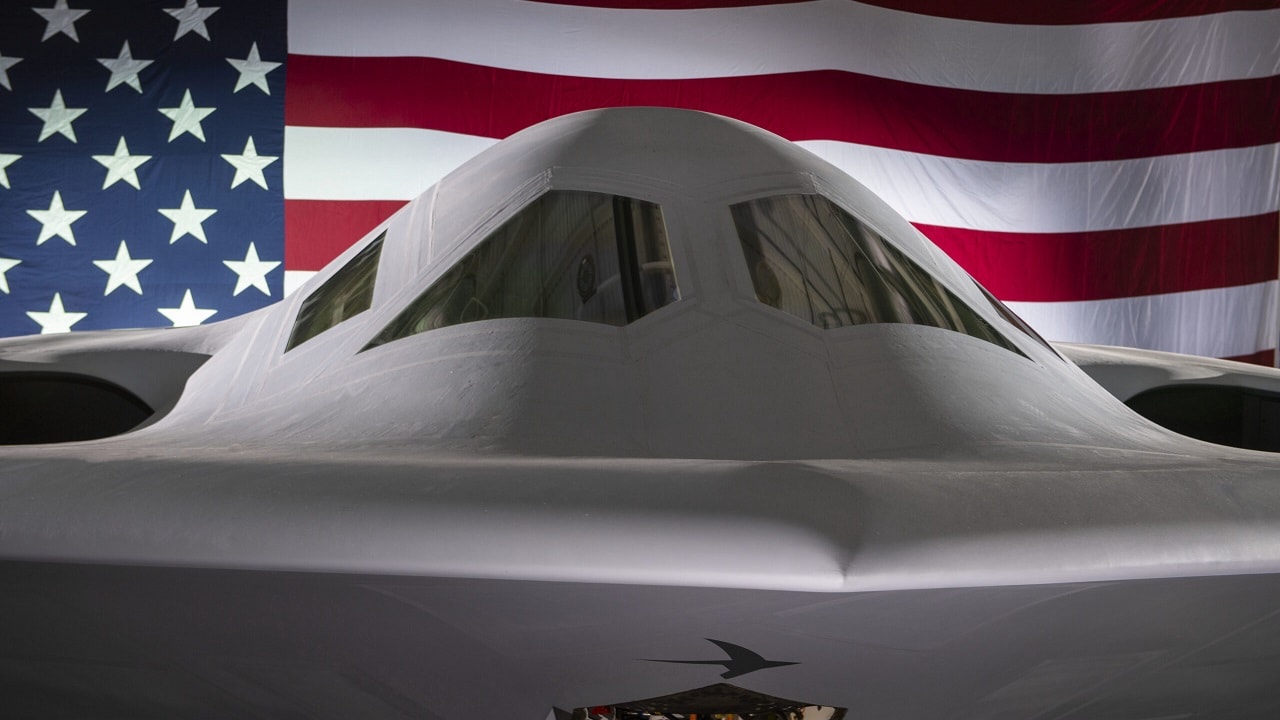
The B-21 Raider was unveiled to the public at a ceremony December 2, 2022 in
Palmdale, Calif. Designed to operate in tomorrow’s high-end threat environment, the B-21 will play a critical role in ensuring America’s enduring airpower capability. (U.S. Air Force photo)
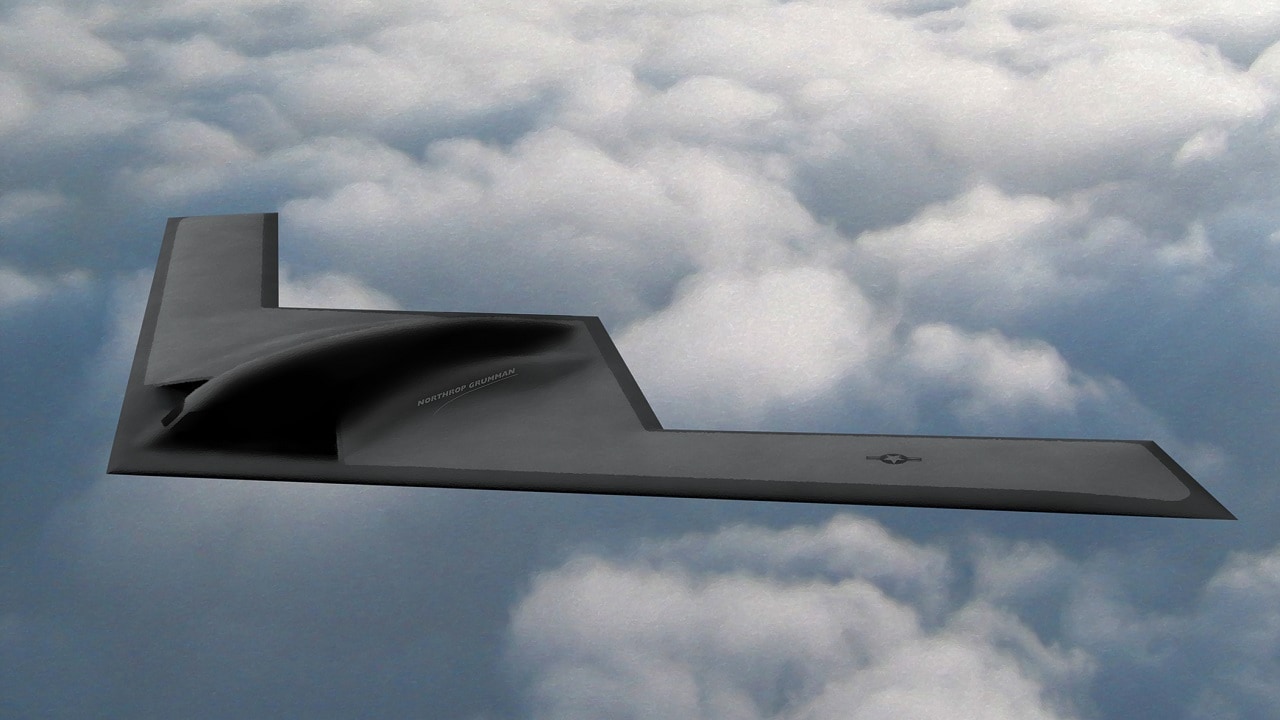
B-21 Raider bomber. Image Credit: Creative Commons.
Instead, Washington must rediscover something it has largely forgotten since the end of the Cold War: scale.
The United States needs a much larger fleet of long-range stealth bombers capable of striking hardened targets anywhere on Earth.
Otherwise, the war now unfolding over Iran may reveal an uncomfortable truth.
America’s technology remains extraordinary—but its arsenal may simply be too small.
About the Author: Brandon J. Weichert
Brandon J. Weichert is the Senior National Security Editor at 19FortyFive.com. He was previously the senior national security editor at The National Interest. Weichert is the host of The National Security Hour on iHeartRadio, where he discusses national security policy every Wednesday at 8pm Eastern. He hosts a companion show on Rumble entitled “National Security Talk.” Weichert consults regularly with various government institutions and private organizations on geopolitical issues. His writings have appeared in numerous publications, among them Popular Mechanics, National Review, MSN, and The American Spectator. And his books include Winning Space: How America Remains a Superpower, Biohacked: China’s Race to Control Life, and The Shadow War: Iran’s Quest for Supremacy. Weichert’s newest book, A Disaster of Our Own Making: How the West Lost Ukraine, is available for purchase wherever books are sold. He can be followed via Twitter/X @WeTheBrandon.