
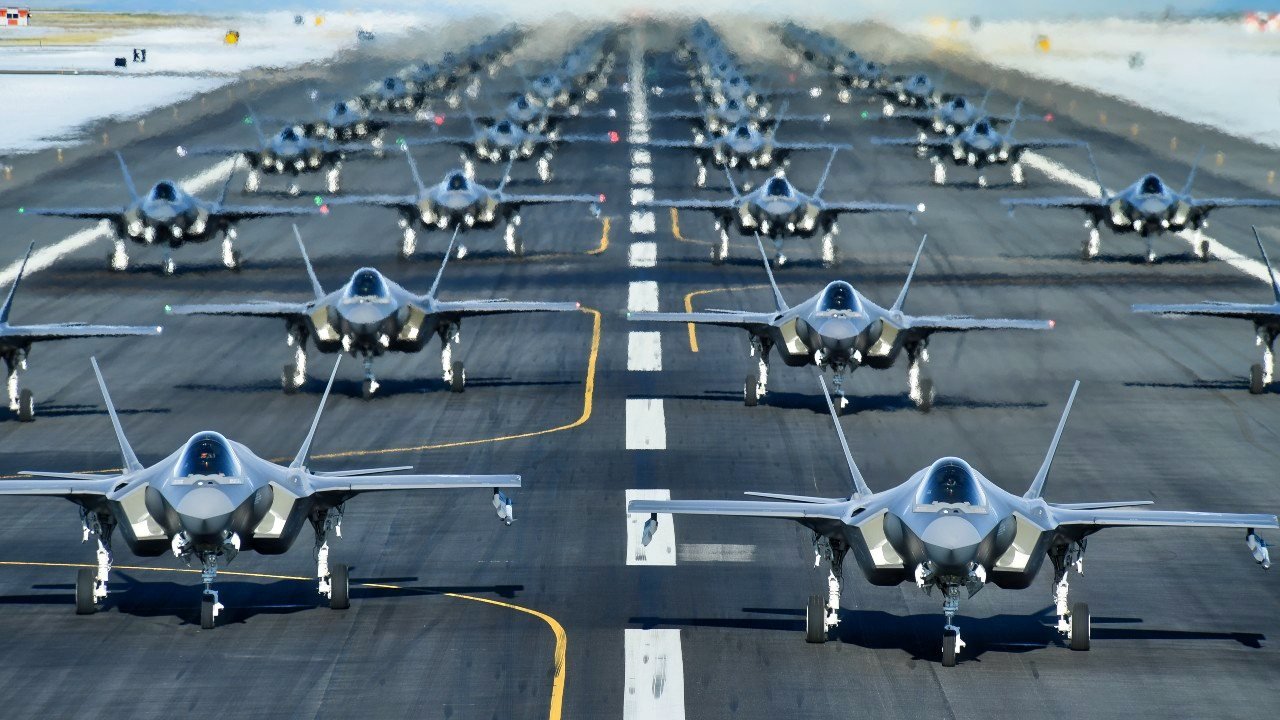
Summary and Key Points: National security journalist Harrison Kass analyzes Canada’s 2026 “fighter review” under Prime Minister Mark Carney. While 16 F-35 fighters remain contractually committed for delivery starting this year, the full 88-jet procurement is stalled amidst trade friction with the Trump administration.
-Rising program costs—now estimated at $30 billion—have reopened the door for Saab’s JAS 39 Gripen E.
-The Gripen offers superior industrial benefits, including 12,600 domestic jobs and Arctic-optimized maintenance.
-Ottawa must now balance the F-35’s unmatched NORAD interoperability against the Gripen’s economic sovereignty as the aging CF-18 Hornet fleet reaches its structural limit.
Canada’s F-35 Crisis: Why the Carney Government is Reconsidering the 88-Jet Deal
Canada’s long-running fighter replacement program has entered a period of acute uncertainty, ratcheting up political tensions with Washington as Ottawa reviews its commitment to procure the F-35A Lightning II.
The commitment to replace Canada’s aging CF-18 Hornet fleet, which entered service in 1982, with a purchase of 88 F-35 fighters is currently on hold.
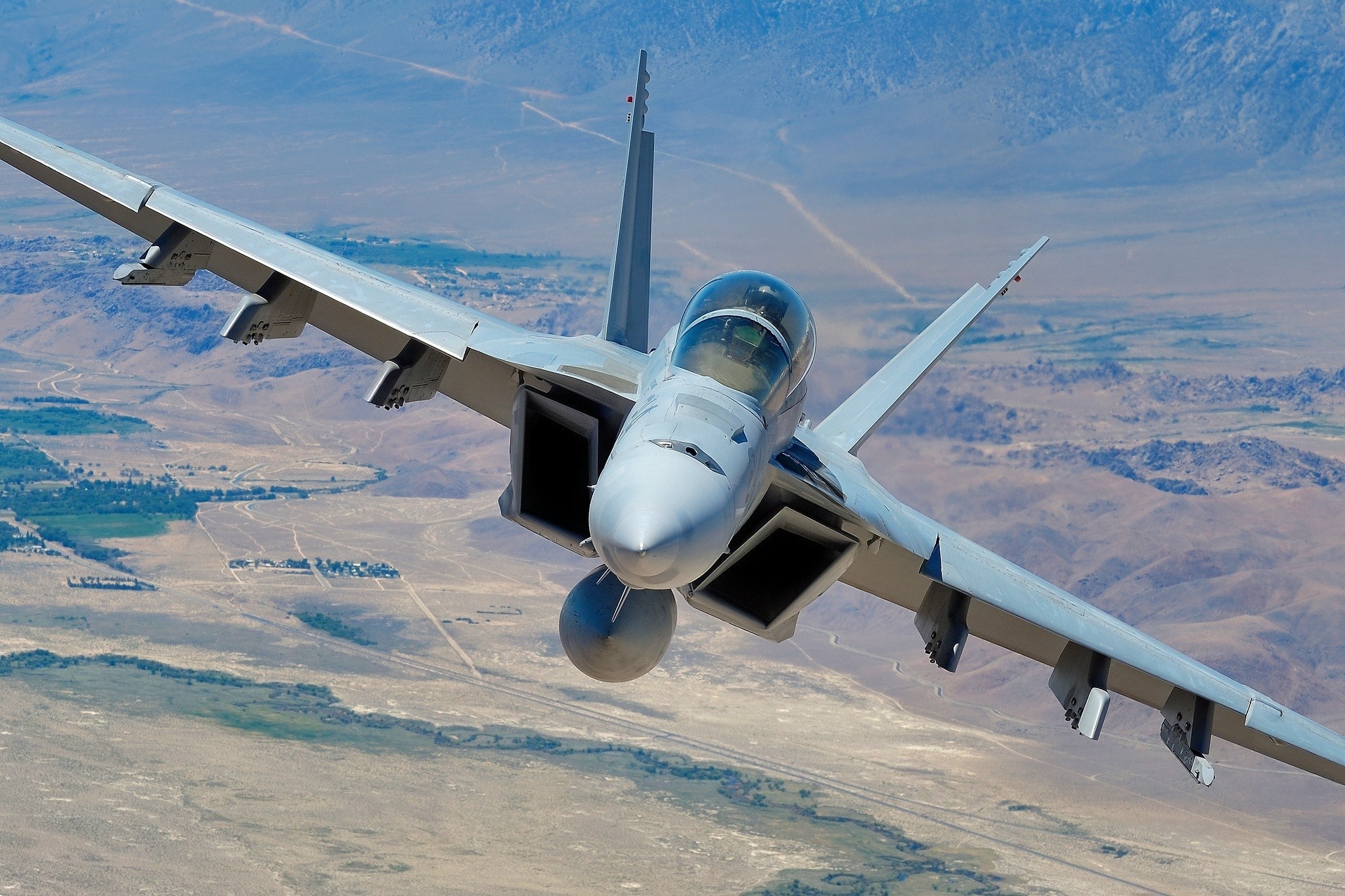
CF-18 Canada. Image Credit: Creative Commons.
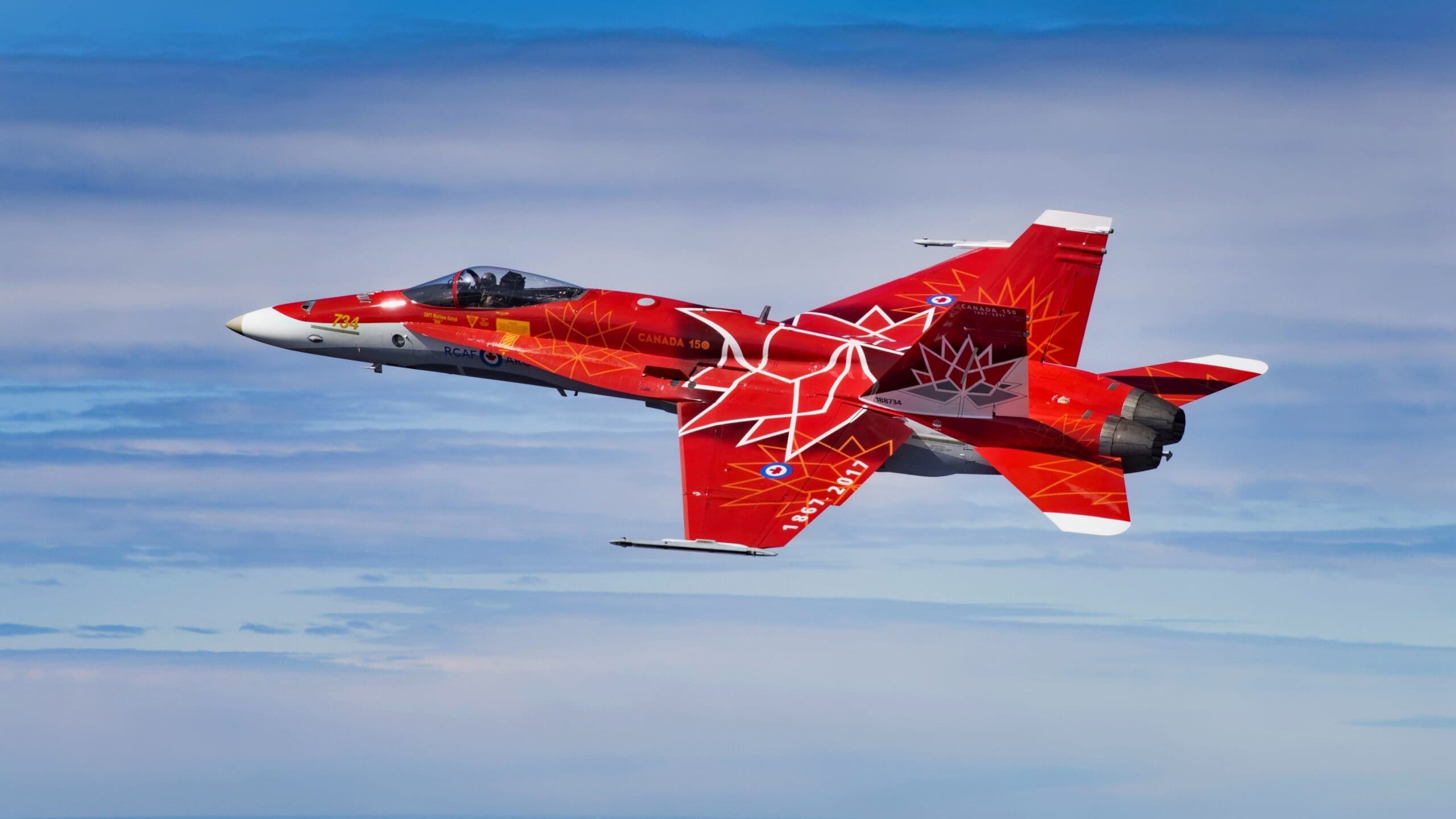
CF-18 Fighter from Canada. Image Credit: Creative Commons.
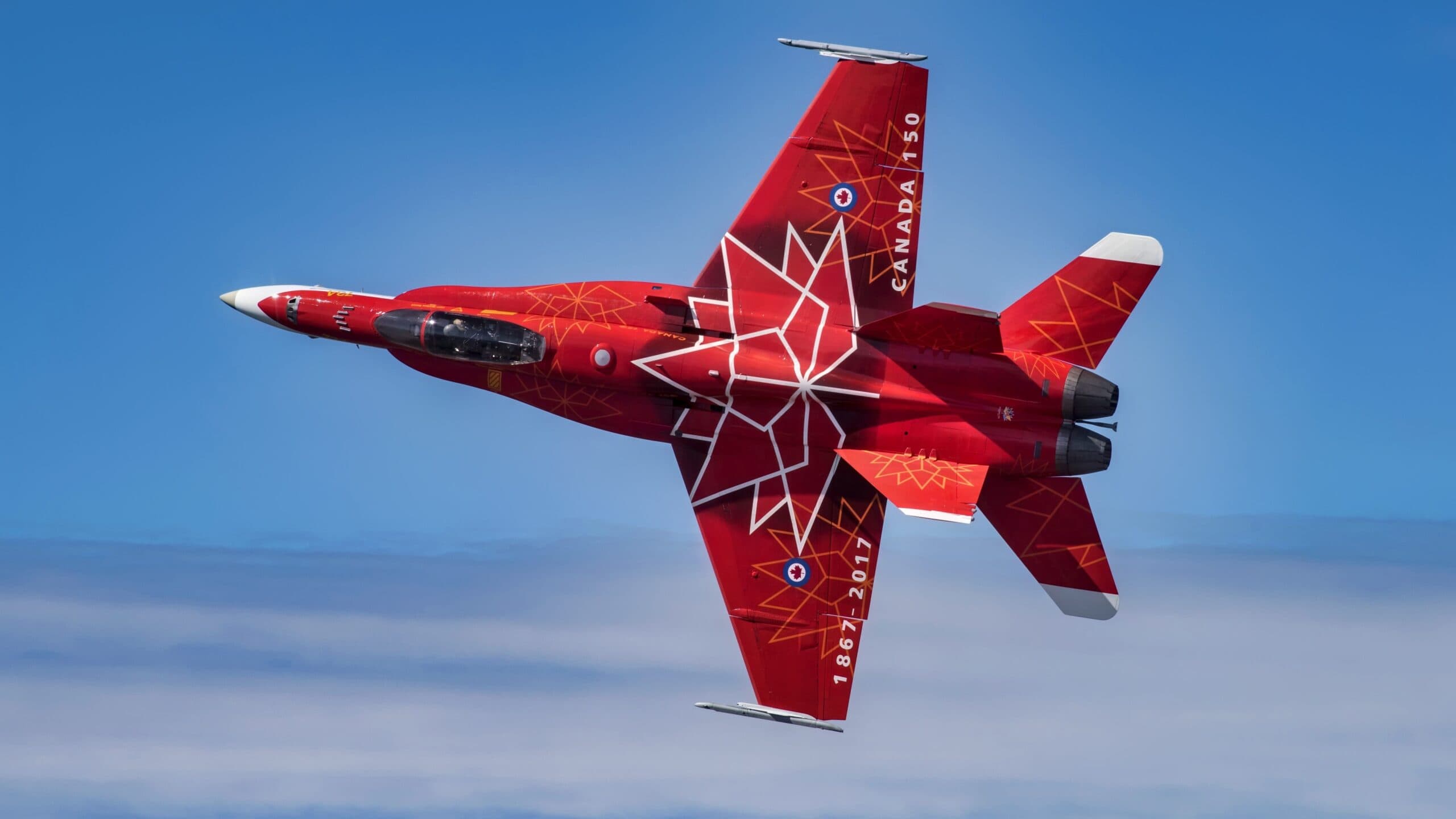
CF-18 Fighter from Canada.
The hold and review reflects a complex mix of political tensions, rising costs, and strategic debate over what exactly Canada’s future air power requirements are. While today the F-35 remains the official selection, the possibility of a mixed fleet or a reduced order seems very real—especially with Sweden’s Saab aggressively pushing the JAS 39 Gripen as an alternative.
The Current Status
Canada remains contractually committed to the first 16 F-35 aircraft, which are already in production. These jets are expected to begin delivery in 2026.
The initial deployment plan called for the aircraft to be stationed at Luke AFB in Arizona, where Canadian pilots would train before the jets were moved to Canadian bases.
And despite launching a formal review of the full order, Ottawa has continued to make payments to maintain its place in the production queue, suggesting that Ottawa is attempting to keep its options open while political deliberations continue.
The Ongoing Review
The current review was launched by Prime Minister Mark Carney’s government in March 2025. The review is examining whether Canada should proceed with the entire 88-jet purchase, scale it back, or restructure the acquisition.
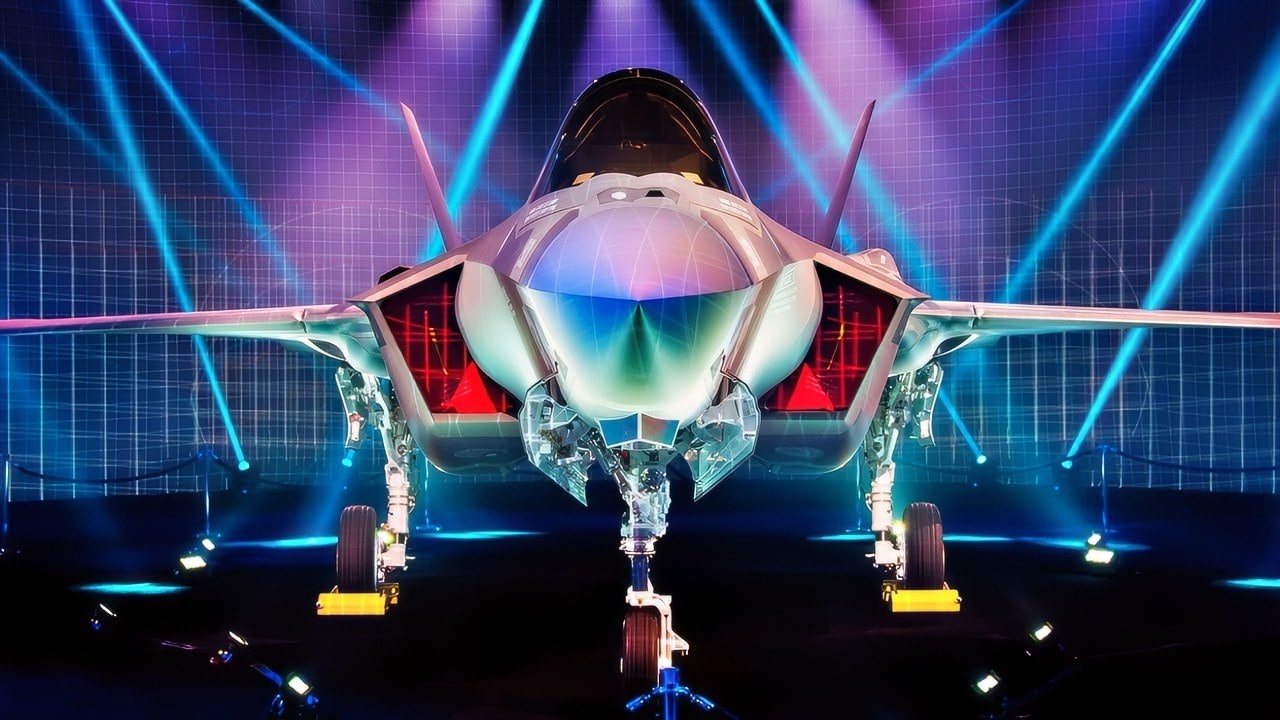
F-35I Adir Lockheed Martin Image
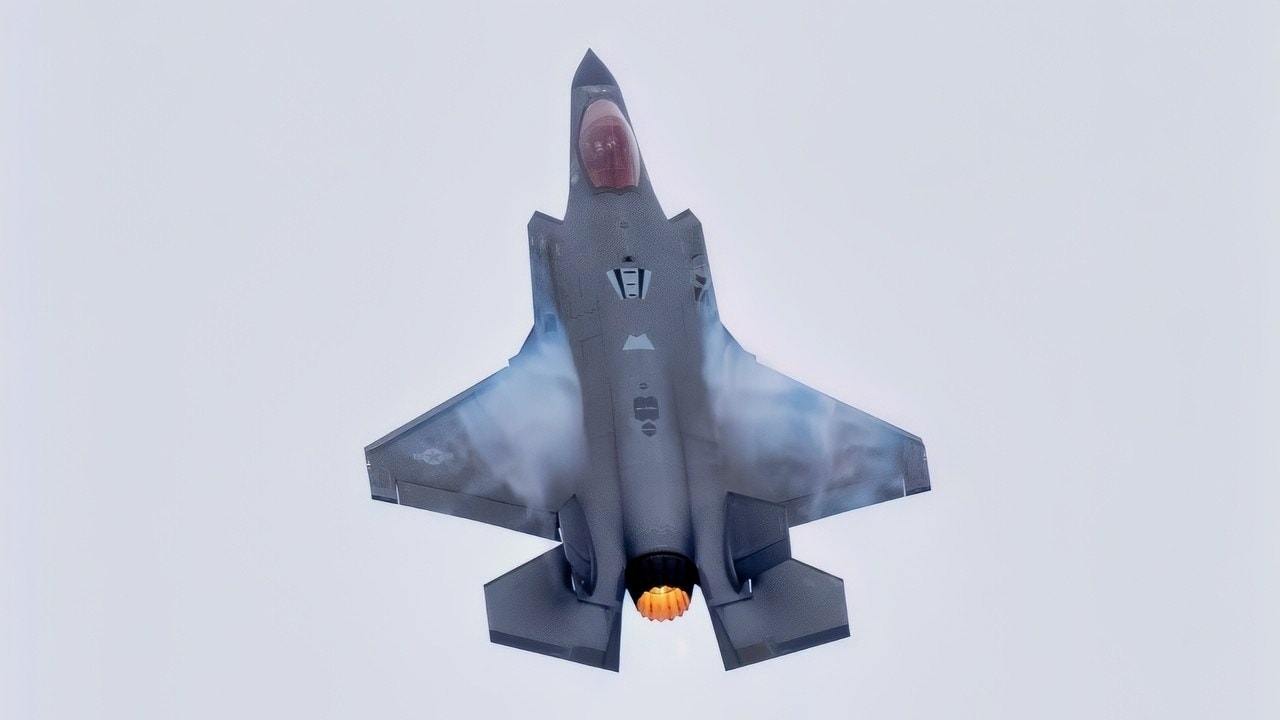
Maj. Kristin “BEO” Wolfe demonstrates the capabilities of the F-35A Lighting II, a single seat, single engine, all-weather stealth multirole fighter aircraft, during a practice flight with the F-35 Demonstration Team at Hill Air Force Base, Utah Feb. 6, 2024. (U.S. Air Force photo by Senior Airman Jack Rodgers)
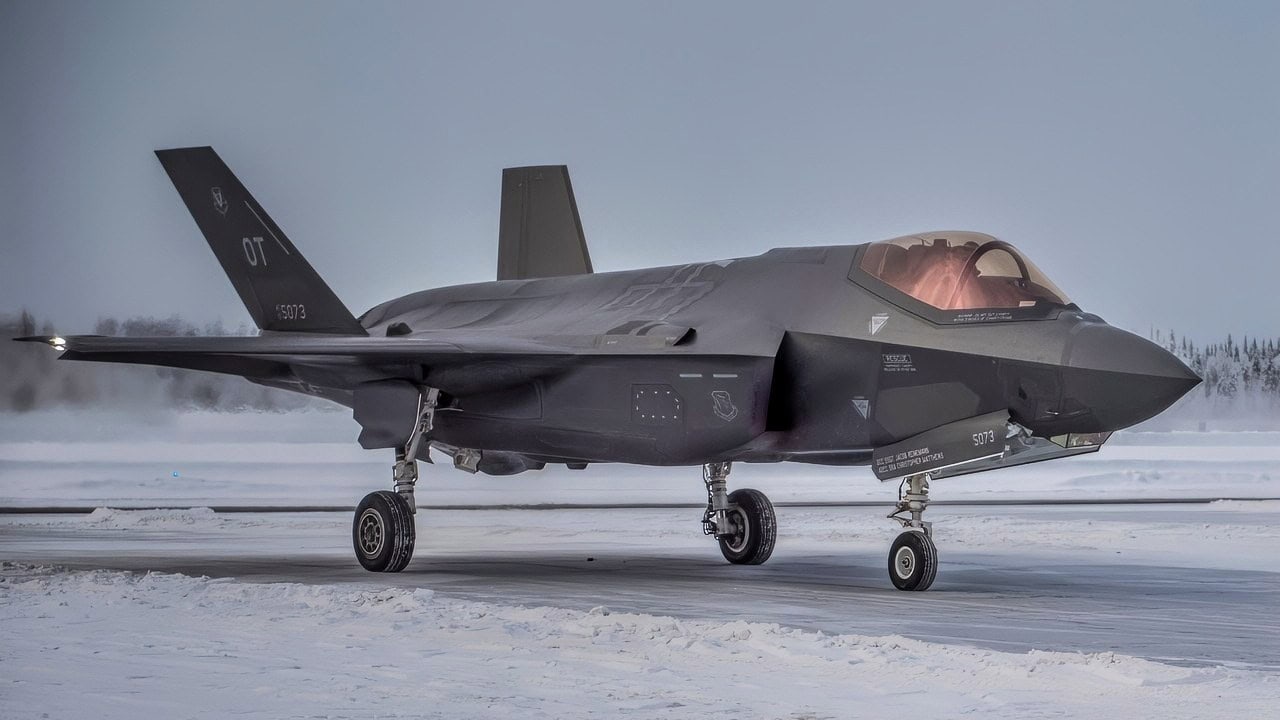
A U.S. Air Force F-35A Lightning II sits on the flight line during pre-Initial Operational Testing and Evaluation on Jan. 23, 2018, at Eielson Air Force Base, Alaska. All three variants of the F-35 were brought to Eielson to test their ability to operate in an extreme cold-weather environment. (U.S. Air Force photo by Airman 1st Class Isaac Johnson)
Motivating the review are several factors, including trade tensions between Canada and the United States, pressure for stronger domestic industrial benefits than the F-35 offers, debate over long-term operating costs, and debate over whether the fifth-generation F-35 is overkill for Canada’s more humble security needs. A final decision on the fleet’s size and composition is expected later in 2026.
The JAS 39 Gripen Alternative
Complicating matters is the introduction of an alternative: the Saab JAS 39 Gripen E, which represents a very different approach to air power than the F-35.
Whereas the F-35A features advanced sensor fusion and a network-centric approach that enable seamless integration with other NATO allies, the Gripen is a 4.5-generation fighter with significantly lower operating costs.
Designed for dispersed operations and optimized for harsh environments, the Gripen may well suit the Canadian’s needs at a discount.
Of course, the F-35 is the better aircraft, but it may prove more than Canada needs at the moment; the Gripen is an economical choice—and it facilitates greater Canadian sovereignty than the US-entwined F-35.
Economic and Industrial Factors
One of the largest drivers of the debate is economic.
The F-35 is an expensive platform; the projected cost of Canada’s full F-35 purchase has increased significantly.
Back in 2022, the estimated program costs were $19 billion. But now, those estimates have risen to $30 billion, making the program an obvious target for budget critics and fiscal conservatives—opening the door for Saab to draft a dramatically different economic proposal.
Recognizing Canada’s budgetary constraints, Saab has proposed a bid that would see the Gripen built in Canadian facilities, creating roughly 12,600 jobs through the creation of a Canadian aerospace production hub. Naturally, these industrial benefits resonate strongly with Canadian political leaders who prefer a domestic economic return from their defense spending.
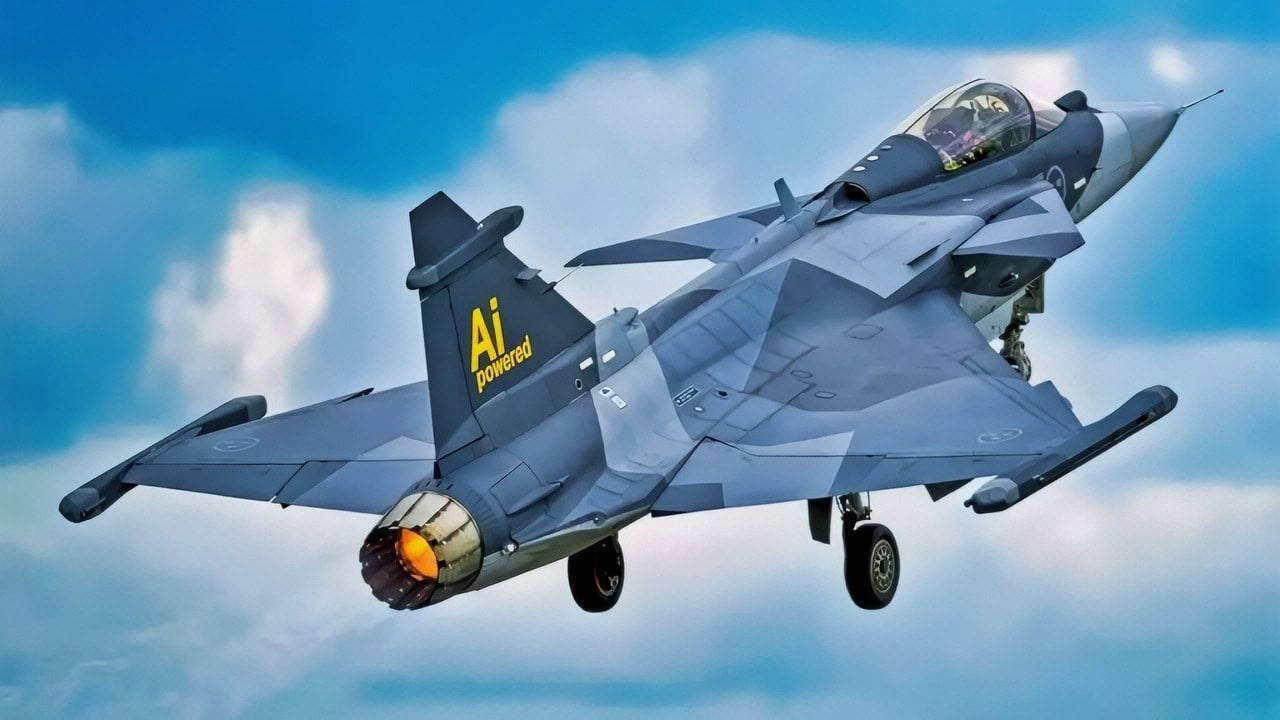
JAS 39 Gripen E Fighter. Image Credit: Creative Commons.
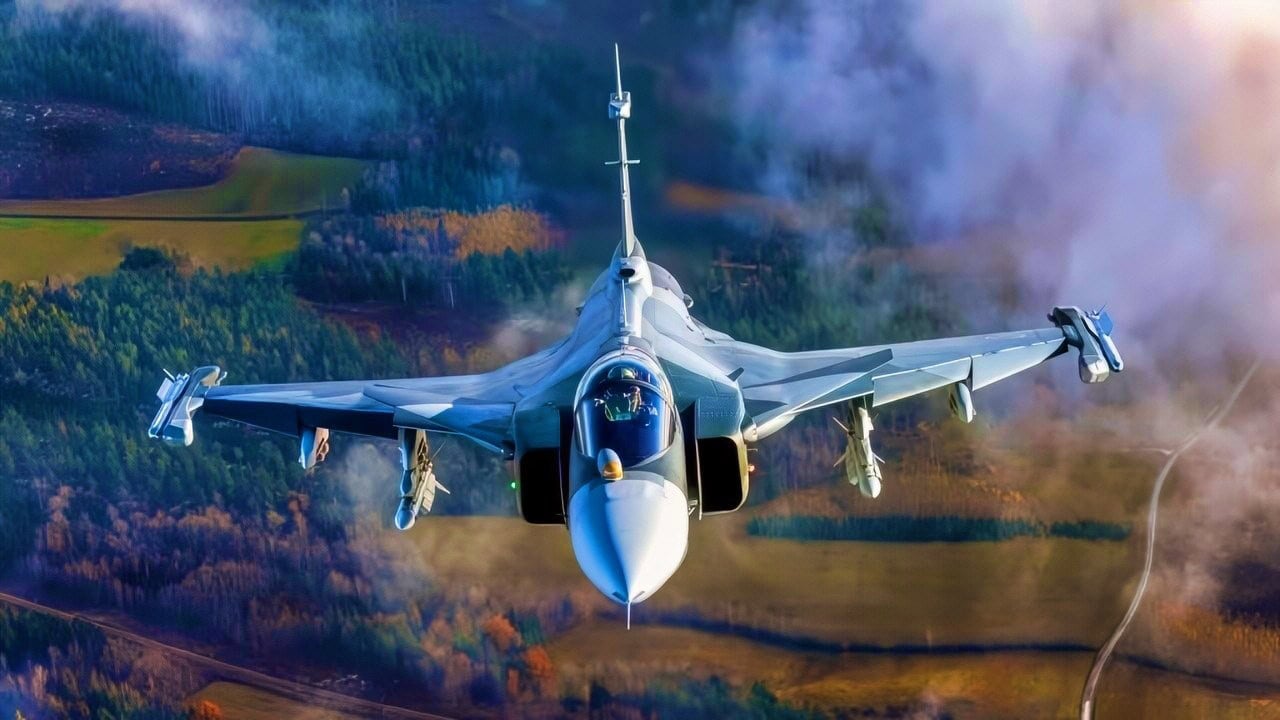
SAAB JAS 39 Gripen Fighter. Image Credit: Creative Commons.
The Trump Factor
But politics might be the most powerful factor in the review process.
The fighter review coincides with a period of intense trade friction between Ottawa and Washington.
Some Canadian political leaders see the review as a way to demonstrate greater independence from the United States, whose Trump administration has repeatedly angered Canadians, making Canadians receptive to messaging on sovereignty, industrial self-reliance, and economic nationalism.
For and Against
Supporters of the Gripen argue that Canada should pursue a more sovereign defense posture, with less dependence on US systems. Further, the Gripen allows for simpler maintenance in remote Arctic locations, with fewer restrictions on software control, and offers domestic industrial involvement.
The downside is that the F-35 is a more capable aircraft, offering full interoperability with the United States and NATO forces, including participating in future networked air combat systems.
And because Canada shares responsibility with the United States for defending North American airspace under NORAD, interoperability is a critical factor.
Whatever Canada decides, they need to decide soon; the CF-18 fleet is aging, and maintaining a credible fighter fleet will require a near-term purchase of updated aircraft.
About the Author: Harrison Kass
Harrison Kass is an attorney and journalist covering national security, technology, and politics. Previously, he was a political staffer and candidate, and a US Air Force pilot selectee. He holds a JD from the University of Oregon and a master’s in global journalism and international relations from NYU.