
Summary and Key Points: Former U.S. Air Force pilot selectee and attorney Harrison Kass demystifies the “opaque” civilian-to-officer transition via OTS.
-Despite the statistical difficulty of the 15OT03 board and his own non-STEM, sub-3.0 GPA background, Kass emphasizes that candidates can overcome “non-traditional” metrics through high AFOQT (Air Force Officer Qualifying Test) scores and a robust PCSM (Pilot Candidate Selection Method) profile.
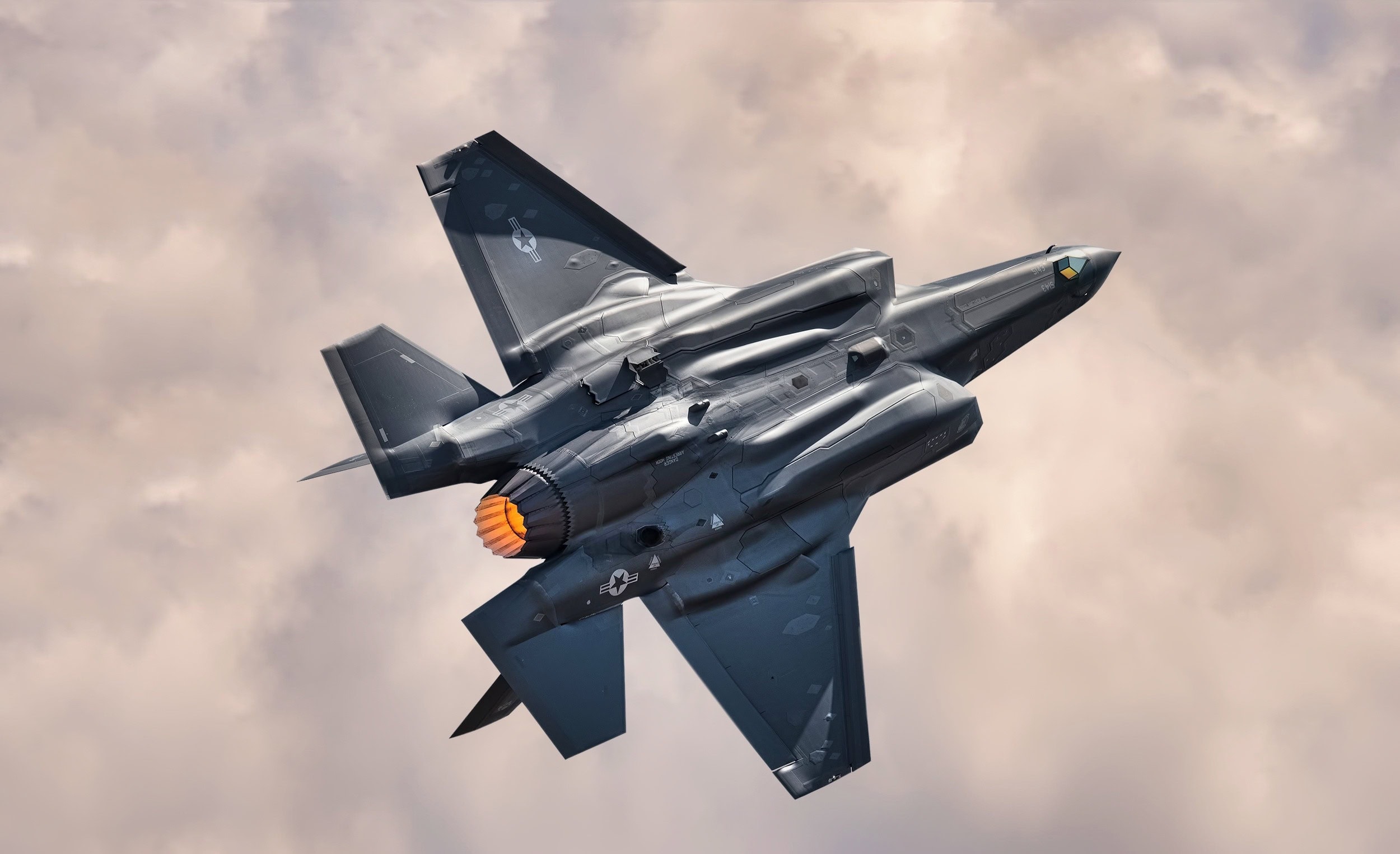
F-35 Fighter. Image Credit: Creative Commons.
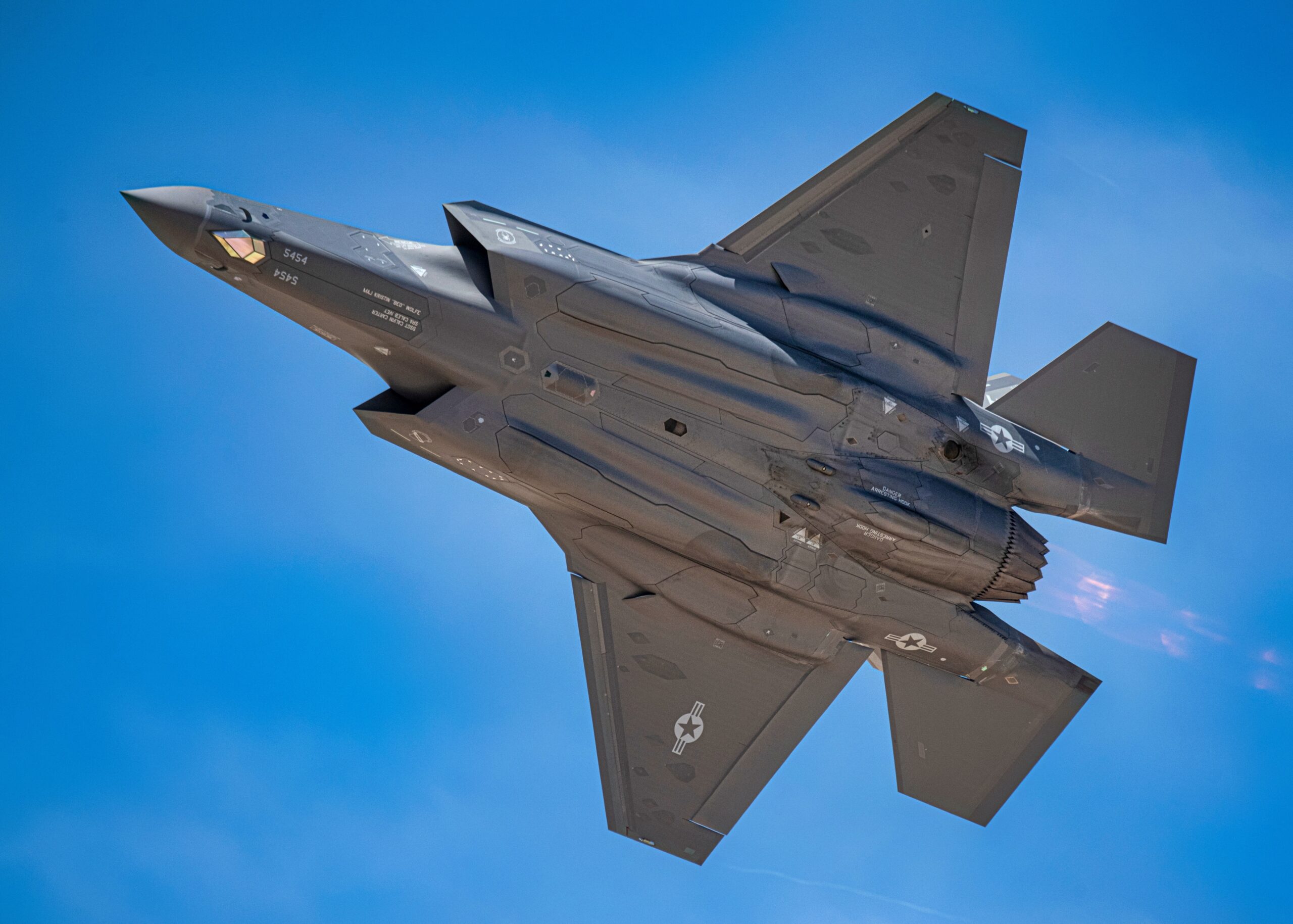
A U.S. Air Force F-35 Lightning II flies over Holloman Air Force Base, New Mexico, May 6, 2022. The F-35 Demonstration Team travels to shows around the country, as well as internationally, to highlight the combat capabilities of the F-35. The mission of the team is to recruit, retain and inspire. (U.S. Air Force photo by Senior Airman Jacob T. Stephens)
-The strategy centers on mastering subtests like Instrument Comprehension, excelling in the TBAS (Test of Basic Aviation Skills) coordination “game,” and logging up to 60 flight hours to maximize the selection algorithm’s favor.
The OTS Pilot Path: Navigating the Air Force’s Most Competitive Commissioning Source
Air Force pilots are commissioned through one of three sources: the Air Force Academy, ROTC, or OTS.
Of the three, OTS commissions the smallest number of pilots, as most pilot slots are earned through the academy and ROTC. Accordingly, earning a pilot slot to OTS is statistically difficult. I earned a pilot slot from the 15OT03 board.
As a civilian without access to the military or its culture, I found the application process opaque and unintuitive.
Selection rates at the time, owing to sequestration, were brutal—hovering between 0 and 10%. I was also applying as a somewhat non-traditional applicant, coming from a non-STEM background.
Anyways, I wanted to offer some insights into the application process. Applying from the outside is probably easier today, with the continued diffusion of information, and with the assistance of artificial intelligence—but I know the process can feel daunting.

U.S Air Force Captain Kristin “BEO” Wolfe, F-35A Lightning II Demonstration Team Commander, flies during a demonstration at the Oregon International Airshow in McMinnville, Ore., Aug. 20, 2022. The F-35 Demo team travels around the United States and around the world, showcasing the world’s most technologically advanced fifth-generation fighter jet. (U.S. Air National Guard photo by Master Sgt. John Winn)
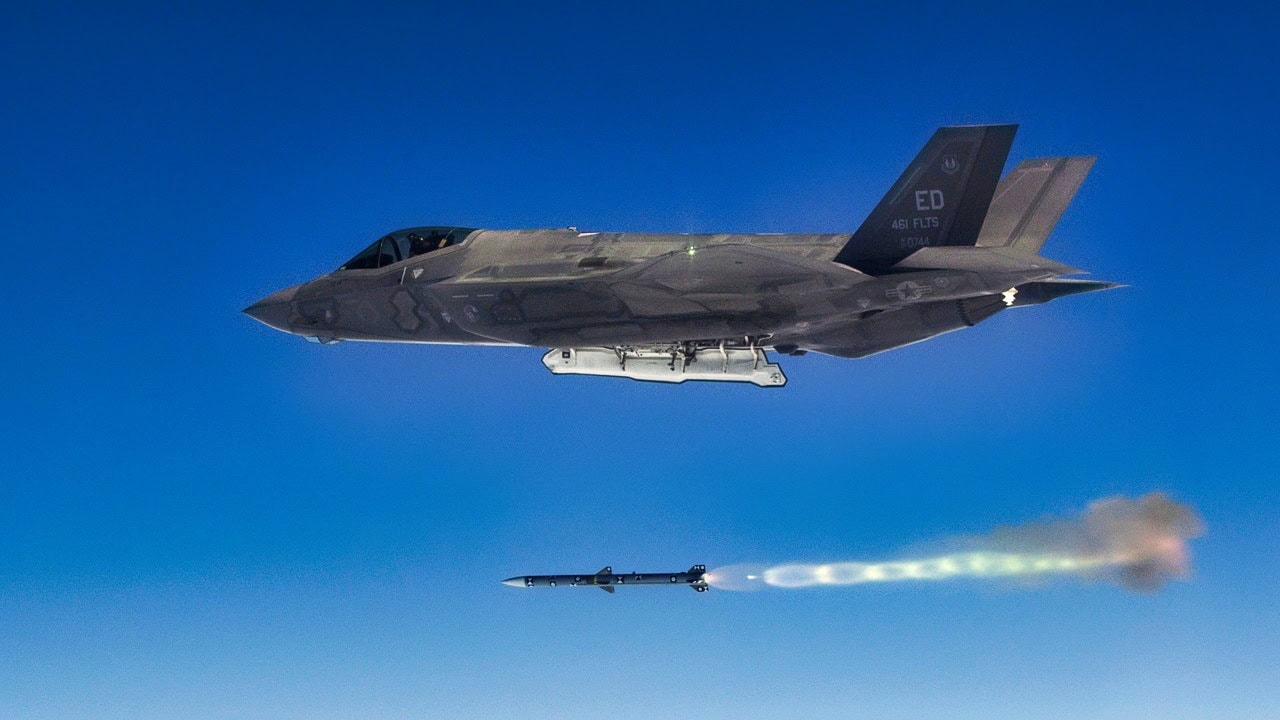
An Edwards AFB F-35A Lightning II fires an AIM-120 Advanced Medium-Range Air-to-Air Missile as part of Weapons Delivery Accuracy testing. The 461st Flight Test Squadron and F-35 Integrated Test Force completed WDA testing in early December, which concludes a large and important part of F-35 developmental test and evaluation. (Courtesy photo by Chad Bellay/Lockheed Martin)
I wanted to walk through some of the jargon and processes and encourage potential applicants to approach the process methodically, with confidence.
Get Your Grades Up
The first thing, naturally, is an undergraduate degree.
The higher your GPA, the higher your chances of selection. Also, selecting a major relevant to flight training will help your cause. Something in the STEM spectrum.
Of course, OTS is for post-graduate applicants, and many have finished their undergraduate studies before deciding to apply to OTS and may have failed to optimize their undergraduate records for OTS selection.
That’s okay. I was in that boat myself, with a sub 3.0 GPA and a History major.
If you have similar metrics, it is survivable—but you’ll need to compensate elsewhere.
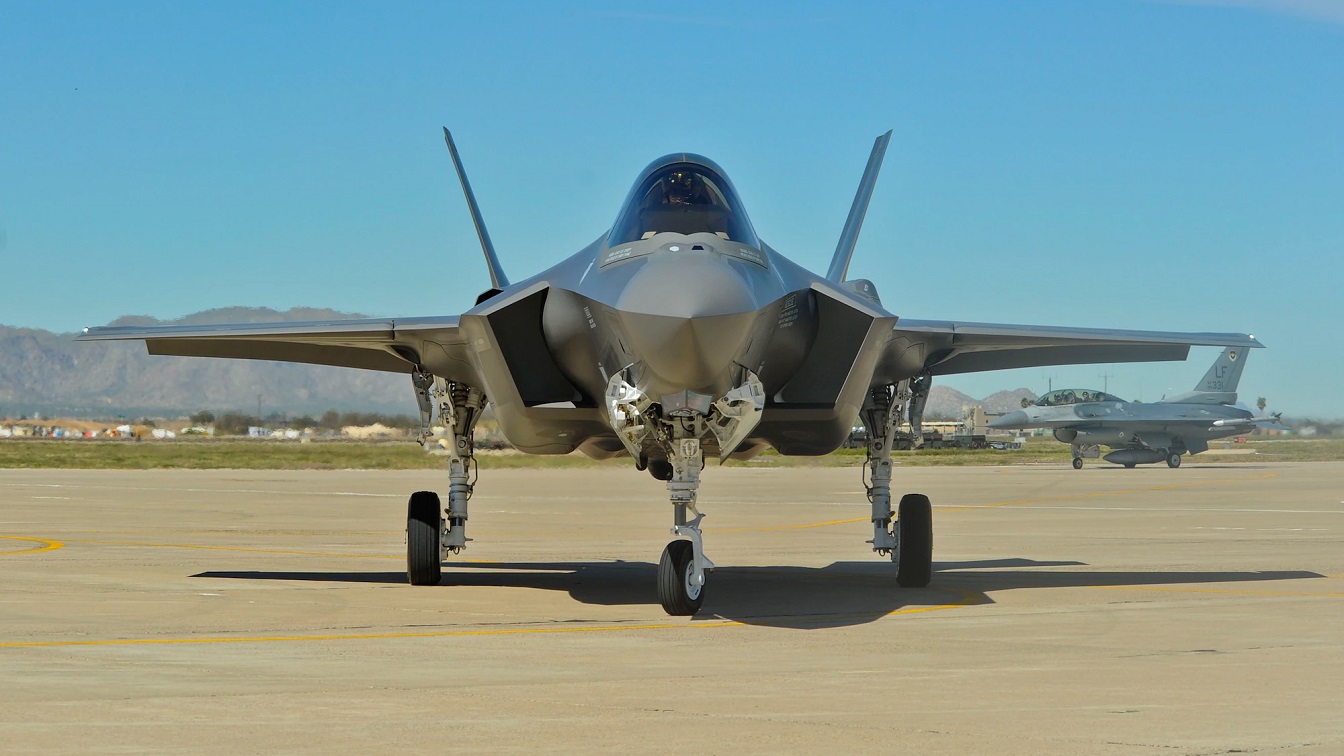
F-35 Stealth Fighter. Image Credit: U.S. Military.
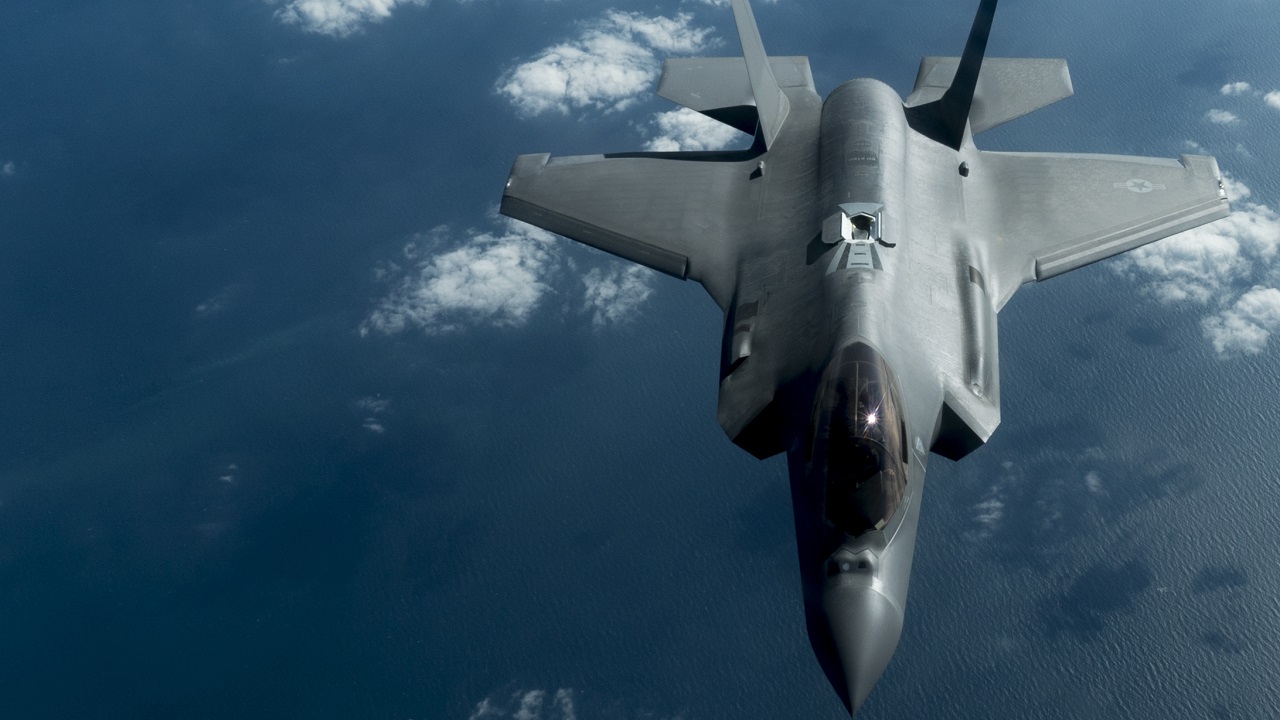
A U.S. Air Force F-35 Lightning II aircraft, assigned to the 34th Expeditionary Fighter Squadron, flies over the U.S. Central Command area of responsibility, Jan. 07, 2019. The Lightning II is a fifth-generation fighter, combining advanced stealth with fighter speed and agility that provides U.S. Air Forces Central Command lethal war-winning airpower. (U.S. Air Force photo by Senior Airman Brandon Cribelar)
Master the AFOQT
The first thing the Air Force recruiter will do is sign you up for the Air Force Officer Qualifying Test (AFOQT).
The AFOQT will determine whether you are worth the recruiter’s time. If you score poorly on the AFOQT, the recruiter may not proceed with the rest of your application.
So take your time, that is months, to prepare for the test and get it right. You can retake the test once, but it’s a four or five-hour slog, and I recommend knocking it out on the first shot.
The test consists of five scoring metrics (Pilot, CSO, Verbal, Quant, and Academic). The scores are assigned up to 99 and correlate literally with how you did relative to the field.
So a score of 99 means you scored better than 99 percent of the field and so forth.
To be selected for pilot on an OTS board, you’ll want pilot scores in the 80s or 90s. You can be selected with lower scores, but it’s more difficult.
The AFOQT consists of 12 subtests (from which the composite scoring metrics, like pilot etc, are derived). Many of the subtests are SAT-like, verbal, word knowledge, and arithmetic, etc.
You’ll know how to prepare for these. Take it seriously.
Apply more effort than you would for the SAT or GRE because the margins for acceptance or non-acceptance are much slimmer than in undergraduate or graduate school. The other subtests are more novel: aviation information, instrument comprehension, table reading, and block counting. To master these, hit repetition. Buy practice exams and hit these for weeks or months; do these until you have it dialed. These weird little subtests, like block counting, are easy to overlook. Don’t. The goal here is perfection.
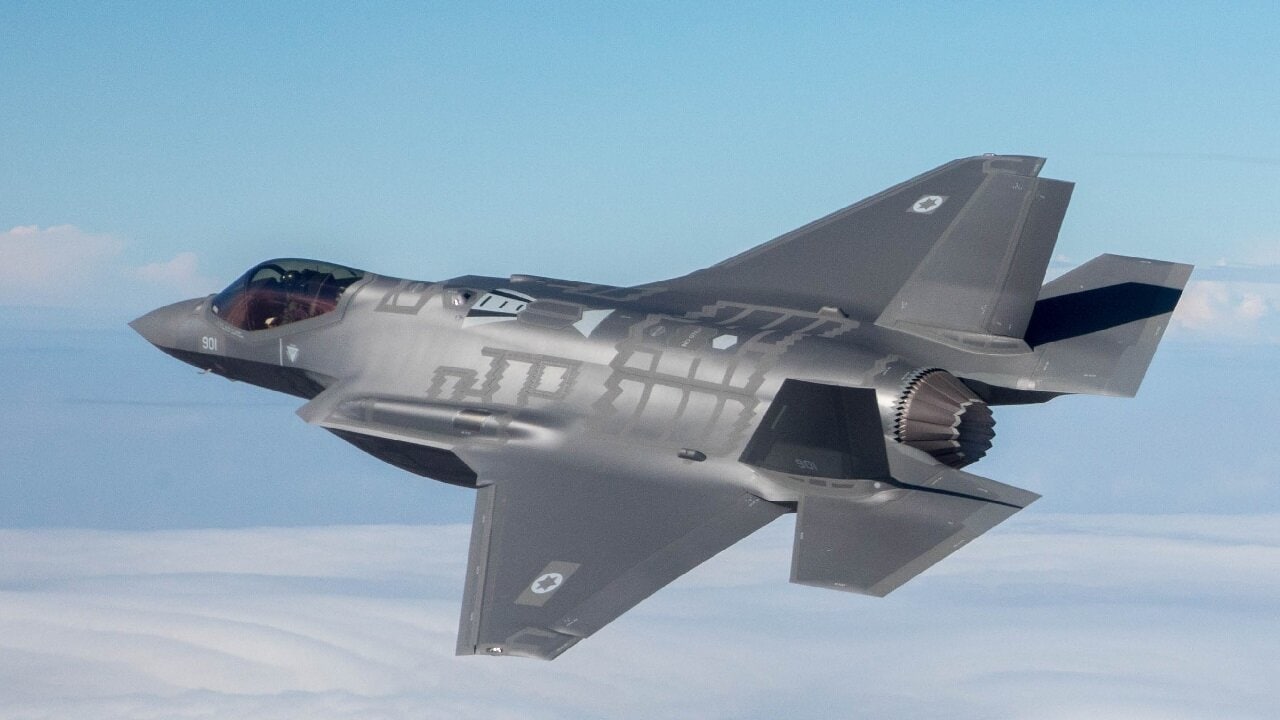
Israeli Air Force F-35I Adir stealth multi-role fighter.
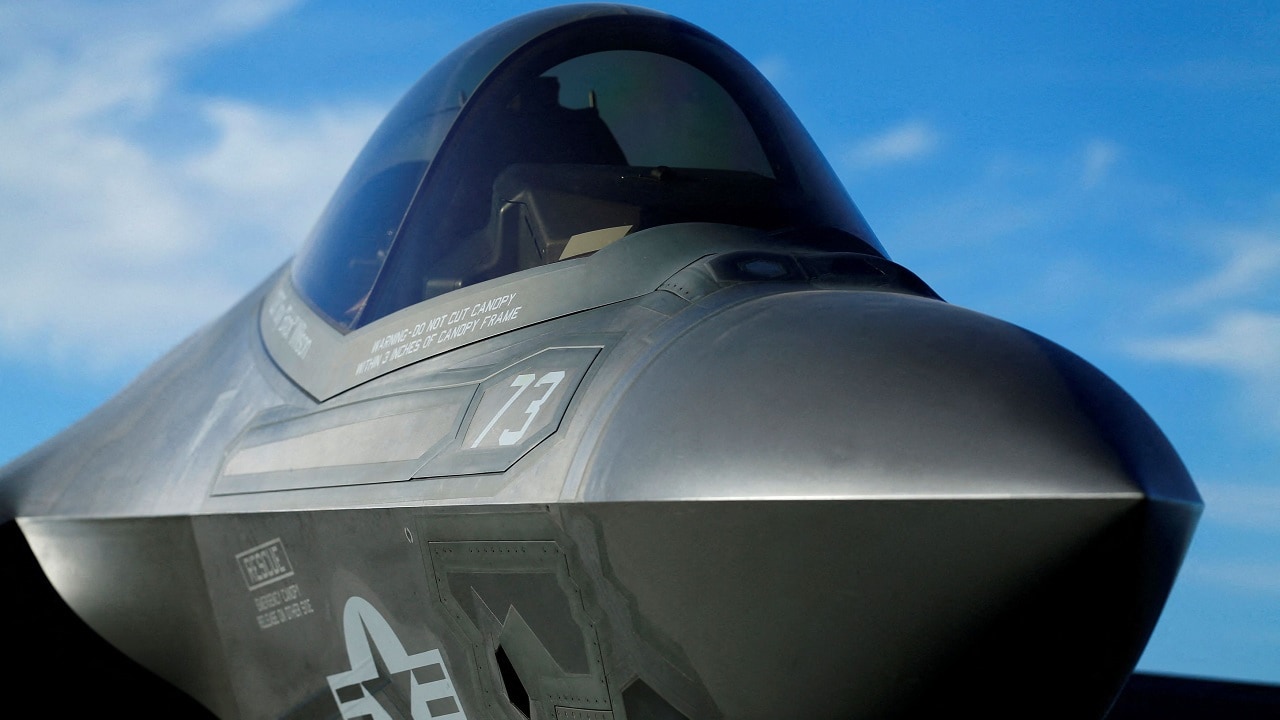
A Lockheed Martin Corp’s F-35C Joint Strike Fighter is shown on the deck of the USS Nimitz aircraft carrier after making the plane’s first ever carrier landing using its tailhook system, off the coast of California, November 3, 2014. REUTERS/Mike Blake (UNITED STATES – Tags: TRANSPORT MILITARY)/File Photo
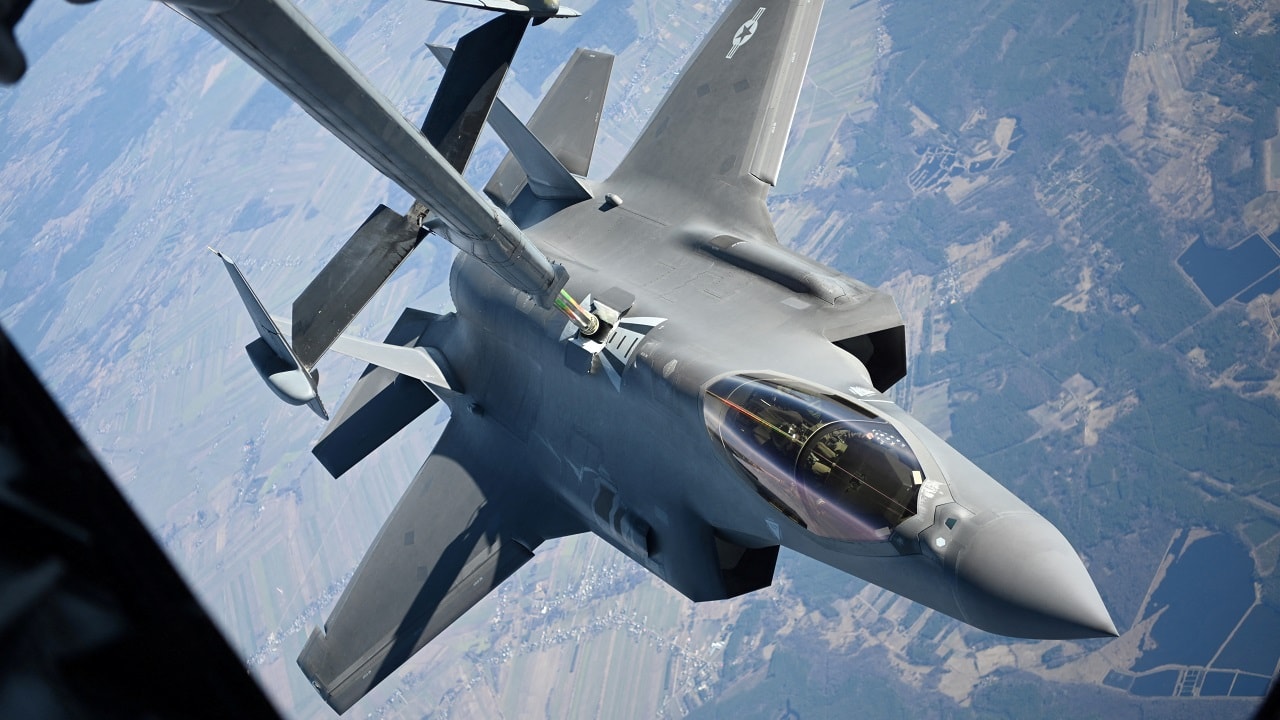
A U.S. Air Force F-35 Lightning II aircraft assigned to the 34th Fighter Squadron receives fuel from a KC-10 Extender aircraft over Poland, February 24, 2022. U.S. Air Force/Senior Airman Joseph Barron/Handout via REUTERS THIS IMAGE HAS BEEN SUPPLIED BY A THIRD PARTY. TPX IMAGES OF THE DAY
Understanding the PCSM
An important metric in your OTS application is your PCSM score, or Pilot Candidate Selection Method. The PCSM is a composite based on your AFOQT pilot score, your TBAS performance, and logged flight hours (up to 60). I’d like to give you some advice on the TBAS, but I don’t have much advice to give.
It’s a computer game that demands hand-eye-foot coordination. Playing computer-based flight simulators could help, I suppose, but it’s not a 1:1 translation. If you do use sims be sure to use a HOTAS and rudder pedals.
The second part of the TBAS, following the computer game bit, is a directional awareness test. If I remember correctly, the closest equivalent to this is the set of directional awareness/instrument comprehension questions in your AFOQT prep. Hit these hard; you can master these with reps, but if you’re going in cold, they can trip you up.
To improve my PCSM score, I logged flight hours. Obviously, the flight hours helped algorithmically, as they plug directly into your PCSM and raise the score—but the benefit is actually two-fold in that flight hours read well on your CV, which the selection board will evaluate.
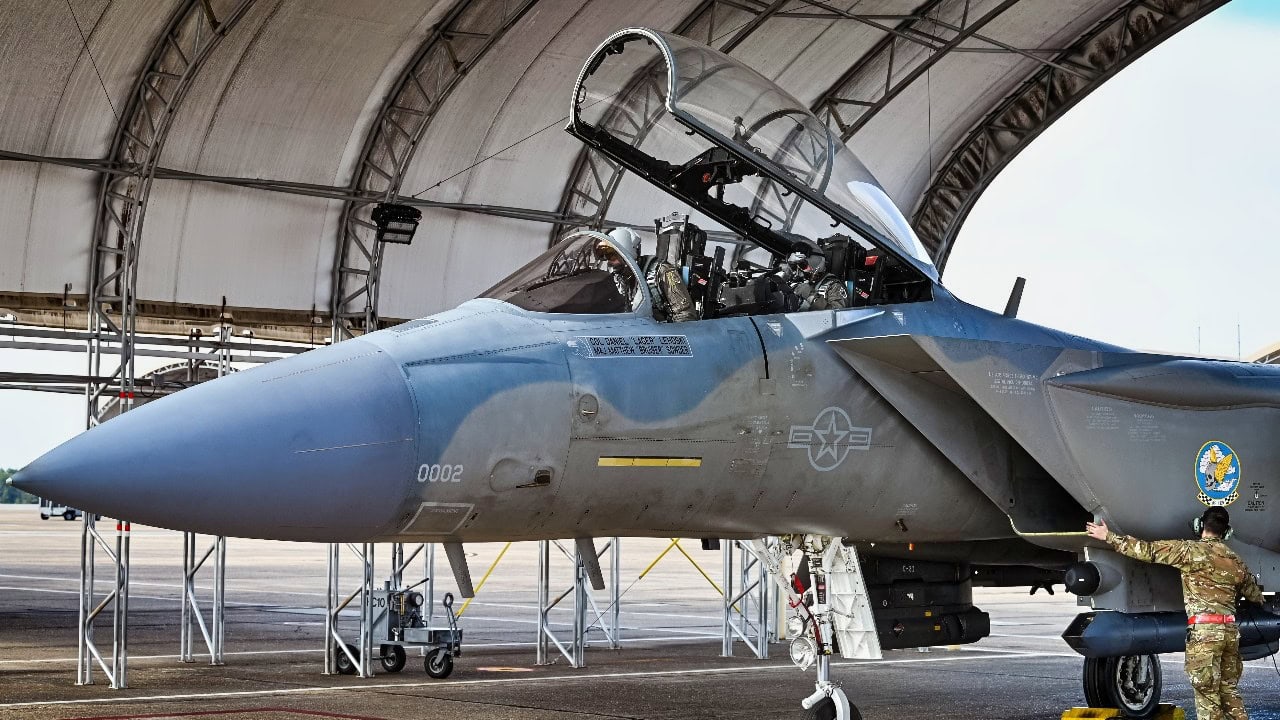
U.S. Air Force Maj. Aaron Eshkenazi, F-15EX Test Director for the 84th Test and Evaluation Squadron, performs preflight procedures for the F-15EX with Lt. Gen. Michael Koscheski, deputy commander of Air Combat Command, at Eglin Air Force Base, Florida, January 29, 2025. During his visit, Koscheski gained valuable insights from the 84th TES and 85th TES to help inform future decisions regarding the platform. The future F-15 fleet will complement 5th generation aircraft, bringing substantial additional capacity for over-sized long-range fires, sensors, and electronic warfare capabilities to defend critical locations in highly contested areas. (U.S. Air Force photo by 1st Lt. Rebecca Abordo)
I went all the way to a PPL, which boosted my PCSM and signaled my seriousness about my application.
I didn’t have the money to pay for a PPL at the time, so I took out a loan. This isn’t an option for everyone, understandably; I wouldn’t necessarily recommend it.
But if you’re all maxing out the flight training. It tells the board you’re not messing around.
About the Author: Harrison Kass
Harrison Kass is an attorney and journalist covering national security, technology, and politics. Previously, he was a political staffer and candidate, and a US Air Force pilot selectee. He holds a JD from the University of Oregon and a master’s in global journalism and international relations from NYU.