
What It Takes to Become An Air Force Pilot From Someone Who Was Involved in the Process First Hand
I recently wrote offering practical advice on being selected for a US Air Force pilot slot through OTS, covering the AFOQT, TBAS, PBSM, PPL, etc.
I’d like to continue here, offering insights I didn’t cover in part one—because the selection process isn’t merely about the raw numbers; GPA, AFOQT, and flight hours alone won’t necessarily get you selected. Here’s what else to consider.
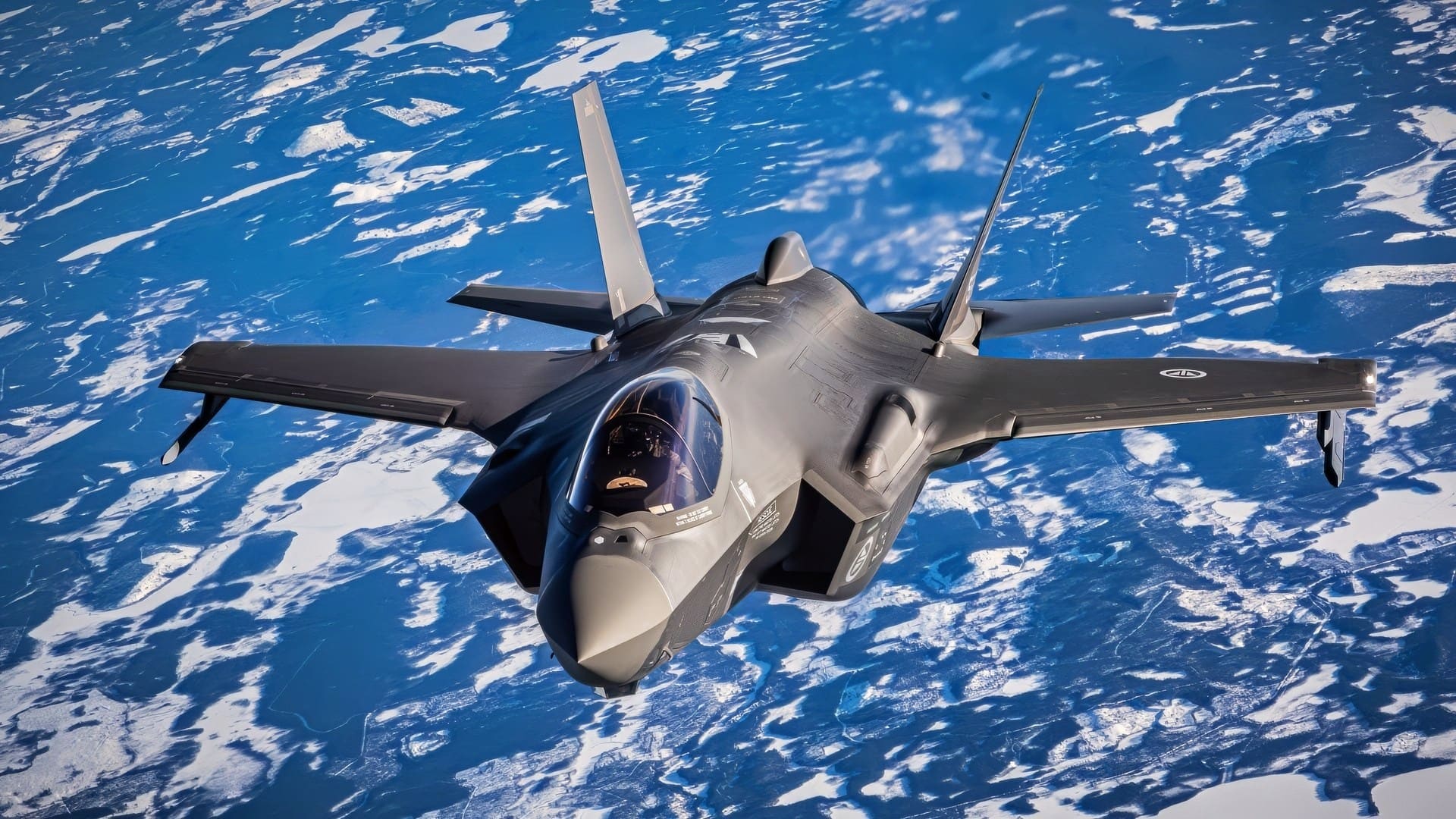
A Norwegian F-35 Lightning II closes the gap to receive fuel from a KC-135 Stratotanker assigned to the 101st Air Refueling Wing during Nordic Response 24, March 11, 2024. The MAINEiacs are staged at RAF Mildenhall, England, to take part in the Norwegian-led exercise taking place in Norway, Sweden and Finland. Exercises like NR24 solidify operational and tactical relationships; synchronizing tactics, techniques and procedures; and strengthen bonds among U.S., Norwegian and Allied and partner forces.
Whole Person Concept
The selection board evaluates applicants on a “whole person” concept. As the term implies, it’s a holistic approach to evaluating a person beyond test scores. To gauge someone holistically, the Air Force relies on interviews, letters of recommendation, and your CV.
Round Out your CV
Round out your CV in the way you might when applying for an undergraduate program. Participate in extracurriculars, volunteer, and get involved.
Do this in undergraduate if still possible and do it as a post-graduate in the real world.
But don’t overdo it. No one has the time to meaningfully participate in twenty extracurricular groups and activities. Pick one or two and do it authentically.
Participating in groups/extracurriculars with military associations, or an intuitive connection to the Air Force, probably bolsters your application, but no need to overthink it. I played hockey and worked as a radio DJ in college.
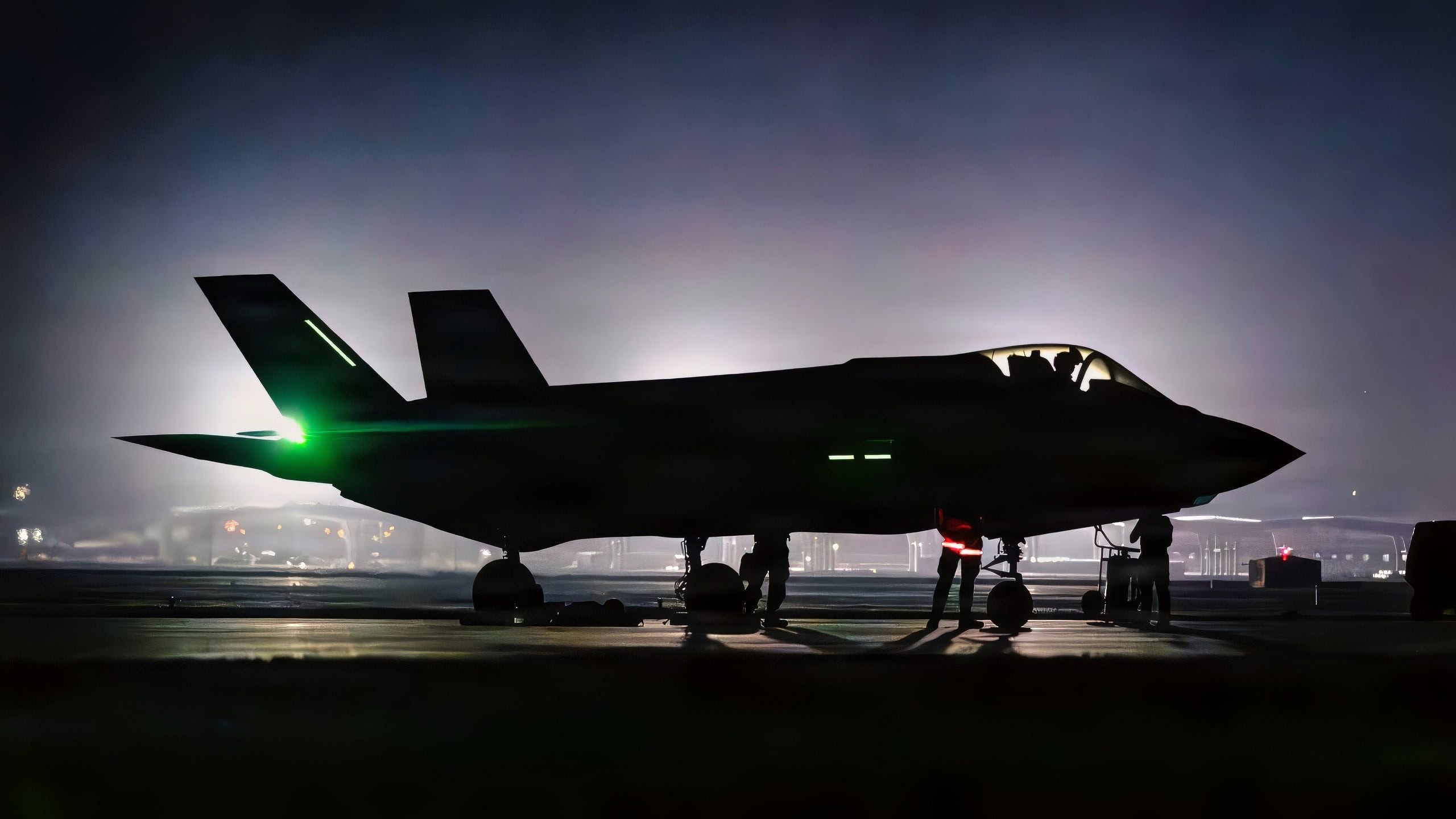
A U.S. Air Force F-35A Lightning II assigned to the 95th Fighter Squadron is parked on the flightline during exercise Noble Panther 26-4 at Tyndall Air Force Base, Florida, March 9, 2026. Airmen participated in night sorties, requiring them to perform their tasks in low-light conditions while staying watch for potential simulated attacks. These high-intensity, realistic scenarios were designed to build the confidence and muscle memory required for combat operations. (U.S. Air Force photo by Senior Airman Zeeshan Naeem)
After college, I volunteered at an animal hospital. Just follow your interests—the selection board can likely sense BS.
Similarly, get a job. The significance of the work you’re doing when you apply reflects on your capabilities. It also suggests you have options; if you are applying to the Air Force, despite having a viable career path and a worthwhile employment opportunity, the implication is that you are serious about joining the Air Force, rather than going military as a last resort.
Interviews
The Air Force will conduct an interview as part of your application. I applied twice and had two interviews (one per application).
My interview experiences differed significantly, meaning you’re likely to encounter a range of options.
My first interview was in person with a guy who perceived himself (accurately) as a filtering mechanism. He was skeptical from the onset, pleasant enough, but not exactly facilitating.
I don’t know what his official notes or recommendations stemming from the interview were, but I didn’t get the sense he gave me much of an endorsement.
My second interview was by phone with a guy who seemed to be trying to help me through the process successfully. I preferred the second experience.
While different in tone and texture, each interview did feature a consistent line of questioning.
Mostly what you would expect. Why do you want to join the Air Force?
Remember, the Air Force is looking for leaders first, pilots second. Tailor your answers accordingly.
This portion of the application also serves as a “cockpit test.”
The Air Force is gauging whether you are someone they would want to sit in a crammed B-2 cockpit with for a 36-hour round-trip mission to Iran and back.
Personal Essay
Same as college. The selection board wants a personal essay. Again: the Air Force is looking for leaders first, pilots second. So don’t write about how much you enjoy spin training in your 172.
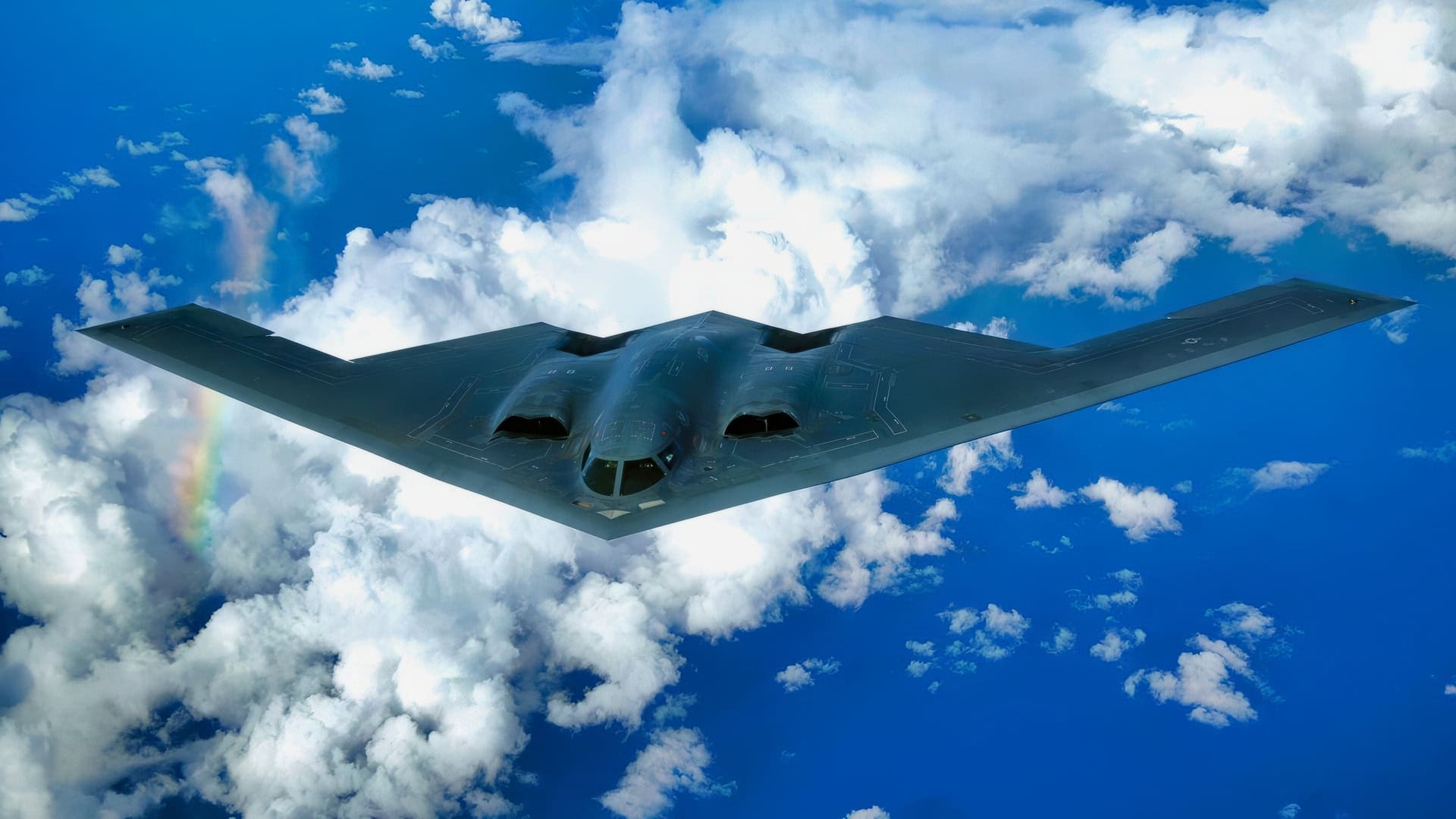
A B-2 Spirit soars after a refueling mission over the Pacific Ocean on Tuesday, May 30, 2006. The B-2, from the 509th Bomb Wing at Whiteman Air Force Base, Mo., is part of a continuous bomber presence in the Asia-Pacific region. (U.S. Air Force photo/Staff Sgt. Bennie J. Davis III)
Write an essay that suggests you’re capable of leading airmen into combat; that you understand the stakes of high-pressure decision making; of the responsibility of piloting a $200 million machine packed with top secret technology; that you’re someone the Air Force could place in the custody of nuclear weapons.
Letters of Recommendation
Same as college. The selection boards want letters of recommendation. I have reservations about LORs being used, generally, because not everyone has access to their dad’s friend, the judge, or general.
This is a portion of the application that falls beyond someone’s abilities or track record—but it exists nonetheless, so let’s consider.
Obviously, you’ll need to find the balance between someone who knows you well and can speak intimately about who you are and why you’re fit to serve, and someone who has maximum credibility.
Having a LOR from a general or admiral won’t mean as much if they clearly don’t know you.
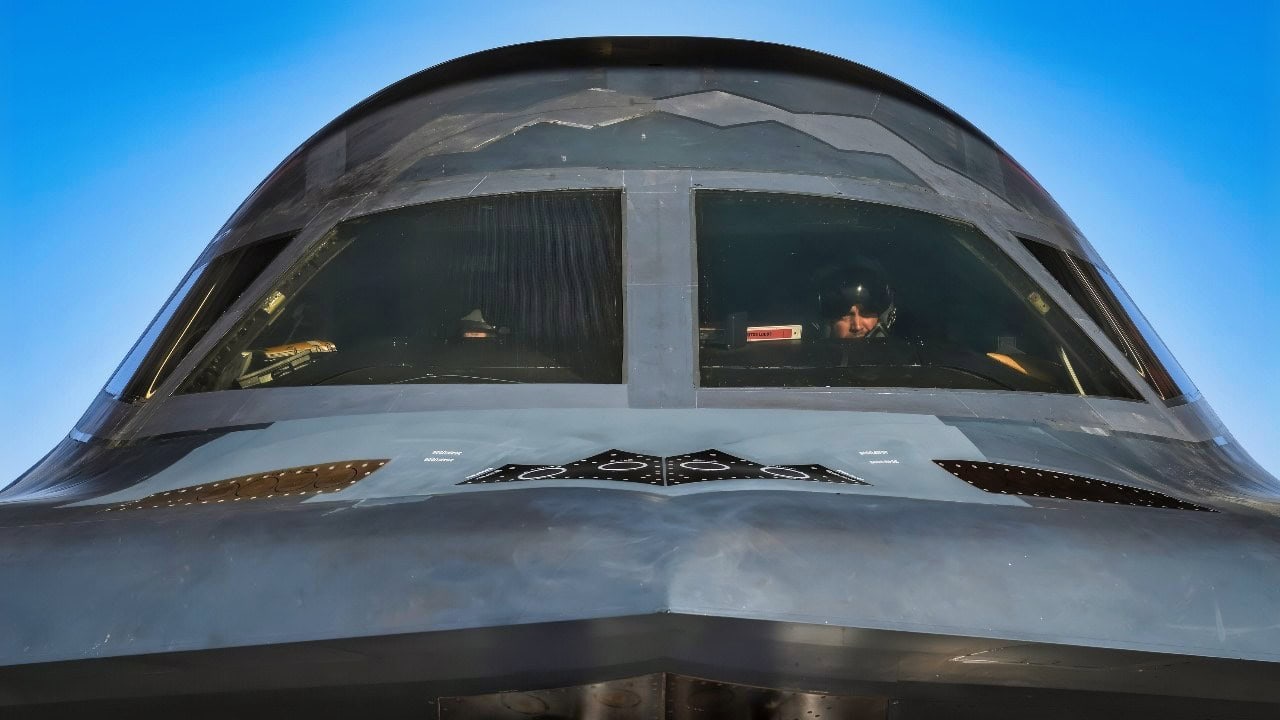
A U.S. Air Force B-2 Spirit aircrew performs pre-flight checks in the cockpit of their aircraft at Whiteman Air Force Base, Missouri, March 8, 2020. The B-2 took off from Whiteman AFB to support U.S. Strategic Command Bomber Task Force operations in Europe. The 131st Bomb Wing is the total-force partner unit to the 509th Bomb Wing. (U.S. Air Force photo by Tech. Sgt. Alexander W. Riedel)
Similarly, having an LOR from your best friend, glowing and comprehensive, won’t mean much because your friend doesn’t have the credibility to gauge your abilities objectively.
This is all intuitive.
Just find the balance. Teachers, coaches, bosses. If you’re fortunate enough to have connections in the military community, great, use them.
No one has more credibility in the military community than members of the military community.
About the Author: Harrison Kass
Harrison Kass is an attorney and journalist covering national security, technology, and politics. Previously, he was a political staffer and candidate, and a US Air Force pilot selectee. He holds a JD from the University of Oregon and a master’s in global journalism and international relations from NYU.