
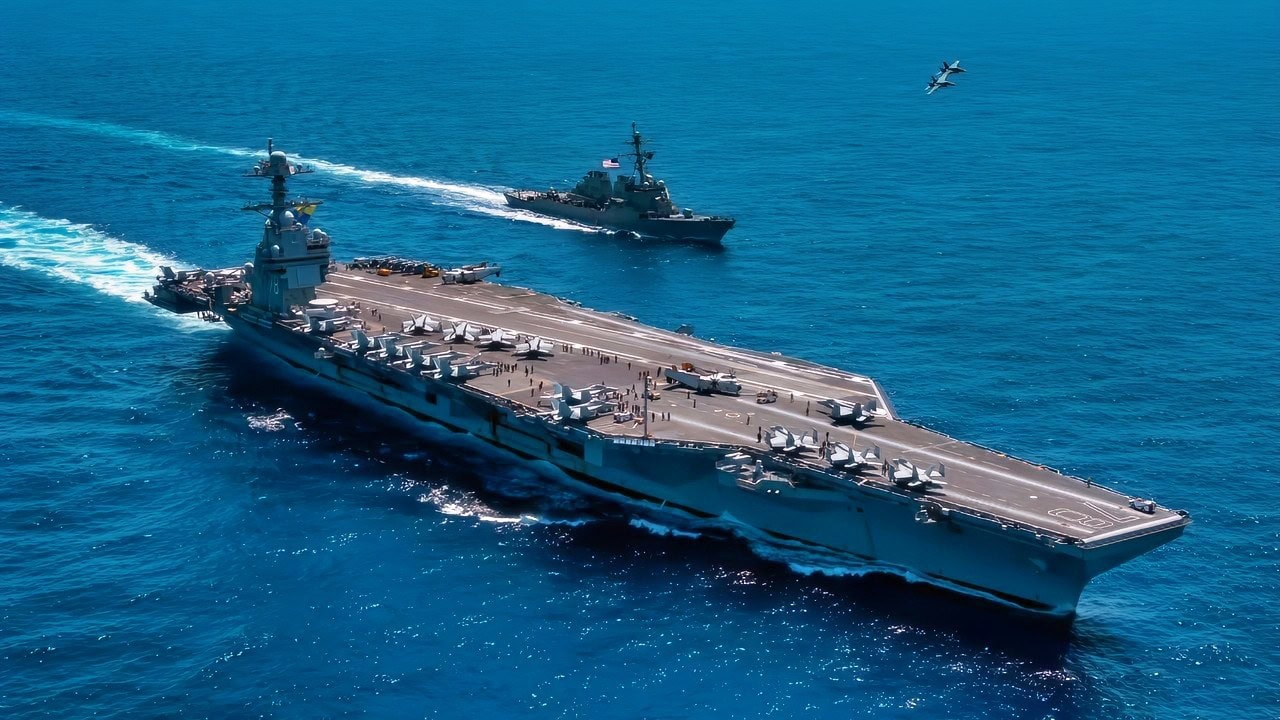
Summary and Key Points: Senior fellow Dr. Michael Rubin evaluates the 2026 Strait of Hormuz crisis, characterizing the Iranian blockade as an act of extortion rather than a permanent strategic shift.
-As of March 13, 2026, attacks on vessels like the Safesea Vishnu near al-Fao have driven oil over $100.00/barrel, yet Rubin highlights Iran’s critical reliance on imported refined gasoline.
-This report analyzes the potential for a “no-fly, no-drive zone” over Iranian islands and the role of Gulf Cooperation Council (GCC) drones in destroying the IRGC’s speedboat fleet.
-Rubin concludes that U.S. leadership must focus on the long game to eradicate the threat permanently.
Stop the Panic Over Closure of Strait of Hormuz
Oil is again over $100 per barrel, gasoline prices have risen up to 40 cents a gallon at the pumps, and the Iranians released a statement in Mojtaba Khamenei’s name declaring, “for certain, the leverage of blocking the Strait of Hormuz should continue to be used.”
Iranian forces have attacked 16 tankers in the Strait and Persian Gulf since the war began on February 28, 2026.
On March 11-12, suicide drone speed boats attacked the Marshall Islands-flagged Safesea Vishnu and the Malta-flagged Zefyros, setting them ablaze. While much of the media conflated this attack with the Hormuz closure, it was actually 350 miles away, close to the Iraqi port of al-Fao.
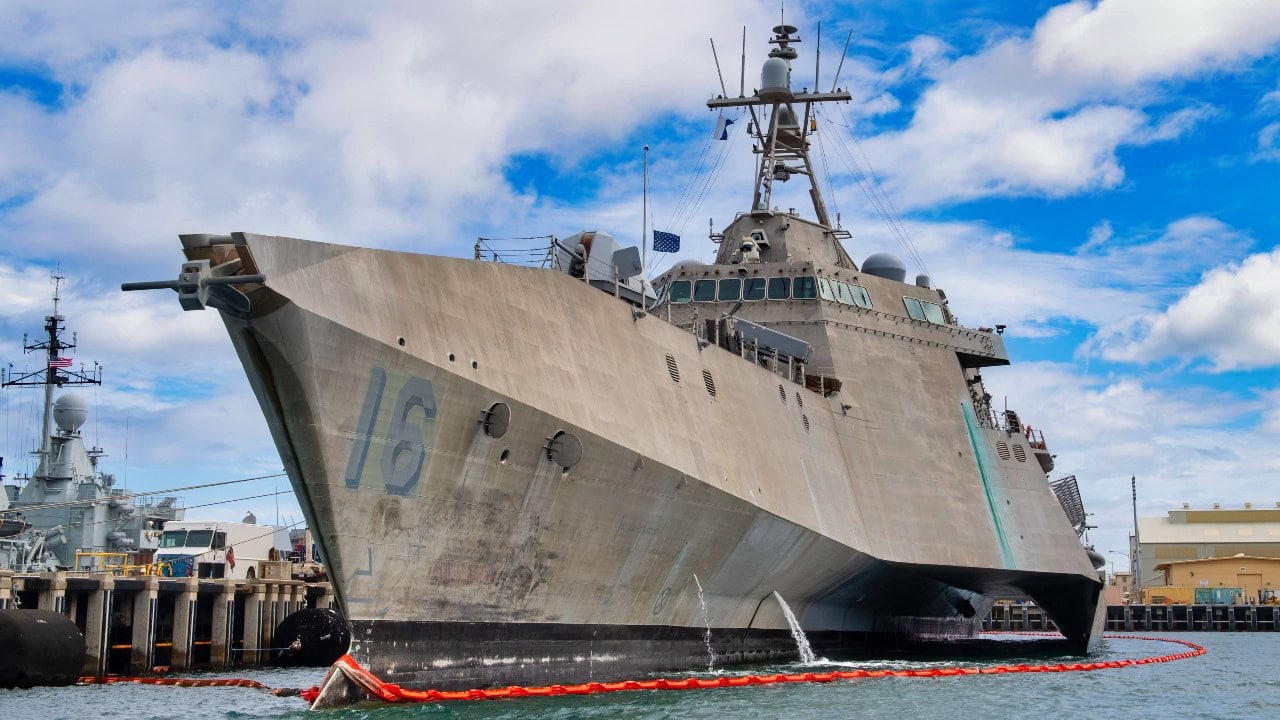
(July 7, 2022) – Independence-variant littoral combat ship USS Tulsa (LCS 16) moored at Joint Base Pearl Harbor-Hickam during Rim of the Pacific (RIMPAC) 2022. Twenty-six nations, 38 ships, four submarines, more than 170 aircraft and 25,000 personnel are participating in RIMPAC from June 29 to Aug. 4 in and around the Hawaiian Islands and Southern California. The world’s largest international maritime exercise, RIMPAC provides a unique training opportunity while fostering and sustaining cooperative relationships among participants critical to ensuring the safety of sea lanes and security on the world’s oceans. RIMPAC 2022 is the 28th exercise in the series that began in 1971. (U.S. Navy photo by Mass Communication Specialist 3rd Class Demitrius J. Williams)
Some analysts say oil could spike to $200 a barrel. The Foundation for Defense of Democracy’s Mark Dubowitz, long an advocate for regime change, even tweeted, “success would be a militarily decisive victory that leaves the regime in place—but with its deadly capabilities severely degraded,” at least in the short-term.
The Strait of Hormuz Crisis: Reasons Not To Panic
But this Iranian play is nothing new, and panic is unwarranted.
The Islamic Revolutionary Guard Corps first sought to close the Strait of Hormuz, mining both it and the Gulf of Oman four decades ago. President Ronald Reagan responded by reflagging Kuwaiti tankers and, when the U.S. guided-missile frigate Samuel B. Roberts hit a mine, blowing a 15-foot hole in its hull, injuring ten sailors. In response, Reagan ordered Operation Praying Mantis, destroying two oil platforms, sinking Iranian naval ships, and Revolutionary Guards’ speedboats.
A joke from shortly after asked why the Iranian navy had purchased glass-bottom boats. The answer? So they could see their air force.
Oil prices surged but then dropped quickly about two weeks later, on one day falling by 5%.
Iran Can’t Sustain Such a Strategy
Iran’s ability to sustain closure is short for two reasons. First, Iran has relied on imports of refined gasoline for decades due to its own lack of investment in its refineries and pipeline networks.
If the closure lasts much longer, the Islamic Revolutionary Guard Corps’ vehicles will run out of fuel. The clock is ticking, and the men controlling Mojtaba’s avatar simply hope Washington will kneecap itself with a vortex of panic and political warfare rather than assess the facts objectively.
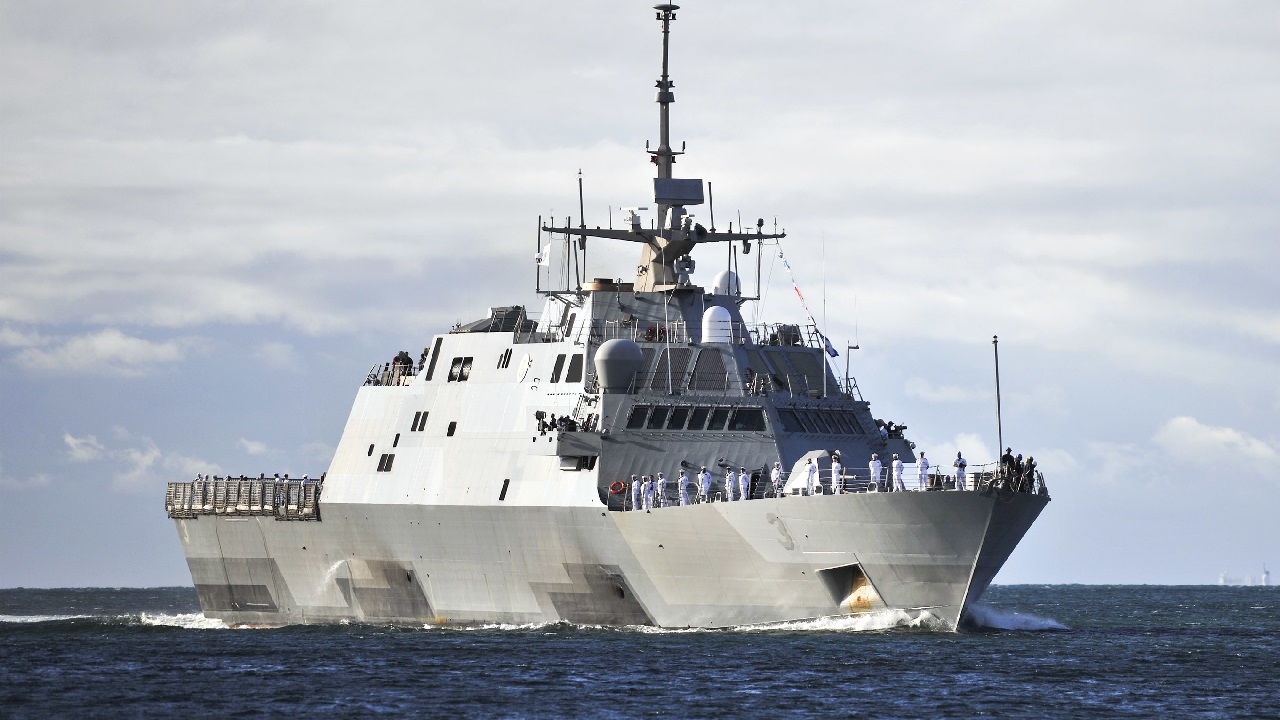
The littoral combat ship USS Fort Worth (LCS 3) arrives to Joint Base Pearl Harbor-Hickam for a scheduled port visit. Fort Worth deployed for a scheduled 16-month rotational deployment to Singapore in support of the Navy’s strategic rebalance to the Pacific. Fort Worth is the first littoral combat ship to deploy under the 3-2-1 manning concept, swapping fully trained crews roughly every four months and extending the littoral combat ship forward presence. (U.S. Navy photo by Mass Communication Specialist 2nd Class Diana Quinlan/Released)
Iran has a limited number of ports, even including the Islamic Revolutionary Guard Corps’ “invisible jetties.” Iranian docks, jetties, and ships are fair targets. Just as the war has depleted the regime’s missiles and drones, it should now destroy its speedboat fleet, a task in the 21st century for drones.
The Gulf Cooperation Council was formed in 1981 to contain and deter Iran’s Islamic Revolution. Ironically, it never coalesced in more than theory until this month, when the Iranian regime began attacking every Gulf Arab state, including Qatar and Oman, both of which professed neutrality but had long sympathized with Tehran. Utilizing drones and its own manned fighter-jet fleet would be a natural mission for each Gulf state, each of which has an interest in preserving its own freedom of navigation. The Emiratis especially have the capability and motive, given Iran’s attacks on Dubai as well as Iranian occupation of Persian Gulf islands claimed by the United Arab Emirates.
U.S. authorities should clear every island in the Persian Gulf from which the regime targets shipping. This means not only the three disputed islands—Abu Musa, Greater Tonb, and Lesser Tonb—but also Farsi Island from which the regime once seized U.S. sailors, Sirri; and Hengam, Larak, and Hormuz, islands which control the sea lanes off the more populated Qeshm Island.
Why Some Troops on the Ground Could Help
While Trump does not want to put boots on the ground, he might announce that the Revolutionary Guard units on the islands have 24 hours to evacuate, after which the United States will conclude that any forces and population remaining on the islands are hostile forces subject to carpet bombing. While Trump opposes boots on the ground, subduing and controlling the islands could be a mission for the U.S. Special Forces.
How To Make Iran Pay
Beyond attacking speedboats and their docks, other targets might include the fuel the Islamic Revolutionary Guard Corps relies on. Diesel and gasoline storage at Iranian ports is limited, and Iranian forces are not well-positioned to replenish them.
Iranian drones, of course, will also pose a problem, but the Iranian drone fleet is not monolithic. The Islamic Republic uses its over-the-horizon, long-range, and long-endurance drones to attack Israel, the United Arab Emirates, or Saudi Arabia; it reserves its older models for short-range operations that sometimes cannot even operate beyond line-of-sight.
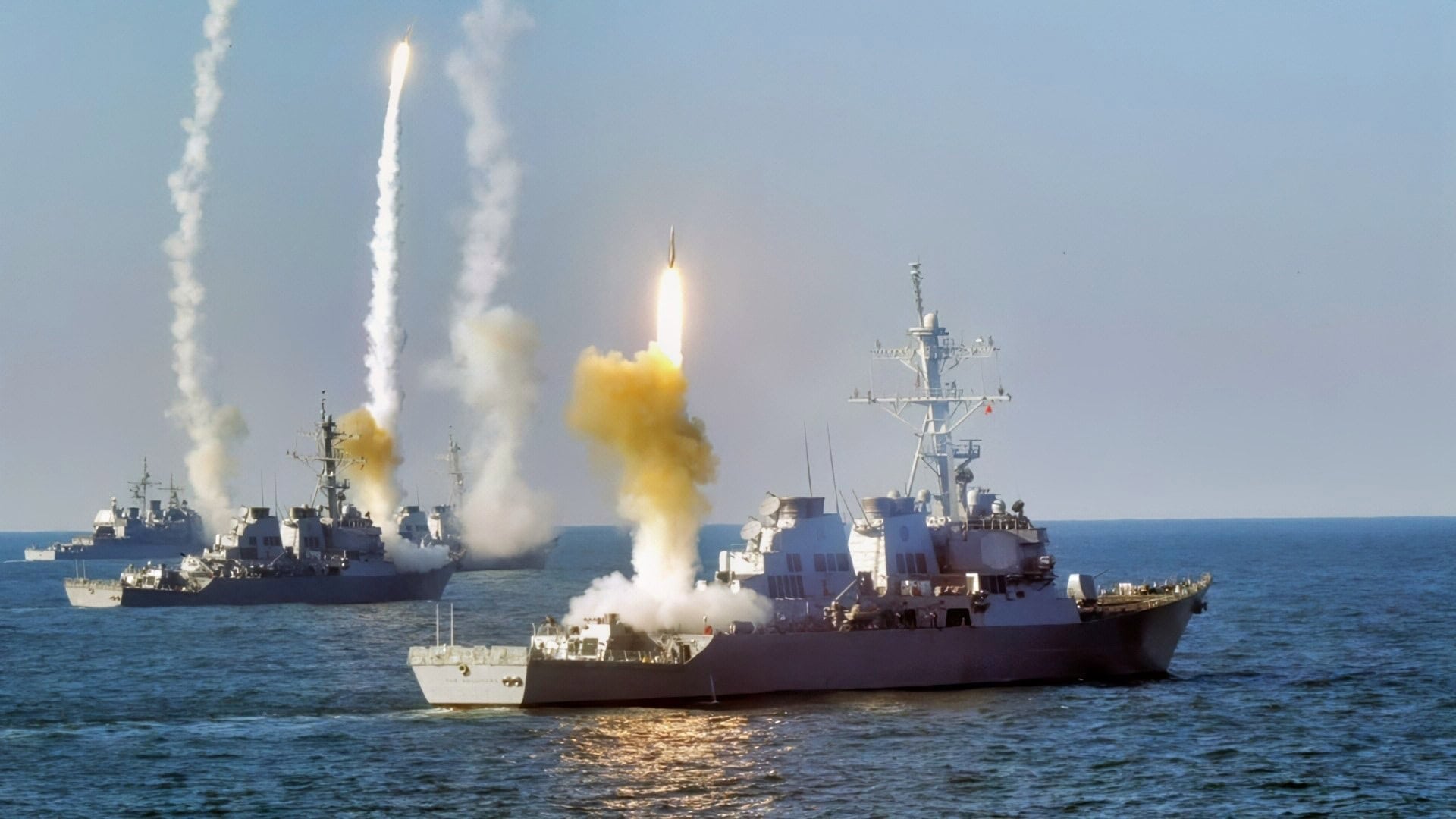
Arleigh Burke Class Destroyer US Navy. Image Credit: Creative Commons.
This means operations along a relatively narrow strip of land could significantly reduce the drone threat. Previously, President Donald Trump called on Iranian officials to defect. He should now declare a no-fly, no-drive zone extending over every Iranian island and five miles inland along Iran’s Persian Gulf coast to continue until the regime stops attacking shipping.
Leadership requires attacking the problem head-on and eradicating it, rather than engaging in workarounds that can do more harm than good. The Department of the Treasury’s decision to offer waivers for India to purchase Russian oil not only allows Russia to fuel another war but also creates a moral hazard that could see Russia—or other adversaries in the future—support proxies interfering in energy trade to profit themselves.
The Strait of Hormuz Problem Is One That Will Be Solved
The closure of the Strait of Hormuz is a problem, but not one that is either permanent or on the same level as the Islamic Republic’s nuclear, missile, and drone program, or its support for proxies.
America in the age of TikTok is prone to political panic. Some senators might want to score points, but Trump should focus on the long game.

The guided missile destroyer USS Laboon arrives for a routine port visit to the island of Crete. Laboon is on a scheduled six-month deployment in support of Standing NATO Maritime Group (SNMG) 2 and is conducting operations in support of Operation Active Endeavor. Active Endeavor operates in the Mediterranean Sea and is designed to prevent the movement of terrorists or weapons of mass destruction as well as to enhance the security of shipping in general. U.S. Navy photo / Paul Farley.
Just like those who criticized the arrest of Panamanian dictator Manuel Noriega or objected to the liberation of Kuwait, those who seek to cave to Iranian extortion will find their statements and reputations do not age well.
About the Author: Dr. Michael Rubin
Michael Rubin is a senior fellow at the American Enterprise Institute and director of policy analysis at the Middle East Forum. The opinions and views expressed are his own. A former Pentagon official, Dr. Rubin has lived in post-revolution Iran, Yemen, and both pre- and postwar Iraq. He also spent time with the Taliban before 9/11. For more than a decade, he taught classes at sea on the Horn of Africa and the Middle East, covering conflicts, culture, and terrorism to deployed US Navy and Marine units. The views expressed are the author’s own.