
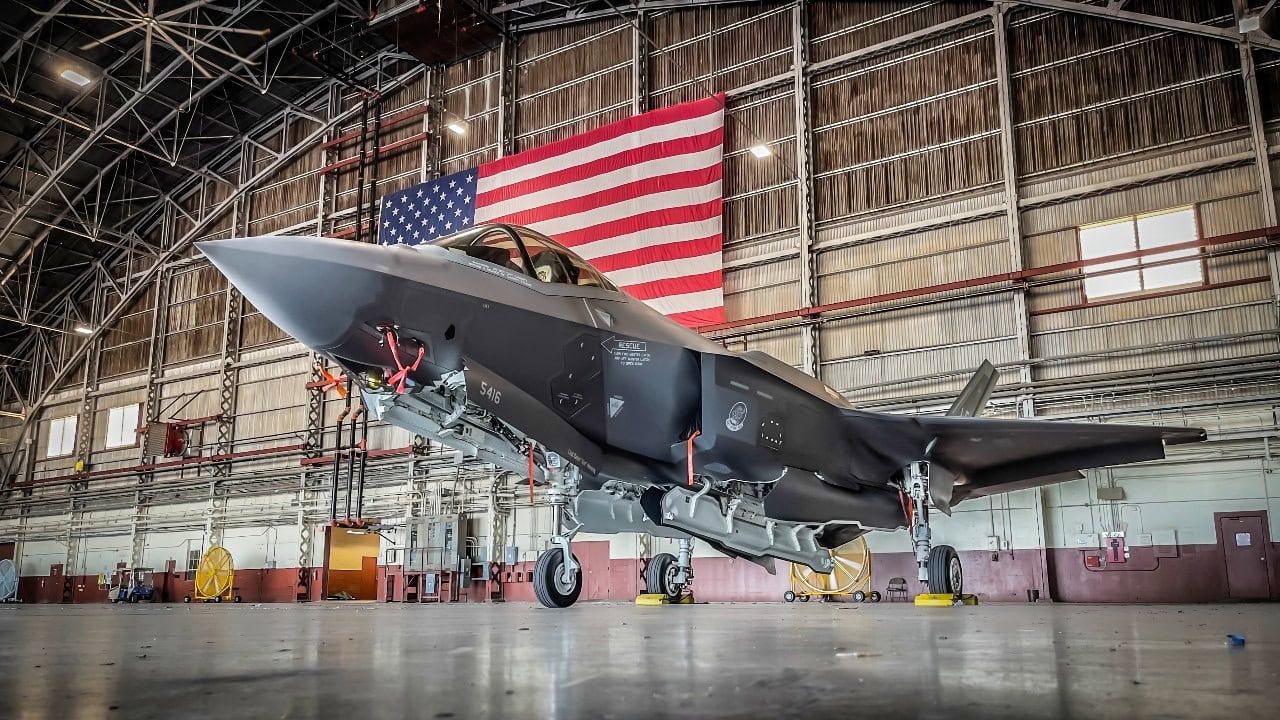
Summary and Key Points: Dr. Andrew Latham, a political theory expert and professor, evaluates the strategic aftermath of Operation Epic Fury in Iran in March 2026.
-While U.S. and Israeli strikes have successfully “badly degraded” Iran’s nuclear enrichment capacity and long-range missile forces, Latham analyzes the potential for the IRGC to consolidate domestic power.
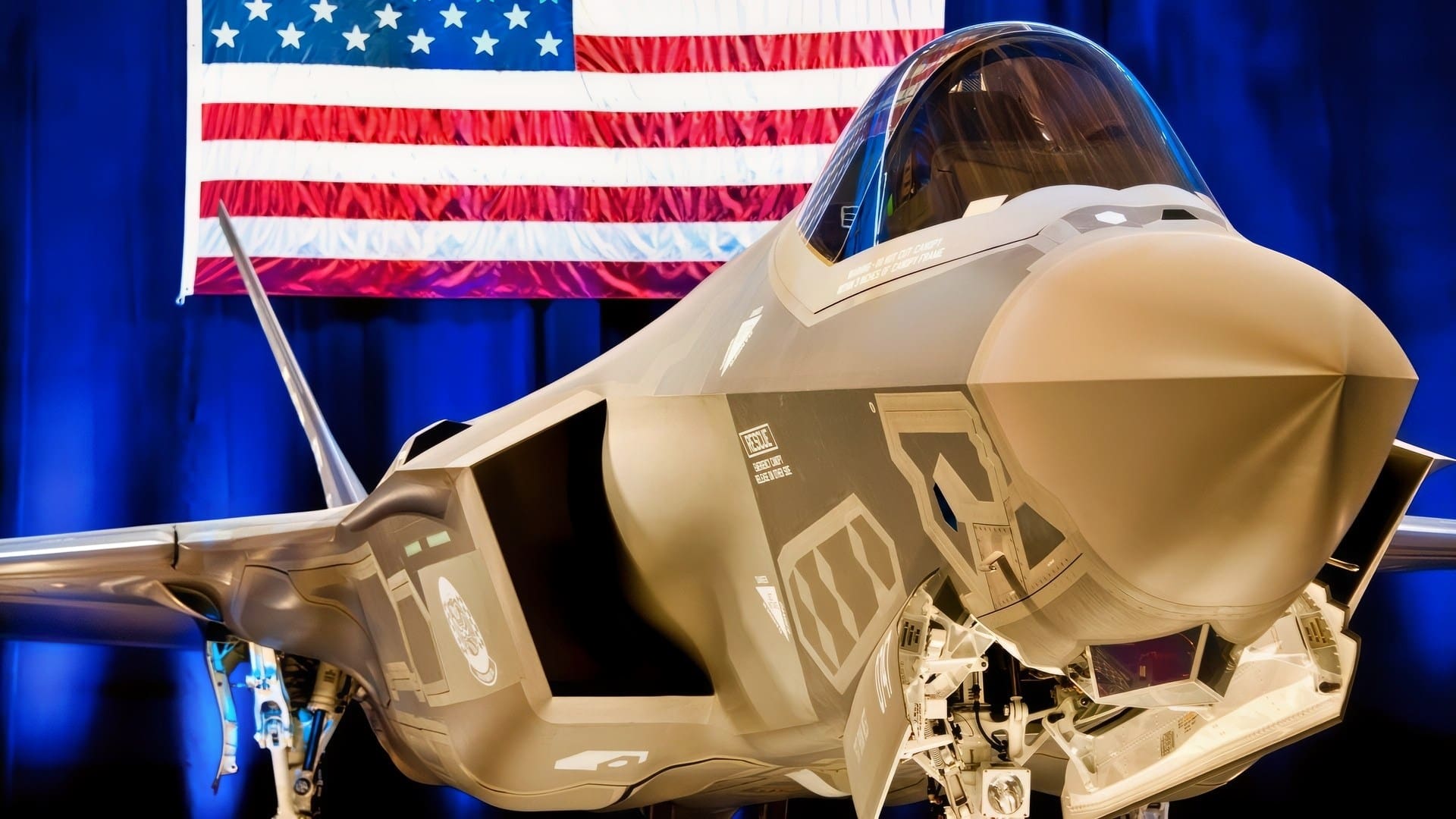
F-35 Fighter With U.S. Flag. Image Credit: Creative Commons.
-This report explores the tension in President Trump’s foreign policy between projecting strength and avoiding open-ended commitments.
-Latham concludes that while a hostile, IRGC-led regime may survive, its diminished strategic capabilities represent a significant, albeit limited, victory for regional stability.
The IRGC Grip: Why the 2026 Air War May Leave the Revolutionary Guard Stronger in Tehran
If the ongoing conflict between the United States and Iran achieves its immediate military aims, Washington may still find itself facing a difficult strategic outcome. The current campaign will likely inflict serious damage on Iran’s nuclear infrastructure while badly weakening the missile forces that underpin its deterrent. Yet the political consequences inside Iran might move in a different direction. The Islamic Revolutionary Guard Corps could tighten its grip in Tehran and emerge from the crisis as the institution that effectively runs the state.
If events unfold that way, the central issue for President Trump will not be whether the strikes worked in operational terms. The real question would be what kind of threat environment remains once Iran’s enrichment capacity has been badly degraded and its long-range delivery systems eliminated.
An Iran without a credible breakout option and with a weakened missile force would be operating under tighter limits than the one the region has dealt with for the past decade. American forces in the Gulf would face a different risk environment, and regional partners accustomed to planning for rapid escalation would be confronting a changed strategic landscape.
A Weakened Iran but a Stronger IRGC
None of that means the regime itself would become less hostile. The consolidation of IRGC authority would likely push the system in the opposite direction. The Guard is not simply another military arm of the state. It sits at the center of the regime’s coercive machinery, oversees large parts of the economy, and shapes much of Iran’s regional posture.
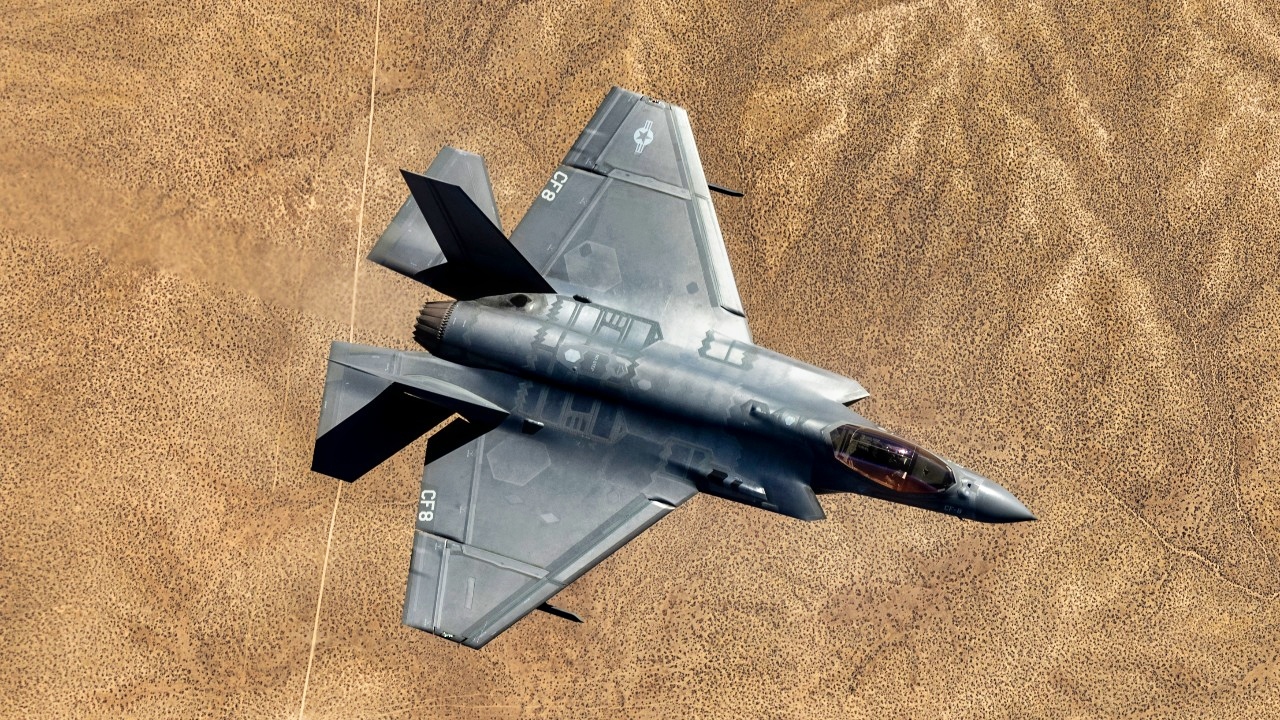
Maj. Nicholas Helmer conducts a mission over the Mojave Desert on October 8, 2024. The F-35C aircraft is assigned to the 461st Flight Test Squadron, F-35 Integrated Test Force at Edwards Air Force Base, California. The aircraft’s dual markings of United States Navy Air Test and Evaluation Squadron Nine (VX-9) and 461st FLTS represents the joint mission of the Integrated Test Force. The F-35 ITF includes people and aircraft from the United States Air Force, United States Navy, United States Marine Corps, foreign partners, Air Force Reserve Command 370th FLTS, and the Air Force Operational Test and Evaluation Center’s 31st TES. (Courtesy Photo, Lockheed Martin Edwards Team)
If the aftermath of the current conflict strengthens the IRGC’s position inside the state, the political order that survives the strikes will not be more moderate. It will be more tightly controlled.
That pattern would not be unusual. External pressure tends to compress elite politics inside authoritarian systems. When leaders conclude that the regime’s survival is at stake, power shifts toward the institutions that command force. Rival factions lose ground, and voices that once argued for restraint fall silent.
In that environment, the IRGC could emerge from confrontation with fewer weapons but more authority inside the system that matters most.
What Was the War For?
That would be the point at which the administration would have to ask itself what the war had actually achieved. If denying Iran a nuclear weapon and destroying the missile forces that supported its deterrent were the main objectives, they may have already been achieved.
The regime would remain hostile, but far less able to impose large costs than before the war.
That may disappoint observers who hoped the confrontation would trigger political change in Tehran.
It would still reflect a familiar logic of limited war. States often fight to remove capabilities rather than to replace governments.
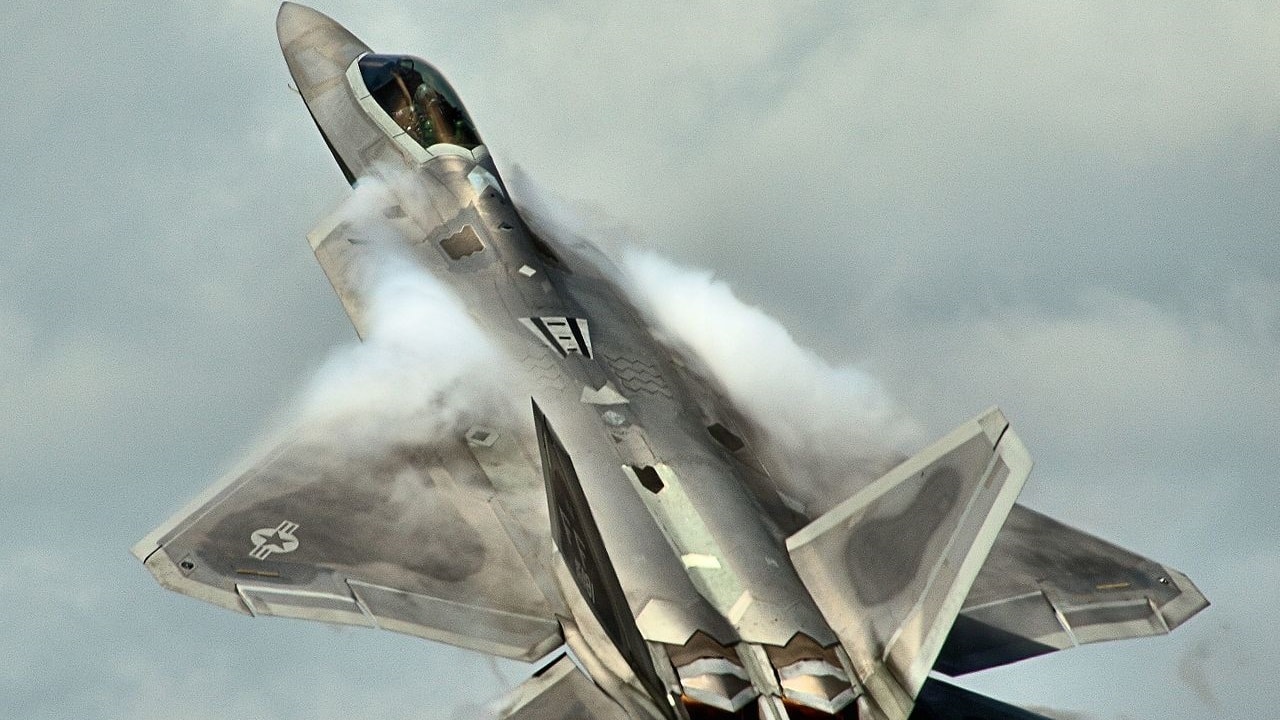
F-22 Raptor.
The alternative would be to conclude that an Iran dominated by the IRGC is unacceptable, regardless of how badly its arsenal has been damaged. That judgment would move the United States into a very different kind of campaign. The mission would shift from disabling programs to reshaping the political order of a large, complex country. Once that shift occurs, the conflict becomes harder to contain.
Iran is not a fragile state waiting to collapse under outside pressure. It has absorbed war, sanctions, and decades of isolation while preserving a strong sense of national cohesion – at least within the governing elite. An effort to force regime collapse could produce fragmentation or prolonged instability, and the political forces that emerge from that turmoil would not necessarily be friendlier to Washington.
Iran Still Has Tools
Even in degraded form, the IRGC would still have ways to make trouble for its adversaries. Tehran has long relied on tactics that fall short of open war. Regional partners can apply pressure indirectly, and incidents at sea in confined waters can signal resolve without pushing events immediately toward escalation.
Cyber operations offer another avenue. They allow Tehran to probe its opponents while making it harder to determine who is responsible and how to respond.
All those tools would still exist if the nuclear program were disabled and the missile force degraded. But the magnitude of the threat would not. Were Tehran cut off from a nuclear option, its capacity to drive regional strategic calculations would be diminished. Were its long-range missile force rendered ineffective, its ability to levy sudden costs would be reduced as well.
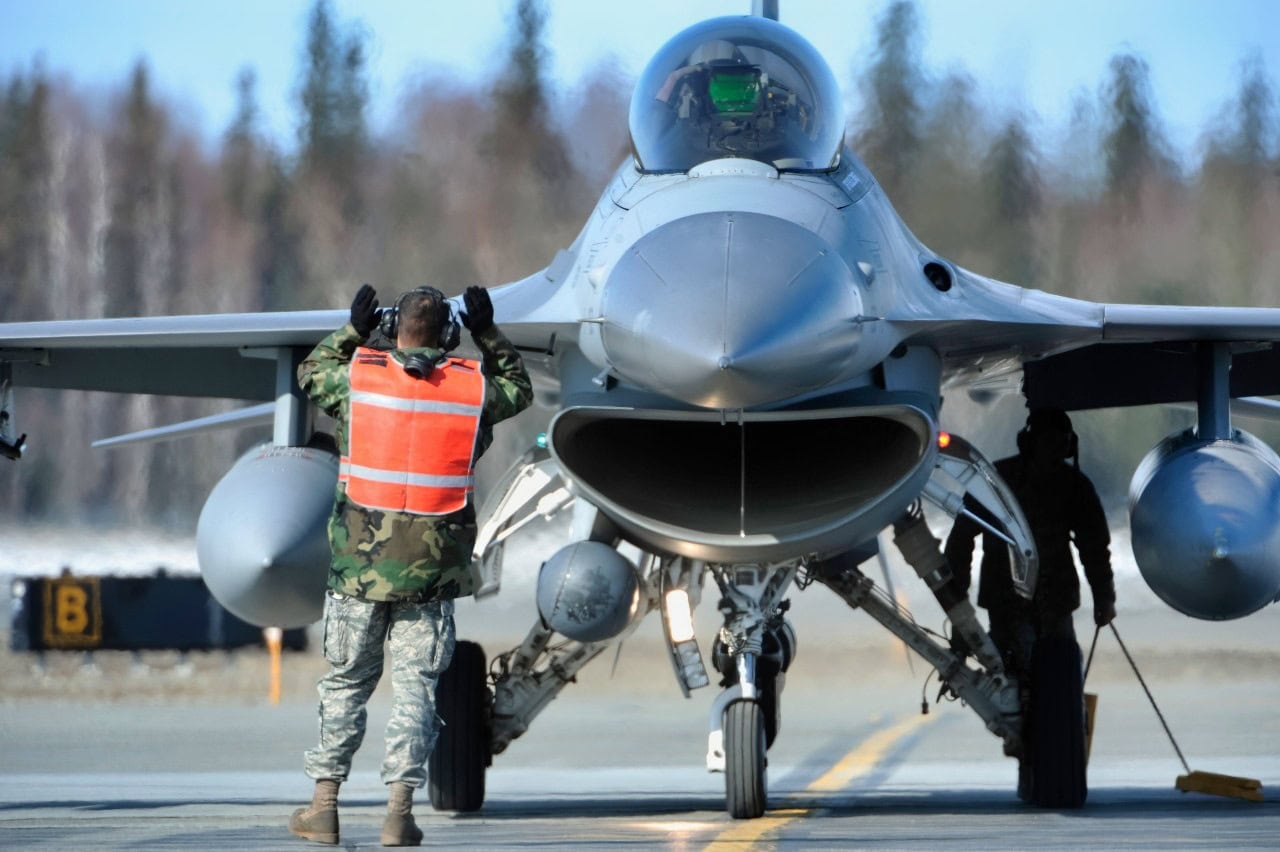
F-16 Fighter. Image Credit: Creative Commons.
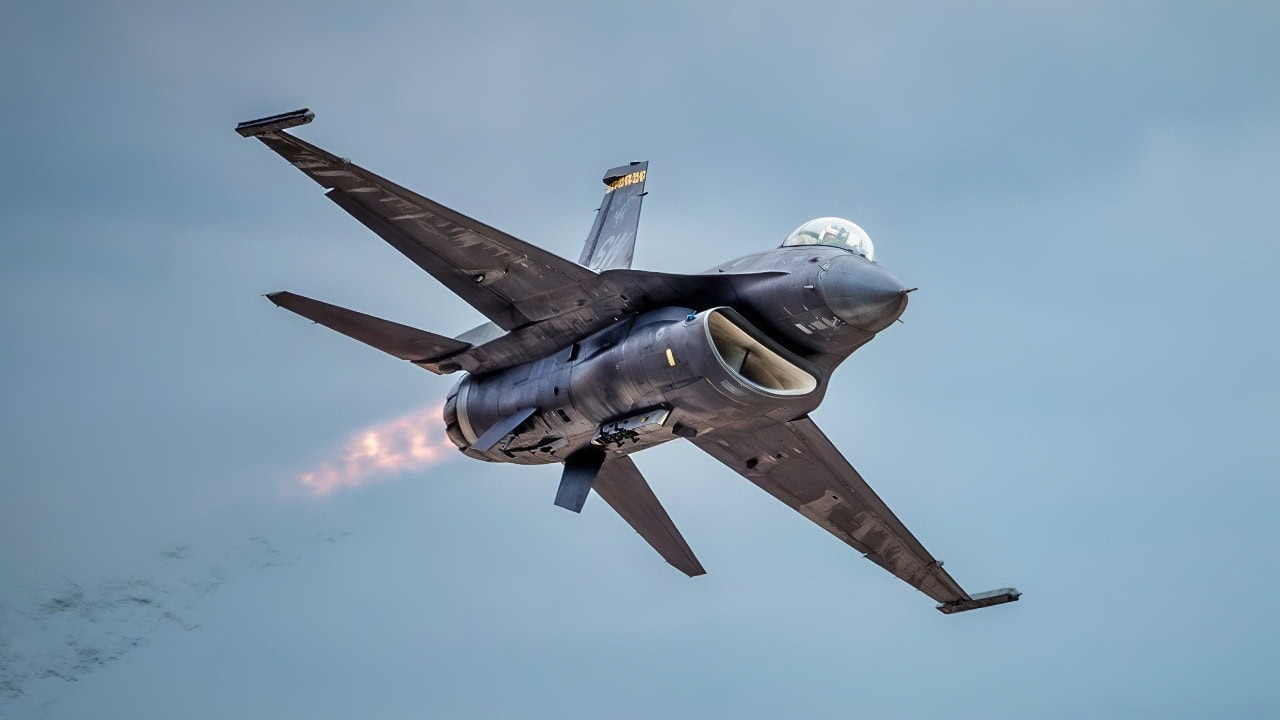
U.S. Air Force Maj. Taylor “FEMA” Hiester, F-16 Viper Demonstration Team commander and pilot, takes off for a practice demonstration at Shaw Air Force Base, S.C., Feb. 13, 2025. Hiester leads a team of Airmen charged with showcasing the combat capabilities of the F-16 Fighting Falcon for millions of spectators each year. (U.S. Air Force photo by Senior Airman Meghan Hutton)
The leadership in Tehran might remain as hostile. The strategic room in which it operates would be narrower than it is today.
Trump’s Strategic Dilemma
Trump’s political instincts will shape how this moment is read in Washington. His foreign-policy identity has long leaned on decisive action and outcomes that are easy to see. Images of damaged facilities and burning infrastructure reinforce that story and project strength to domestic audiences.
The Islamic Republic remaining in power, especially if the IRGC emerges from the crisis with tighter control, may strike some observers as unfinished business.
Yet a campaign designed to force the regime from power would collide with another theme that has run through Trump’s foreign policy. He has often criticized open-ended military commitments and the nation-building efforts that followed earlier American wars in the Middle East. Pushing the conflict beyond the destruction of nuclear and missile capabilities could pull the United States toward exactly that kind of undertaking.
Allies will assess the result based on their own security interests. Israel will care less about Tehran’s internal power dynamics and more about how long-lasting any setback to Iran’s nuclear ambitions turns out to be. Governments around the Gulf, who have fretted about missile attacks for years, may find themselves in a less threatening environment even as they stay suspicious of Iran.
Living With the Iran That Remains
The real challenge would come after the initial phase of the conflict ends. Military damage can create opportunities, but it does not produce permanent outcomes on its own. Programs crippled today can be rebuilt if pressure fades and attention shifts elsewhere.
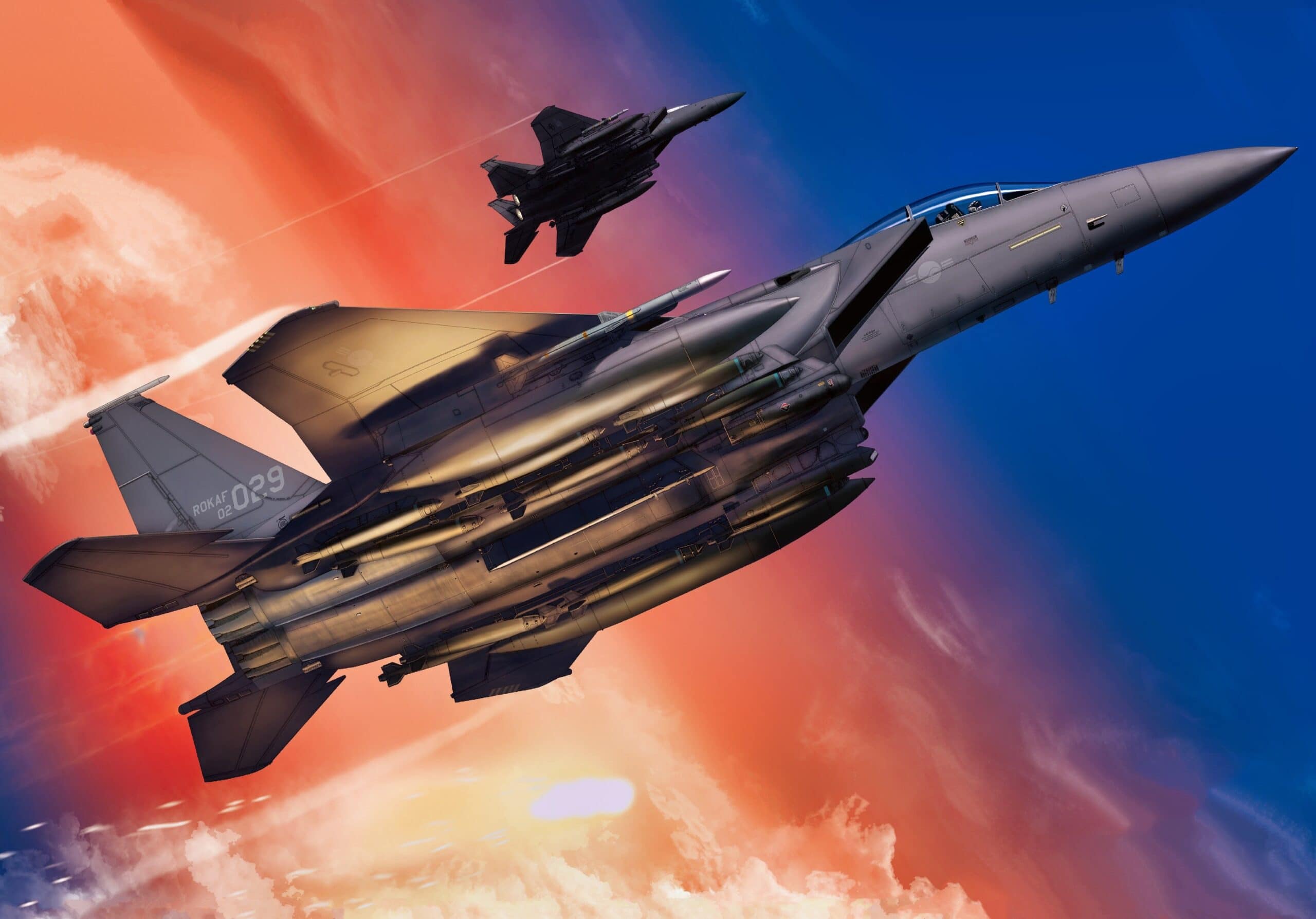
F-15 Fighter Artist Rendition.
If Iran’s nuclear program has been sufficiently degraded, if its missile infrastructure has been destroyed, and if the IRGC has tightened its grip on power inside Iran, Trump may decide that America has already gotten as much done as was possible. Such an assessment wouldn’t make Iran an ally. But it would mean accepting that the most dangerous capacities have been rolled back and that further pressure might produce more downside risk than the war was supposed to prevent.
Washington would still face a hostile regime in Tehran after the conflict, but it would be operating with fewer strategic capabilities than it had a week ago. The question then becomes whether the United States can tolerate the political system that survives once those capabilities are gone.
About the Author: Dr. Andrew Latham
Andrew Latham is a non-resident fellow at Defense Priorities and a professor of international relations and political theory at Macalester College in Saint Paul, MN. You can follow him on X: @aakatham.