Summary and Key Points: Isaac Seitz, a defense columnist and former intelligence analyst, evaluates the “bitter lessons” of General Douglas MacArthur‘s initial 1941 defense of the Philippines.
-This report analyzes the Clark Field disaster, where Japanese bombers destroyed the Far Eastern Air Force on the ground despite hours of warning.
-Seitz explores the failed transition from War Plan Orange to a forward defense strategy, leading to the disorganized retreat to Bataan and the loss of critical logistics.
-Ultimately, MacArthur’s 1942 evacuation to Australia set the stage for his 1944 return, marking a pivotal redemption in the Southwest Pacific theater.
Quote of the Day by WWII General Douglas MacArthur
In his memoirs, General Douglass MacArthur wrote: “I had learned one of the bitter lessons of life: never try to regain the past, the fire will have become ashes.”
While there is a lot of general life advice to be gained from this quote, it means a lot coming from MacArthur.
His career in the army was defined by peaks and valleys.
One such low point was his initial defense of the Philippines back in 1941.
With the sudden attack on Pearl Harbor, the U.S. found itself thrust into the Second World War, with many of its assets in the Pacific completely caught off guard by this new development, the Philippines being one of them. General MacArthur suddenly had to defend an entire region with unprepared troops and, after a strategic blunder, minimal air support. Consequently, he was forced to withdraw from the Philippines in March 1942, leaving under brutal Japanese occupation until his return in 1944.
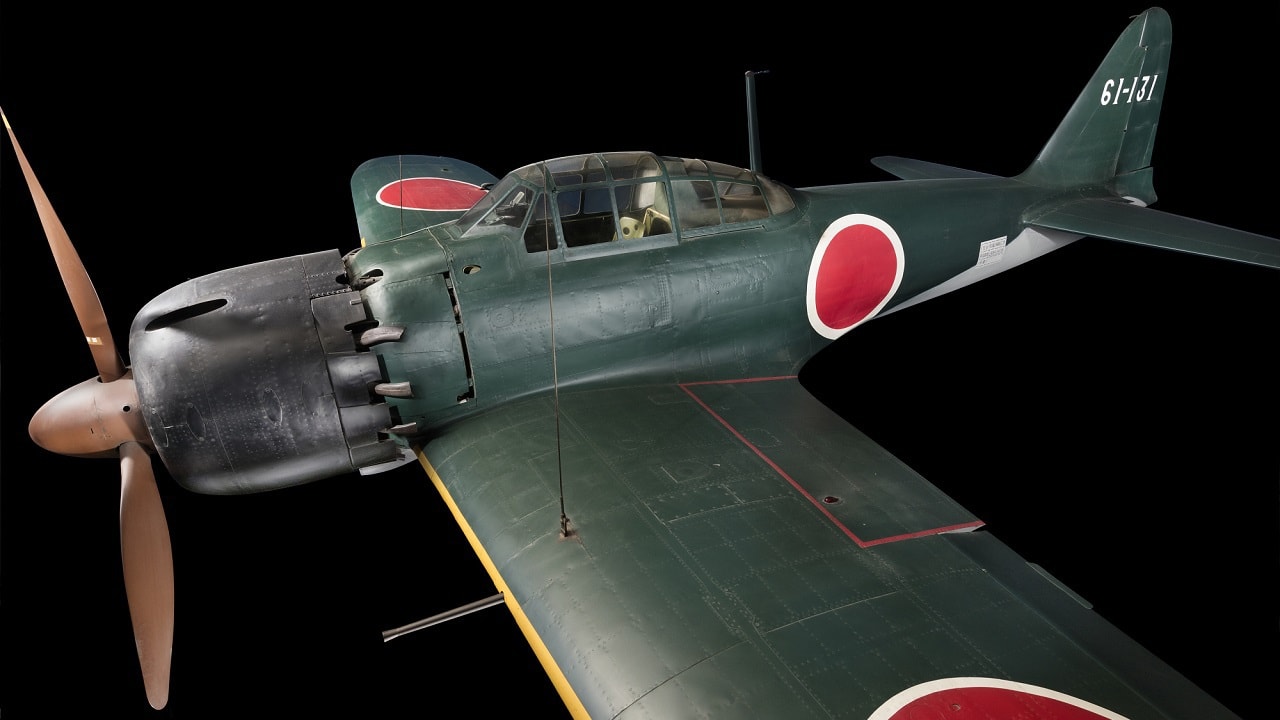
Japan Zero Fighter. Image Credit: Creative Commons.
Background: MacArthur in the Philippines Before WWII
Prewar Philippine defense policy laid the groundwork for much that followed. When the United States granted the Philippines Commonwealth status in 1935, with independence slated for 1946, Washington was moving toward disengagement.
Within that transition, President Manuel L. Quezon and his advisers sought to build a credible indigenous defense capability. MacArthur, who had retired from the U.S. Army and accepted the role of military adviser to the Commonwealth, was appointed Field Marshal of the Philippine Army and entrusted with designing a defense concept suited to an archipelagic nation with limited industrial capacity.
The plan envisioned a decade-long road to readiness, with a reserve-based army, coastal defenses, and a modest air component.
The ambition of this plan, however, far exceeded the resources allocated to it. Training was sporadic and short, equipment and munitions were in short supply, and the institutional development of a professional officer corps lagged far behind the pace of international events. When war came, many Philippine Army divisions had only recently been activated and lacked the experience and cohesion to face a seasoned foe.
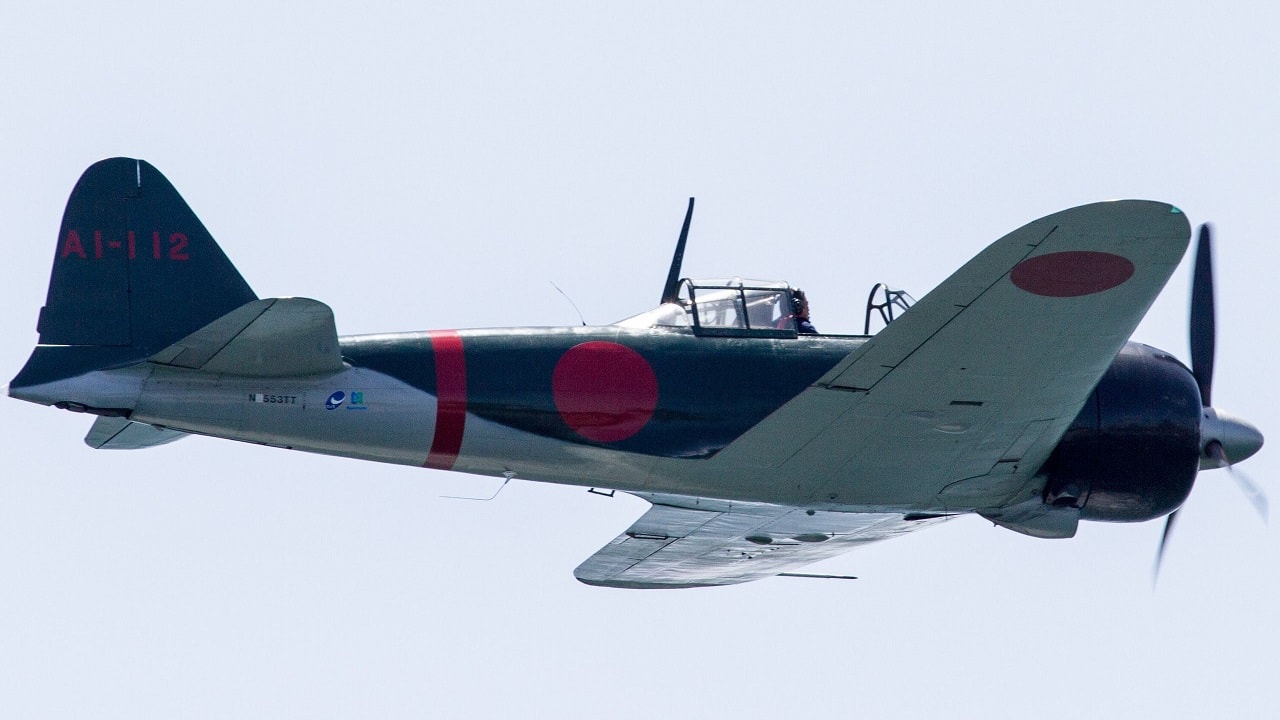
Japanese Zero Fighter Plane. Image Credit: Creative Commons.
For decades, War Plan Orange, the U.S. Navy’s framework for a potential conflict with Japan, treated the archipelago as a forward outpost that could not be held indefinitely against a determined assault. The plan essentially contemplated a delaying action in the Philippines, followed by a long naval campaign across the Pacific, culminating in relief.
By the late 1930s, however, isolationist sentiment in the United States, combined with budget constraints and treaty limitations, made any hope of a rapid relief fleet illusory.
Nevertheless, in July 1941, as the crisis in the Pacific deepened, President Franklin D. Roosevelt recalled MacArthur to active duty and placed him in command of the United States Armed Forces Far East (USAFFE). Washington hoped that reinforcing the Philippines would strengthen deterrence.
The decision created a strategic contradiction with profound consequences: American leaders attempted to signal resolve without committing the forces needed to make the signal credible.
MacArthur was asked to prepare to hold the Philippines, but he was never given the resources to make it realistically defensible against a full-scale, multi-axis Japanese invasion.
The U.S. Enters the War
When Japanese aircraft struck Pearl Harbor on December 7, 1941, the USAFFE command had several hours of warning that hostilities had begun. In theory, this window should have been enough to disperse aircraft, initiate air patrols, and place field units on heightened alert.
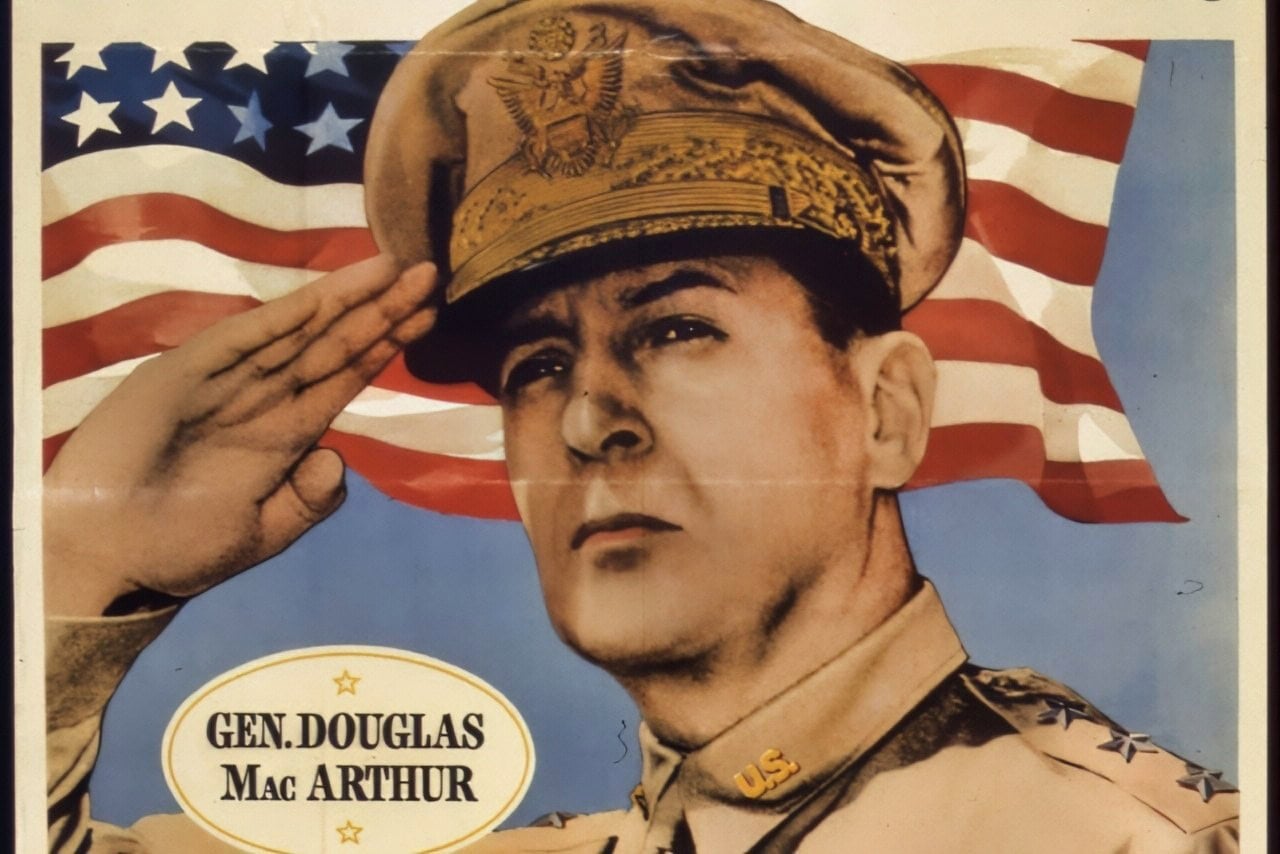
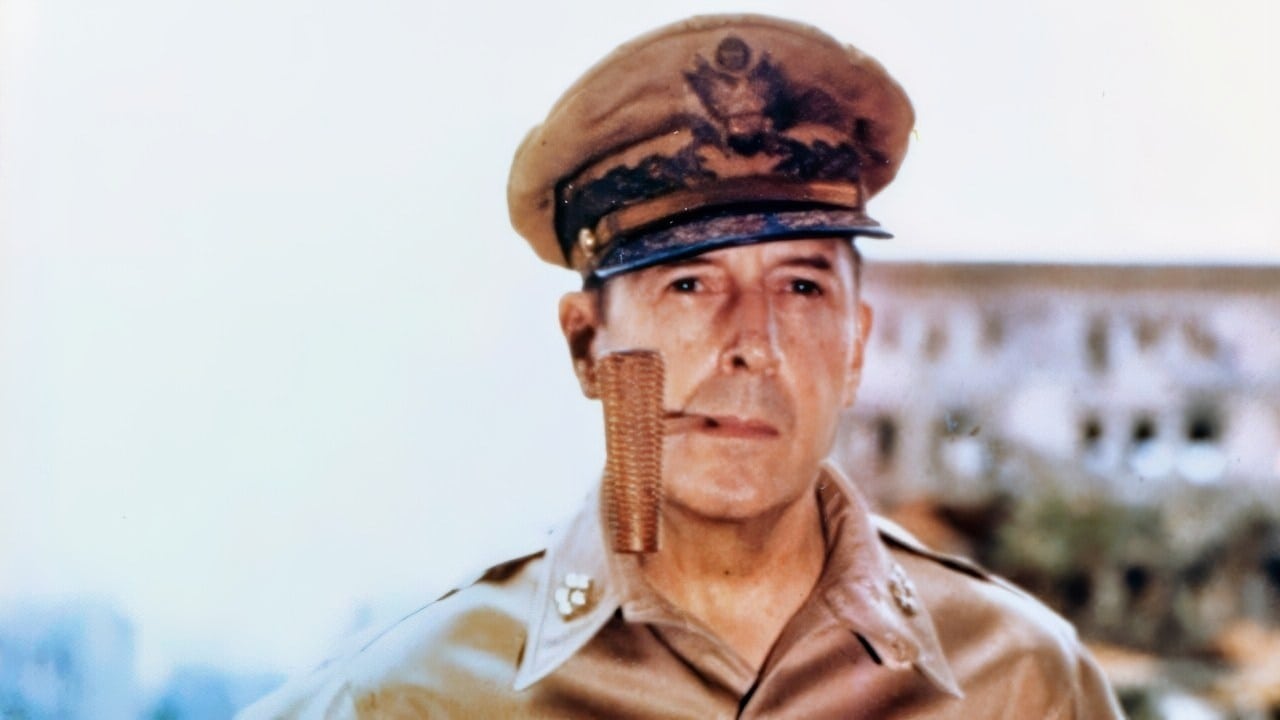
Douglas MacArthur. Image Credit: Creative Commons.
In practice, the command is marked by indecision. General Lewis Brereton, the commander of the Far Eastern Air Force, proposed launching preemptive raids against Japanese airfields in Formosa to disrupt any follow-up strikes.
MacArthur’s staff hesitated, uncertain of the commander’s intent and wary of acting without explicit authorization. The unfortunate result was that by midday, Japanese bombers and fighters arrived over Clark Field and other bases, finding American aircraft clustered wingtip-to-wingtip. The strike destroyed most of the American bomber and fighter force on the ground. This catastrophe not only eliminated air cover but also eviscerated reconnaissance and interdiction capability, surrendering the initiative to the Japanese from the very first day.
With the destruction of most of the U.S. air assets in the region, the Americans’ position quickly grew worse. Without fighters to contest the skies, Japanese aircraft enjoyed near-total freedom to bomb, strafe, and conduct reconnaissance across Luzon.
Without bombers, the Americans could not strike Japanese shipping or disrupt enemy landings. Supply routes, command posts, and troop movements became perilous, and Japanese commanders could plan with the confidence that their operations would not face meaningful aerial opposition. Morale suffered, communications faltered, and the rhythm of events swung decisively in Tokyo’s favor.
Japan Makes its Assault
The Japanese had learned their lessons from their fighting in China and were well aware of the archipelago’s geography. General Masaharu Homma’s 14th Army executed well-coordinated landings on Luzon’s northern and southern shores, seeking to envelop Manila and isolate American and Filipino forces.
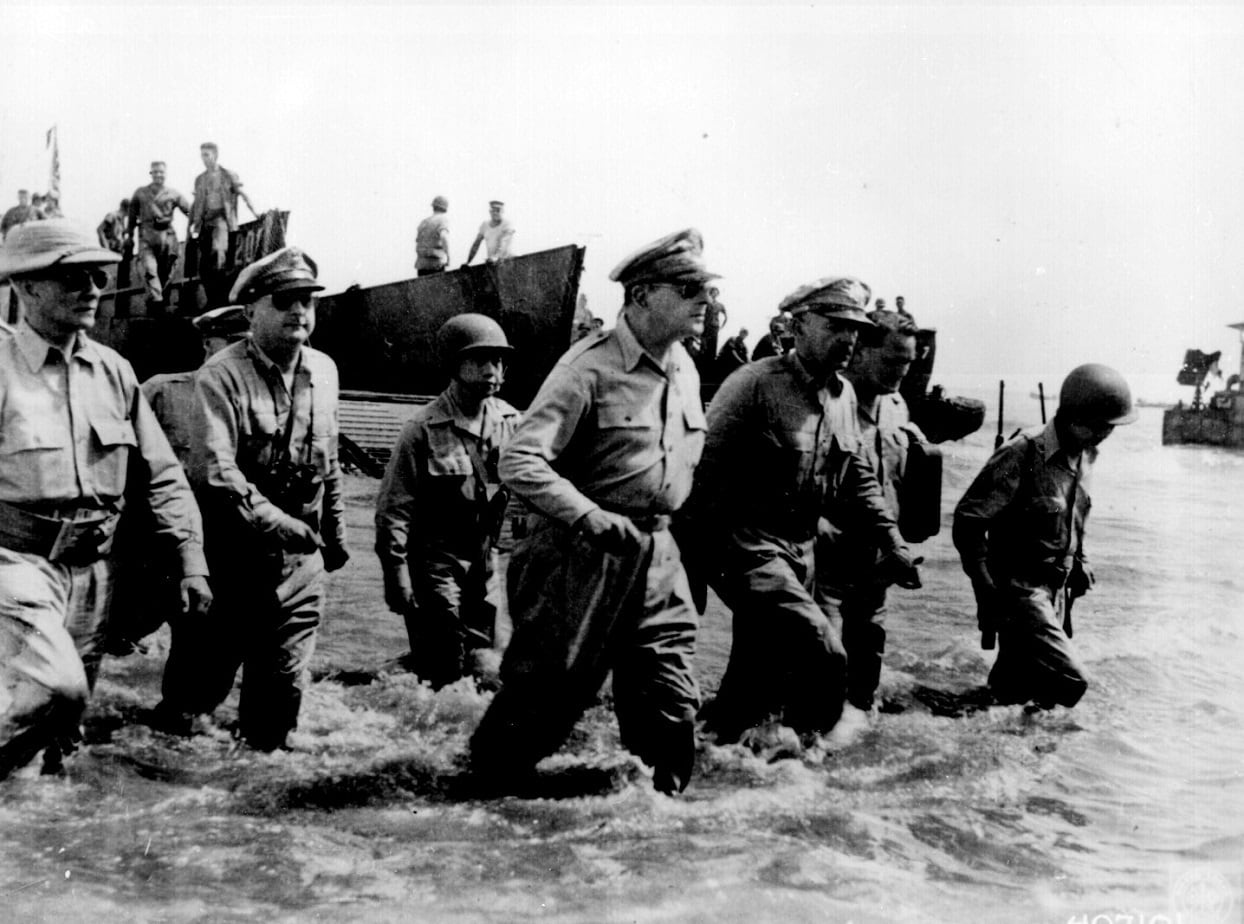
“General Douglas MacArthur wades ashore during initial landings at Leyte, P.I.” October 1944.
Speed was the key to their strategy alongside coordination between air, land, and sea elements. The plan aimed to force USAFFE into a narrow defensive perimeter where artillery and airpower could be concentrated to decisive effect. Critically, Japanese field units were composed of veterans who were not only tactically proficient but also psychologically prepared for offensive operations in difficult terrain.
MacArthur initially chose a forward defense strategy, meeting the invaders at the beaches and attempting to push them back into the sea. Losing large sections of Luzon without a fight would concede the initiative and possibly the capital, undermining both morale and international standing at the very outset.
Yet the forward defense was misaligned with the reality of the forces available. The Philippine Army units tasked with front-line responsibilities had minimal training, insufficient heavy weapons, and uneven leadership experience. Coordinating multi-division operations across fragmented terrain with immature staff processes only compounded these problems. Meanwhile, Japanese landings quickly achieved footholds, and the absence of air cover meant that even localized successes could not be exploited without the risk of envelopment from the air or sea.
Fallback to Bataan
As Japanese advances accelerated, MacArthur pivoted to an older plan embedded in War Plan Orange: a strategic withdrawal into the Bataan Peninsula, from which USAFFE would conduct a protracted defense until relief arrived. On paper, Bataan offered a defensible bottleneck, backed by the island fortress of Corregidor guarding the entrance to Manila Bay.
In practice, the execution of this withdrawal was hobbled by timing and logistics. Supplies that should have been stockpiled on Bataan in anticipation of a siege remained in warehouses around Manila and central Luzon. The hurried retreat under pressure led to the abandonment of vast stores of food, medicine, and munitions that would later prove irreplaceable. Units moved in fragmentary fashion, often under fire, losing cohesion in the process. By the time the main body of USAFFE reached Bataan, it had achieved a degree of operational concentration but at the cost of the very resources necessary to make a prolonged defense viable.
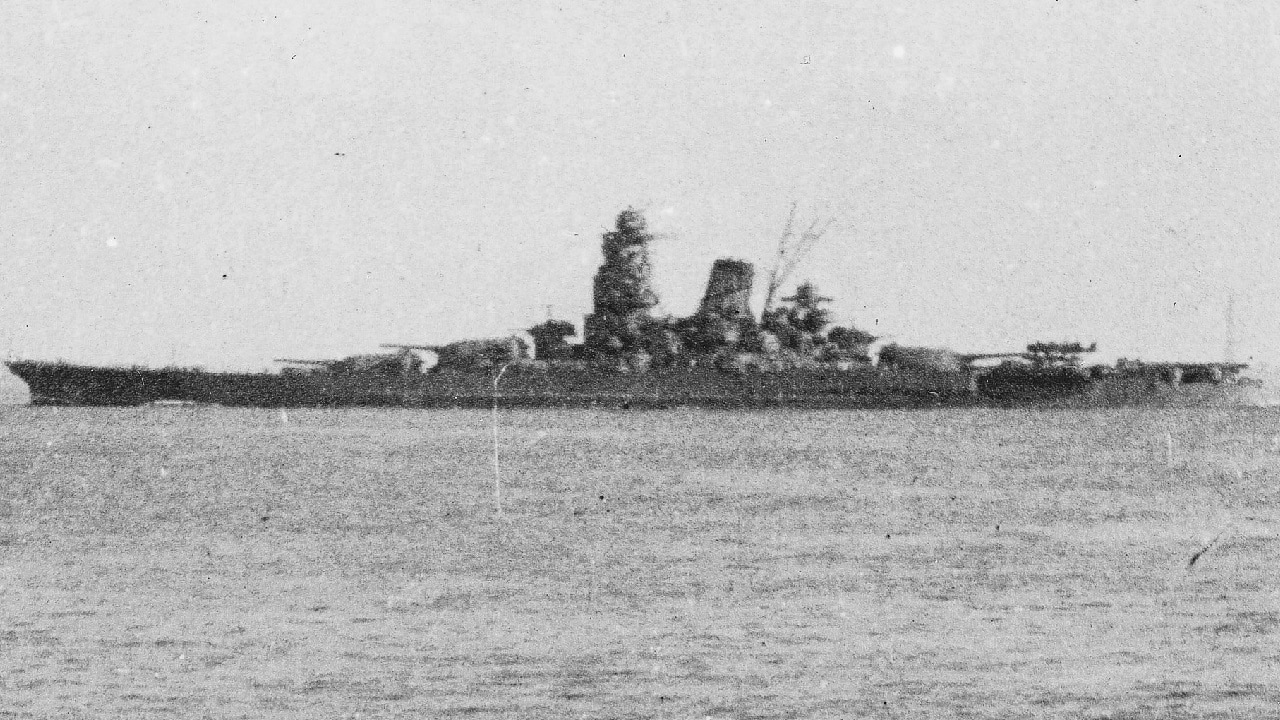
The Japanese battleship Musashi leaving Brunei, Borneo, in 1944, possibly on 22 October, when she departed to take part in the Battle of Leyte Gulf. Photographed by Japanese sailor Tobei Shiraishi from the destroyer Isokaze.
The composition of the defending force on Bataan also varied sharply in quality. U.S. regulars and the elite Philippine Scouts were well disciplined and fought with distinction, while many Philippine Army units were thrust into a trial by fire without the benefit of adequate preparation.
Nevertheless, the defenders mounted a remarkably stubborn resistance. Despite hunger, disease, and chronic shortages of ammunition and medical supplies, they blunted repeated Japanese assaults. The terrain favored the defense to a degree, and the Japanese initially underestimated the tenacity of the defenders, resulting in pauses to regroup and reinforce. For a moment, it appeared that Bataan might hold far longer than Tokyo had anticipated.
However, the core problem remained logistics. Even the bravest units cannot fight indefinitely without sustenance.
As weeks turned into months, malnutrition weakened soldiers across the peninsula. Malaria and dysentery spread with devastating speed. Medical services were overwhelmed, and hospitals lacked quinine, sulfa drugs, and basic supplies. Rations were cut to subsistence levels and then reduced further. Soldiers’ bodies, already stressed by combat, were battered by starvation and disease, sapping combat effectiveness in ways that no amount of courage could overcome.
MacArthur Leaves the Philippines
In March 1942, President Roosevelt ordered MacArthur to evacuate to Australia. The decision was both pragmatic and symbolic.
Washington feared that if MacArthur were captured, the psychological blow to American morale would be severe.
MacArthur initially resisted but ultimately complied, departing with his staff via PT boats and then aircraft. Upon reaching Australia, he famously declared, “I shall return,” a promise that would cement him into legend after his eventual return. On the ground, however, the situation deteriorated rapidly after his departure. General Jonathan Wainwright assumed command amidst catastrophic shortages and the continued erosion of the defenders’ health and strength.
On April 9, 1942, Major General Edward King surrendered the Bataan force. King chose capitulation not out of cowardice but to prevent further futile bloodshed among troops who could no longer fight effectively.
The subsequent Bataan Death March, during which thousands of Filipino and American prisoners perished from abuse, exhaustion, and neglect, etched itself into the collective memory as an atrocity. Corregidor continued to resist under Wainwright until May 6, 1942, enduring relentless bombardment and infantry assaults. When it fell, organized American resistance in the Philippines effectively ended, and the Japanese secured control of a crucial strategic hinge in their newly expanded defensive perimeter.
The Defense of the Philippines: What Went Wrong?
Assigning responsibility for the defeat is complicated. MacArthur inherited a defense establishment that had been ill-equipped for years and built around assumptions of eventual withdrawal rather than indefinite holding. Many Philippine troops were insufficiently trained and equipped for modern war. The logistical base necessary for sustaining a siege was never properly established. The fundamental problem, that being the inability of the United States to project decisive force into the Western Pacific in early 1942, could not be solved by any field commander, however talented.
However, critical errors in MacArthur’s conduct exacerbated the crisis. The failure to disperse aircraft on December 8, despite hours of warning, allowed the Japanese to achieve air superiority almost immediately, depriving USAFFE of the flexibility and intelligence necessary to coordinate a defense. The insistence on a forward defense in the early days, when the Philippine Army was not ready for it, invited rapid Japanese gains and forced a hasty retreat. The delayed and disorganized move to Bataan resulted in the loss of essential supplies that could have significantly prolonged the defense. Finally, the command paralysis on the first day of war when Brereton awaited clear instructions to strike Formosa were all blemishes on MacArthur’s record that should be noted.
It is important, however, to acknowledge the strengths that MacArthur brought to bear. His ability to inspire his troops was real, and many defenders drew courage from his presence and pronouncements. His strategic sense was flawed in the Philippines campaign’s opening phase, but proved more adaptive in the subsequent Southwest Pacific campaigns, where he orchestrated a series of amphibious and overland operations that leapfrogged strongpoints and leveraged Allied air and naval ascendancy. The Philippine debacle did not end his career; it reshaped it, and his later return to the islands in 1944 would become one of the war’s most inspiring operational achievements.
About the Author: Isaac Seitz
Isaac Seitz, a Defense Columnist, graduated from Patrick Henry College’s Strategic Intelligence and National Security program. He has also studied Russian at Middlebury Language Schools and has worked as an intelligence Analyst in the private sector.