
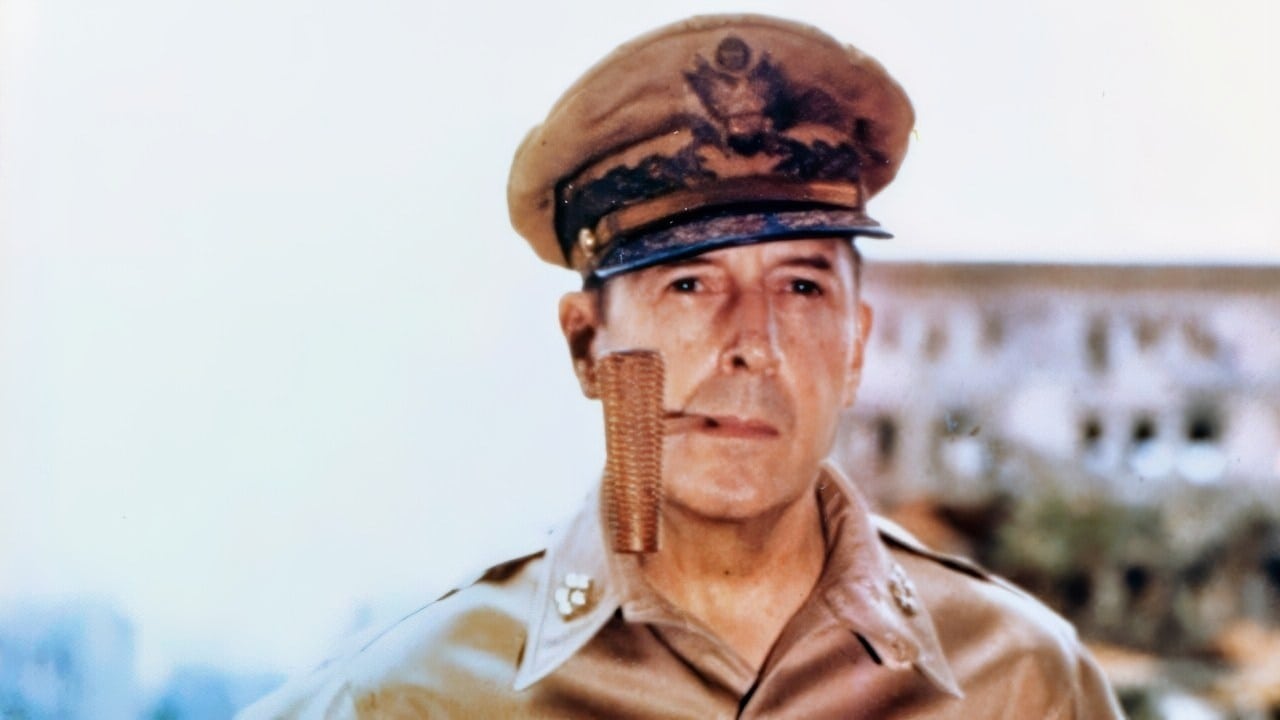
The MacArthur Lesson: Pride, Setbacks, and the Relentless Drive to Come Back
“Age wrinkles the body. Quitting wrinkles the soul.” – General Douglas MacArthur.
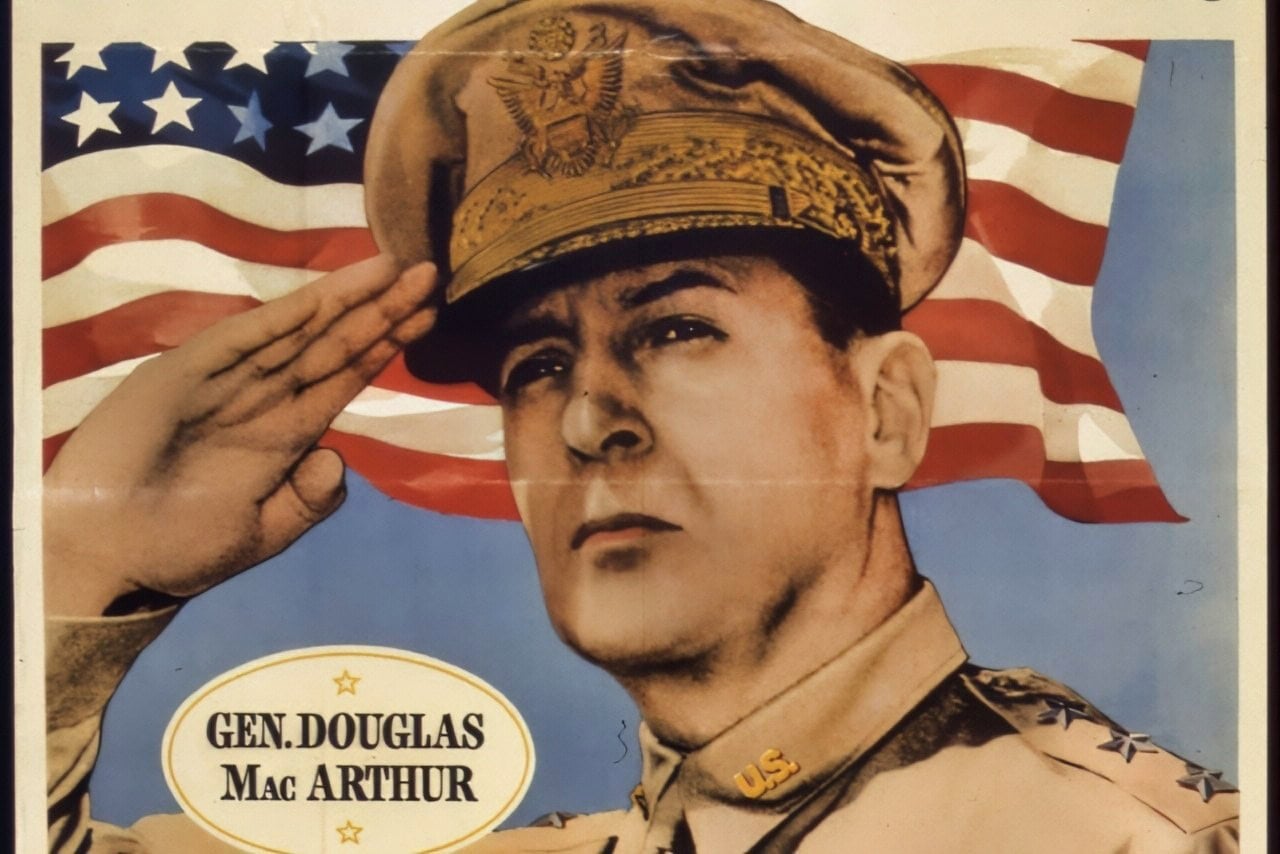
Douglas MacArthur. Image Credit: Creative Commons.
This quote is attributed to General Douglas MacArthur. History has not been that kind to MacArthur. He was considered a diva by his peers.
He had a huge ego.
He was not well-liked by General George C. Marshall.
And he let pride get in the way of success.
But Douglas MacArthur never quit.
He was a dogged competitor and a leader who rarely failed. And if he did, he got right back up and clamored for more.
He persevered and mounted many comebacks during his career. He may not have been an adroit politician, but he was still considered a military genius.
No Amount of Weakness Could Keep Him Down
MacArthur recognized that quitting an endeavor was a weakness that could haunt someone for life. He thought that overcoming obstacles was one of the biggest ways that people could show a willingness to win. Quitting, he thought, would be a stain on his character.
This quote is also a testament to aging gracefully, recognizing that one can have a full life of perseverance amid adversity. Not quitting any endeavor can lead to a successful career and allow one to look back fondly on one’s life.
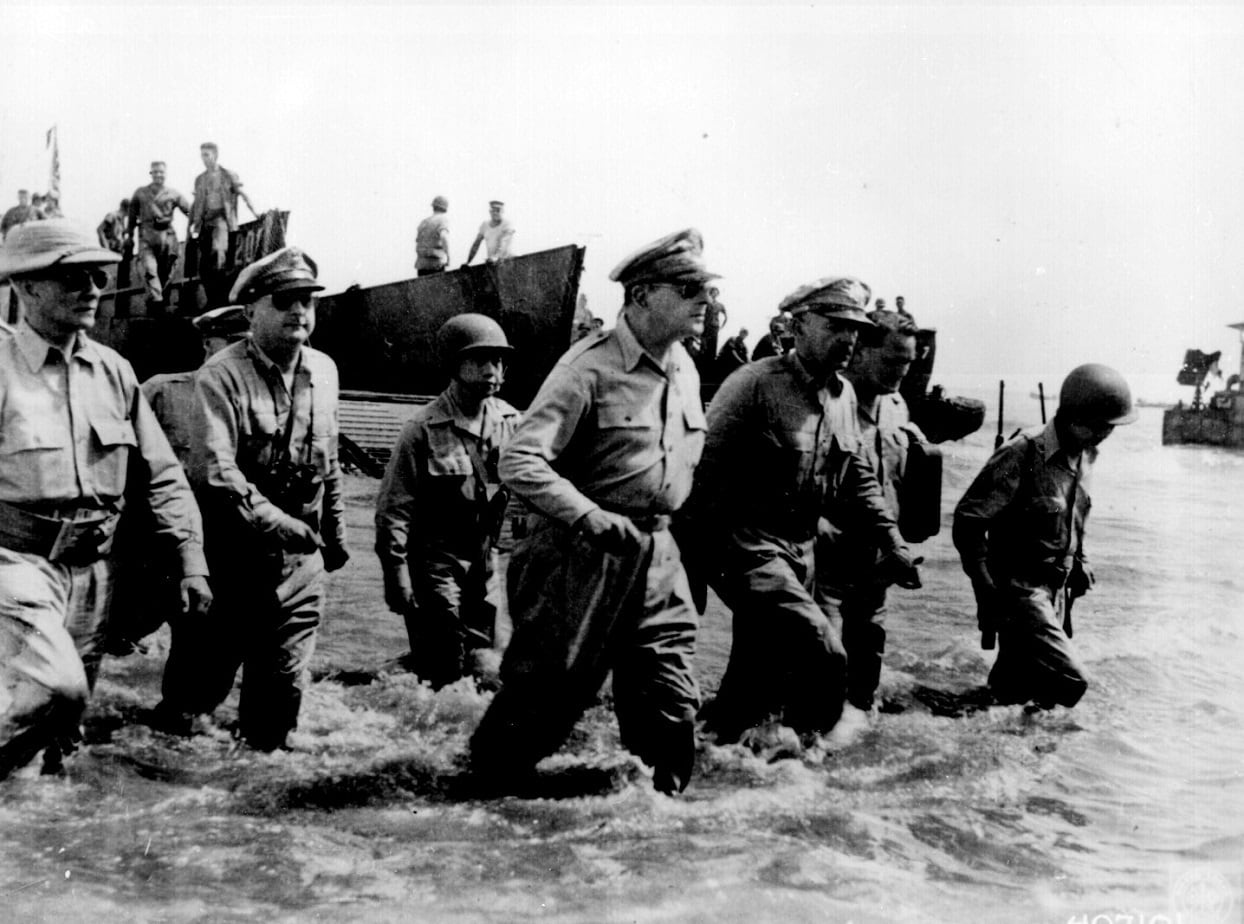
“General Douglas MacArthur wades ashore during initial landings at Leyte, P.I.” October 1944.
Quitting and Mental Health
Quitting has long-term negative consequences that can lead to depression and other maladies. It can affect mental health when there is evidence that one does not live up to his or her full potential. Life is a difficult journey, and periods of giving up for lack of trying can negatively affect self-esteem.
Lack of Quitting Leads to a Life of Purpose
Hills cannot be too steep to climb. Rivers cannot be too wide to cross. Regret is a killer. Not quitting builds resilience. Living a life of purpose without giving up is worthwhile. Sometimes the paths we undertake are littered with failure, but quitting an endeavor will not allow one to reach his or her full potential.
Having No Loser Mentality
Overcoming challenges builds resilience and a means to achieve goals and objectives. Quitters never win, and winners never quit.
This unyielding effort in the face of adversity will remove all doubts about being a “loser,” in a way that saps one’s belief in oneself. One can fill a unique purpose into old age and look back at life with fondness and appreciation.
Never Quitting; Always Succeeding
On October 20, 1944, General Douglas MacArthur spoke directly to the Filipino people by radio. “People of the Philippines, I have returned!” he told them. “By the grace of Almighty God, our forces stand again on Philippine soil—soil consecrated in the blood of our two peoples.”
The MacArthur comeback lasted two years, and he did not quit.
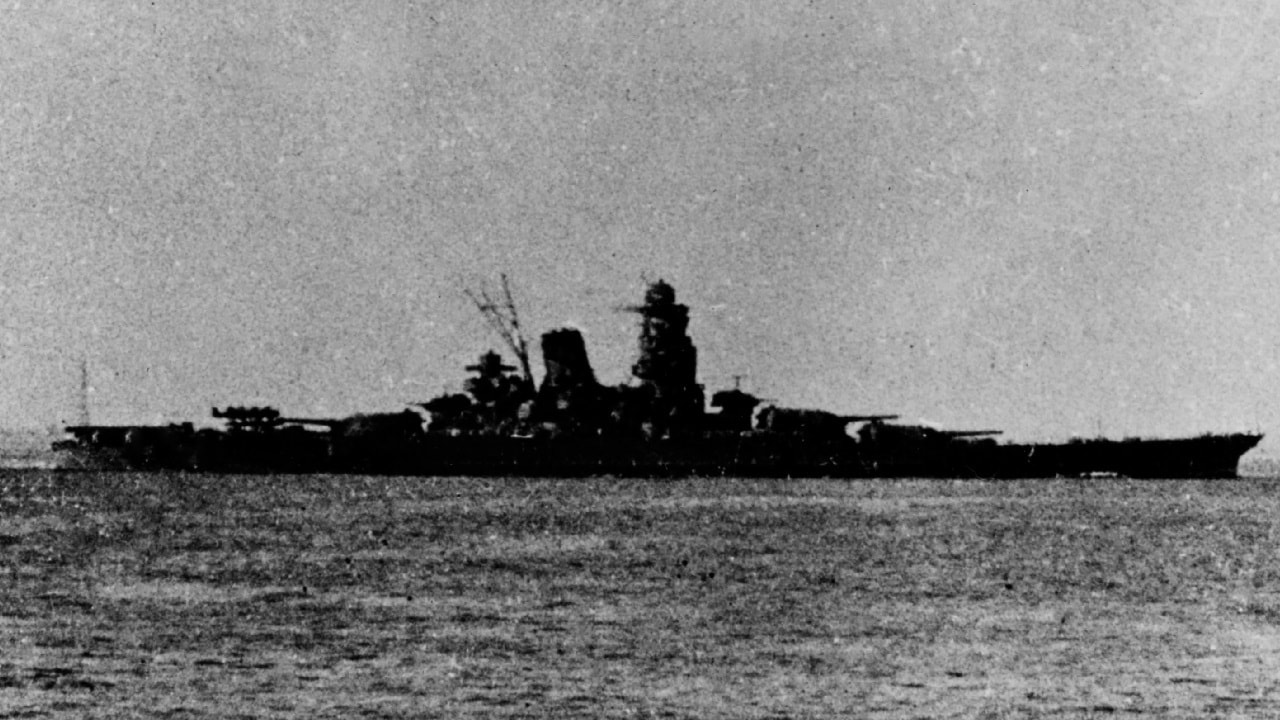
Yamato-class battleship Yamato. Image Credit: Creative Commons
Many of his fellow generals did not believe the stoic and eminent general could really return to the Philippines with a marauding force.
Douglas MacArthur: History of the First Philippines Campaign
In late 1935, MacArthur served as the Philippines’ Field Marshal. However, the Japanese had their eyes on the islands for their strategic location and the closeness to British, French, and Dutch colonies.
MacArthur knew that the Japanese would eventually attack. President Franklin D. Roosevelt agreed that MacArthur would be the best general to become the Commander of United States Army Forces in the Far East.
Japan had a military advantage. MacArthur’s troops were outmanned and outgunned and were afflicted by a shortage of bombers and fighter planes.
Most of his weapons were outdated and from World War I.
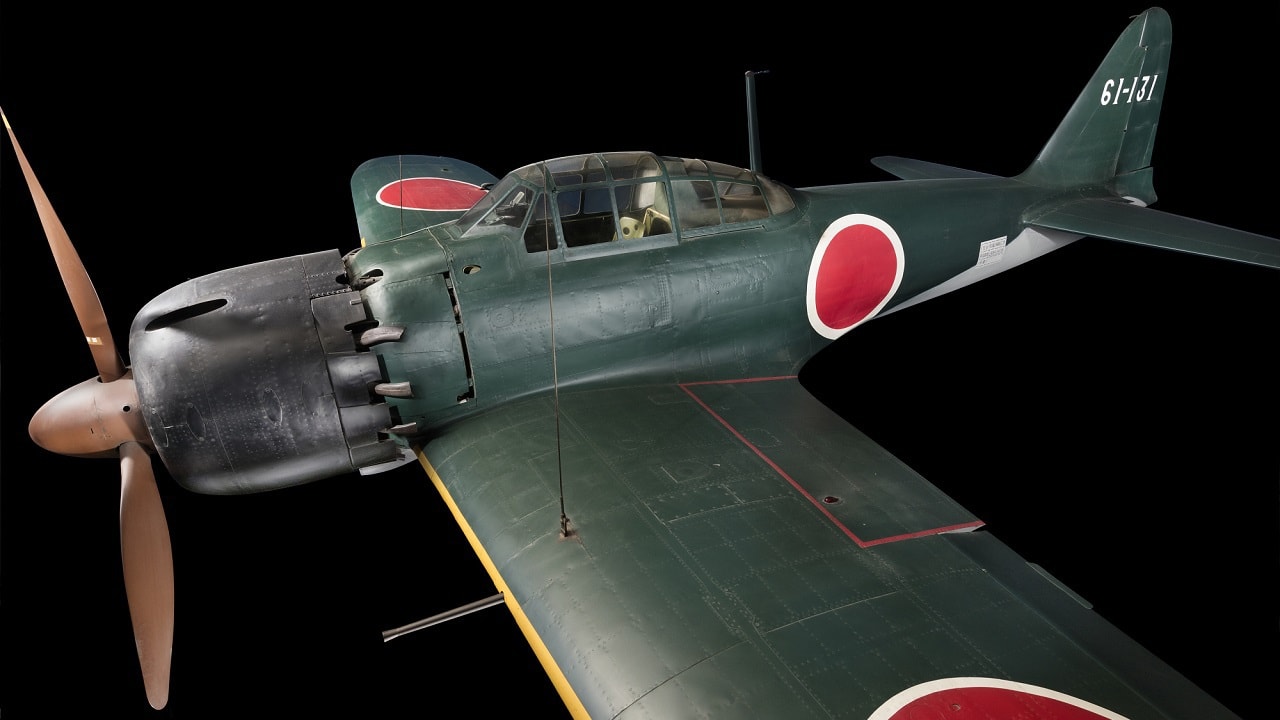
Japan Zero Fighter. Image Credit: Creative Commons.
MacArthur decided to defend the critical island of Luzon with all of the howitzers and sea mines he could muster. If the Japanese attacked, MacArthur’s only choice would be to make a fighting retreat to the Bataan Peninsula.
This would allow him to defend Manila Bay. There was a fortress called Corregidor where his troops could dig in and make a final stand if necessary. MacArthur had only a force of 120,000 Americans and Filipinos at his disposal.
The Japanese struck the Philippines shortly after the attack on Pearl Harbor. MacArthur’s airplanes were caught in the open.
Half were destroyed, and this ended his air support effort. MacArthur’s troops were short on food and ammunition. The Japanese landed a huge force at southern Luzon and began advancing toward Manila.
Scarred From a Tragic Loss
The Japanese soldiers pressed on, and MacArthur called for another retreat to Bataan, leaving Corregidor. He lacked the supplies to fight back.
His men were beginning to starve. Roosevelt ordered MacArthur to withdraw, and he and his family escaped by PT Boat and reached the island of Mindanao. Two days later, they flew to Australia. MacArthur famously exclaimed, “I shall return.” Lieutenant General Jonathan Wainwright surrendered the soldiers on Bataan and Corregidor, and the Battan death march ensued.
On the Comeback Trail
MacArthur never quit and spent two years making a comeback. He excelled at the island-hopping strategy and took New Guinea and 1,200 miles of territory, but he badly wanted to return to the Philippines.
After lobbying Roosevelt to allow him to move on toward Leyte and Luzon, MacArthur got his way.
His Turn to Shine
The general devised a complex joint force of Army and Naval personnel. Hundreds of ships were needed in one of the biggest elements of the war in the Pacific. During the amphibious attack, MacArthur walked onto the beachhead.
He indeed returned.
“MacArthur’s landing at Leyte was symbolically important, but it was hardly the end of the war in the Philippines. Over the weeks and months to come, Japanese troops inflicted heavy casualties on his ground forces as resistance stiffened and the defenders refused to surrender. At sea, the Battle of Leyte Gulf just days after MacArthur’s landing threatened to destroy the American fleet and cut off the land forces but ended in a decisive American victory. Following this victory MacArthur was promoted to five-star general later in the year,” according to the National World War Two Museum.
“Quit” was not part of MacArthur’s DNA. He never let that first disappointment steer him down the wrong path. He had aged considerably and felt the “wrinkles” of time, but MacArthur never let a loss bring him down, no matter what the cost.
He will go down as one of the most effective and steadfast generals of World War Two.
About the Author: Brent M. Eastwood
Author of now over 3,000 articles on defense issues, Brent M. Eastwood, PhD is the author of Don’t Turn Your Back On the World: a Conservative Foreign Policy and Humans, Machines, and Data: Future Trends in Warfare plus two other books. Brent was the founder and CEO of a tech firm that predicted world events using artificial intelligence. He served as a legislative fellow for US Senator Tim Scott and advised the senator on defense and foreign policy issues. He has taught at American University, George Washington University, and George Mason University. Brent is a former US Army Infantry officer. He can be followed on X @BMEastwood.