Summary and Key Points: Reuben F. Johnson, a thirty-six-year defense analyst and Director of Research at the Casimir Pulaski Foundation, evaluates the fractured diplomatic landscape of Operation Epic Fury.
-While secret intelligence channels reportedly offered ceasefire discussions following the decapitation of Ayatollah Khamenei, Foreign Minister Abbas Araghchi remains defiant, warning that a U.S. ground invasion would be a “big disaster.”
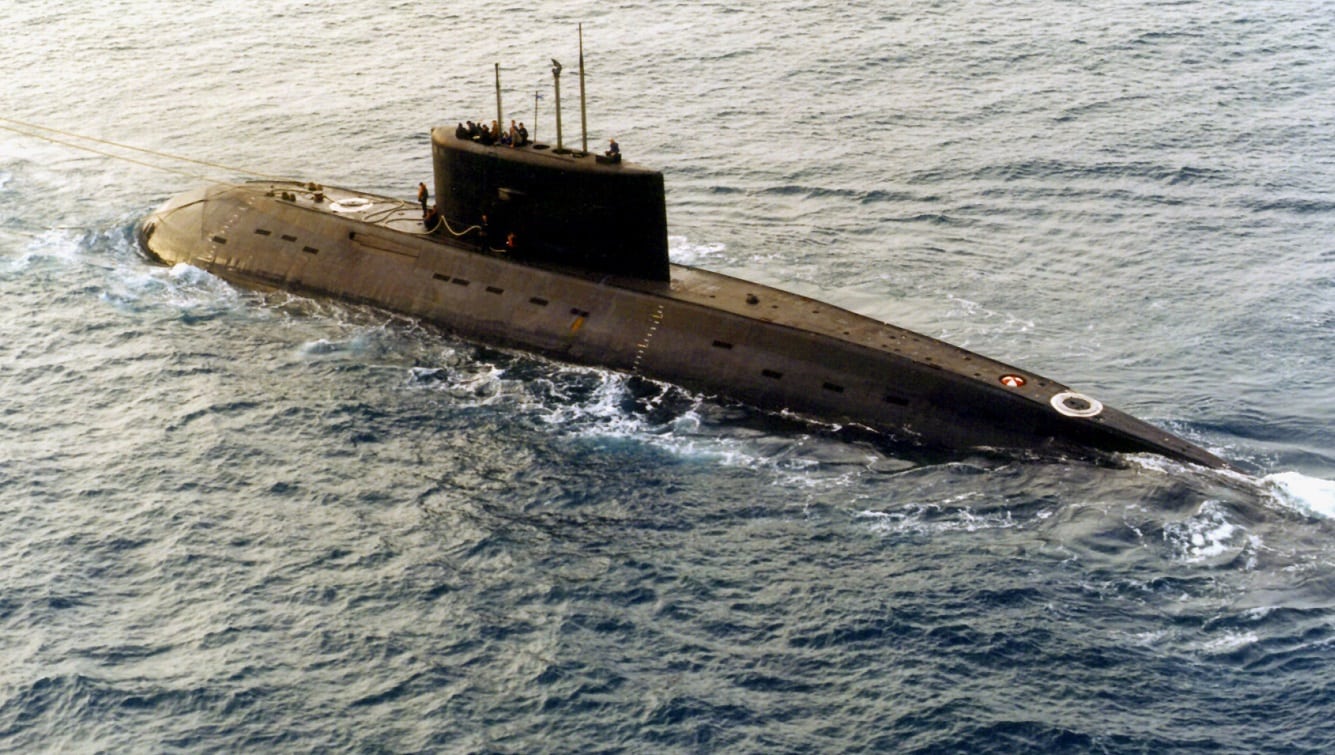
A Russian-built, Kilo-class diesel submarine purchased by Iran, is towed by a support vessel in this photograph taken in the central Mediterranean Sea during the week of December 23. The submarine and the support ship arrived at Port Said, Egypt, on Tuesday and were expected to begin transiting the Suez Canal today, Jan. 2, 1996. Ships and aircraft from the U.S. NavyÕs Sixth Fleet are tracking the submarine, which has been making the transit on the surface. This is the third Kilo-class submarine the Iranians have purchased from Moscow. DoD photo
-President Trump’s “Venezuela Model” for Tehran demands total abandonment of nuclear programs and proxies like Hezbollah.
Decapitation and Defiance: Analyzing Secret Ceasefire Outreach vs. Araghchi’s Ground War Threats
With senior leadership decimated by Israeli ground operatives, the White House now faces a chaotic search for a compliant Iranian successor.
The day after attacks on Iran began, operatives from the country’s Ministry of Intelligence reportedly reached out to the CIA, offering to discuss ways to end the current conflict. The approach to the US agency was not made directly but through a third and unidentified nation’s intelligence service acting as an intermediary.
The story, which was part of a detailed report by the New York Times, has prompted skepticism. One issue is whether or not U.S. President Donald Trump would entertain proposals for a cease-fire at the very beginning of an air campaign.
But another unknown is whether there were enough Iranian leaders at the time with the authority to conclude a deal with Washington.
More than a few allied officials have asked how one makes a deal with a government in Tehran that has seen most of its senior leadership—including the Supreme Leader Ayatollah Ali Khamenei—killed in targeted air strikes.
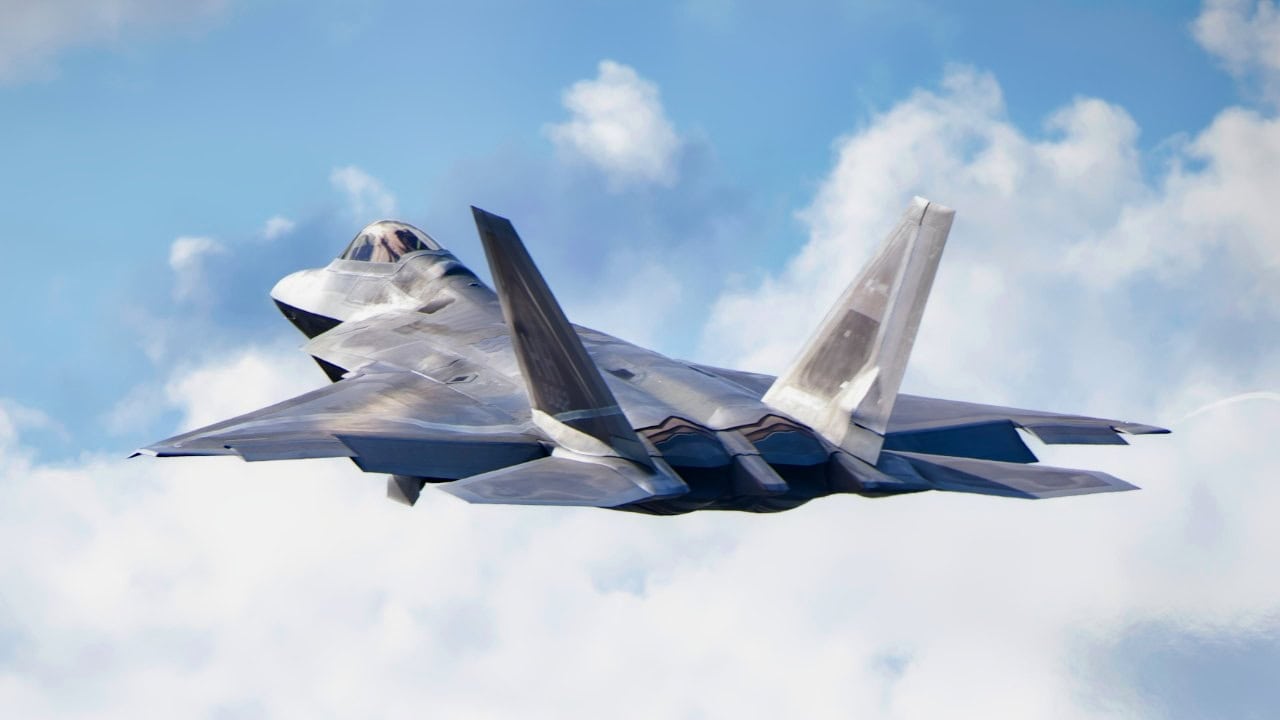
An F-22 Raptor aircraft takes off from Joint Base Pearl Harbor-Hickam, Hawaii, Aug. 8, 2024. The F-22 Raptor is a fifth-generation stealth fighter designed for air dominance, with capabilities in precision attack, advanced avionics, and unparalleled maneuverability. (U.S. Air National Guard photo by Tech. Sgt. Joseph Pagan)
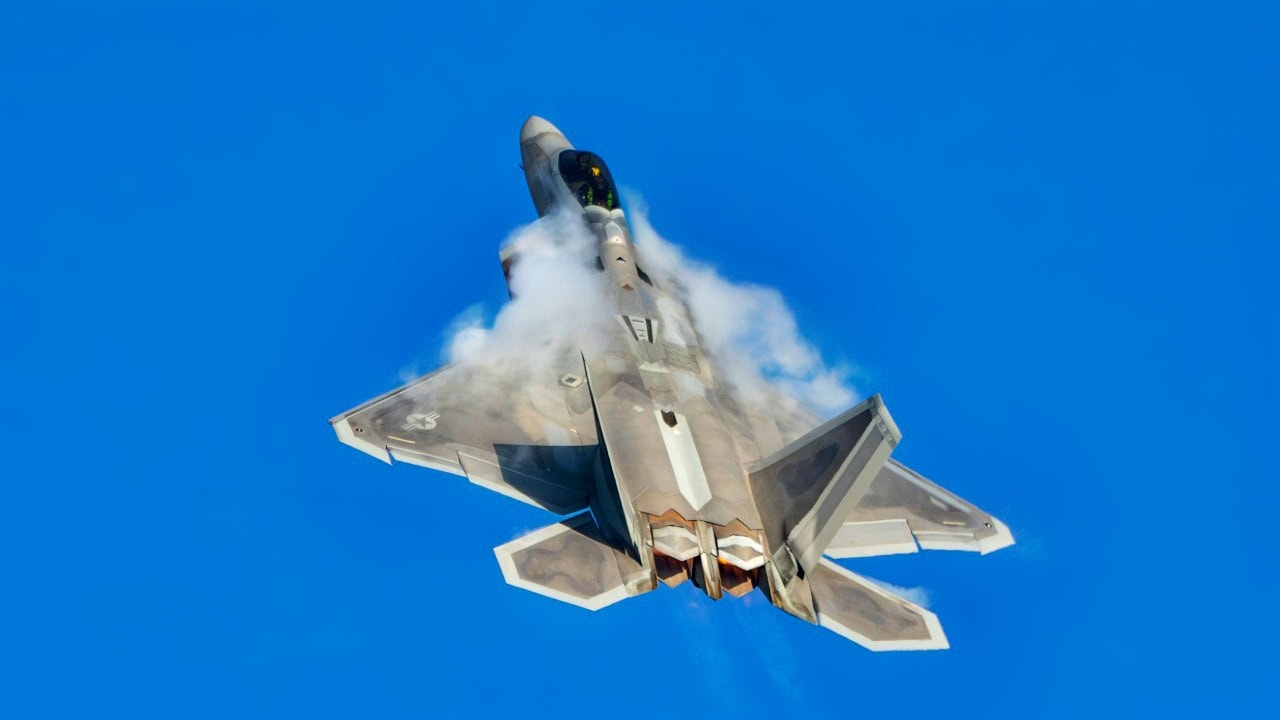
A U.S. Air Force F-22 Raptor, assigned to the F-22 Demonstration Team, executes precision aerial maneuvers during a practice airshow at Hill Air Force Base, Utah, Dec. 5, 2024. The practice session helps ensure the team maintains peak performance and readiness during the off-season. (U.S. Air Force photo by Senior Airman Nicholas Rupiper)
Most of these attacks were conducted not by the Israeli Air Force (IAF). The strikes were orchestrated by an extensive network of Israeli covert operatives on the ground, who provided the precise locations and movements of Iranian leaders. This puts Israel in perhaps the best position to judge the viability of Iran’s governing apparatus.
As testimony to the chaotic state of the Iranian central government, the Times report was greeted with derision in Iran. The Times story was described as “absolute lies and psychological warfare in the midst of war” by an unidentified ministry official whose statement was reported by Iran’s Tasnim news agency, which is often used as a government mouthpiece.
“Chances are that Tasnim would never have run this story unless there was a sizable faction within the Iranian regime who are foursquare against the idea of any kind of rapprochement with the US,” said a retired U.S. intelligence official with long experience dealing with Iran.
Iran Foreign Ministry: No Deal
Statements from the Iranian Foreign Ministry communicate nothing but defiance and a determination to prolong hostilities. The conversation between Tehran’s Foreign Minister and leading U.S. media outlets shows this.
Speaking today to NBC Nightly News anchor Tom Llamas, Iranian Foreign Minister Abbas Araghchi stated outright that Iran has not asked for a ceasefire and is rejecting any negotiations with the United States or its allies.
Statements from other Iranian officials also indicate a clear willingness to continue hostilities, if not widen them.
Tehran has warned that the United States will “bitterly regret” a recent torpedo attack on an Iranian naval ship in the Indian Ocean. Although the country keeps being hit day and night with U.S. and Israeli air strikes, Iran has continued to launch drone attacks in retaliation. The Iranian military is also striking targets in states across the region.
When asked if he was afraid of a possible U.S. ground invasion in response to Iran’s continued actions, Araghchi was not conciliatory.
“No, we are waiting for them [the US military],” he said and added, “Because we are confident that we can confront them, and that would be a big disaster for them.”
“The fact is that we don’t have any positive experience of negotiating with the United States,” he told the U.S. news network. “You know, especially with this administration. We negotiated twice last year and this year, and then in the middle of negotiations, they attacked us,” Araghchi said.
Washington’s End Game
Before negotiations with Tehran could happen, U.S. officials would expect Iran to cease its missile and drone attacks. The United States would also expect a commitment from Tehran to abandon or at least dramatically reduce its ballistic missile and nuclear programs, as well as end its support for foreign proxies such as Hezbollah and the Houthis.
Trump has suggested that the quid pro quo for these concessions is that he would allow Iran’s surviving leaders to retain their economic situations and political positions.
But Araghchi has rejected this position, saying that the United States must drop its “excessive demands” in nuclear talks with Iran to achieve a successful outcome. He made these remarks during a phone call with his Egyptian counterpart, Badr Abdel Ati, according to a report on Friday by Iran’s ISNA news agency.
Trump proposed on Tuesday he hopes for a similar template to Venezuela’s fate after the U.S. capture in January of that country’s leader, Nicolás Maduro. By threatening the use of additional military power, Trump compelled Maduro’s successor to grant the United States control over Venezuela’s oil exports—but there were few political reforms made by the ruling order in Caracas.
“What we did in Venezuela, I think, is the perfect scenario,” Mr. Trump said in a Sunday interview with The New York Times. “Leaders can be picked.” But just who would be “picked” to take over in Iran—one of current regime figures, or an outsider such as Crown Prince Reza Pahlavi—the White House has yet to specify.
About the Author: Reuben F. Johnson
Reuben F. Johnson has thirty-six years of experience analyzing and reporting on foreign weapons systems, defense technologies, and international arms export policy. Johnson is the Director of Research at the Casimir Pulaski Foundation. He is also a survivor of the Russian invasion of Ukraine in February 2022. He worked for years in the American defense industry as a foreign technology analyst and later as a consultant for the U.S. Department of Defense, the Departments of the Navy and Air Force, and the governments of the United Kingdom and Australia. In 2022-2023, he won two awards in a row for his defense reporting. He holds a bachelor’s degree from DePauw University and a master’s degree from Miami University in Ohio, specializing in Soviet and Russian studies. He lives in Warsaw.