
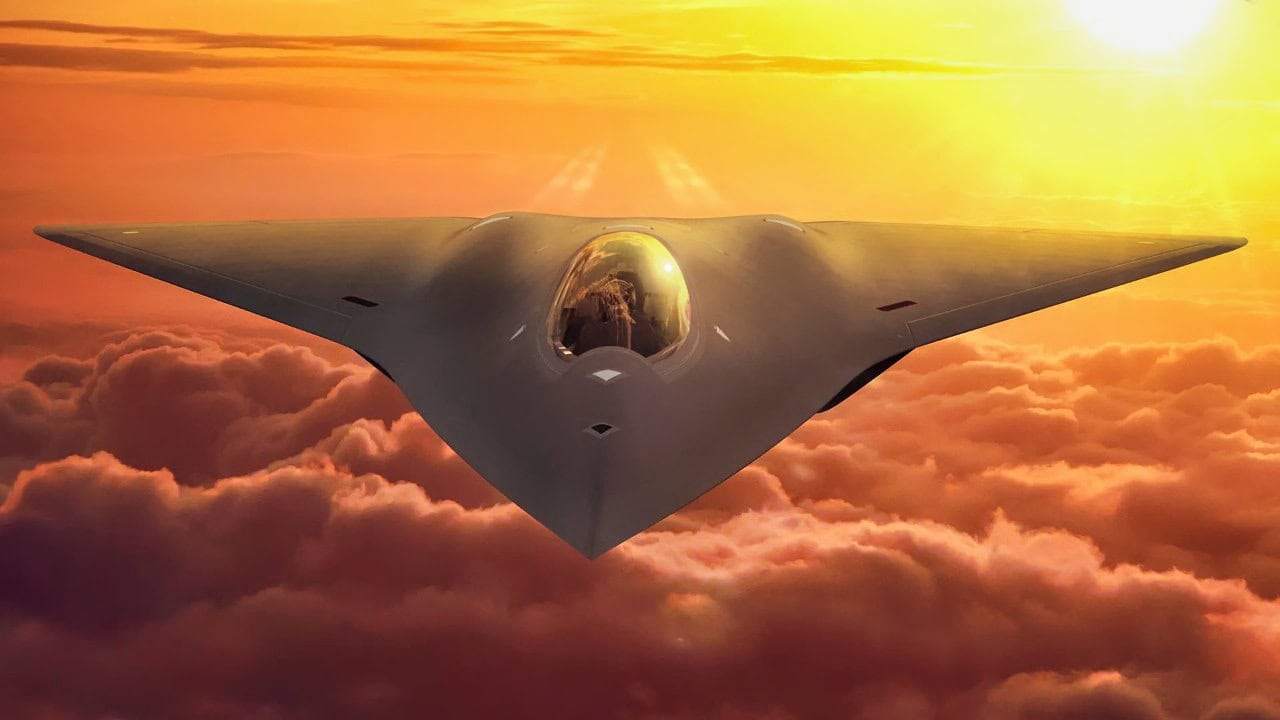
Summary and Key Points: Drawing on his expertise in military procurement and strategic competition, British defense researcher Jack Buckby analyzes the disruptive potential of the U.S. Air Force’s F-47 (NGAD) and Northrop Grumman’s Stand-in Attack Weapon (SiAW).
-Moving away from legacy “stand-off” munitions such as the Tomahawk or AGM-88 HARM, this 6th-generation ecosystem uses Collaborative Combat Aircraft (CCA) to penetrate heavily defended airspace.
F-47 Fighter from Boeing. Image Credit: U.S. Air Force Screenshot.

Shown is a graphical artist rendering of the Next Generation Air Dominance (NGAD) Platform. The rendering highlights the Air Force’s sixth generation fighter, the F-47. The NGAD Platform will bring lethal, next-generation technologies to ensure air superiority for the Joint Force in any conflict. (U.S. Air Force graphic)
-Buckby details how this stealth-enabled, “stand-in” strike capability is specifically designed to dismantle highly mobile anti-access/area-denial (A2/AD) networks, such as Russia’s S-400, fundamentally rewriting SEAD (Suppression of Enemy Air Defenses) warfare.
The Stand-In Revolution: How the F-47 and SiAW Will Rewrite SEAD Warfare
The U.S. Air Force’s Next Generation Air Dominance (NGAD) program is still largely classified, but one piece of the puzzle is coming into clearer focus: how its future fighter – often referred to as the F-47 – will actually fight its way through modern air defense systems.
The Stand-in Attack Weapon (SiAW) is expected to form the basis of the NGAD fighter’s new capabilities. It’s a high-speed munition designed to work inside heavily defended airspace rather than outside it.
For decades, U.S. airpower has relied heavily on long-range “stand-off” weapons to avoid the reach of systems like Russia’s S-400. The emerging NGAD solution is expected to completely flip that model, combining stealth penetration with weapons designed for close-in strikes.
The F-47 Is More Than Just A Fighter
The F-47, as part of NGAD, is not simply a replacement for the F-22. The Air Force has been explicit that NGAD is a “family of systems,” combining a crewed fighter with drones, sensors, and networked platforms operating together in contested environments.
That ecosystem is expected to include Collaborative Combat Aircraft (CCA), uncrewed drones designed to operate alongside the fighter, extending sensor reach and carrying additional weapons. The crewed aircraft – whether ultimately designated F-47 or something else – would function as both a shooter and a forward command node.
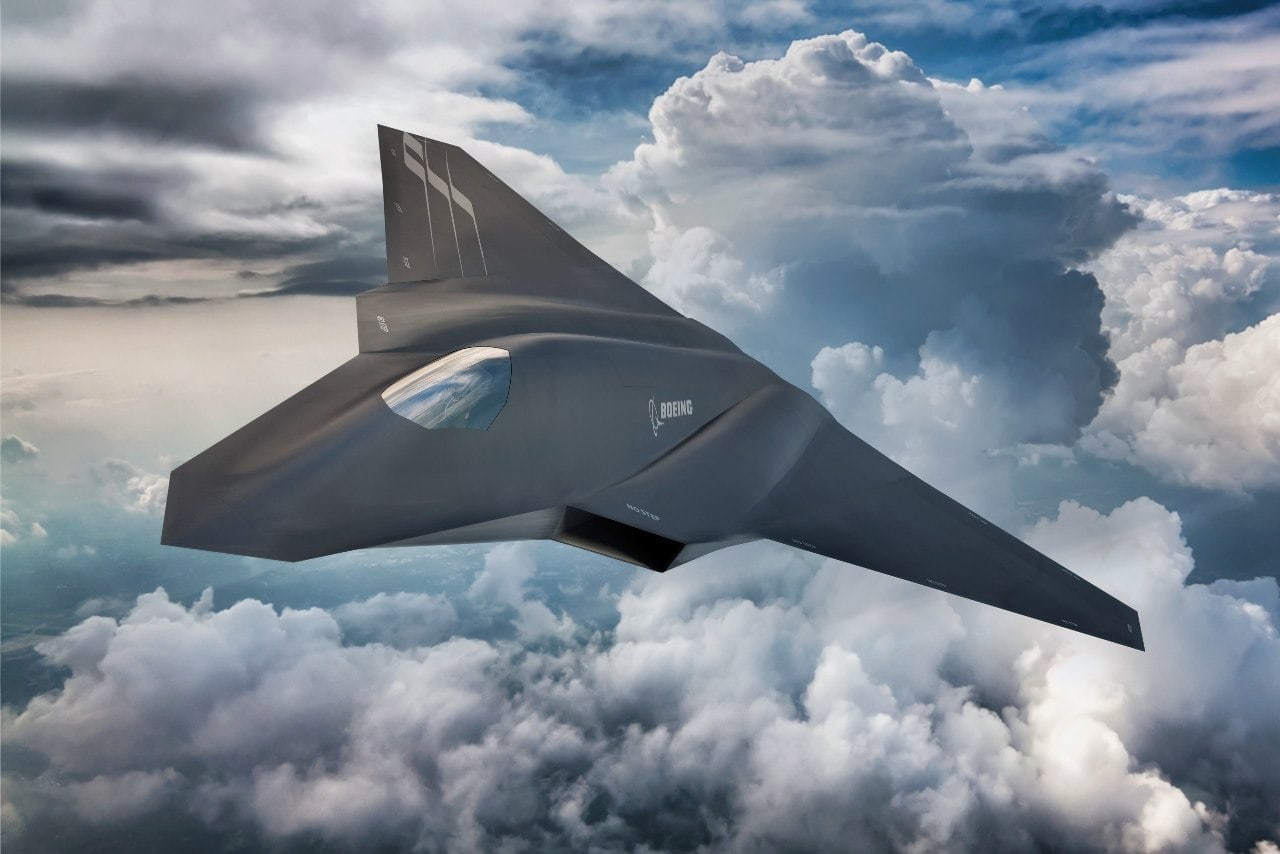
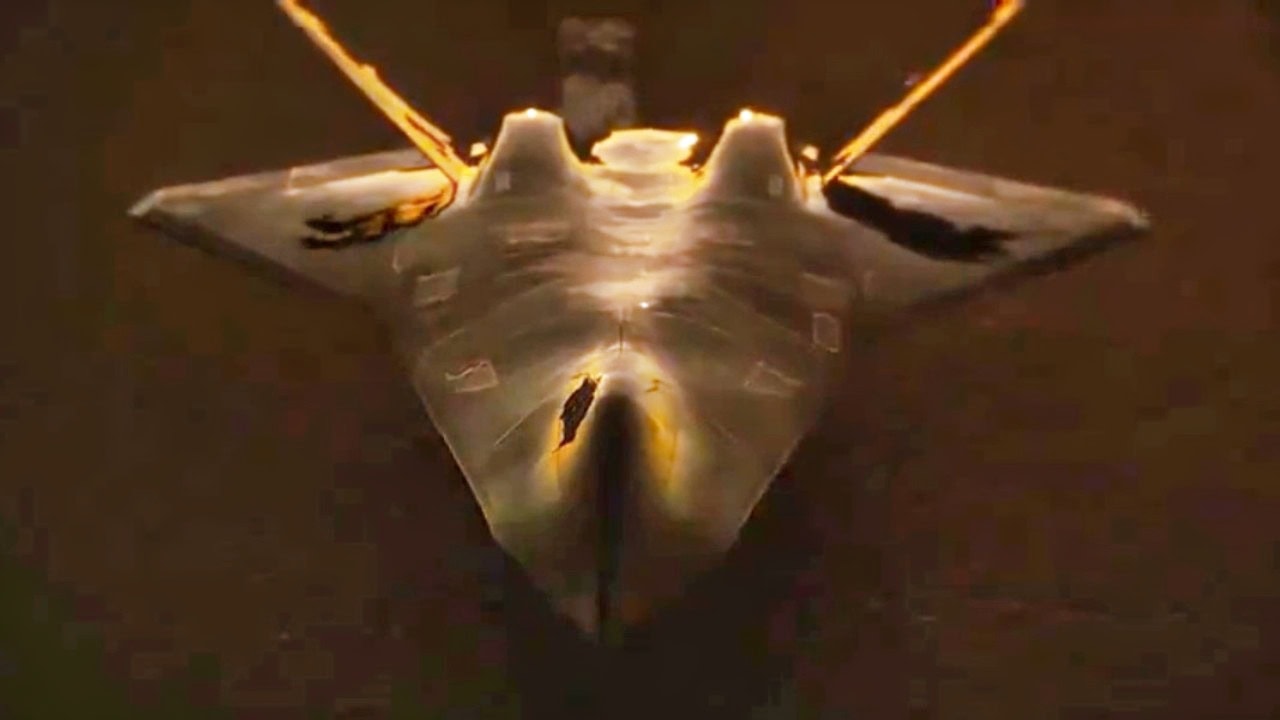
NGAD Fighter from Boeing.
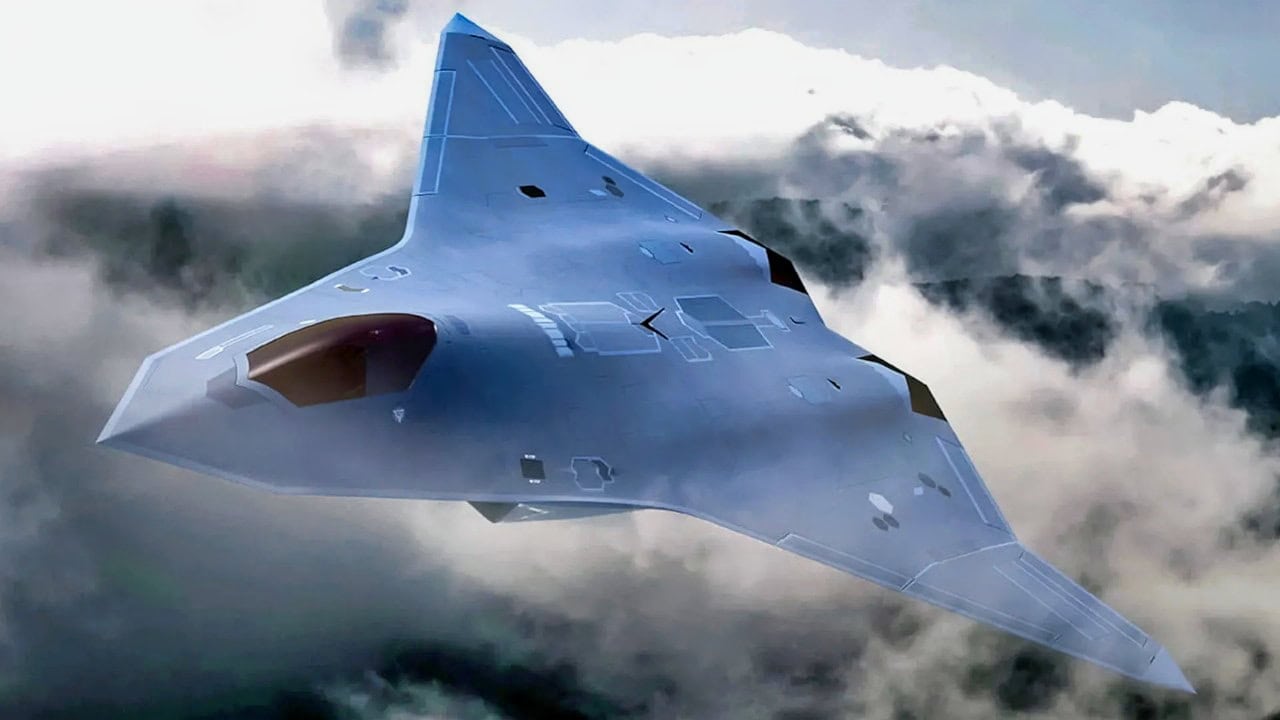
NGAD Fighter. Image Credit: Creative Commons.
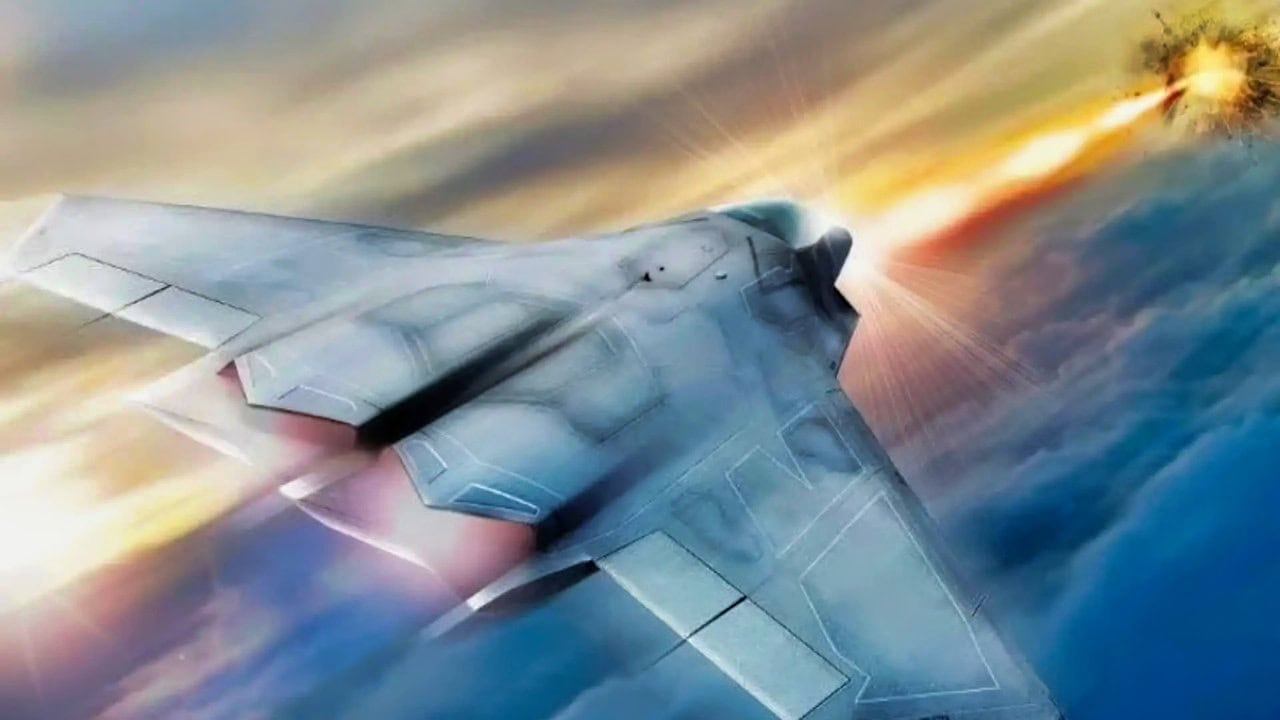
NGAD image. Image Credit: Creative Commons.
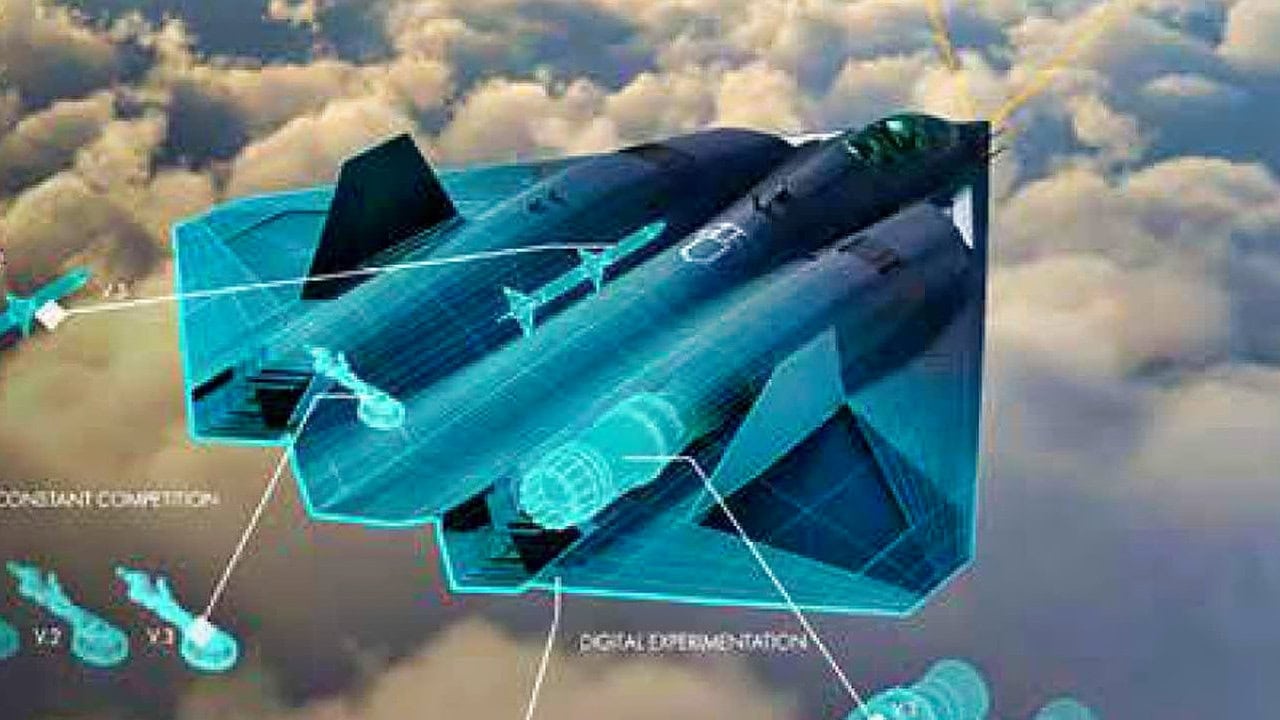
NGAD Image. Credit: U.S. Air Force.
This marks a departure from the strategies that defined earlier platforms. The F-22, for example, was optimized for air superiority, while the F-35 added multi-role strike and sensor fusion. NGAD goes even further, integrating real-time data from multiple platforms into one operational picture. It’s this new networked system that is critical for targeting mobile systems that are increasingly resistant to traditional detection methods.
SiAW Explained
Developed by Northrop Grumman, SiAW is intended to replace or supplement legacy suppression weapons like the AGM-88 HARM and its more advanced successor, the AARGM-ER. The key difference with the SiAW, though, is in how it is used.
Traditional stand-off weapons like the Tomahawk or JASSM are launched from outside defended airspace. SiAW, by contrast, is designed to be carried internally by stealth aircraft and launched after penetrating those defenses.
That allows for more rapid engagement. Mobile systems, such as surface-to-air missile launchers or electronic warfare nodes, can move quickly or shut down radars to avoid detection. By reducing the distance between the launch point and target, SiAW increases the likelihood of hitting those time-sensitive targets before they can move.
The weapon is also expected to operate in contested electromagnetic environments, where GPS jamming and spoofing are common.
Modern anti-radiation missiles like AARGM-ER already incorporate multi-mode guidance to counter those threats, and SiAW is expected to build on that approach with improved resilience and targeting flexibility.
Why It Matters Against Systems Like the S-400
Russia’s S-400 air defense system is a useful benchmark for understanding the problem SiAW is designed to solve. The system can engage targets at ranges of up to 400 kilometers, depending on the missile variant, and uses a layered radar architecture to track and engage multiple targets.
But its real strength is mobility. S-400 batteries can relocate, deploy, and redeploy relatively quickly, and operators often use tactics like intermittent radar activation to reduce vulnerability. Similar behavior has been observed in Ukraine, where both Russian and Ukrainian air defense systems have used mobility and emission control to survive.
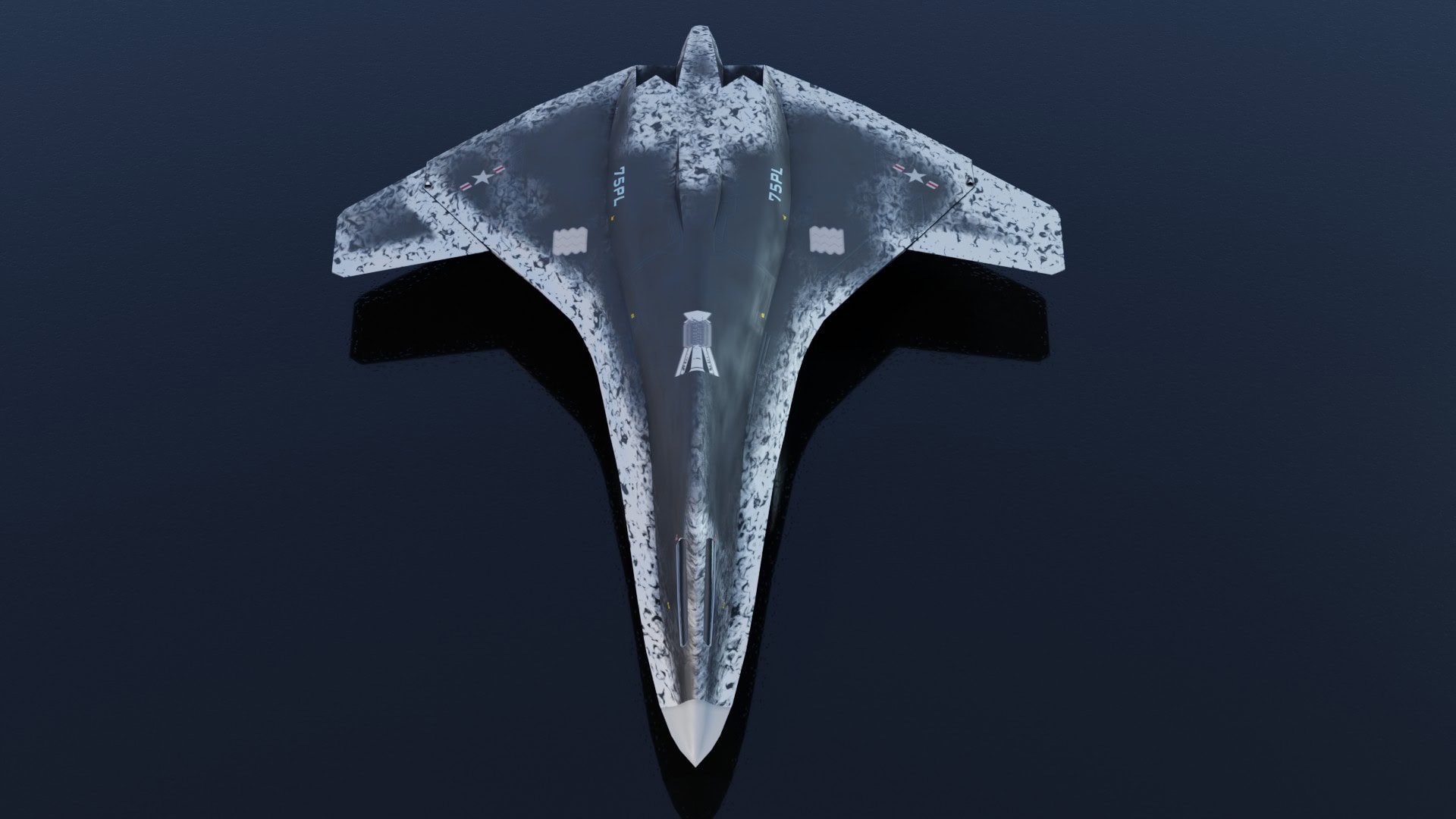
NGAD Fighter Mock Up. Image Credit: Creative Commons.
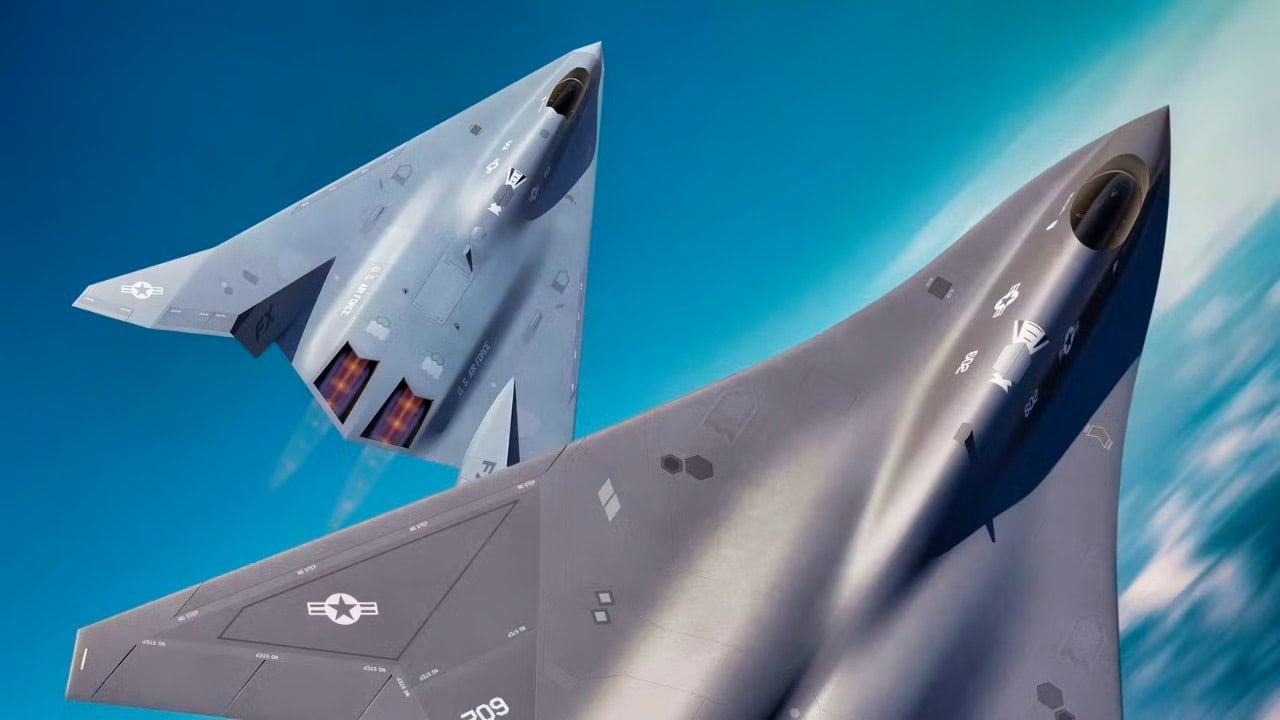
U.S. NGAD Fighter. Artist Rendering.
That creates a challenge for traditional suppression of enemy air defenses (SEAD). Long-range weapons may arrive after a target has moved or shut down. Electronic warfare can degrade guidance, too. And fixed-targeting data can quickly become outdated.
A combination of the F-47 and SiAW can address that problem. A stealth aircraft can penetrate contested airspace, receive updated targeting data from drones or other sensors, and launch a weapon at close range with minimal warning time.
Reshaping the Opening Phases Of Conflict
Also significant is how this kind of capability could reshape the opening phases of major conflicts. U.S. doctrine has long depended on degrading enemy air defenses to establish air superiority – as we just saw in Iran – and thereby enabling follow-on operations.
Traditionally, this process has involved a mix of cruise missile strikes and stealth bomber sorties against fixed targets. But those methods are less effective against mobile systems and distributed networks. The NGAD approach instead focuses on dynamic targeting – finding and destroying threats in real time.
An SiAW-armed F-47 could play a central role in that process.
By eliminating key nodes like mobile launchers and radar systems, it could create localized “air corridors” through which other aircraft can operate. That, in turn, allows the rest of the force – including fighters, bombers, and support aircraft – to enter contested airspace with reduced risk.
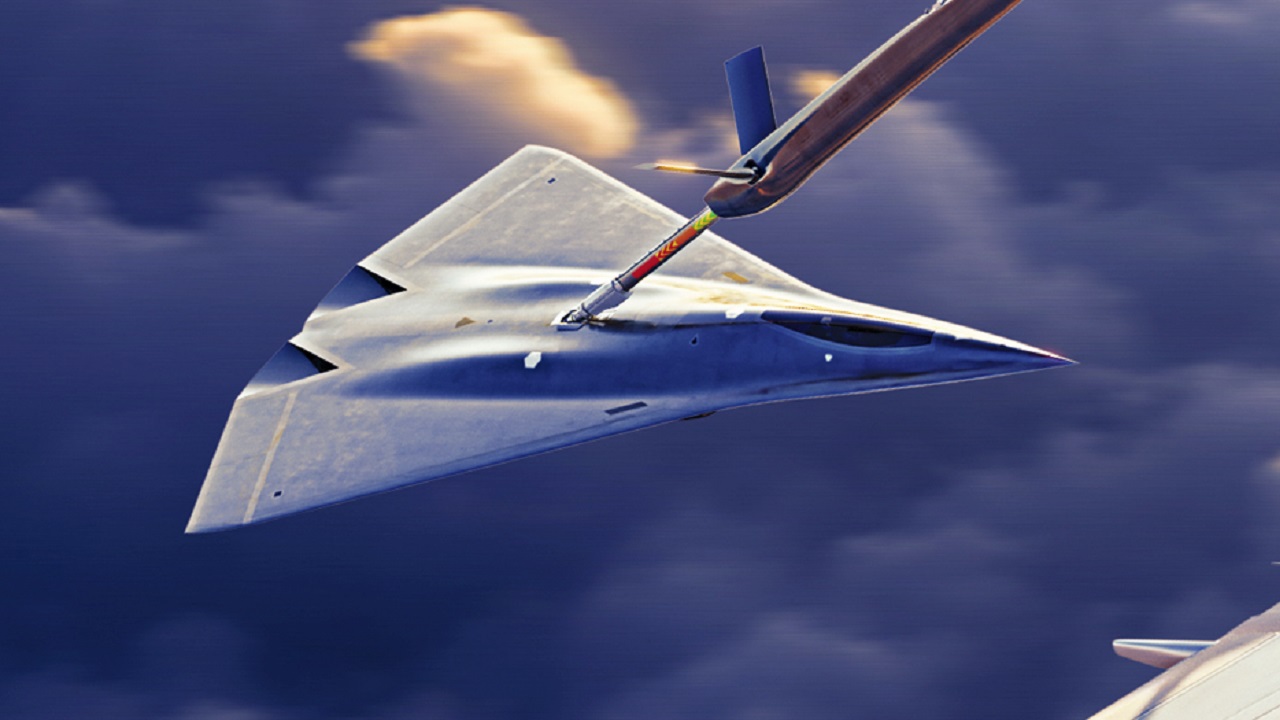
Lockheed Martin NGAD Fighter. Image Credit: Lockheed Martin.
There’s also another effect: if adversaries know their air defenses can be penetrated and rapidly dismantled, they may be forced to disperse those systems or limit radar use. They will also be forced to invest more heavily in defensive measures.
Each one of those options carries trade-offs, potentially reducing the overall effectiveness of their defense networks. In that sense, the F-47 and SiAW represent a huge shift in how the U.S. military intends to fight.
About the Author: Jack Buckby
Jack Buckby is a British researcher and analyst specialising in defence and national security, based in New York. His work focuses on military capability, procurement, and strategic competition, producing and editing analysis for policy and defence audiences. He brings extensive editorial experience, with a career output spanning over 1,000 articles at 19FortyFive and National Security Journal, and has previously authored books and papers on extremism and deradicalisation.