
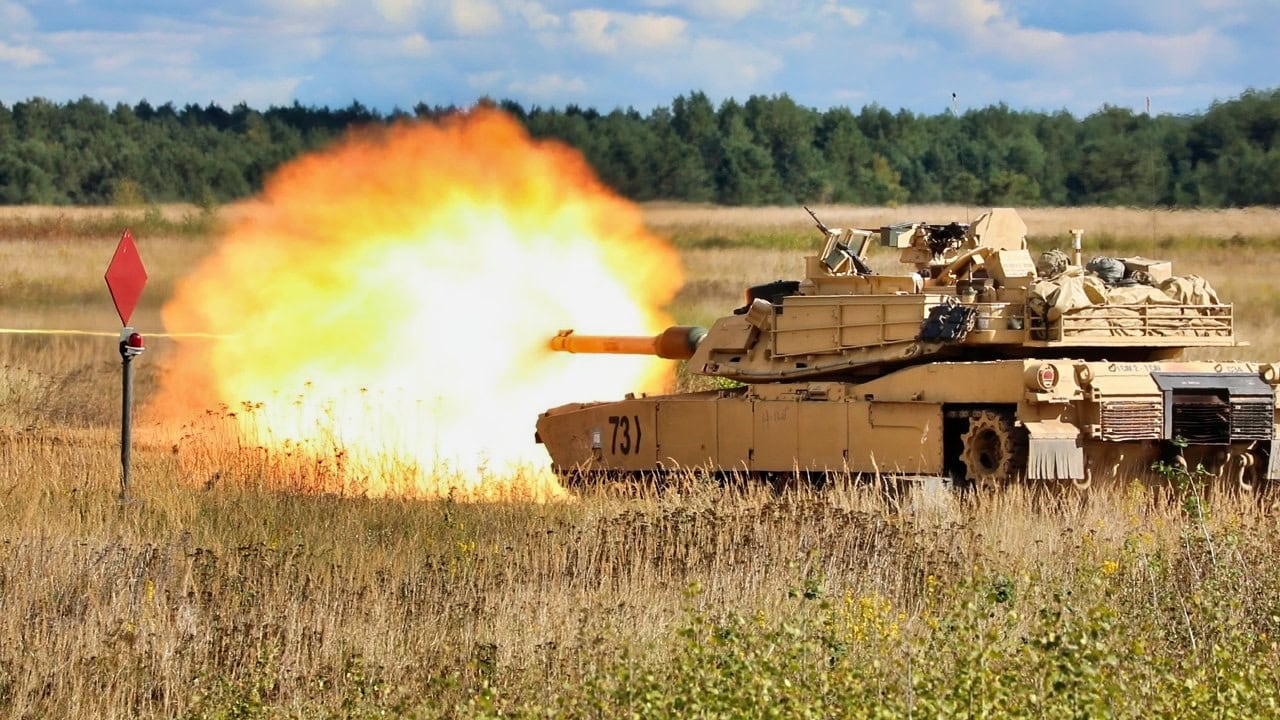
Summary and Key Points: Dr. Robert E. Kelly of Pusan National University explains that three weeks into the Iran War, Donald Trump faces a decision that could define his presidency.
-U.S. and Israeli airstrikes have devastated Iran’s military — but the clerical regime hasn’t collapsed, no popular uprising has materialized, and Iran has closed the Strait of Hormuz.
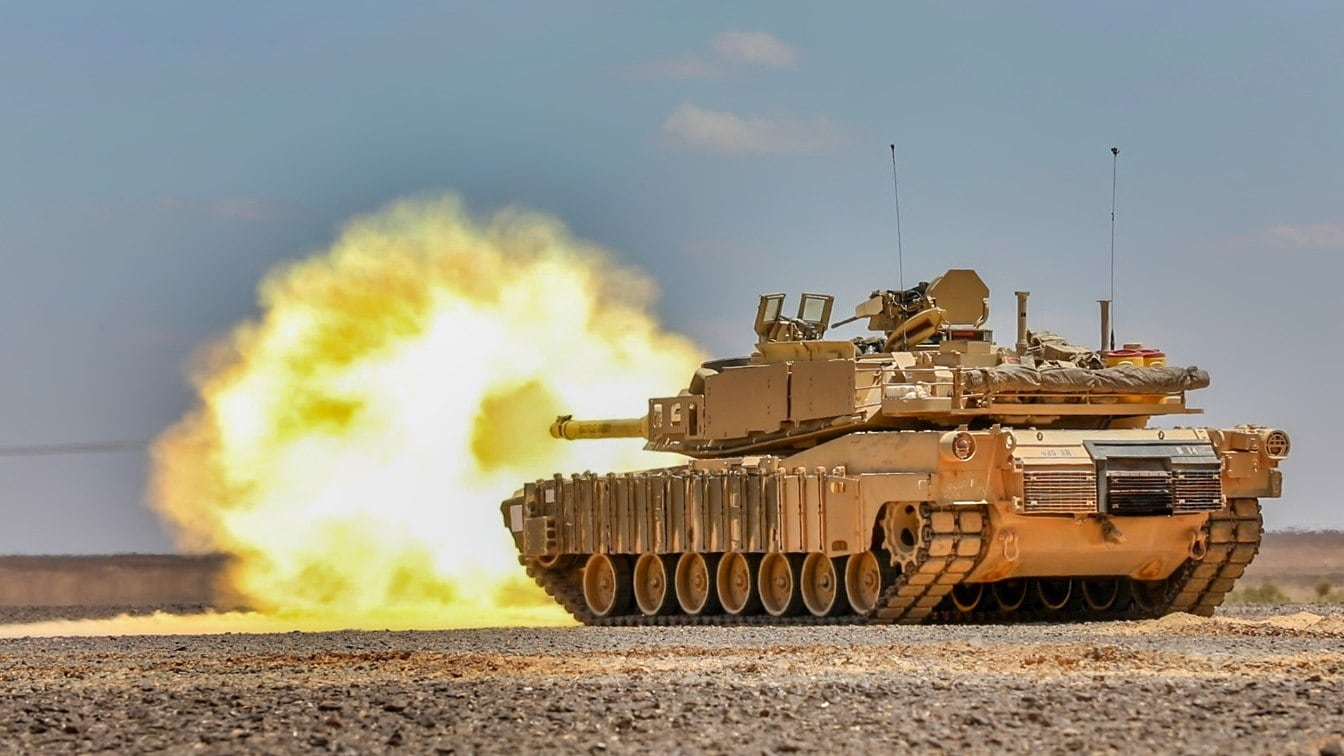
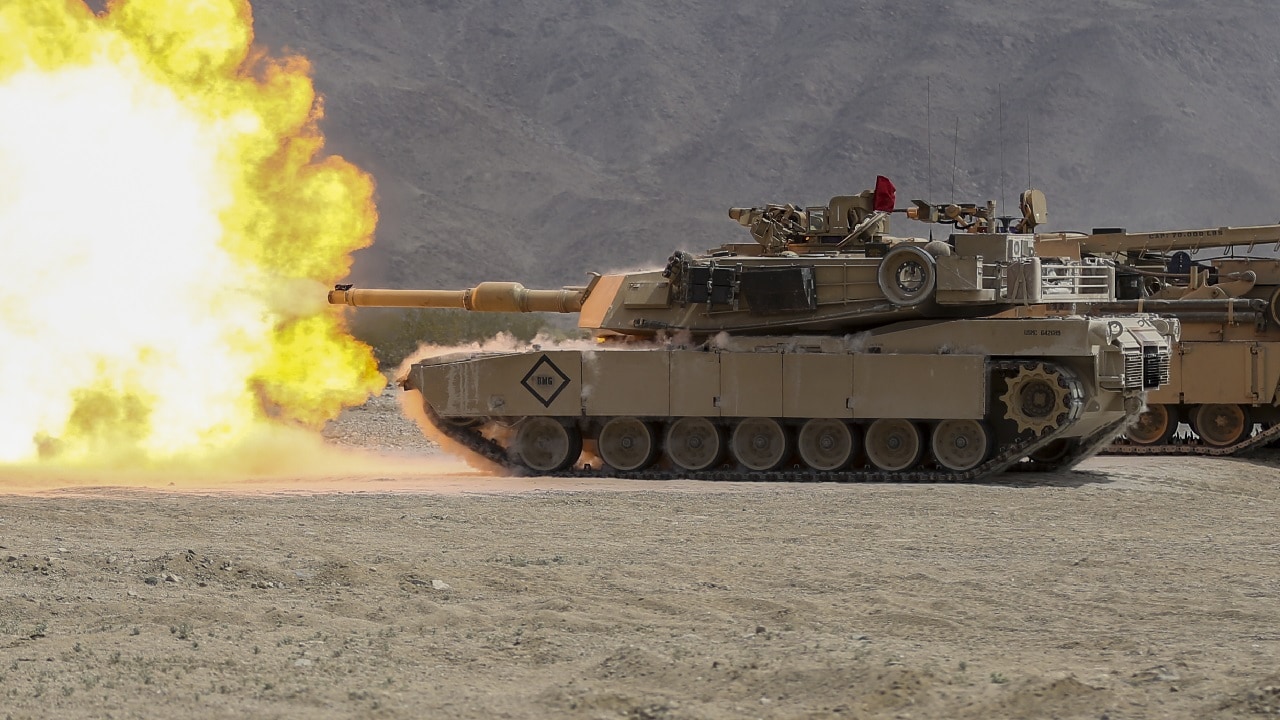
A U.S. Army M1A1 Abrams tank fires as part of Eager Lion 2024 at Training Area 5, Jordan, May 13, 2024. Eager Lion 24 is a multilateral exercise, with 33 participating nations, hosted by the Hashemite Kingdom of Jordan, designed to exchange military expertise, and improve interoperability among partner nations, and considered the capstone of a broader U.S. military relationship with the Jordanian Armed Forces. Jordan is one of U.S. Central Command’s strongest and most reliable partners in the Levant sub-region. (U.S. Army photo by Spc. Nataja Ford)
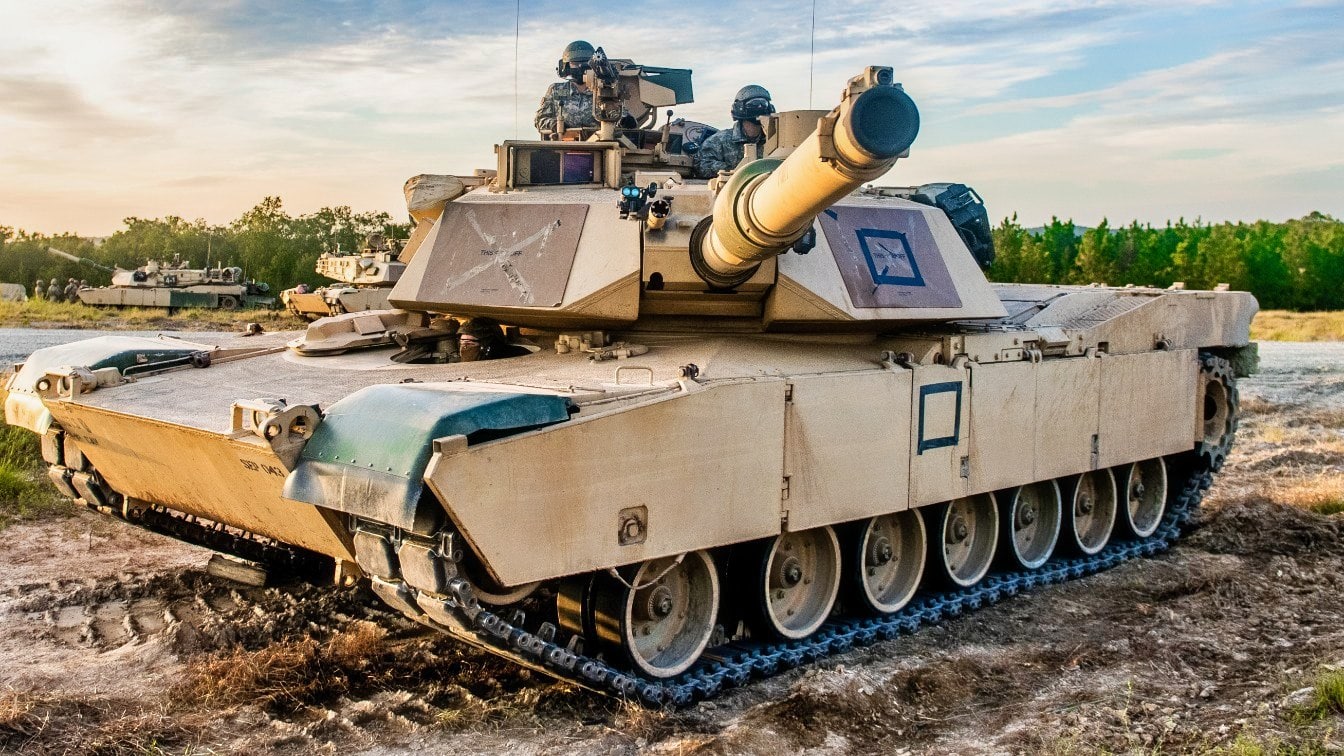
FORT BENNING, Ga. – Students in Armor Basic Officer Leader Course Class 20-005 conduct a platoon situational training exercise, Sept. 22, 2020, at Good Hope Maneuver Training Area on Harmony Church. Students train as both an attacking force and a defending force using the U.S. Army’s M1 Abrams Main Battle Tank. (U.S. Army photo by Patrick A. Albright, Maneuver Center of Excellence and Fort Benning Public Affairs)
-The U.S. Navy won’t escort tankers through it. Allied nations won’t help reopen it. And if the regime survives, nuclear weapons become a near-certainty.
-Trump now faces the choice every American president has feared: send ground troops into Iran, or accept an outcome his opponents will call defeat.
-There may be no middle option left.
Iran Didn’t Win a Single Air Battle Against the U.S. — But It Just Closed the Strait of Hormuz and Nobody in Washington Knows How to Reopen It
The Iran War is less than three weeks old, but it is already sliding toward substantial escalation.
It is increasingly clear that U.S. President Donald Trump thought the war would be a swift one. He has repeatedly said that Iran is defeated and that its military is destroyed.
And indeed, U.S. and Israeli strikes have been operationally successful. Iran’s military losses are substantial.
But it is also clear that the Iranian clerical regime is not about to collapse. It has successfully appointed a successor to its leader killed on the first day of the war.
Splits in the state’s security forces have not materialized. Similarly, there is no popular uprising on the streets, which the United States and Israel hoped for, to depose the regime.
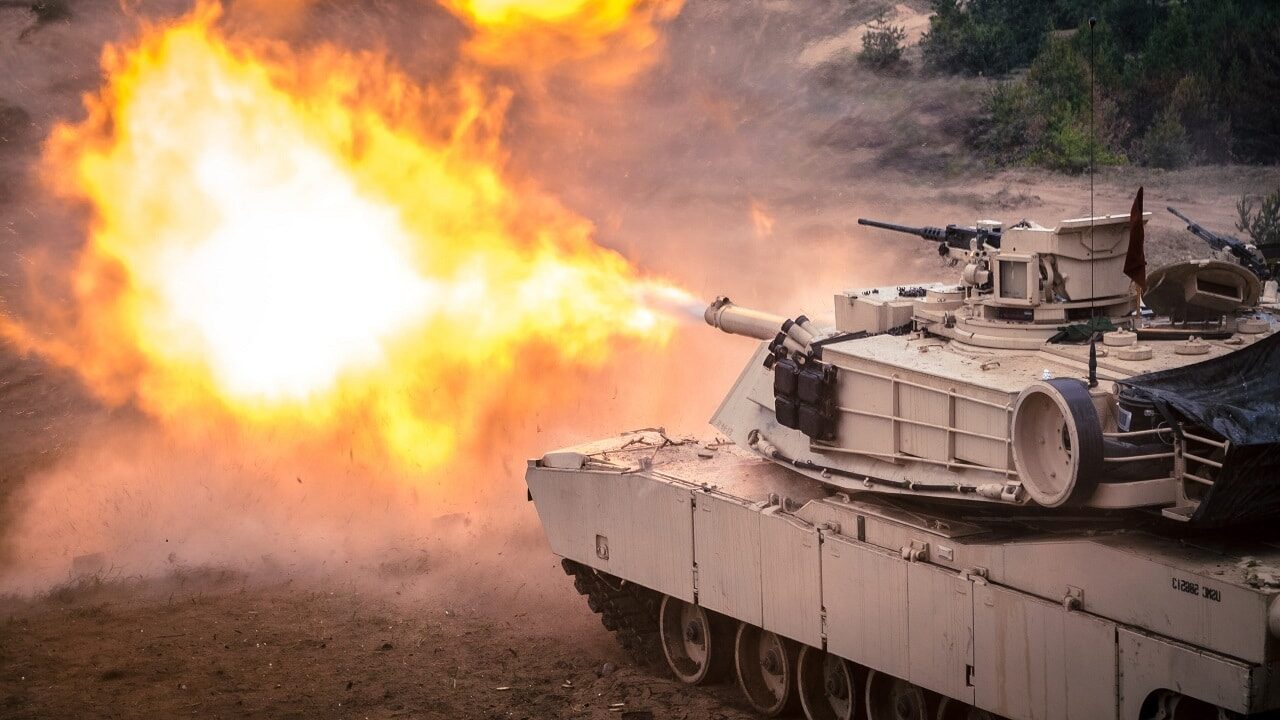
M1 Abrams Tank firing. Image Credit: Creative Commons.
An M1 Abrams Tank fires off a round as a demonstration during 1st Tank Battalion’s Jane Wayne Spouse Appreciation Day aboard the Marine Corps Air Ground Combat Center, Twentynine Palms, Calif., April 3, 2018. The purpose of the event is to build resiliency in spiritual well being, the will to fight and a strong home life for the 1st Tanks Marines and their families. (U.S. Marine Corps photo by Lance Cpl. Rachel K. Porter)
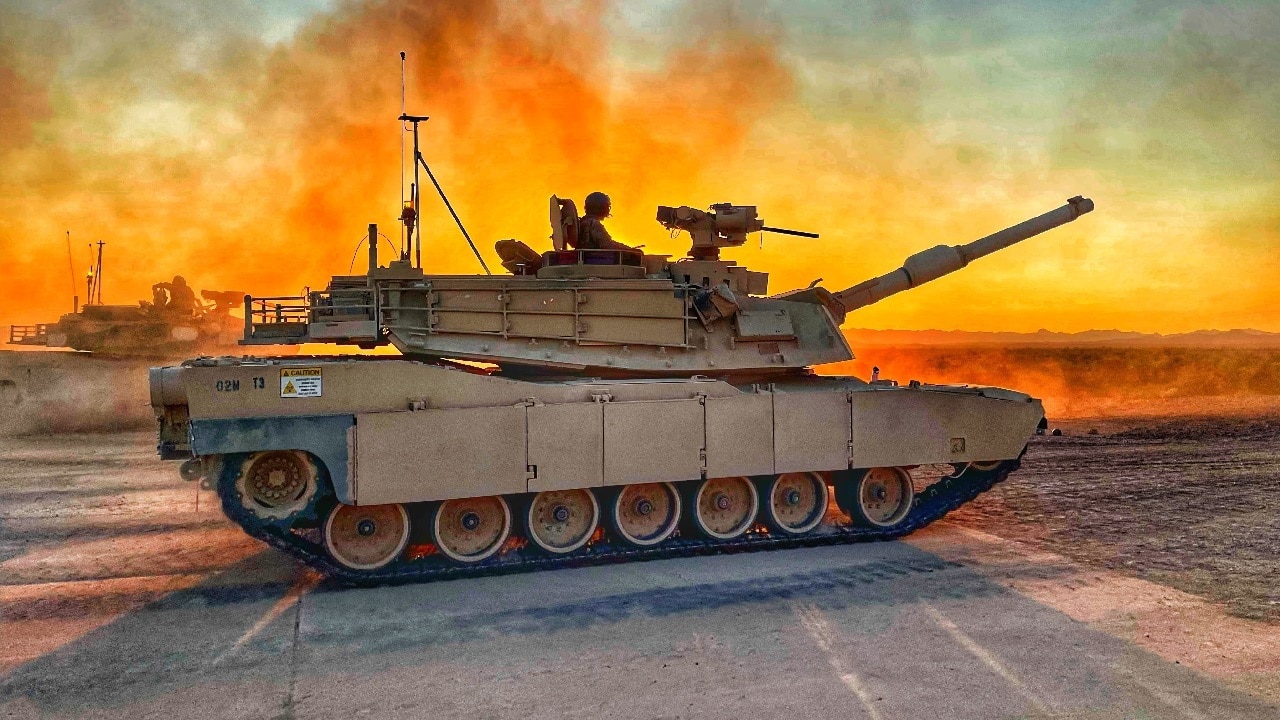
US Army M1 Abrams Tank. Image Credit: Creative Commons.
Most important, Iran has closed the Strait of Hormuz, and Trump and his war cabinet cannot figure out how to reopen it at a reasonable cost.
There is a fairly solid consensus in the social science on airpower that it is not enough to win wars and bring down an enemy regime. U.S. air campaigns during World War II, Vietnam, and the first Gulf War were not enough. Despite the damage those campaigns did, the United States needed to invade on the ground to decisively win. Trump now faces a choice. Specifically, a U.S. ground operation increasingly appears necessary to reopen the strait, and to bring about regime change to prevent the current regime from sprinting for nuclear weapons if it survives the war.
Can the U.S. Open Hormuz without Taking a Strip of the Iranian Coast?
The Iranian government has “closed” the strait by threatening to use force against oil tankers that cross it. This has led to an oil price spike and global stock market declines. Trump is under pressure to do something, but the U.S. Navy has rejected escorting vessels.
Because the strait narrows, Iran can fill a tight battlespace with mines, drones, and rockets. Tehran has been preparing for this exact contingency for years. Escorting tankers would be dangerous. The U.S. Navy is large, heavy, and expensive. It would be vulnerable to mines and swarms of drones.
The Navy is also comparatively small, having chosen exquisite quality over quantity. Therefore, the loss of any one ship to Iranian fire would be a substantial blow—and of course, the images on television and social media of a U.S. ship burning or sinking would be a public shock.
Such an event might force Trump to end the war immediately, and it could cost the Republican Party the election in November.
Given the Navy’s reticence, Trump has sought to force the strait open by calling for other countries to help. Those countries have rejected that call. The longer the closure continues, the more Trump will feel pressure to use U.S. ground forces on the Iranian side of the strait to destroy its capabilities there. A ground incursion creates obvious mission creep risks.
The Clerics will Go for Nukes if They Survive the War
The other pressure on Trump to commit ground forces is the near certainty that the Iranian government will push to develop nuclear weapons quickly if it survives the war. War supporters have relentlessly argued that Iran cannot have a nuclear weapon, and much of Western public opinion likely agrees.
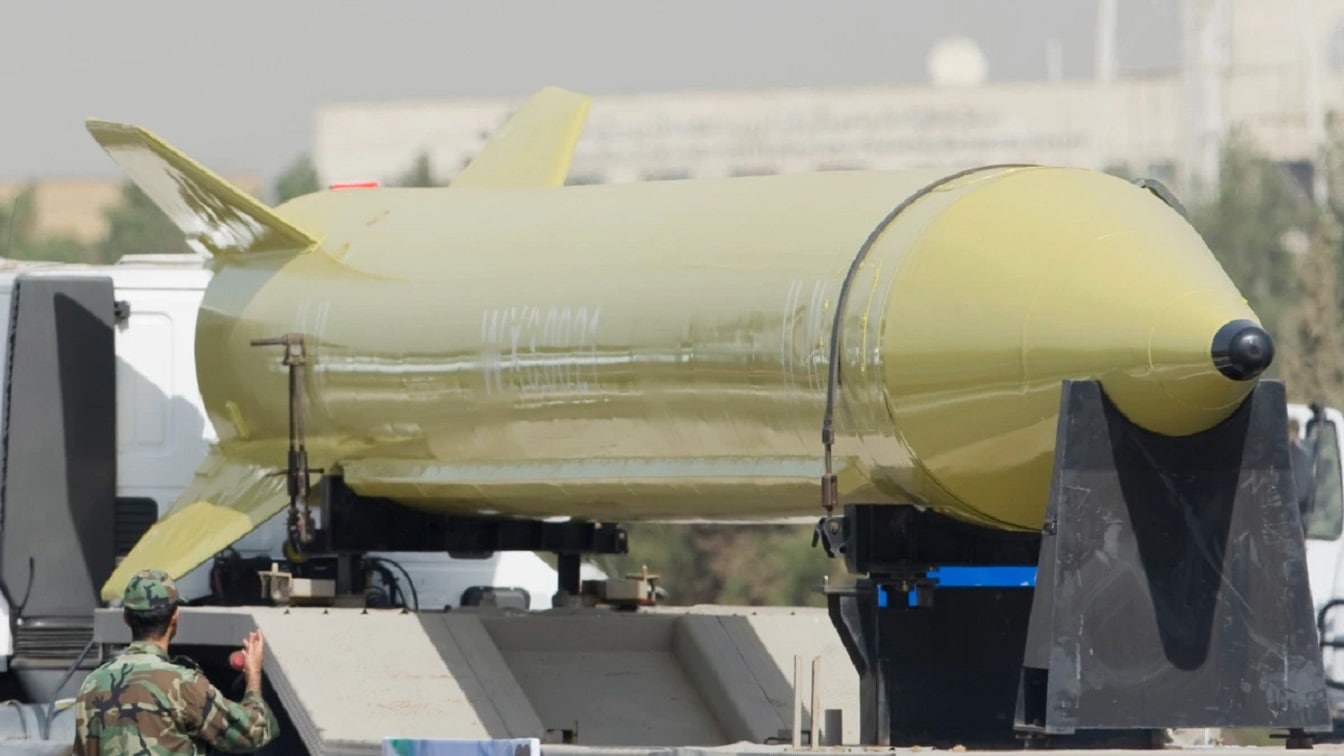
Iranian Ballistic Missile. Image Credit: Creative Commons.
The nuclear deal former President Barack Obama reached with Iran offered one path to slowing Tehran’s drive, but opponents of the deal argued for years that it was insufficient. The culmination of that campaign is this air war.
It is now highly unlikely that Iran will agree to another nuclear weapons deal with the United States. Washington is an untrustworthy counterparty. It has bombed Iran twice in less than a year.
It is logical, therefore, for the regime to nuclearize once the war is over. The Israelis and Americans are clearly not interested in a deal, and North Korea has illustrated that when you have the bomb, the West will not attack you.
The United States and Israel, then, face a choice of bombing Iran periodically to set back its nuclear advances—this is colloquially referred to as “mowing the lawn”—or definitively deposing the current clerical regime in favor of a new government that will not pursue a nuke.
That is clearly what Trump and Israeli Prime Minister Benjamin Netanyahu hoped for with their calls for an uprising and the strikes on government installations.
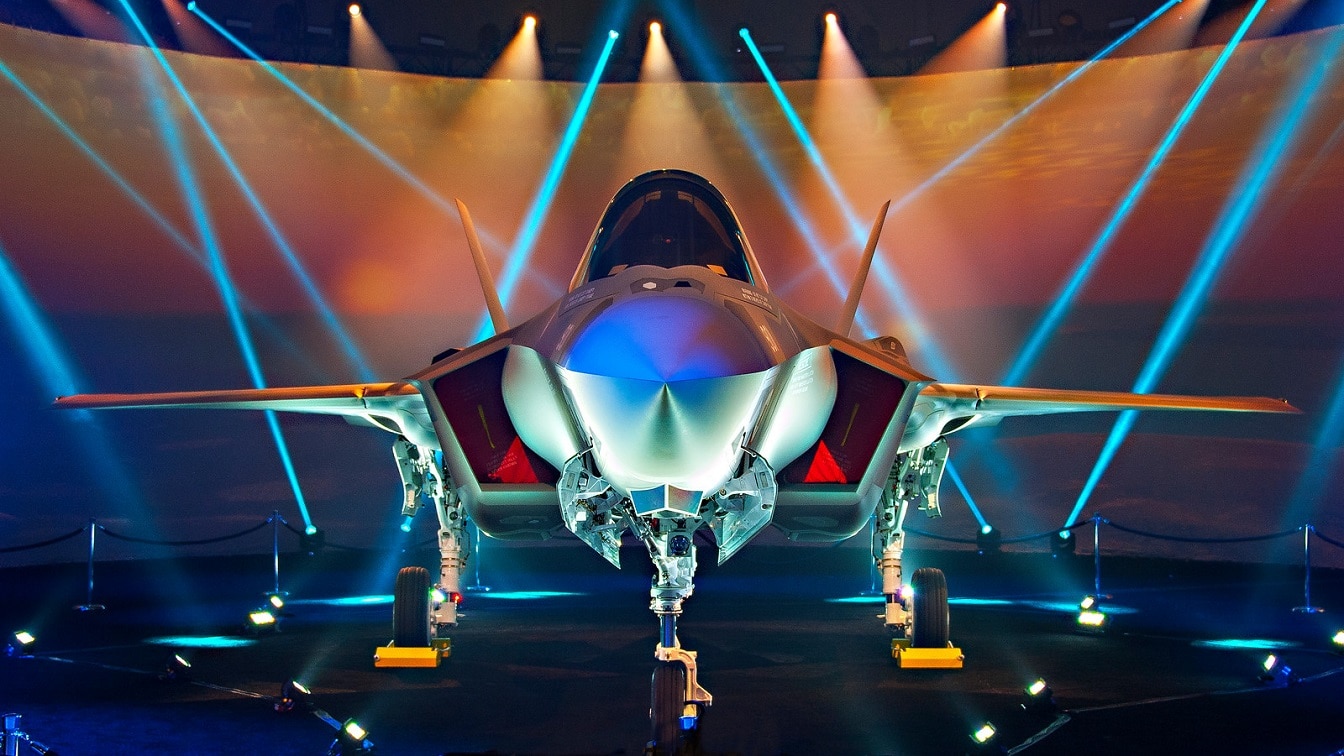
F-35I Adir. Image Credit: Creative Commons.
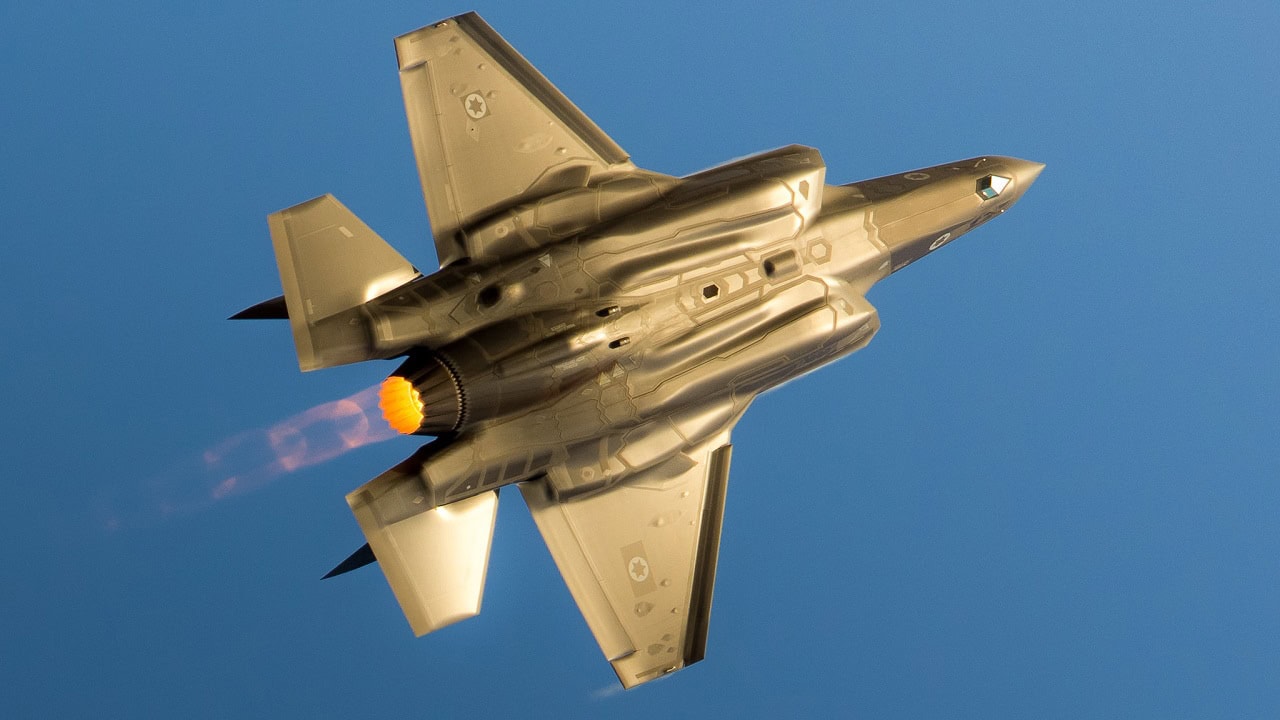
F-35I Adir. Image Credit: Creative Commons.
But that uprising appears unlikely. Increasingly, it looks like the only way to achieve the regime change necessary to permanently denuclearize Iran is a U.S. ground invasion.
Conclusion: Iran War Disaster
Trump is politically savvy enough to know the U.S. public opposes a ground war, and that such a conflict might spiral into a presidency-destroying quagmire. Conversely, Trump is psychologically obsessed with the perception that he is a “winner.”
Withdrawing from the war on mixed terms, with the Iranian government still in place and mocking him, and his domestic opponents crowing that he lost the war, is intolerable to him.
Trump will escalate. He will soon face the presidency-defining choice to go in on the ground or not.
Author: Dr. Robert Kelly, Pusan National University
Dr. Robert E. Kelly is a professor of international relations in the Department of Political Science and Diplomacy at Pusan National University in South Korea. His research interests focus on Security in Northeast Asia, U.S. foreign policy, and international financial institutions. He has written for outlets including Foreign Affairs, the European Journal of International Relations, and the Economist, and he has spoken on television news services such as the BBC and CCTV. His personal website/blog is here; his Twitter page is here.