
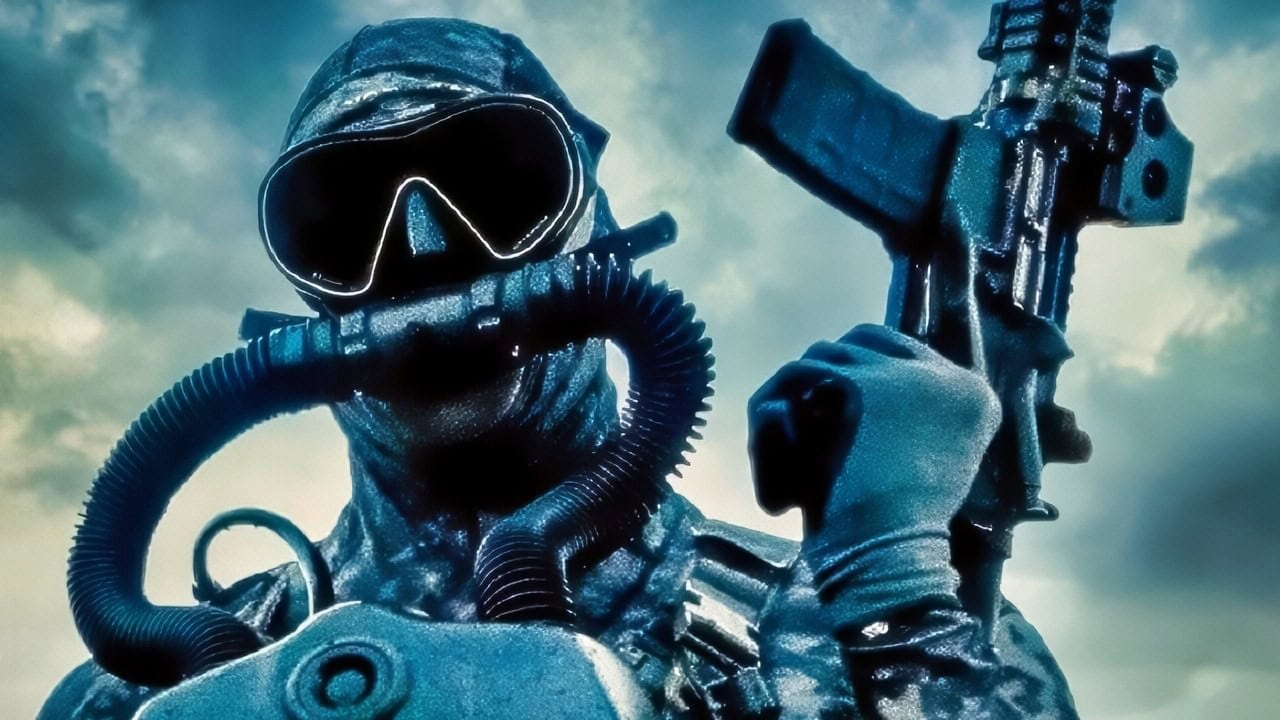
Summary and Key Points: Defense analyst Dr. Brent M. Eastwood evaluates the potential for a SEAL Team Six raid on Kharg Island, the terminal responsible for 90% of Iran’s oil exports.
-As Operation Epic Fury enters its third week in the coming days, the transition of power to Mojtaba Khamenei has hardened Iranian resistance.
-This report analyzes the use of HALO jumps and SEAL Delivery Vehicles to seize the facility, noting that while the IRGC Quds Force is weakened, the mission risks high U.S. casualties.
-Eastwood explores the spike in crude prices and concludes that President Trump may avoid “boots on the ground” to prevent a 2026 midterm election backlash.
Kharg Island: Why SEAL Team Six is the “Nuclear Option” for Ending the 2026 Iran War
I was originally opposed to the war in Iran, but here we are.
It’s time to support U.S. military personnel, and that requires ample patriotic fervor to ensure all American defense forces have everything they need to succeed.
However, I thought that diplomacy would help prevent this conflict from starting and that a new, better nuclear and ballistic missile deal could ensure greater peace in the Middle East. So far, U.S. strikes have been more robust than even the “shock and awe” bombing campaign of the First and Second Gulf Wars.
Israel has also supplemented a multitude of American attacks for a one-two punch.
Stop This War and Declare Victory
Could Operation Epic Fury continue into September, as the Department of Defense has claimed? Or could President Donald Trump unexpectedly stop the war, declare victory, and promote a diplomatic feat that would limit the Iranian’s capability to wage violence for years to come? I’m ready for a cease-fire, but it looks like my views are immaterial.
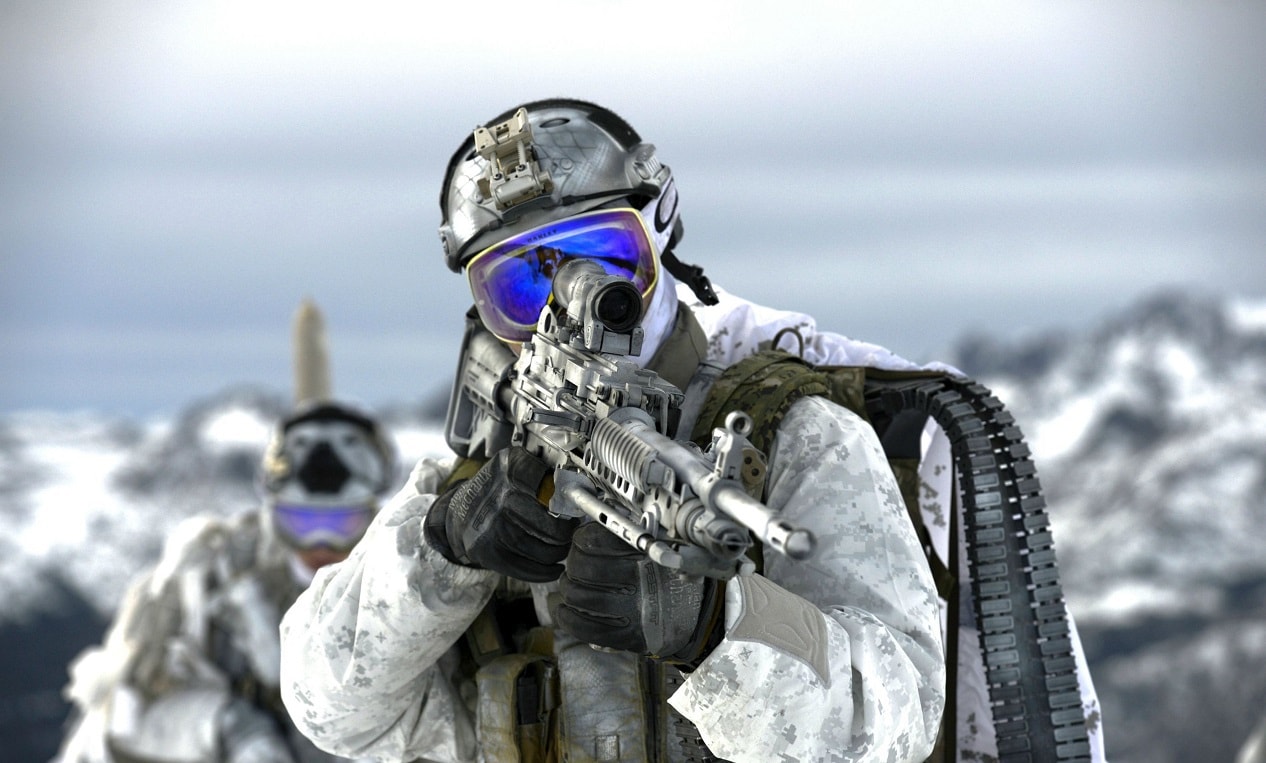
US Navy SEALs. Image Credit: Creative Commons.
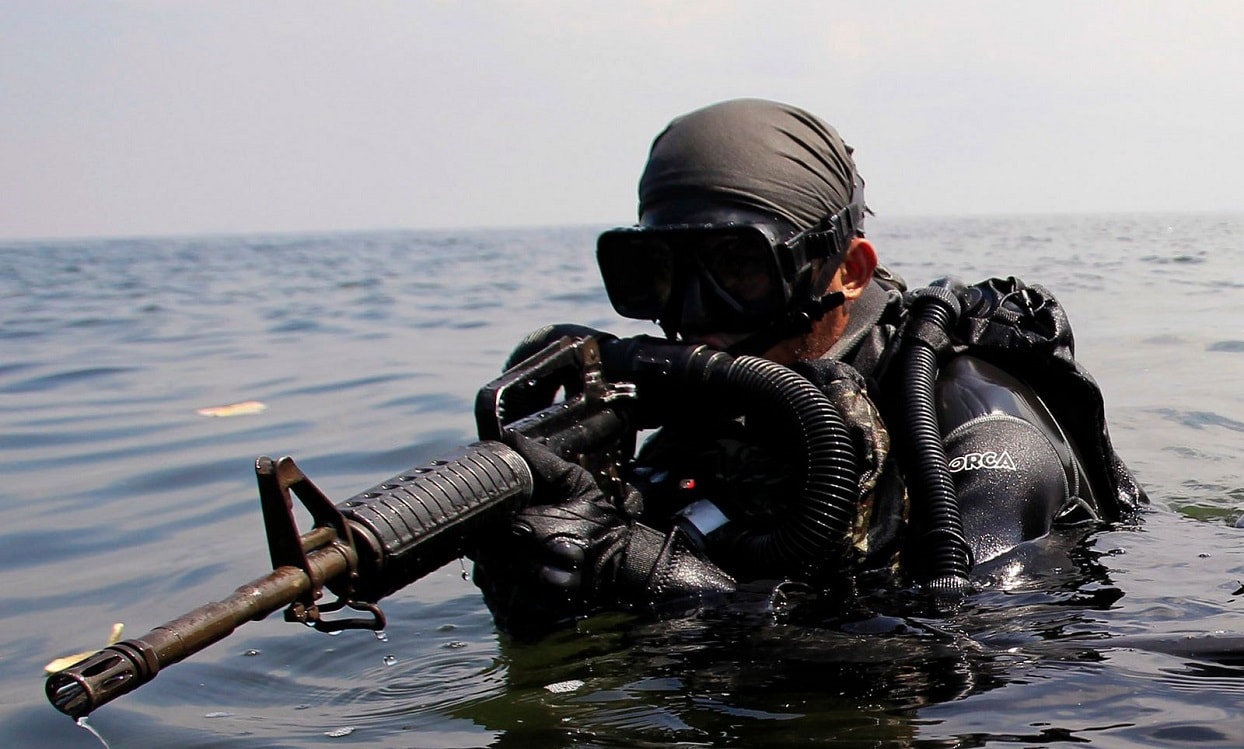
Image: Creative Commons.
One Massive Mission to End the Conflict
Trump is looking for that one strike that could set up the overthrow of the regime.
But now it looks like the Iranians have picked a new Supreme Leader, Mojtaba Khamenei, the son of Ali Khamenei, who is not likely to unconditionally surrender anytime soon.
What About Using Delta Force to Destroy Nuclear Infrastructure?
So Trump and the U.S. military are looking for an elusive knockout punch.
To destroy weapons of mass destruction facilities, the Americans have considered using top-tier special operations forces units in Iran.
The idea is to infiltrate Delta Force operators into the country to blow up nuclear infrastructure and assassinate Iranian political and religious leadership.
But this would be risky, and replenishing Delta Force with food and ammunition would be difficult. As would be utilizing combat search and rescue assets to exfiltrate operators if there were casualties.
What is the next step in this war that could be decisive? There is one center of gravity that was not originally an attack target. This is the key hub of Iran’s energy sector.
Taking this Strategic Island Could be the Mission to End It All
Iran’s Kharg Island, which most casual military and energy observers rarely discuss, is now part of a potential U.S. plan for dominance that could make the enemy cry uncle.
This small, strategic area is in the Northern Persian Gulf. So far, the United States and Israel have resisted attacking this location. The island, about 15 miles off the coast, is considered the most important asset to the country’s energy infrastructure.
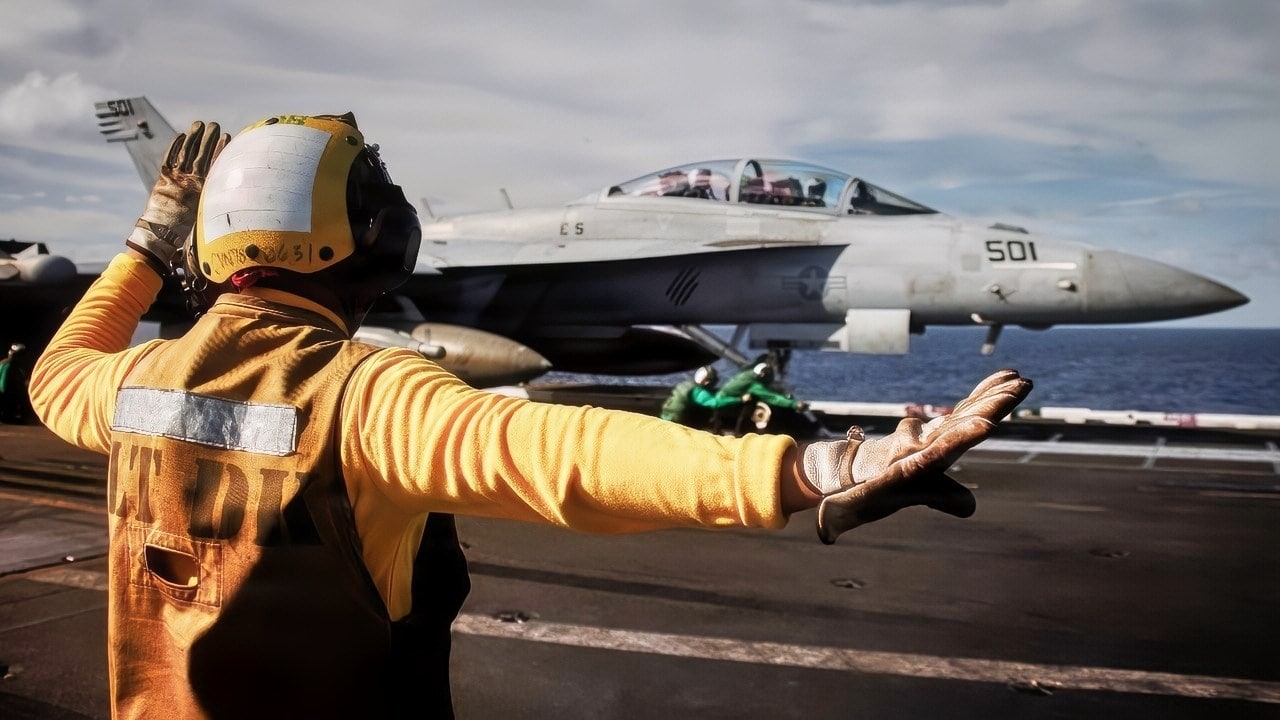
A U.S. Sailor signals to send the aircraft catapult shuttle forward on the flight deck of the world’s largest aircraft carrier, Ford-class aircraft carrier USS Gerald R. Ford (CVN 78), while underway in the Caribbean Sea, Jan. 11, 2026. U.S. military forces are deployed to the Caribbean in support of the U.S. Southern Command mission, Department of War-directed operations, and the president’s priorities to disrupt illicit drug trafficking and protect the homeland. (U.S. Navy photo)
Ninety percent of Iran’s oil transits through Kharg Island. Workers on the terrain feature can load tankers with seven million barrels of hydrocarbons each day.
What If the Americans Send in the SEALs?
Could the United States seize it? This endeavor would take an intrepid use of special operations forces. This time, it would be SEAL Team Six, a presidential-level asset of the maritime commandos with no equal in Naval Special Operations. This operation might be hazardous, too. The SEALs would likely be delivered by a U.S. submarine and infiltrated by a SEAL delivery vehicle. Operators could also parachute in with a High-Altitude Low Opening (HALO) airborne operation. The Navy could provide helicopters for search and rescue, and the SEALs could hold the location until U.S. Marines could join them for more numbers. Would the SEALs and Marines want to take this island?
Huge Oil Spike as a Result
This could be the wrong decision, as oil prices have skyrocketed over the last two weeks. The price of crude is $98 a barrel as of March 9 – up 54 percent in the past month. This is something President Trump wants to avoid as midterm elections approach, and he ran for the White House in part to reduce high gas prices during the Joe Biden administration.
You Promised No Forever Wars
Also, we are talking boots on the ground in Iran. This is another aspect of Trump’s presidential campaign in which he said no more “forever wars” or open-ended conflicts that would create more U.S. casualties in “stupid wars” that are the province of the neoconservatives that the MAGA world despises.
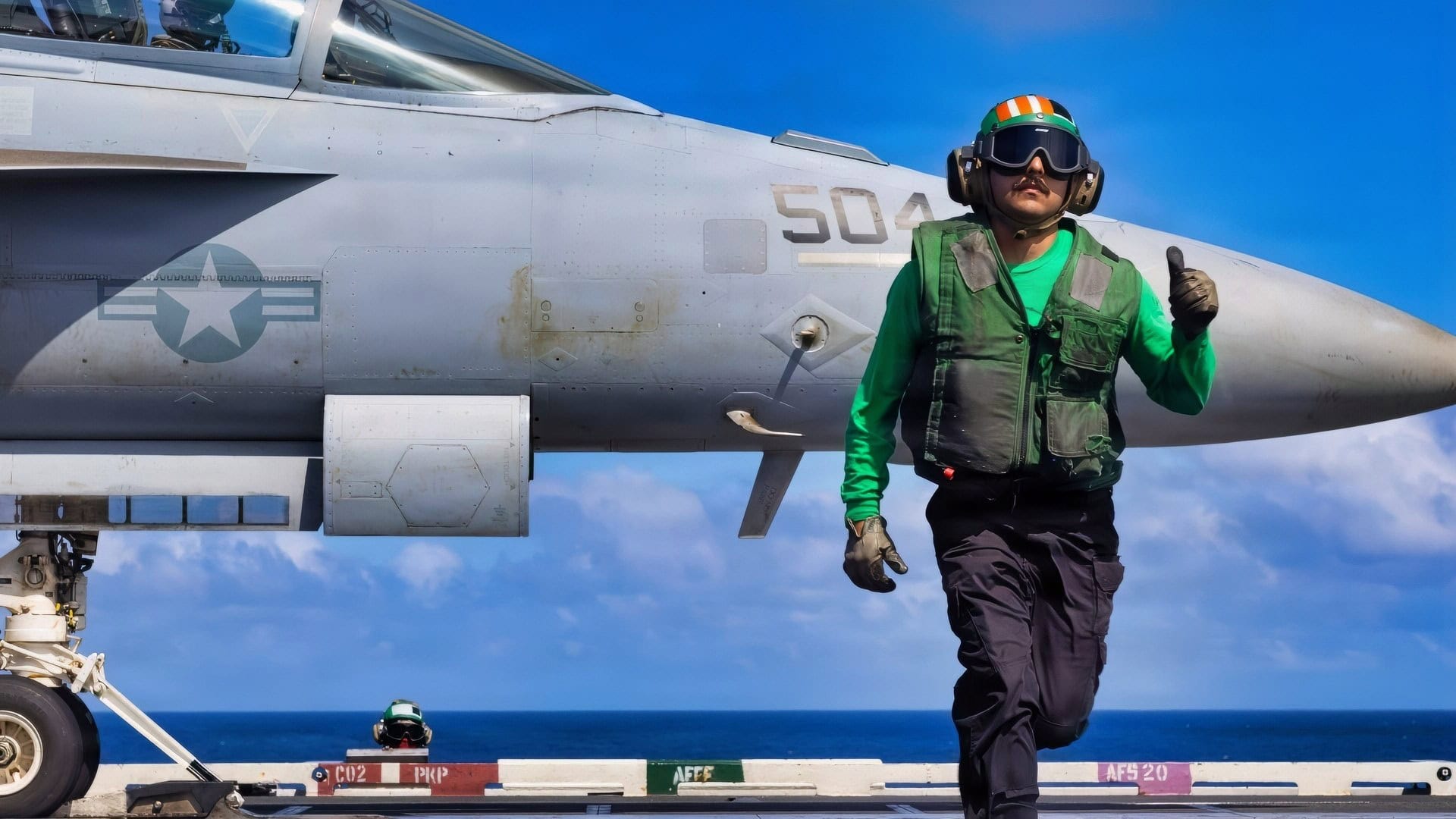
A U.S. Sailor signals the launch of an E/A-18G Growler aircraft, attached to Electronic Attack Squadron 142, from the flight deck of the world’s largest aircraft carrier, Ford-class aircraft carrier USS Gerald R. Ford (CVN 78), while underway in the Caribbean Sea, Jan. 31, 2026. U.S. military forces are deployed to the Caribbean in support of the U.S. Southern Command mission, Department of War-directed operations, and the president’s priorities to disrupt illicit drug trafficking and protect the homeland. (U.S. Navy photo)
Iran Would Suffer the Consequences
Taking the island “would cut off Iran’s oil lifeline,” which the regime badly needs, according to Petras Katinas, a research fellow in climate, energy, and defense at RUSI, a London-based defense policy institute.
“Of course, with shipping via the Strait of Hormuz now stopped, they cannot sell oil anyway, but looking ahead, seizure would give the US leverage during negotiations, no matter which regime is in power after the military operation ends,” Katinas told CNBC.
Choking Off the Regime from Needed Funding
The seizure could also keep the Iranians from using an important source of desperately needed revenue to keep the regime in power. Iran is likely fortifying the island, but they have much reduced naval capacity as many warships have been sunk. But they still have the Islamic Revolutionary Guard Corps Quds Force that can defend against U.S. special operations attacks. These forces could make a U.S. mission more difficult.
SEAL Team Six and a force of Marines could definitely take the island, but it would spike oil prices so high that Trump may want to avoid such pain at the pump. There could also be U.S. casualties – something that the American people will not stand for. Even a successful mission against the island would prolong the war, as the Iranians would attempt to retake it.
Could the Raid End the War?
However, the SEALs are experts at these types of operations, and Trump could allow them to pull it off without a hitch. Would this be decisive enough to win the war? That’s doubtful as the Iranian regime has no plans to give up even if they lost the island.
We’ll check repeatedly to see if SEAL Team Six is utilized for this mission. It has a high chance of succeeding, but may be better as a threat to be communicated during negotiations after a ceasefire. The action would throw the global oil market into a tizzy, and the Americans could endure casualties that would make the operation as risky as ever. This is one operation that may change the war, but would entail too great a risk of combat losses and political blowback.
About the Author: Brent M. Eastwood
Author of now over 3,000 articles on defense issues, Brent M. Eastwood, PhD is the author of Don’t Turn Your Back On the World: a Conservative Foreign Policy and Humans, Machines, and Data: Future Trends in Warfare plus two other books. Brent was the founder and CEO of a tech firm that predicted world events using artificial intelligence. He served as a legislative fellow for US Senator Tim Scott and advised the senator on defense and foreign policy issues. He has taught at American University, George Washington University, and George Mason University. Brent is a former US Army Infantry officer. He can be followed on X @BMEastwood.