
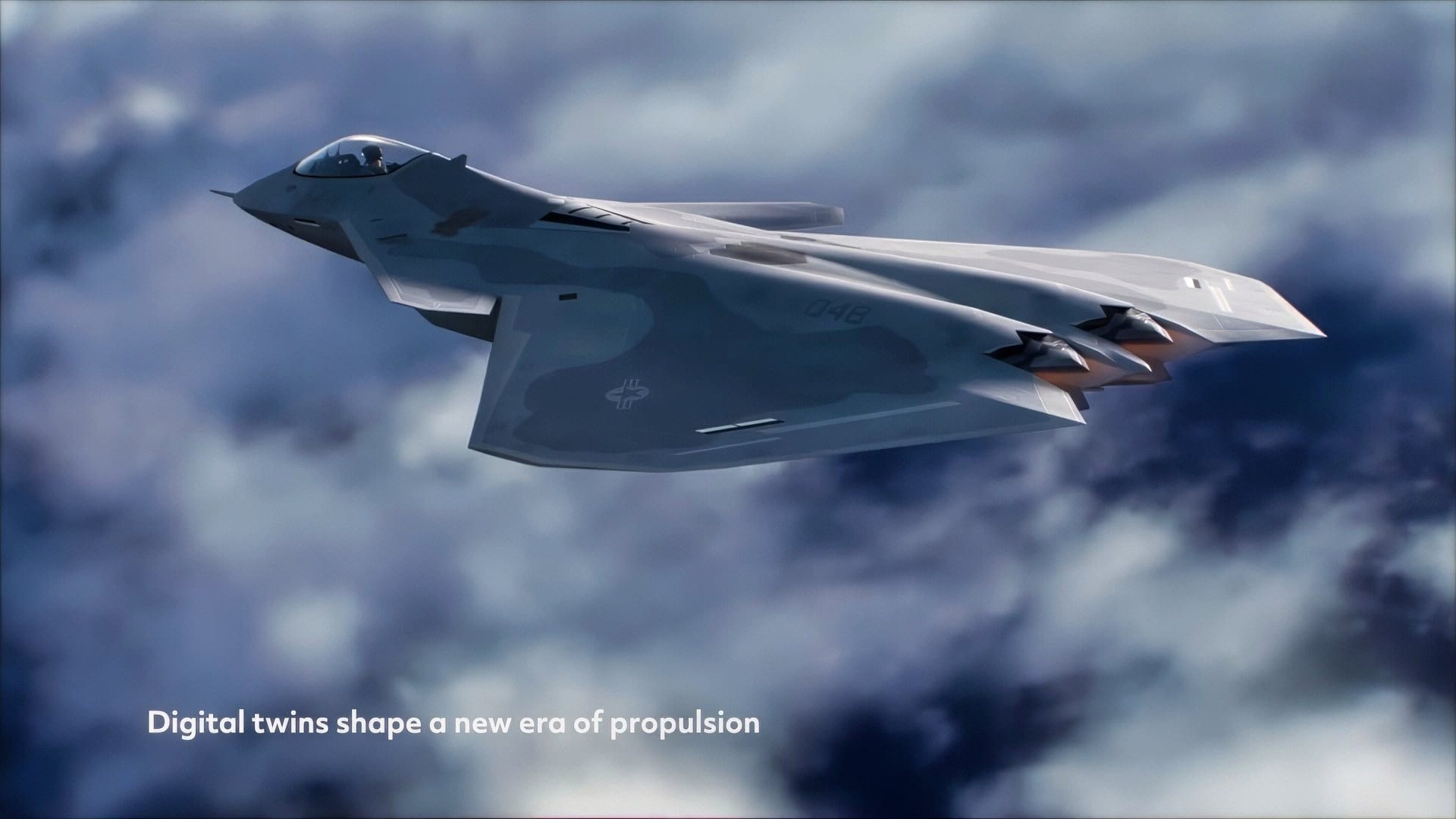
Summary and Key Points: National security journalist Harrison Kass examines the “fighter gap” created by the five-year delay of the U.S. Air Force’s F-47 (NGAD) and the Navy’s F/A-XX.
-Originally slated for a 2030 debut, these 6th-generation platforms are now expected in the mid-2030s due to industrial saturation and the Pentagon’s push for open architecture to avoid “vendor lock.”
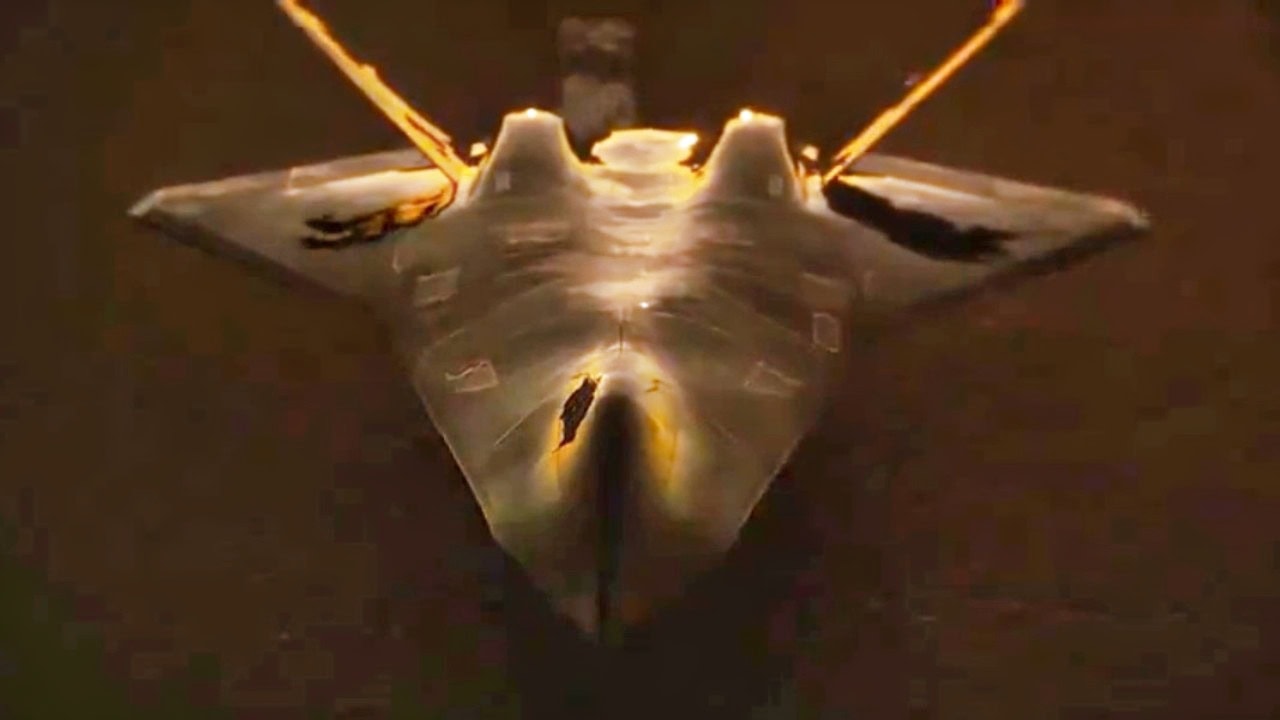
F-47 Fighter from Boeing. Image Credit: U.S. Air Force Screenshot.

Shown is a graphical artist rendering of the Next Generation Air Dominance (NGAD) Platform. The rendering highlights the Air Force’s sixth generation fighter, the F-47. The NGAD Platform will bring lethal, next-generation technologies to ensure air superiority for the Joint Force in any conflict. (U.S. Air Force graphic)
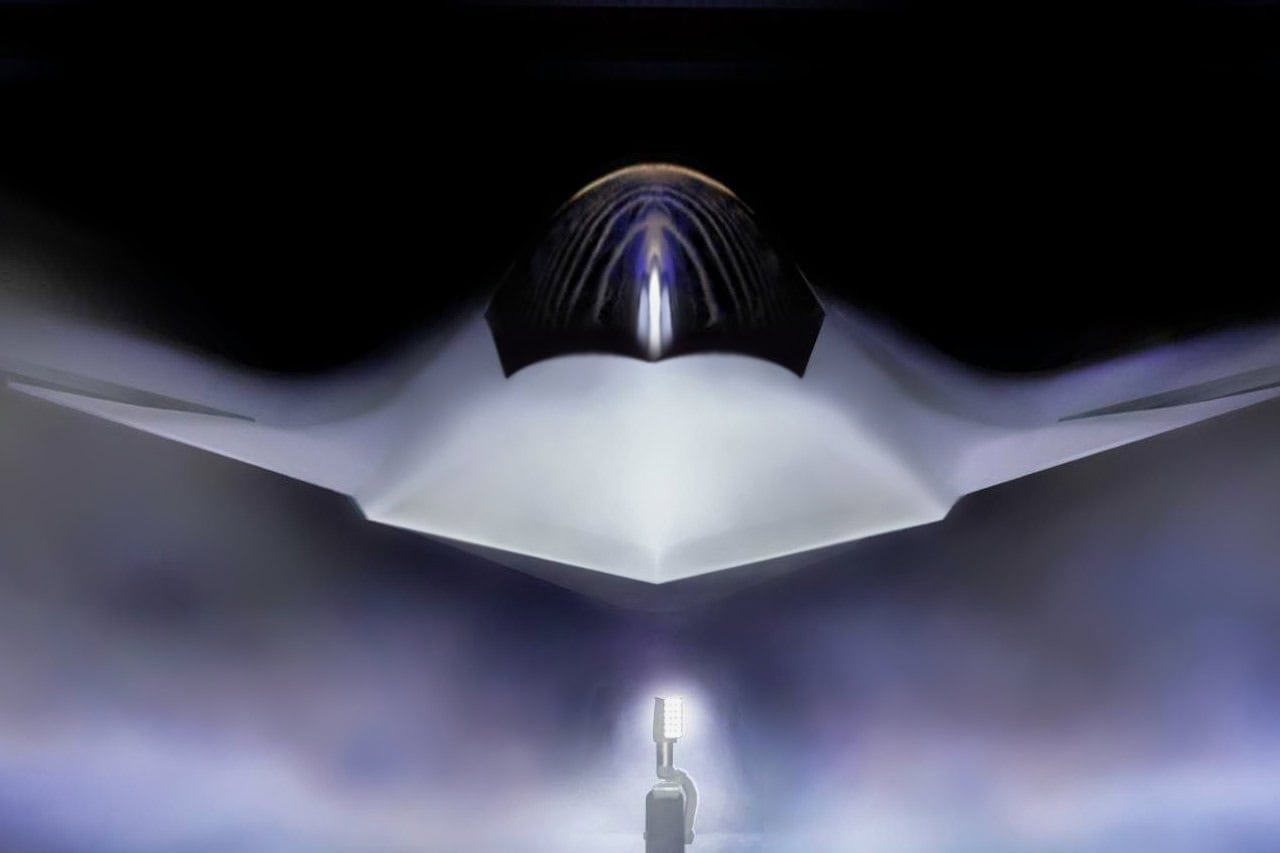
Shown is a graphical artist rendering of the Next Generation Air Dominance (NGAD) Platform. The rendering highlights the Air Force’s sixth generation fighter, the F-47. The NGAD Platform will bring lethal, next-generation technologies to ensure air superiority for the Joint Force in any conflict. (U.S. Air Force graphic)
-This shift requires massive investment in the F-22 Raptor and F/A-18 Super Hornet fleets, extending their service through the 2030s.
-While adversaries like China (J-20) and Russia (Su-57) face their own hurdles, the U.S. remains the global leader in pilot networking and sensor integration.
The F-47 and F/A-XX Will Take a Long Time to Ever See the Skies
Two of the United States’ most important future fighter programs—the US Air Force’s F-47 and the Navy’s F/A-XX—are now expected to enter service in the mid-2030s, rather than the originally slated 2030.
For observers of weapons development cycles, the five-year delay should come as no surprise.
But the delay means the Pentagon will have to extend the service life of current fighter platforms, particularly the F-22 Raptor and F/A-18 Super Hornet.
Some analysts have labeled the situation as a looming fighter gap. But while the delay is real, the delay was expected—and the strategic consequences may be less dramatic than the fighter gap label suggests.
Programs in Delay
The F-47 is the USAF’s Next Generation Air Dominance (NGAD) fighter.
Boeing was awarded the contract to lead the program last year, securing a roughly $20 billion development deal. Intended to replace the F-22 Raptor, the F-47 should serve as the world’s premier air-superiority fighter, at least in theory.
Originally, the program’s goals included a first flight around 2028 with initial operating capability before 2030. That timeline now appears unlikely.
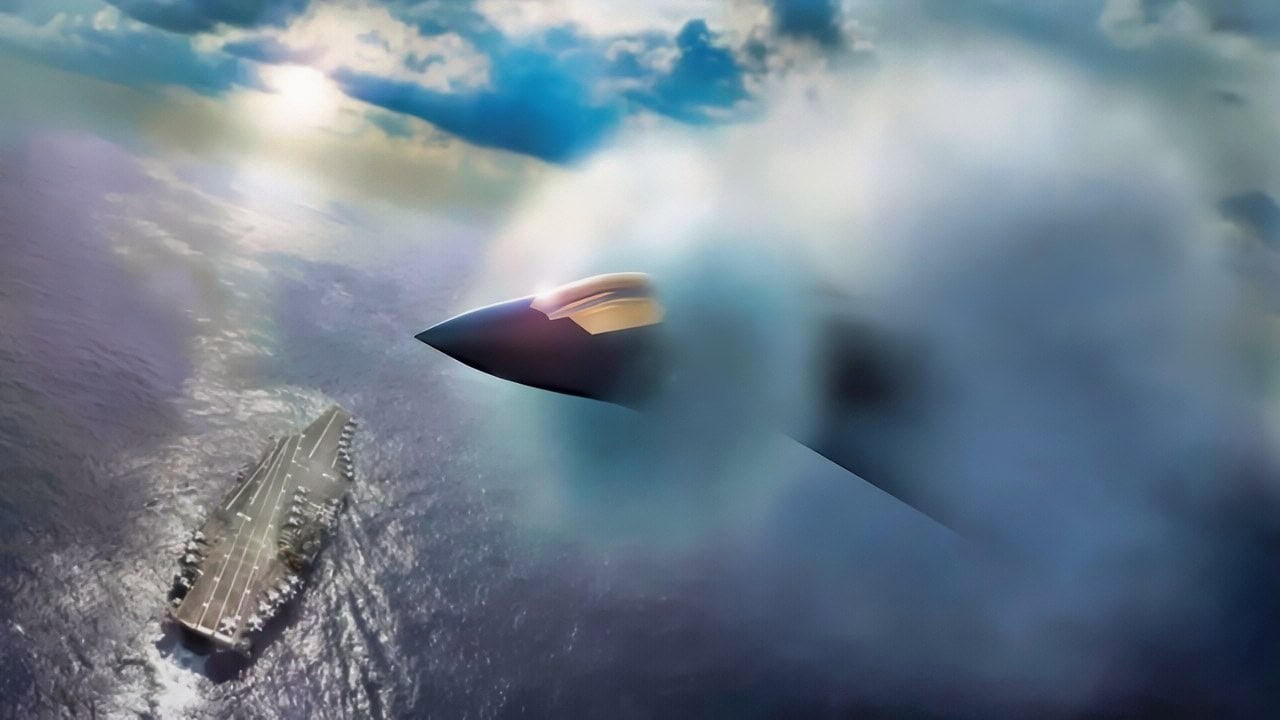
F/A-XX Boeing Image.
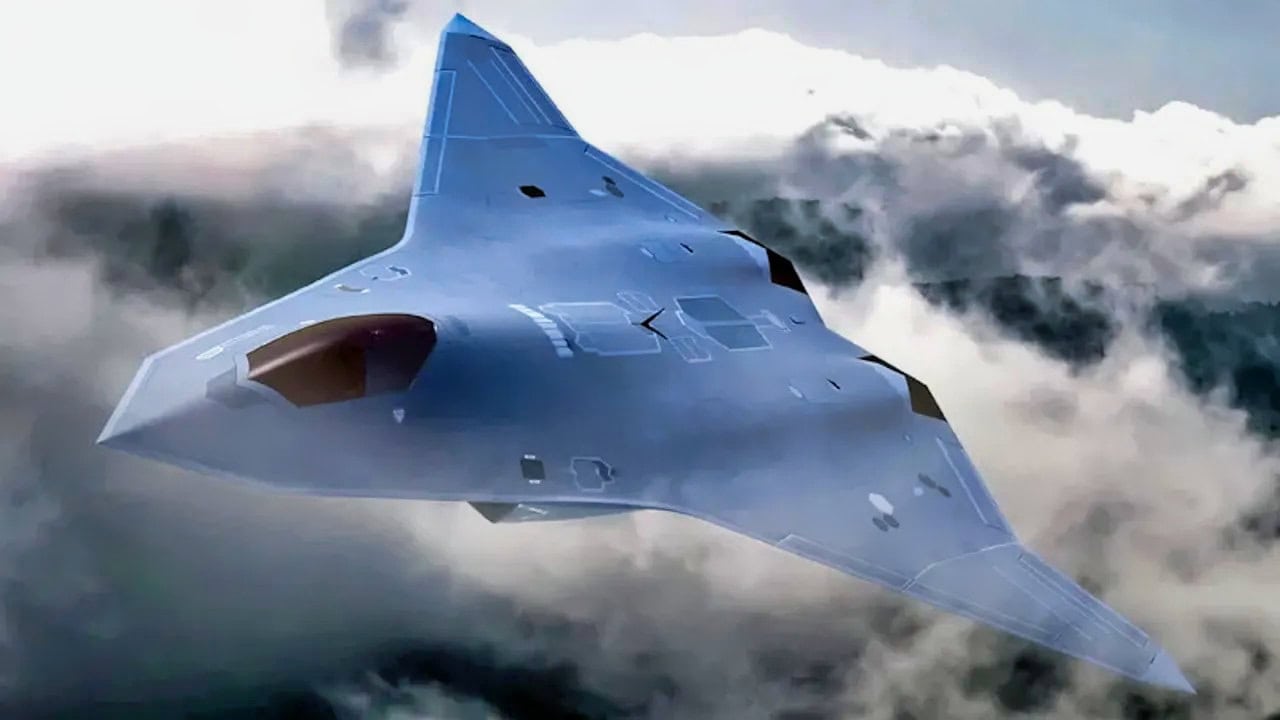
F/A-XX. Image Credit: Creative Commons.
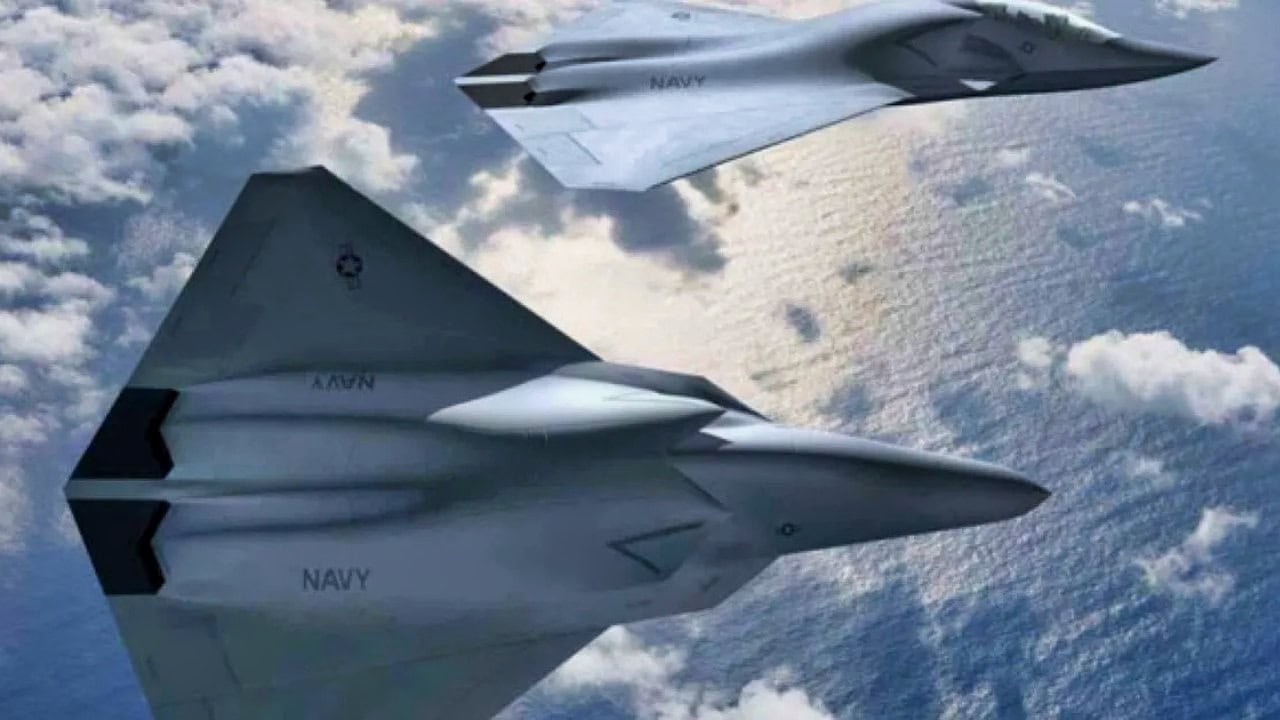
F/A-XX Fighter. Image Credit: Boeing.
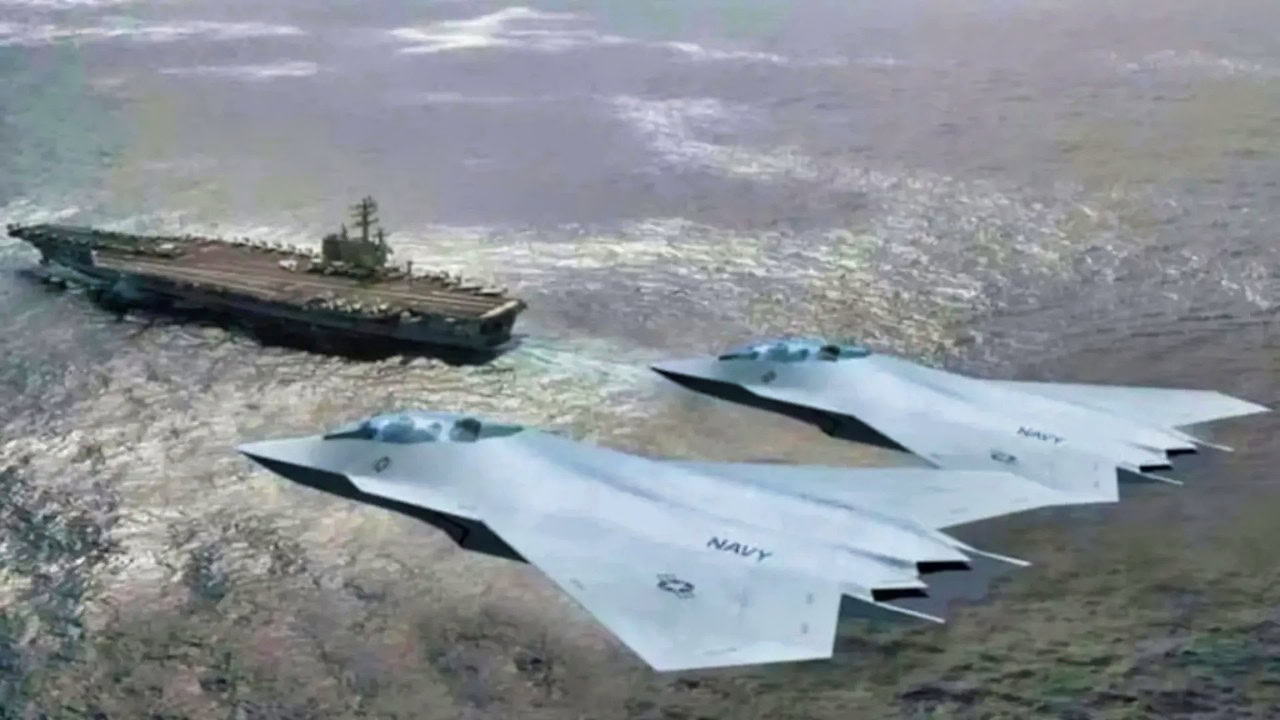
F/A-XX Fighter for US Navy. Navy graphic mockup.
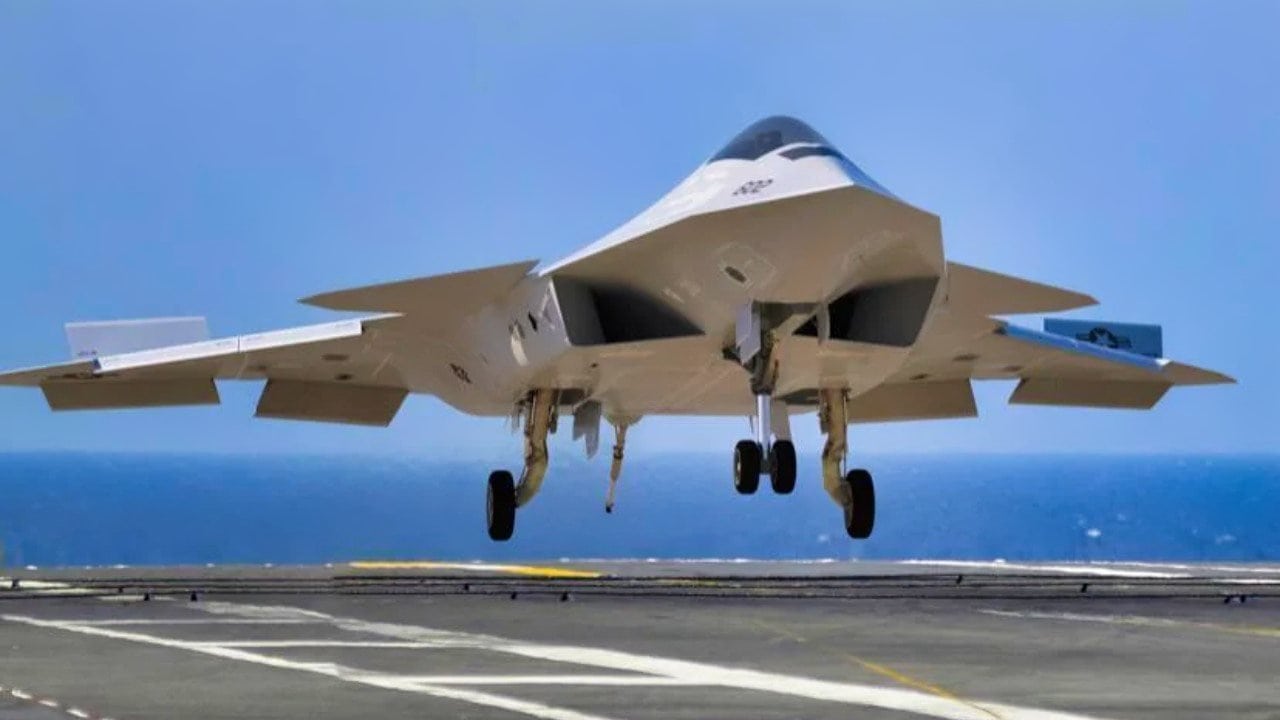
F/A-XX. Image Credit: Creative Commons.
Simultaneously, the F/A-XX is the Navy’s parallel effort, designed to replace the F/A-18E/F Super Hornet as part of the Navy’s Next Generation Air Dominance concept for carrier aviation.
The program is still awaiting a final contractor selection between Boeing and Northrop Grumman. And like the F-47, the F/A-XX is trending towards a mid-2030s debut.
Why the Delay?
Development delays are fairly standard for cutting-edge fighter aircraft. And the development of sixth-generation fighters represents one of the most complex aerospace engineering efforts ever attempted; a delay was almost guaranteed.
Regardless, key factors are slowing down the development. First, the Pentagon wants greater ownership of the aircraft’s technical architecture—a reflection of lessons learned from the F-35 program, where Lockheed Martin retained significant control over technical data.
The F-35 arrangement created long-term sustainment costs and “vendor lock,” something the Pentagon wants to avoid with the F-47, which should allow for easier upgrades and future software integration—but is jamming up the production timeline.
Also, the US aerospace industry is currently saturated with multiple large programs, such as the B-21 stealth bomber, T-7A jet trainer, unmanned combat aircraft, next-generation drones, and missiles.
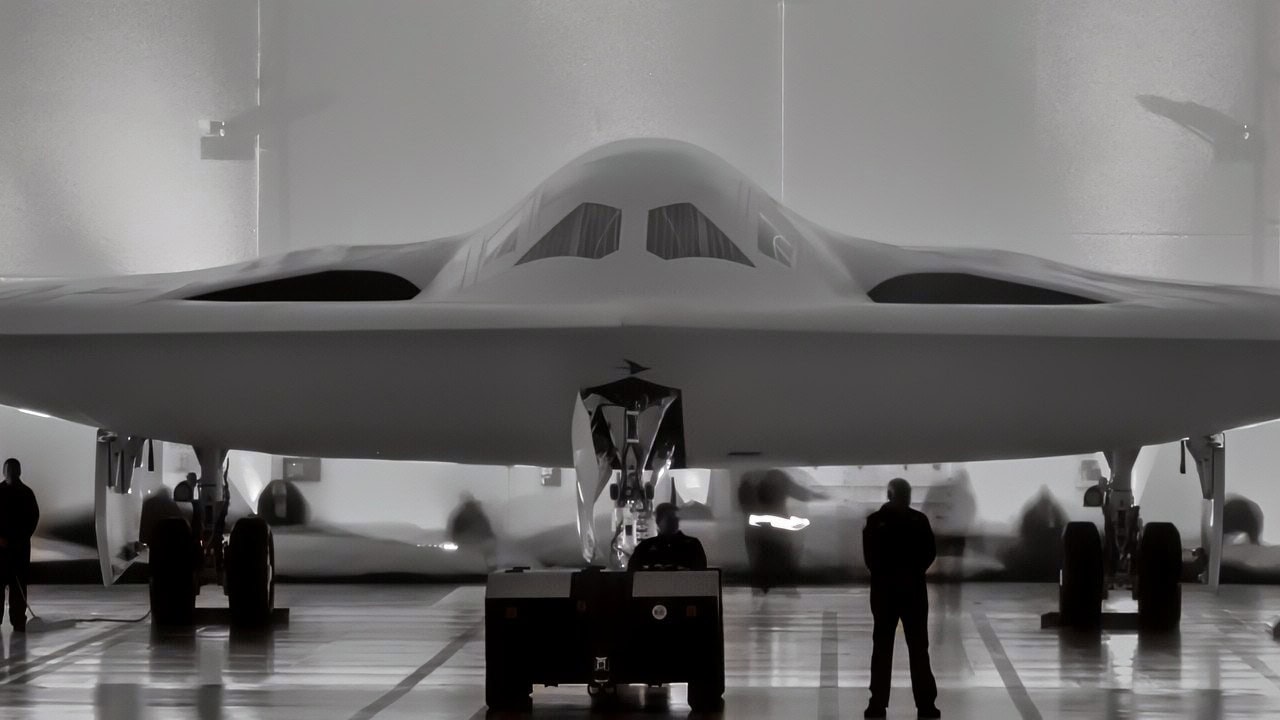
A B-21 Raider is unveiled at Northrop Grumman’s manufacturing facility on Air Force Plant 42 in Palmdale, California, Dec. 2, 2022. The B-21 will be a long-range, highly survivable, penetrating strike stealth bomber capable of delivering both conventional and nuclear munitions. (U.S. Air Force photo by Airman 1st Class Joshua M. Carroll)

U.S. Air Force Airmen with the 912th Aircraft Maintenance Squadron prepare to recover the second B-21 Raider to arrive for test and evaluation at Edwards AFB, Calif., Sept. 11, 2025. The arrival of a second test aircraft provides maintainers valuable hands-on experience with tools, data and processes that will support future operational squadrons. (U.S Air Force photo by Kyle Brasier)
Therefore, the industrial base is operating near capacity, which naturally slows the pace of complex sixth-generation projects.
And of course, further slowing down the projects is just the sheer engineering complexity of building clean-sheet sixth-generation aircraft—something that has never been done before.
The new jets will require advanced stealth shaping, long-range sensors, AI-assisted decision-making systems, manned-unmanned teaming, and next-generation propulsion.
Obviously, integrating all these novel technologies into a single platform will take time.
Extending the Current Fleet
Because the new aircraft will arrive later than planned, existing fighters will remain in service longer than planned. The F-22, originally slated for retirement beginning around 2030, will now likely remain operational well into the 2030s.
At $80,000 per flight hour, the F-22 is extremely expensive to operate, representing a significant financial drain. The F/A-18, meanwhile, will be extended through the Service Life Modification (SLM) program—pushing aircraft beyond 10,000 flight hours and about 40 percent beyond the jet’s original design life.
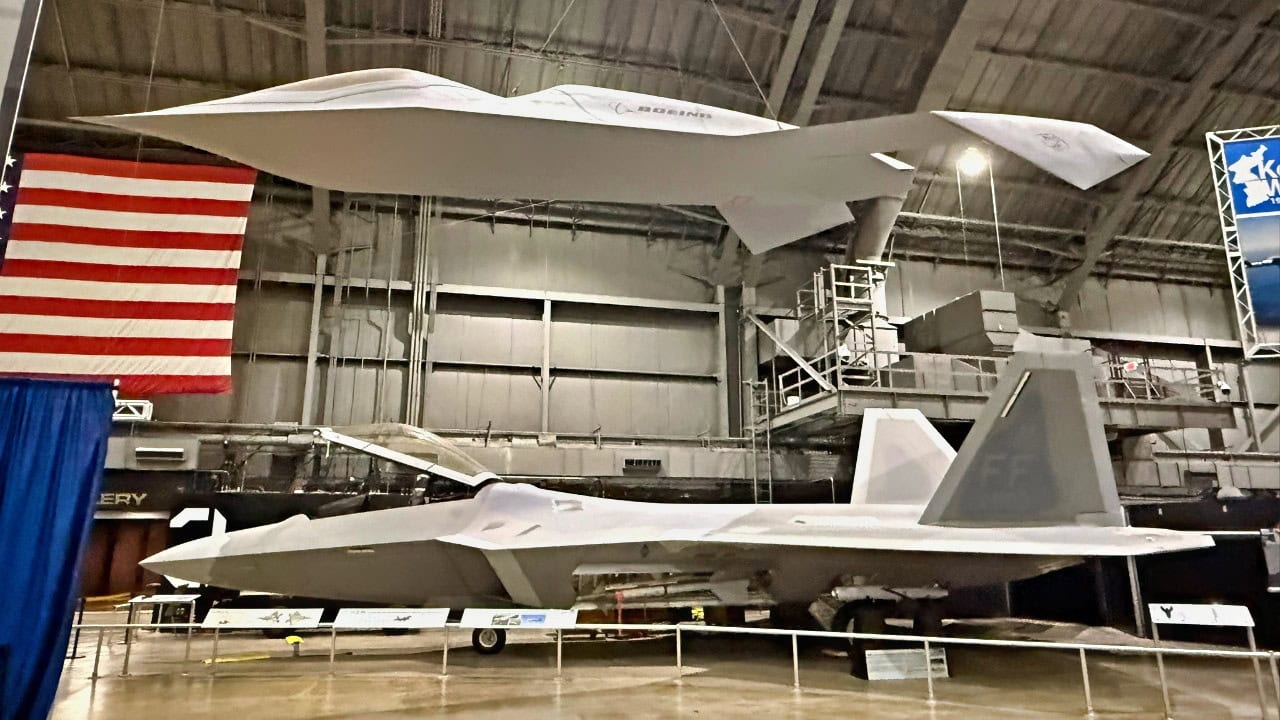
YF-118G. Image taken by Harry J. Kazianis for 19FortyFive.
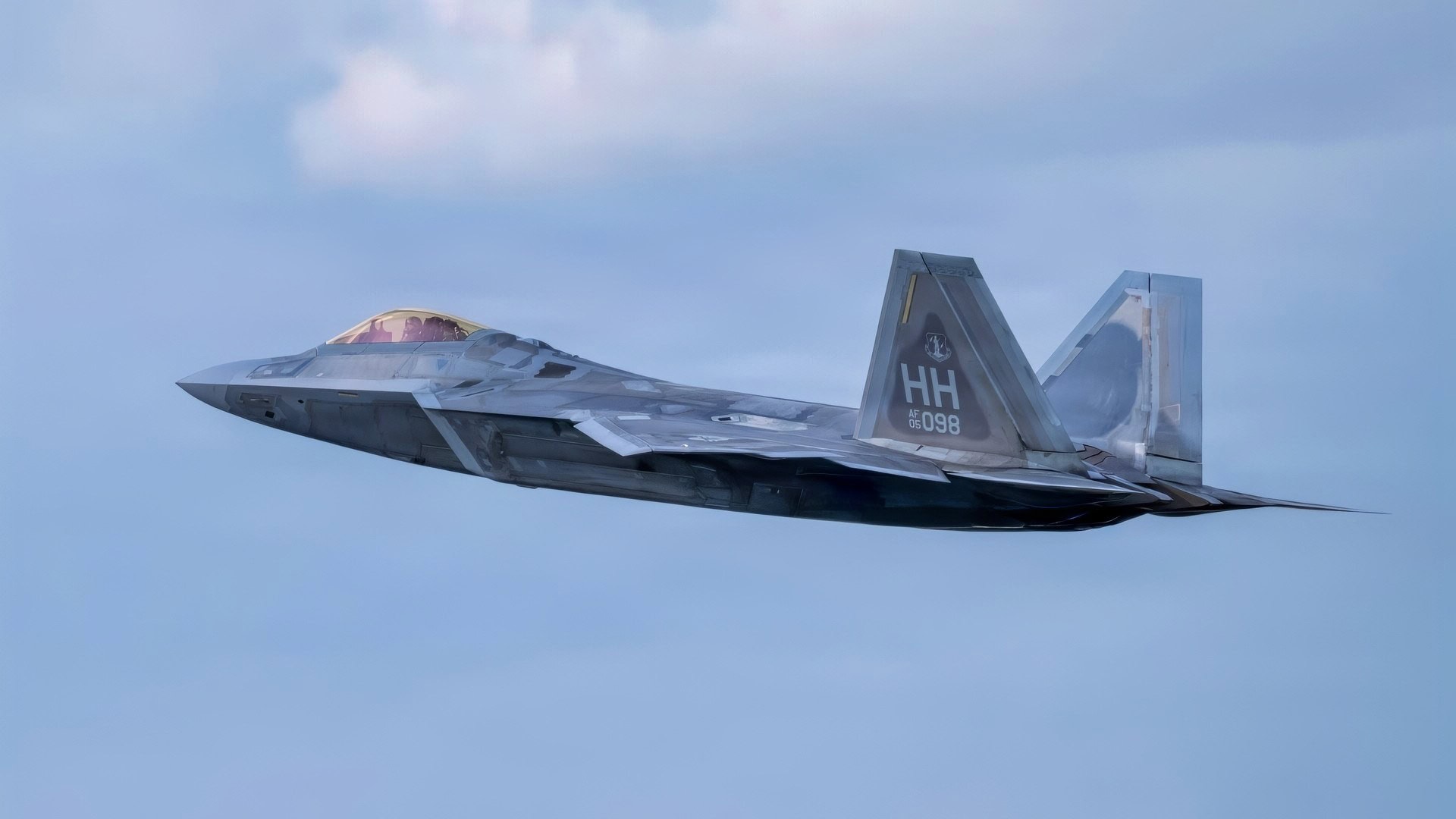
A U.S. Air Force F-22 Raptor, assigned to the 154th Wing, takes off from Daniel K. Inouye International Airport, Hawaii, Jan. 14, 2026, during Sentry Aloha 26-1. The F-22 Raptor is the U.S. Air Force’s premium fifth generation fighter. (U.S. Air Force photo by Senior Airman Aden Brown)
These SLM modifications will require billions of dollars in additional maintenance and modernization spending—all to preserve what is essentially an outdated platform.
Fighter Gap and Global Strategy
Despite the fighter gap rhetoric, the strategic consequences of the situation may be overstated.
The US still fields the world’s finest array of fighter aircraft, including the F-22, F-35 Lightning II, F-15EX, upgraded F/A-18s, and more.
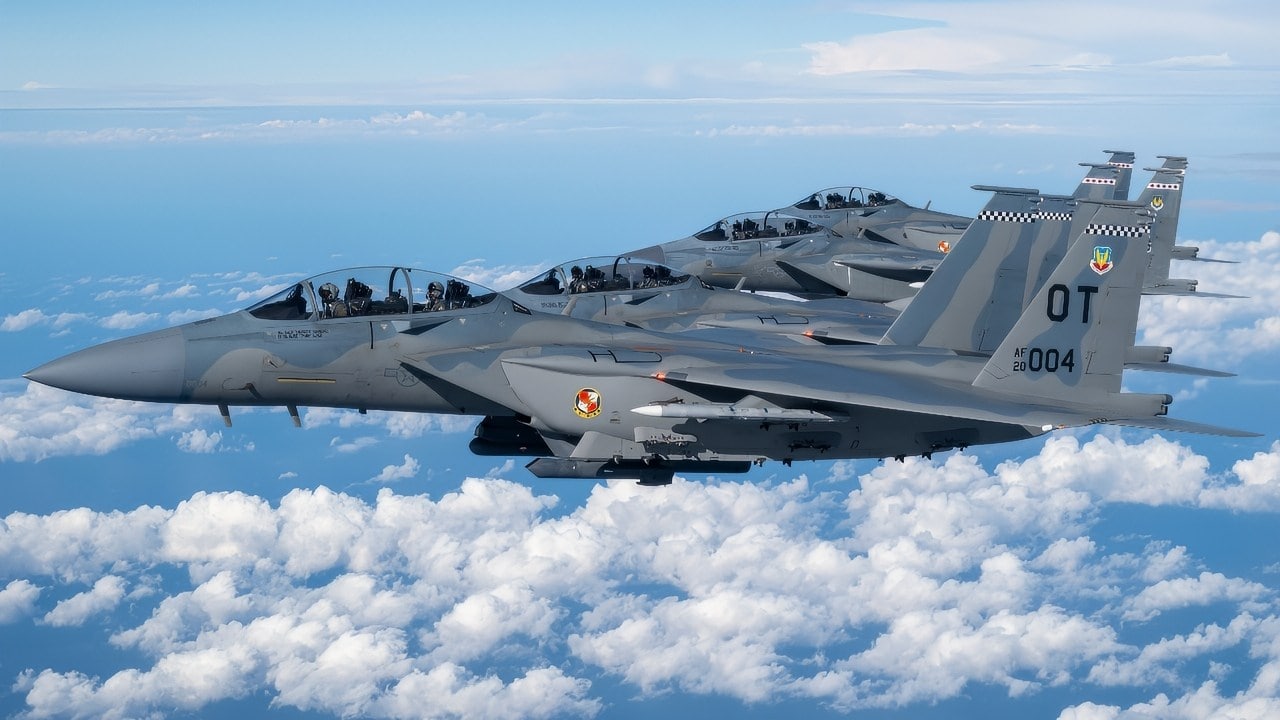
A formation of four U.S. Air Force F-15EX Eagle II fighter jets, assigned to Eglin Air Force Base, Florida, fly over the Gulf of America, Nov. 21, 2025. Secretary of the Air Force Troy Meink flew in the backseat of the lead jet as part of his visit to Eglin AFB. The flight oriented Meink to F-15EX tactics, techniques and procedures being developed and advanced by the 53d Wing to include weapons capacity, next-gen survivability, and next-generation radars, sensors and networking capabilities. (U.S. Air Force photo by Staff Sgt. Blake Wiles)
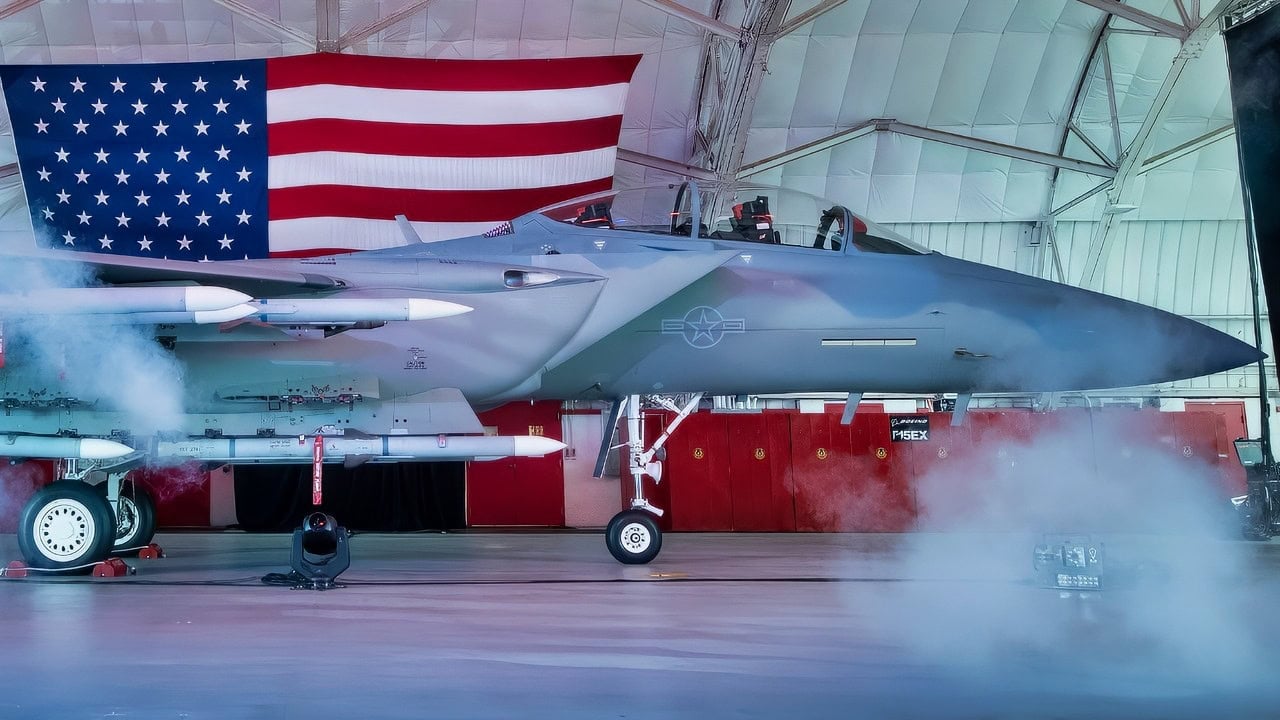
The Air Force’s newest fighter, the F-15EX Eagle II, was revealed and named during a ceremony April 7 at Eglin Air Force Base, Fla. The aircraft will be the first Air Force aircraft to be tested and fielded from beginning to end, through combined developmental and operational tests. (U.S. Air Force photo/Samuel King Jr.)
The US also maintains the world’s finest pilot training, networking, sensors, and support assets. The point is that the US is well situated to absorb the burden of the F-47 and F/A-XX delay.
Especially given that China and Russia are facing similar hurdles. China’s J-20 and future sixth-generation concepts seem to be advancing.
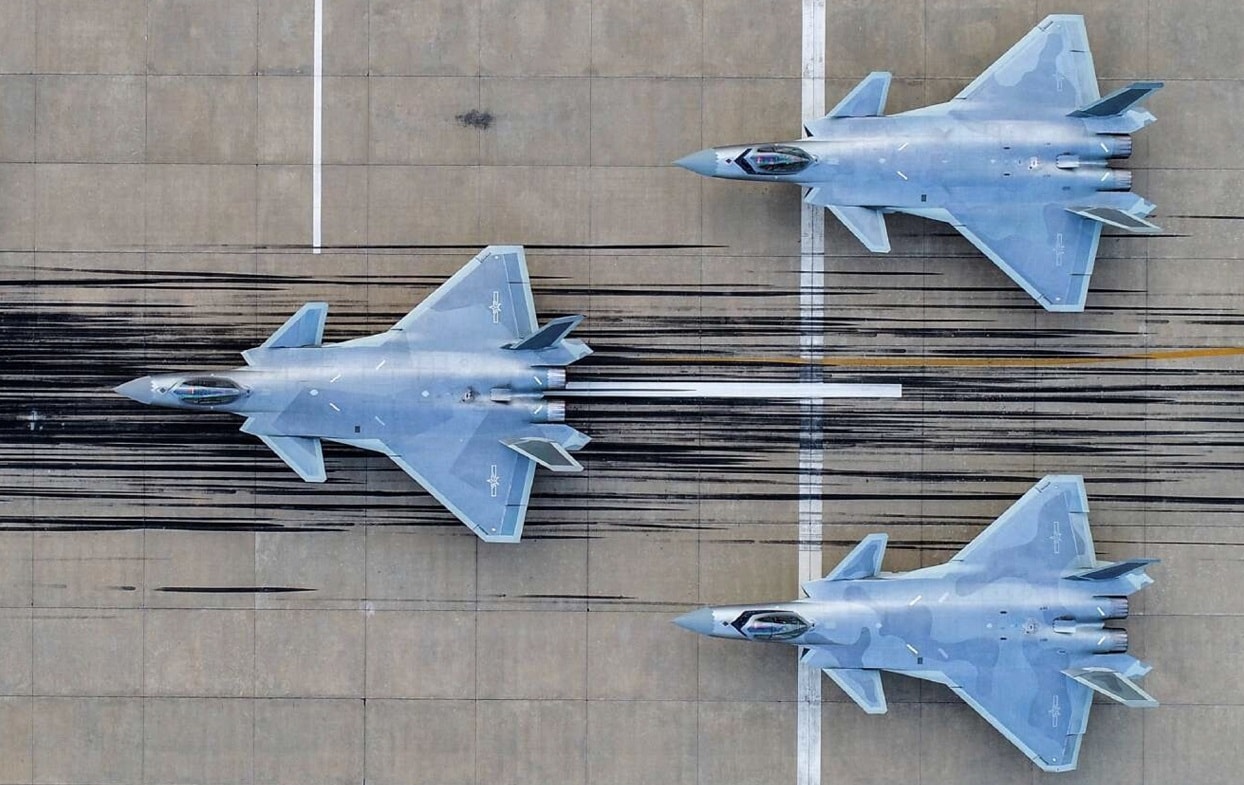
J-20. Image: Creative Commons.
But production rates, stealth performance, and support systems all remain unproven.
Russia’s Su-57 program, meanwhile, has struggled; production numbers are low, engine development is troubled, and sanctions have limited access to technology.
In effect, the US is still world-leading in fighter capability and production, and that is unlikely to change in the interim before the fielding of next-generation systems.
About the Author: Harrison Kass
Harrison Kass is an attorney and journalist covering national security, technology, and politics. Previously, he was a political staffer and candidate, and a US Air Force pilot selectee. He holds a JD from the University of Oregon and a master’s in global journalism and international relations from NYU.